Reykjavík was founded by, Ingólfur Arnarson, who arrived in 874 AD, brought here by his high seat pillars – emblems of tribal chieftainship, tossed overboard from his boat – and promised to settle where the gods decided to bring them ashore. Two of his slaves then searched the coasts for three years before finding the pillars in the bay which eventually became the site of Reykjavík.
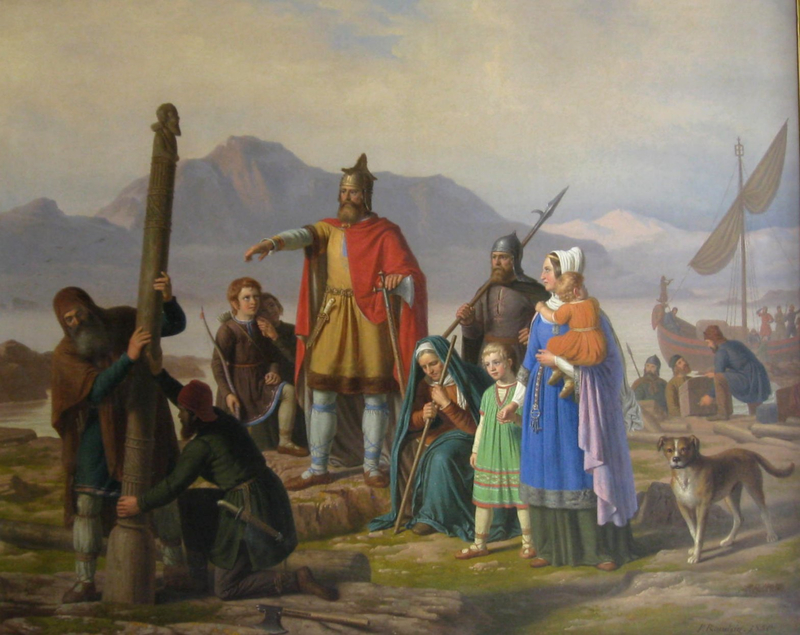
Photo via Good Free Photos
Reykjavik was named “smoky bay” (reykja meaning “of smoke”, vík meaning “bay”), by Arnarson who mistakenly thought the distant plumes of steam were smoke caused by fire. He had a hard time trying to persuade other settlers to join him as the land was unsupportive of farming. Reykjavík remained barely inhabited until an early seventeenth-century sea-fishing boom brought Danish traders, after which a small shanty town to house the workers. In the 1750s, several houses were built to house the wool industry, which was Reykjavík’s most important employer for a few decades and the original reason for its existence. The city was officially founded in 1786 as a trading town and grew steadily over the following decades.
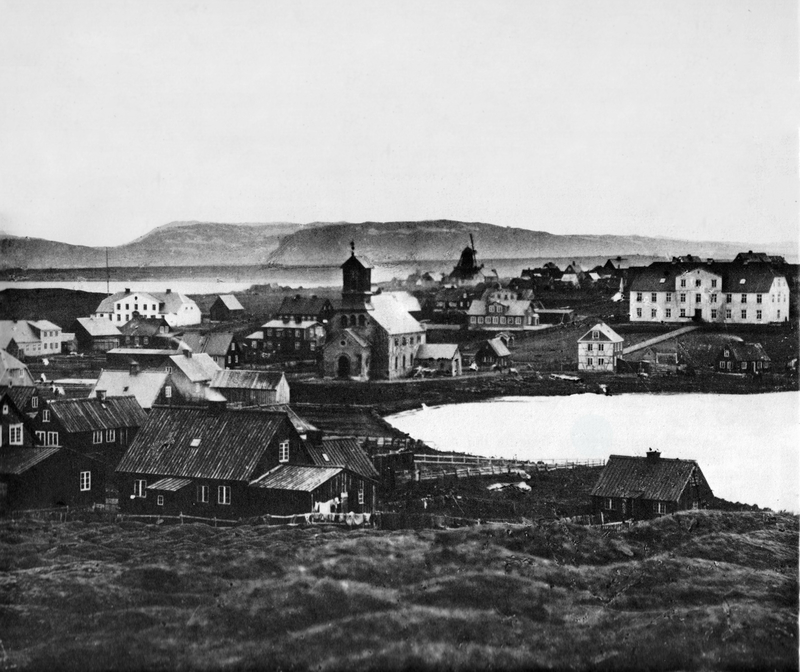
Photo via Good Free Photos
At 64° north, Reykjavík is characterized by extremes of day and night length over the course of the year. From 20 May to 24 July, daylight is essentially permanent as the sun never gets more than 5° below the horizon. Day length drops to less than five hours between 2 December and 10 January. The sun climbs just 3° above the horizon during this time. However, day length begins increasing rapidly during January and by month’s end there are seven hours of daylight.