15th November to 20th November
At a time when we were feeling a bit sad that we would be leaving Australia shortly, this trip was like ripping off a plaster as it suddenly felt like we had already left, Tasmania was so different.
After the day on the ferry we arrived just in time to check in at our campsite do a quick food shop as we weren’t allowed to take much fresh food across the water and then we were off to see the penguins.
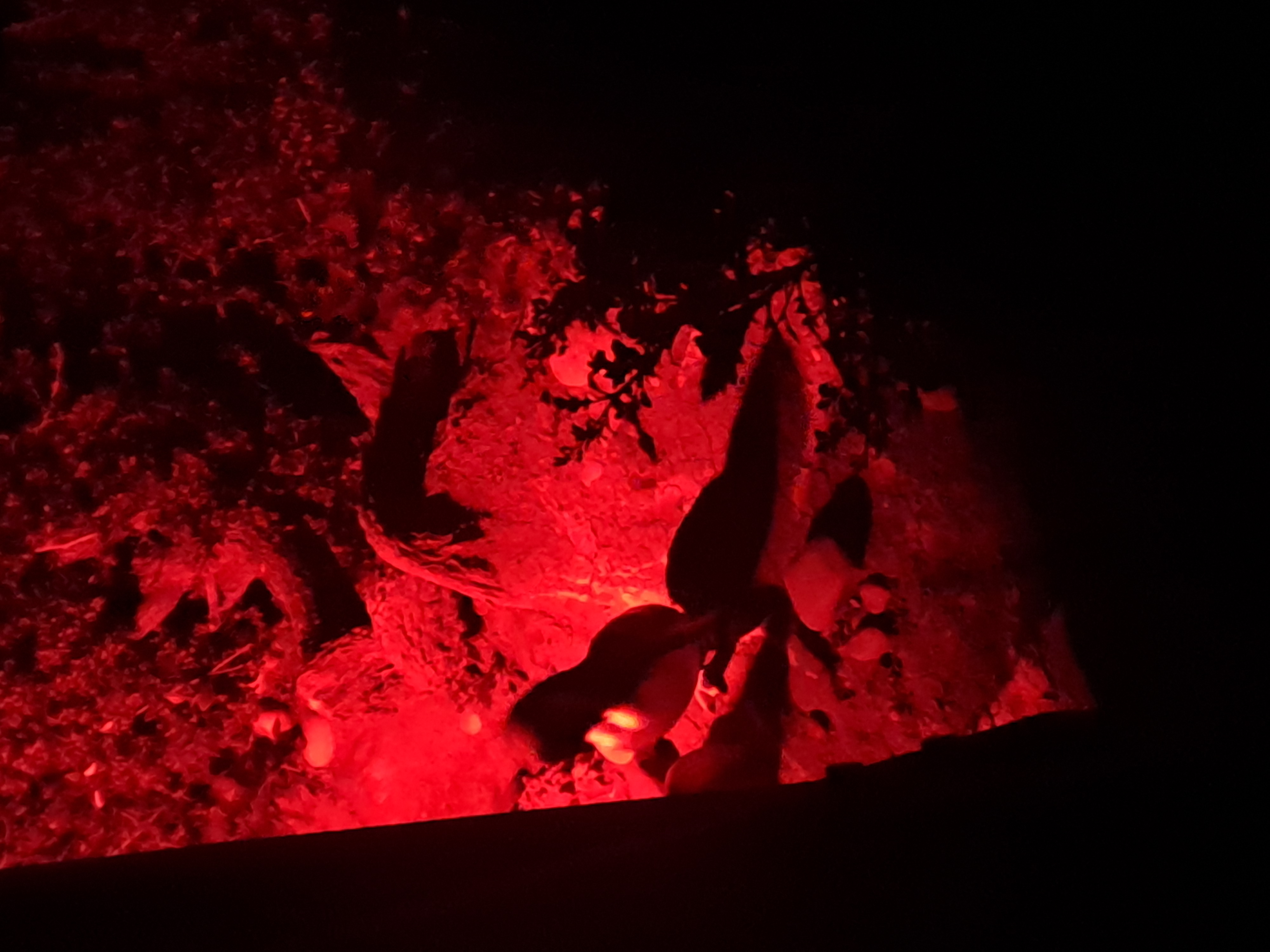
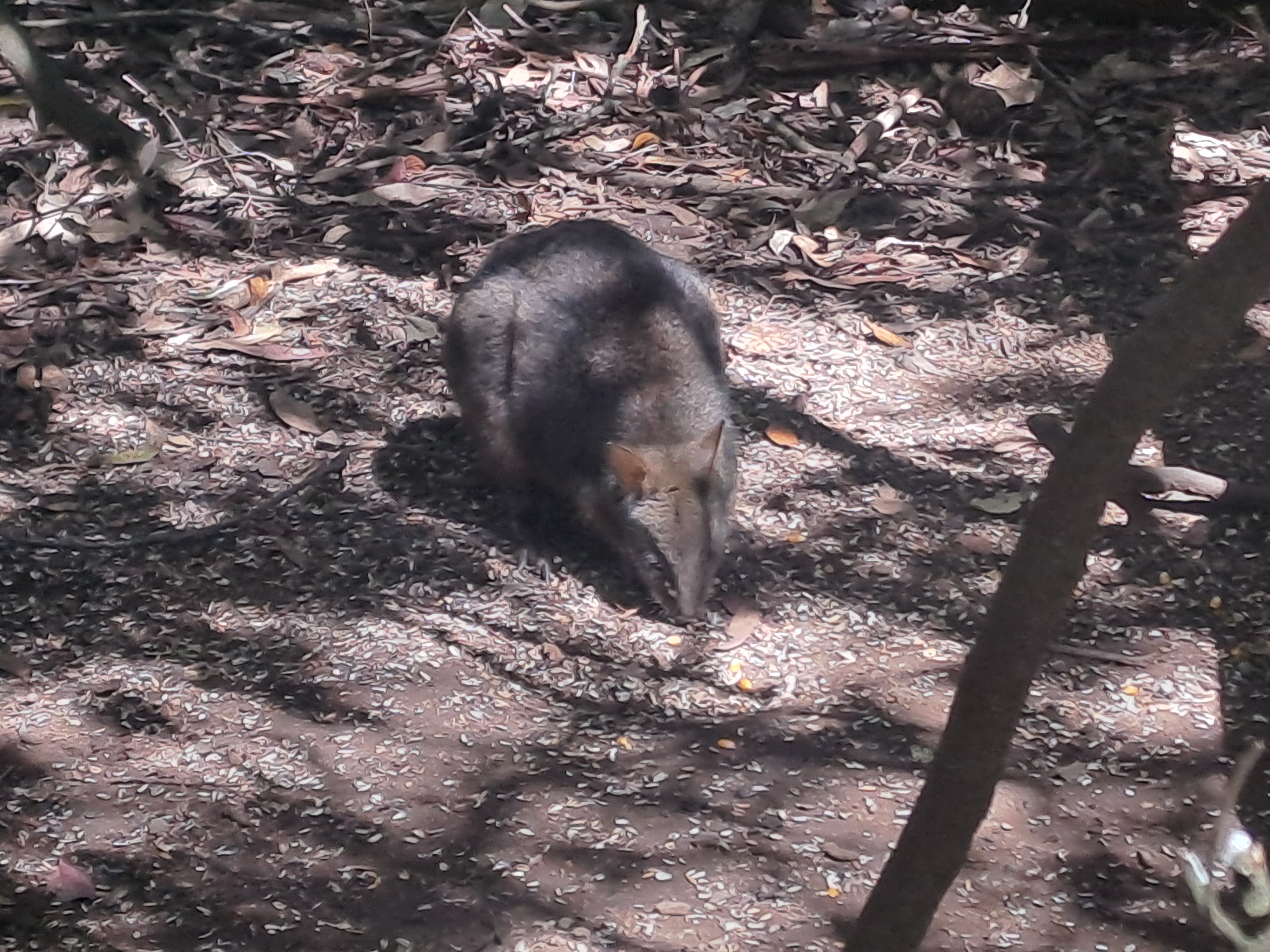
The Fairy Penguins spend the day out fishing and then come on shore at night. We went to the penguin watching platform and waited for it to get dark. Although we’d brought our headlights with us, set to red, we were told they were too bright and would put off the penguins from their home. We had to rely on the volunteers lights to see the penguins. They gradually waddled on a few at a time so we watched them for a while. Back at the campsite we’d had another treat. The site was covered in Pademelons. They were everywhere busy feeding on the grass. Unfortunately it was a bit dark for photos so we admired them and went to bed.

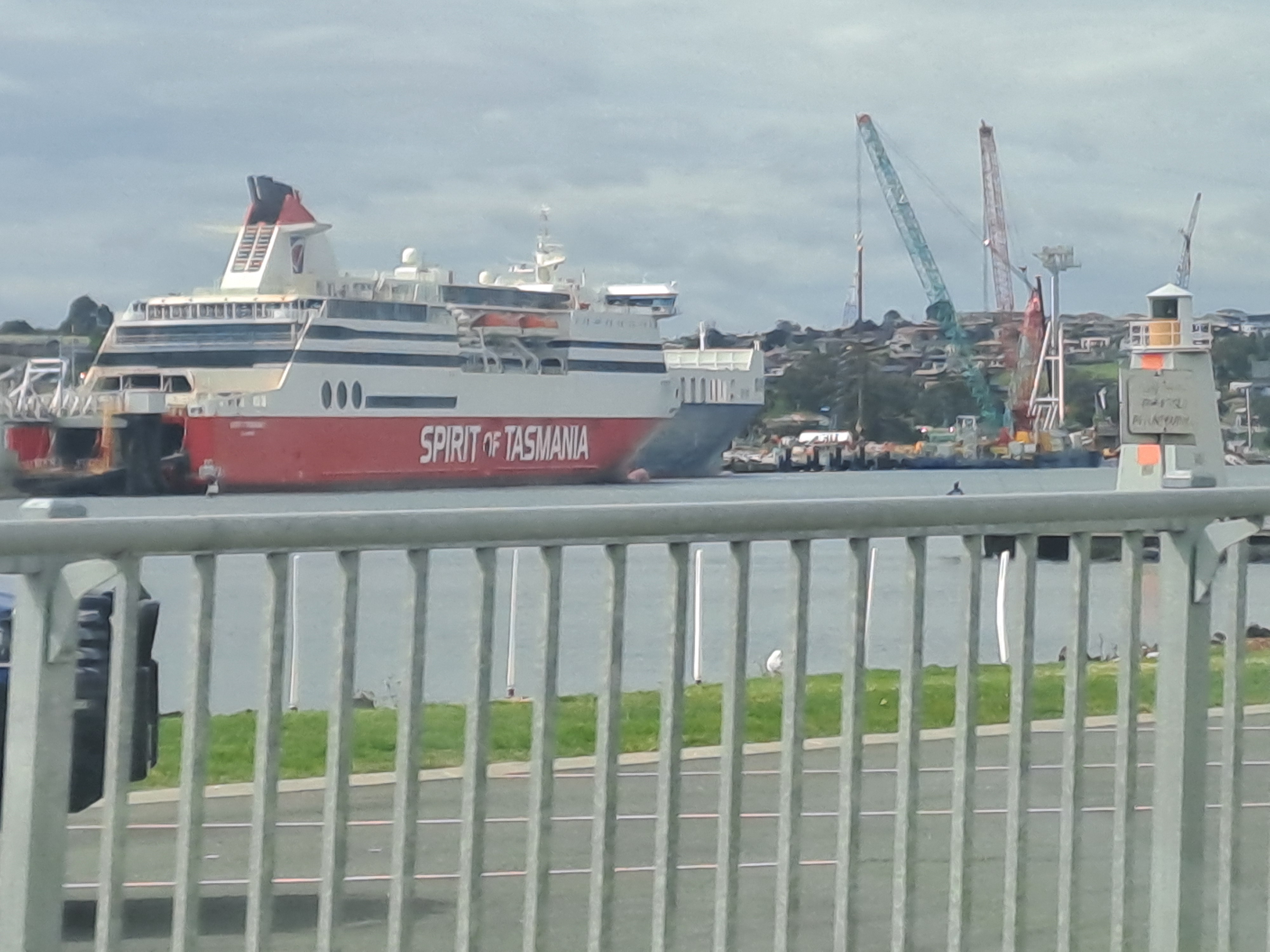
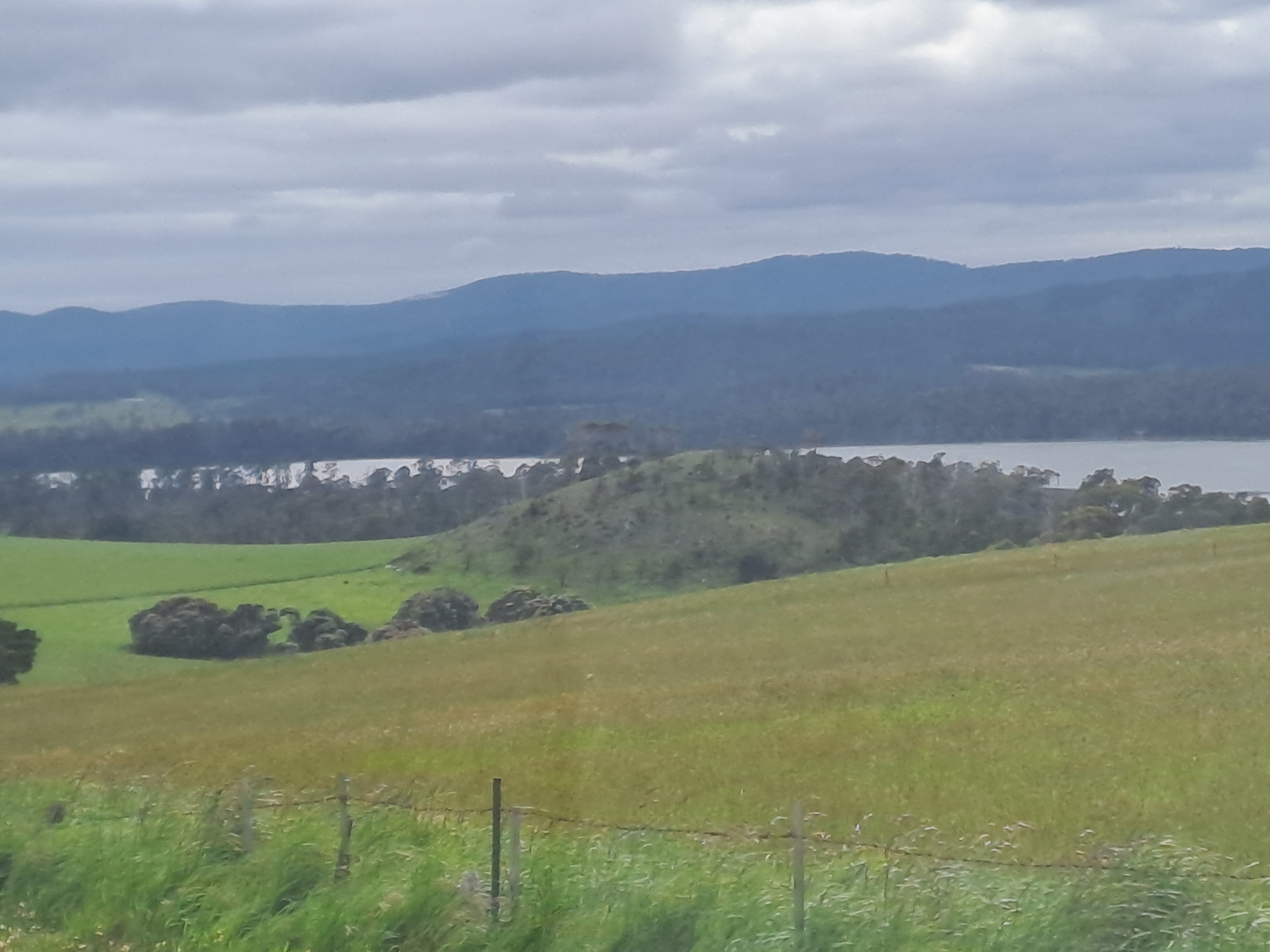
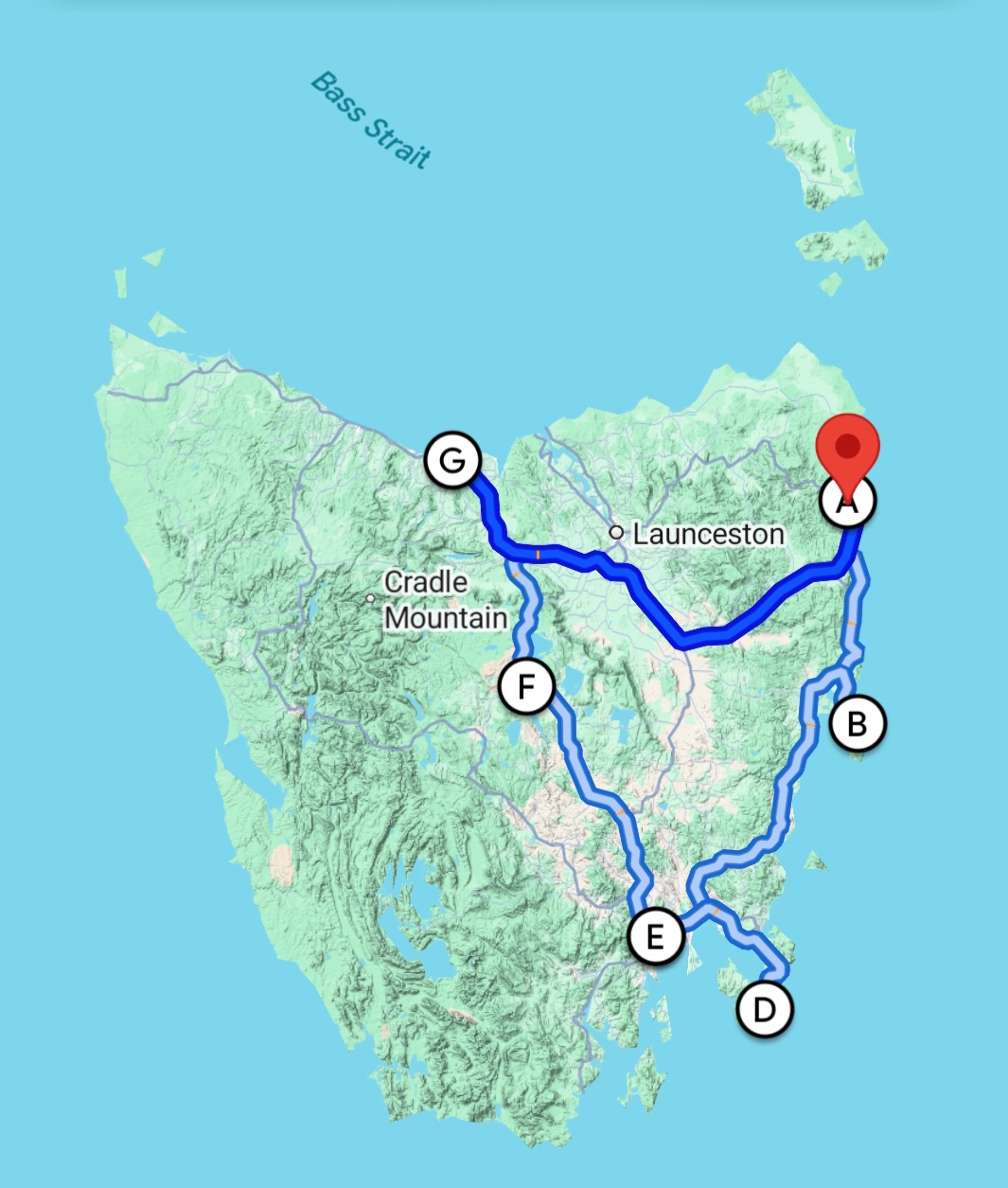
Next morning we were up and off on our flying tour. We had originally planned longer but when we went to book the ferry 9 months previously we found that we were already late and this was the earliest date available. We planned to make the most of our 5 days.
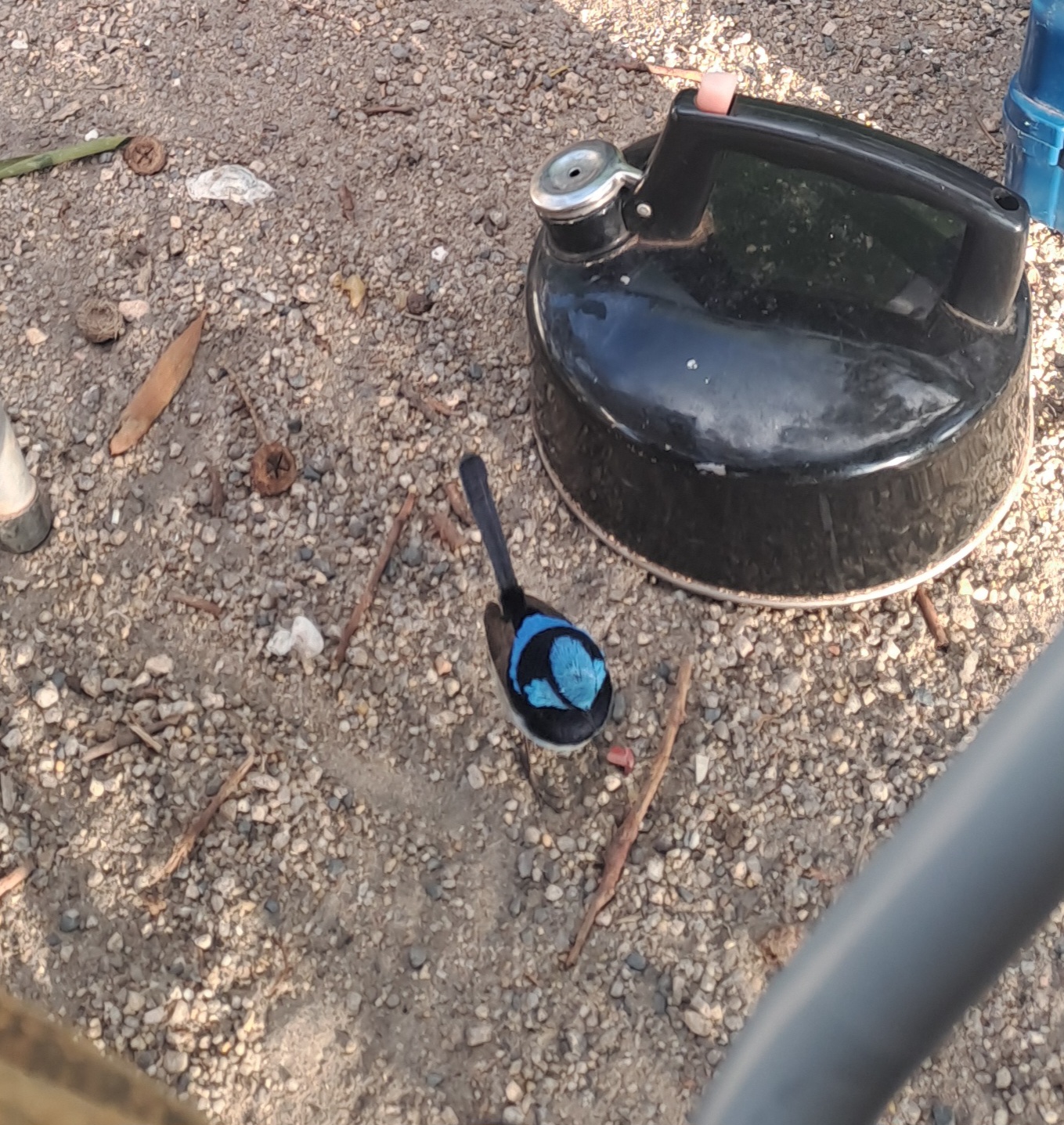
We set off for St Helens for our first night, along the Bay of Fires, but on our way there were a couple of other places to visit. First the was Tamar Island and the Wetlands Centre for my first snake sighting, Innocently sleeping by the board walk, and then the superb Fairy Wren (photos later) native to South Eastern Australia and Tasmania.
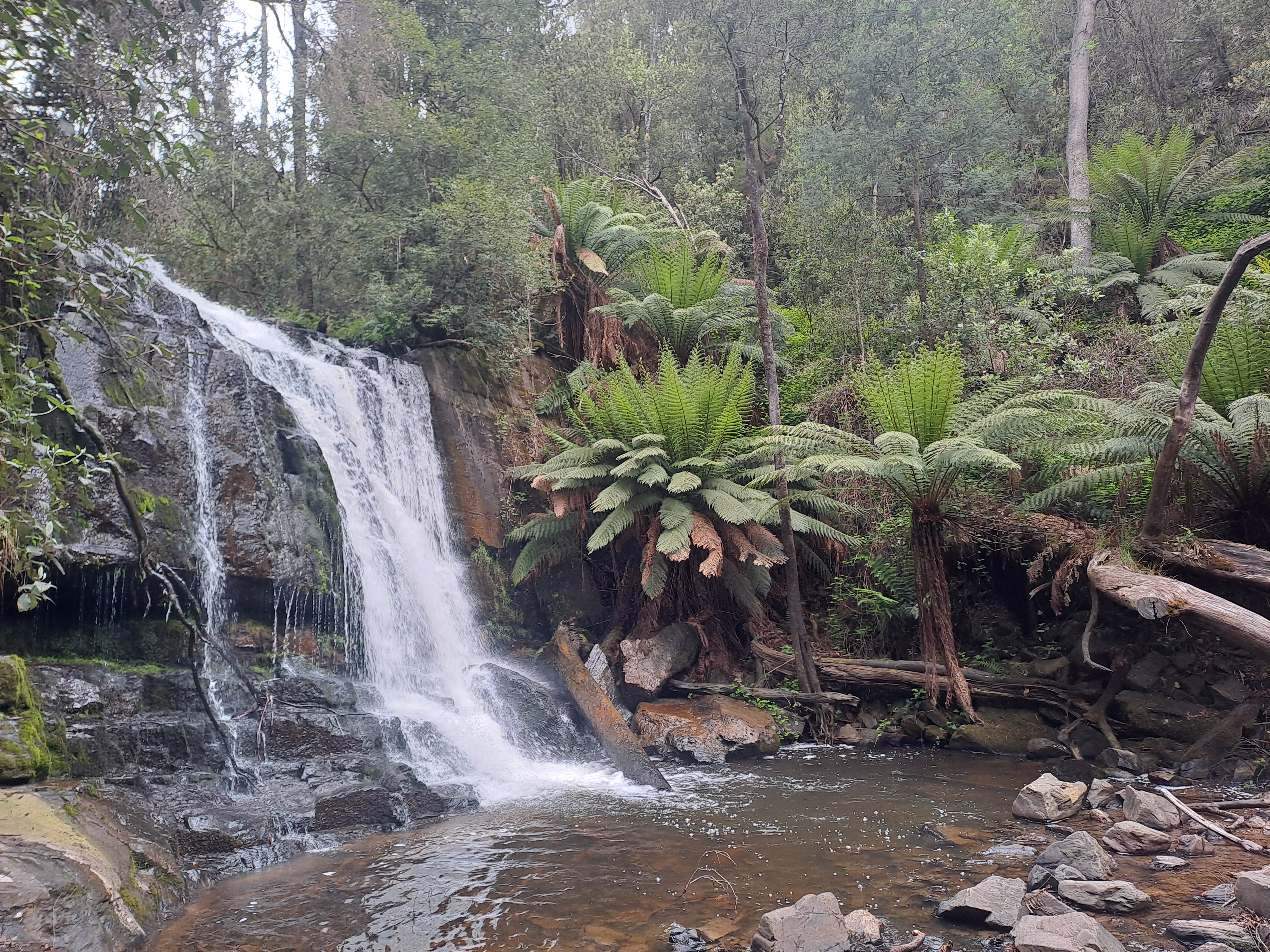
Next stop and lunch was Liffy Falls which was actually two separate falls on the same path amongst the tree ferns and other ferns in the rain forest.



Part way it was rudely brought to our attention that we still needed to check routes for gravel roads. We’d turned off a road a way back and noted the sign pointing the other way to St Helens, however, Google was clear about our route, so we carried on. After a long windy journey up a hill we suddenly came to the gravel road sign and the end of the tarmac. We had no choice but to do a U turn and head back to the junction we’d passed, with Google trying to get us to take several gravel ‘short cuts’. Shame you can’t ask Google to avoid gravel roads, that would be a really handy tool
However the scenery was beautiful and so different from the mainland.
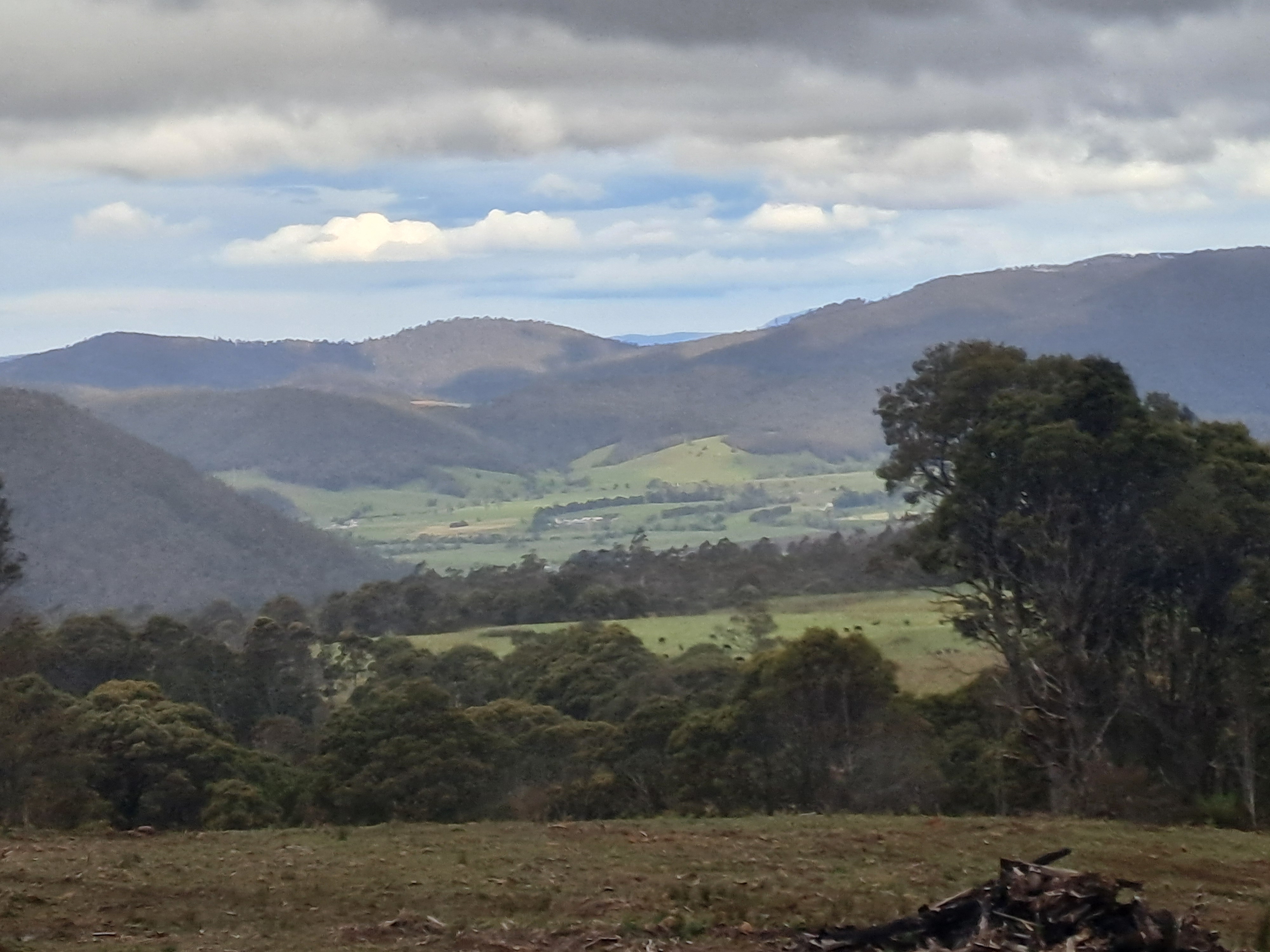
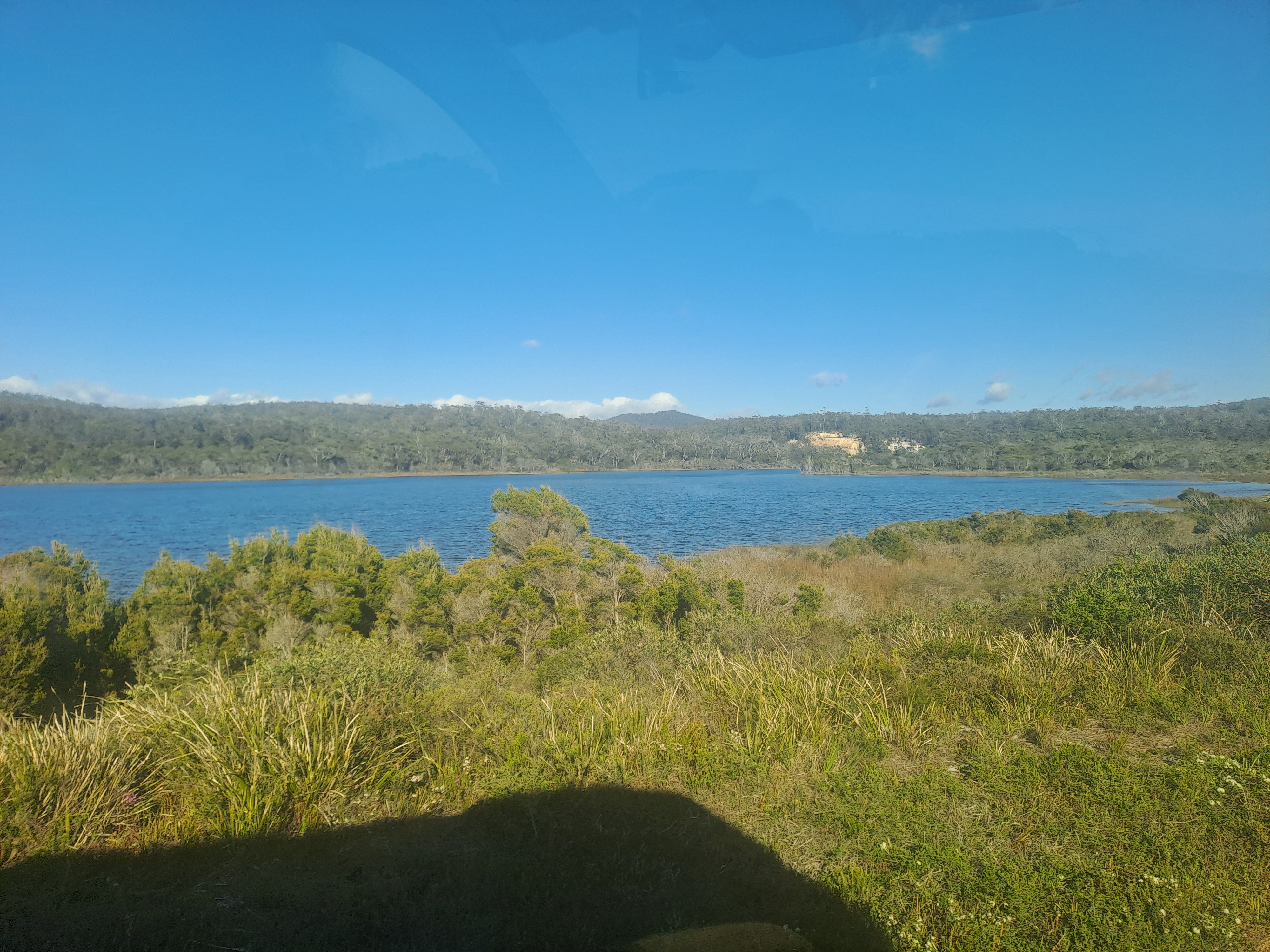
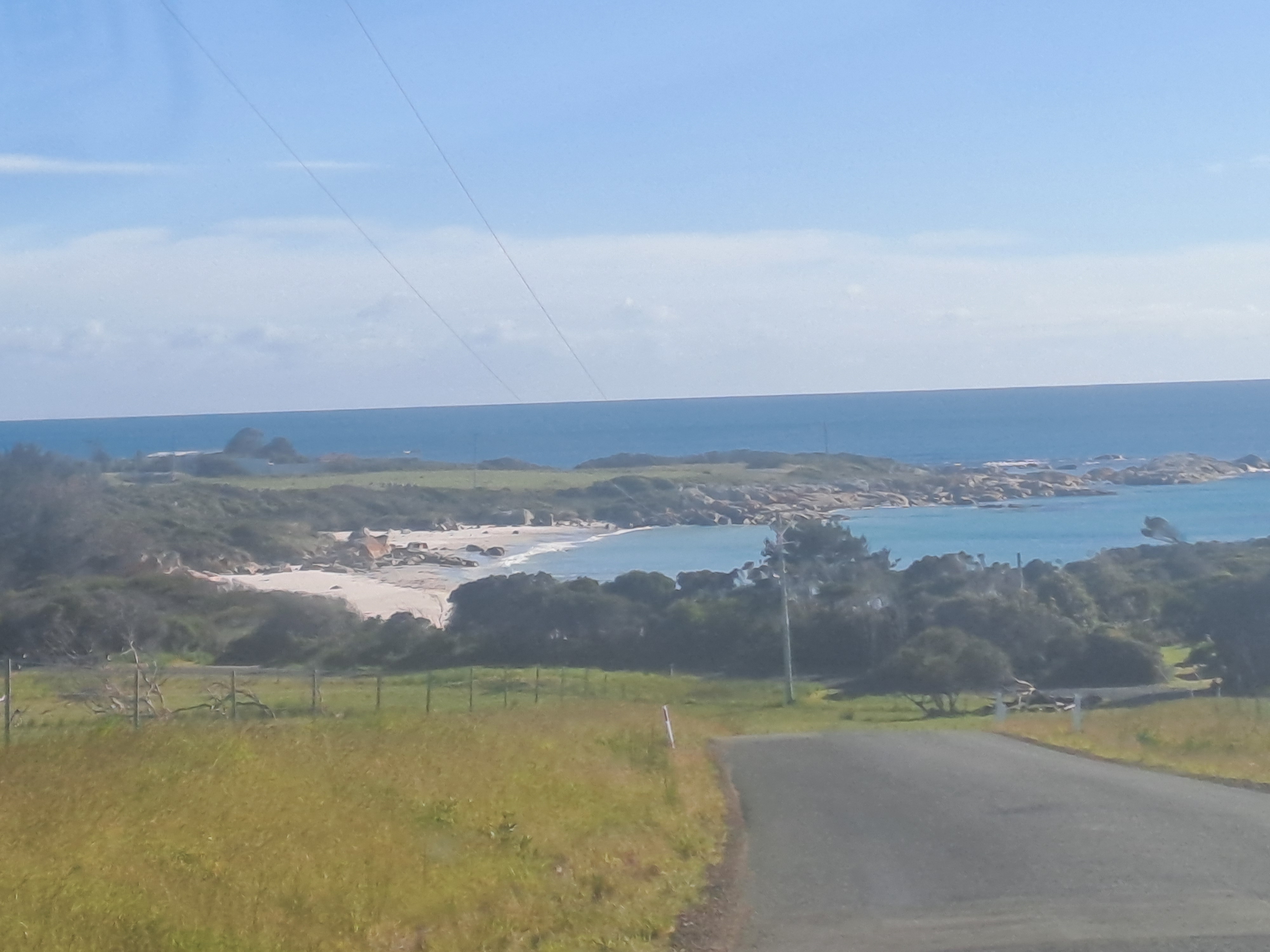
I did explore around the gardens on the Bay of Fires. Known for its stunning white beaches, clear blue water and the orange lichen on the rocks. It was stunning. I could have spent all day there, but we had to get to Freycinet National Park in time for some walking.
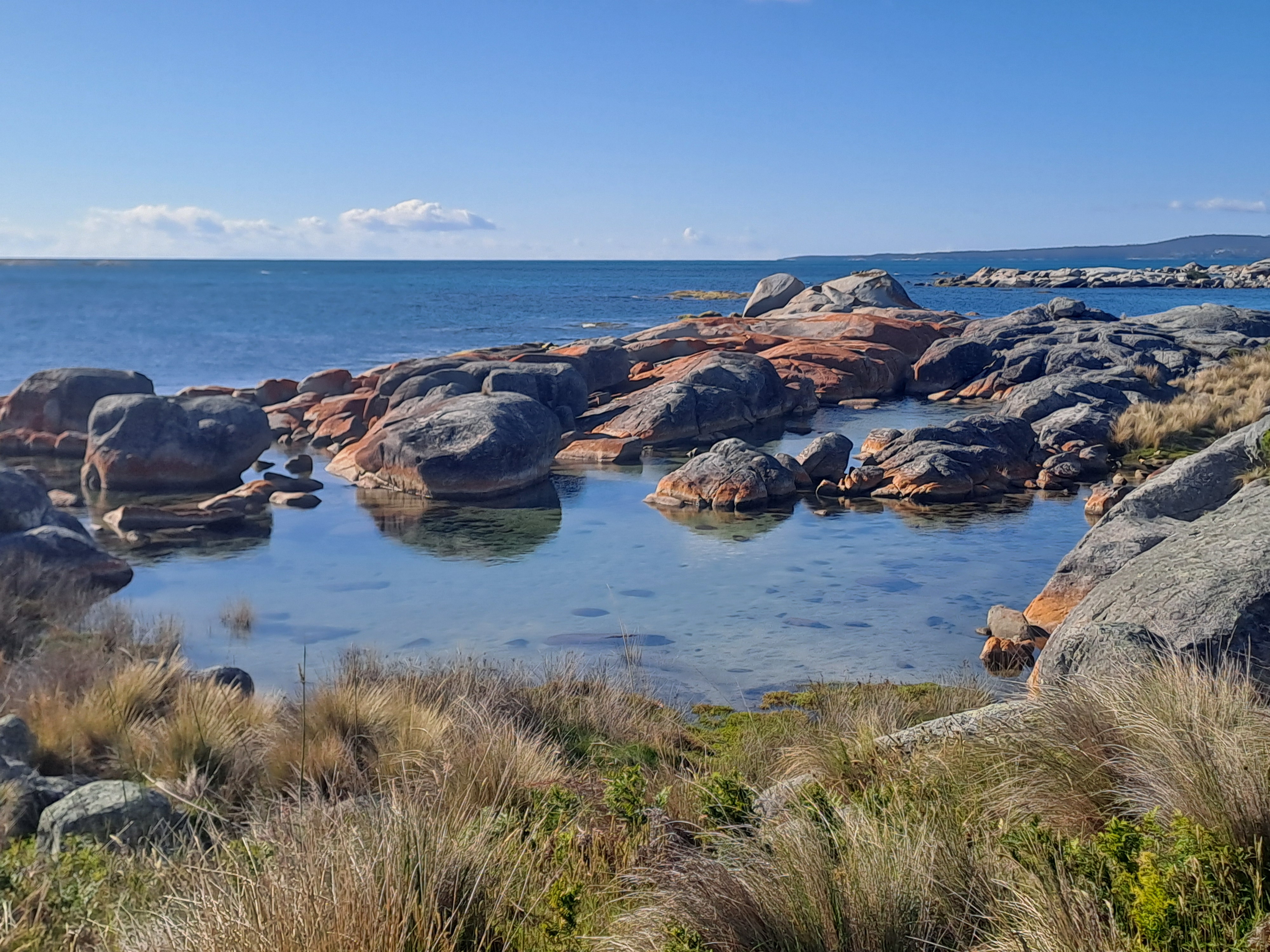

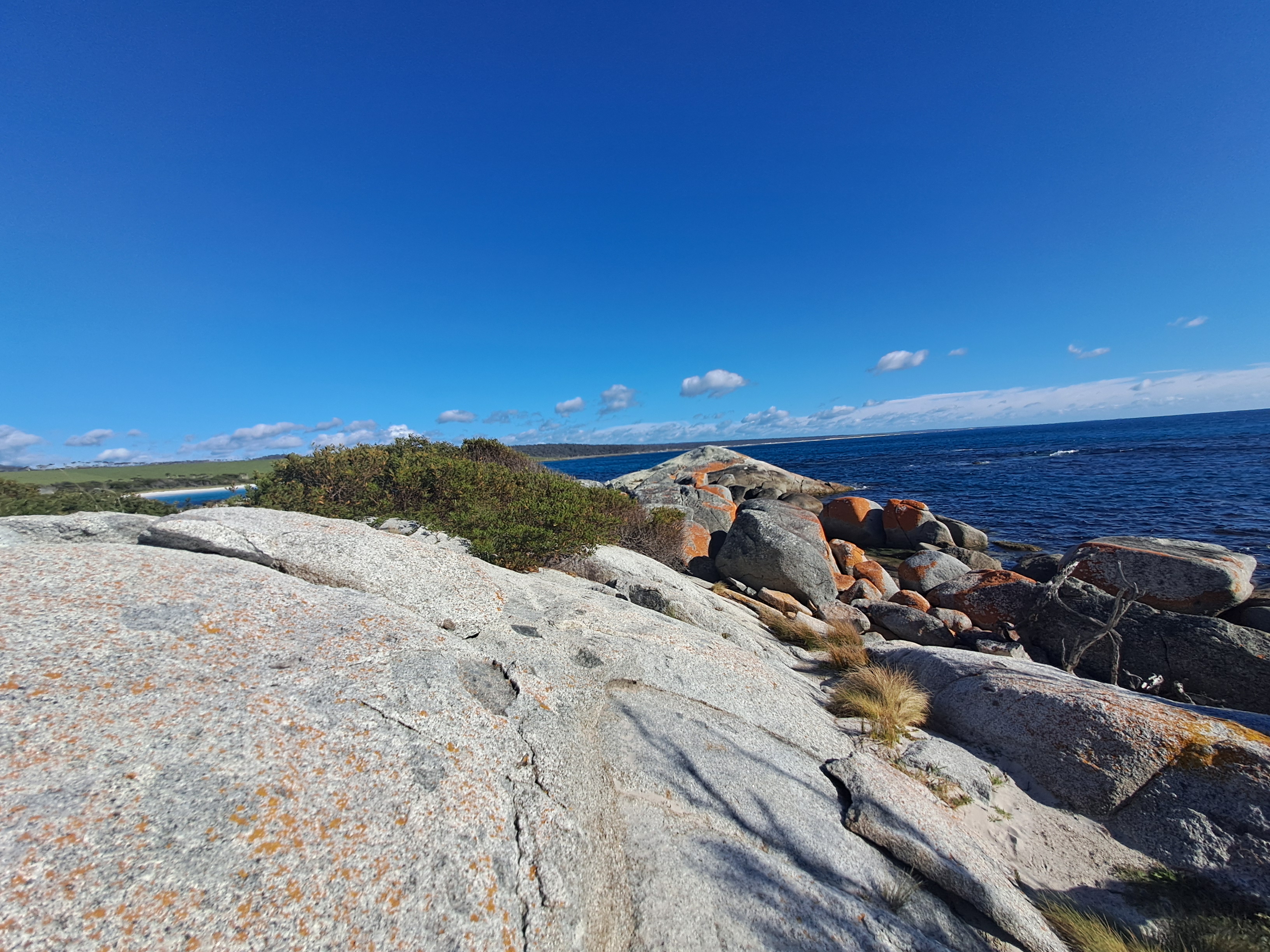

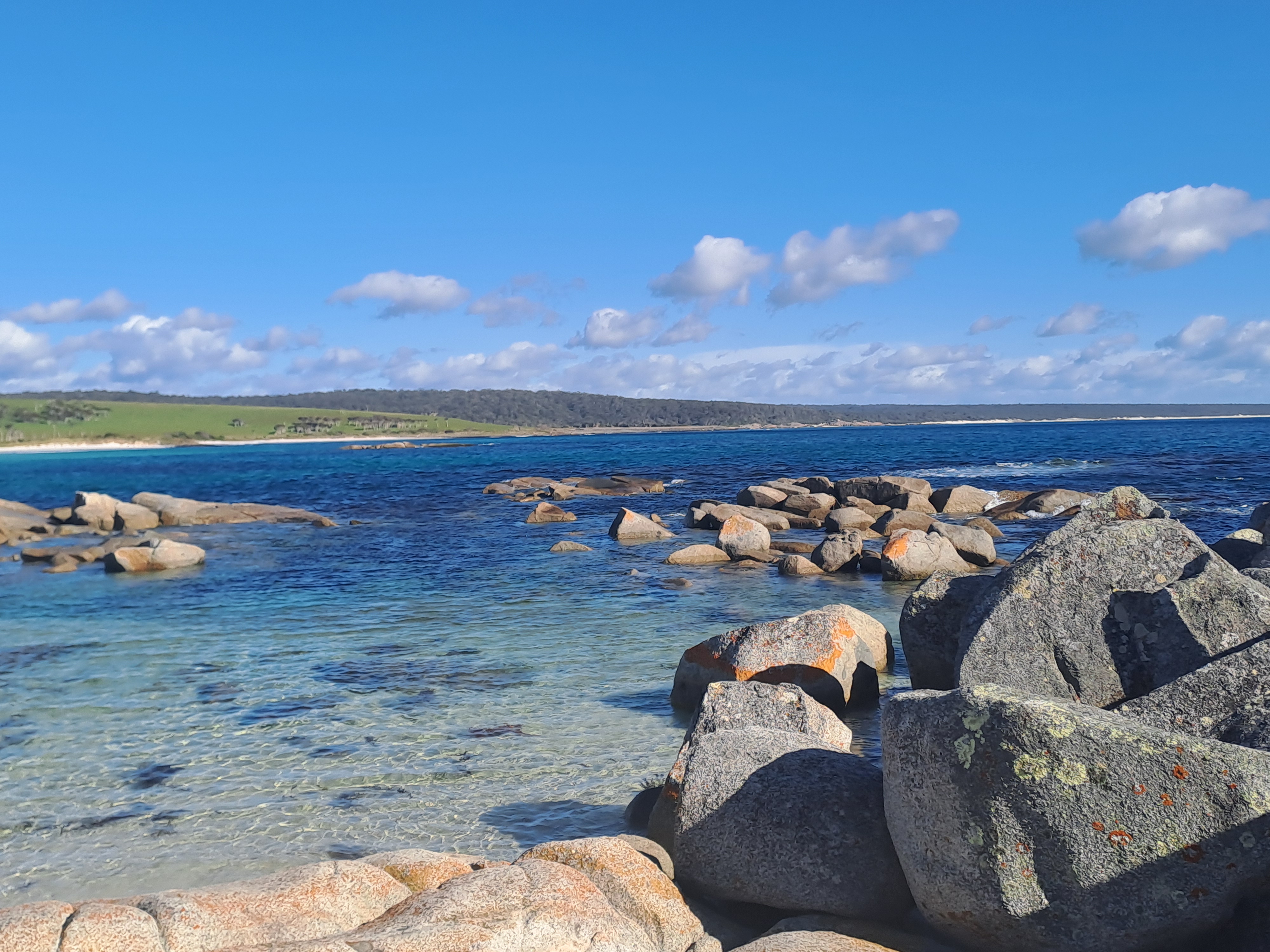
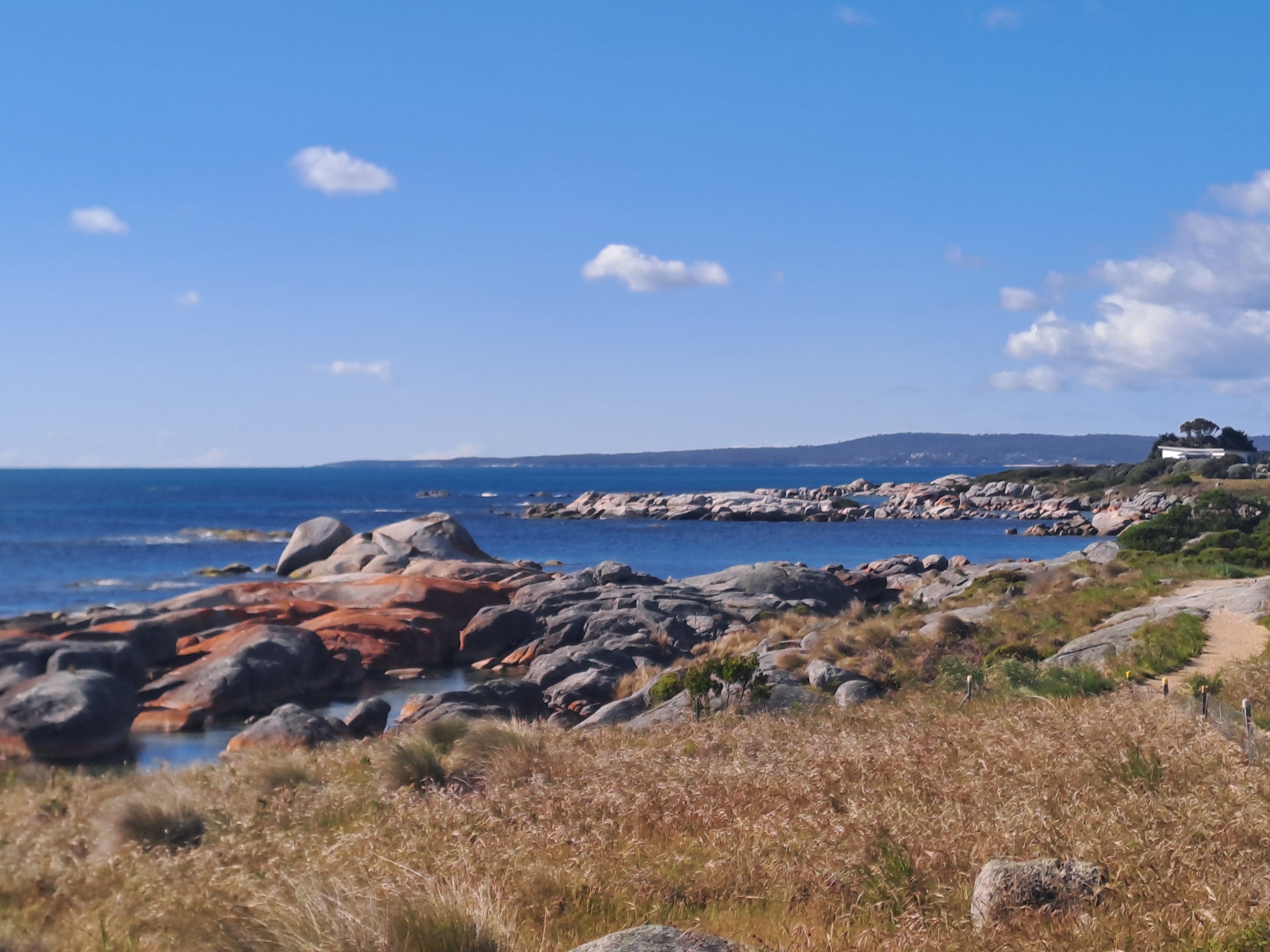
Before we got there though there was beautiful scenery
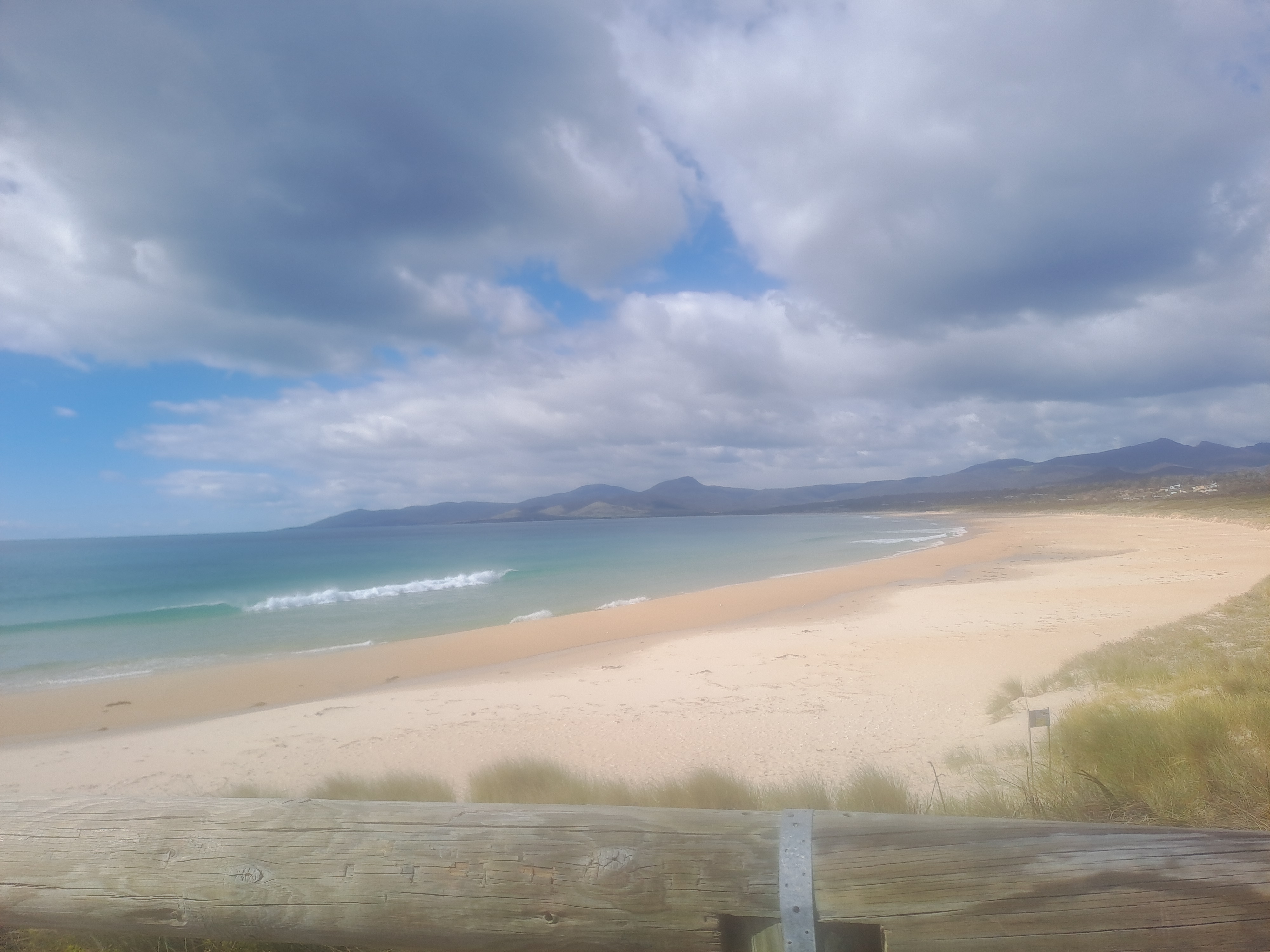
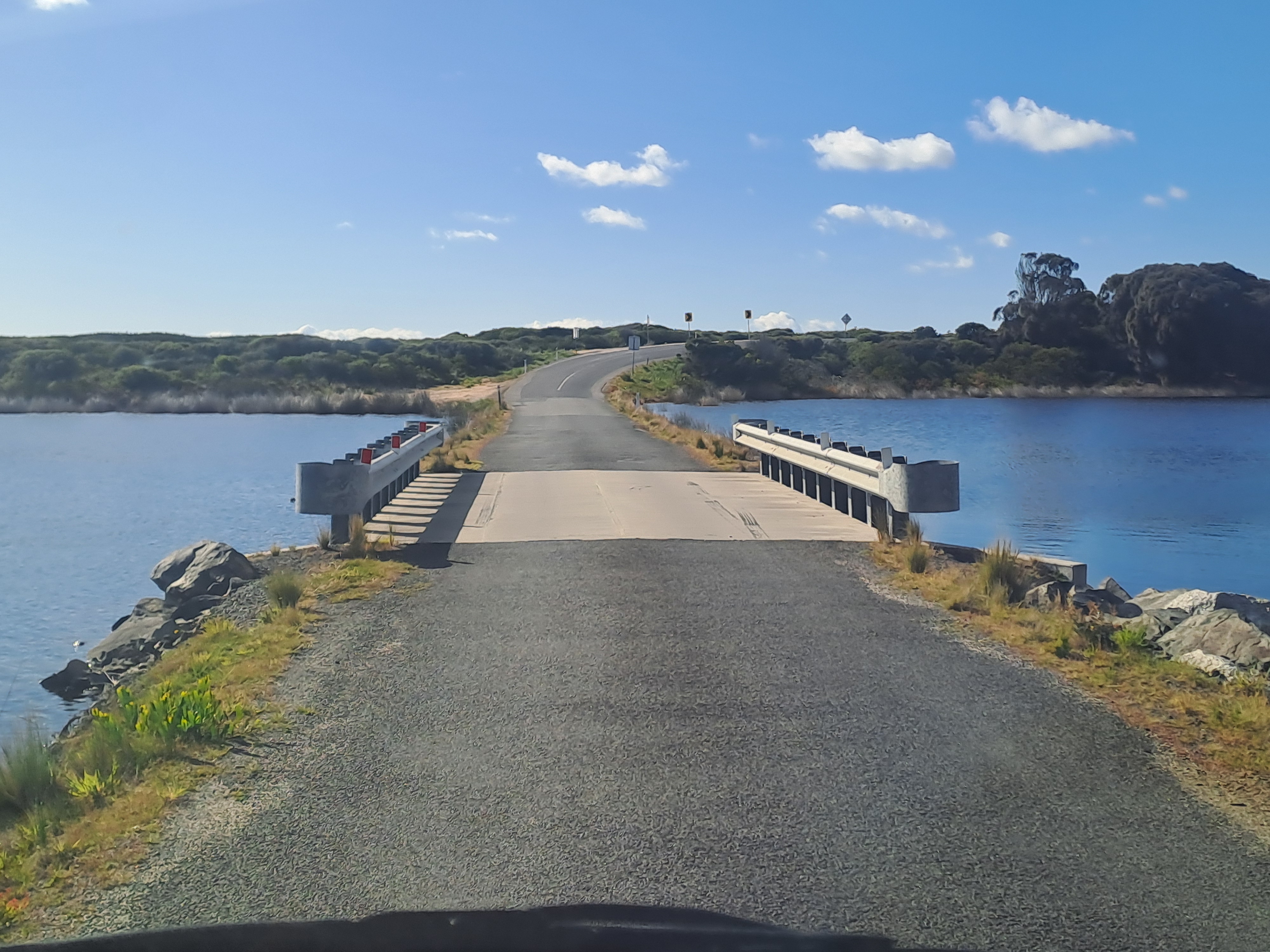
And there was an animal park with a chance to see the local animals at East Coast Nature world.
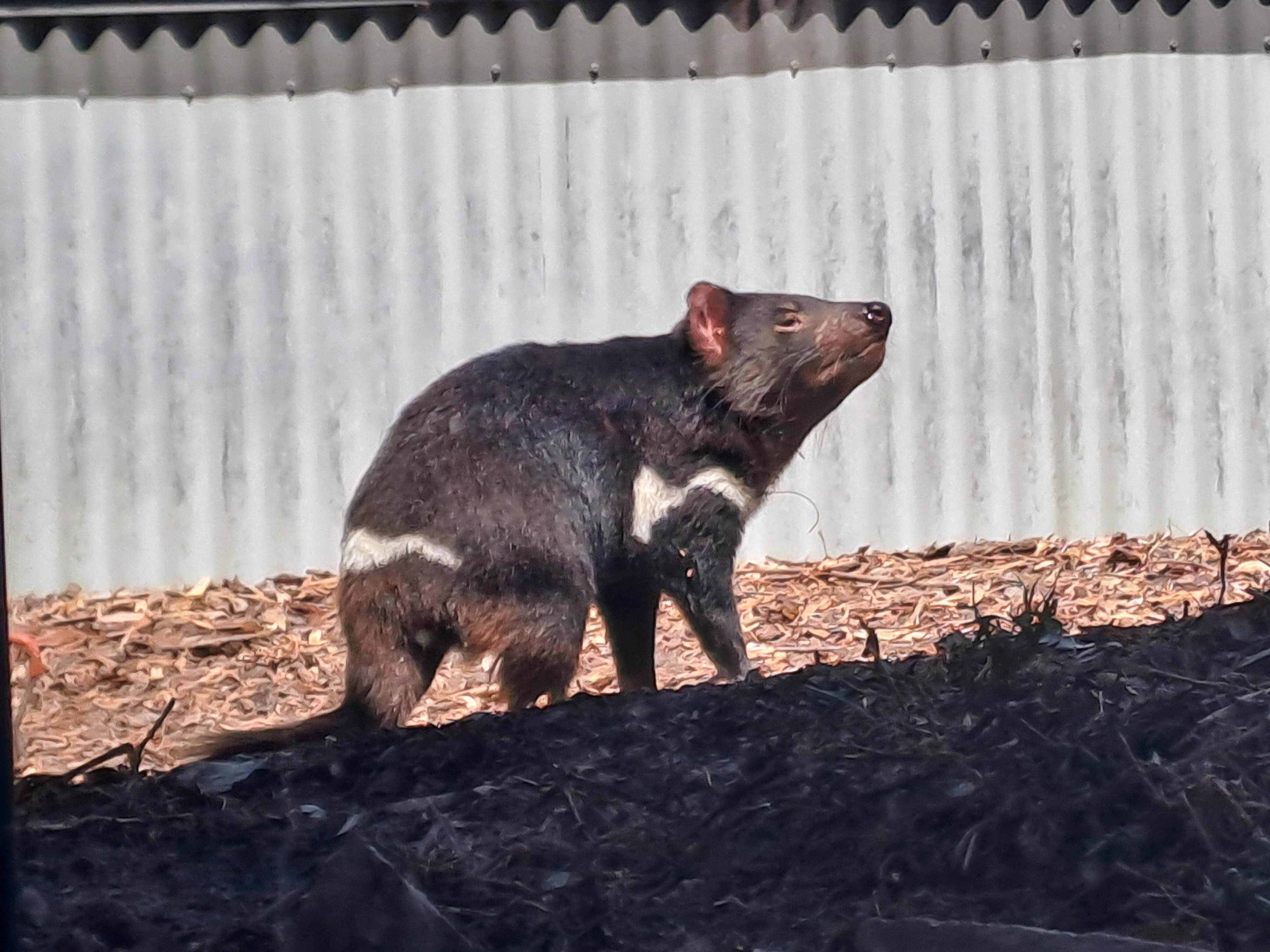
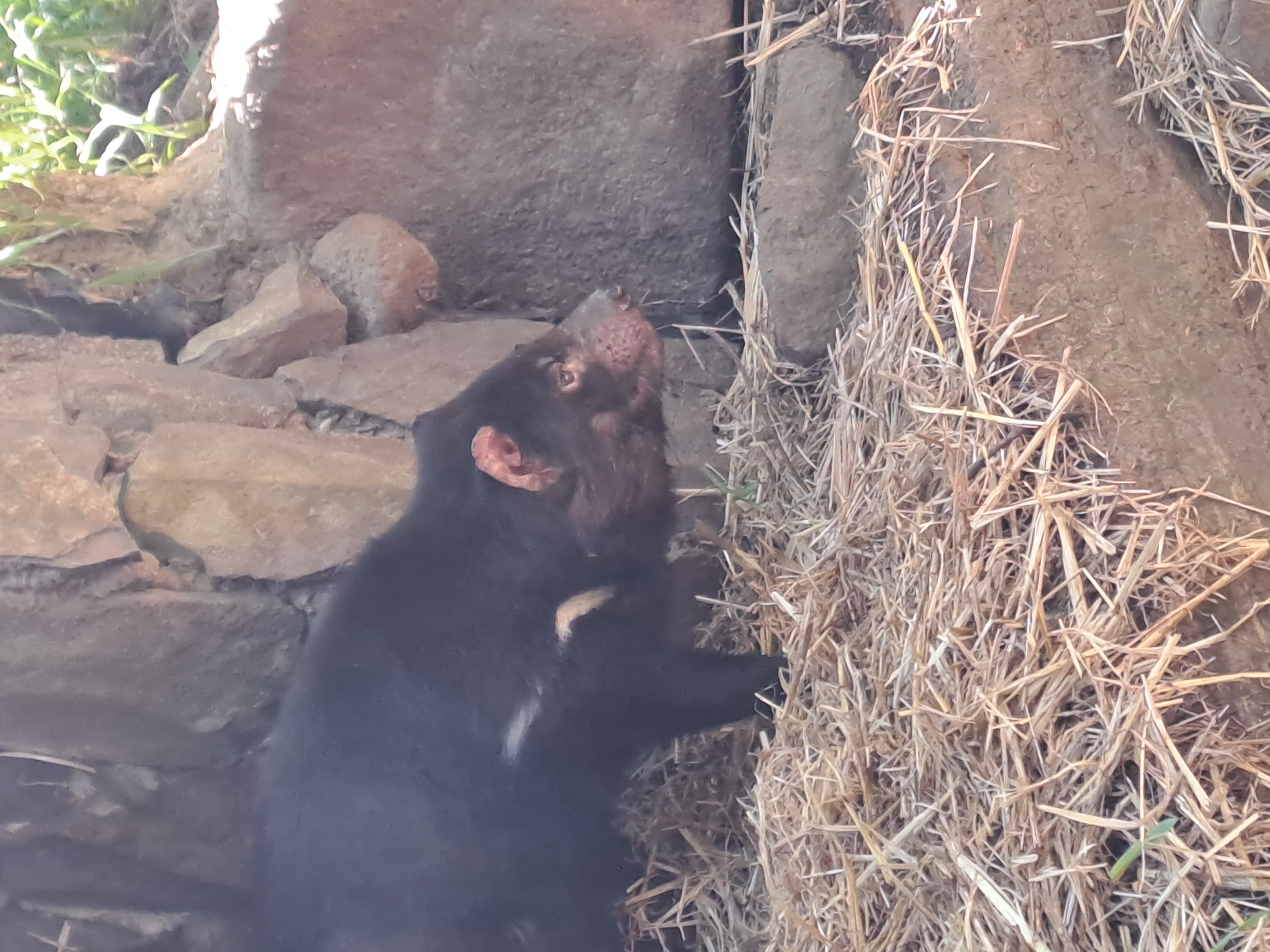
The Tasmanian Devils were really funny the way they communicate by screeching and biting. However best not to get too close their bite can have more pressure than much bigger animals and a finger can very easily be lost.
Tiger Quoll below with spots is carnivorous marsupial related to the Tasmanian Devil and the now extinct Thyacinus or Tasmanian Tiger hunted to extinction.
Their mating ritual is also strange, when a female desires a suitor, preferably with a scarred up face to show he’d been in lots of fights, she’ll go almost comatose and let him drag her off to his den. After a few days she’ll get bored of him and decide to try someone else so they’ll have a fight as he wants to keep her and off she’ll go to have the best chance of pregnancy.
Sadly the population of devils is dwindling due to a contagious face cancer. This is passed on by biting and scratching each other. The cancer eventually stops the from eating. There us a programme going on for vaccination and other measures to build up resistance.
We also saw a wombat. A vegetarian that produces cube shaped poo. This is because it takes a long ti.e to process through its body with it extracts every bit of substance it can.
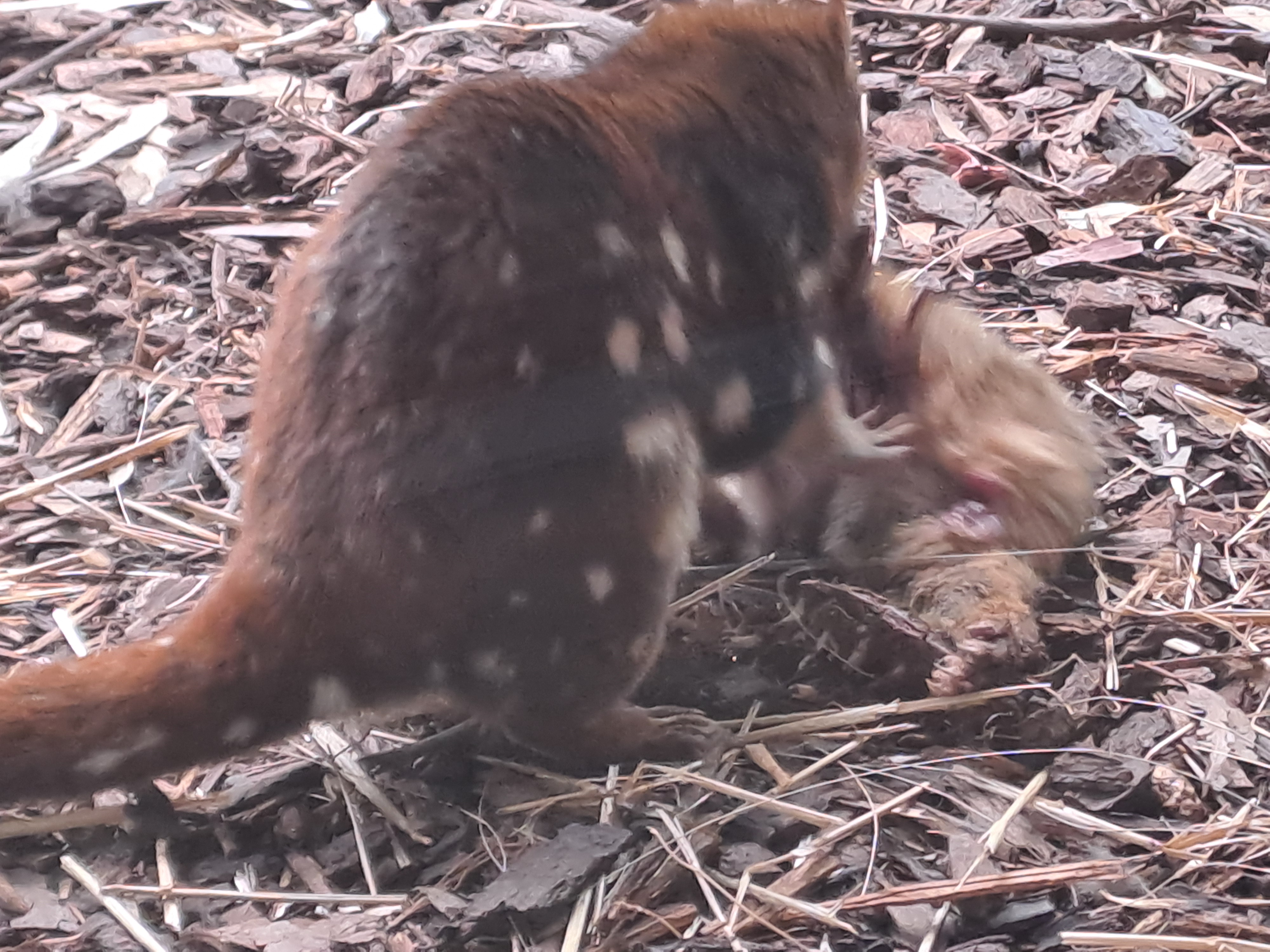
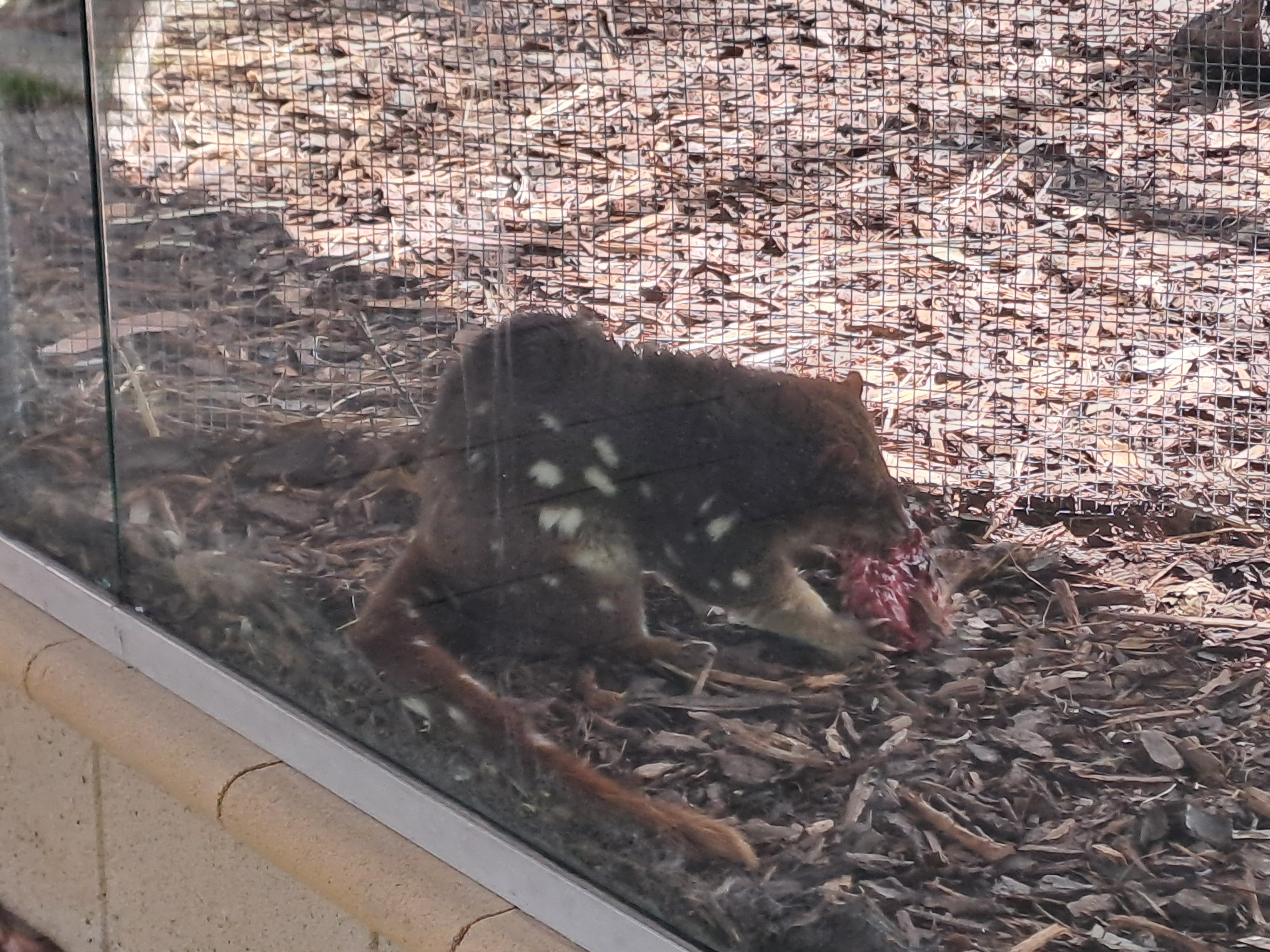
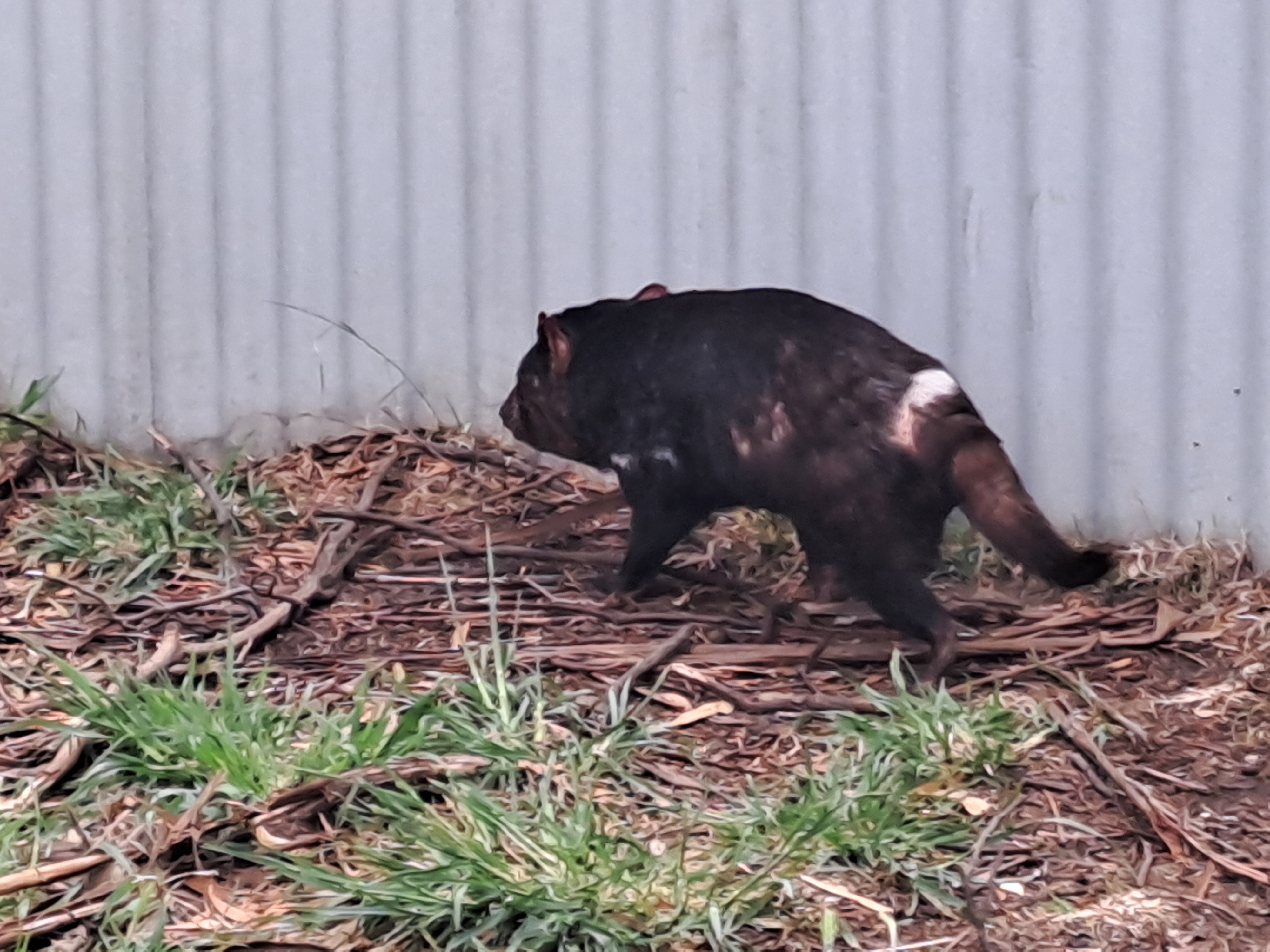
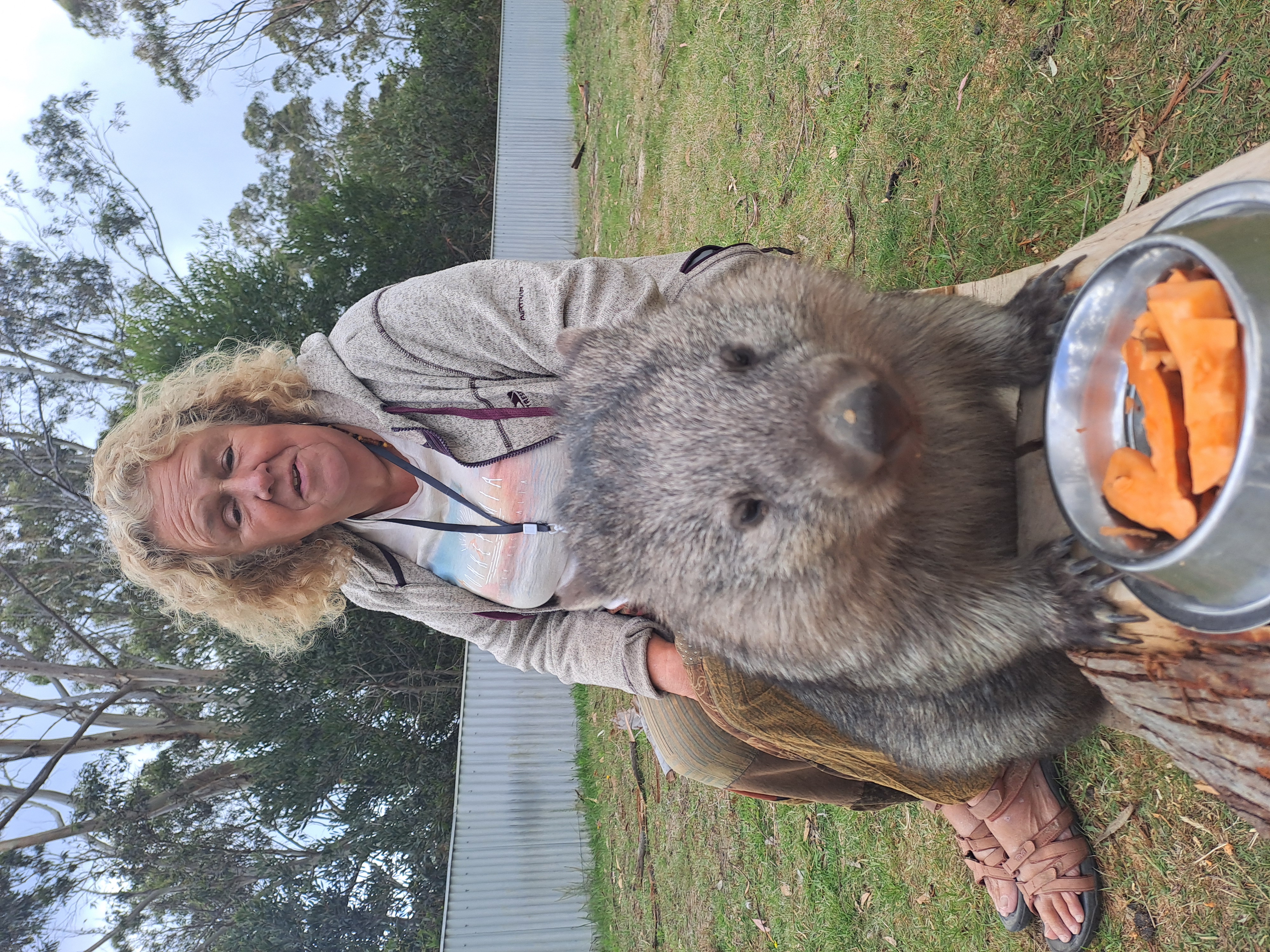
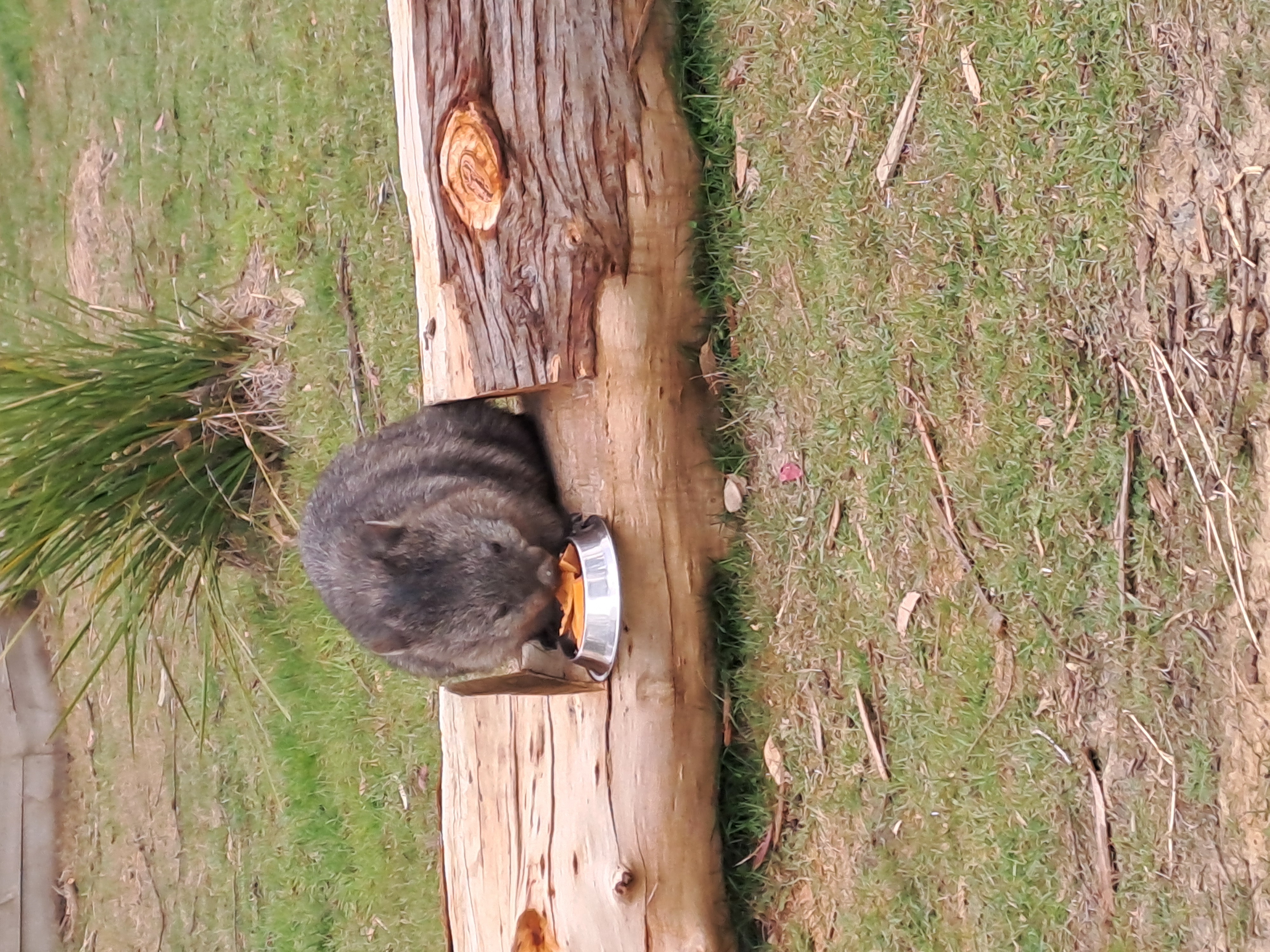
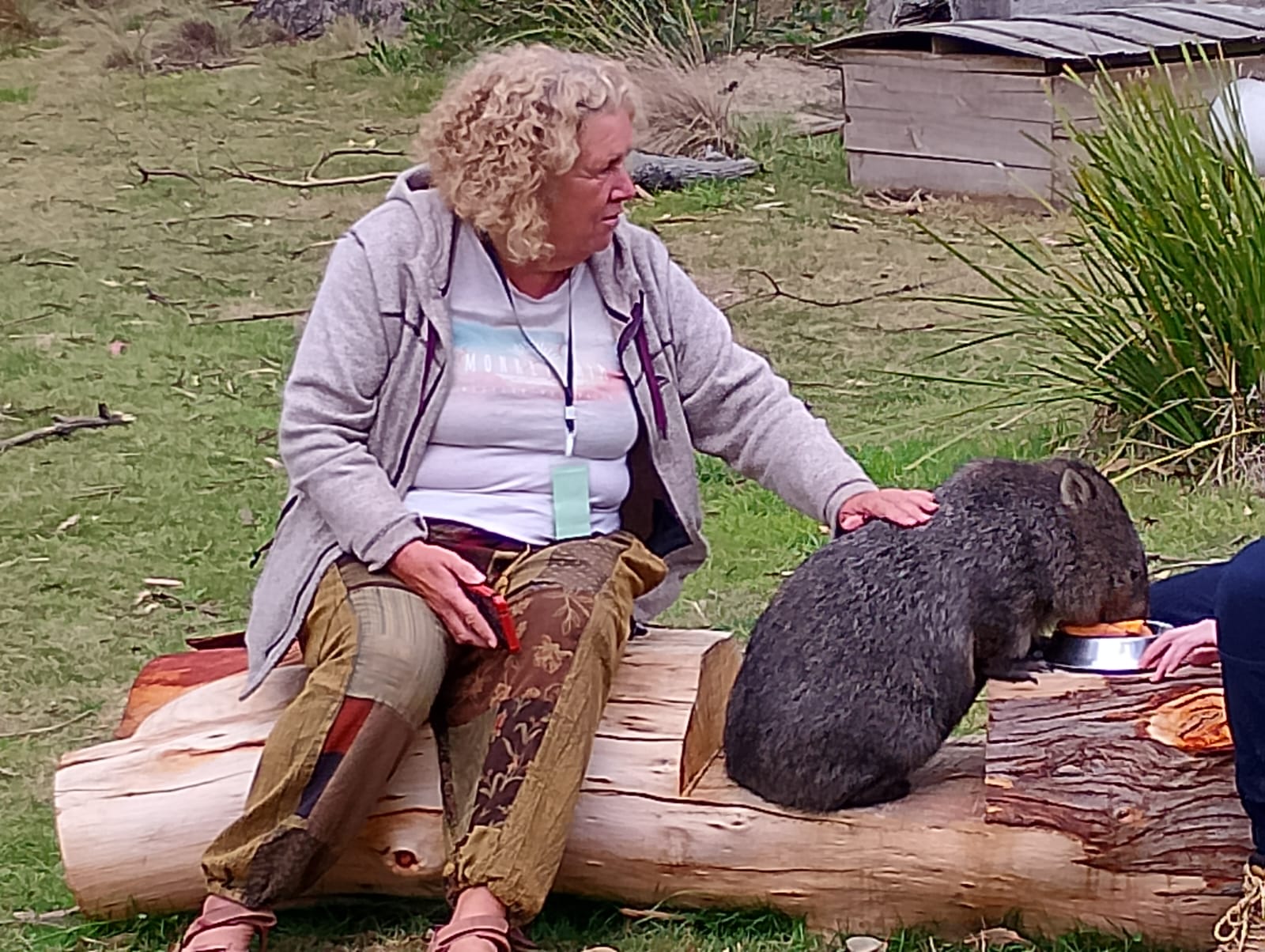
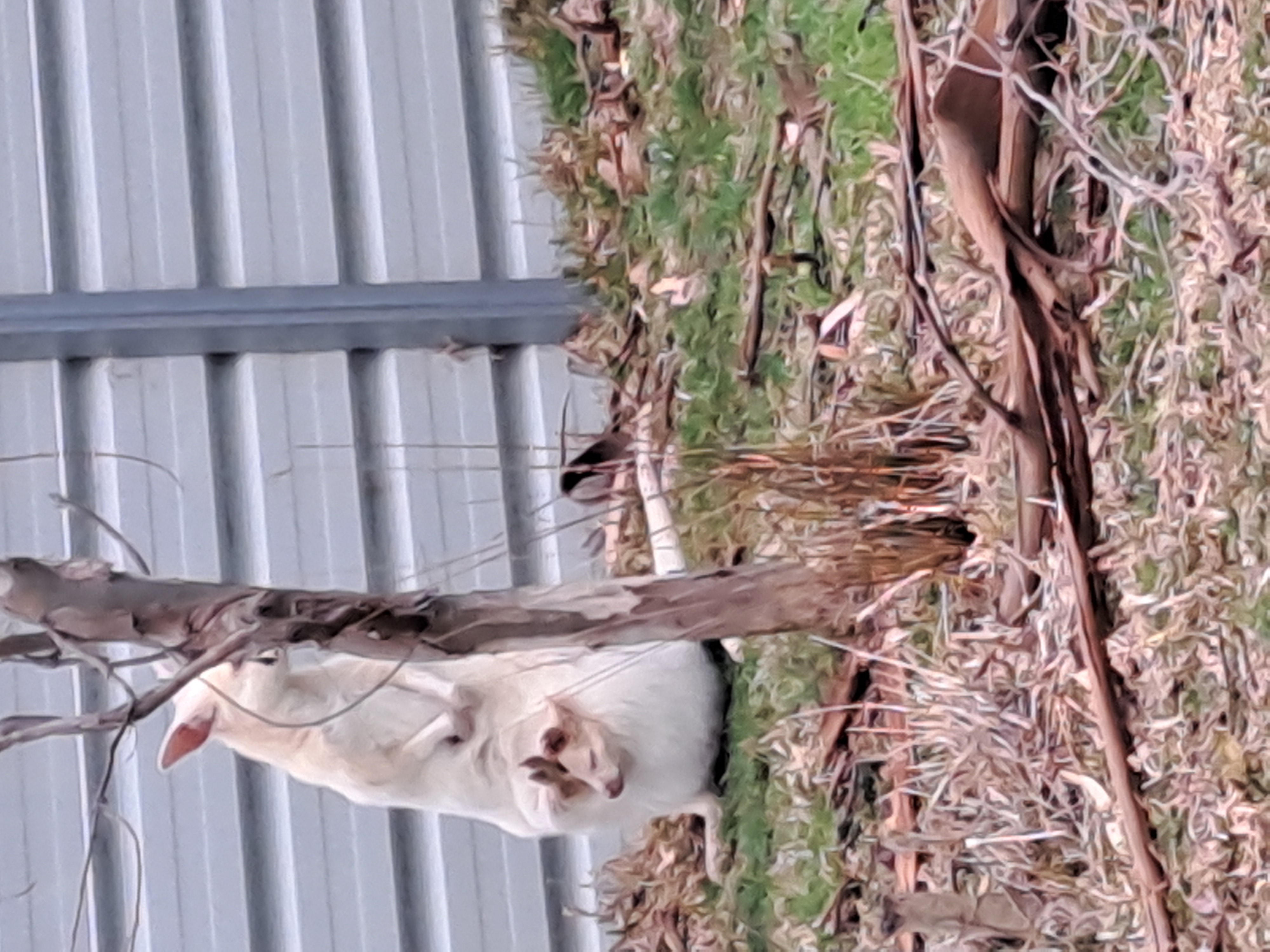
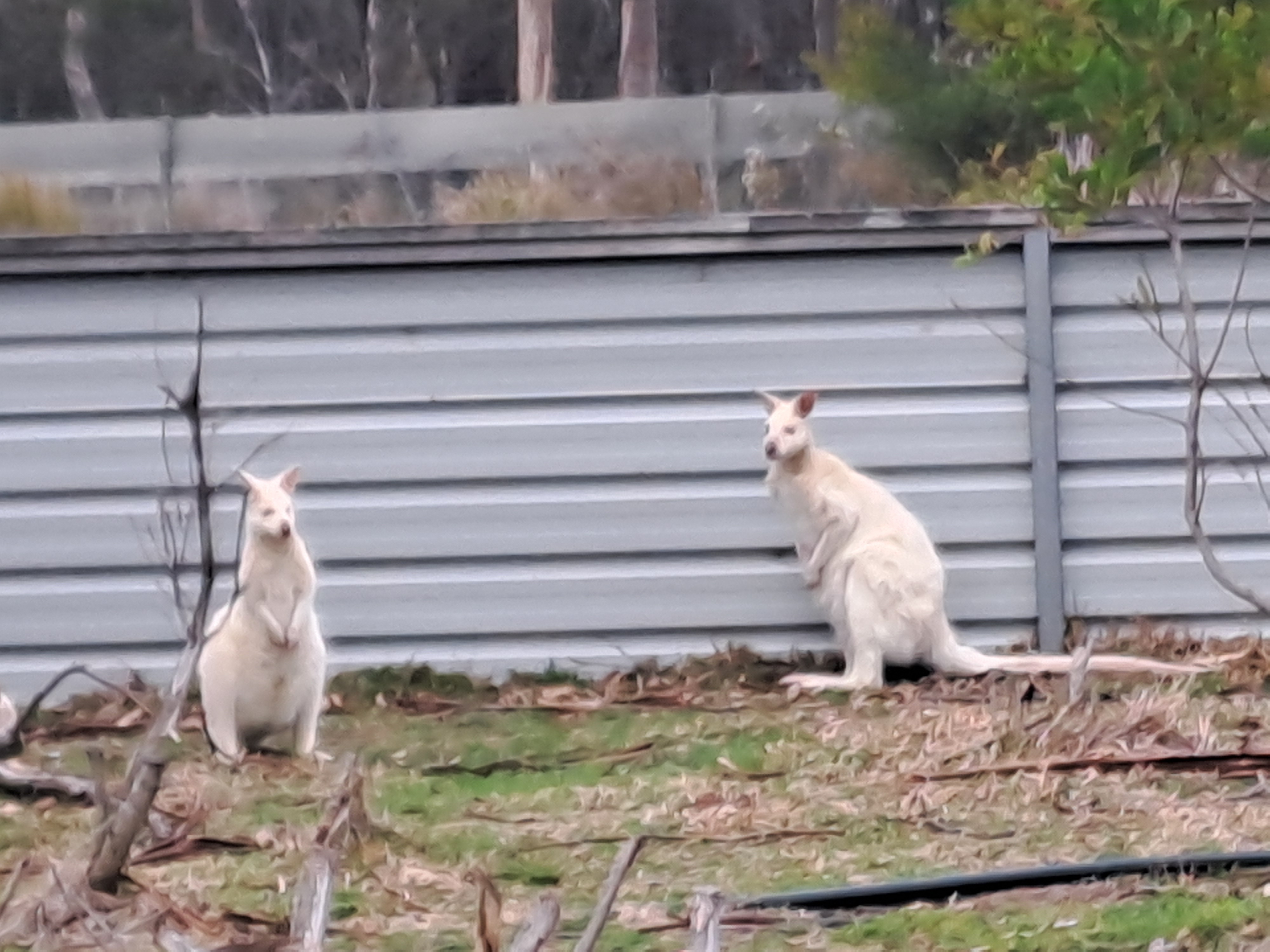
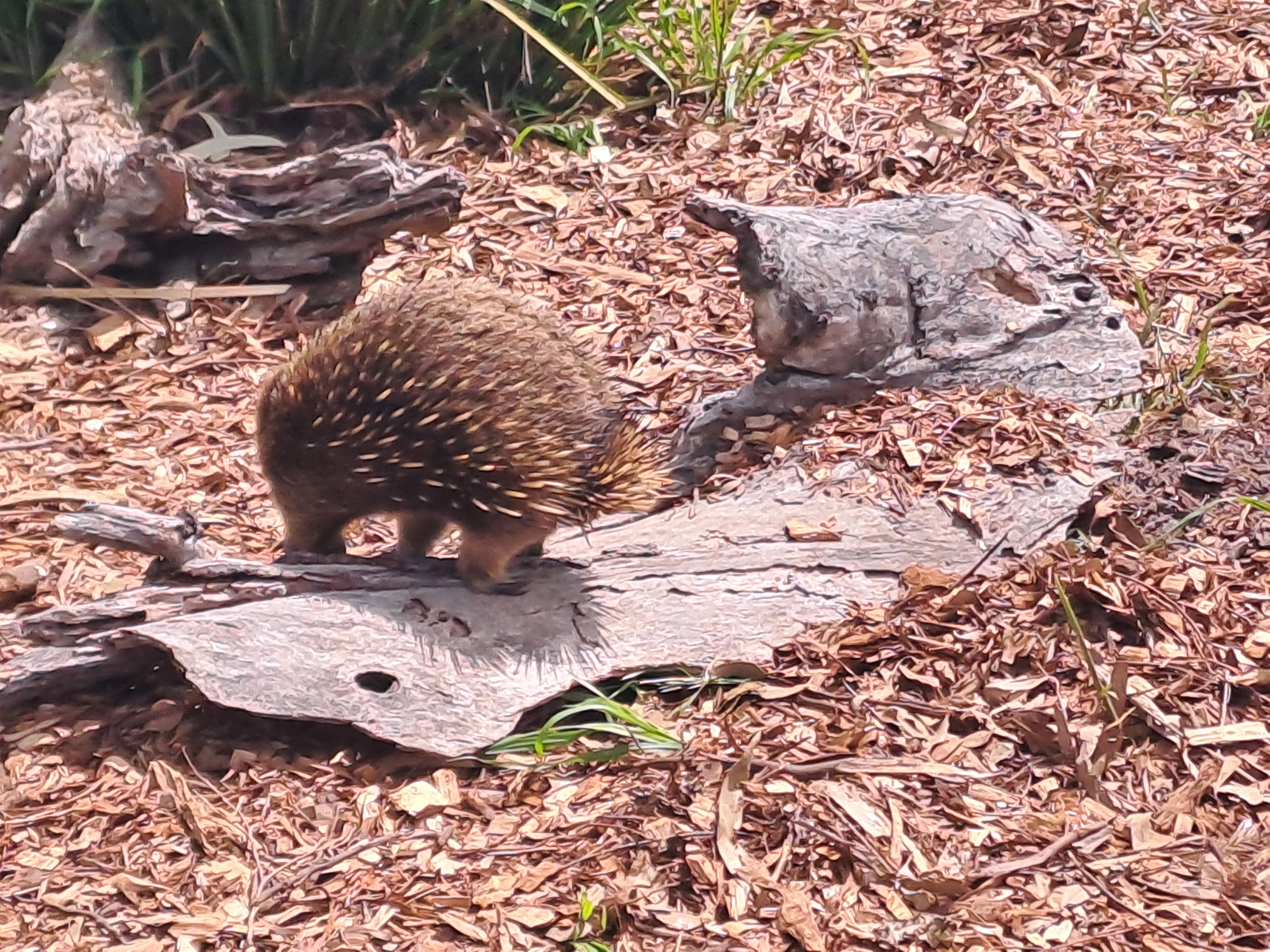
They also had white Wallabies and an Echidna. All the animals there were rescued or being bred for release.
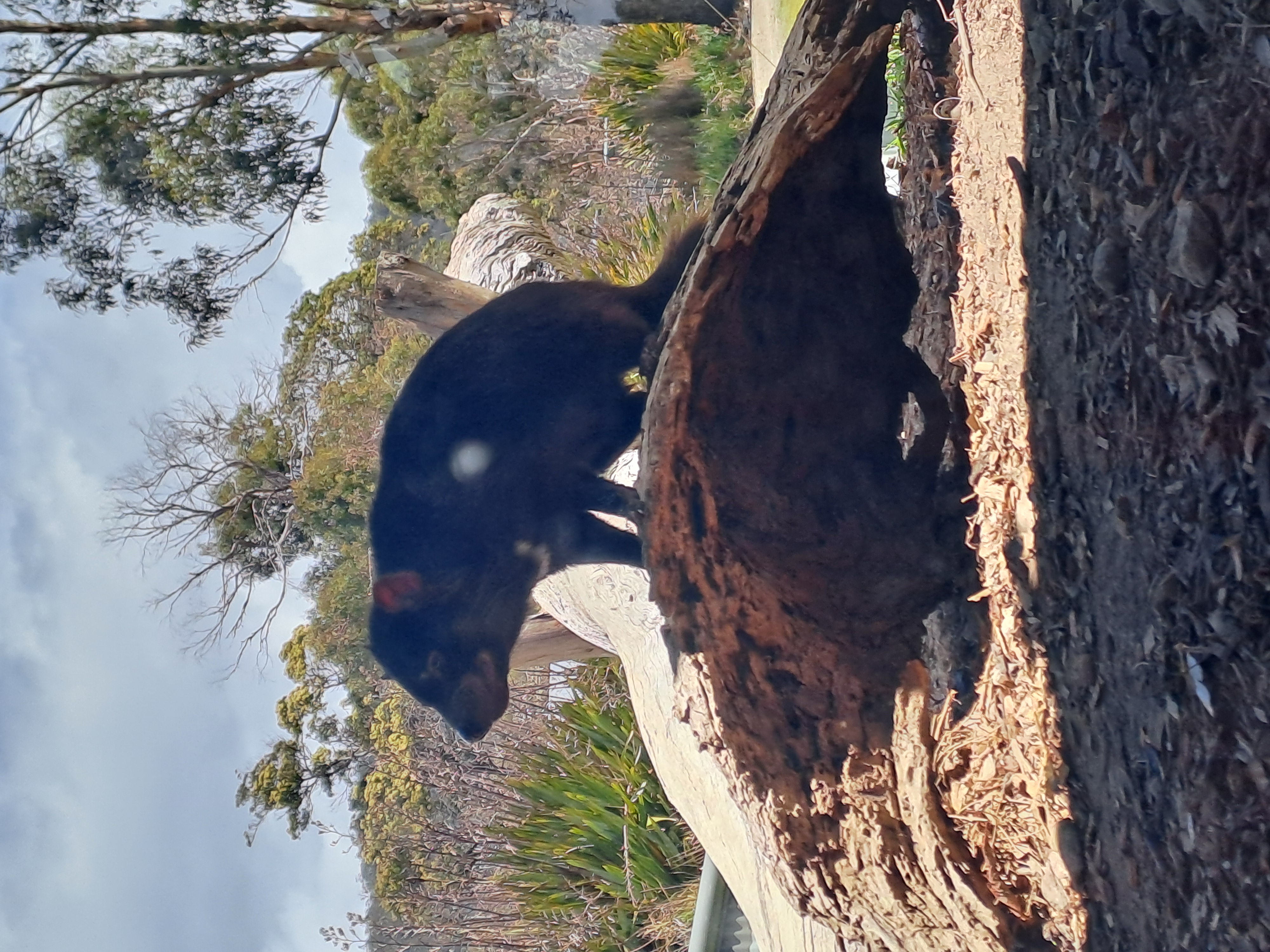
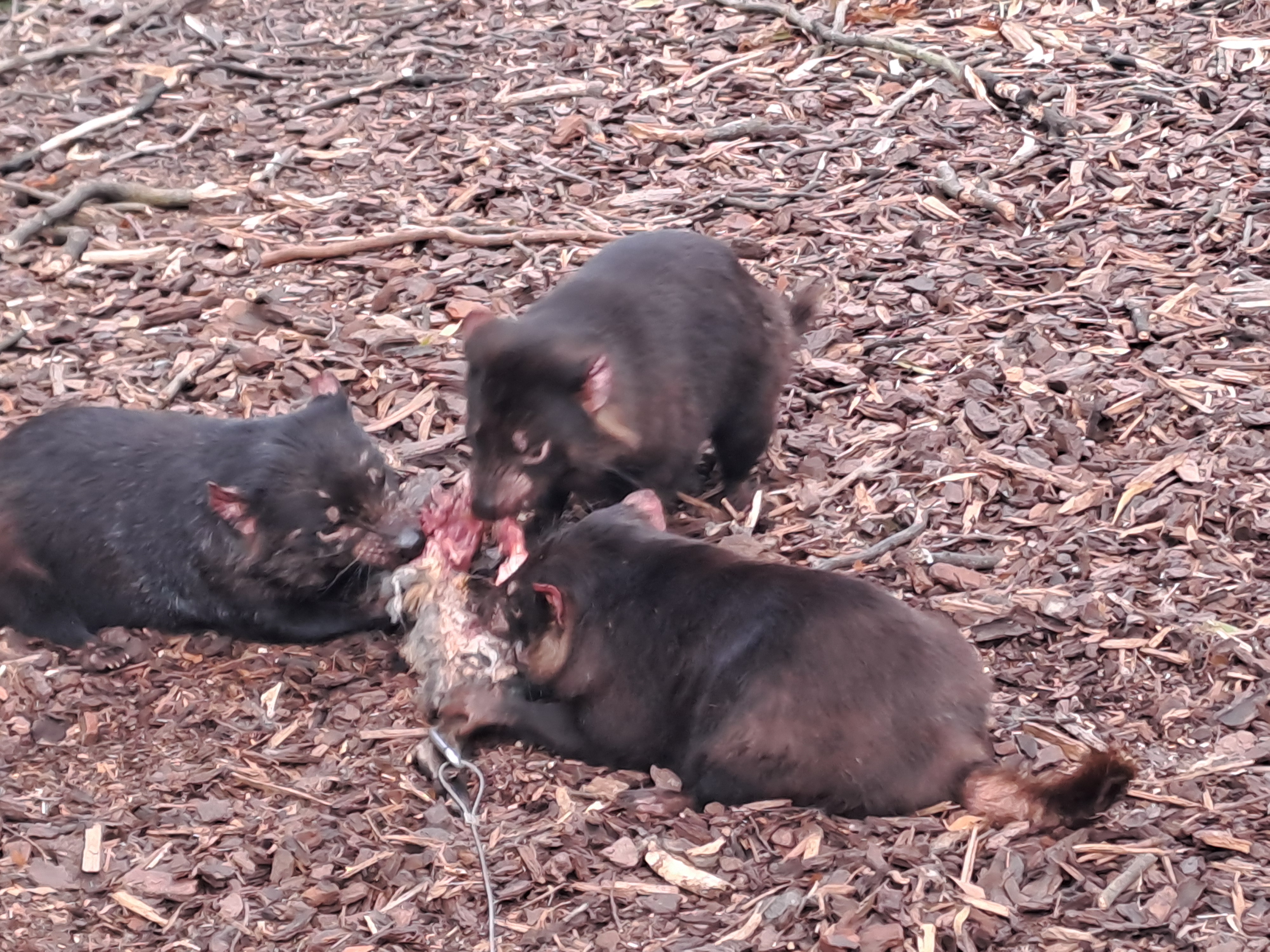
By the time we got to Freycinet the day was getting on. We had a campsite next to the sea which was lovely, but the point of being here was to explore so Ashley drove me to the start point and I walked up to Wineglass Bay.
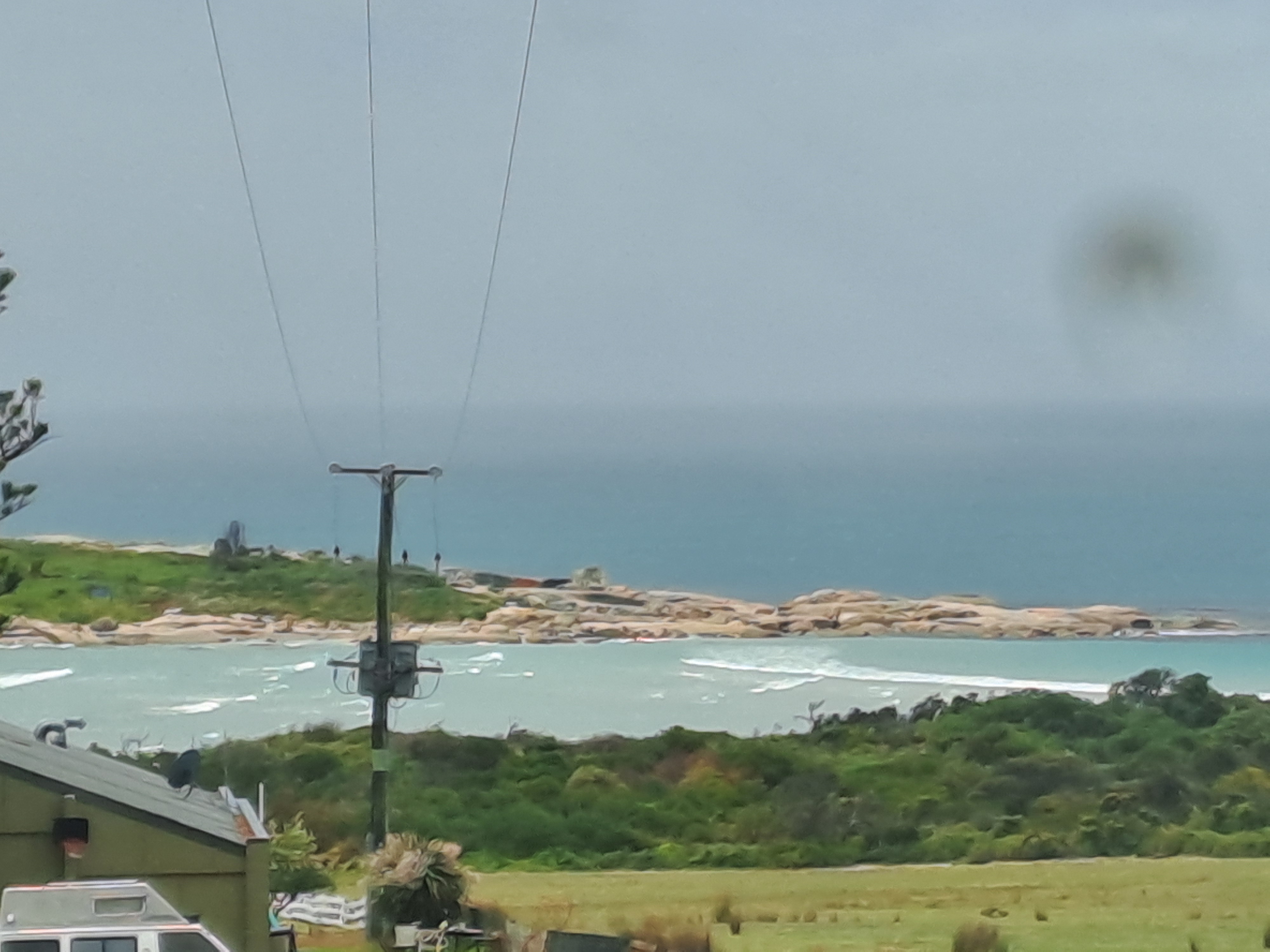
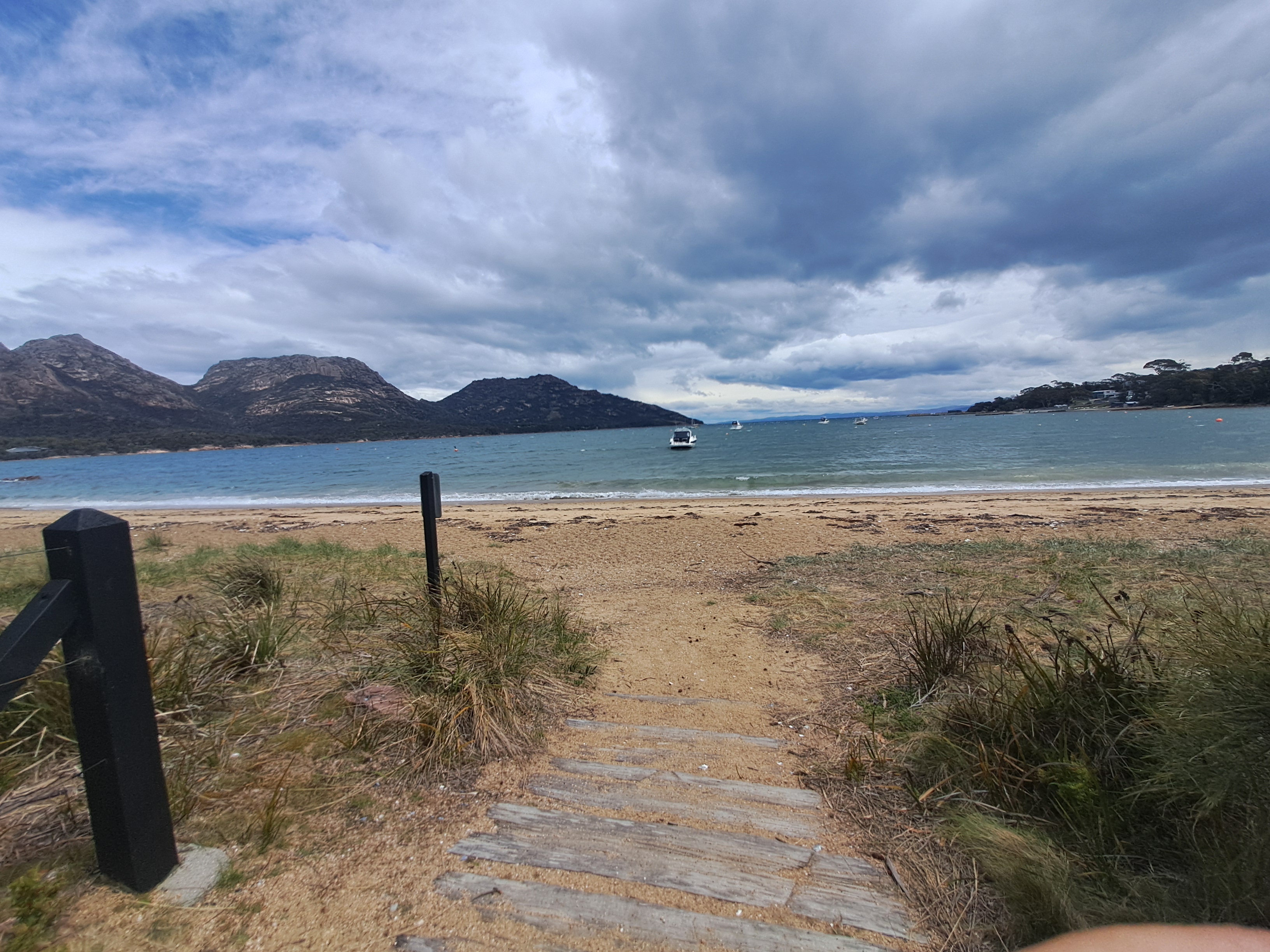

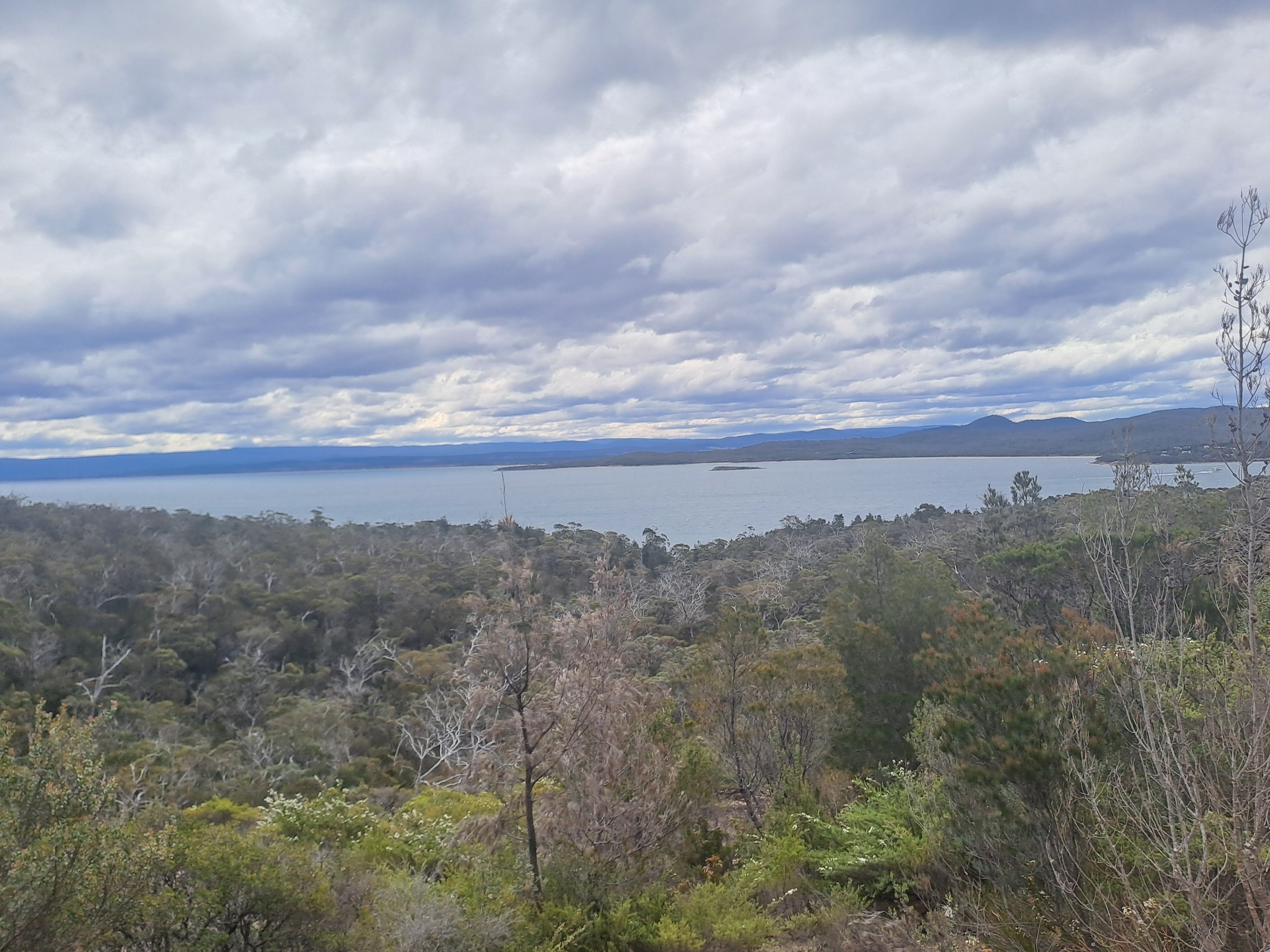
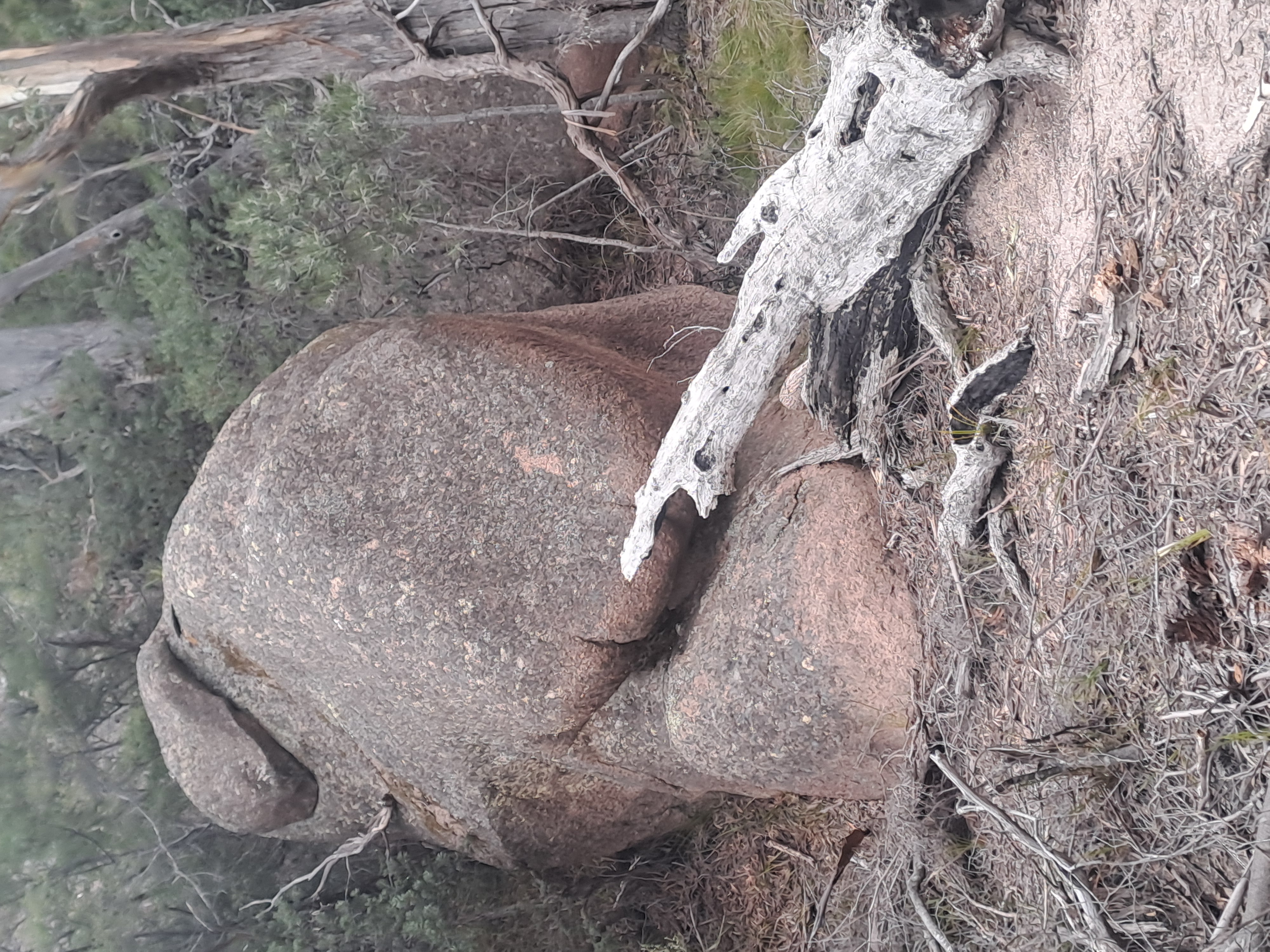
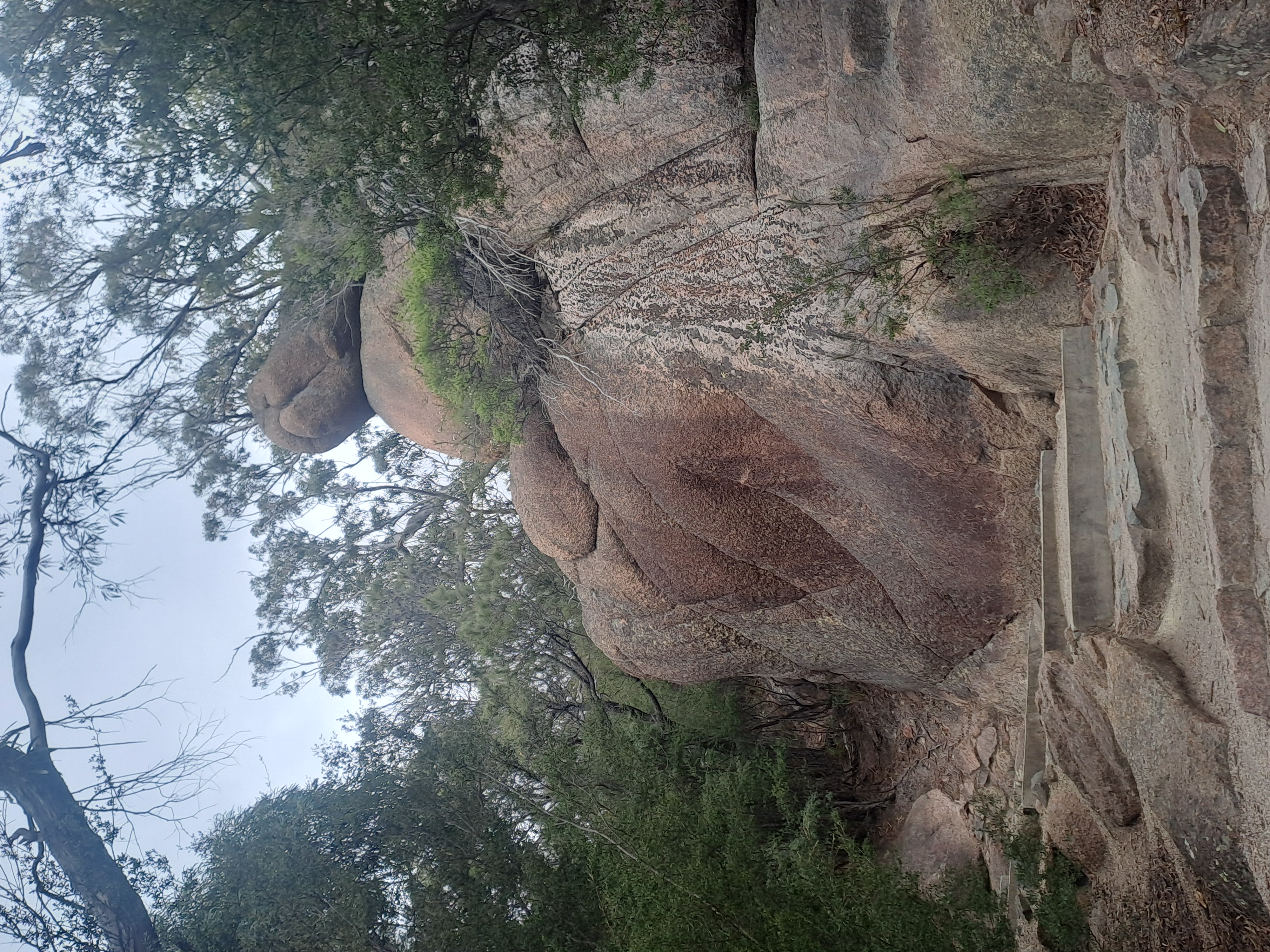
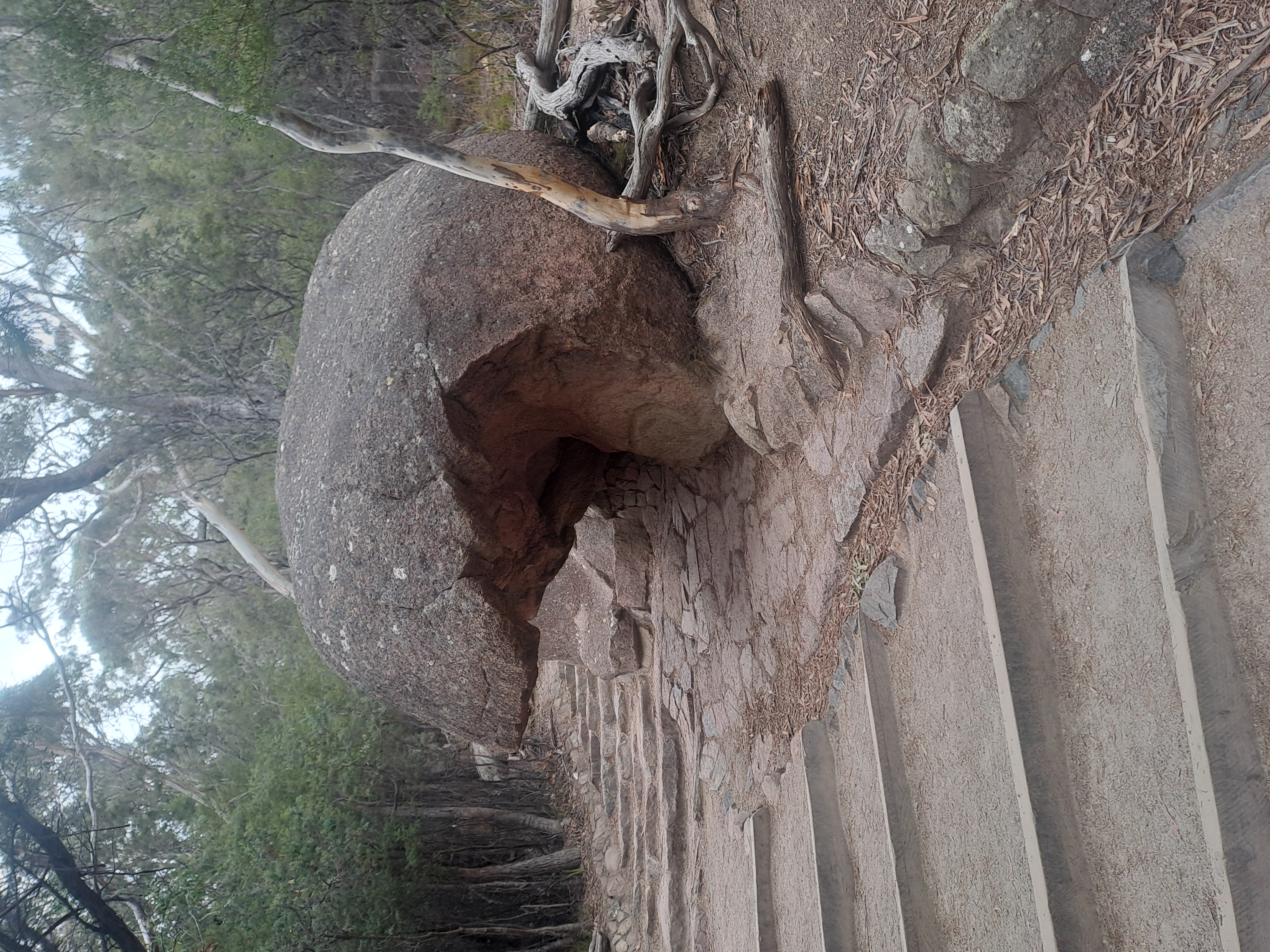
The way up was interesting with lots of large boulders and it didn’t take much imagination to see them as animals or people.
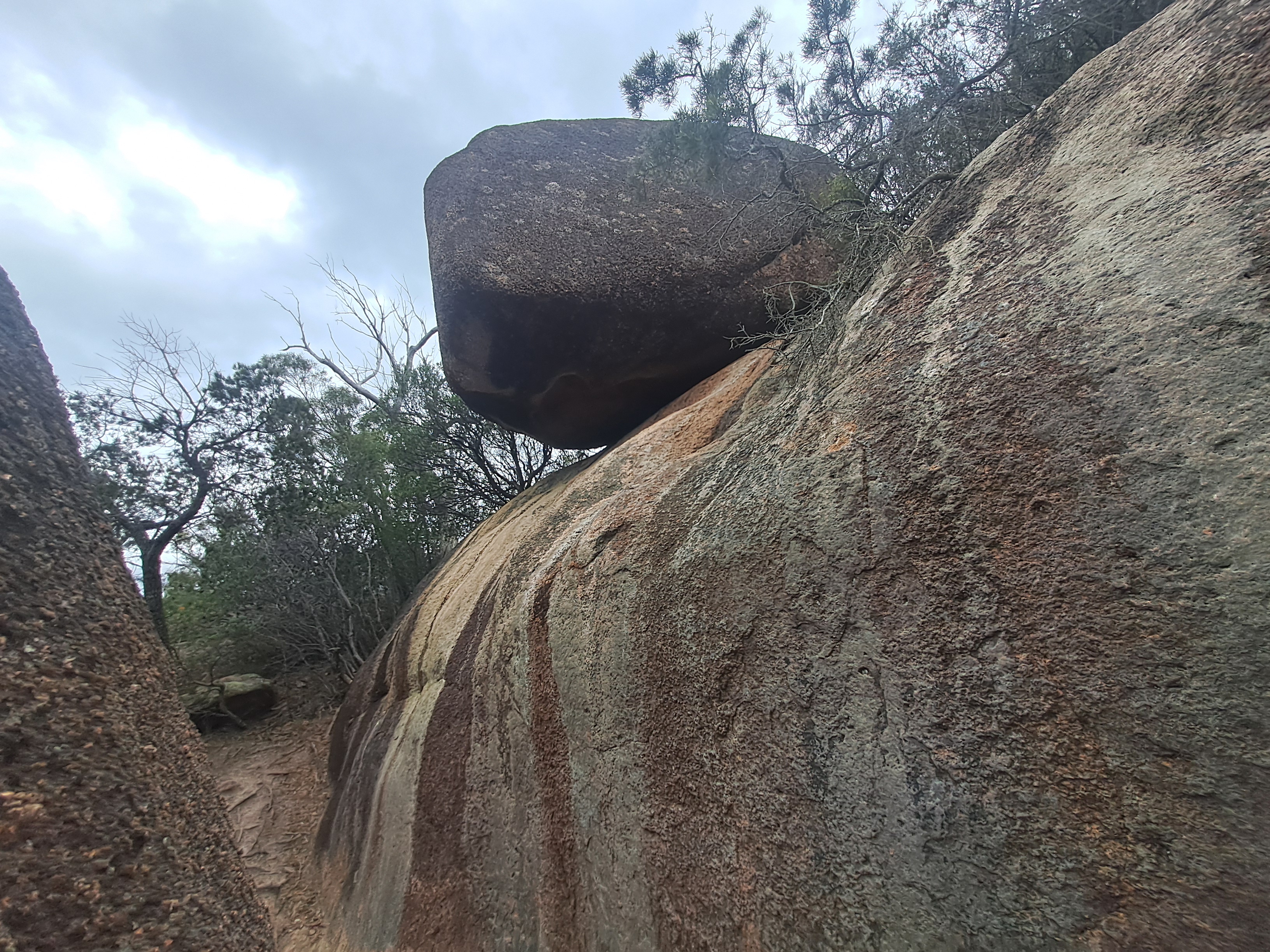
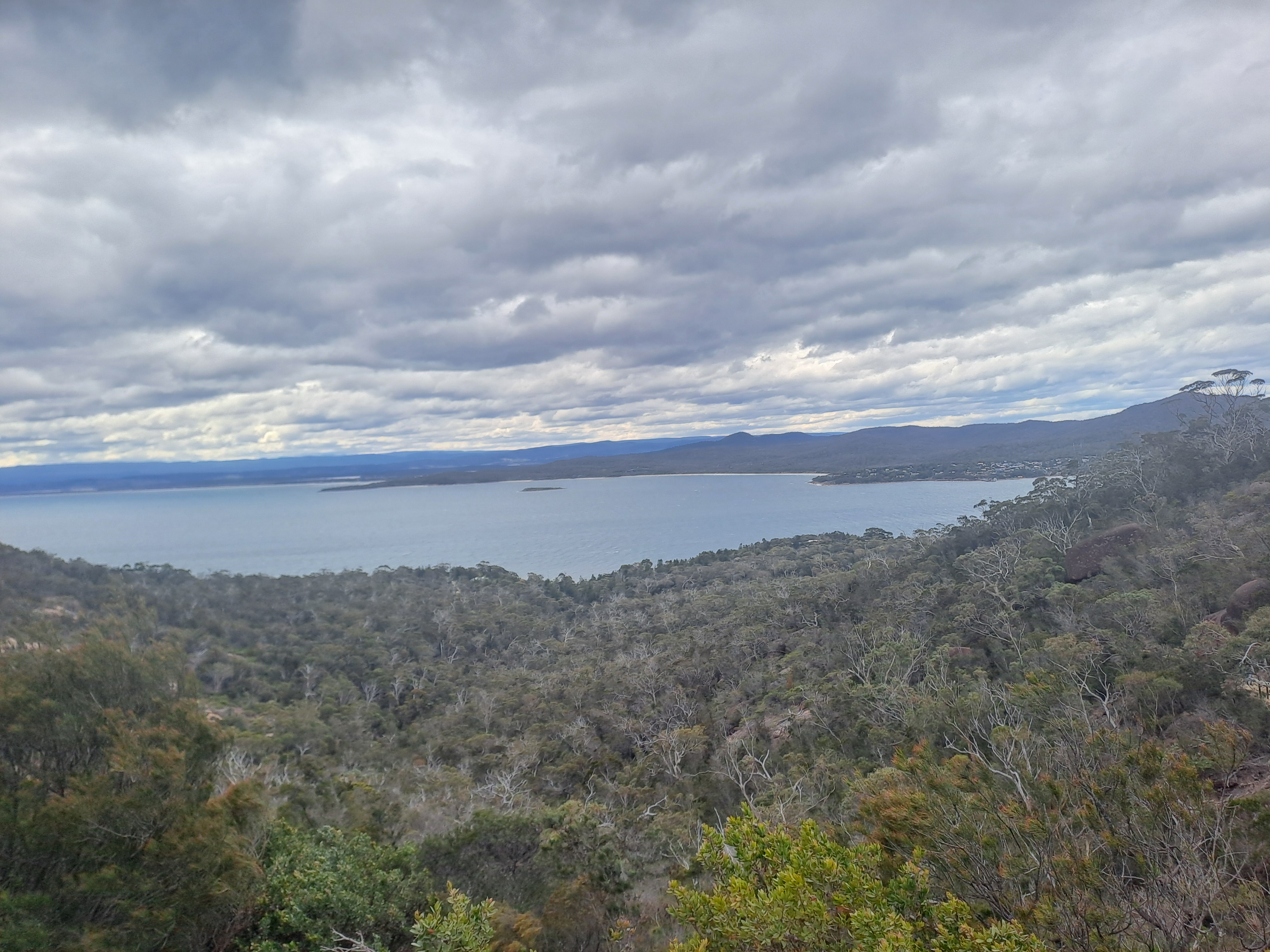
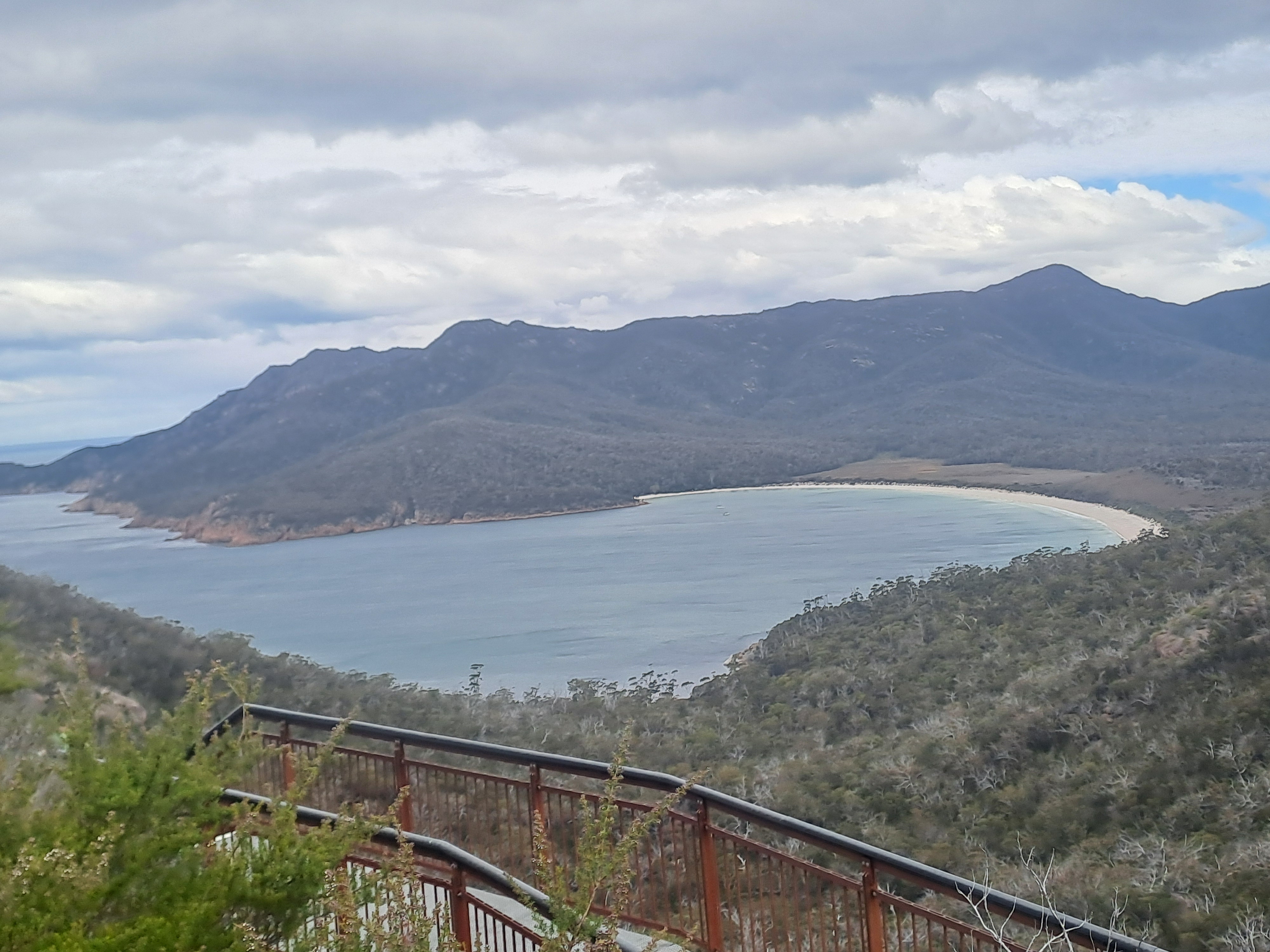
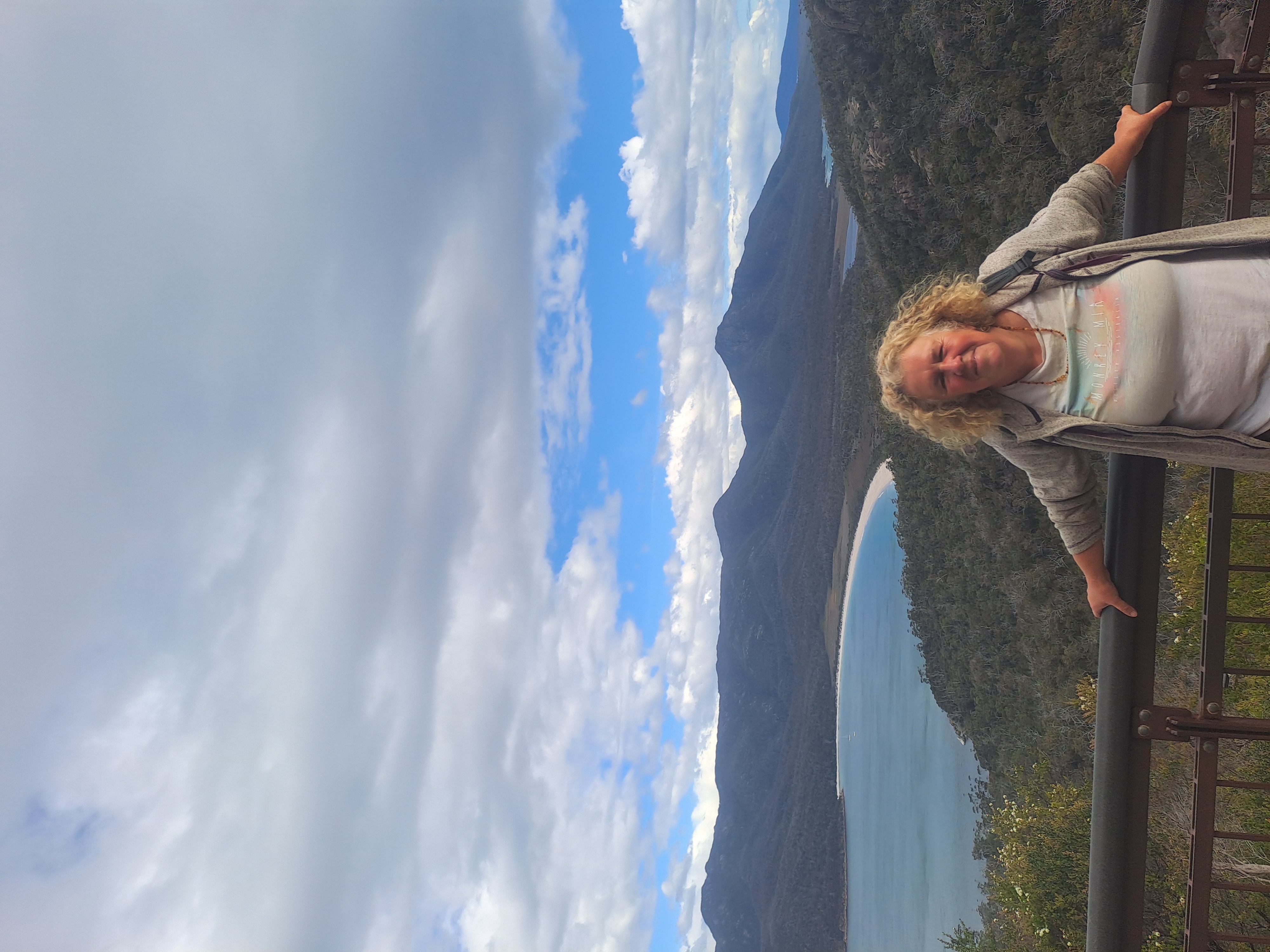
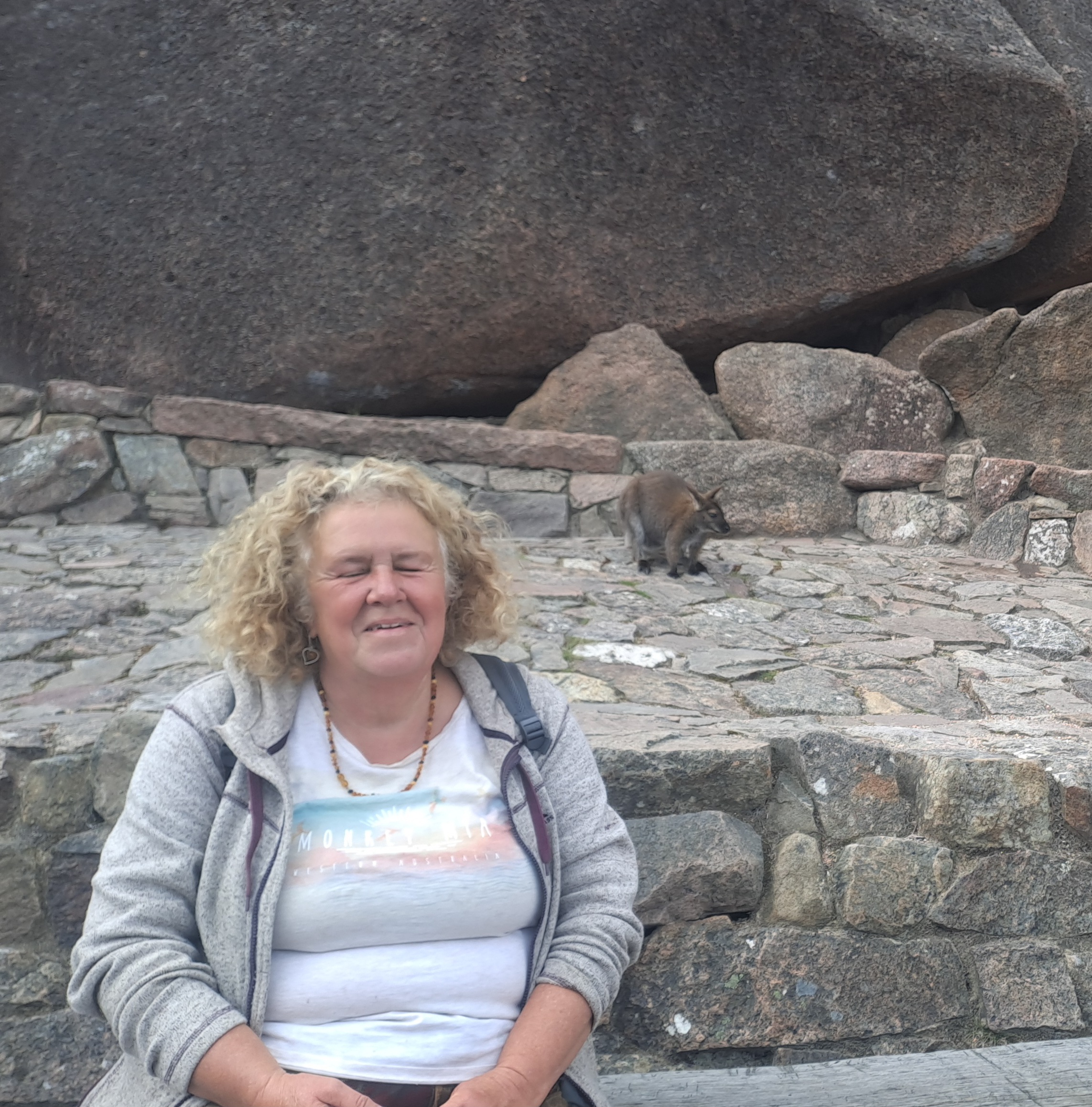
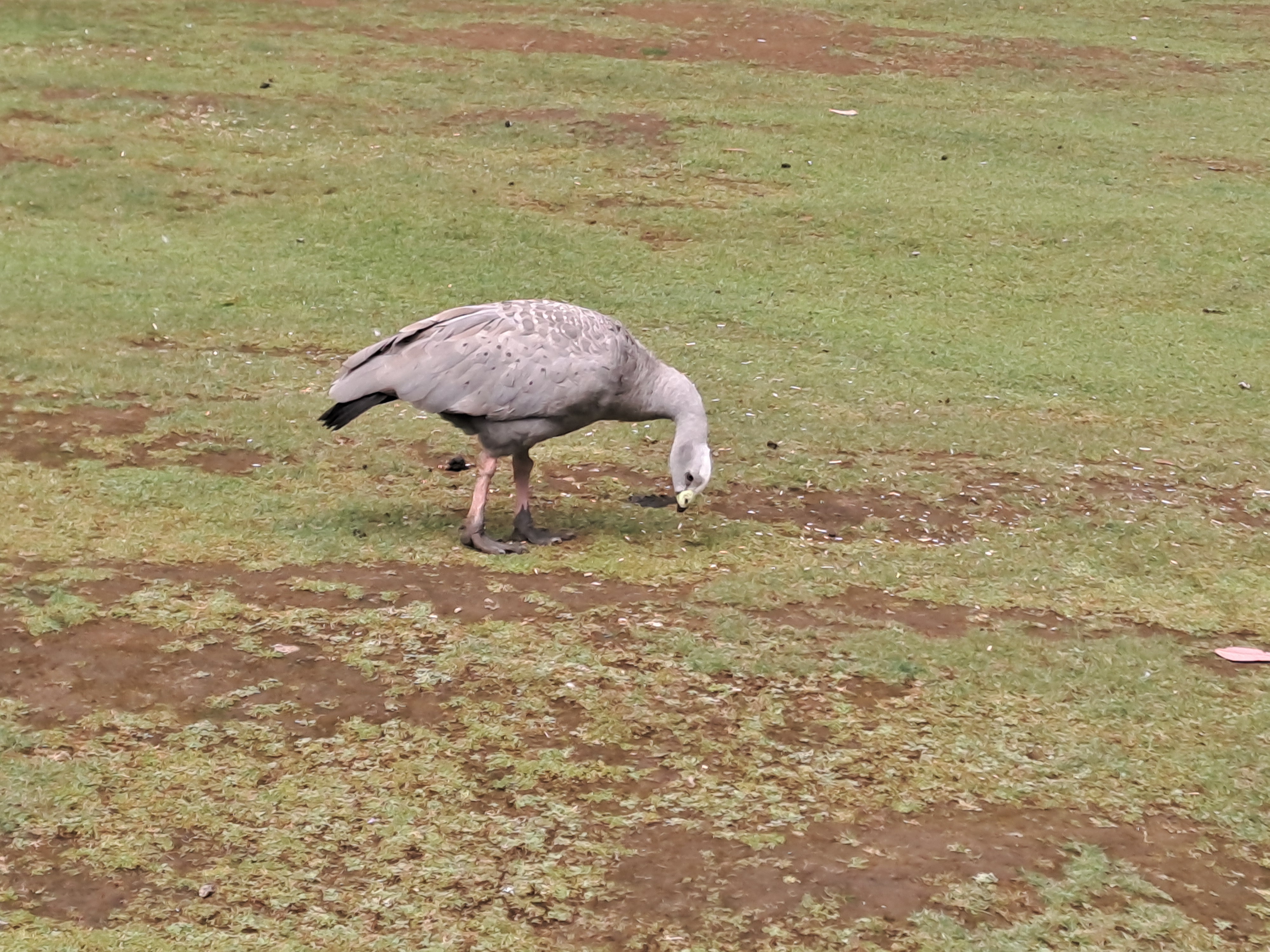
The view from the top was stunning and a local wallaby decided to join me while I admired the view. It would have been nice to have walked down to Wineglass Bay but it was too late. An advisory notice said in effect you’ve just walked up 400 steps, if you go there you’ve got to walk back up 1,000 steps so think hard about it. I did and decided not to, but I didn’t see some Fairy Wrens while I was thinking about it.

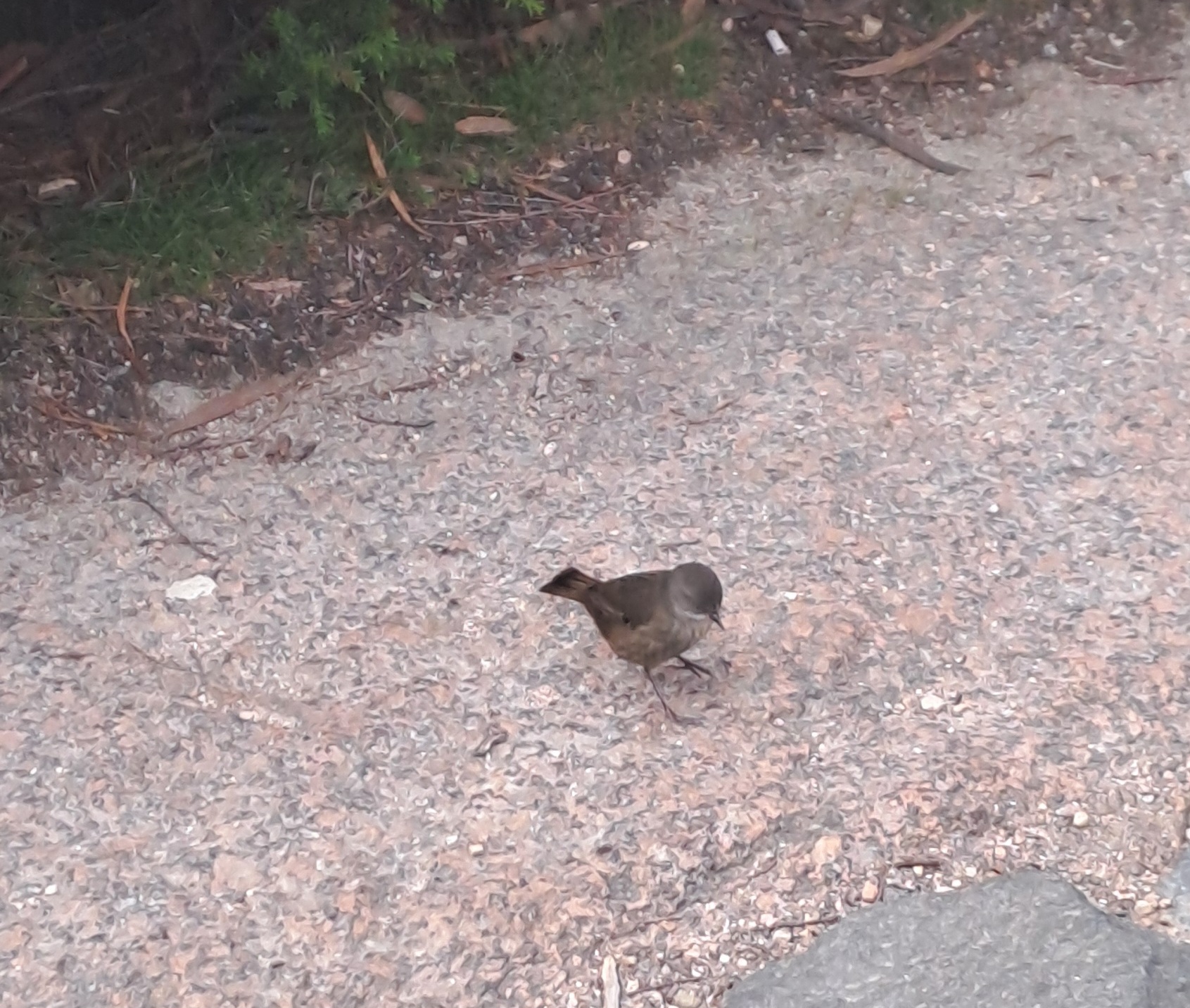
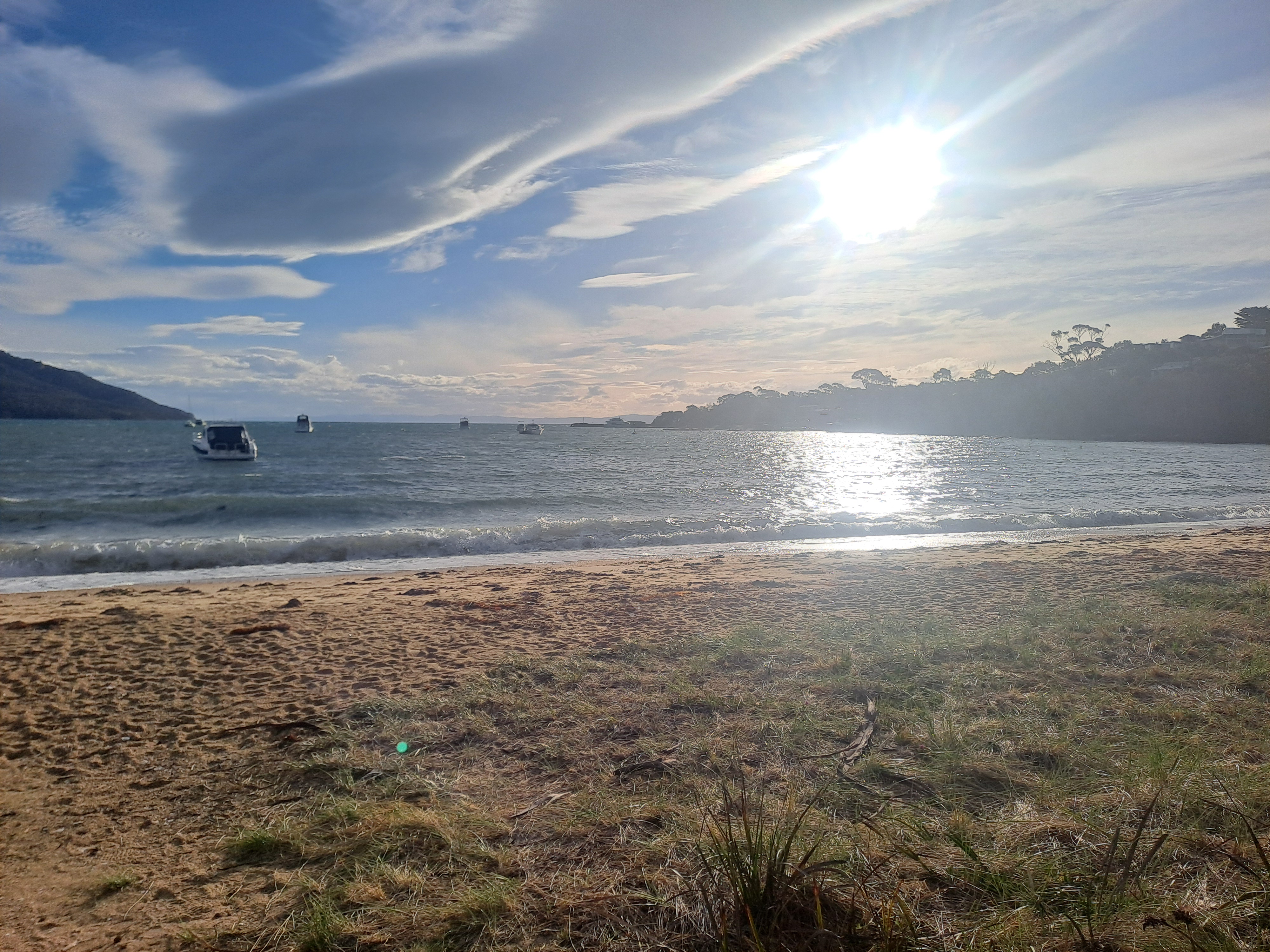
Back at the campsite there was a lovely view and more superb Fairy Wrens.

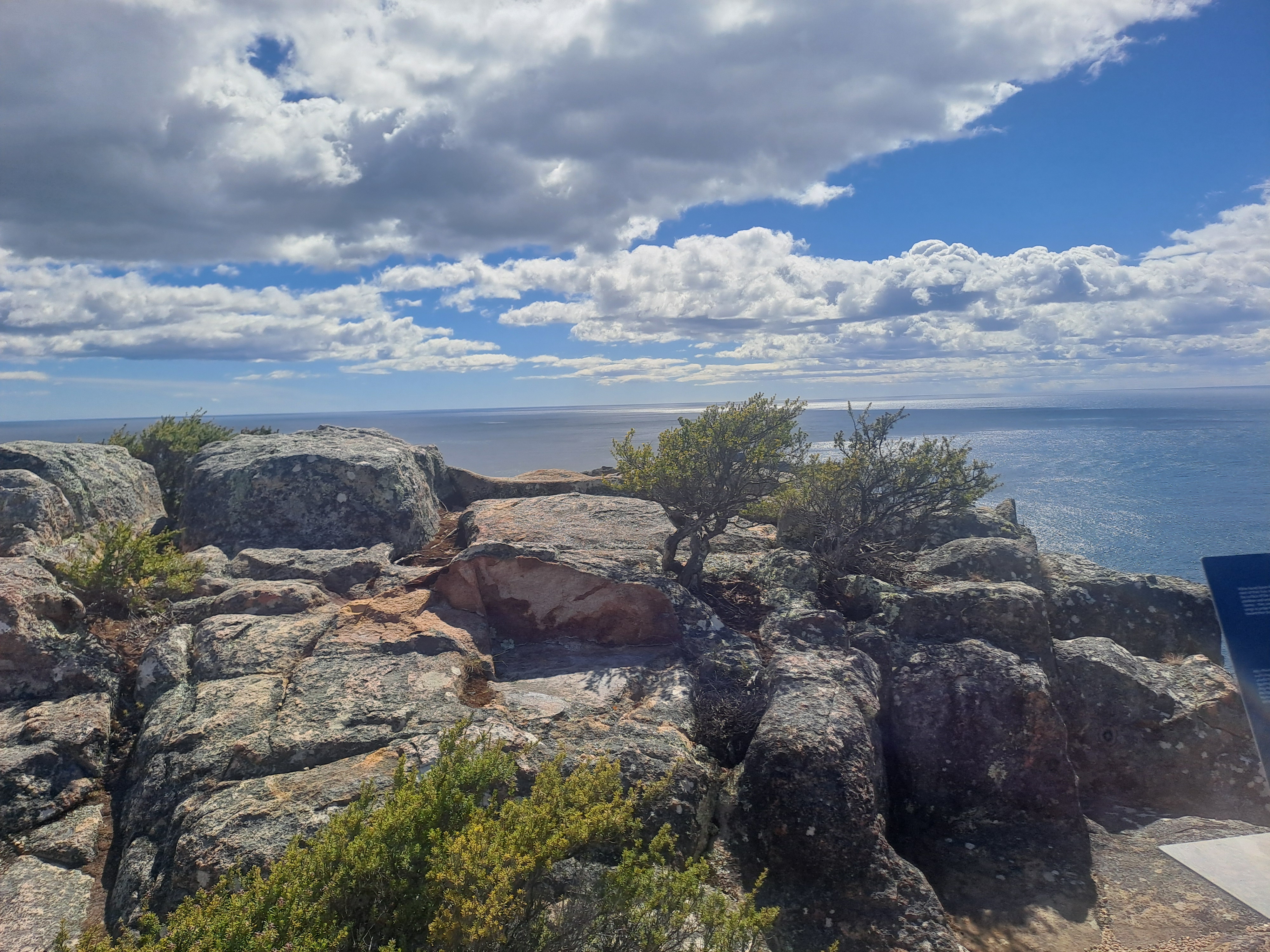
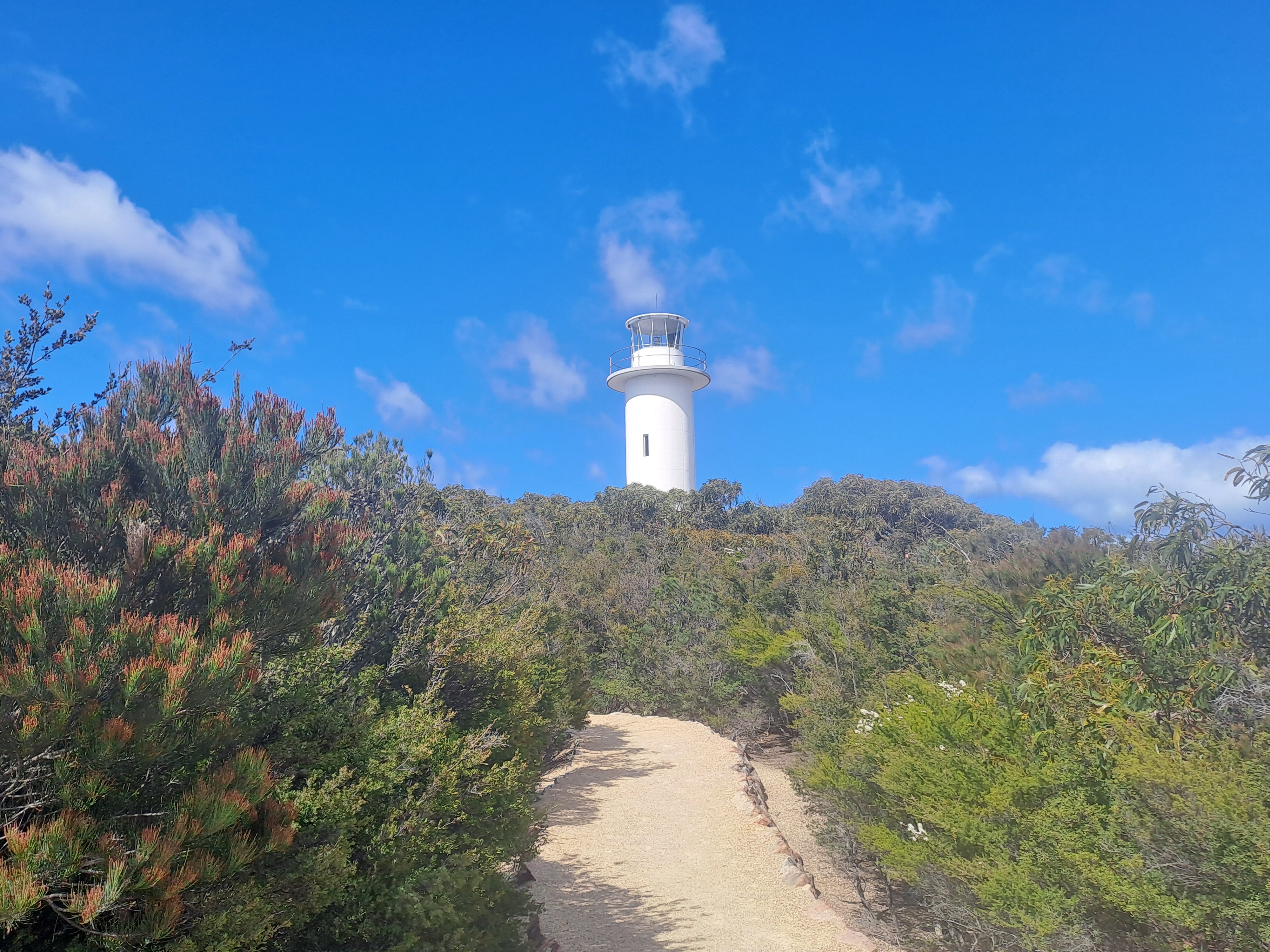
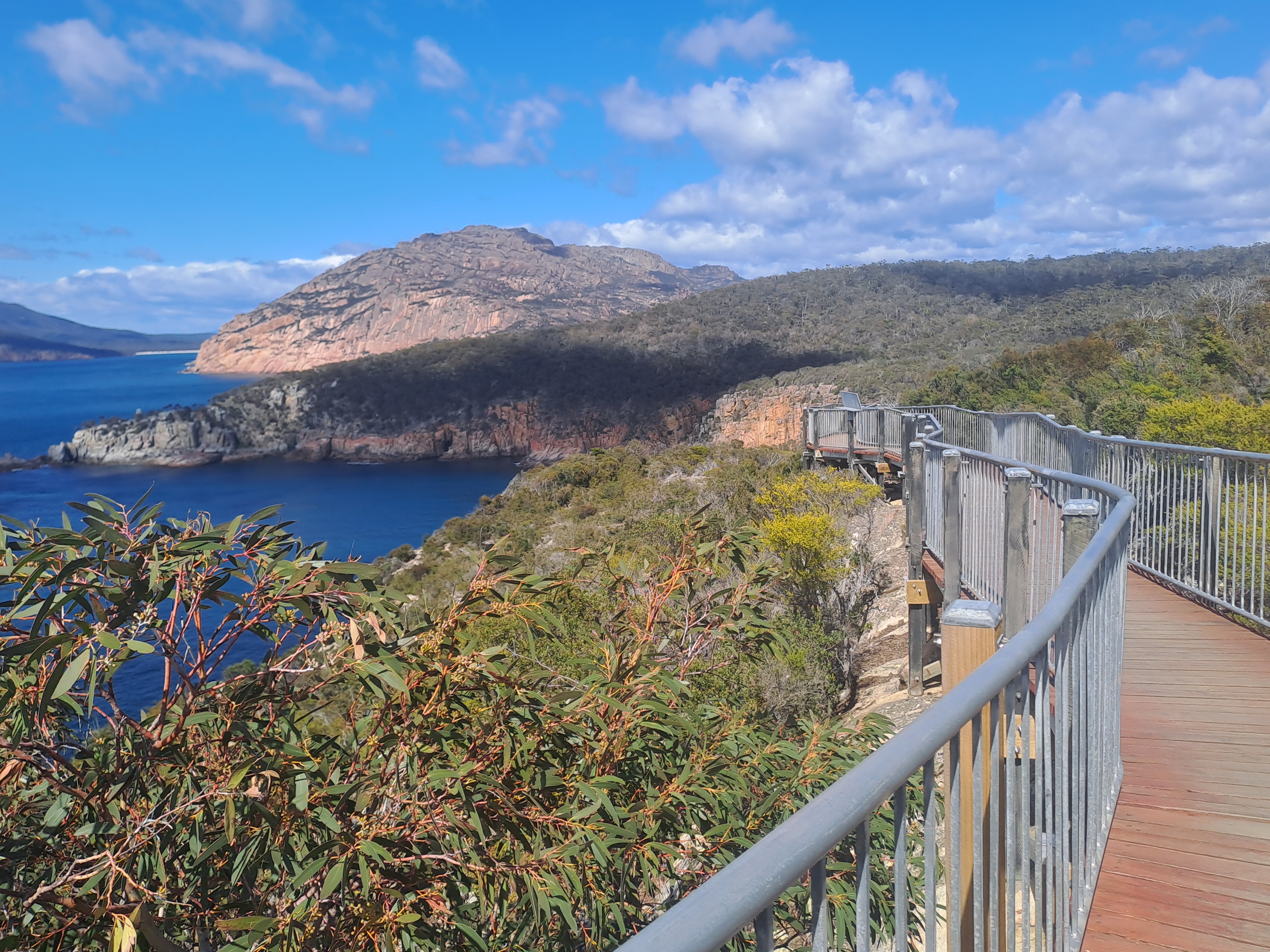
Before we left the next day we went up to see the lighthouse, on a wonderful wooden track. We could even see some whales out at sea.
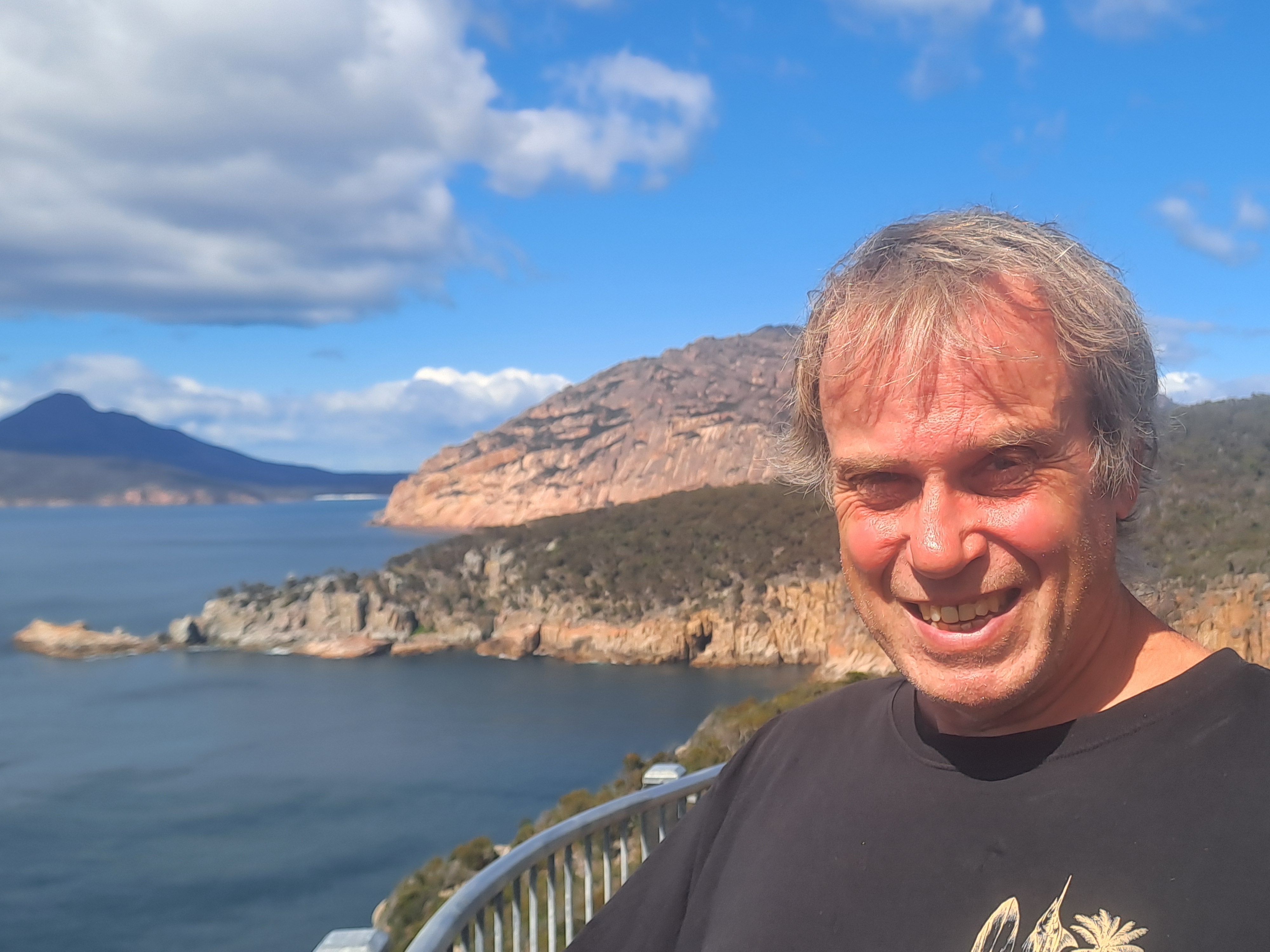

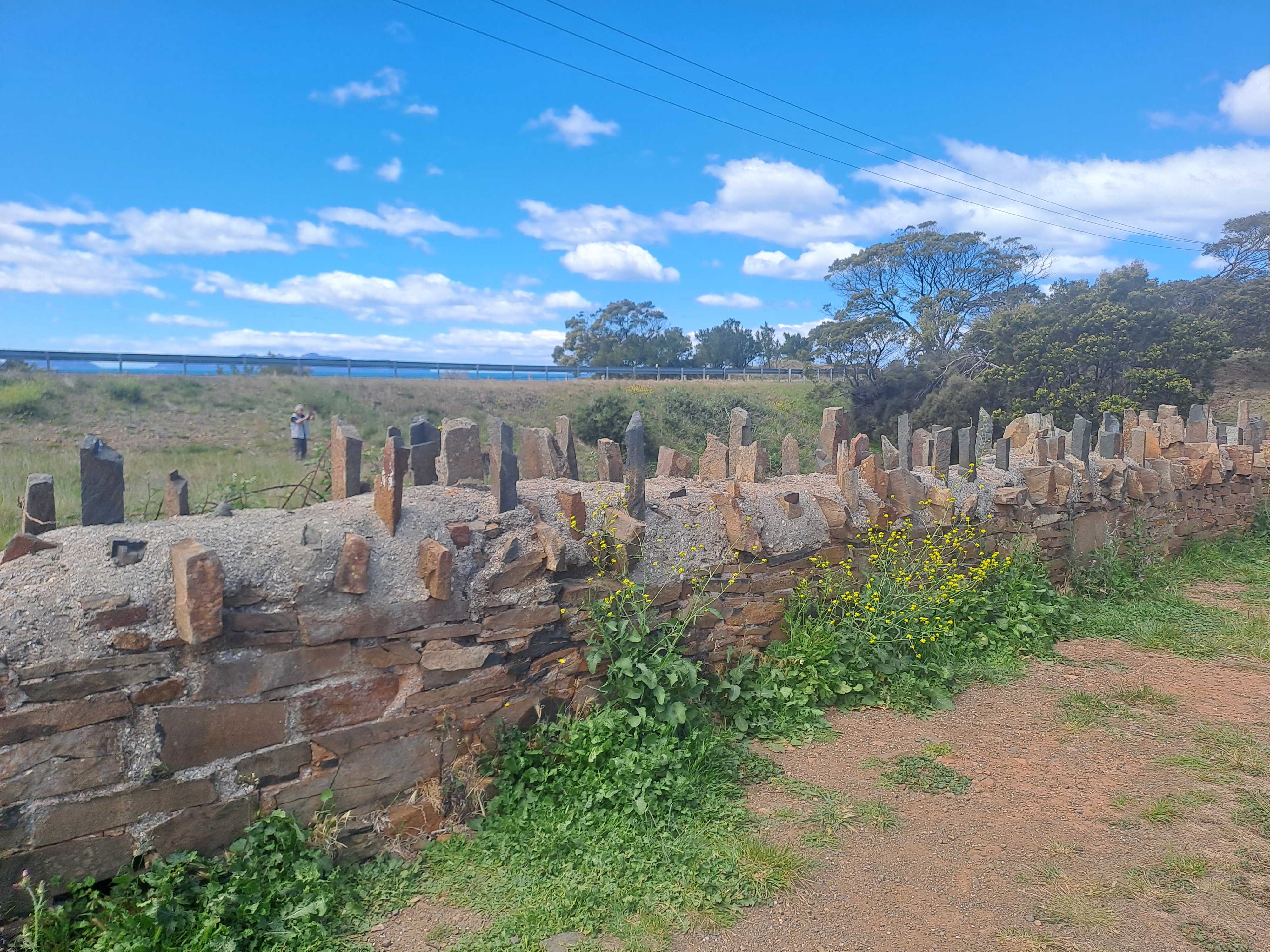
Then onwards to Hobart via the Spikey Bridge built by convicts.


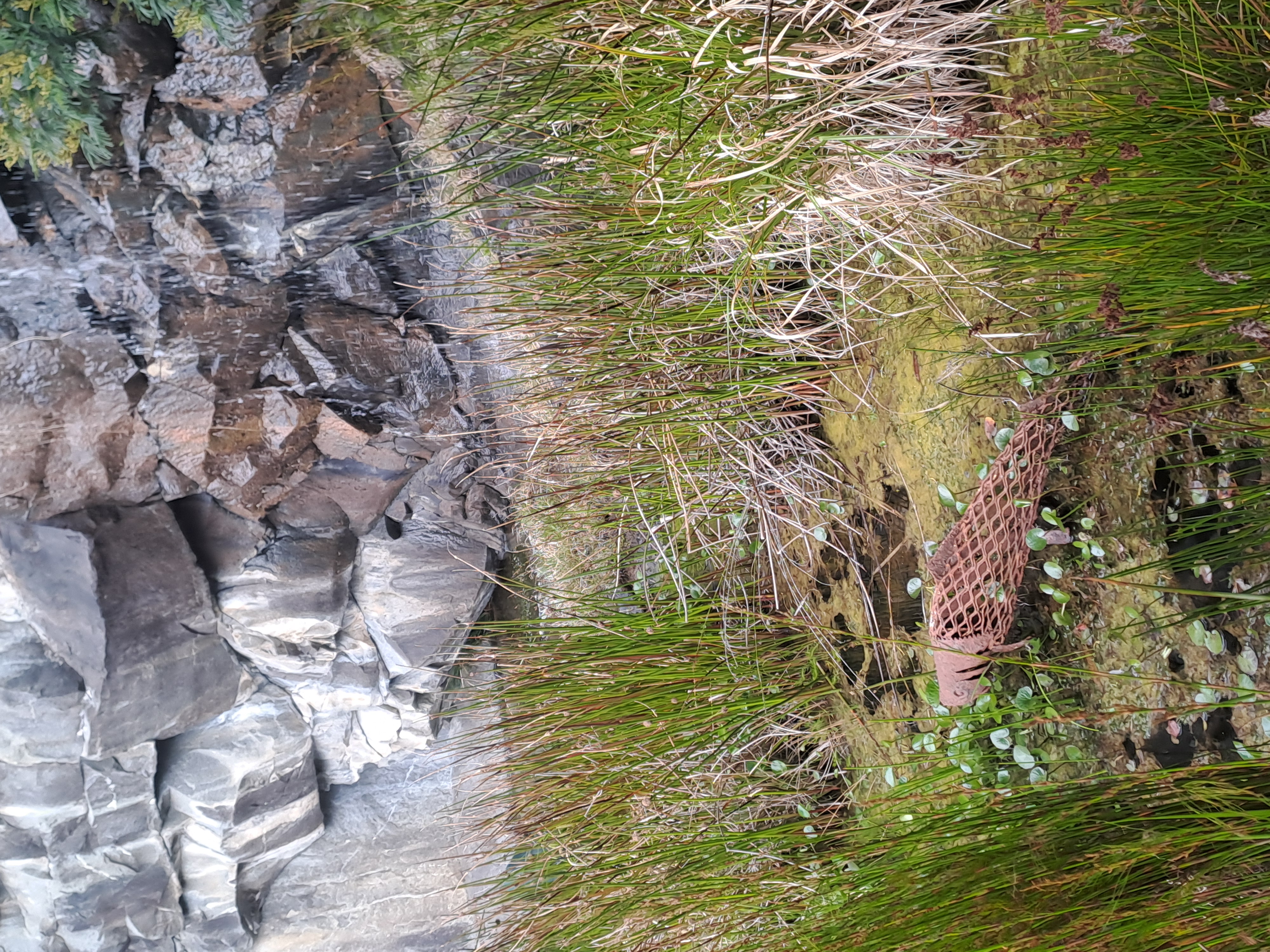
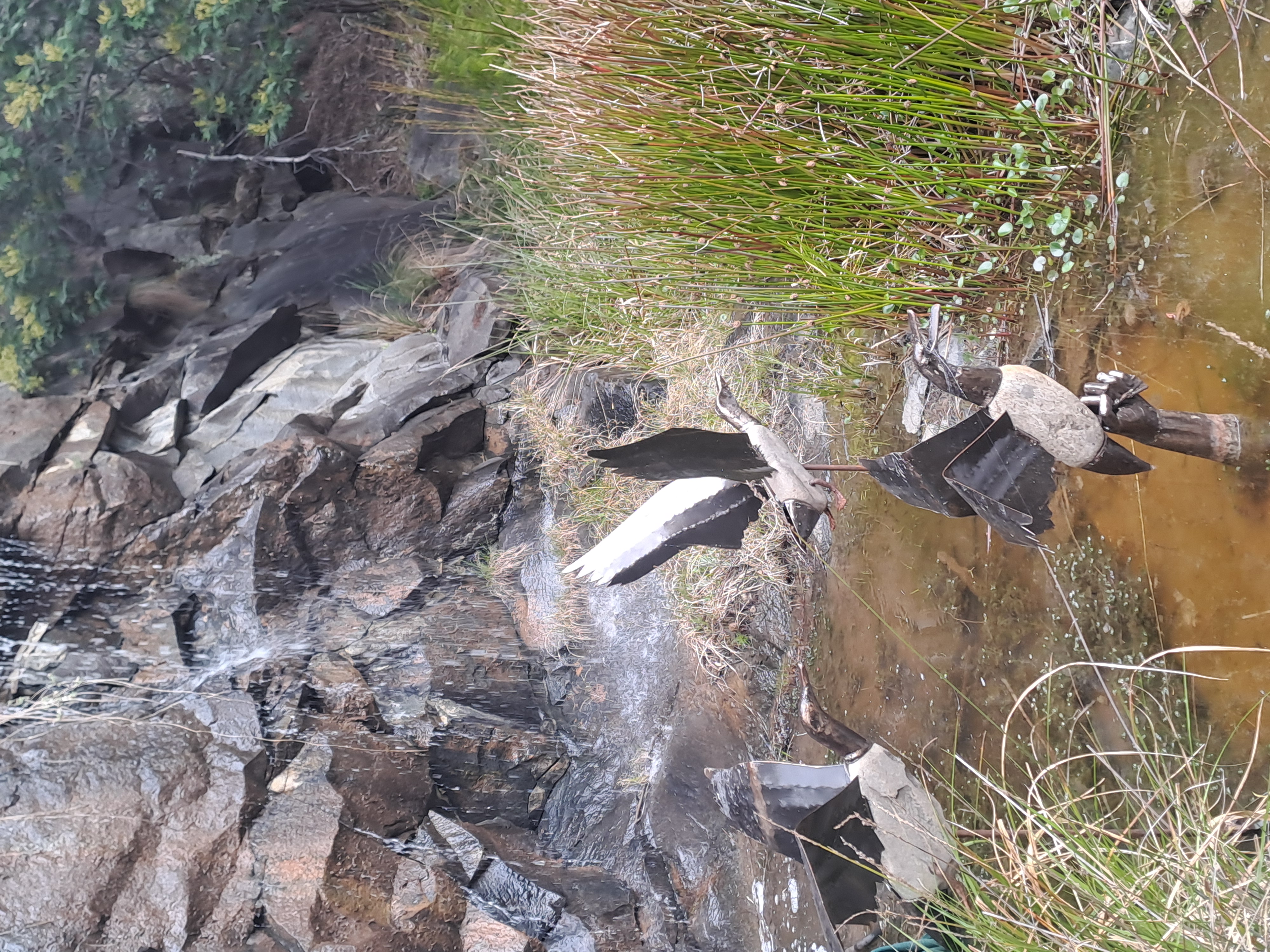
Then a botanical garden in a disused quarry complete with animal sculptures and a sculpture trail up above the quarry.

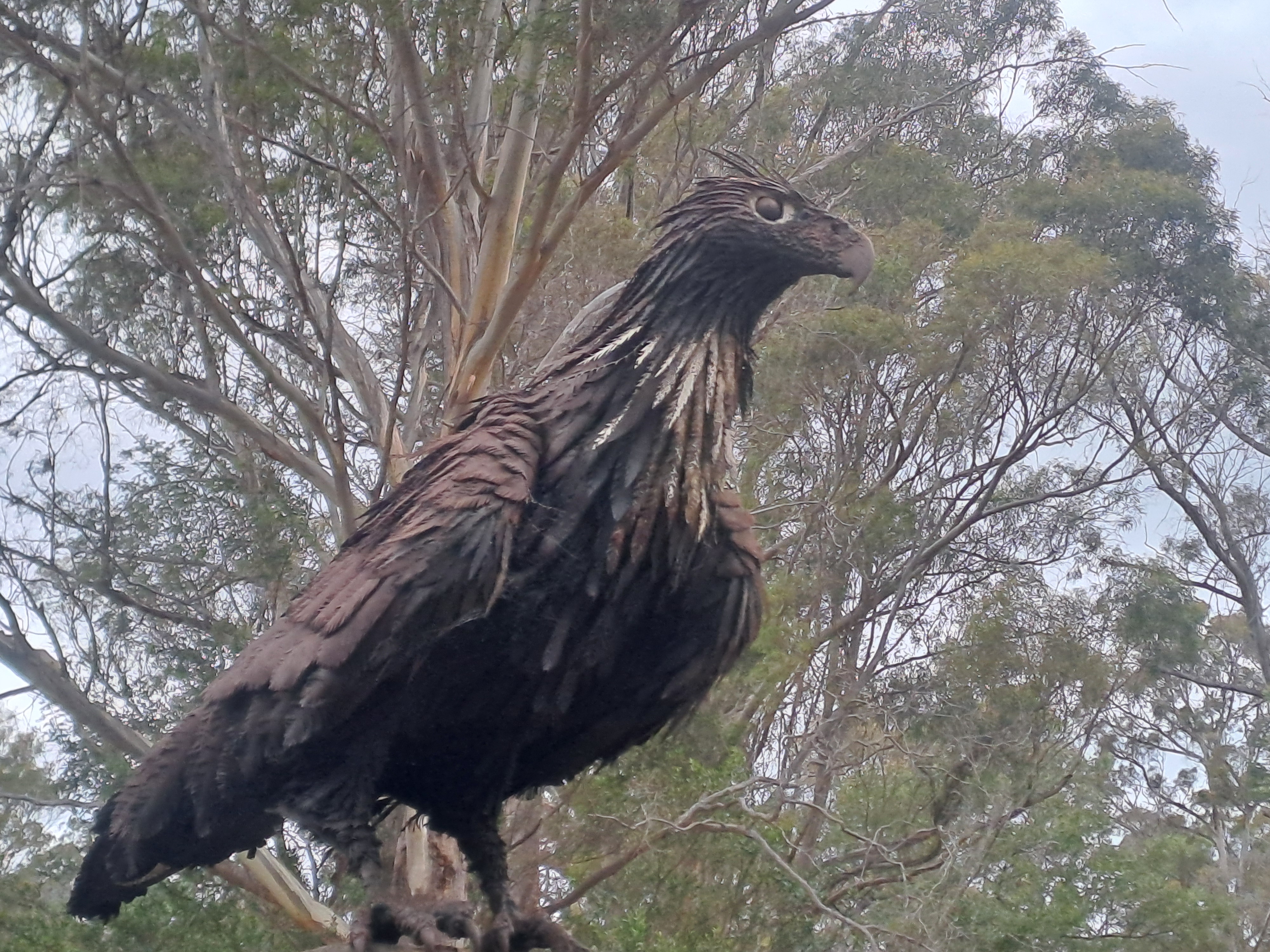

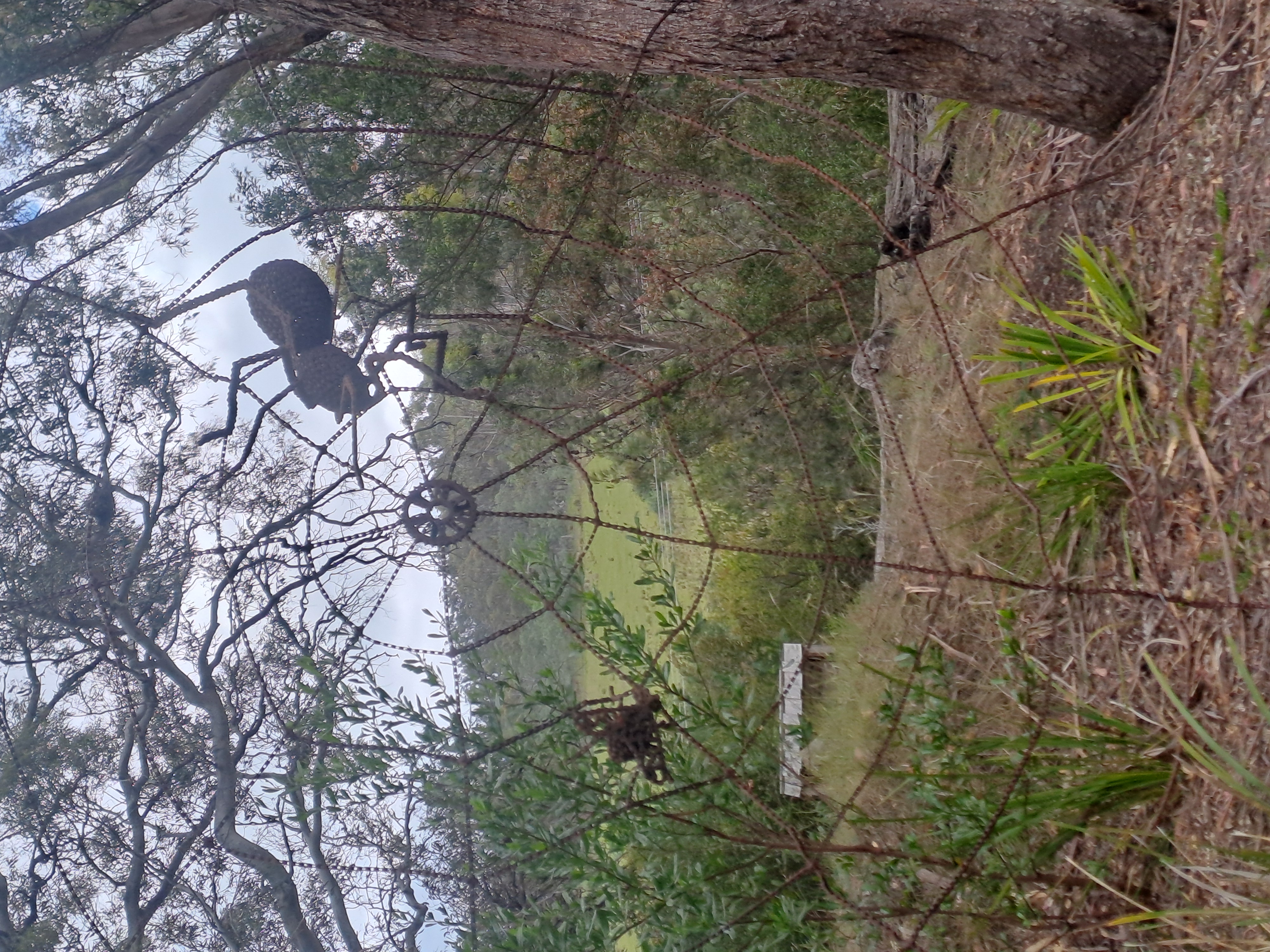
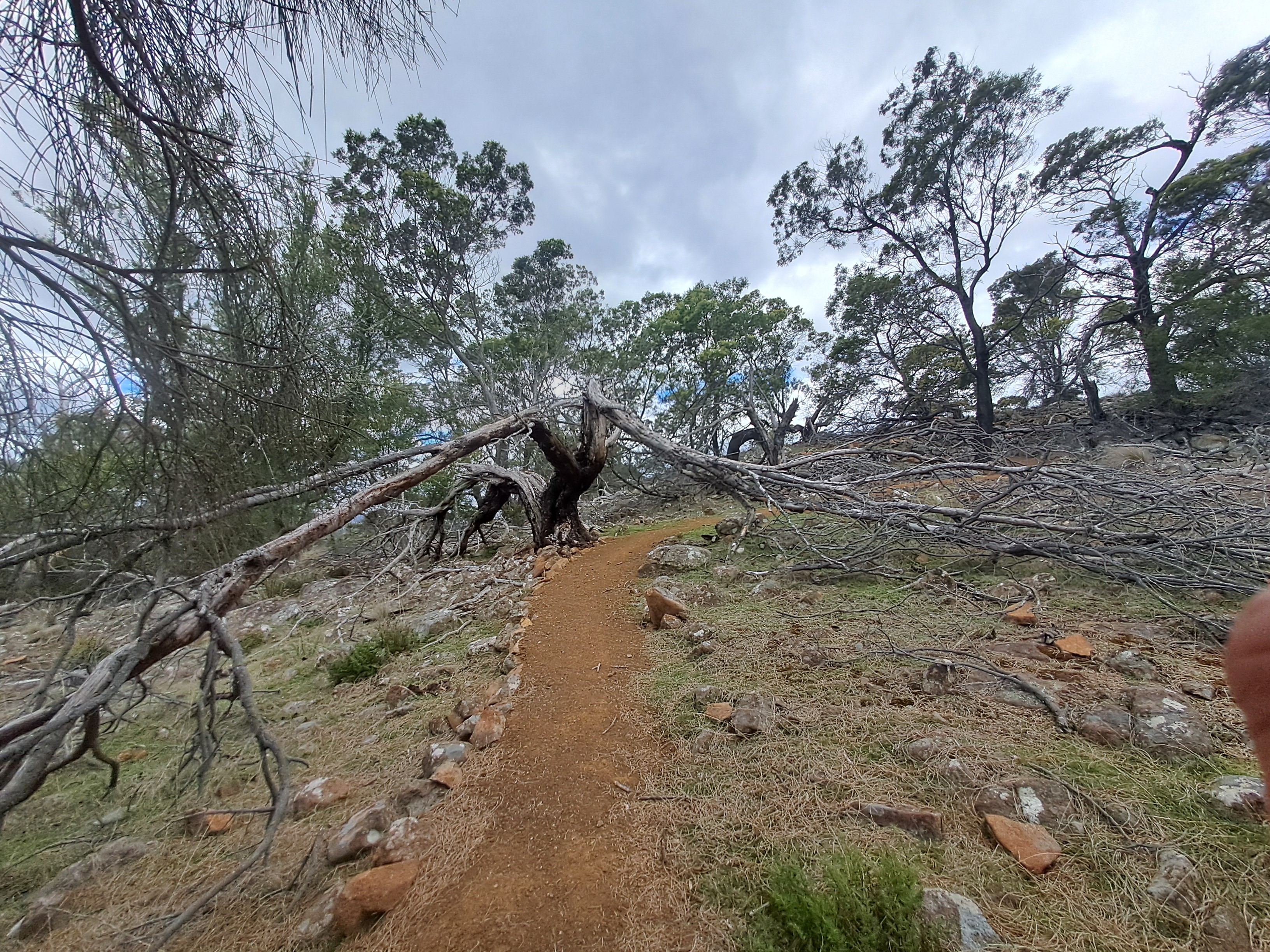

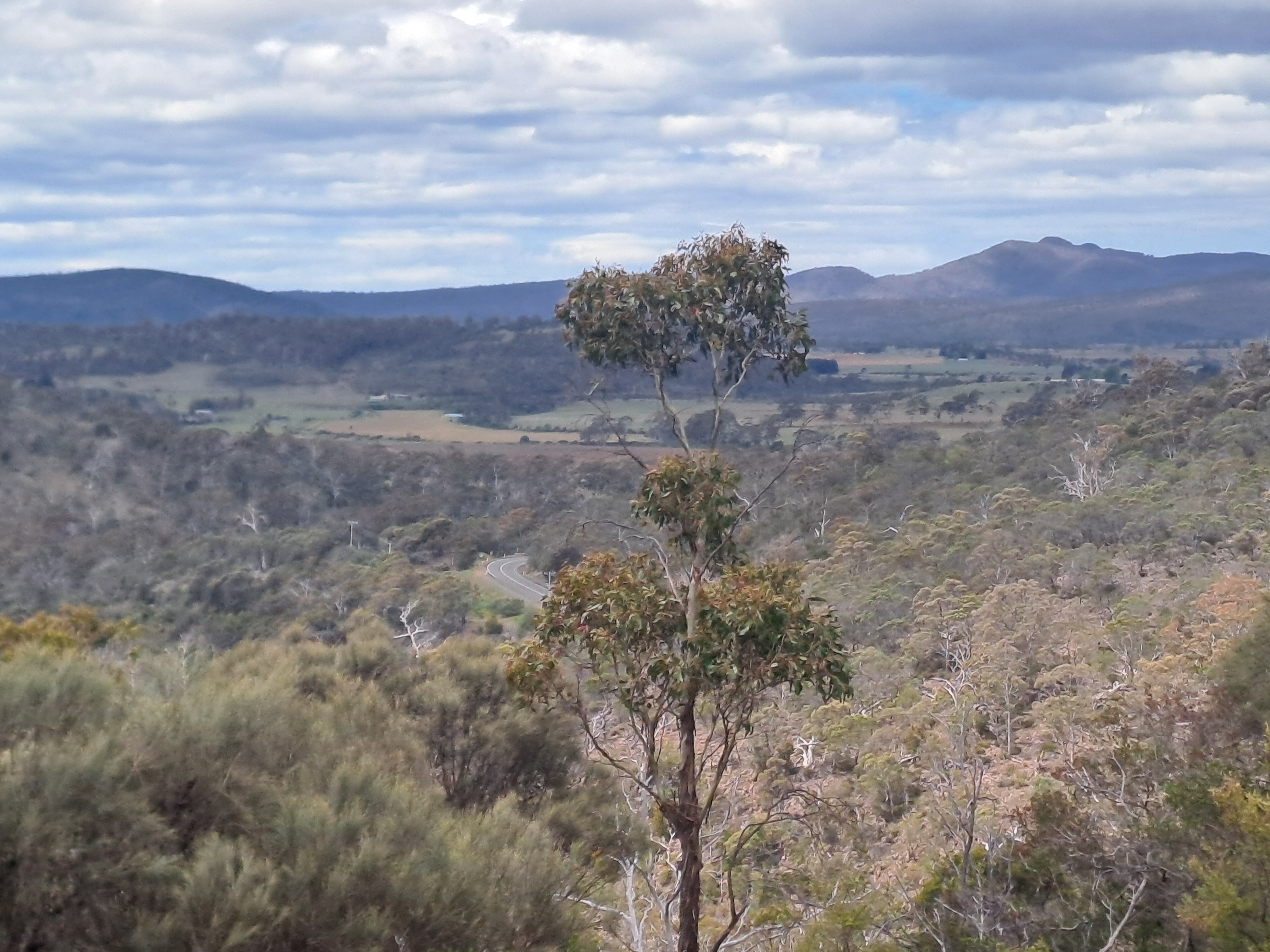
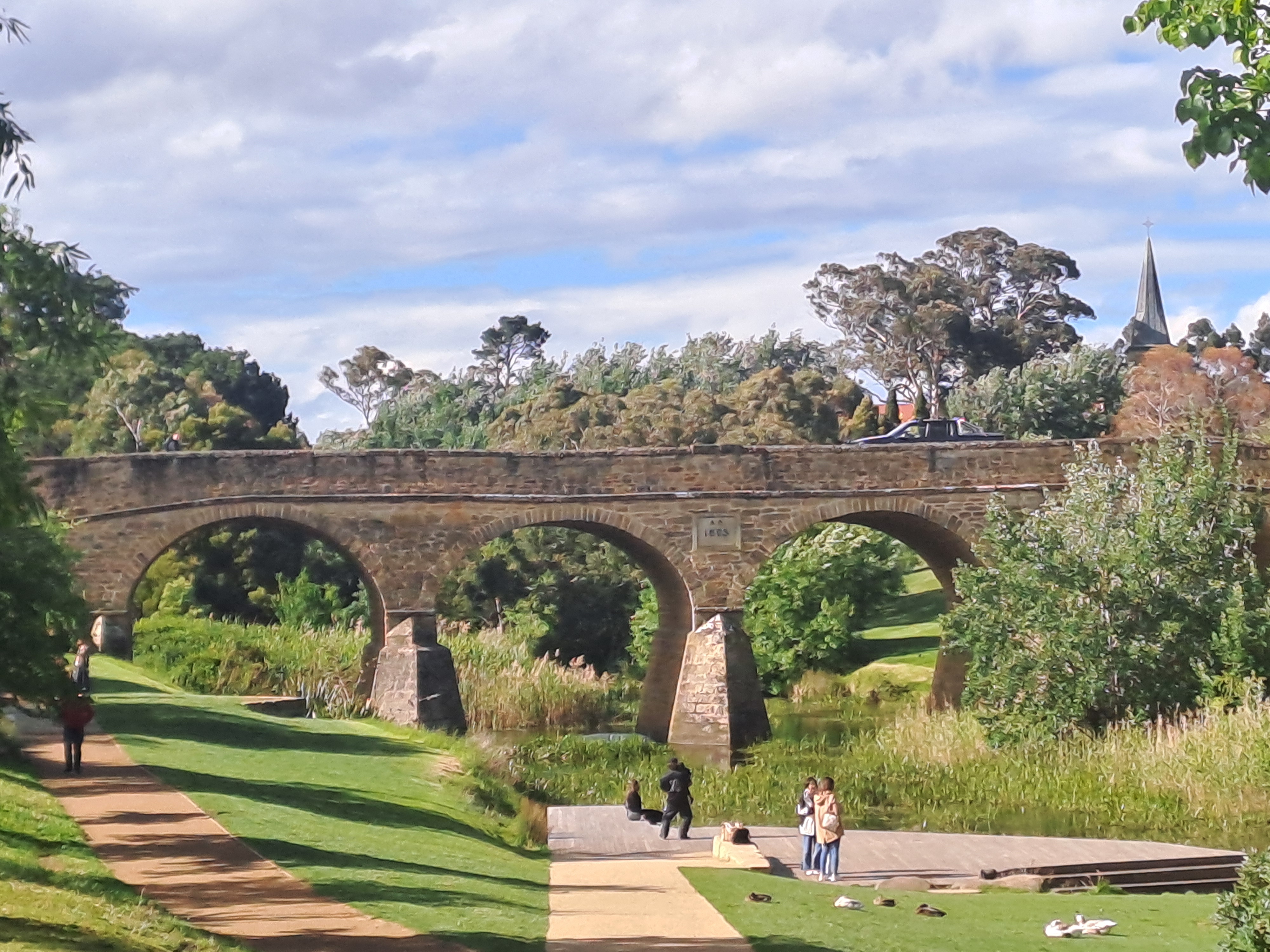
We also stopped at Richmond with its quaint buildings so typical of Tasmania.
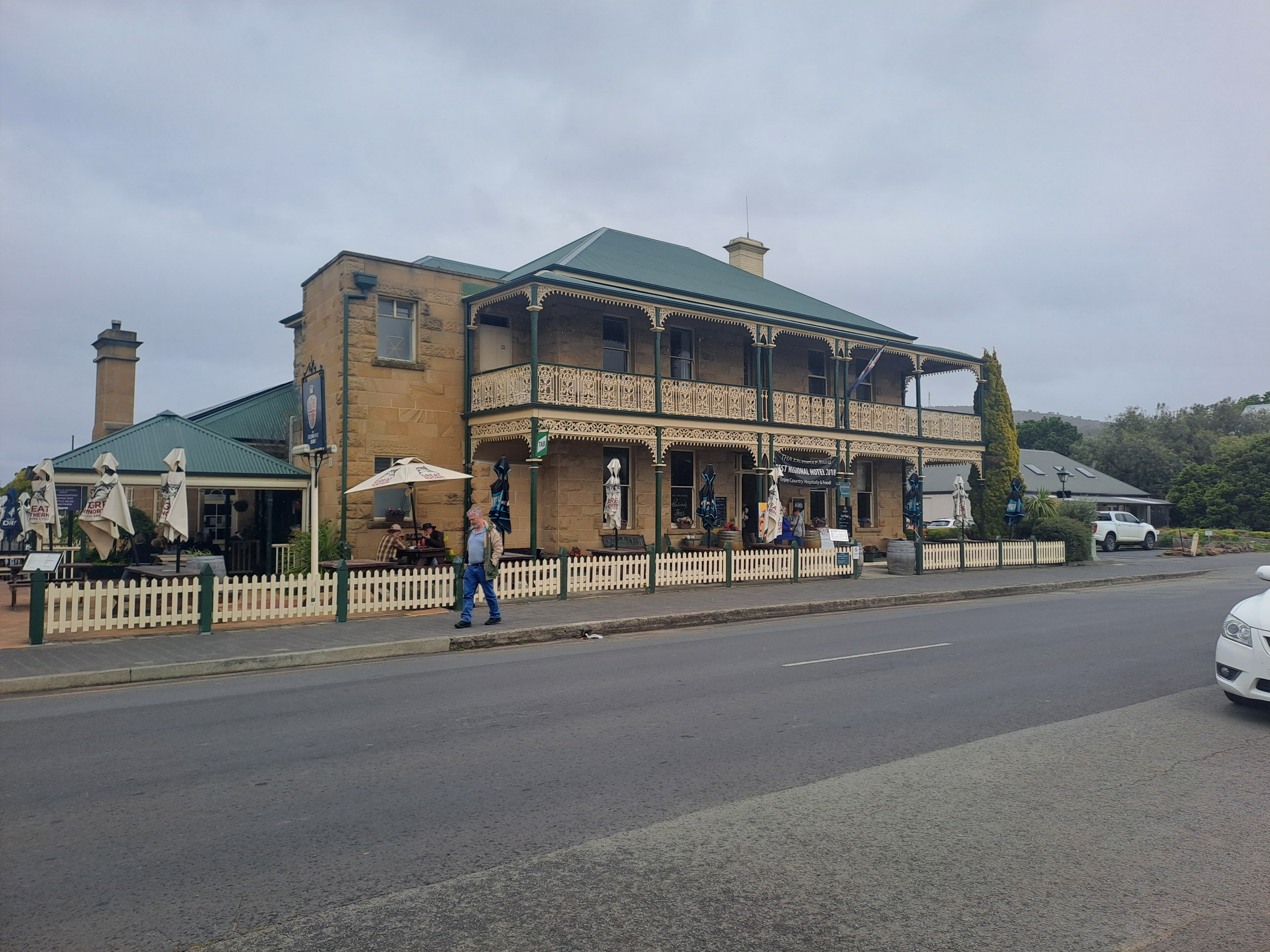
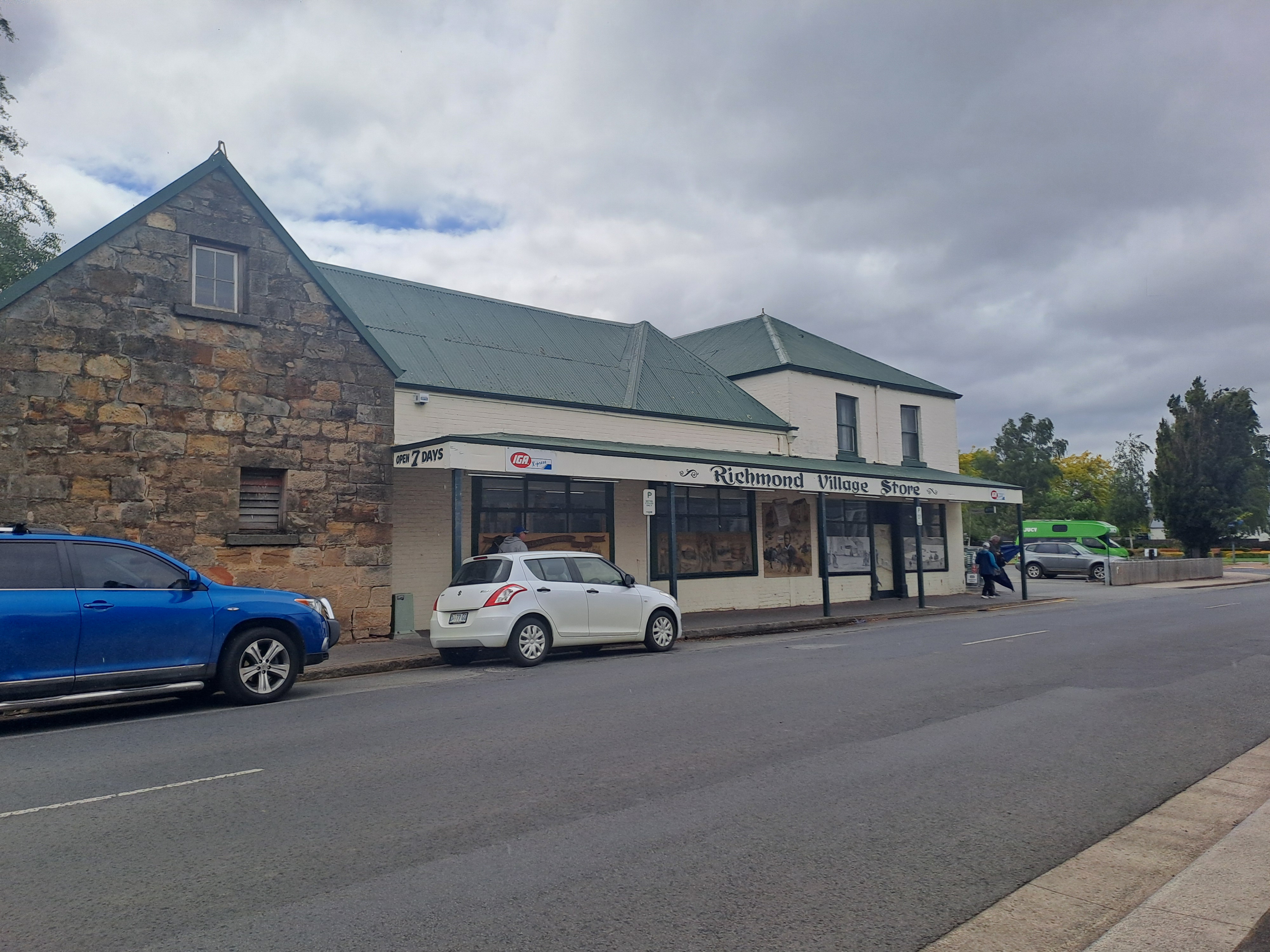
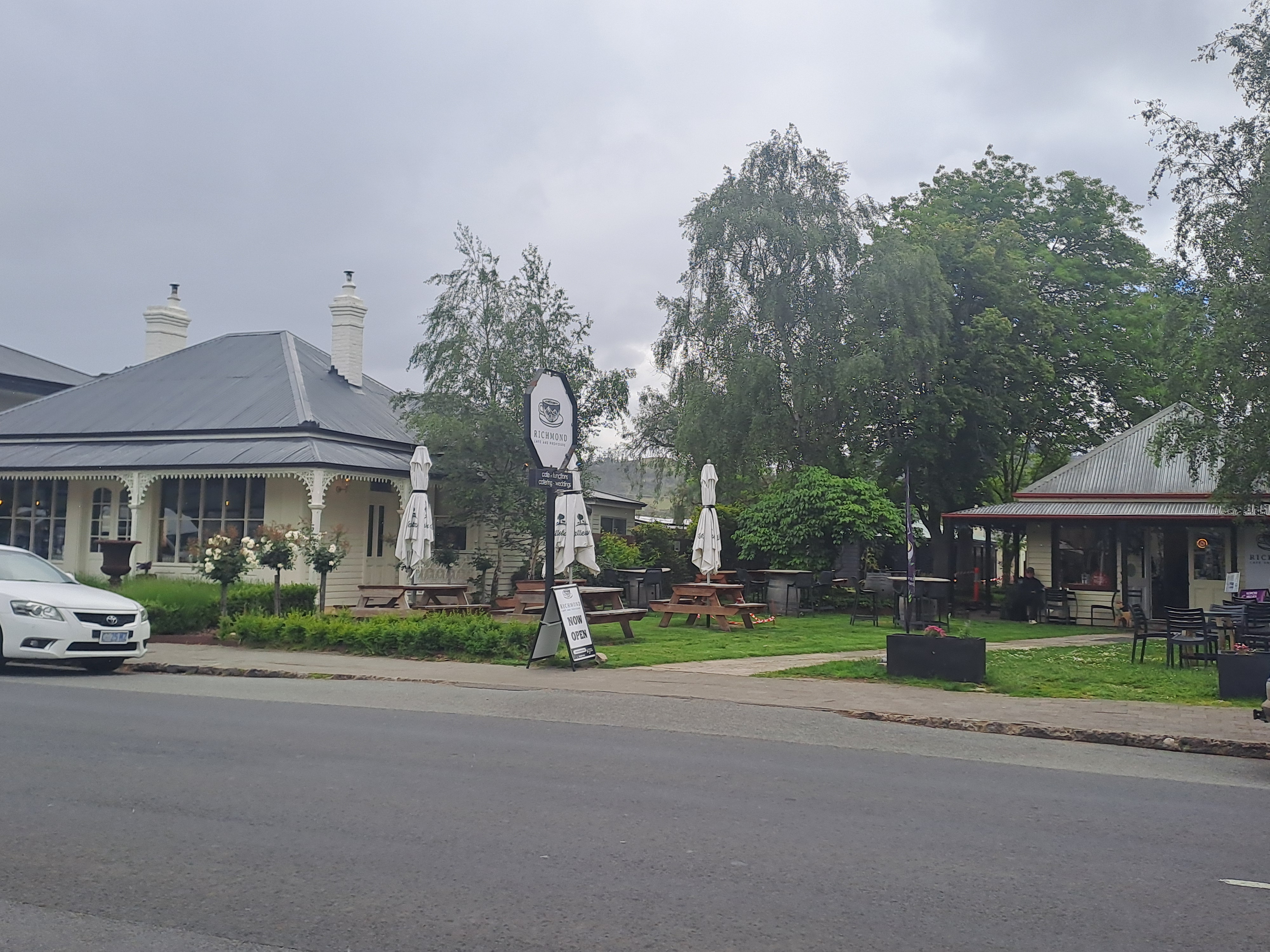
By happy accident I muddled up our dates and thought we had two nights at Hobart. This was lucky because we got out to see Port Arthur and we missed a night at freezing temperatures in the middle of Tasmania a win on two accounts!
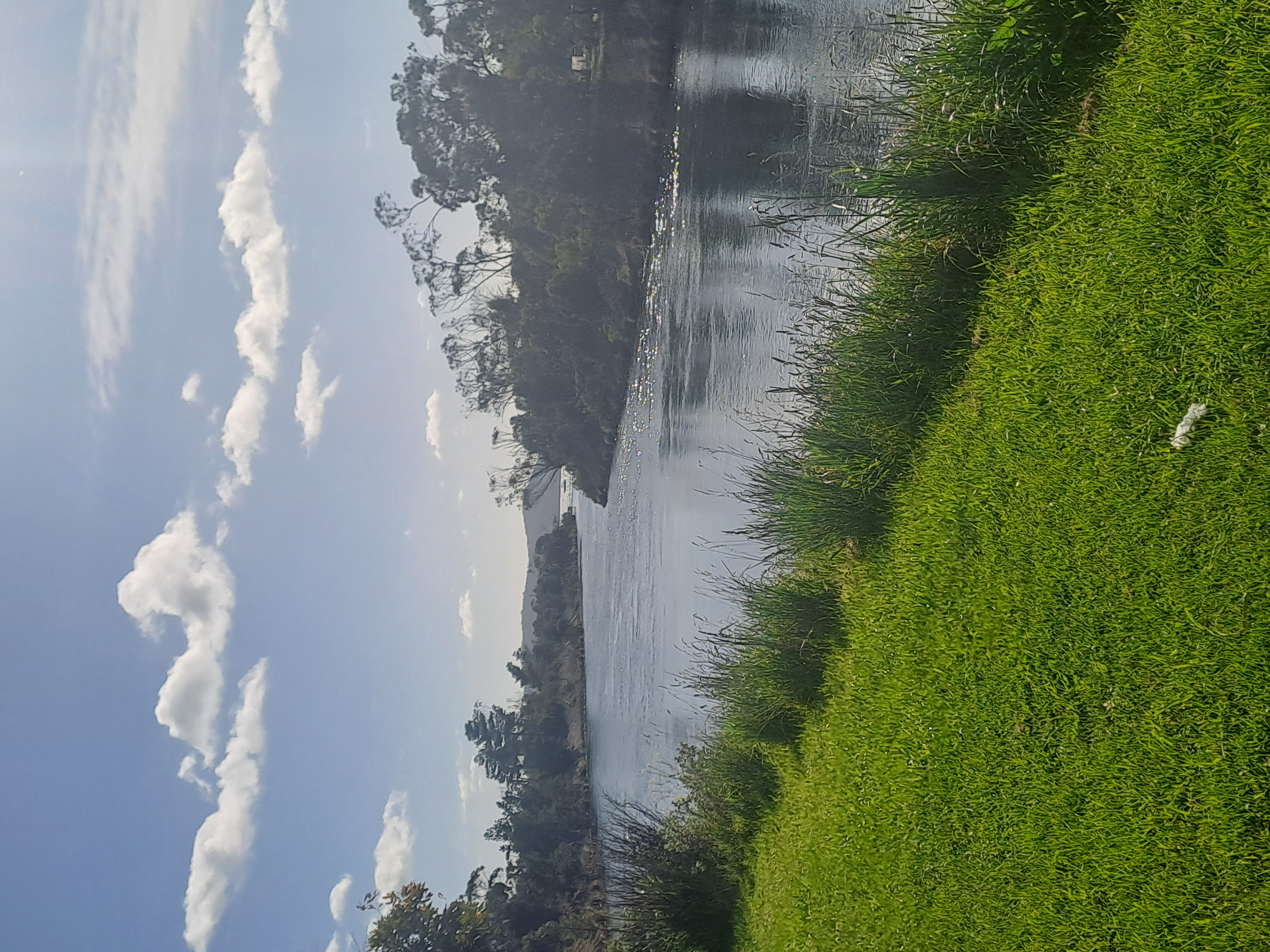
We chose a tour that took us on a few sights on the way. We visited some lovely views and a coastal walk to see the Devil’s Kitchen.
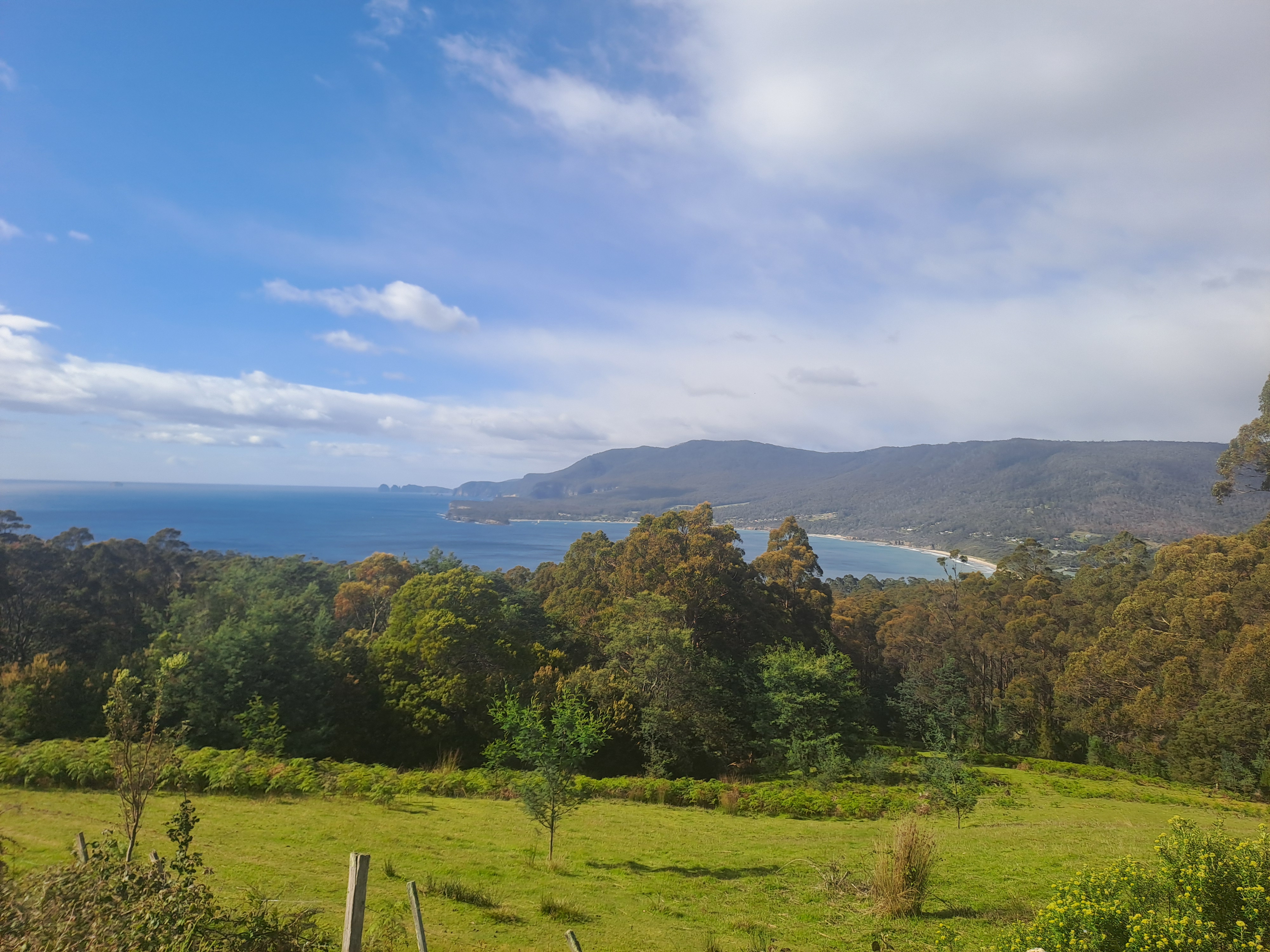
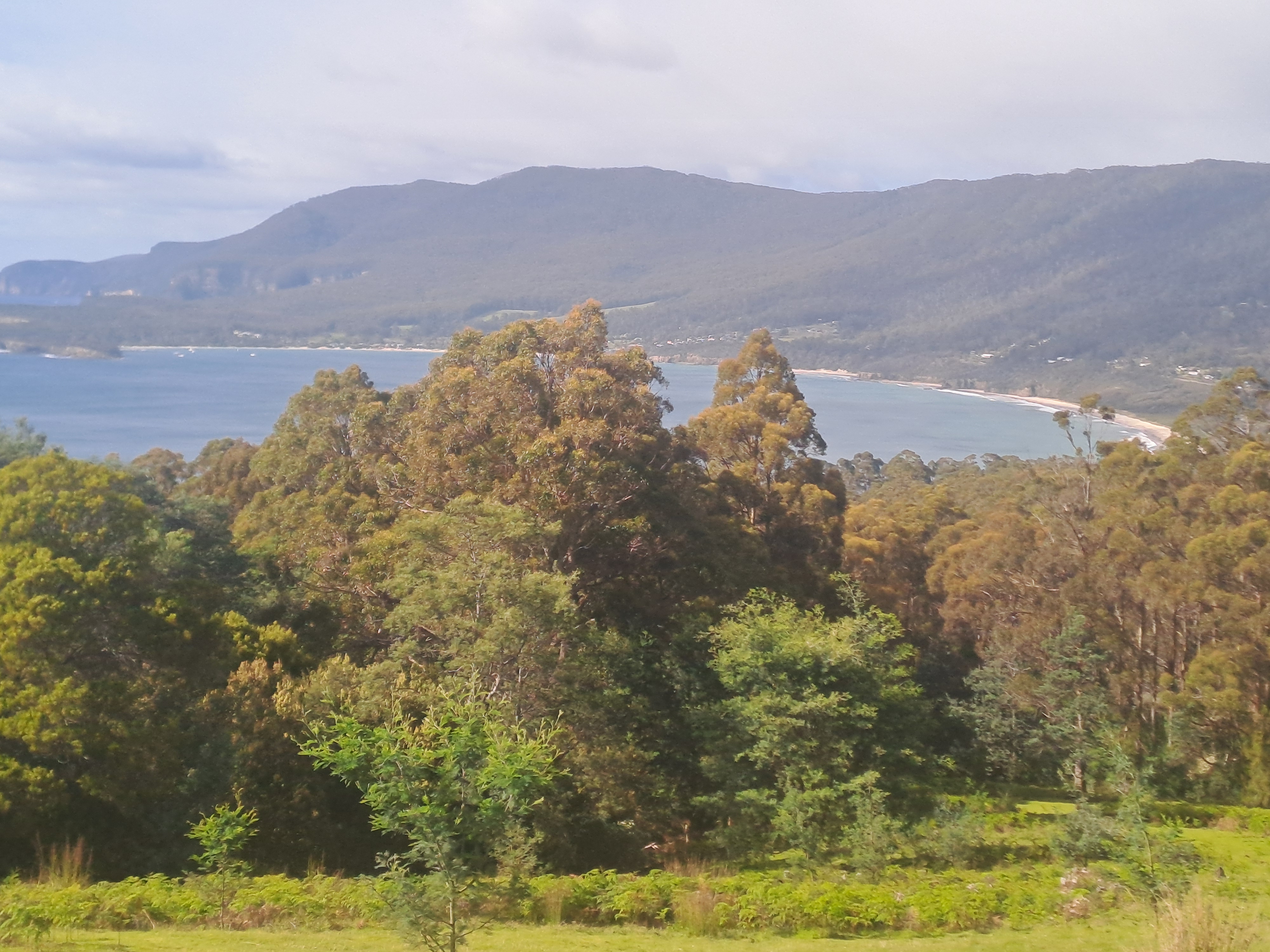

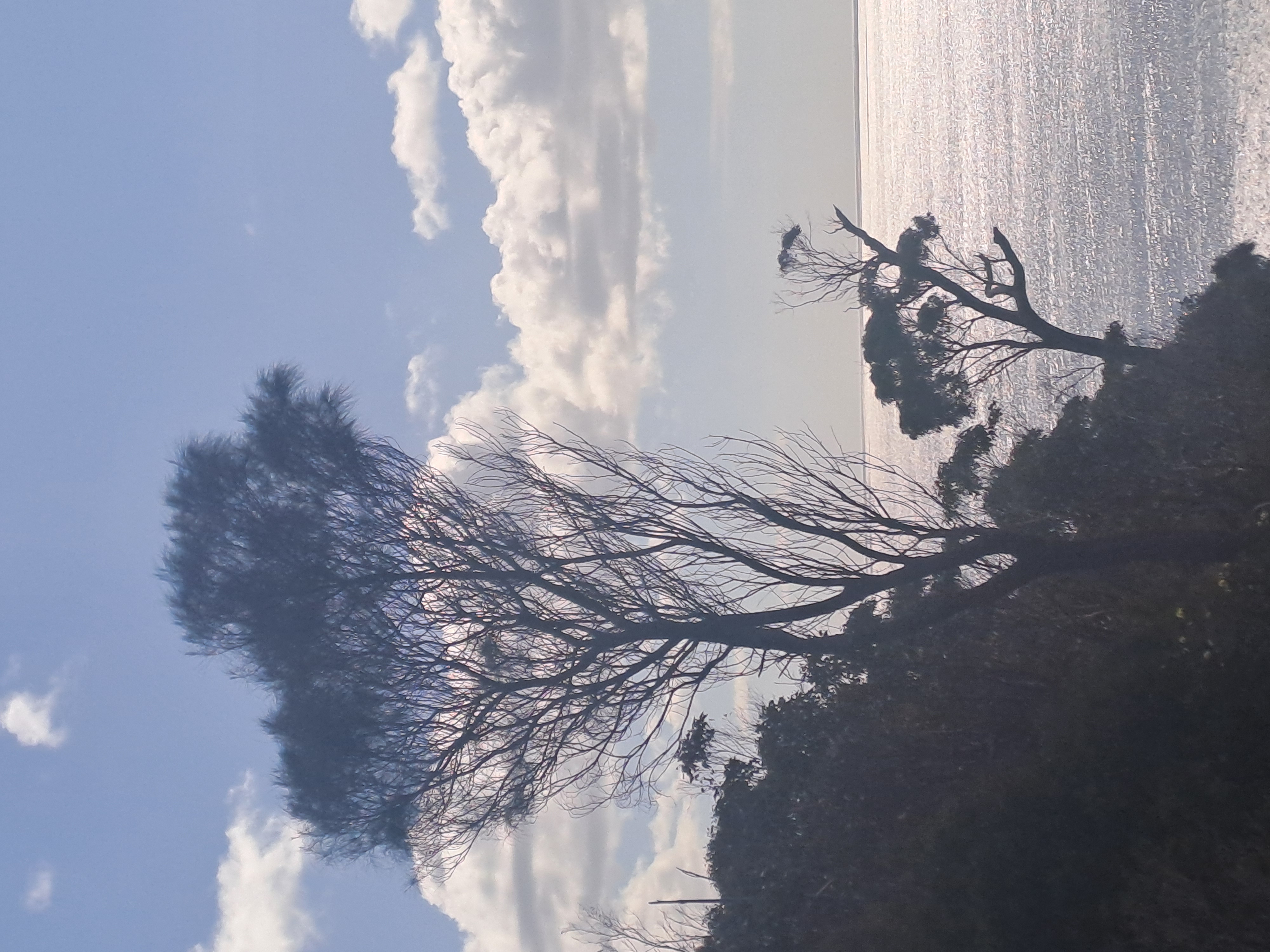

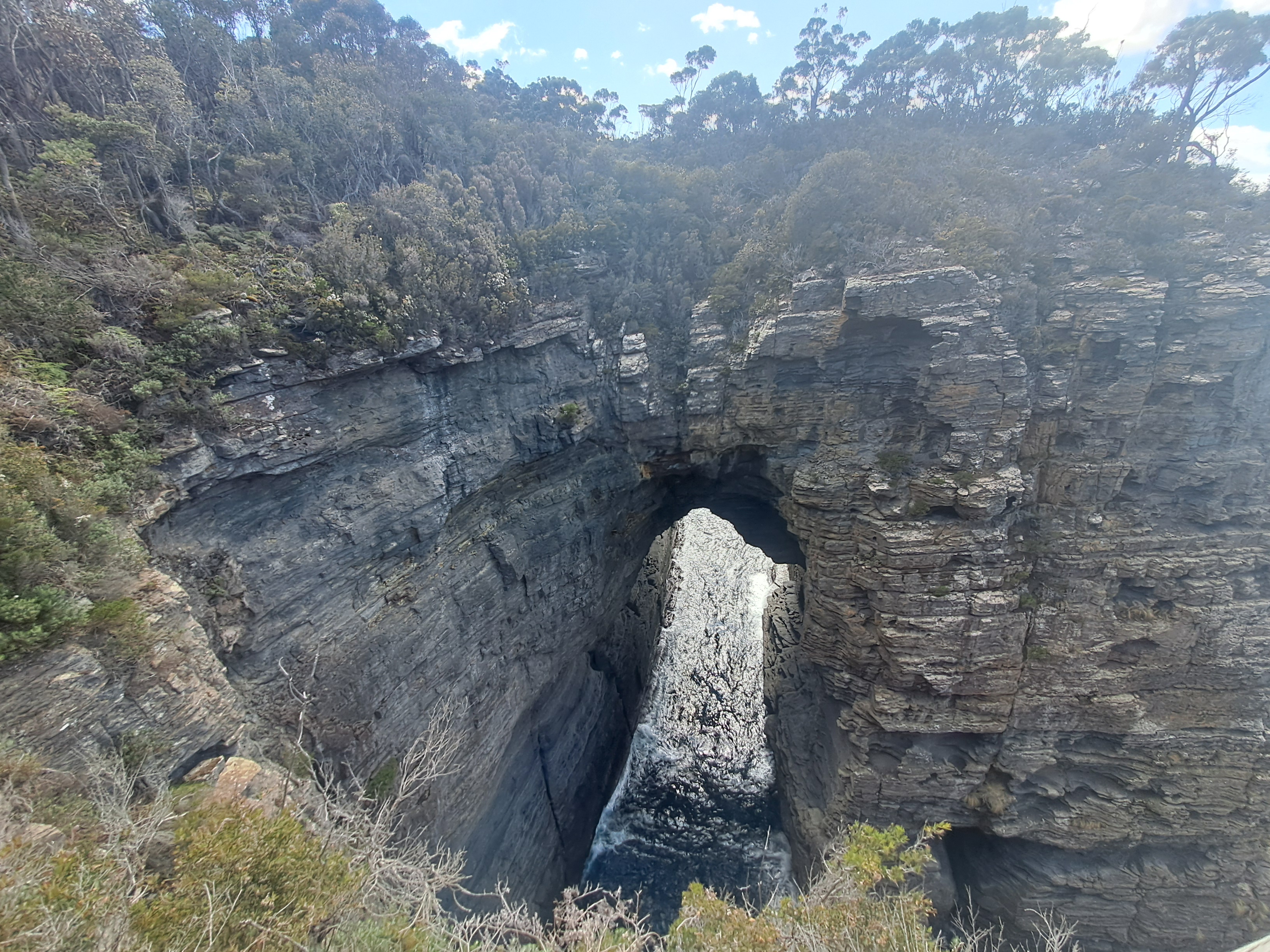
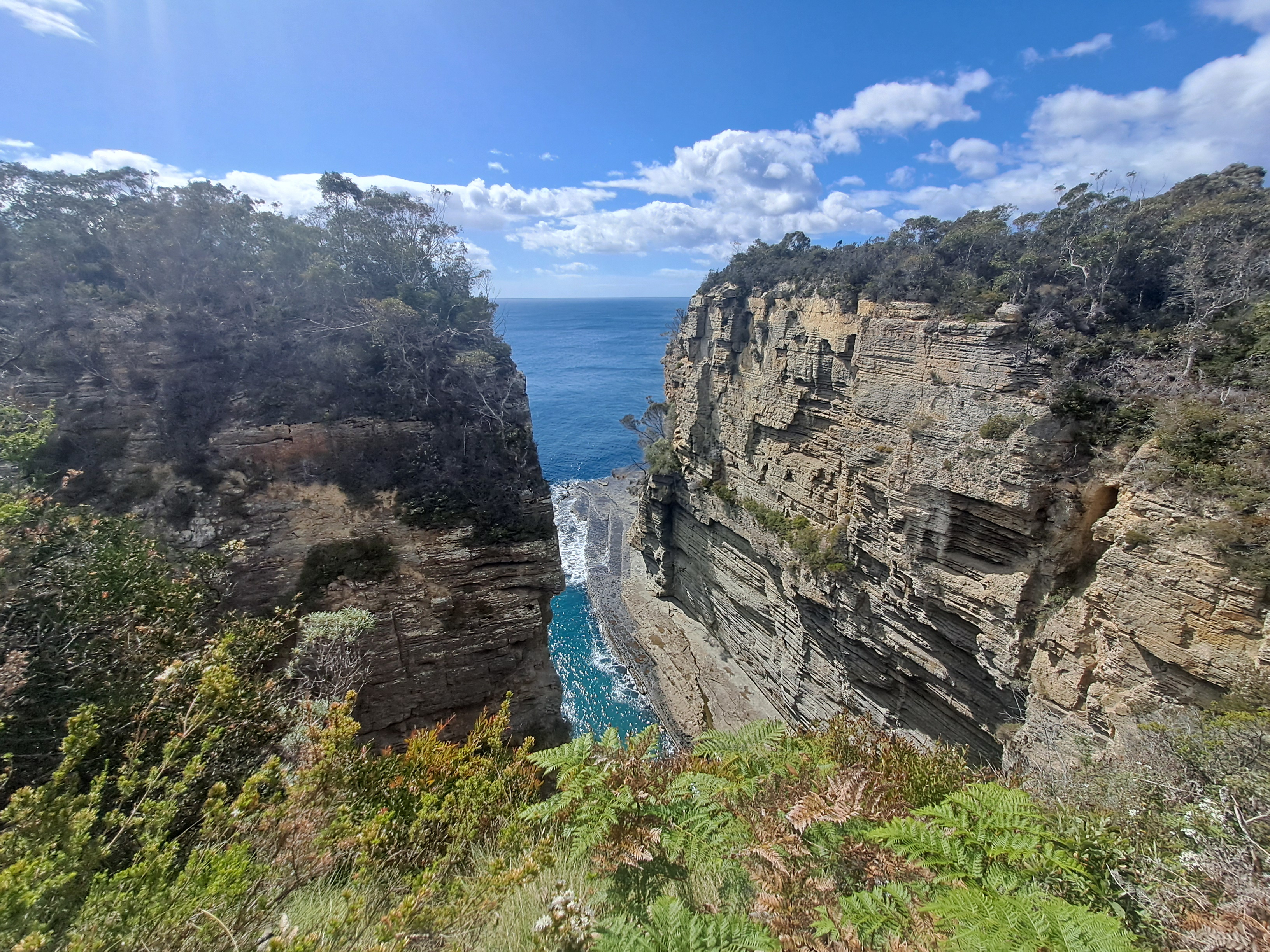
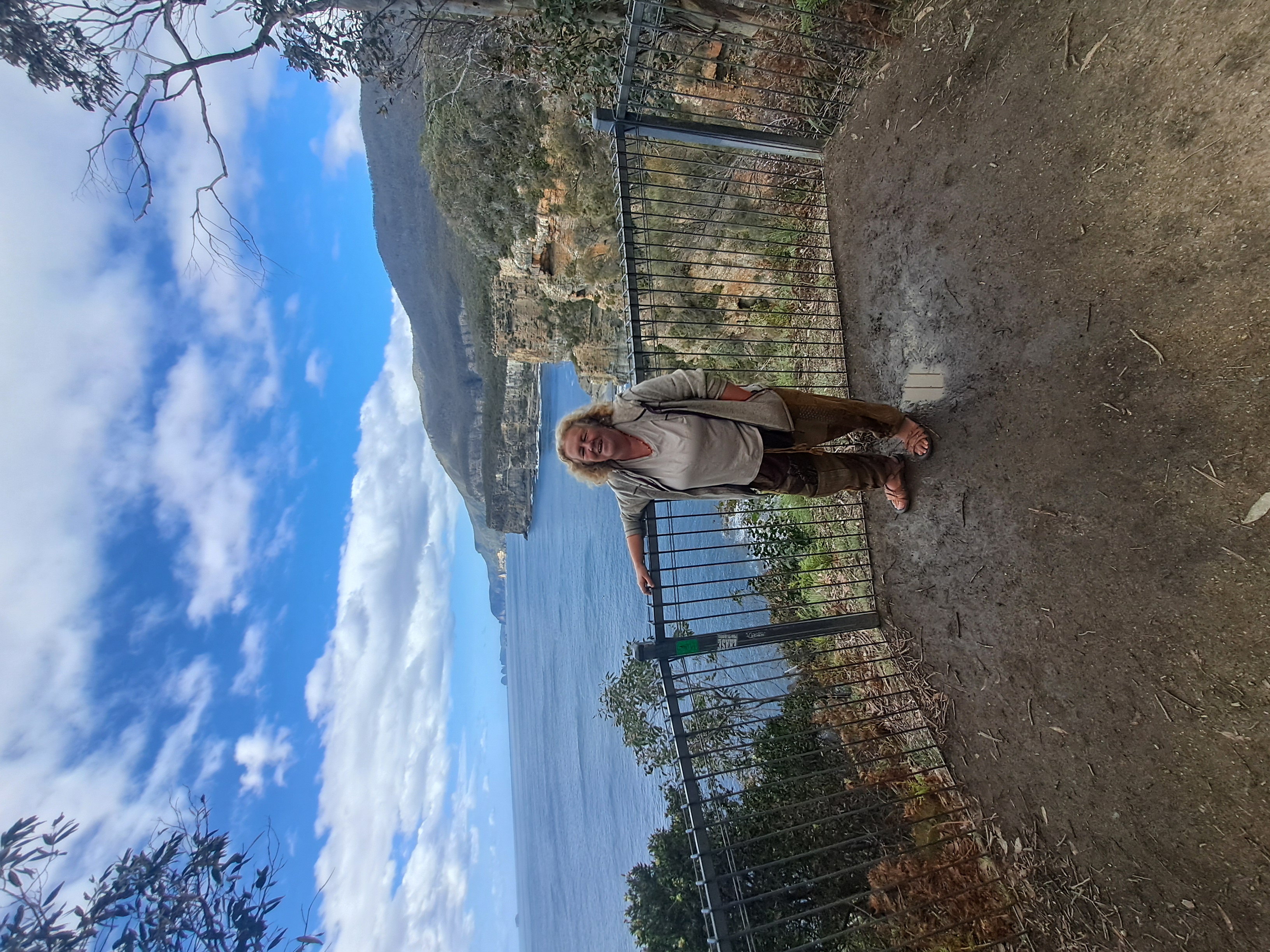
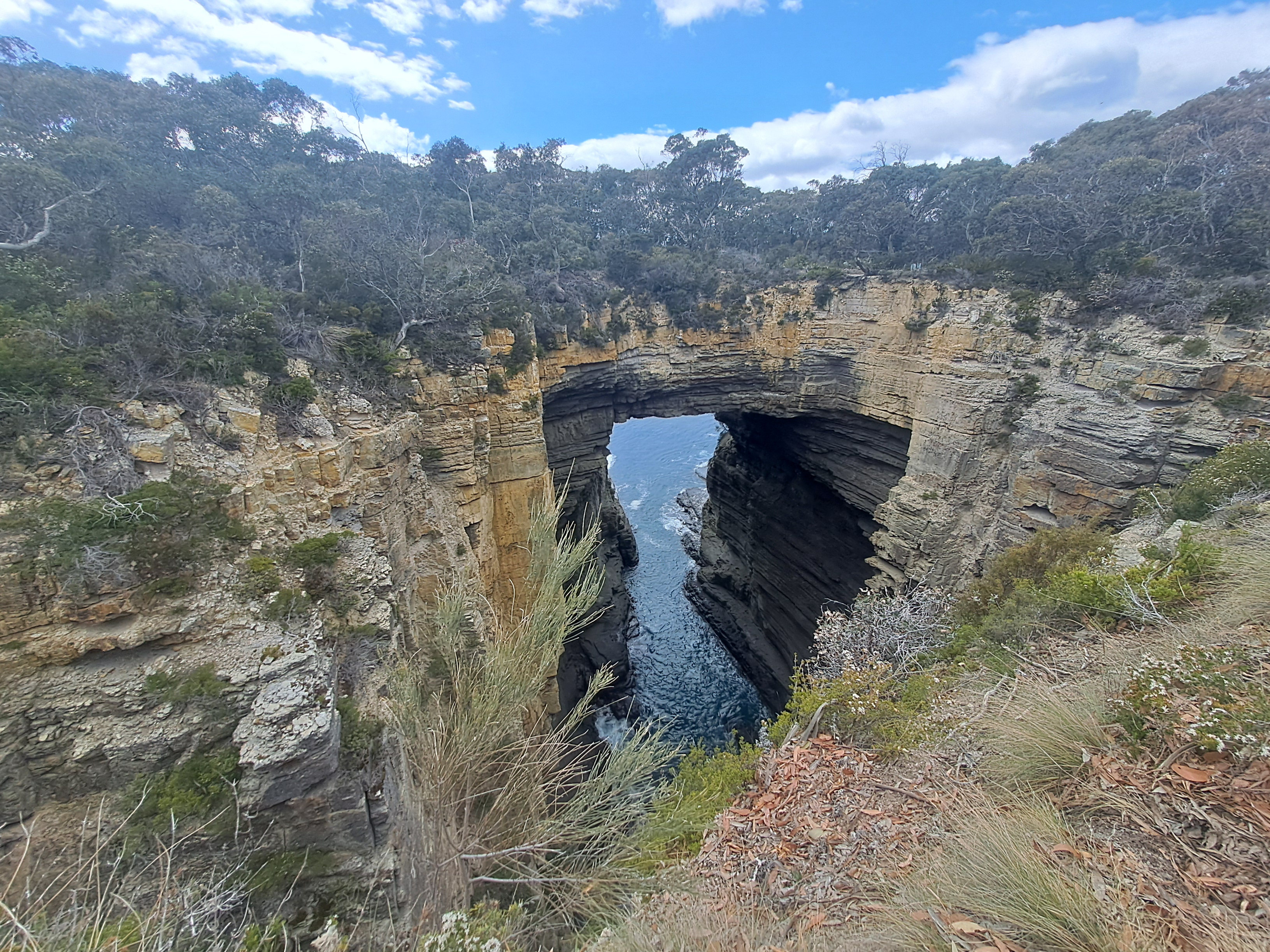
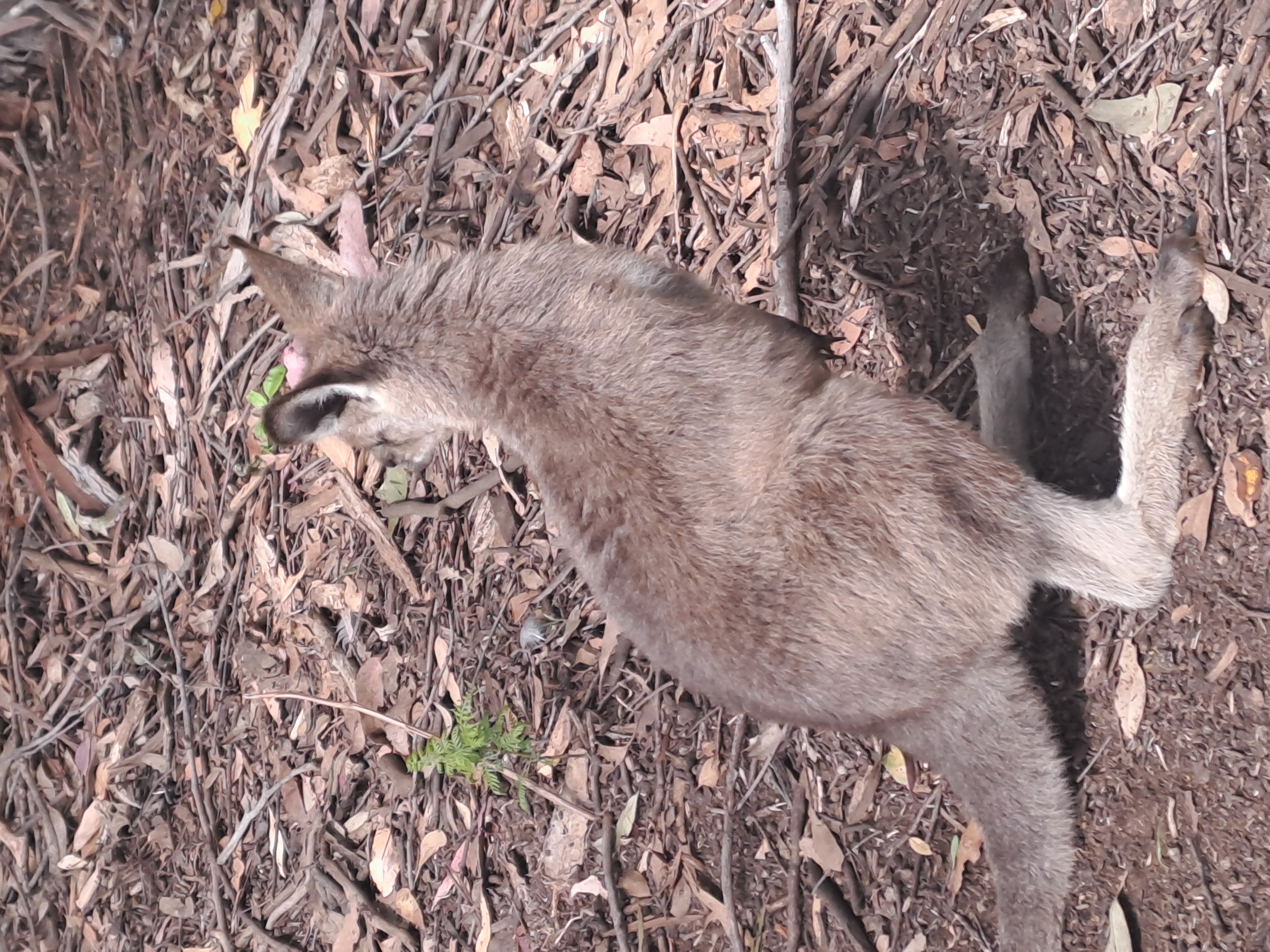
We also went to the Unzoo to see local animals. We got close to the wallabies and Pademelons and met one of the Tasmanian Devils there carried around by her tail. Apparently safe for the devil and the handler , who had reared some of these creatures at home 😧
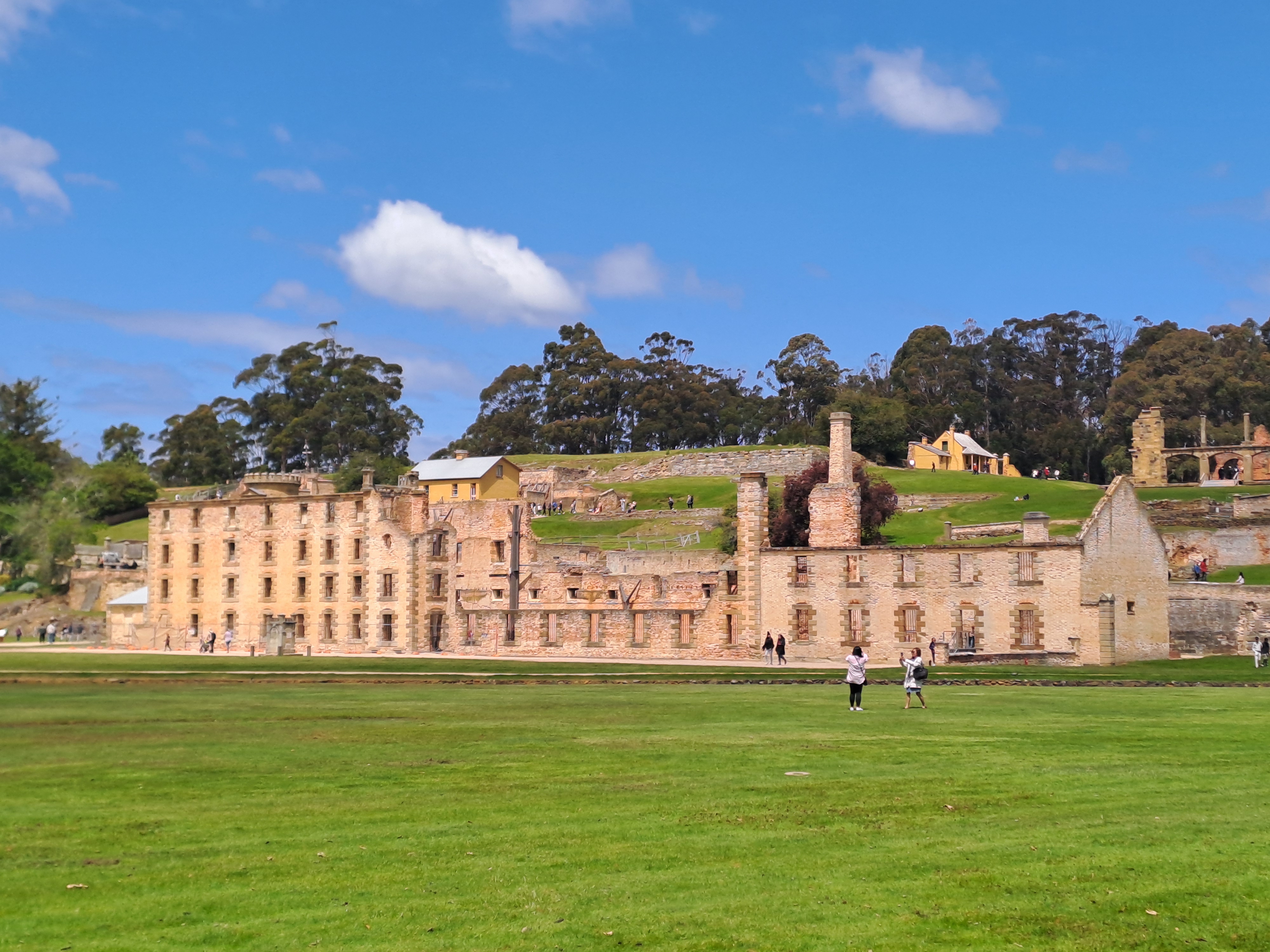
Port Arthur is separated from the mainland only connected by a bridge. Thus bridge currently has cameras and other measures in place to prevent Tasmanian devils crossing to prevent spread of the face cancer to those in Port Arthur.

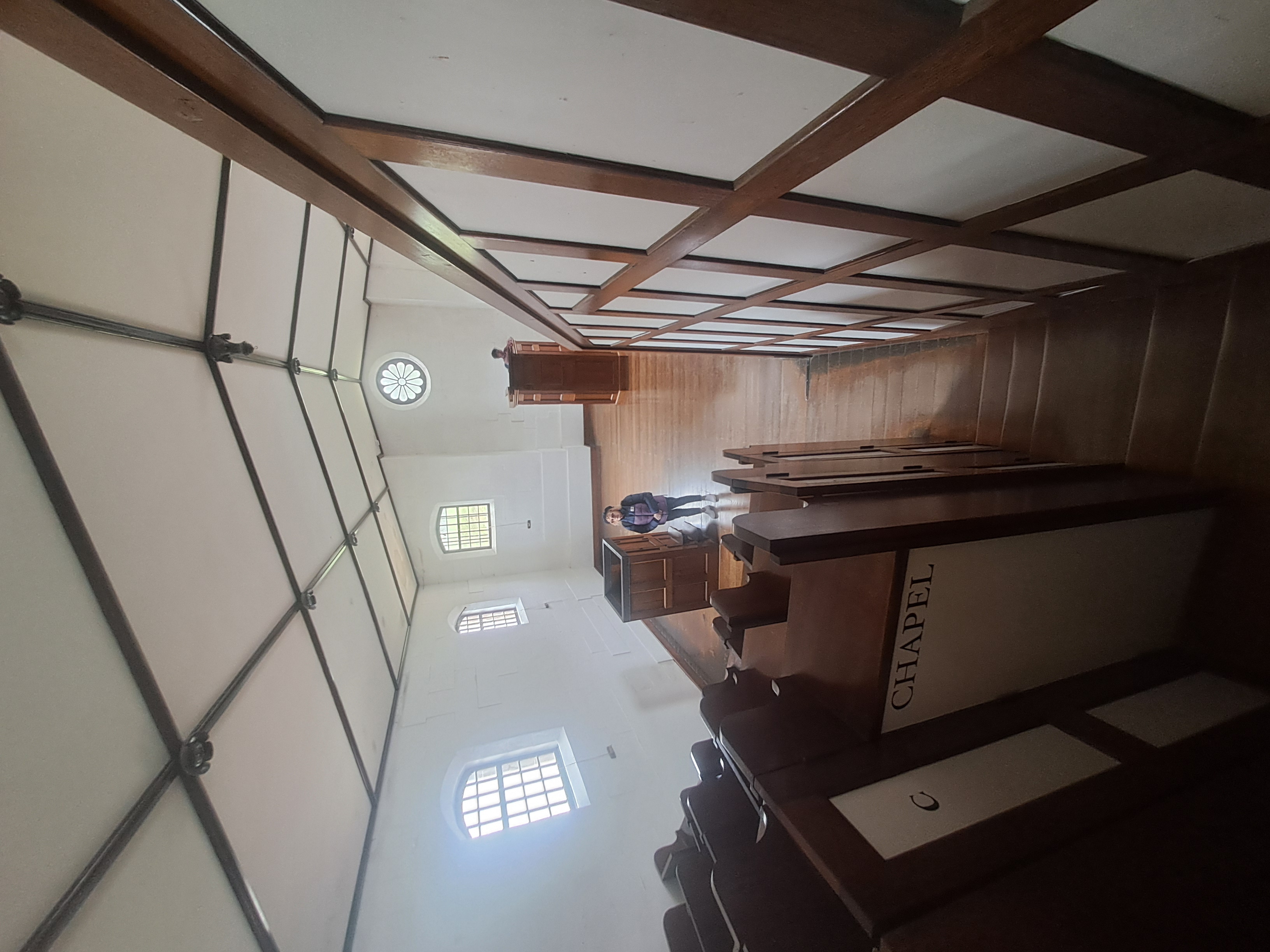
Port Arthur now a UNESCO World Heritage-listed Historic Site, was a former 19th-century penal colony known for its preserved convict ruins, harsh prison life, and stunning scenery, making it a major tourist attraction. It’s also infamously known as the location of Australia’s deadliest mass shooting in 1996, which led to major gun law reforms. Historically, it was a significant site for punishing repeat offenders, featuring penitentiaries, solitary cells, and a chapel, with the entire area now showcasing Australia’s convict heritage.
We got to wander around the ruins, or I did while Ashley found the café. There were workshops, cells a chapel etc.


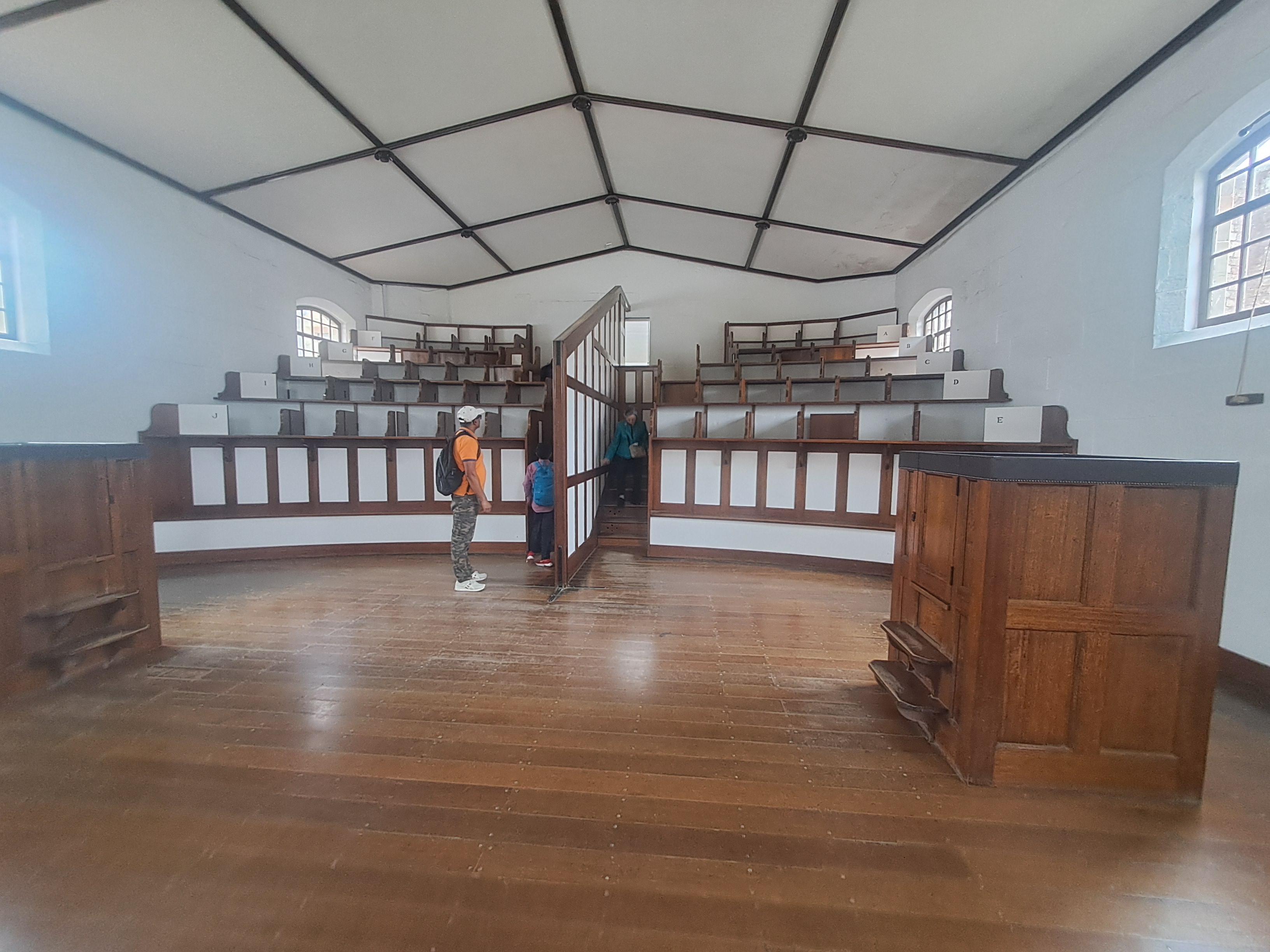

It wad very picturesque although I’m not sure the former inhabitants would have appreciated this
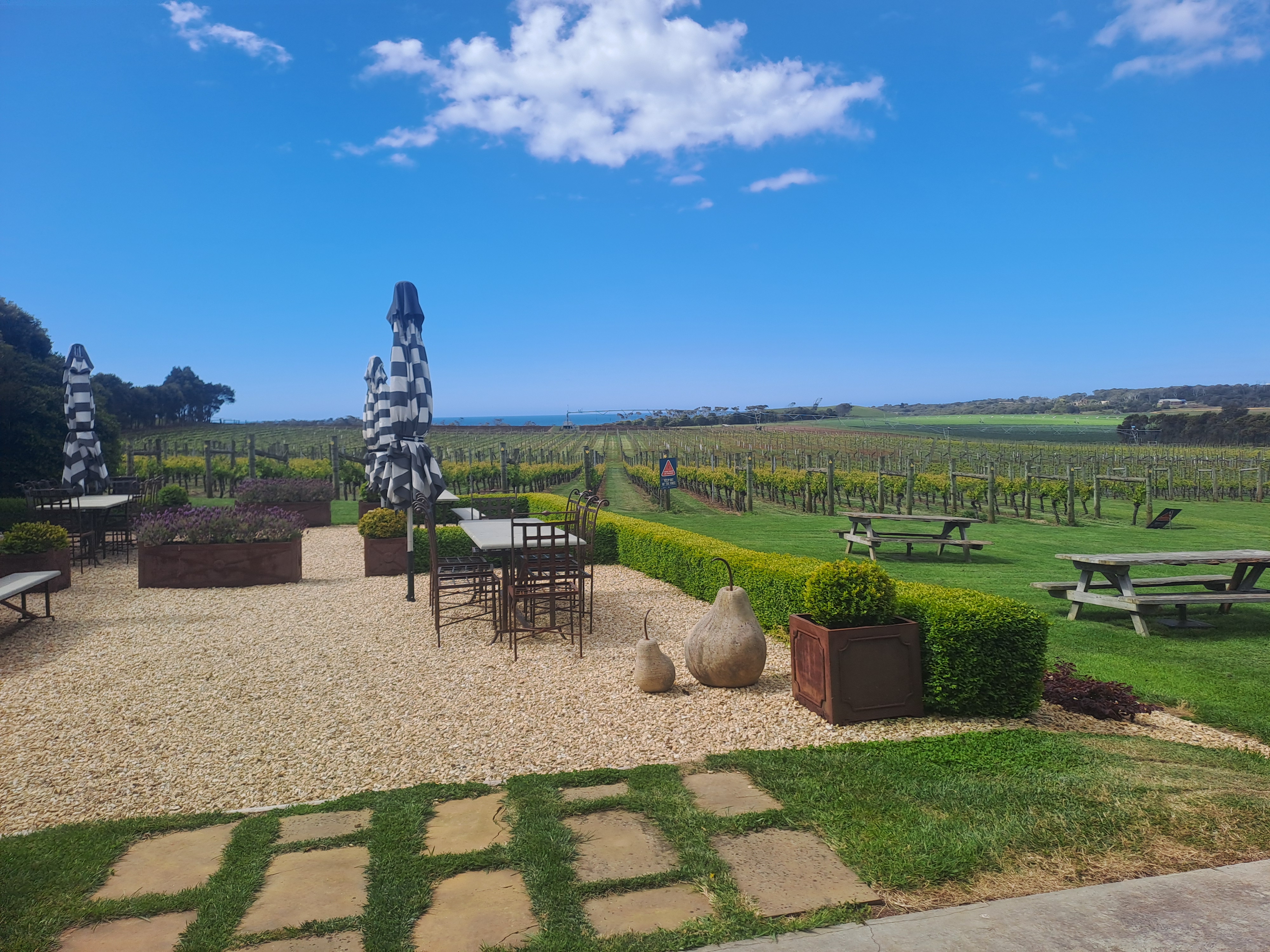
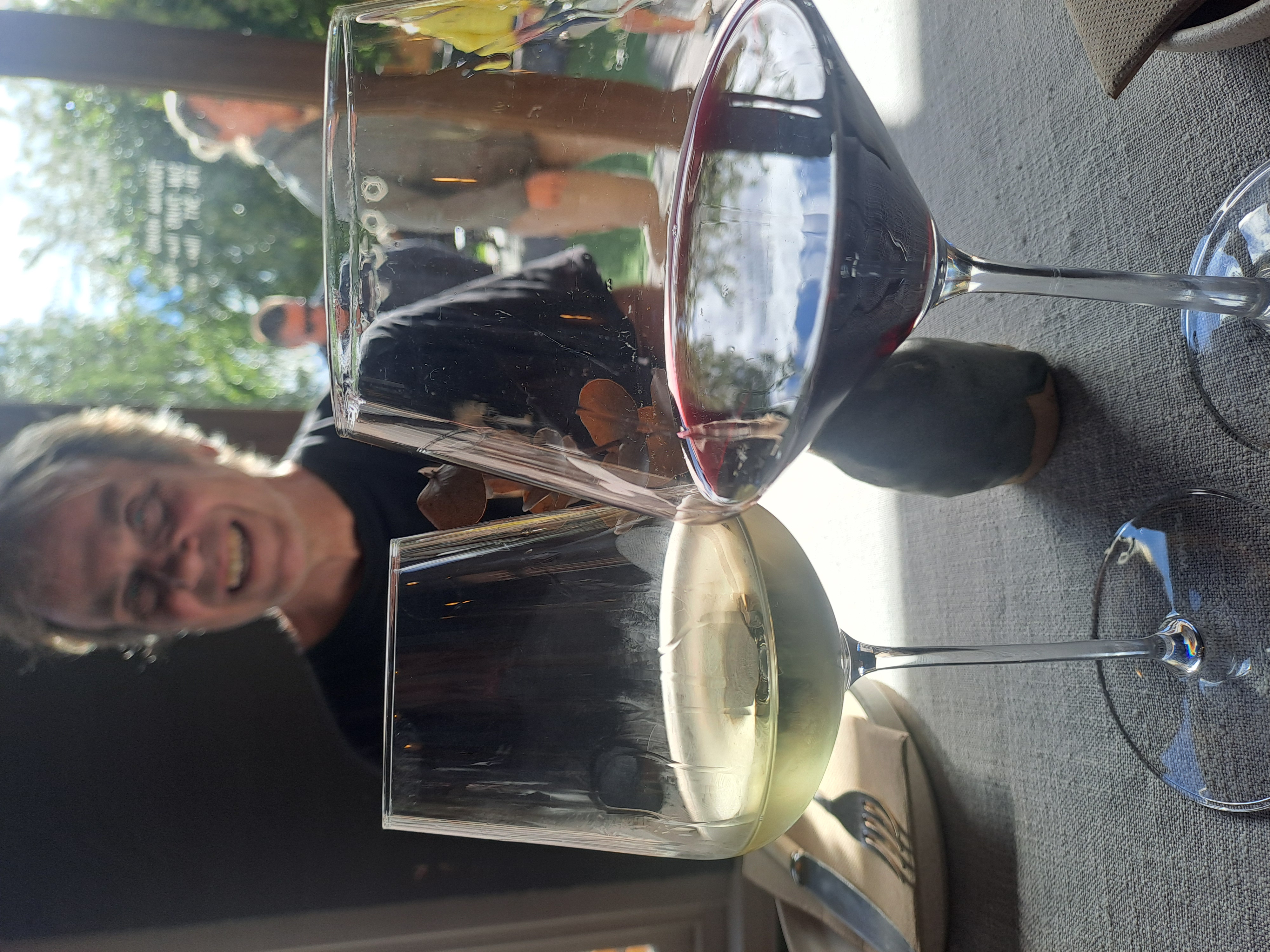
On the way back we stopped at Richmond and had a chance to try Tasmanian wine. We’d seen lots of vineyards but hadn’t scheduled anything in before we came.

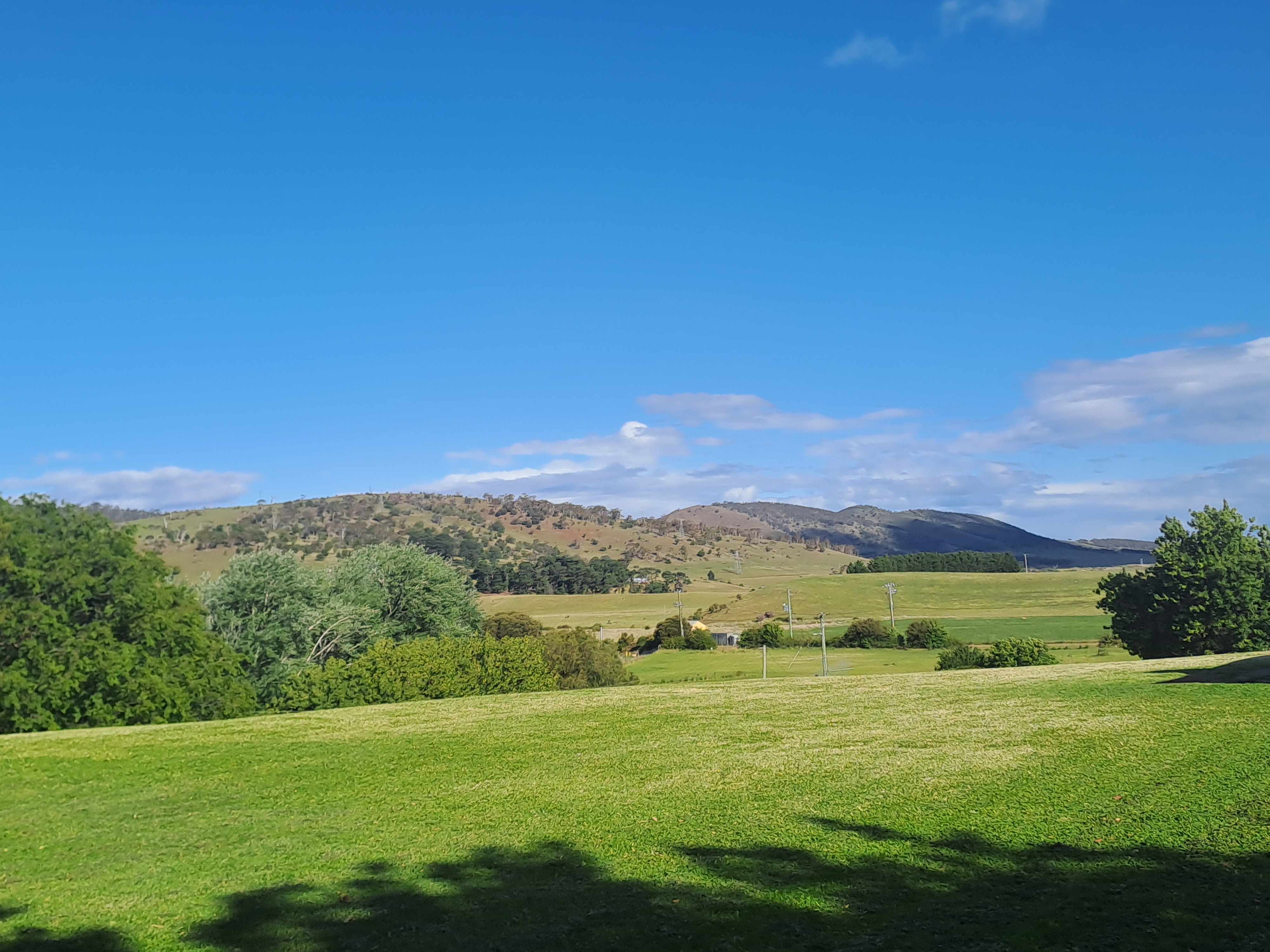
Then all too soon it was our last day. A clean out of the van. Packing our suitcases and backpacks ready to hand the van back and a long drive through the middle of Tasmania and some stunning scenery. Unfortunately few points to stop for photos. A quick visit to the last tasting of the day and a meal next to the ferry terminal and then a sleep on the way back to the mainland.