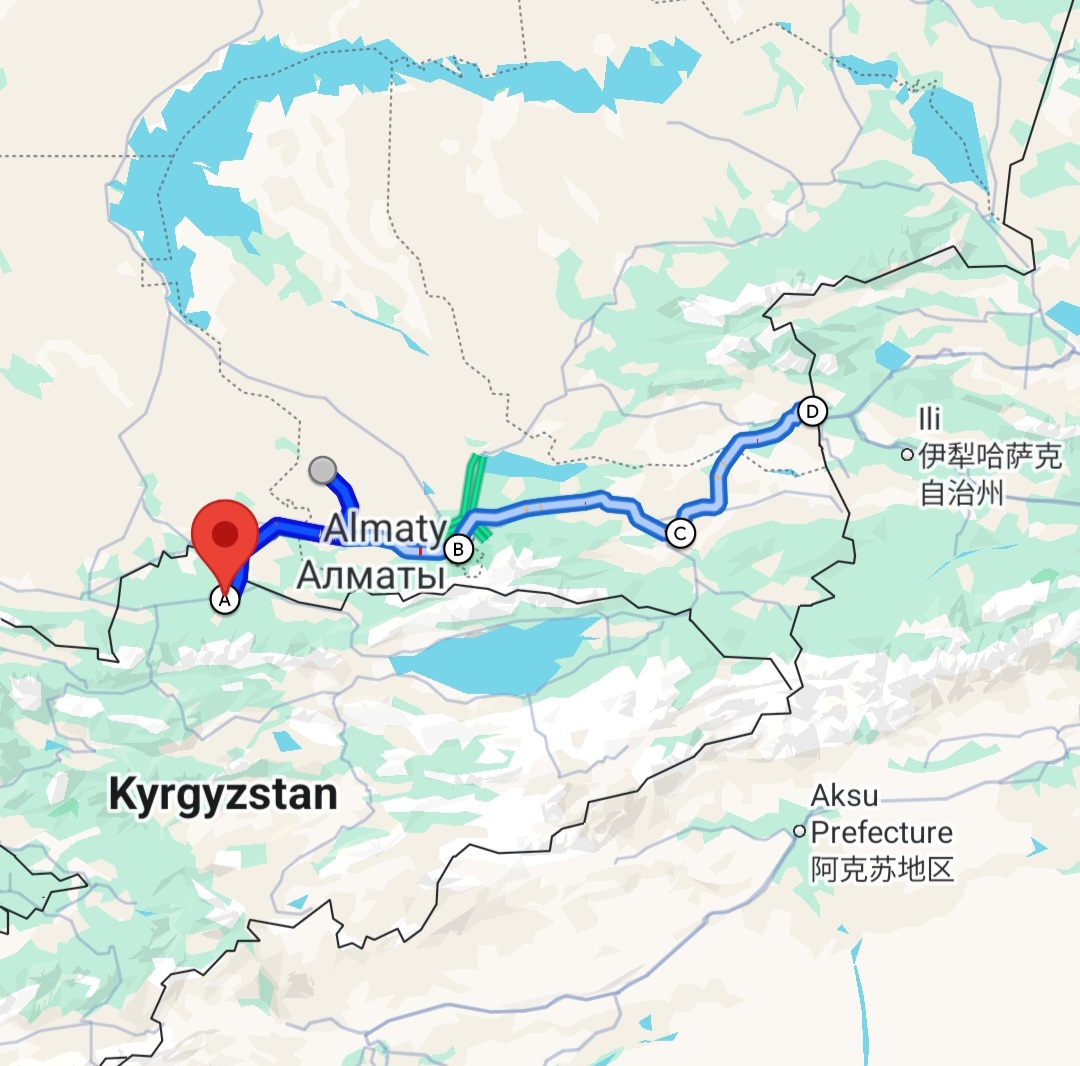
And so on to our last Stan. Just a short visit on the way to China. We arrived at tamgaly national park with just enough time for a walk around before dinner.
It is a beautiful location by a fast flowing river – no swimming. It is popular with locals with several tents dotted around. We chatted with one couple there with their son who come regularly at weekends.
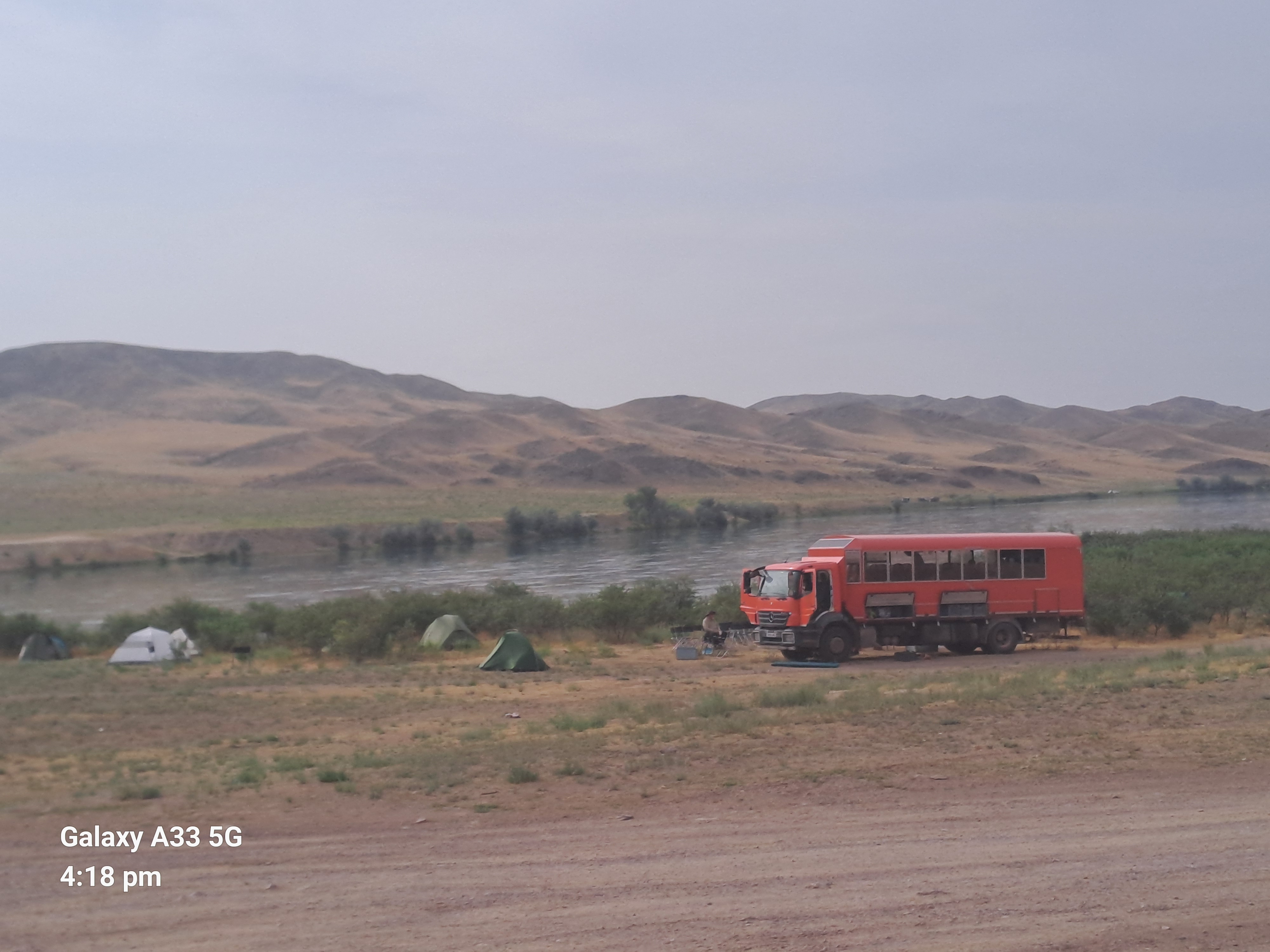
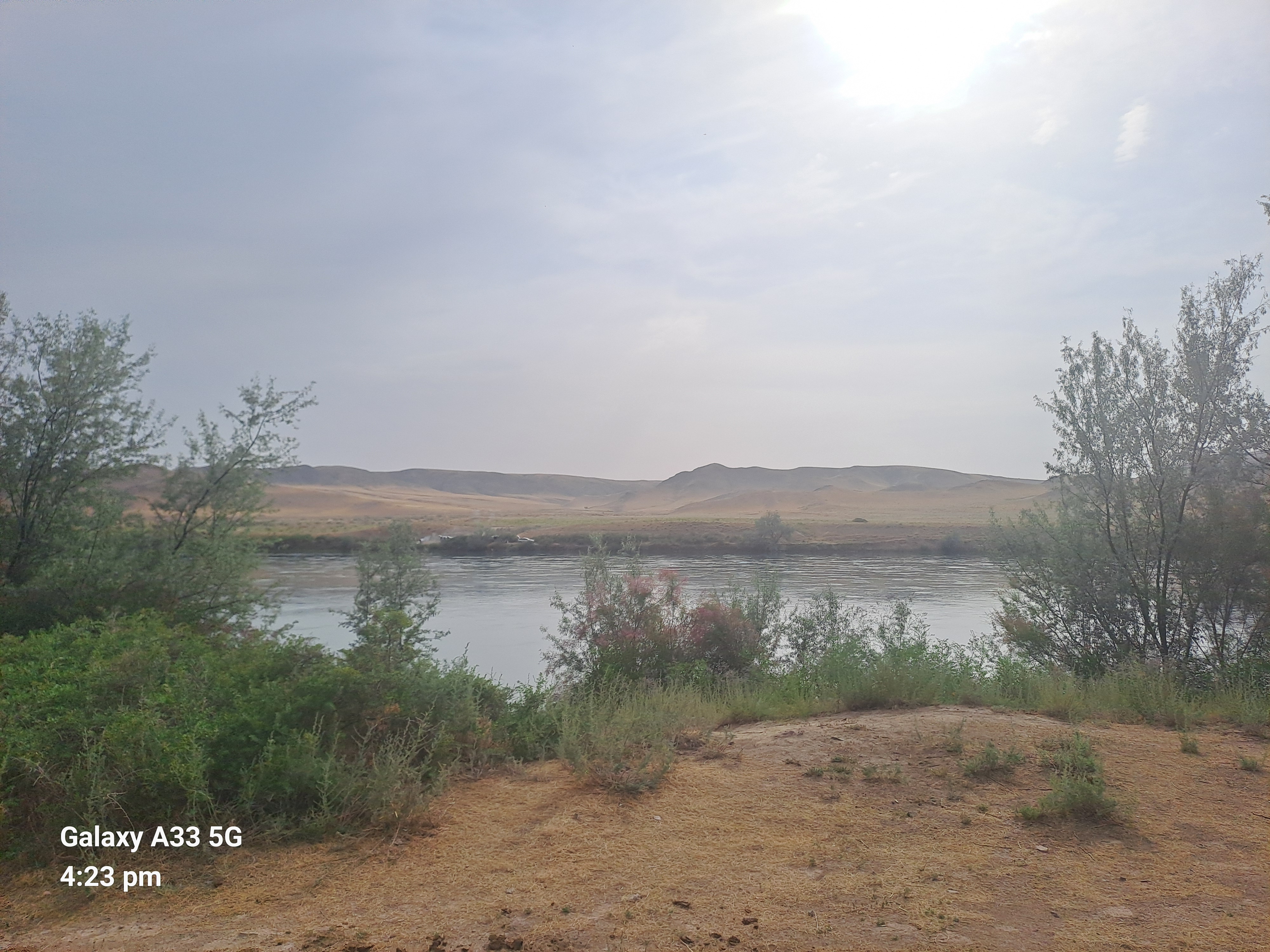
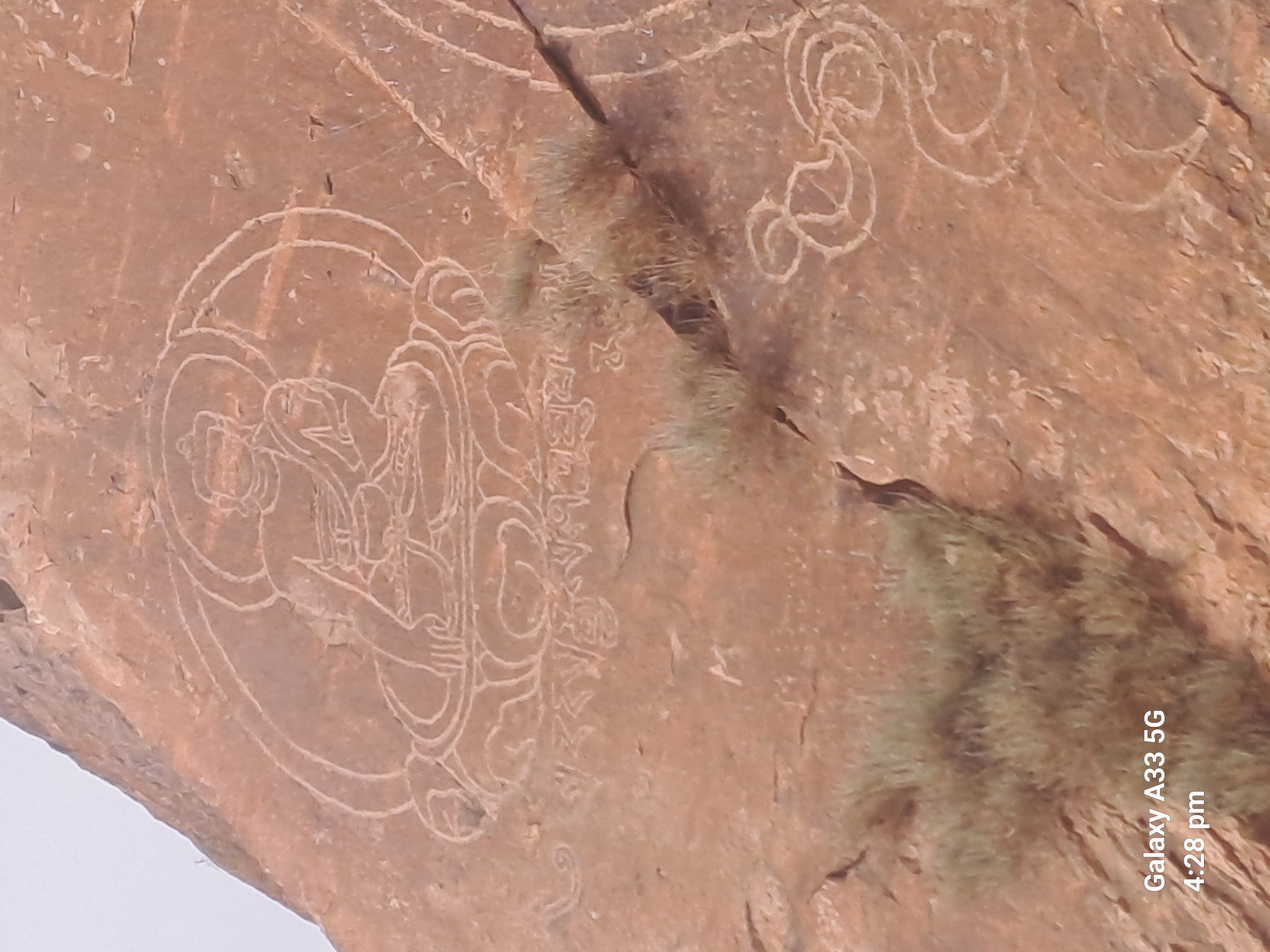
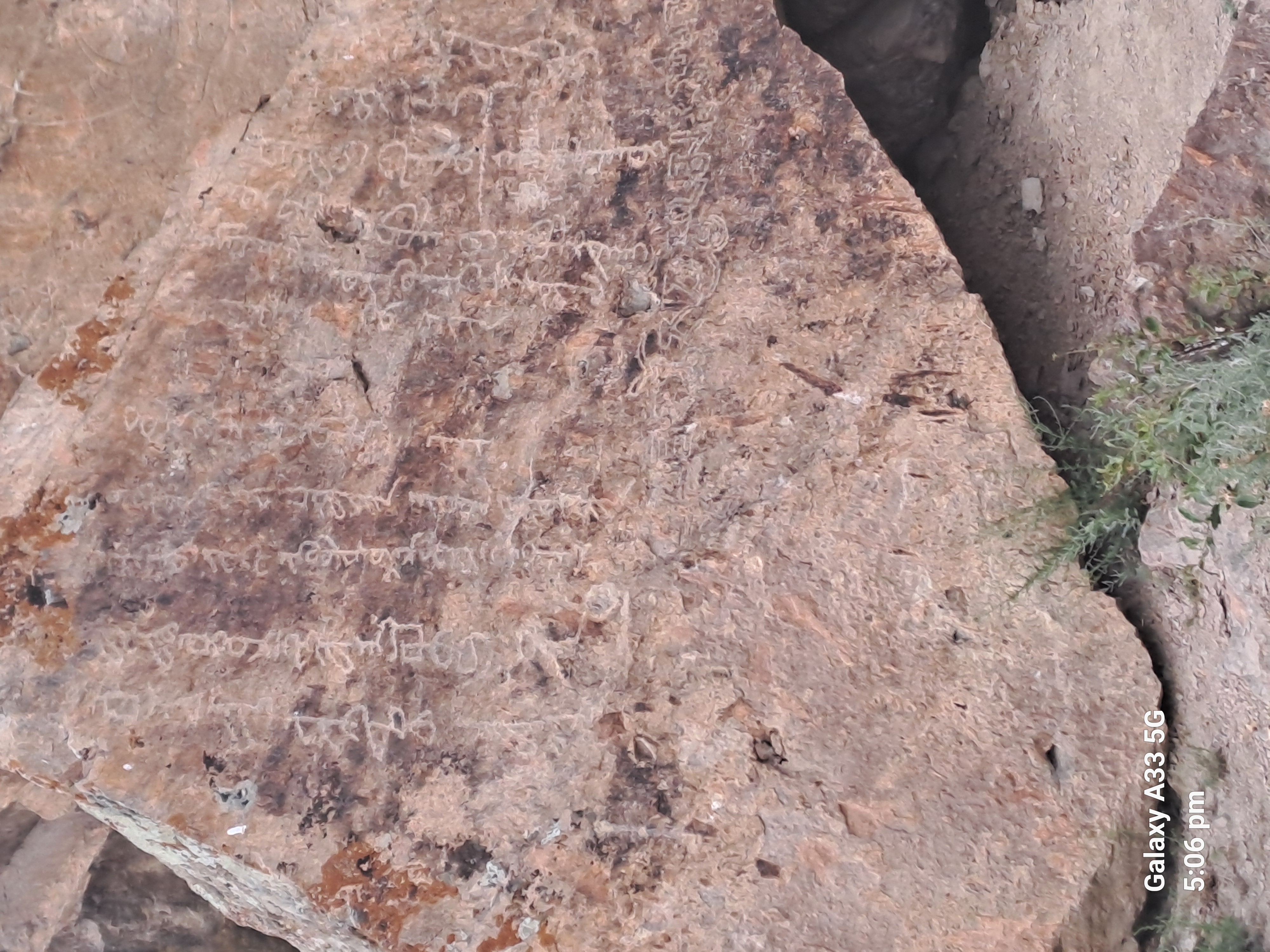
The main excitement here is the petroglyphs put here by devout Buddhists in the late 17th century as an outside temple.
These have been added to in the 1970s but the originals are still intact.


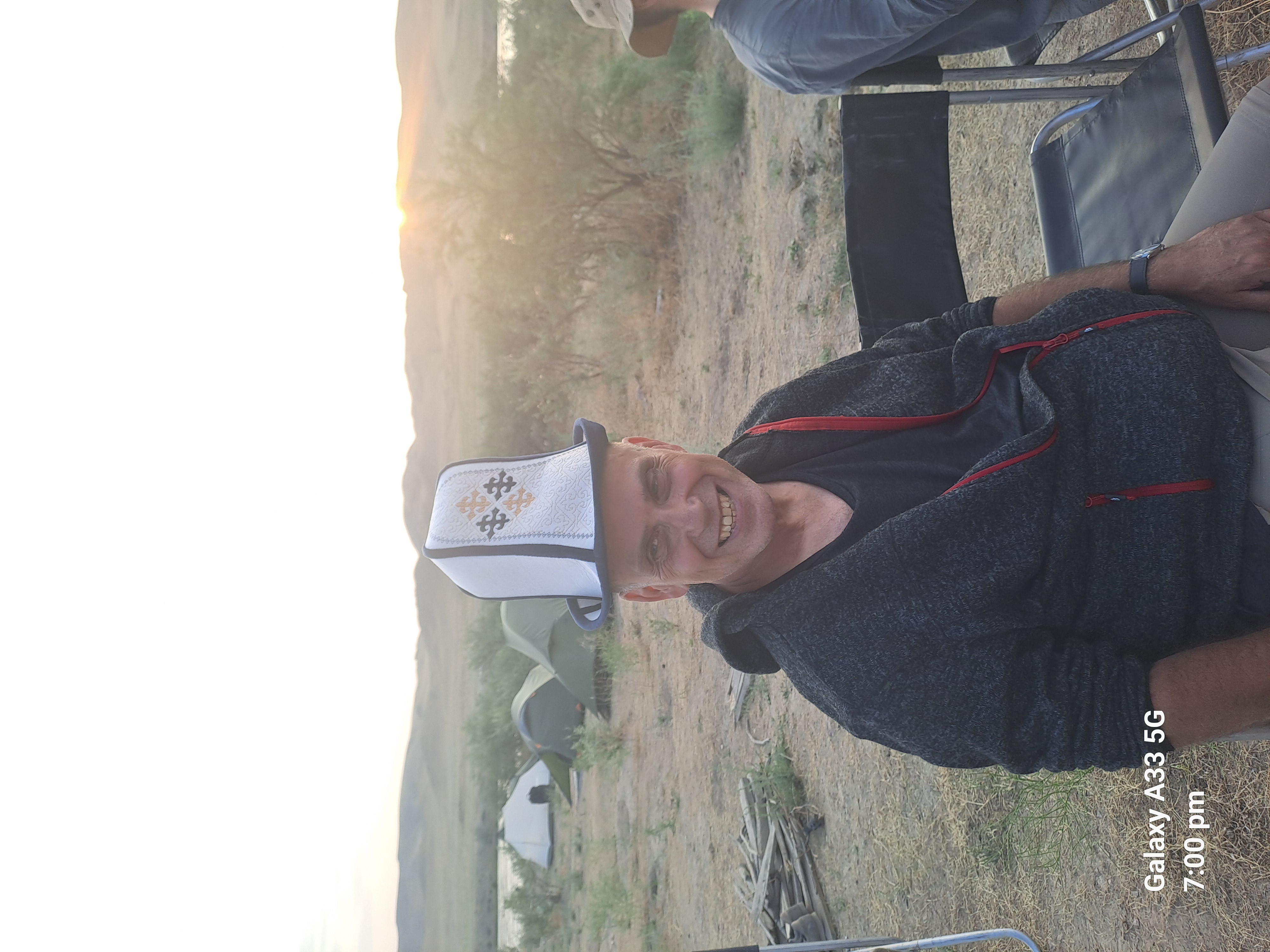
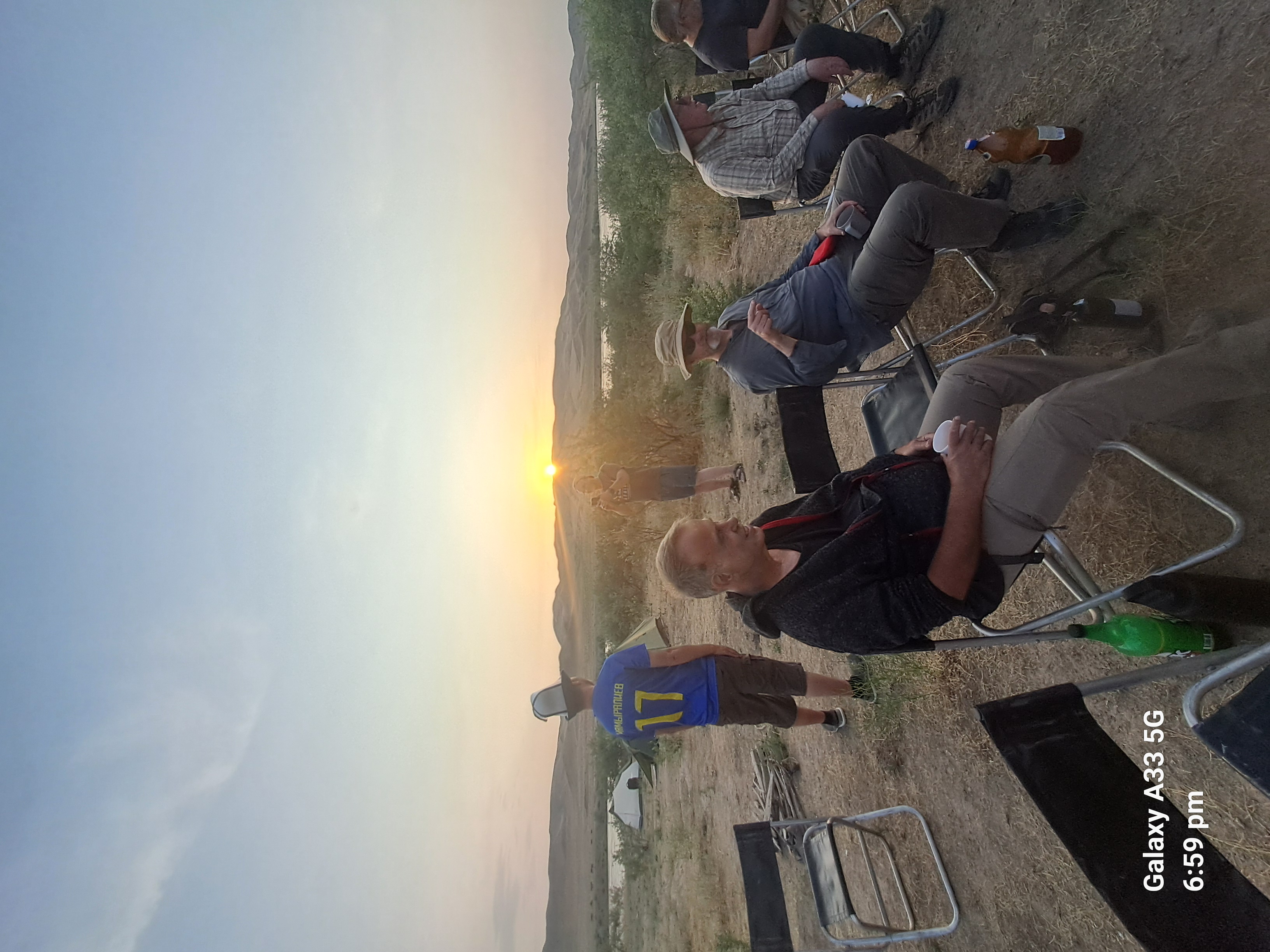
After being told about how the hats identify a person’s home area while in Bukhara, we had been seeing men wearing them more, so Ashley had to have a go while we were around the camp fire.


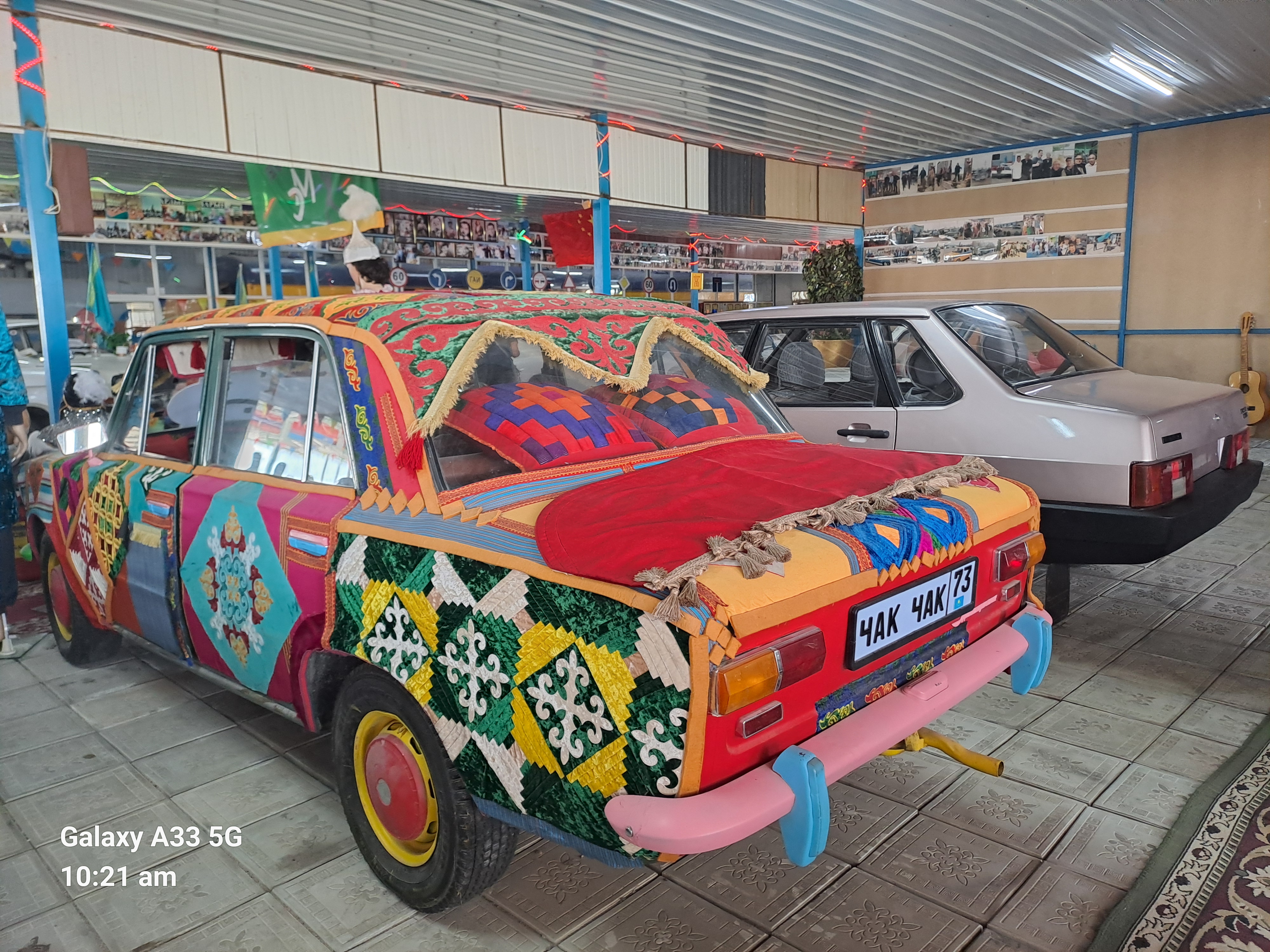
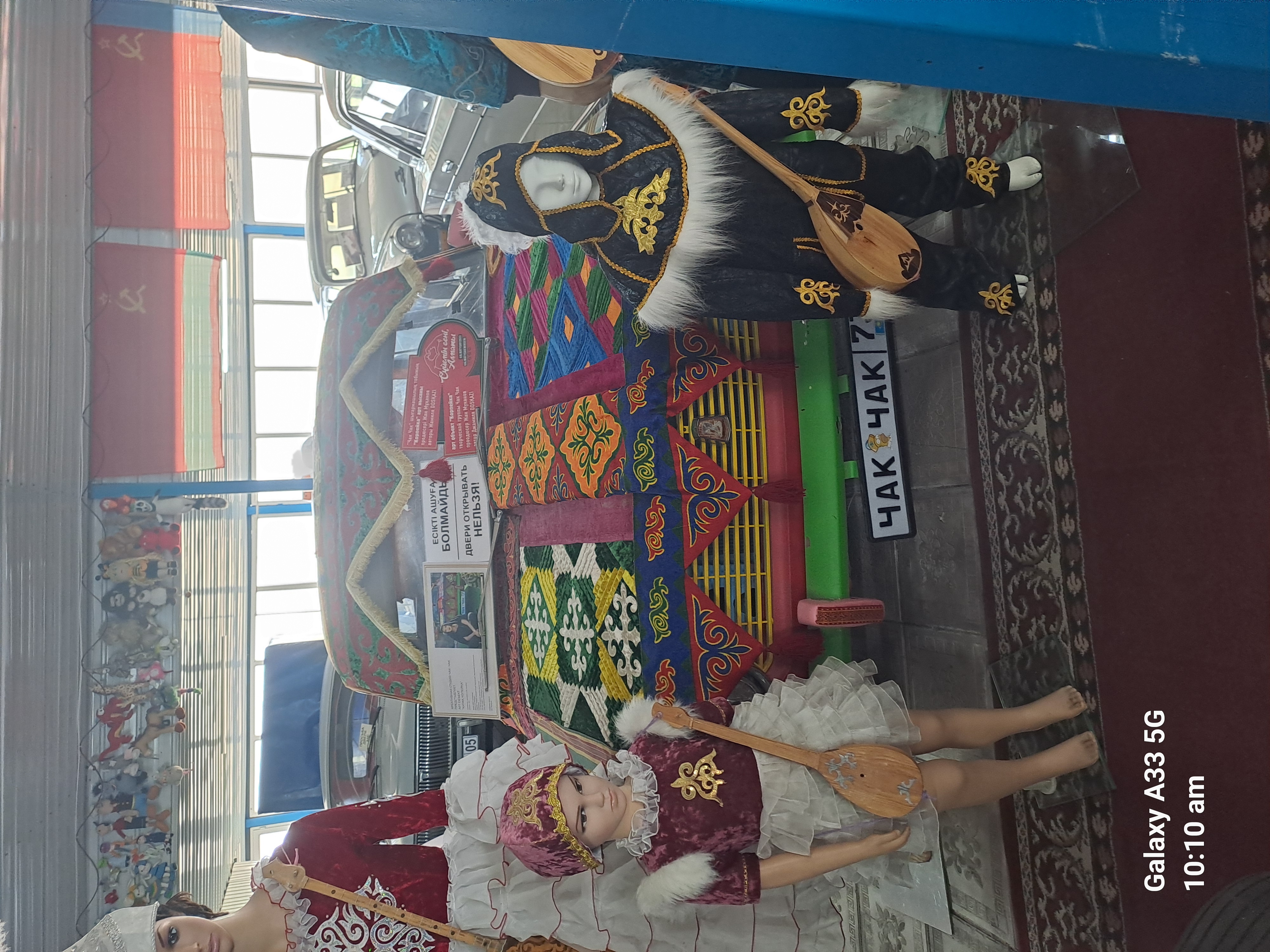
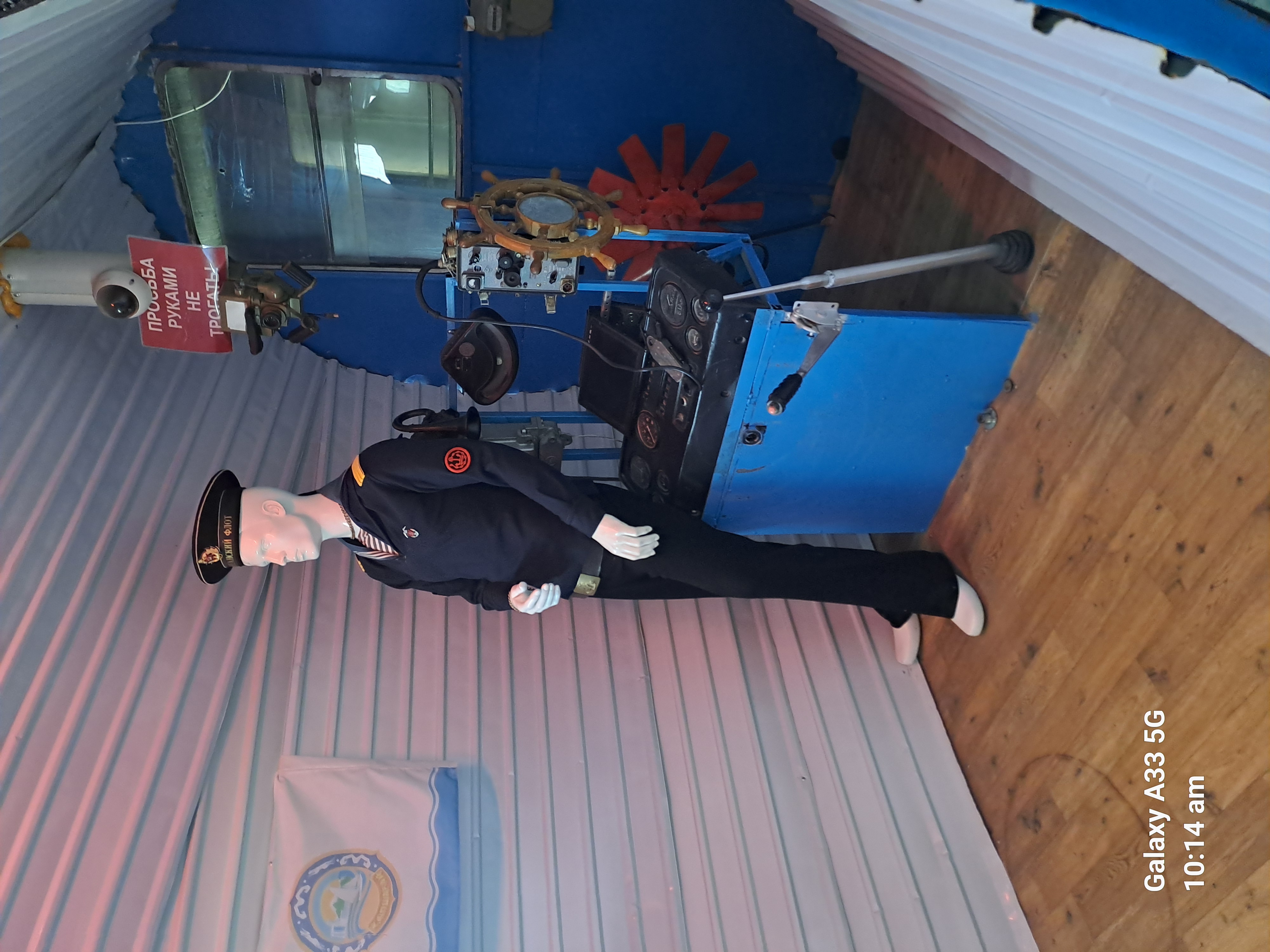
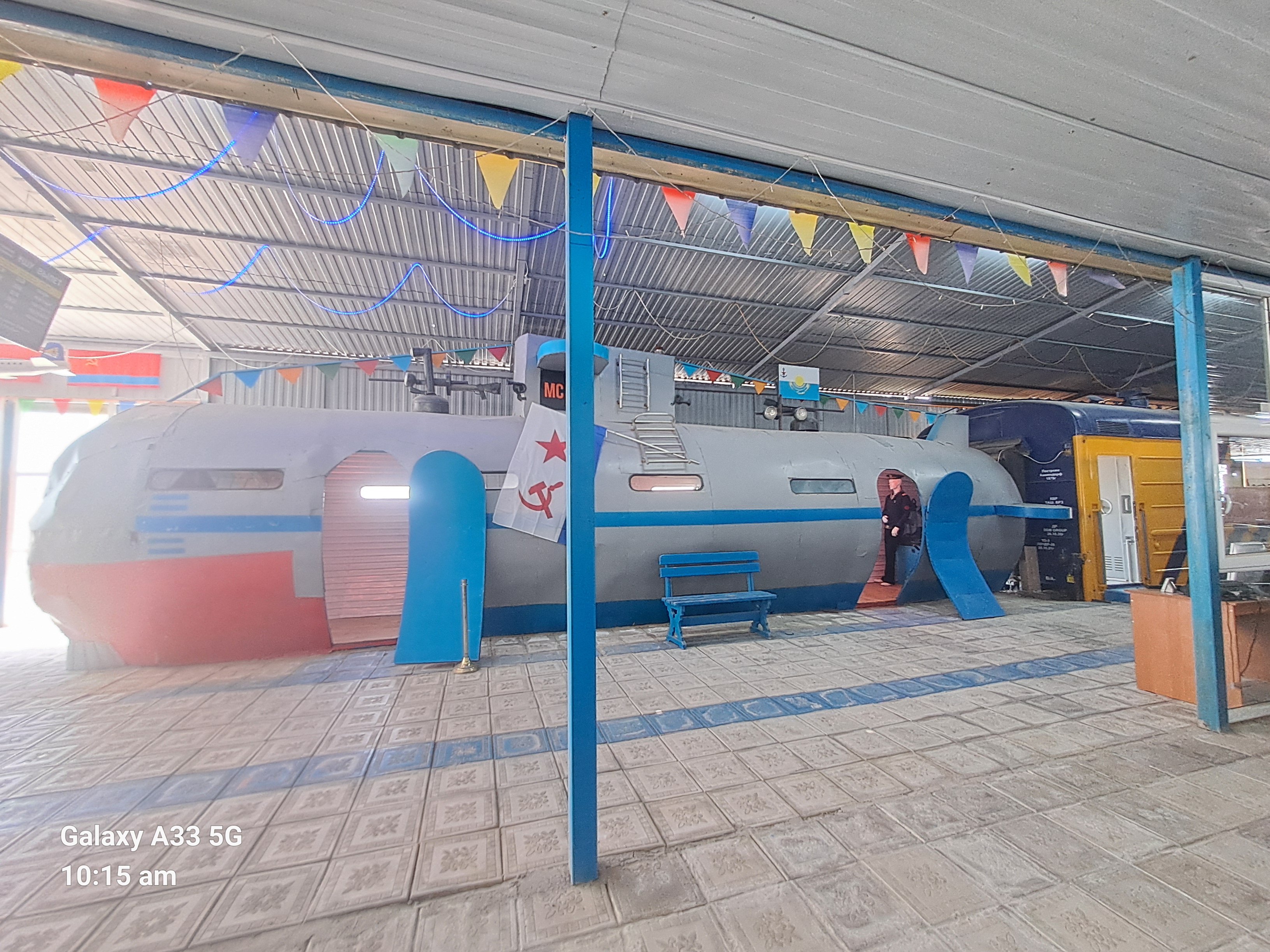
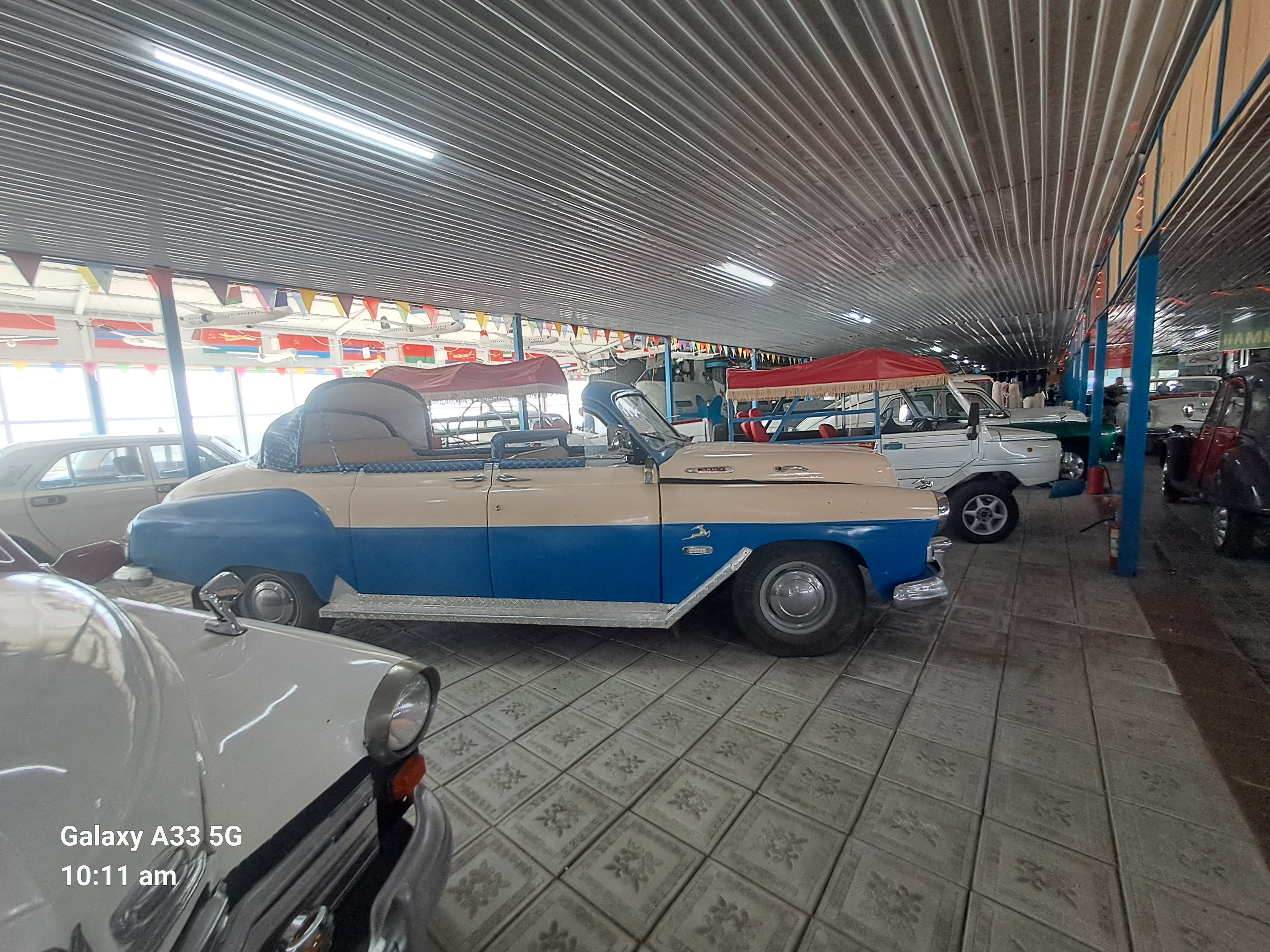
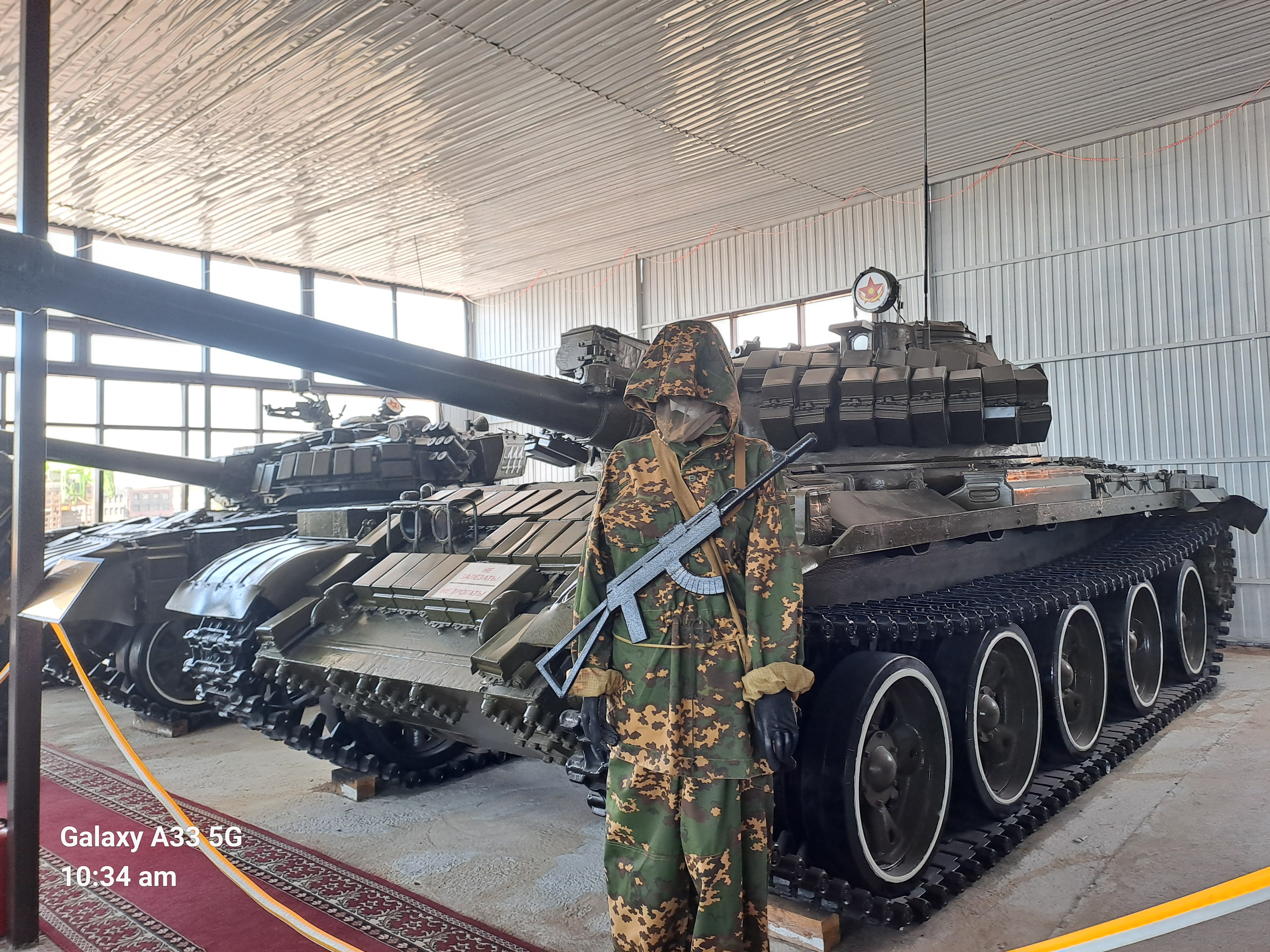
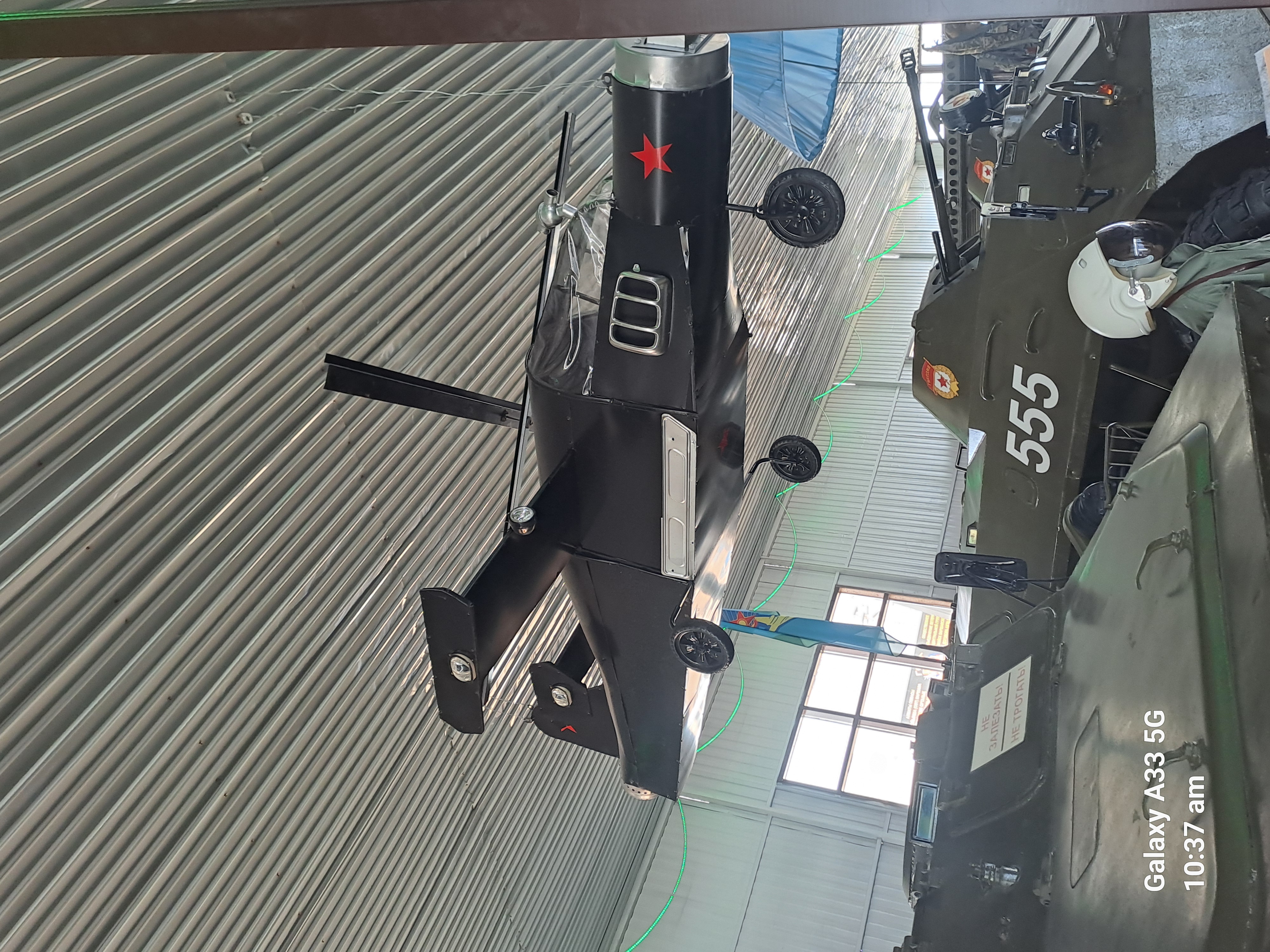
The next day we stopped off at a transport and anything else museum. Loads of old shiny soviet cars along with this decorated car, a submarine, railway carriage (for the president), military vehicles and a wide range of items from the 60s and 70s. Radios, clocks, typewriters etc.
Then on to Almaty. Once the capital, but no longer. The capital was moved in 1997 to make it more central.
The flag represents the colour of God, his sky and unity. The sun represents the landscape, life and energy. The steppe eagle for freedom.

The city has many earthquakes and was destroyed in 1912. Because of this there was a limit of 5 storey height for buildings for many years
The city does not appear to have any buildings before soviet times and embraces that culture. Although like the other Stans they are looking much more towards China for their investment and infrastructure.
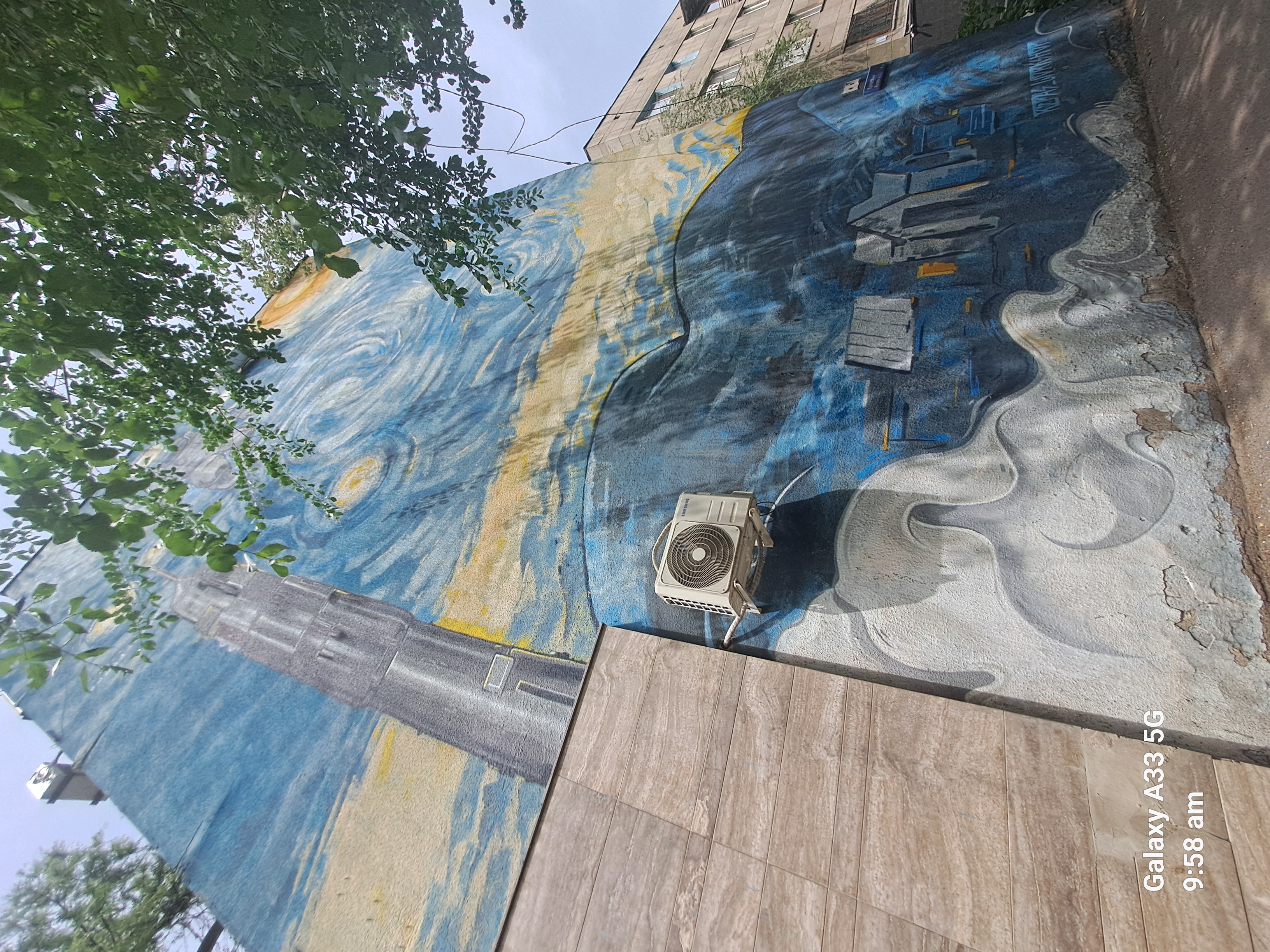
We were shown a mural celebrating the first human spaceflight in 1961 from Kazakhstan Baikonur cosmodrome, by Yuri Gagarin.
The museum was built by Japanese prisoners of war. Items were moved here for safety.
The country is multicultural, around 70% Kazakh, a place everyone can meet. There are Kazakh schools and Russian ones. Kazakh is the national language and although a secular state the population is mainly Muslim. They don’t eat pork but instead eat horse meat. The horses eaten are specially bred fir this purpose.
There is a monument to the first spy dedicated to a spy from the Great Game era who checked out the routes to China, and created the first map of Kazakhstan.
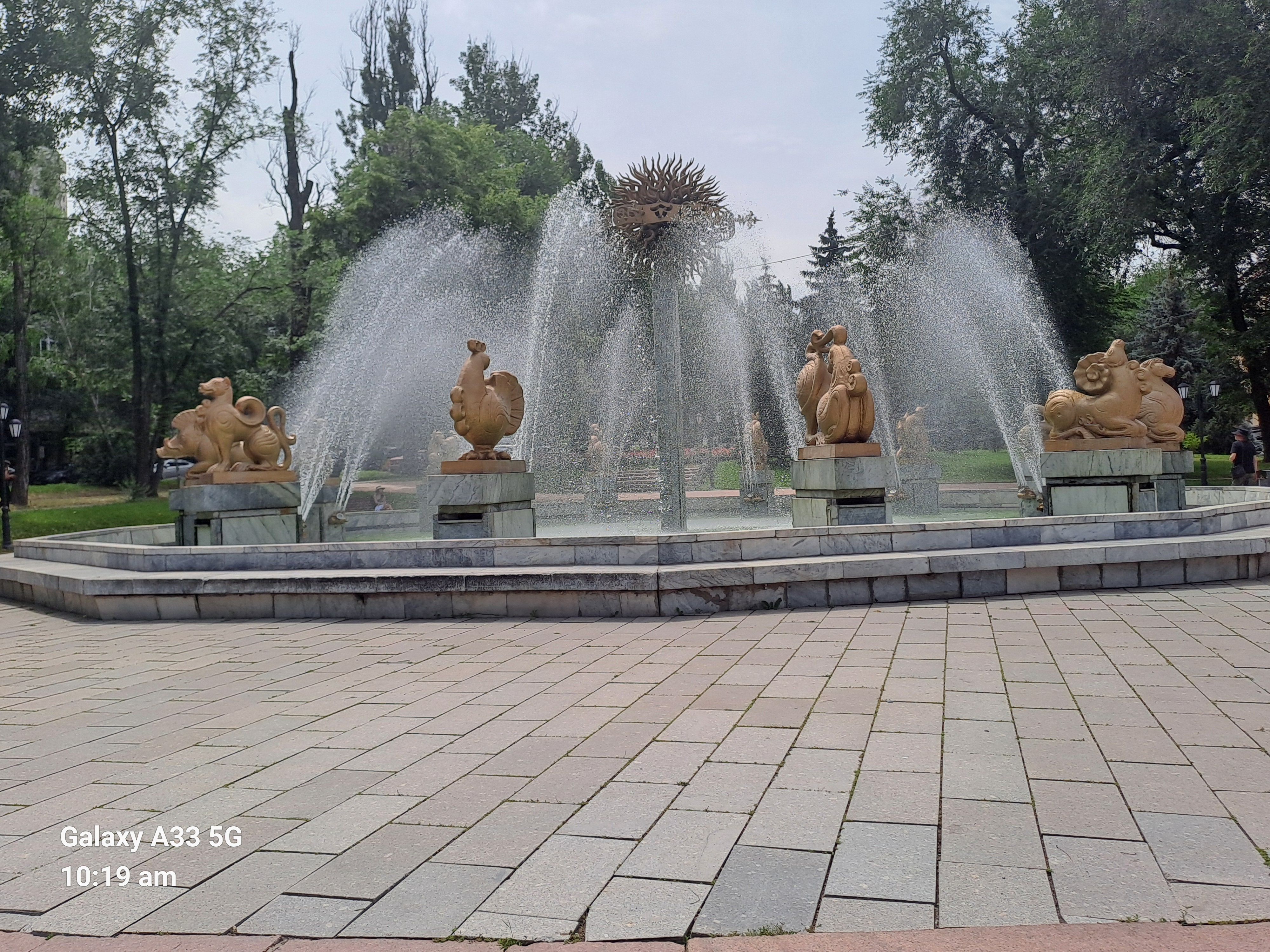
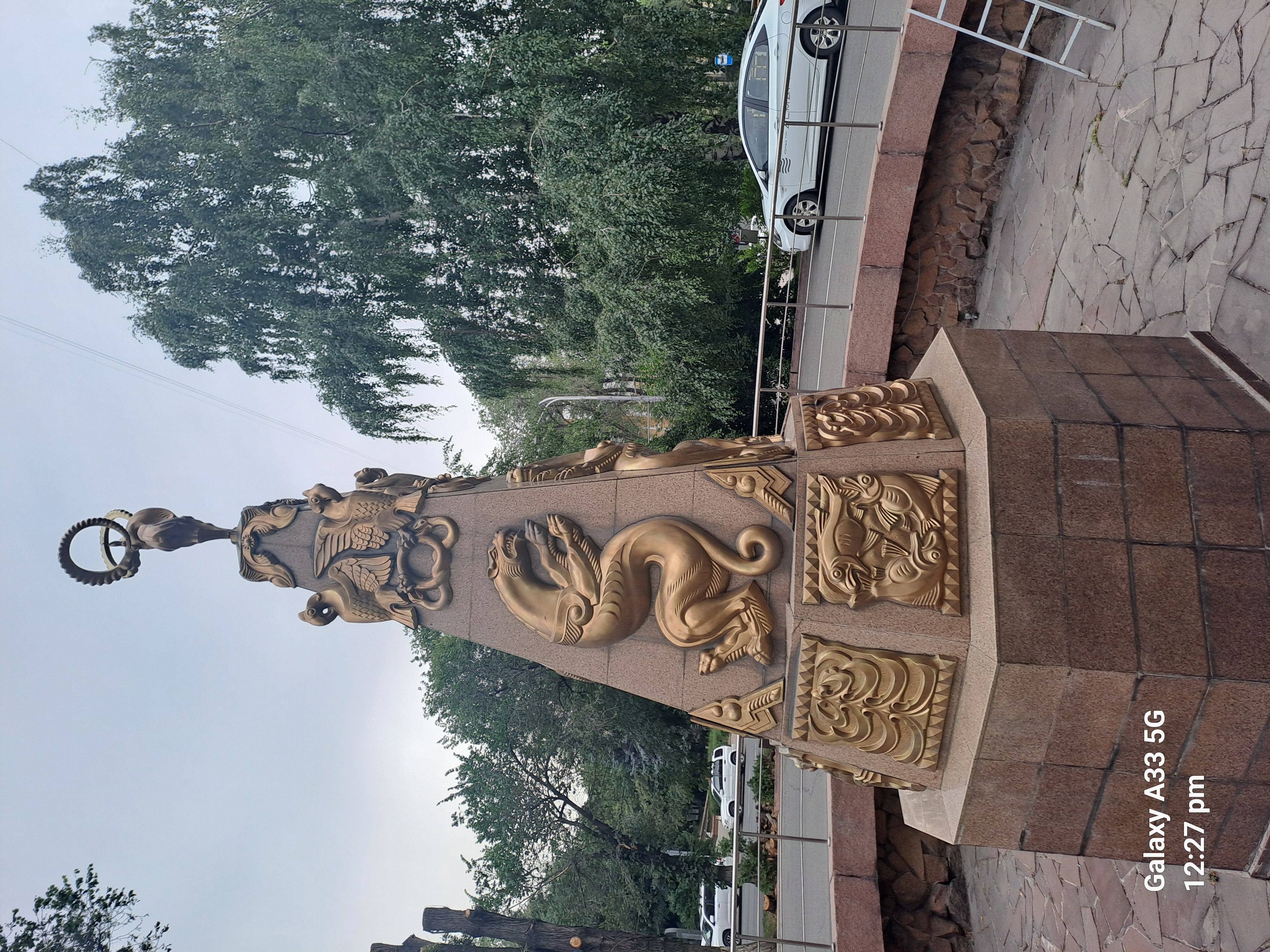
With the fountain, we got the first clue to the shift in native religion. This is on the zodiac similar to the Chinese zodiac except that the dragon is replaced by a snail. The belief is in 12 year stages of aging, child, teen, adult, maturity and wisdom 1, 2 and 3.

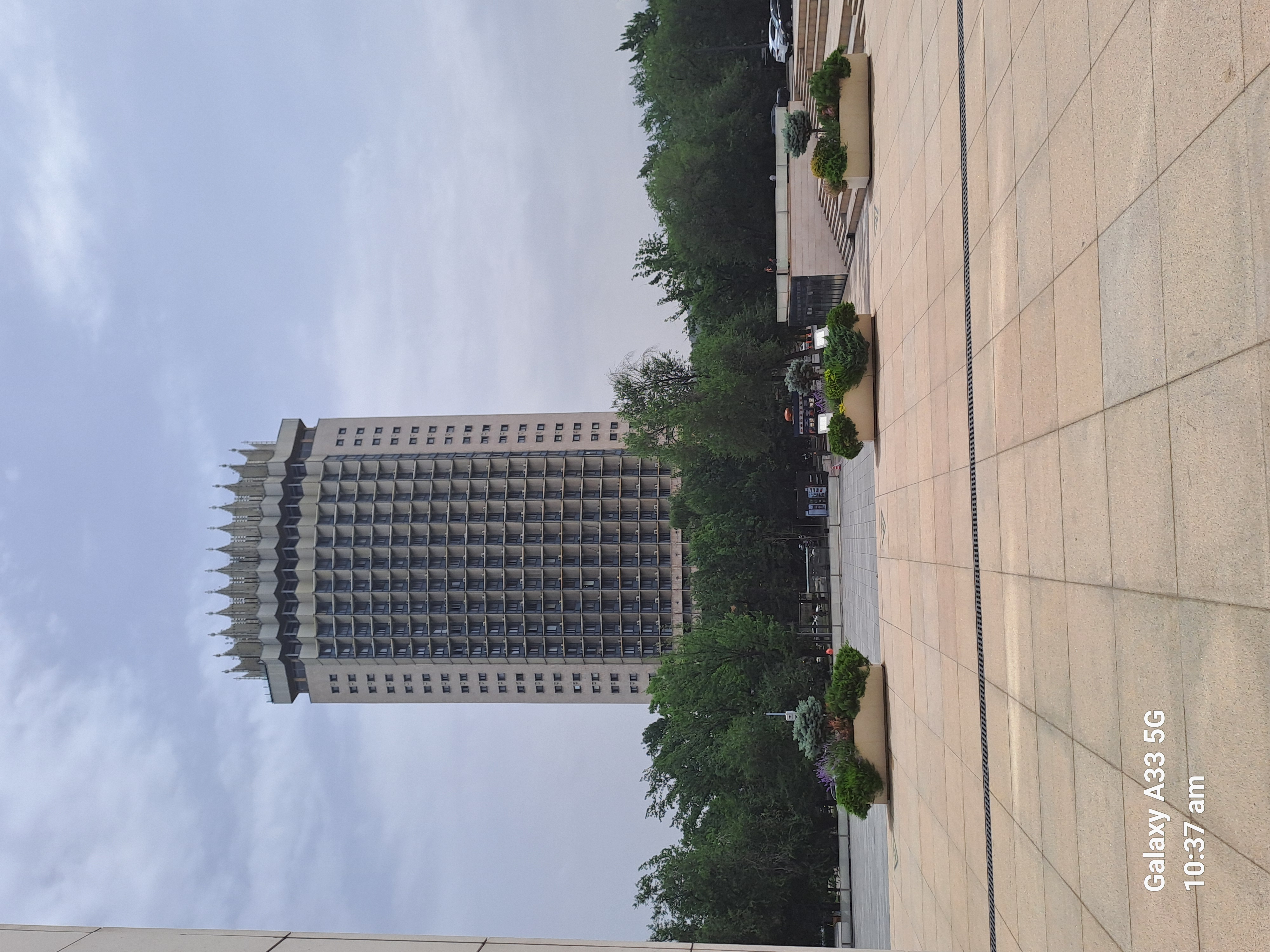
Pushkin is comemorated here as in so many of the Stans. The tall building was the first built using new technology to counter earthquakes.. This proved successful in the 1975 earthquake paving the way for more high buildings.
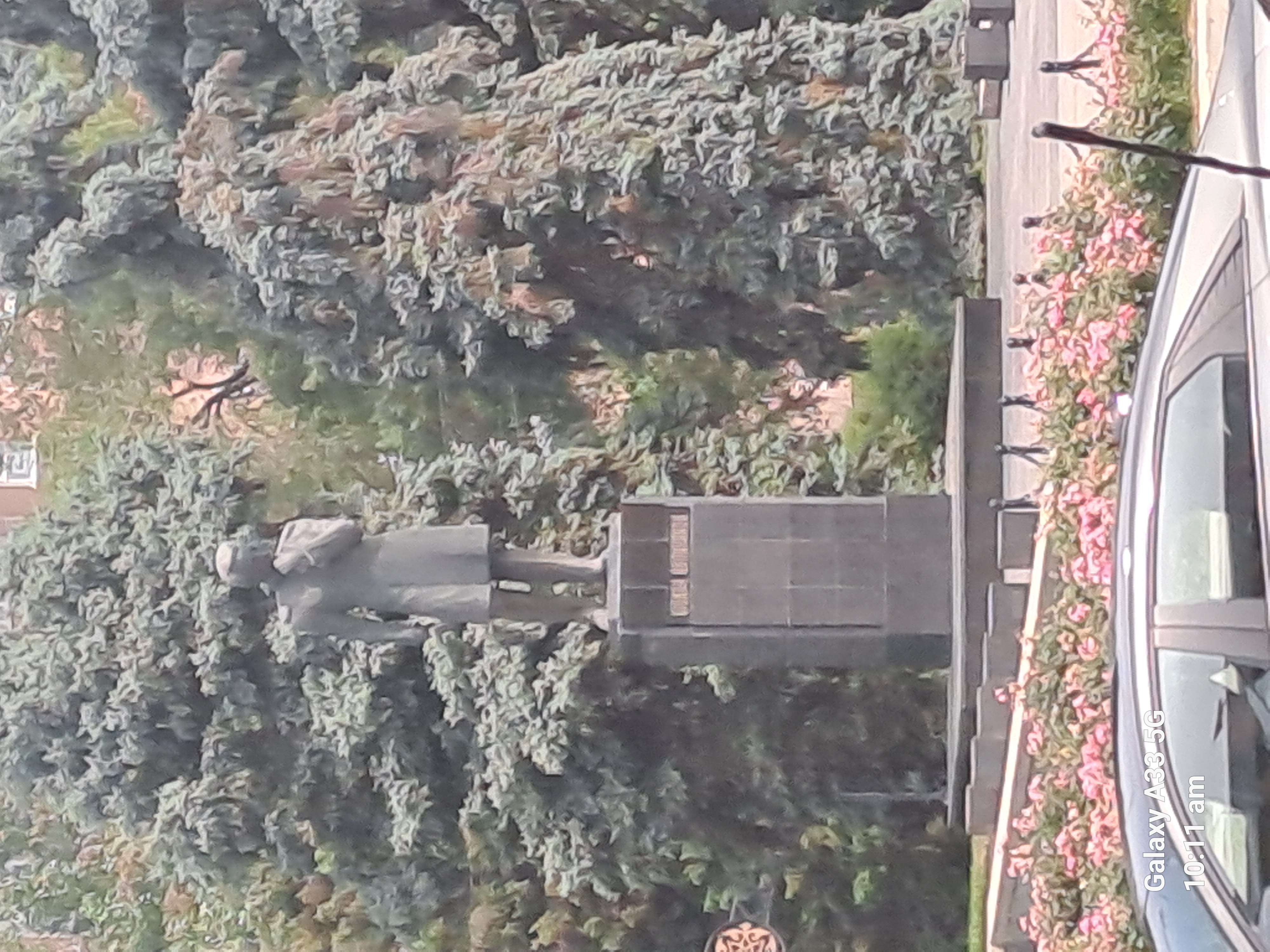
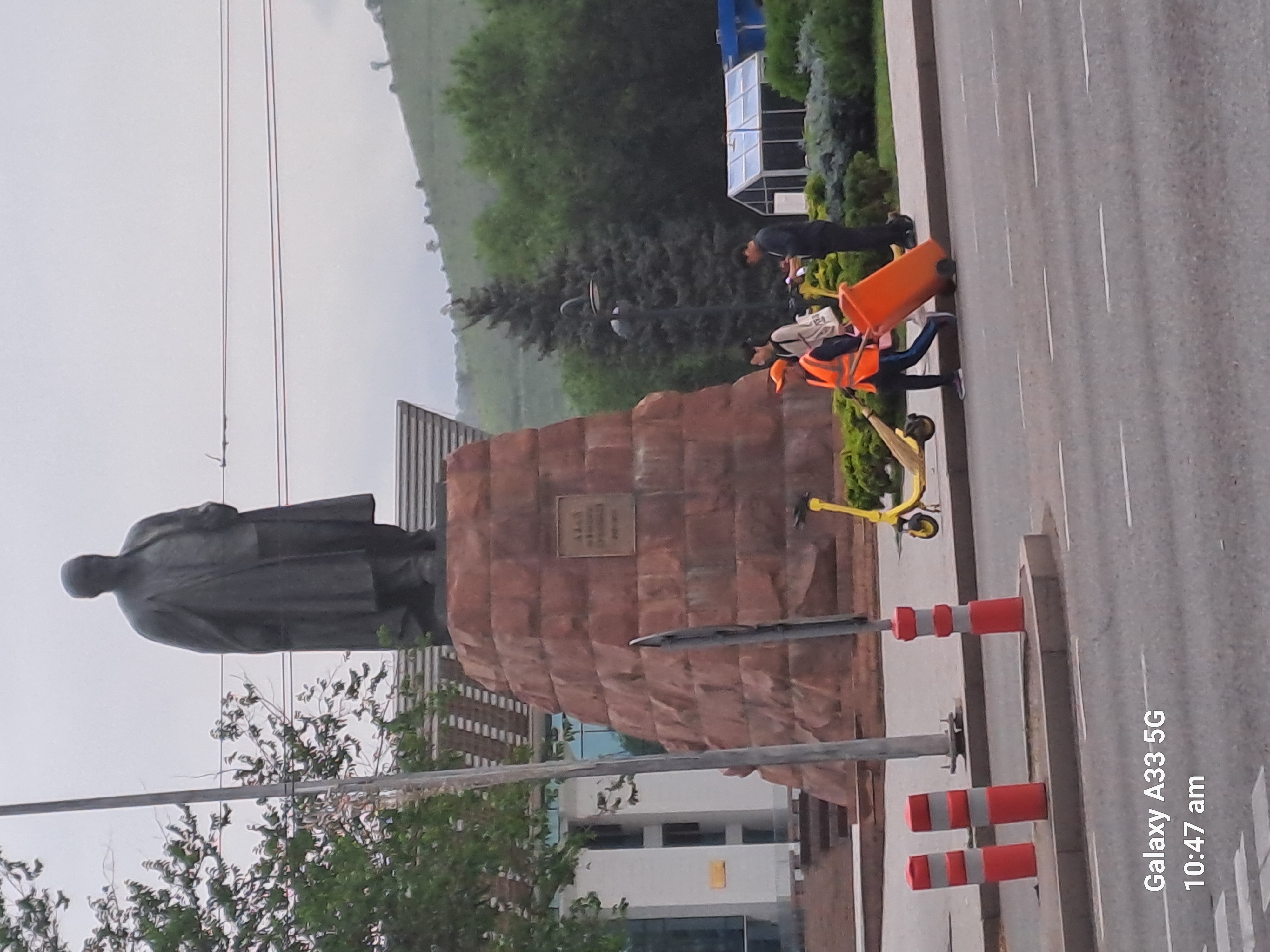
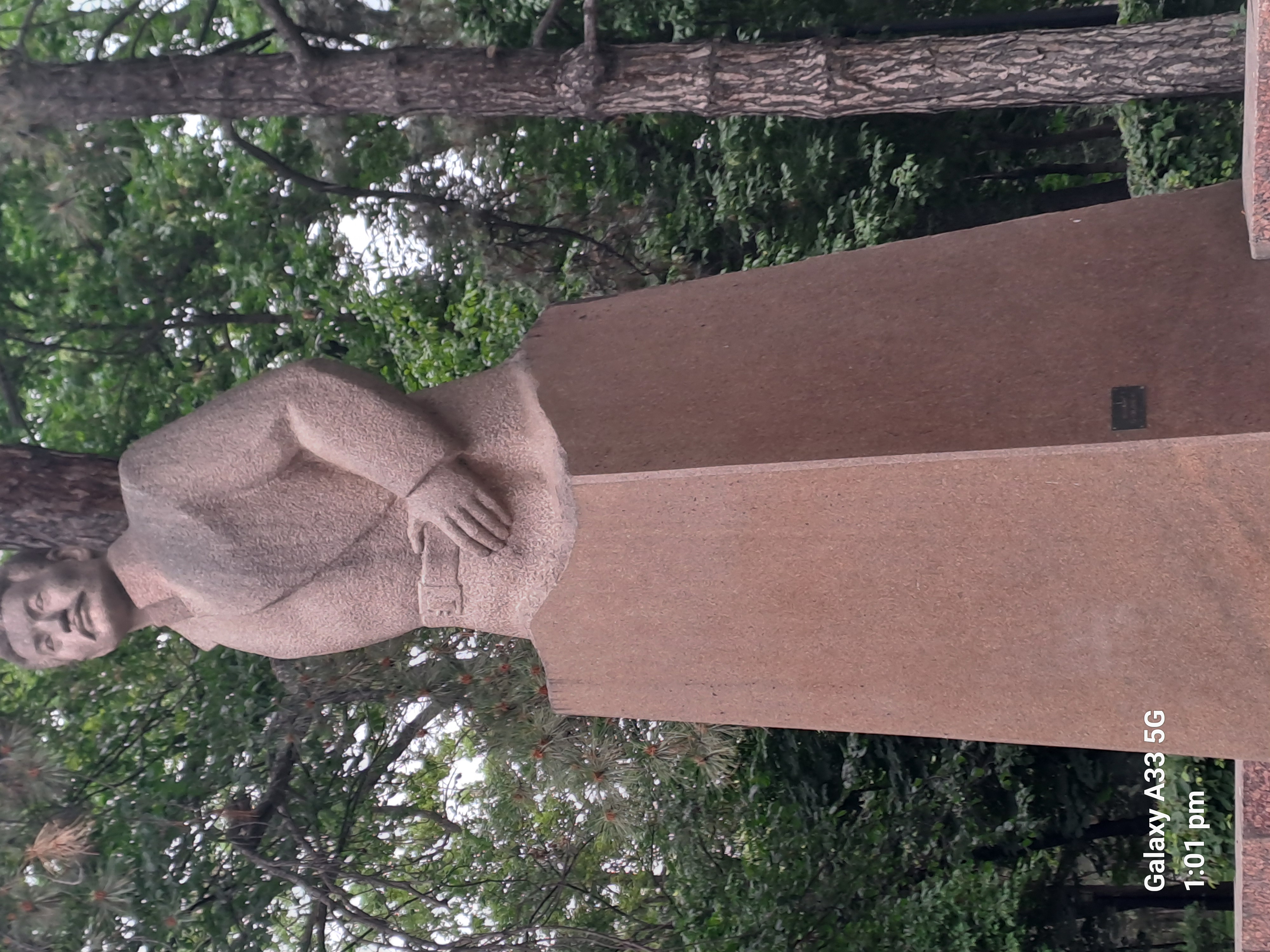
We passed a monumental to Abia Kunanbayev a popular poet and philosopher.
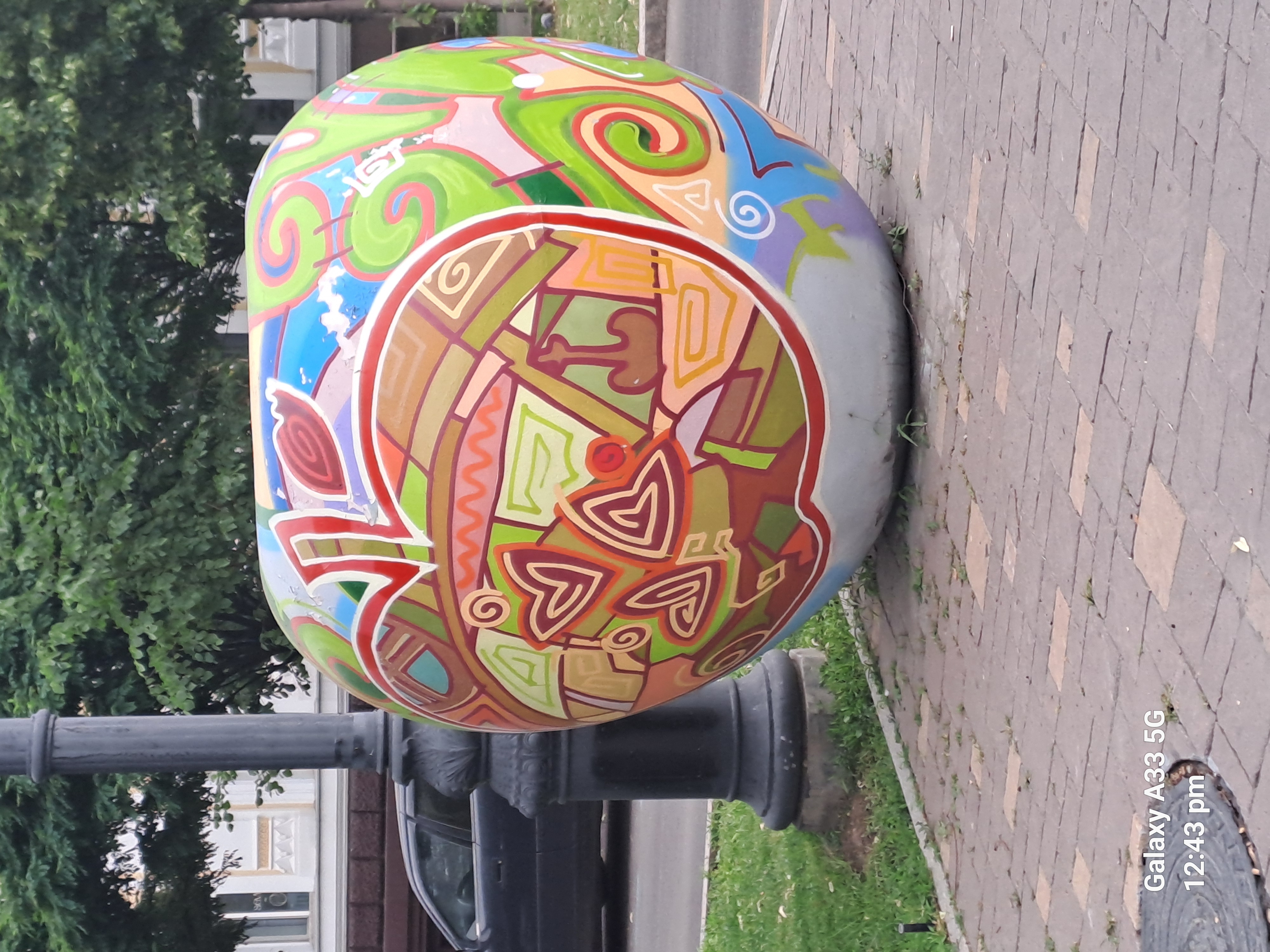
Then we were taken on a trip on the subway, but only for one stop. It seemed unnecessary given the amount of walking we were doing and the small distance covered. I think the real reason was to show off a great achievement. It only has one line but this is still being added to. The apple picture was from in the subway. The apple is the identity of Almaty. Almaty means father of apples. The apple tree has been traced back to the Almaty as its starting point. In the mountains nearby are the only wild apple forests and these are now protected.


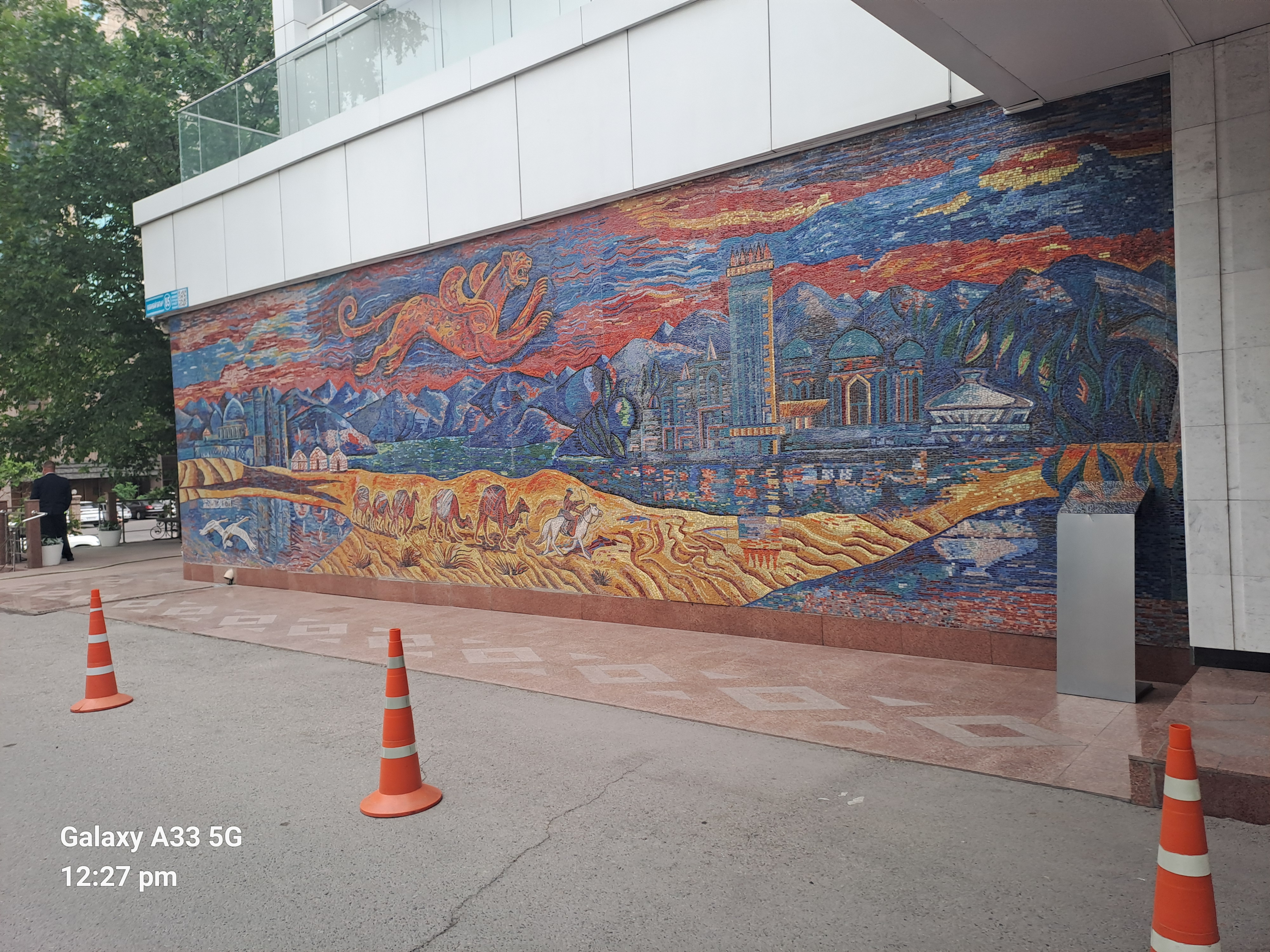
We were shown mosaics which emphasise the history and mythology of the city, giving it its identity and place on the Silk Road. In the second one the snow leopard features in the sky above the caravan.

There are 7 fountains for 7 rivers from the mountains down to Almaty.
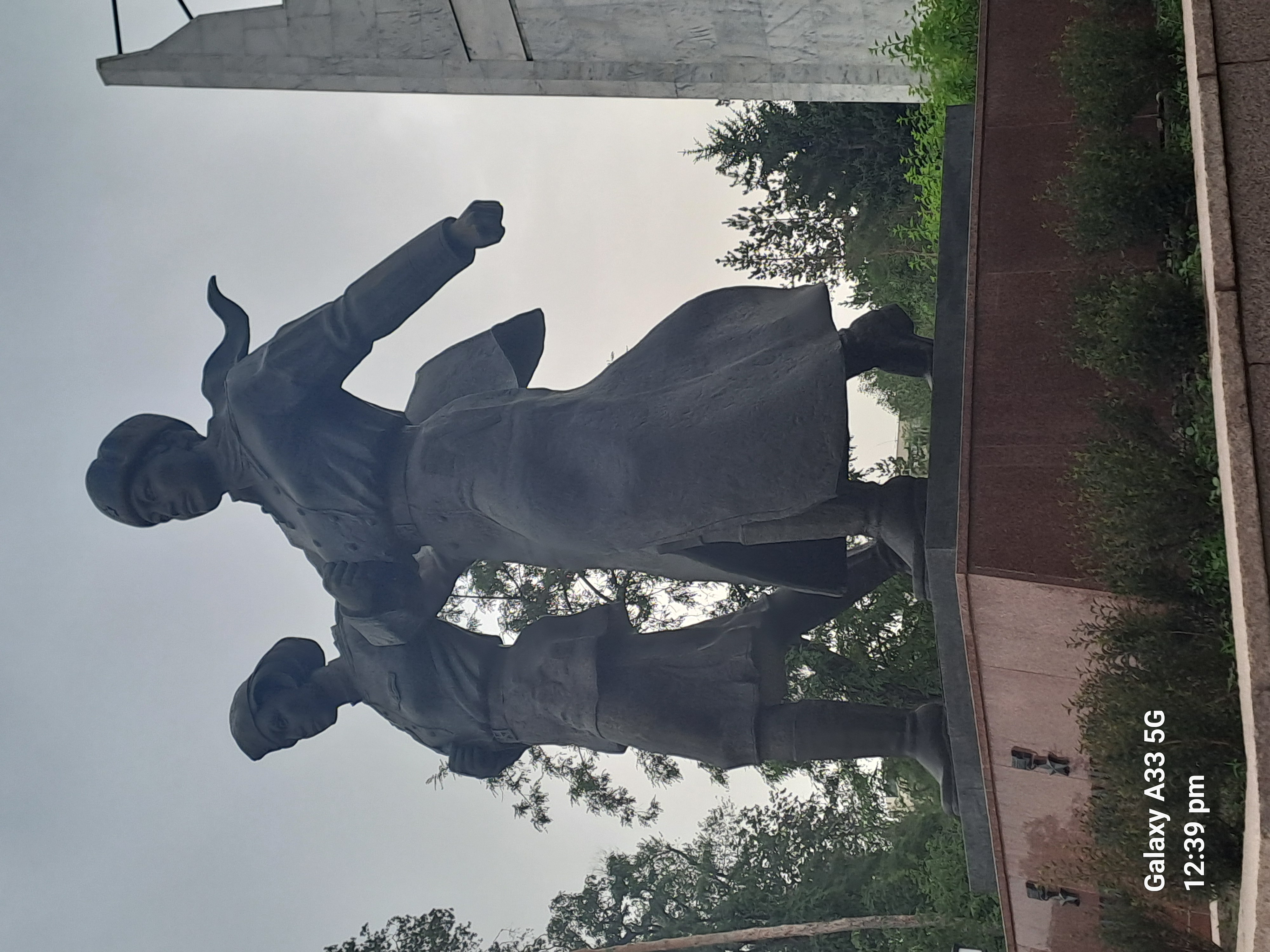
The two women are war heroes killed in the second world war. Sadly our guide remarked that it was better that they died had they come back they wouldn’t have been valued or thanked. Women were soiled by war work.


Here are a couple of street ornaments showing the importance of the zodiac and the apple locally.
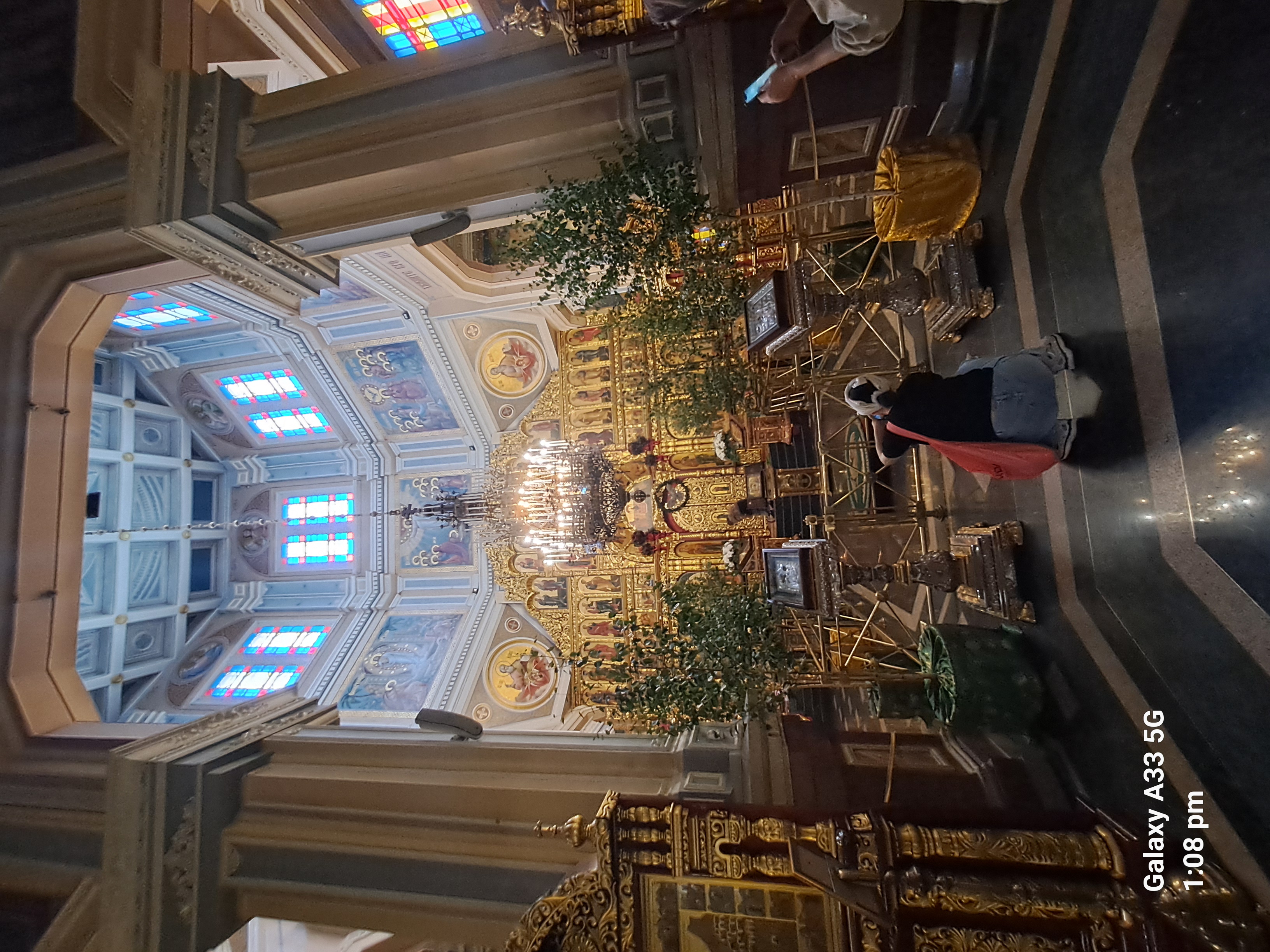
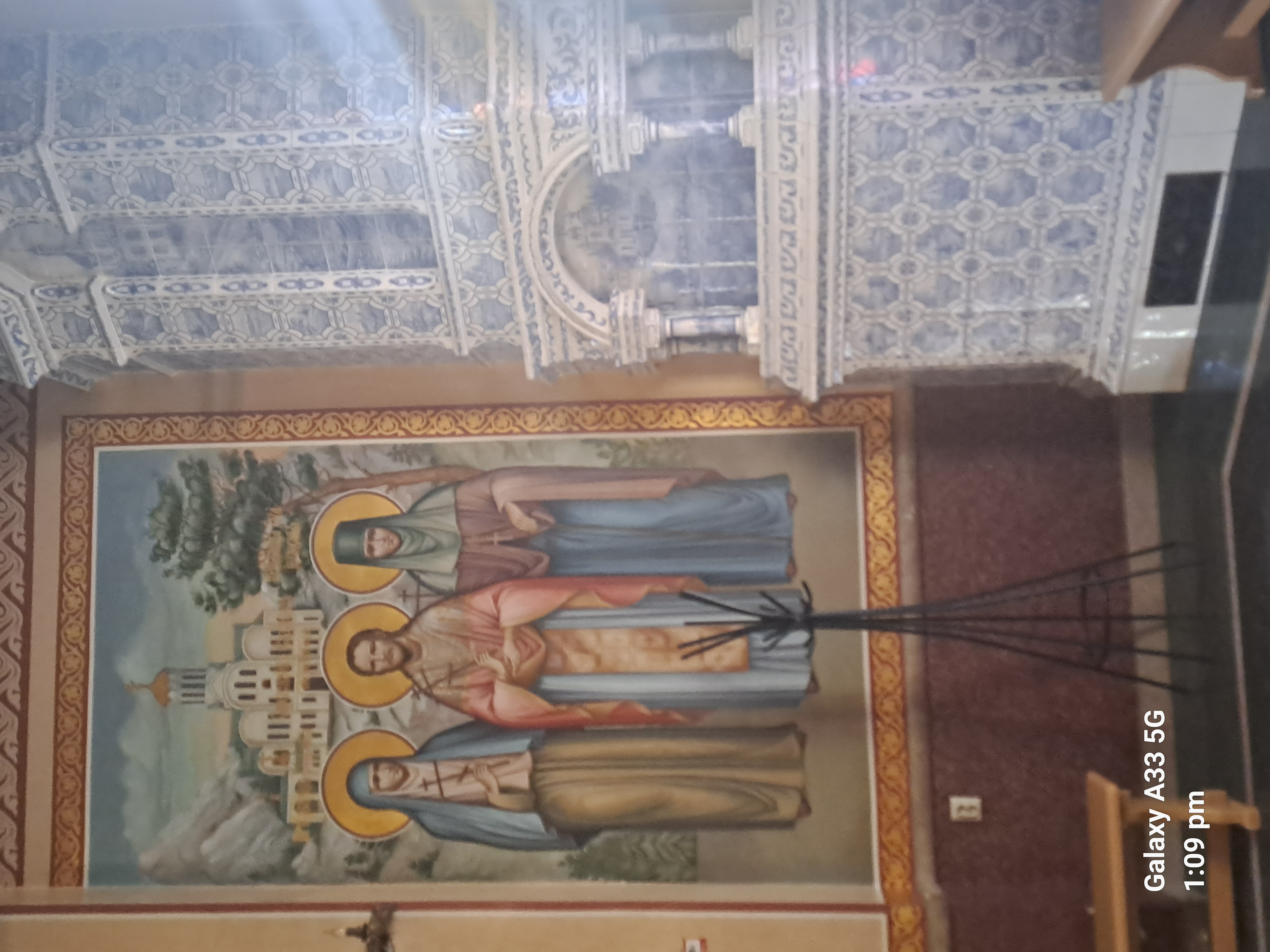
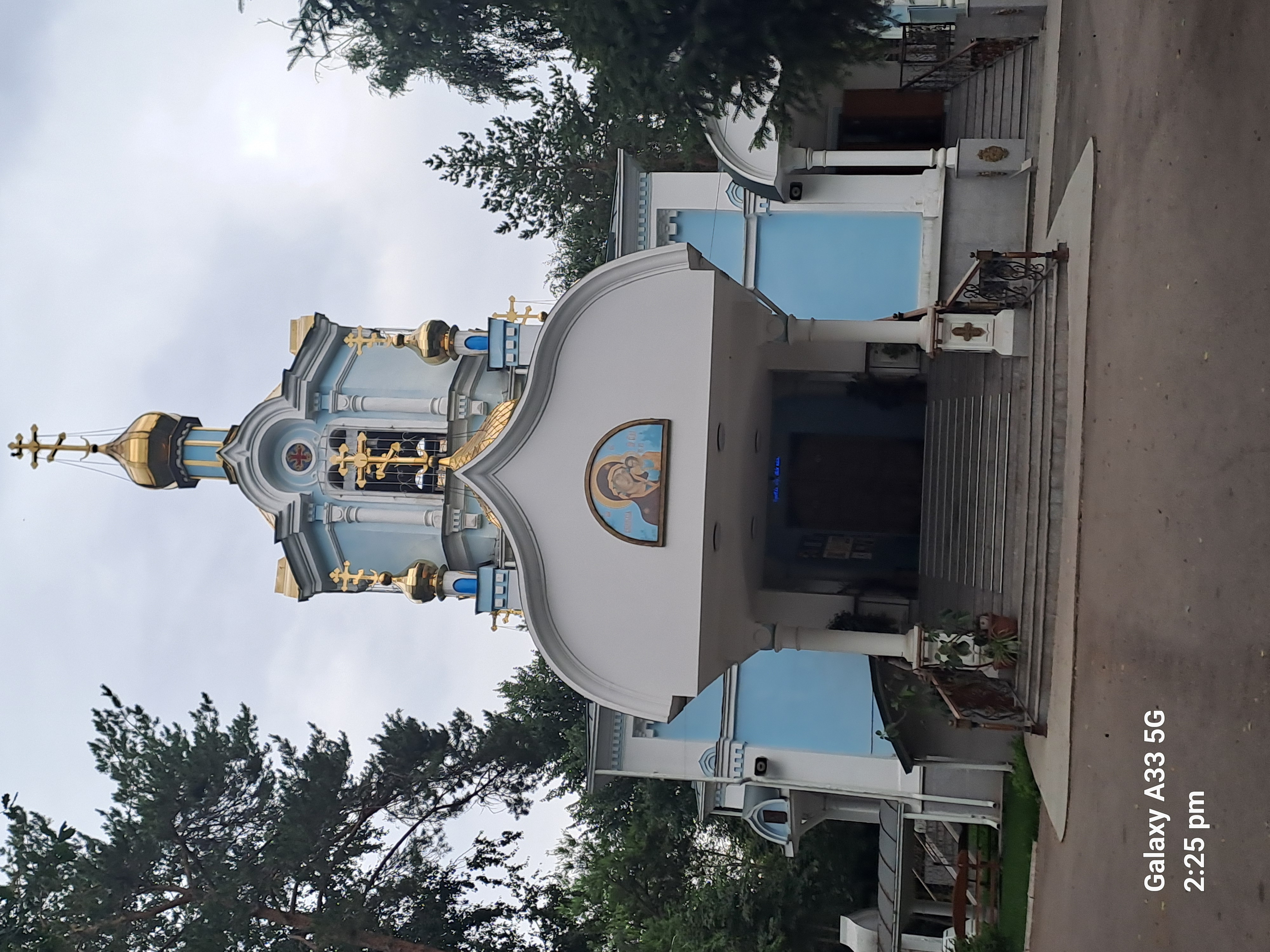
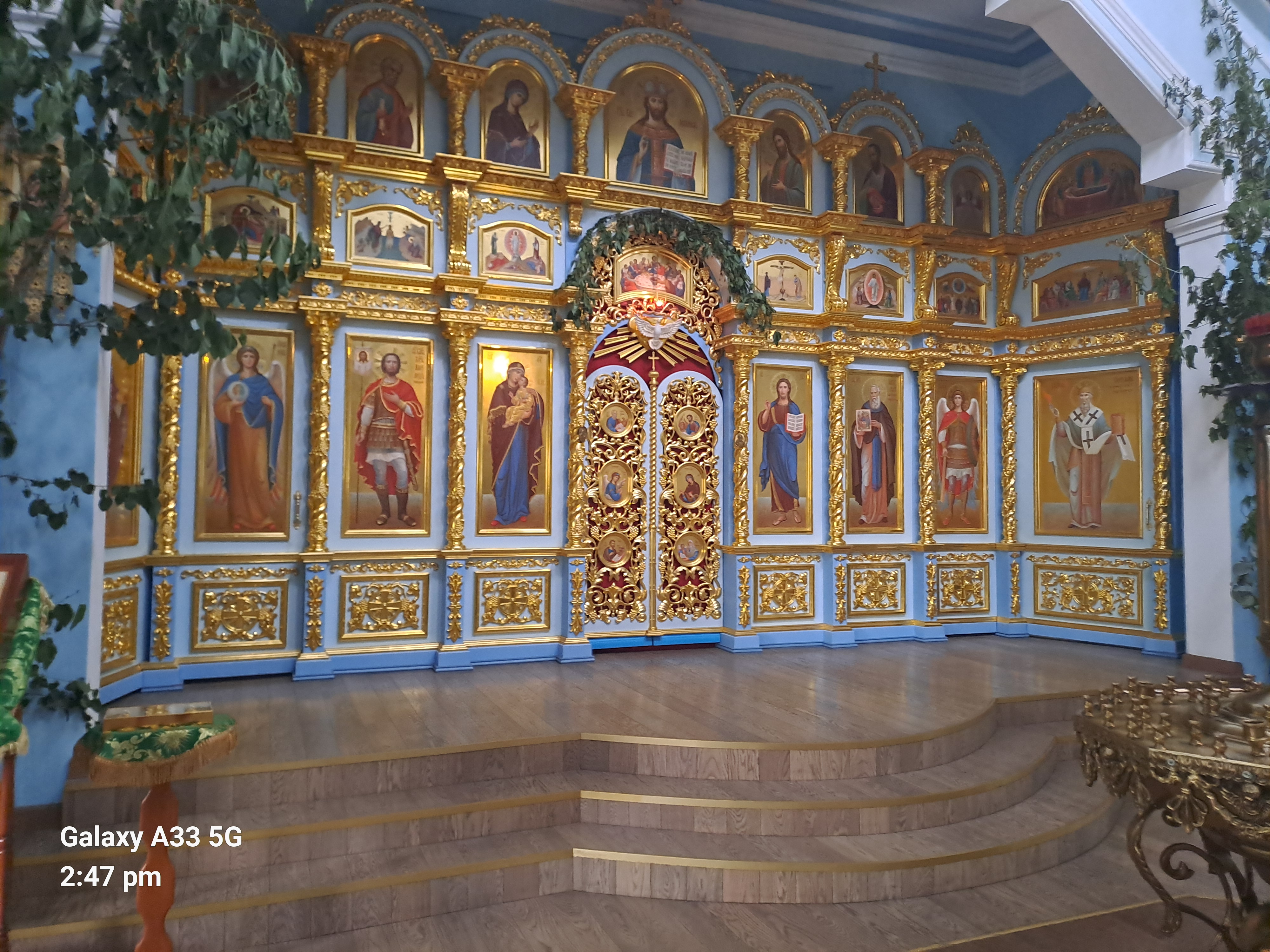
One old building possibly the only one to survive the earthquakes is the Russian orthodox church. It is likely that it’s wooden construction saved it by being more flexible. It has been restored since independence.


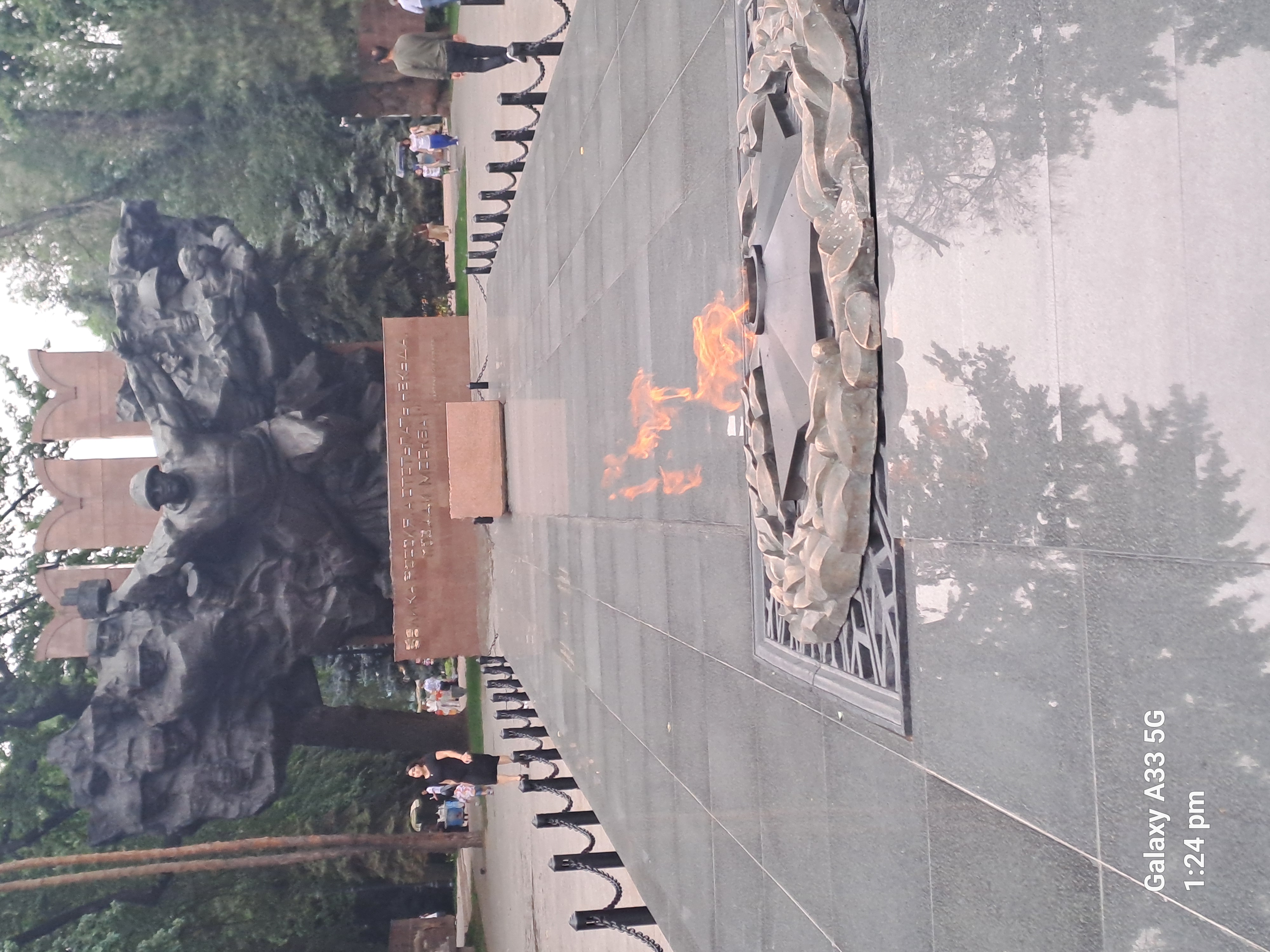
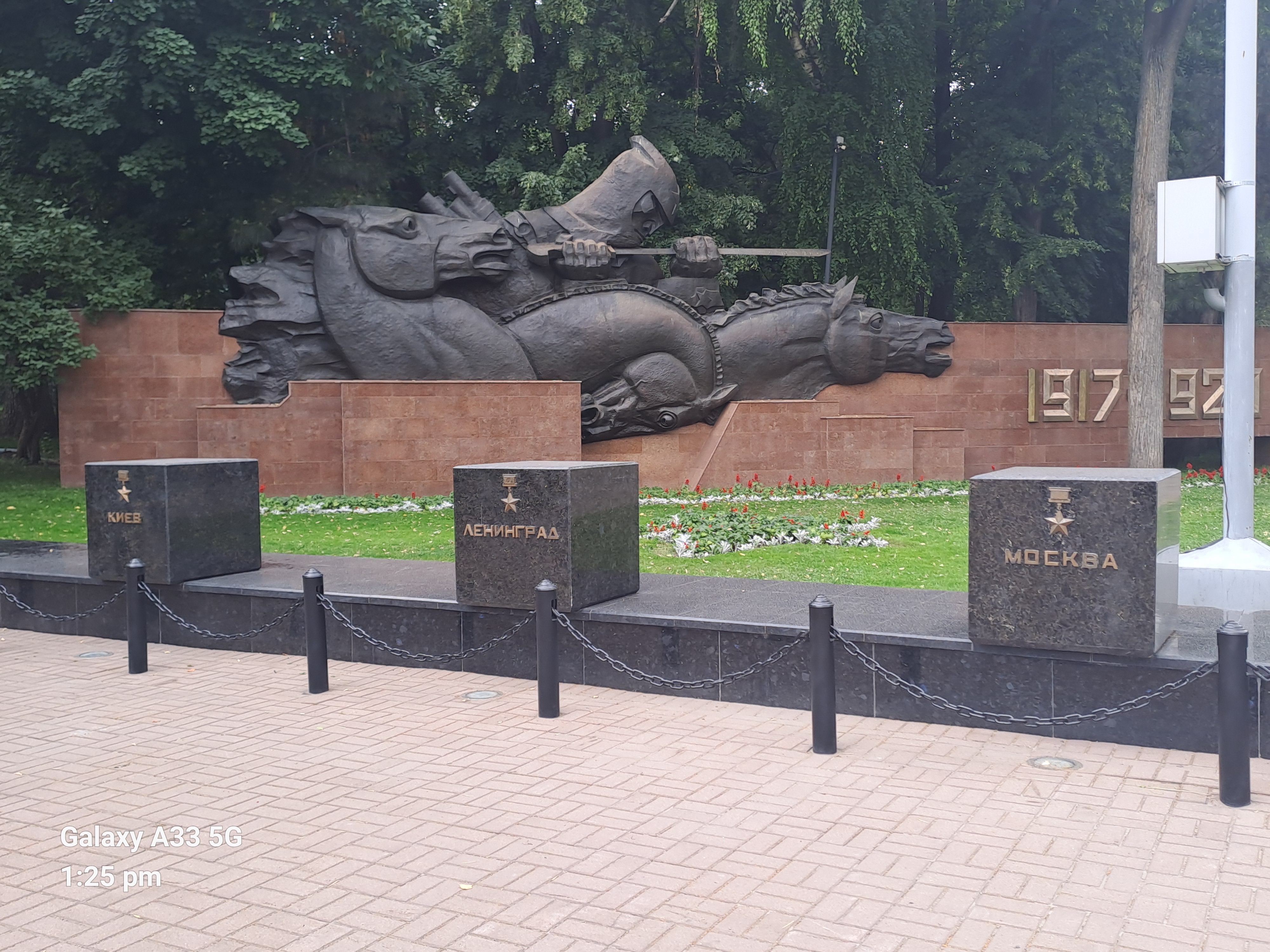
Almaty does not want to loose its history and it has these memorials to the second world war and the hero cities of the Soviet Union. The black boxes have sand from the cities inside them.
.
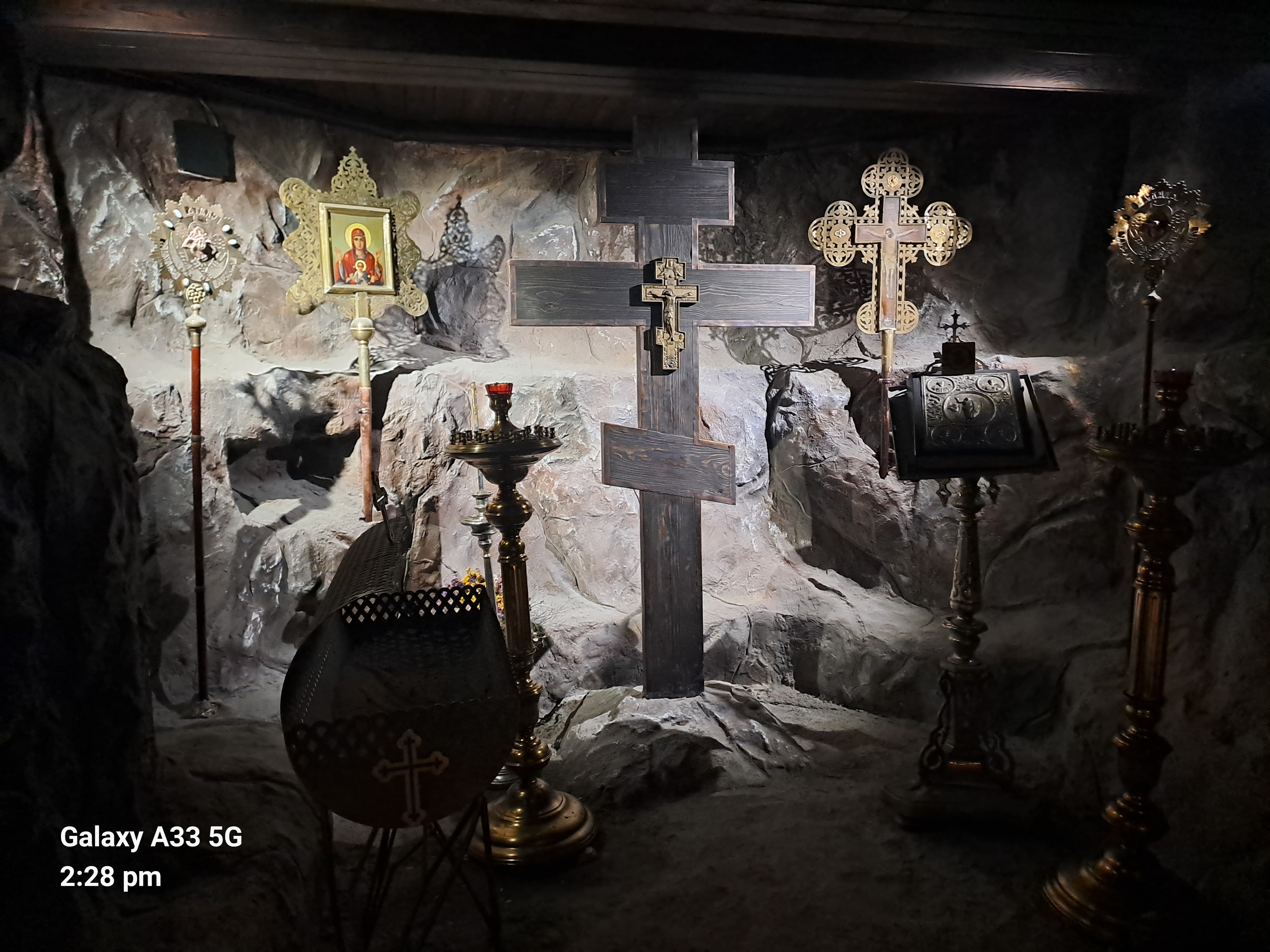
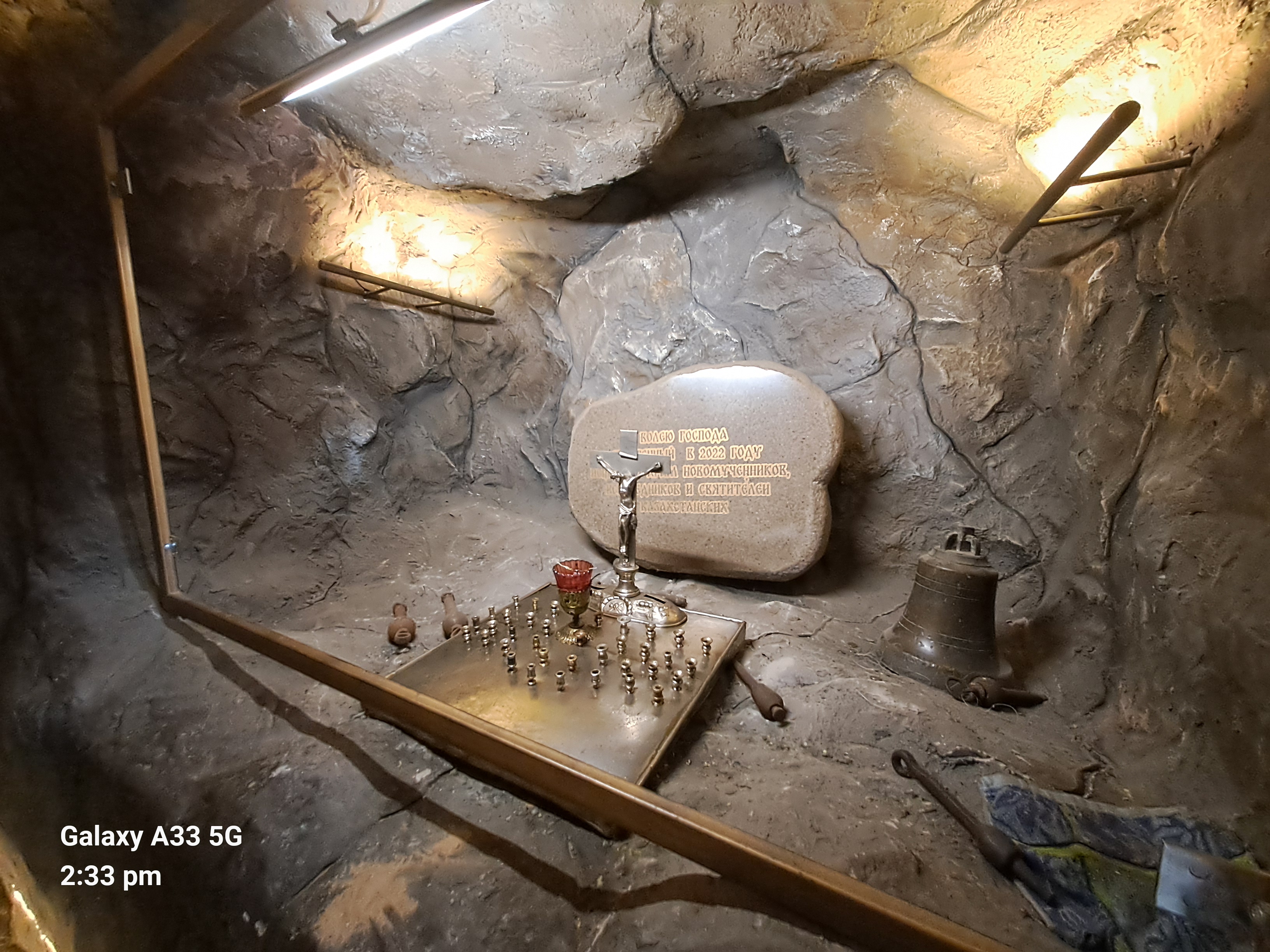
As an extra we were invited to see an underground church. This is under the above ground church. It was discovered in 2021 during restoration. This was used during the Stalin era for worship and forgotten about since.

yuk

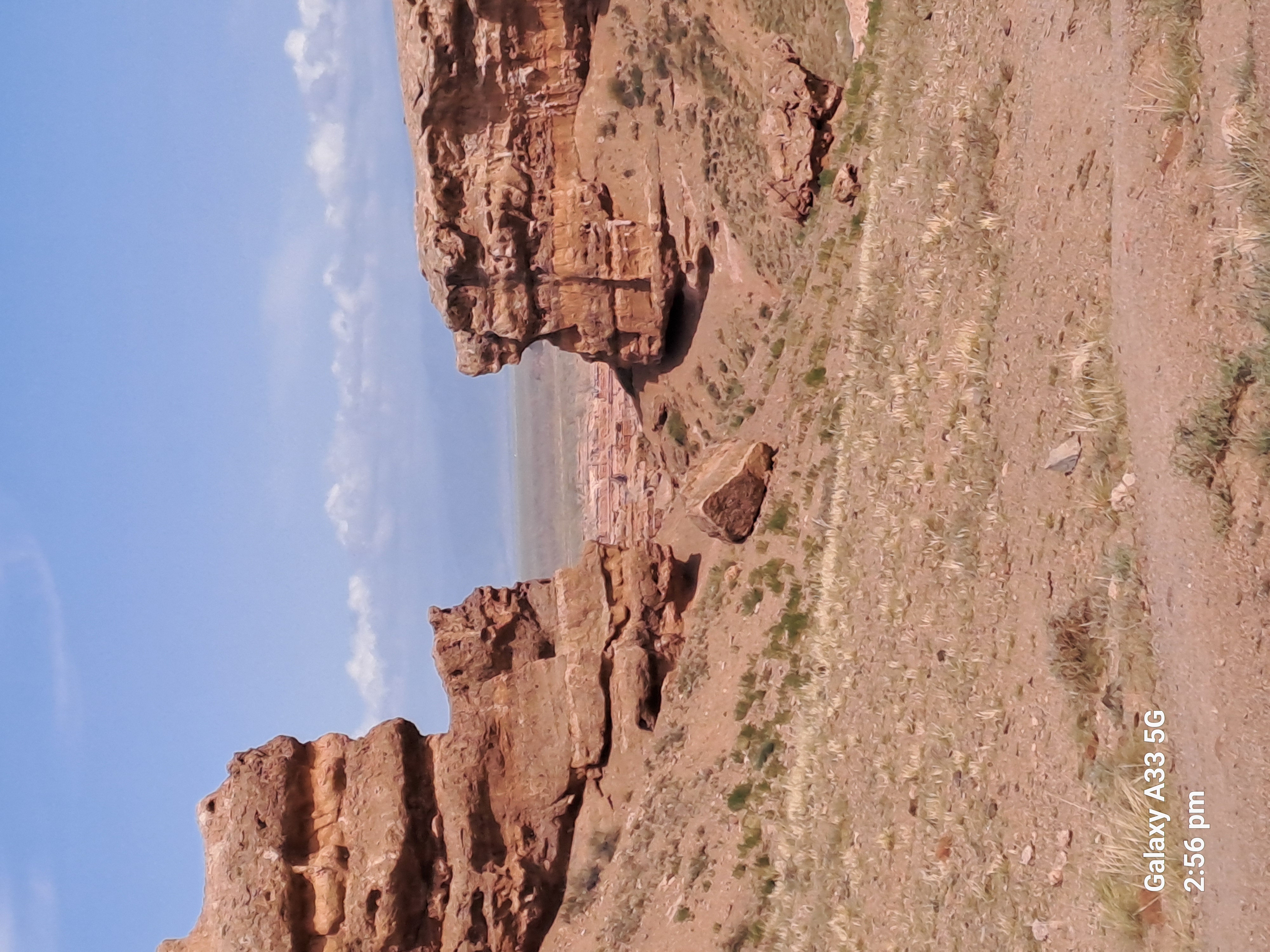
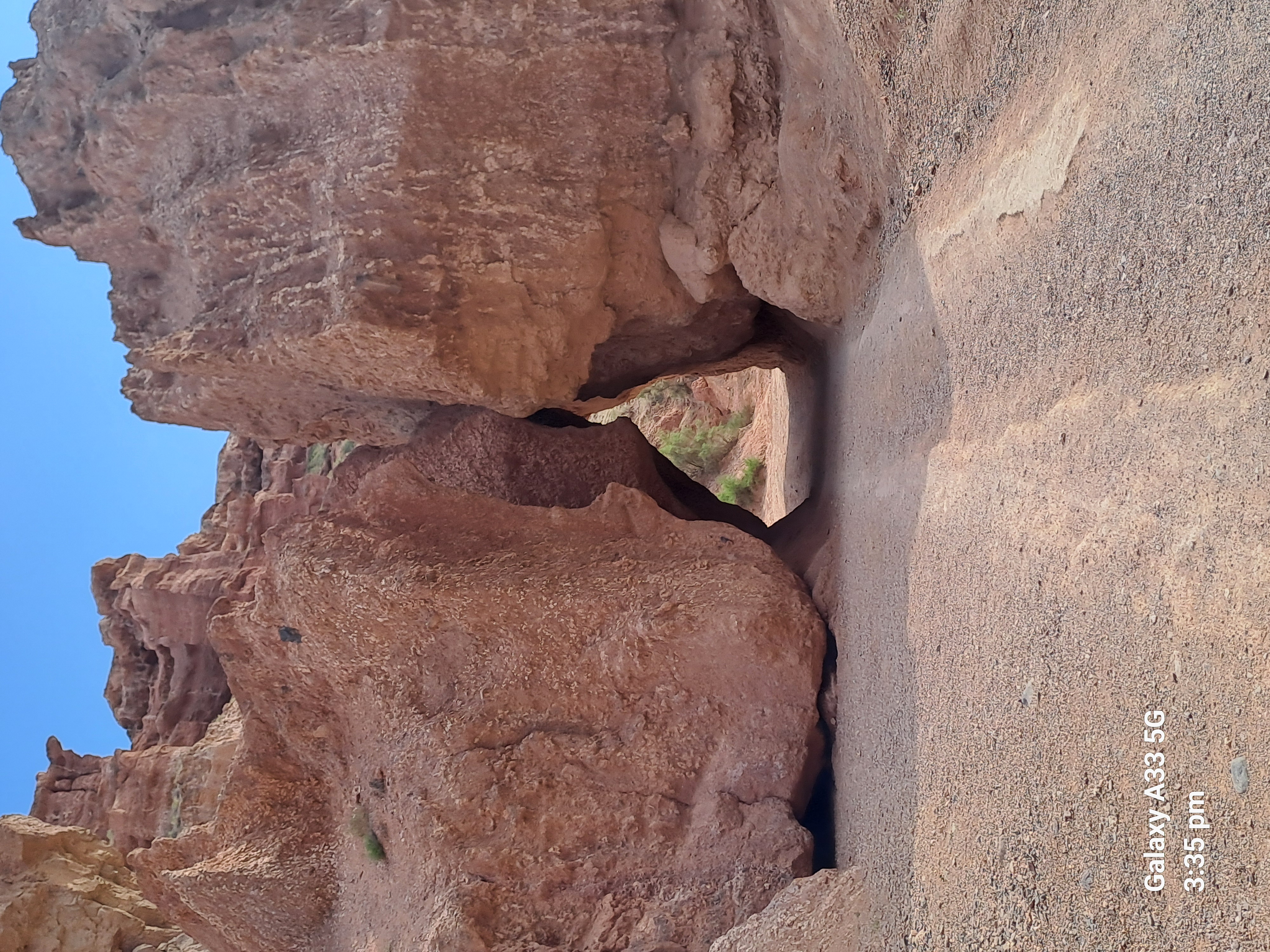
We finished our visit to Kazakhstan with a bush camp at Charyn Canyon. We were able to explore valley of the castles – named for the rock formations.. These are shaped by wind and water erosion.
along the way were warmings about mud slides so I imagine the valley could be very different in heavy rain.
Along the way were notices explaining the mythology of the canyon with opposing forces given entities to explain the lifting up and wearing down of the land.
The journey started with a long set of stairs and carried on with a walk downhill towards the Charyn river. I had to keep getting out of the way of the mini trucks that journeyed up and down carrying people. The river at the bottom was very welcoming. I paddled to a rock I could sit on and cooled my feet! I then decided to get the truck back in the heat
My excuse was it was close to dinner 😊




After a hot still day the wind suddenly got up we all jumped to it to save a flying tent and batten down the rest, adding fly sheets and fixing guy ropes.
Next day we left early to drive to the border with China and a journey into the unknown for us.