26th September to 14th October 2025
A miracle happened at Broome. Up untill then we’d struggled with hot humid nights. I tried wet hair which was initially cooling, but ended up with more humidity. So we rigged up mozzie nets over the lower windows for a bit of breeze if it came. We bought a cheap USB fan and still it was too hot and uncomfortable. Then at Broome, suddenly we could put the duvet back in the cover and have a good night’s sleep.
The other thing that happened was that the fire risk suddenly went up with reports of bush fires along our projected route. We were lucky to miss several fires, having in places to proceed with caution. This is what is normal towards the end of the dry season.
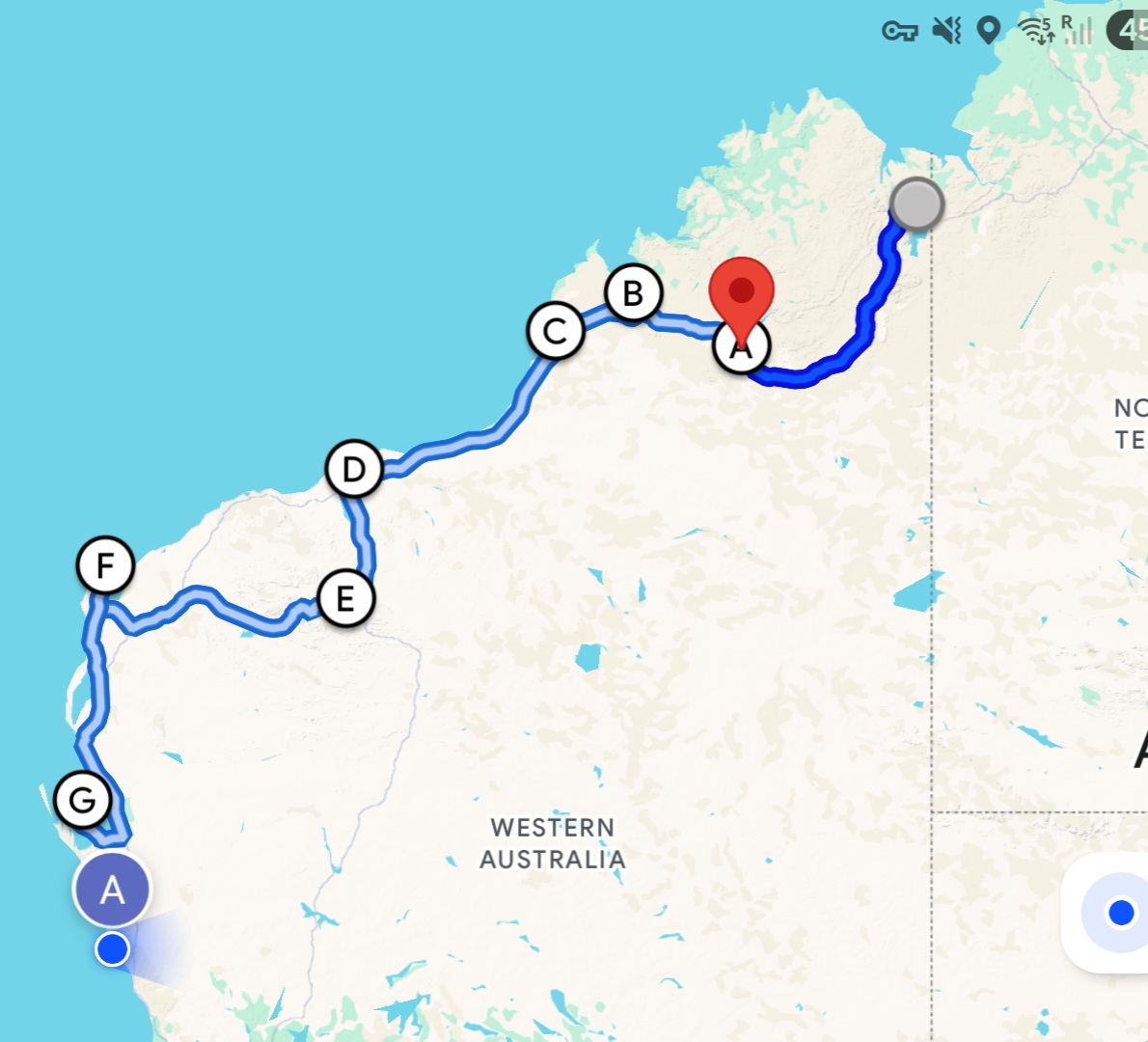
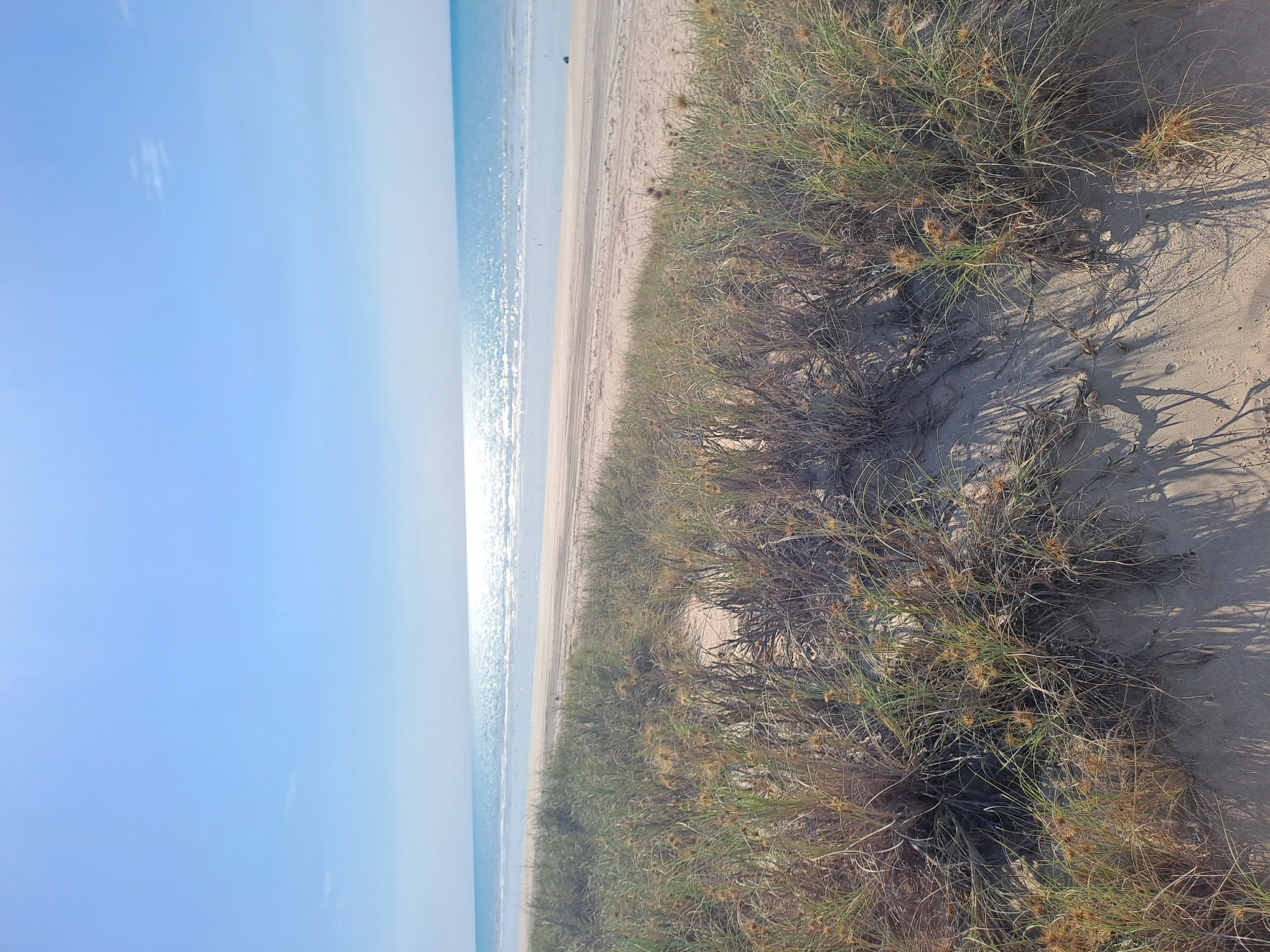
Now we left Broome for the drive down the coast and more views of the sea. Our first stop was overnight at 80 mile beach. (Literally miles and miles of beach!) It’s one of those weird things in Australia. Lots of places have mile in the name, but actually they use kilometres everyday not miles.
All that time ago planning the campsite appeared to be next to the road. Now we realised it was 10km off the road and that it was a gravel road. Part of the small print under frequently asked questions. So once again against our hire agreement we went off down a gravel road.
The campsite was lovely though with a lovely white beach. Unfortunately though I got told that crocodiles weren’t the problem here it was the sharks. Fishing is a major occupation in Australia. Every camp shop is more fishing than camping. Petrol stations sell fishing stuff and campsites sell more bait than food. Campsites also have fish gutting tables and associated bins. Apparently this activity attracted sharks and between them and the odd crocodile, swimming was not advisable.
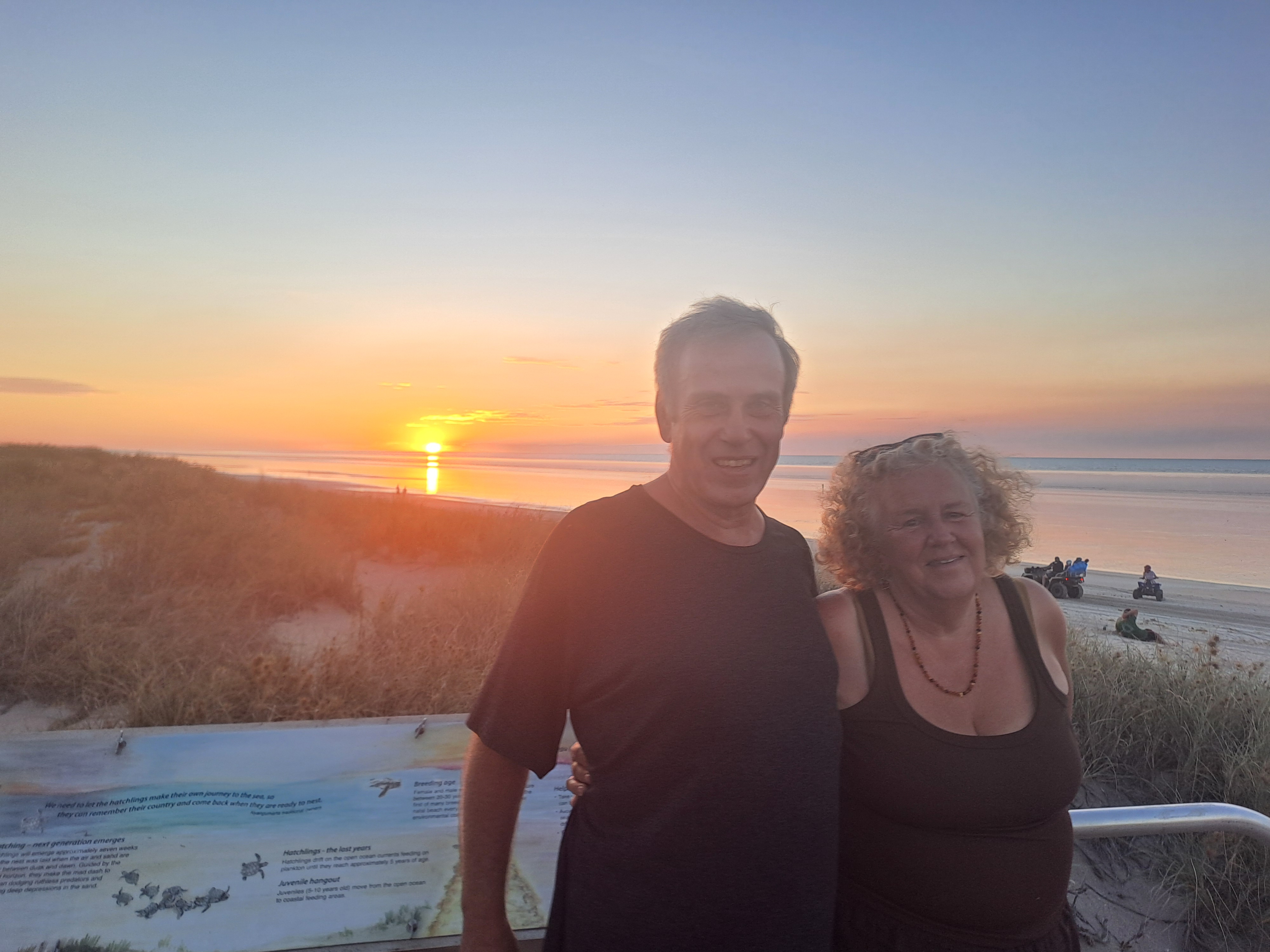
It was beautiful though and we brought our drinks up to enjoy the sunset. Positively illegal as it is a public area! However, I noticed everyone else who came to watch the sunset was also clutching their drinks so I guessed no-one was going to report us.


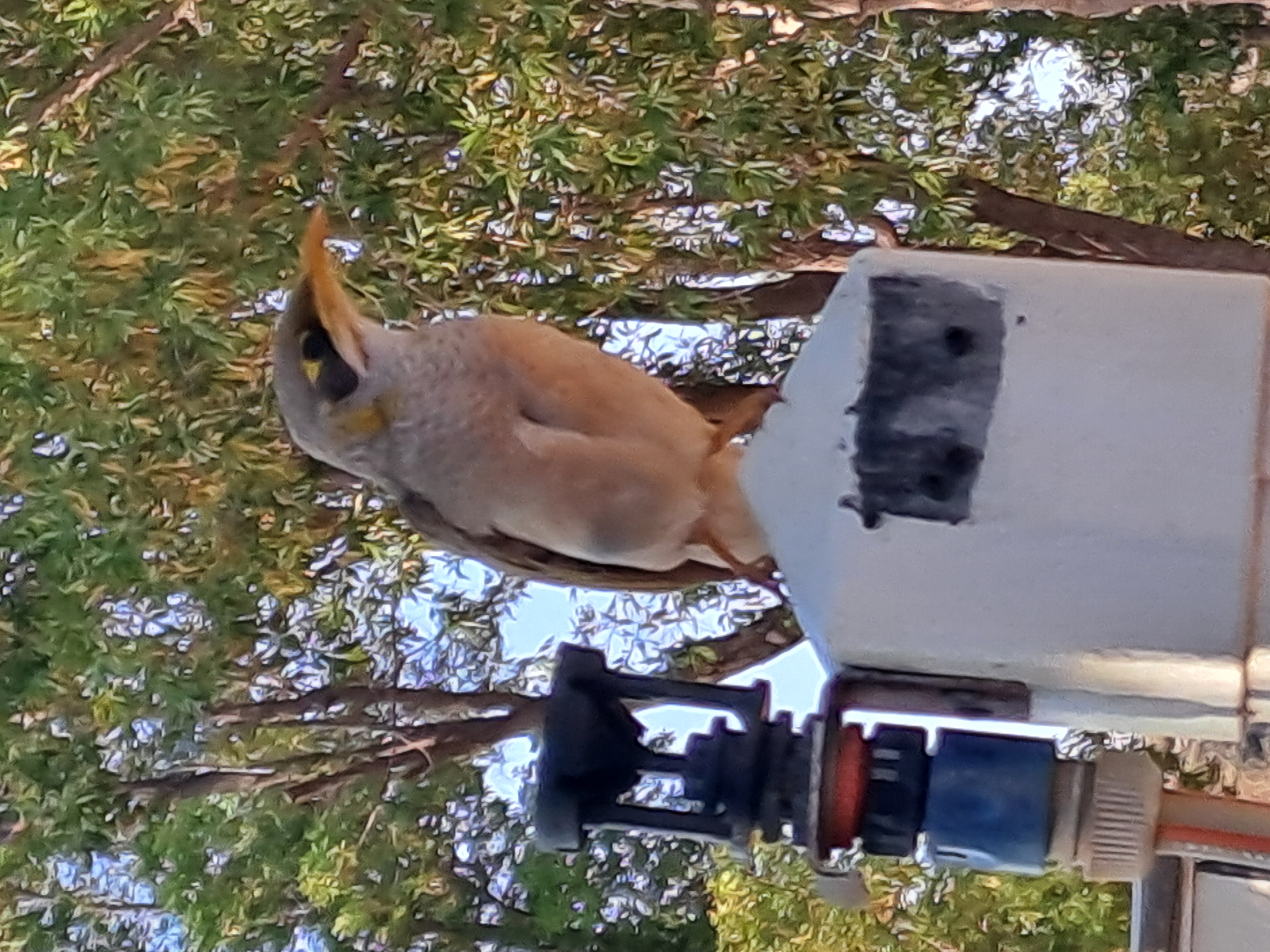
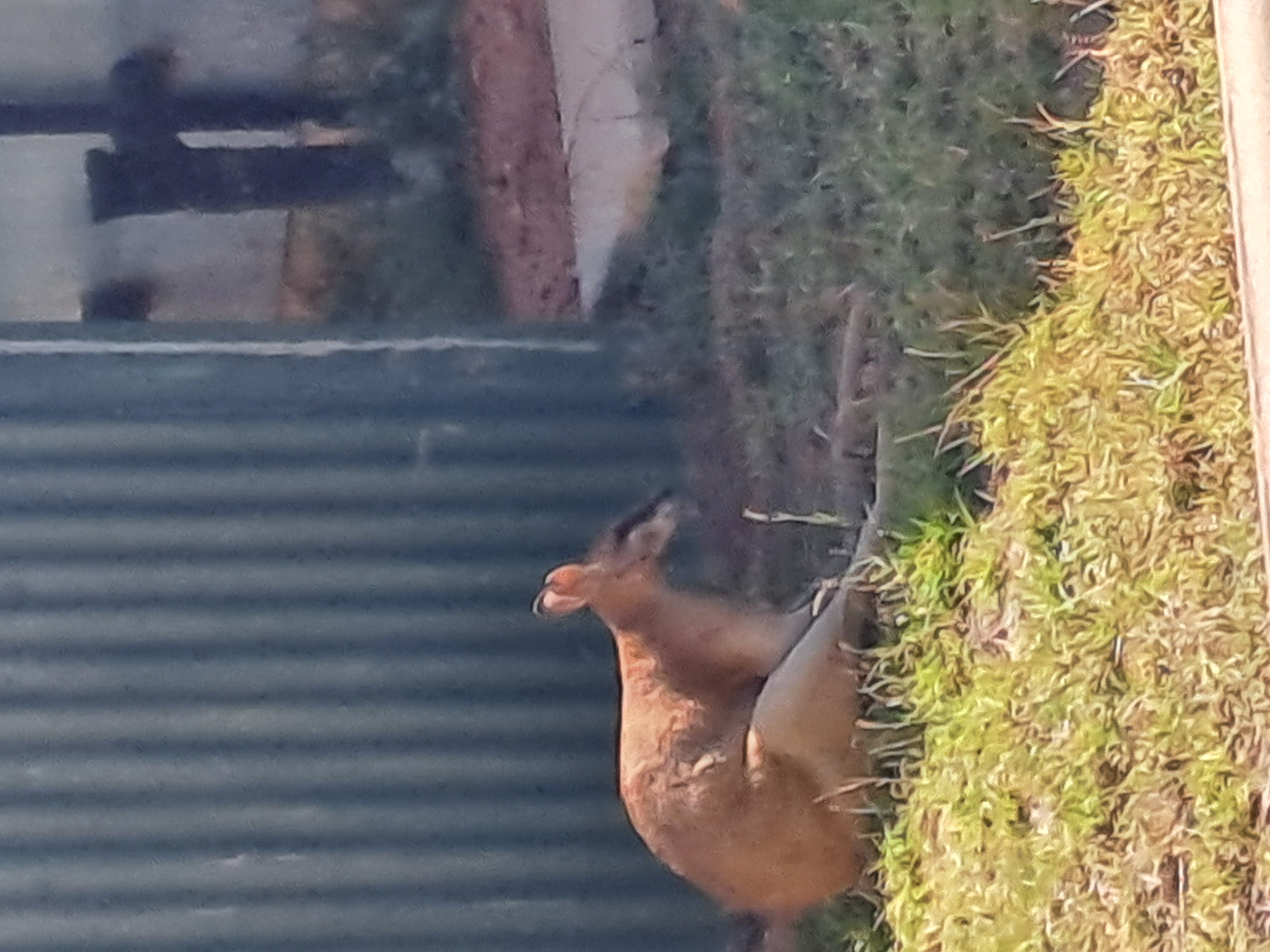
There was also plenty of wildlife around as well, one of the enjoyable things about camping here.
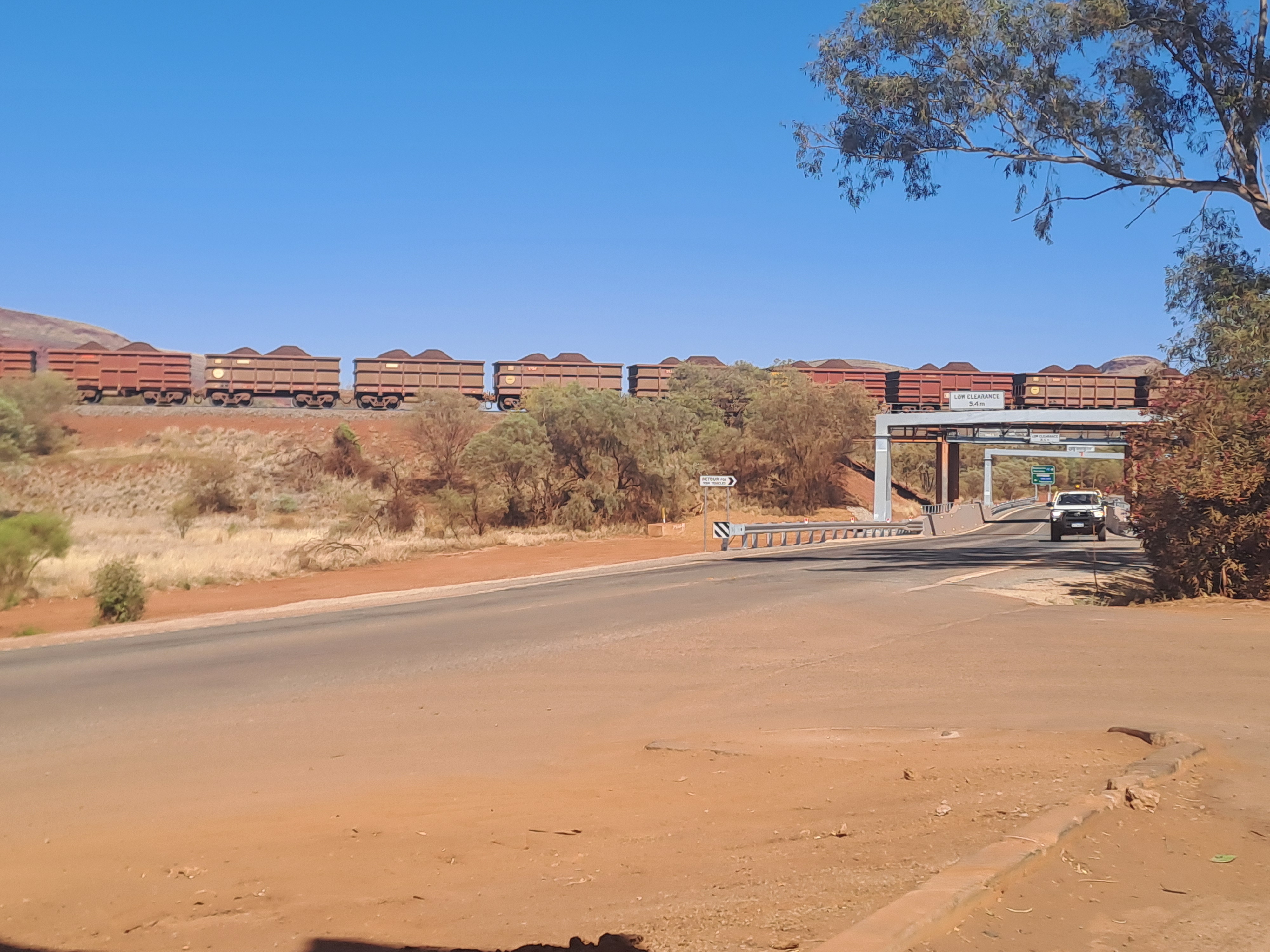
Next stop was Port Hedland where we came upon a road interchange system. We were amazed hardly any cars and this fancy two lane interchange. Why was that necessary? We later found talking to people that it does get busy at 6am in the morning, not that we checked you understand.
We also saw railway lines. So far we’ve crossed a couple of single track lines. Mainly for tourists running once or twice a week. Now there were two or three lines and we saw queues of wagons lined up on the track. This is a serious working railway for delivering ore to the port with lines of wagons over a kilometre long.
It was here that we got very lucky. We’d been thinking it was probably about time our tires were changed, however, as Ashley drove up the kerbs to our camping space it suddenly became apparent that this was critical. The inside of one of the front tires was down to the wire!
An investigation of the local tire shops proved that advertised closing time and actual time differed, and that they had all closed around 10am on that Saturday. However, the one we had to phone because we couldn’t find it offered to came back for a call out charge. I was delighted, by then we’d worked out Monday was a bank holiday.
Two lovely guys came out, one to replace the wheels (we had all of them done) and one to do the admin. There followed an interesting time while he was video calling his boss to get talked through a complex accounting and invoicing system. This took almost as long as replacing the tires. At the end he was so delighted he rushed out to tell his mate he’d been successful. We were equally delighted that we could leave on time Monday.
We booked up a Seafarers tour for the next day and had a quick look at the beach by our campsite. Not very swimmable, in fact no-one was on it. It isn’t really a beach area.
Next day we visited the local C3 church and met a lovely lad who is in the next season of Australian Survivor showing next February/March time. I’ve put it on my calendar.
Then we headed off to the port for the Seafarers tour which we had had several people tell us was very good. The Mission to Seafarers used to be the Seaman’s Mission, founded in Bristol to help care for seamen. A pastor there started visiting the ships to offer communion and found there was so much more needed.
These days it operates all over the world lending support at ports looking after the welfare of seafarers, such as shopping trips, getting to doctors, computer access, posting letters etc.
The seafarers here are relatively well off. The Australian ports demand high standards and do regular inspections. The standard round trips to this port are relatively short, and by home standards the pay not too bad. Elsewhere in the world conditions can be appalling.
Our tour took us around the port to see a bit of how it operates. It’s main purpose is exporting iron ore. There are also salt and lithium being exported, but the numbers are small compared to iron ore, and virtually all of it goes to China.
Massive ships come in load and go back. It is a busy shuttle between here and China. To come in and out they need 4 tugs and the local pilot has to get taken out to the ship to guide it in and control the tugs. A job that takes years of experience and then 1000 hours shadowing at that port.
In fact there is so much skill that goes onto everything here. Loading the ships is a complex skill managing that much weight so as to keep the ship level and not let it get twisted. Think about the weight of the ship compared with the load.
The ship has to be constantly checked by surveyors as it’s loaded to keep it steady. This port is set up to load, not unload ships so any overloading would be men and buckets The ships come in riding high with lots of red showing above the water level. They can come in at anytime. Once loaded the red is all underwater, and the ship is around 17m lower in the water. It can only leave at high tide and the channel is very tight for the ships.


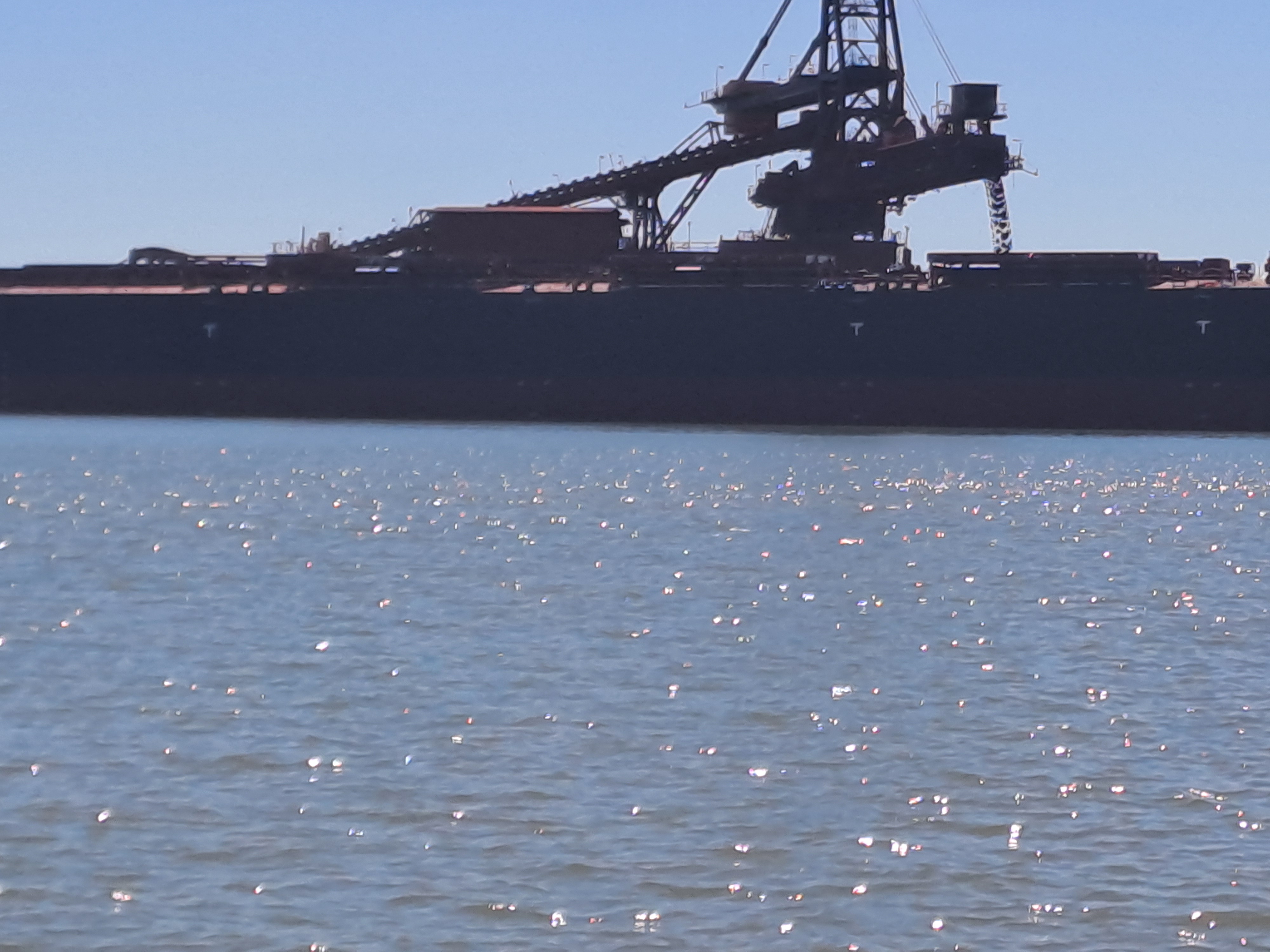
We heard about all the contingency plans in place for emergencies. Also apparently if a cyclone or similar bad weather comes in, all the ships have to leave the port and manage for themselves at sea. This is much safer. The weather forecasting will ensure they are well out before the weather hits.
While on our trip the other group on our tour did a shopping delivery for someone unable to leave the ship.
That was it really for Port Hedland a place with one big purpose, shipping minerals.
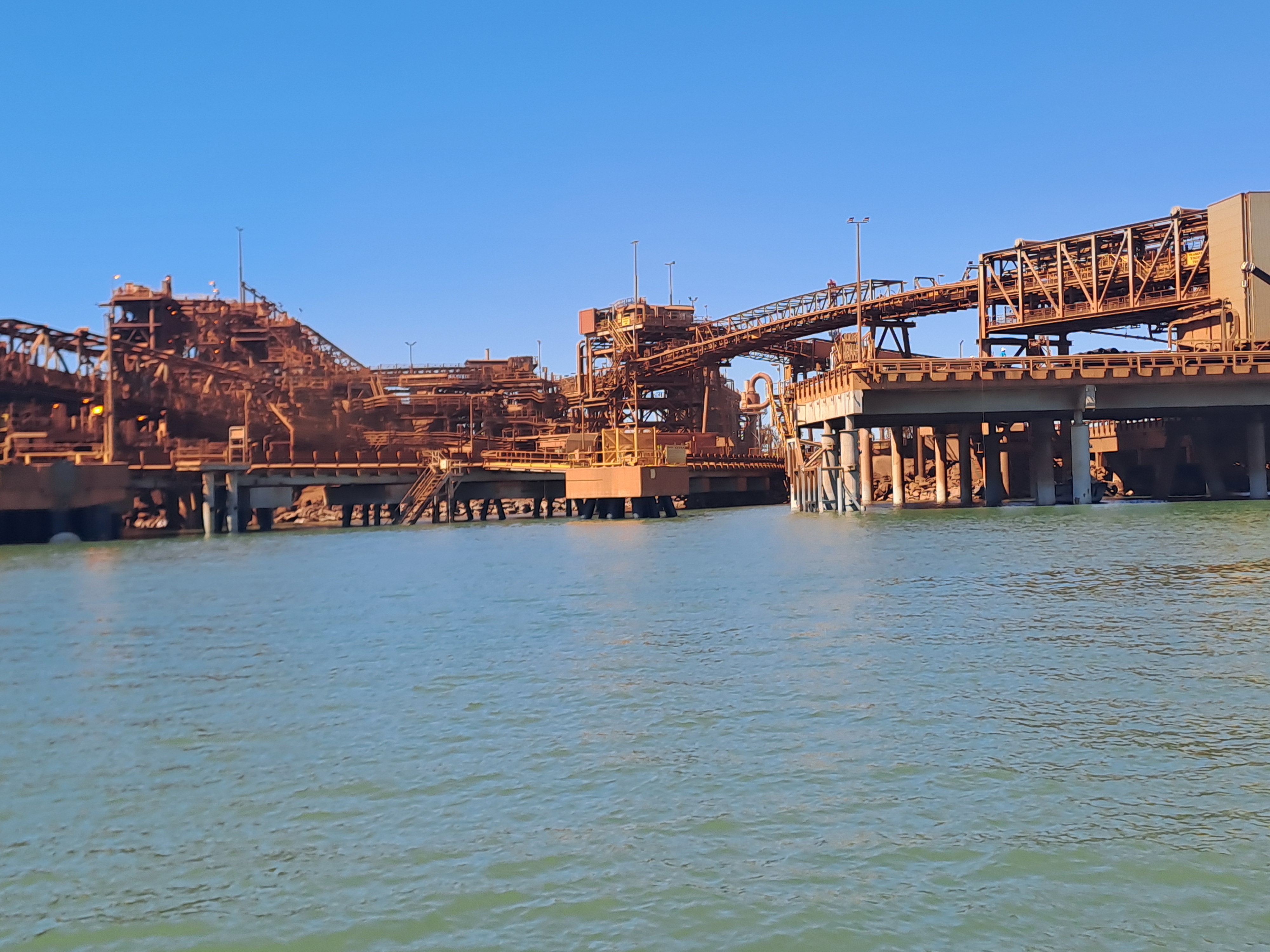

Our next destination was Karijini National Park quite the oppositeof Port Hedland. However, it is linked through the geology of the area. The road there was the busiest we’ve seen with a constant stream of road trains passing us in the opposite direction loaded with iron ore.
We passed several mines along the way and the only town near the park is a mining town. The whole area is full of iron ore.
I’d been a bit worried about this part of the trip because when I first researched it I wasn’t sure if the roads in the park were sealed. However, it seems like they were all sealed a couple of years ago. The route to the park through it and out the other side and back to Route 1 all seemed sealed and OK.
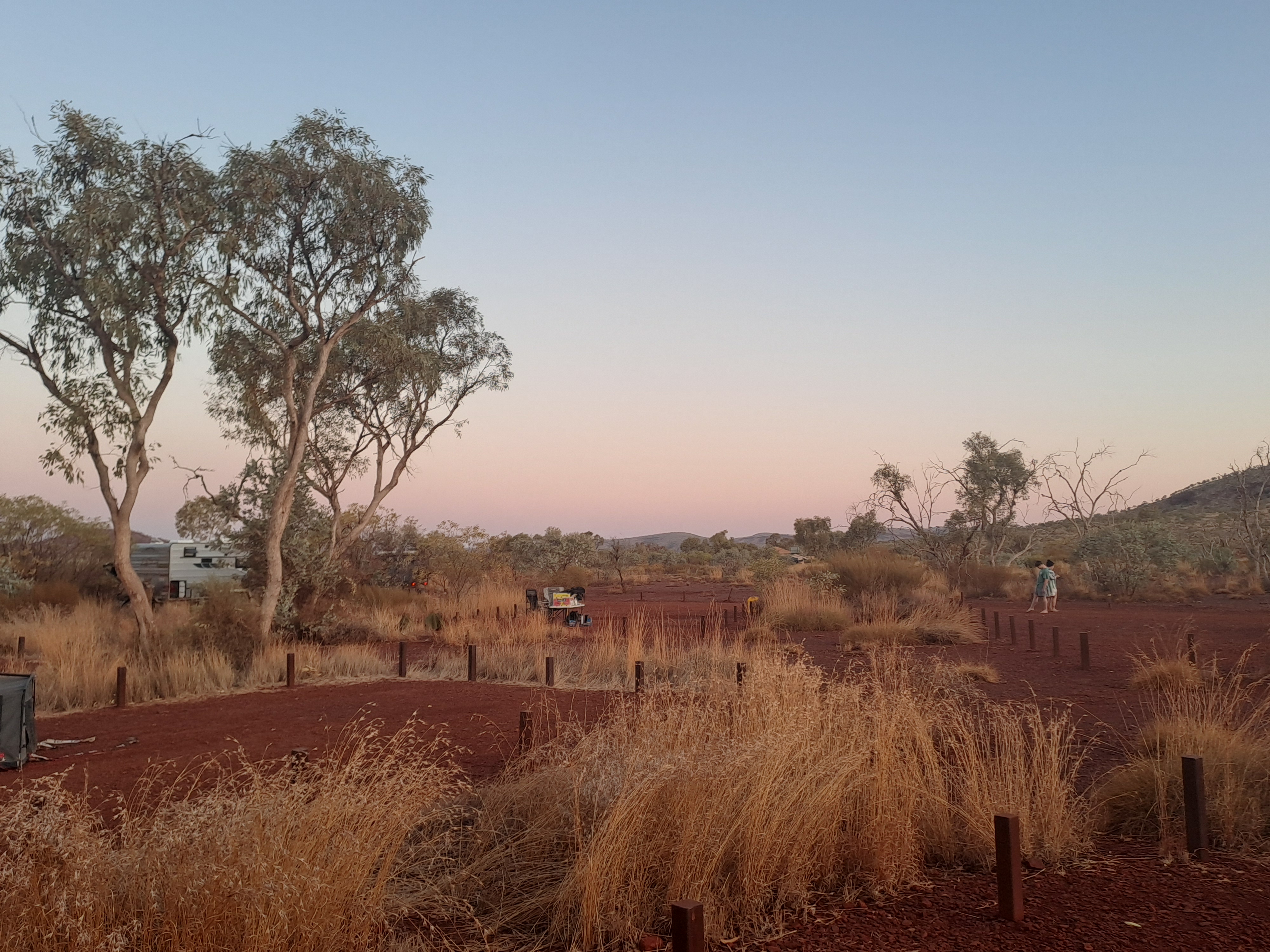
We found a delightful campsite at Dales Campground and were fortunate to have booked as it was full. The camp hosts are volunteers who consider themselves lucky to have a lifestyle camping at various national parks for a month or so at a time.
The next day we had a wonderful day enjoying the park. A set of steel steps took us down into the gorge, where Ashley explored by people watching and I ventured further along the gorge.
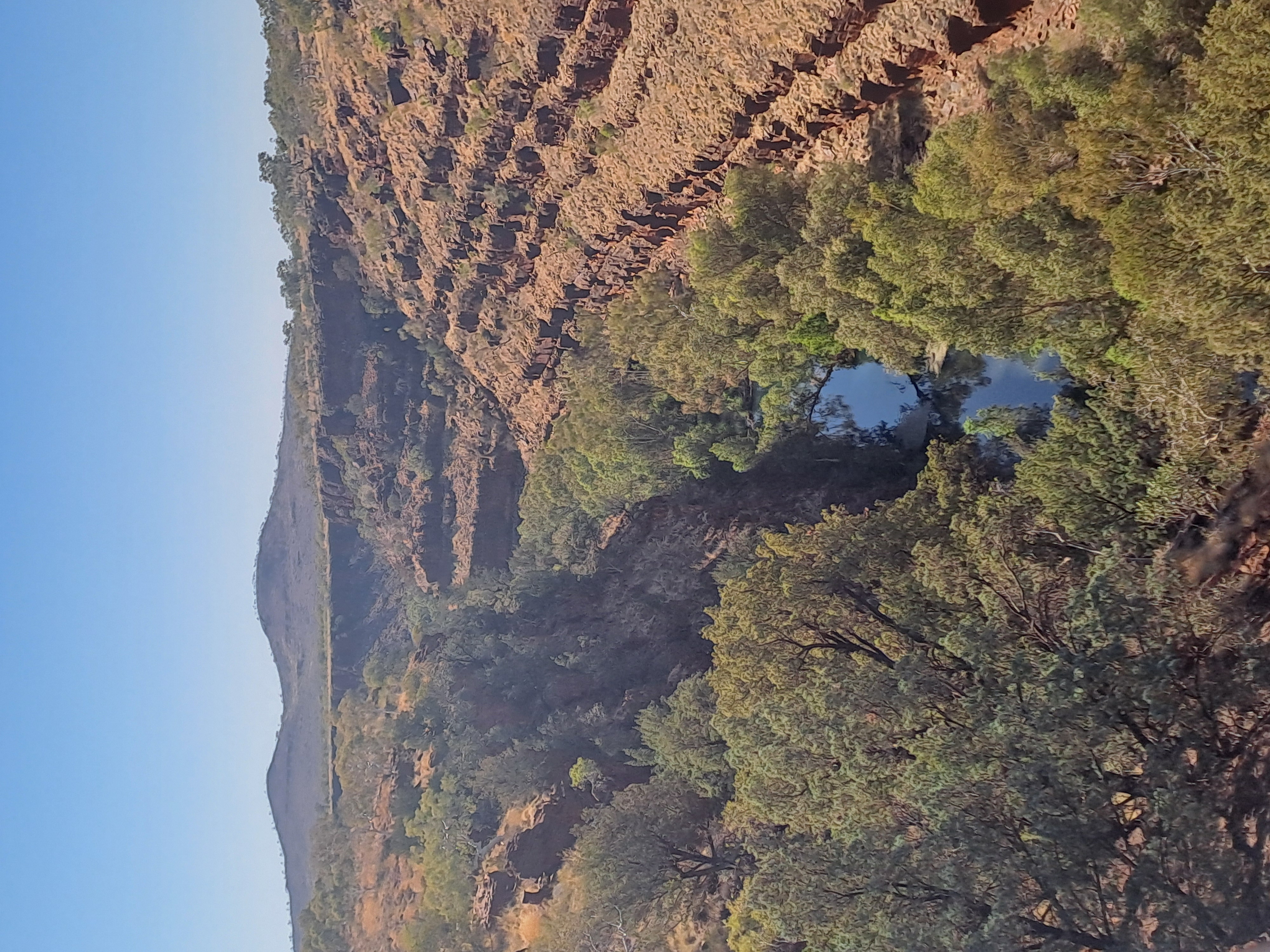
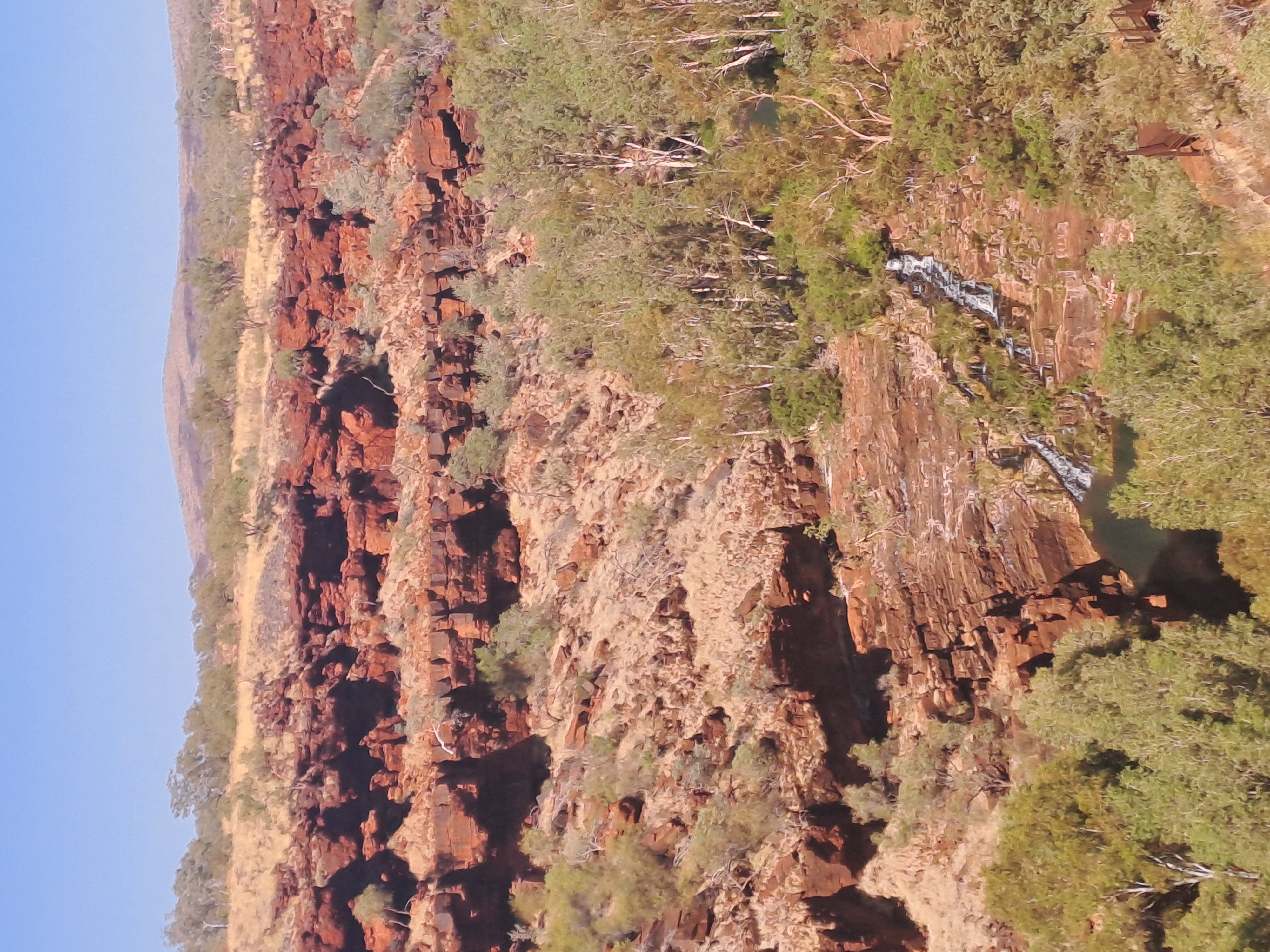
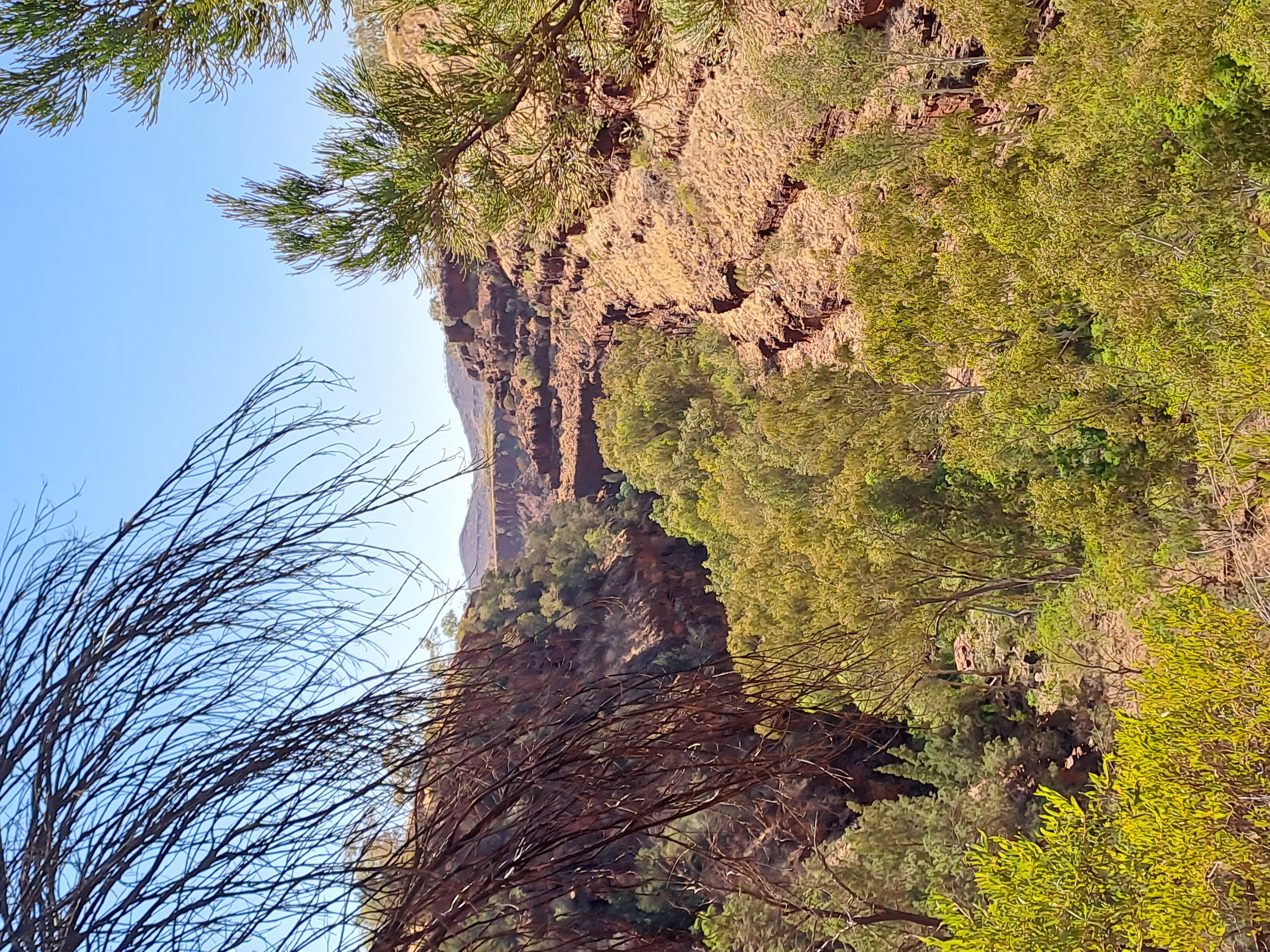
The short walk took me to Fern Pool a wonderful deep pool with a waterfall to swim too.
Several of us had been told this was an easy walk which in someways it was but it had big roots and rocks to scramble over a bit which meant it didn’t meet the requirements for easy.
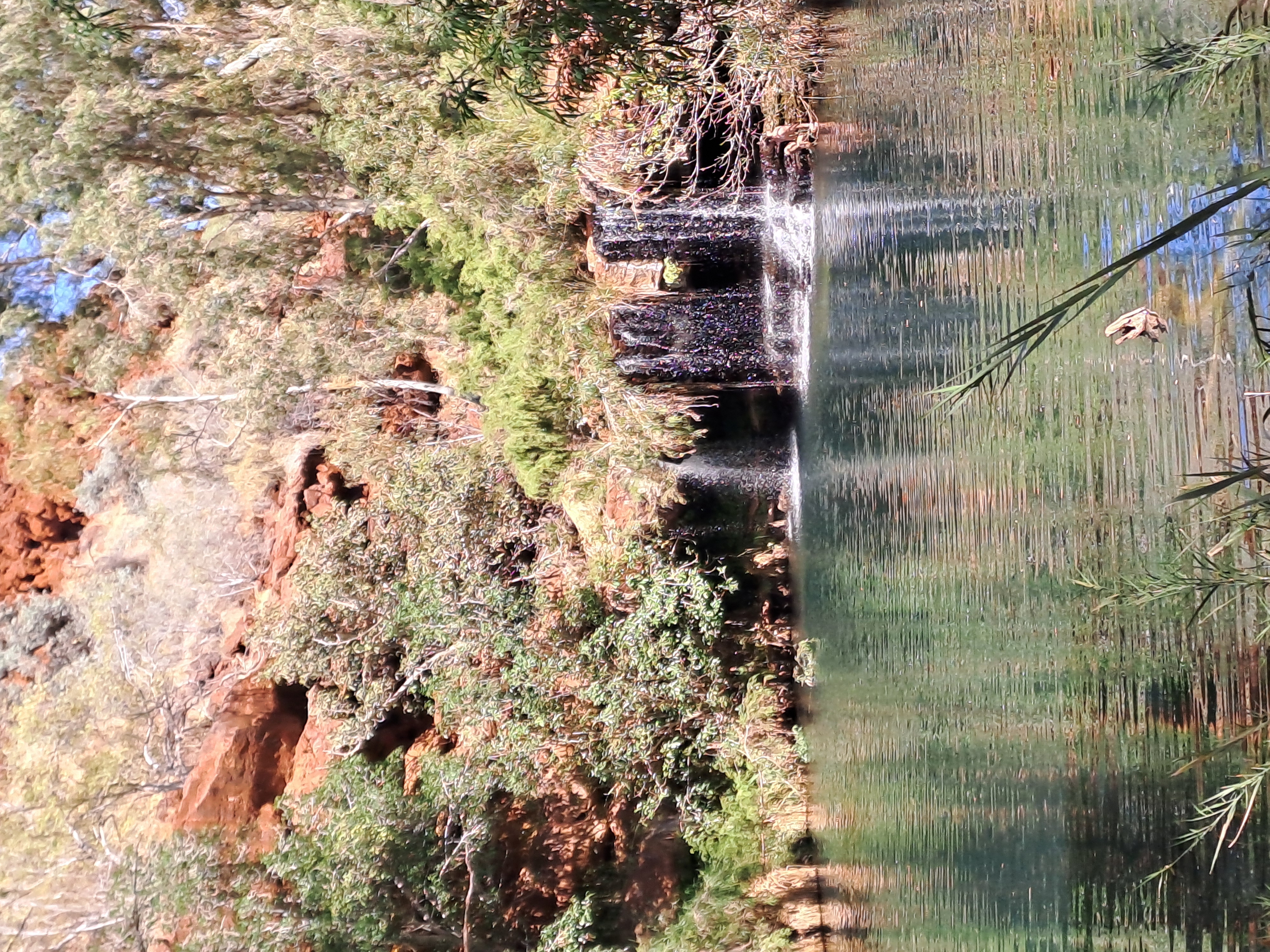
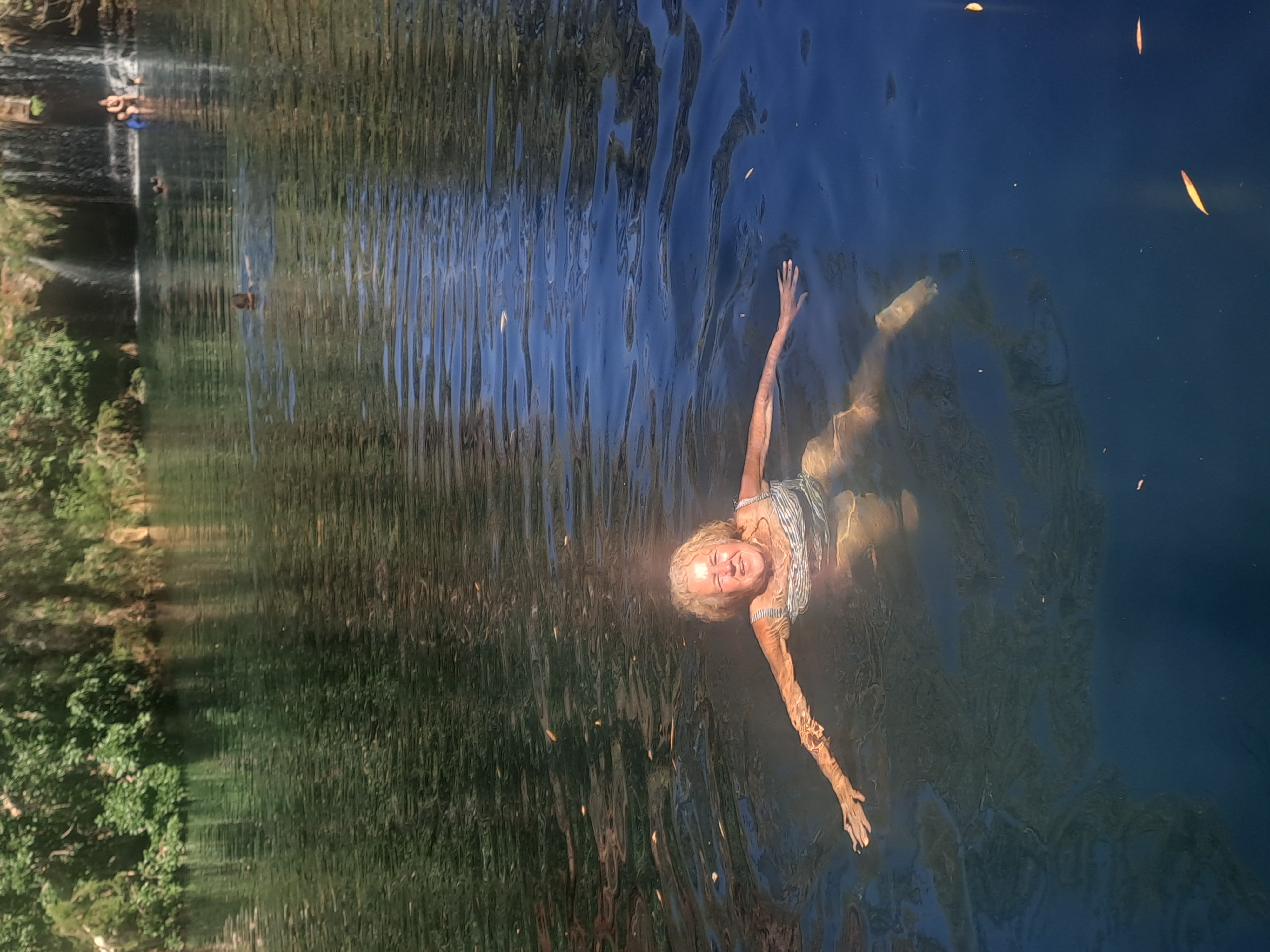
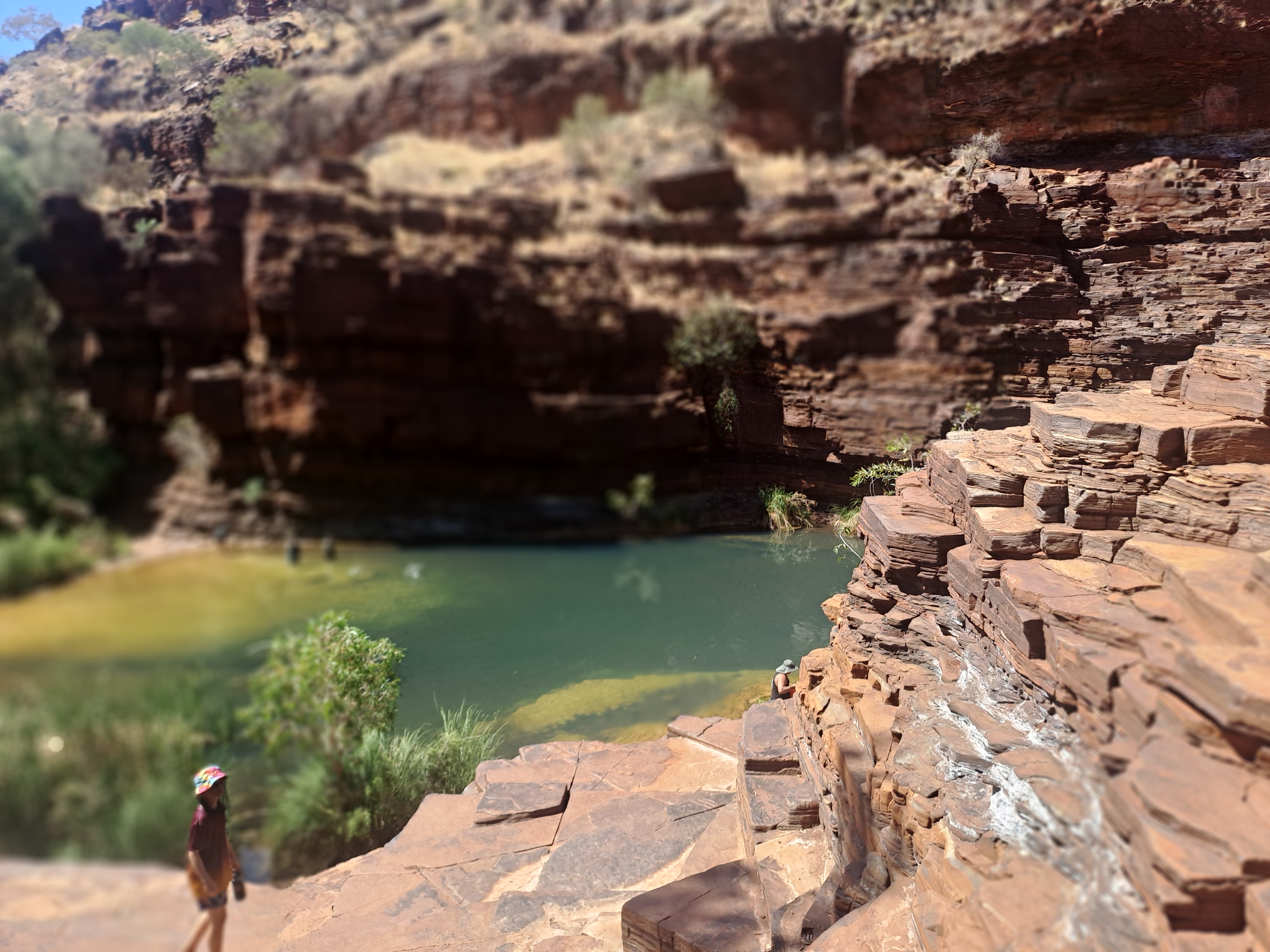
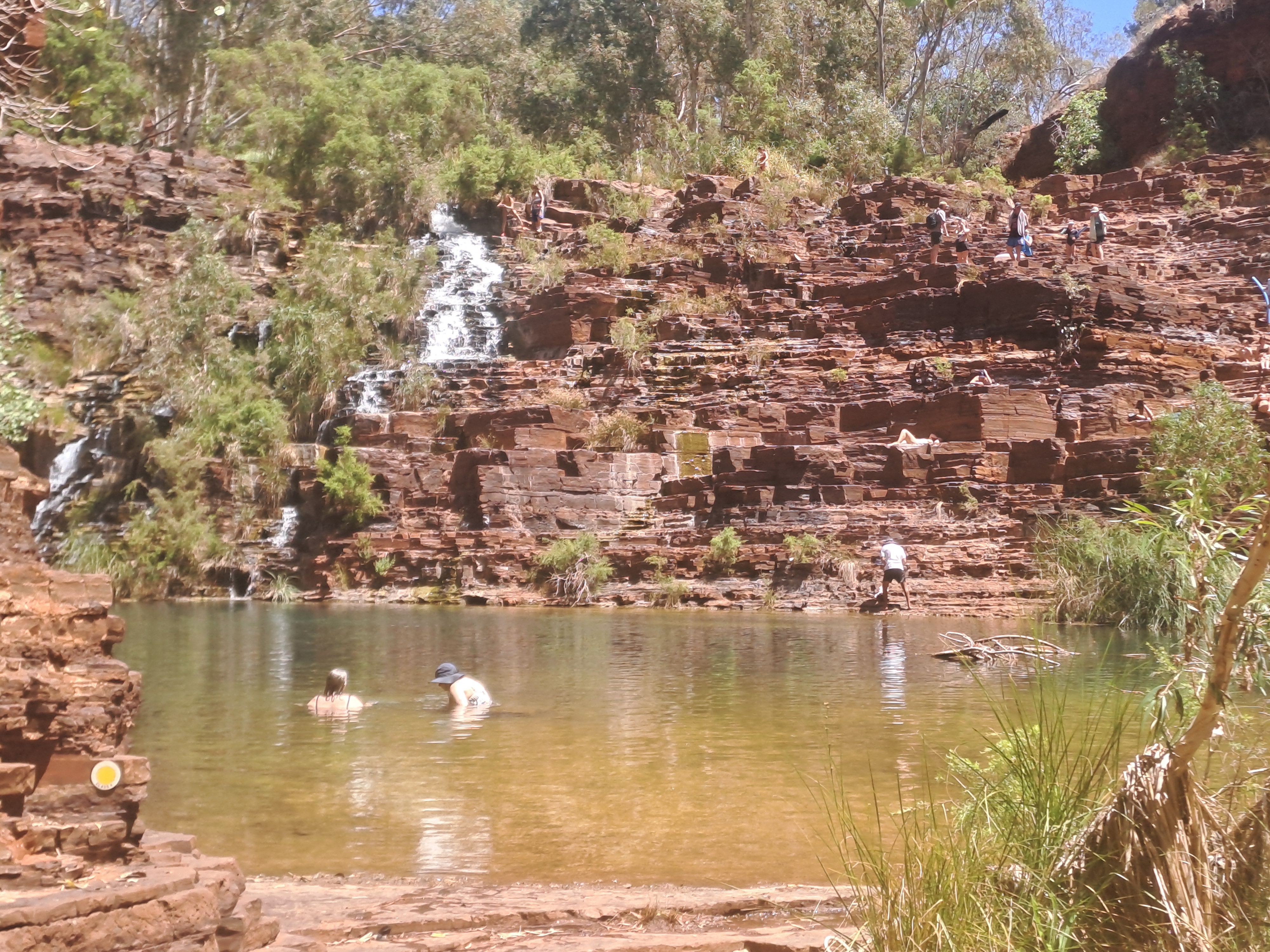
At first I was reluctant to try the walk in the other direction because of the time allocated for it in the guide. In the end I decided to go part way and back. It was a fun walk with stepping stones through pools and a bit of a scramble in places. I was glad I’d put my shoes on at the start due to snake warnings. This was definitely a shoes not sandles walk.


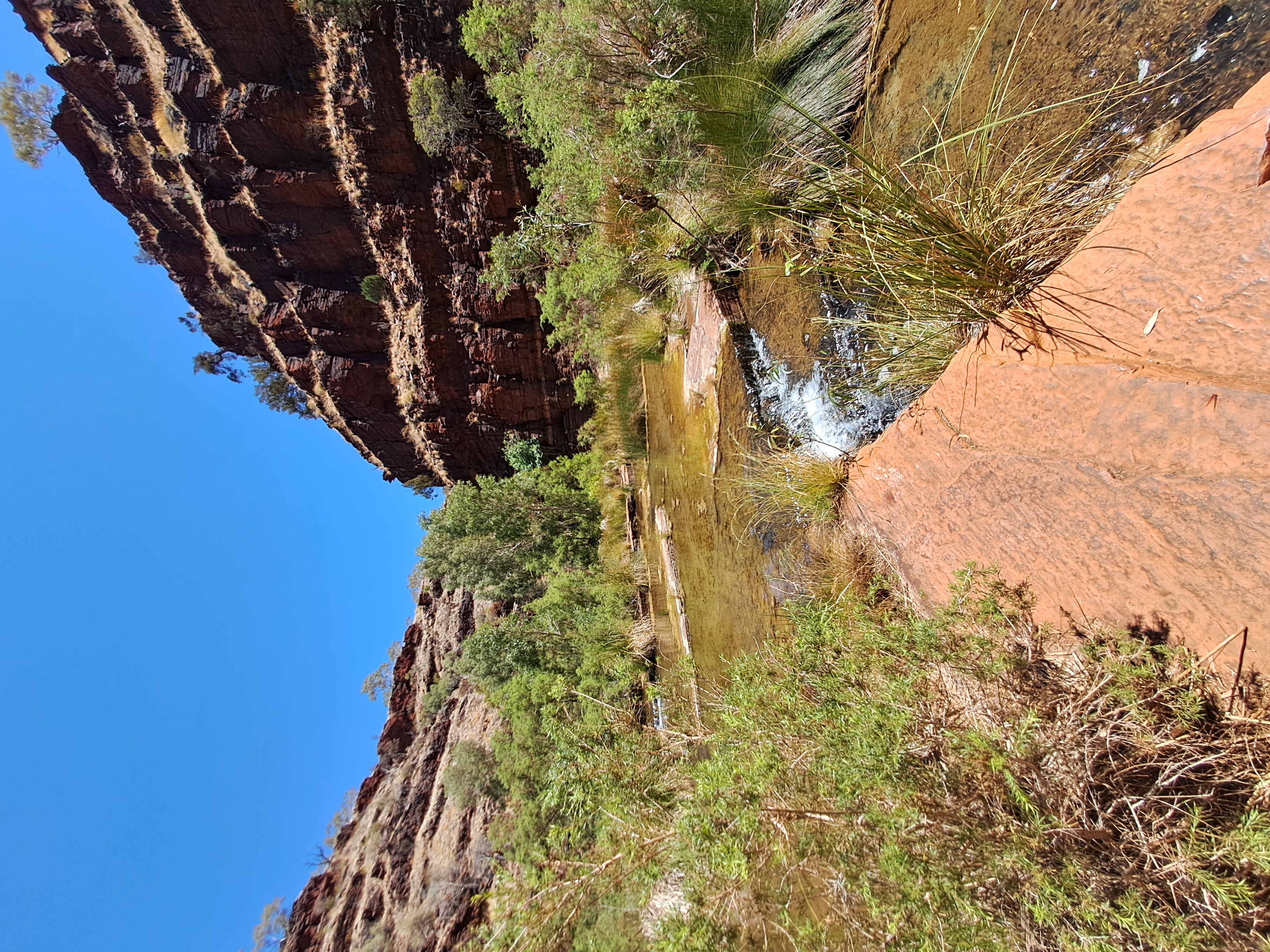
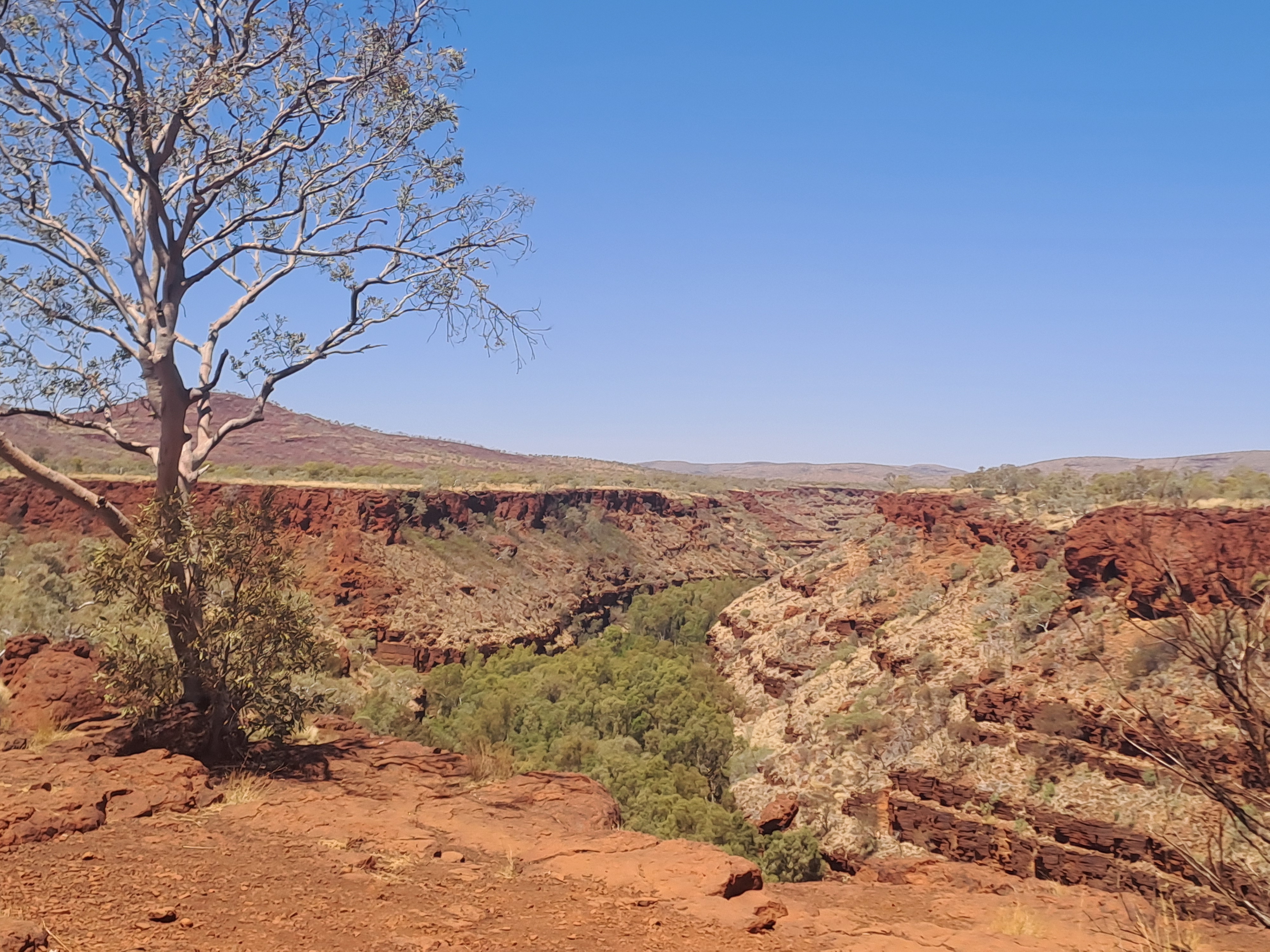
At the end of the walk at the bottom I decided I would complete the loop as it had taken a lot less time than expected. The scramble up the gorge didn’t look too much. Of course these things are always deceptive and the first scramble and then the iron ladder were only part way, but I was committed by then. So I completed the journey up, deciding looking down wasn’t a good idea till I was at the top.
A walk along the top, including several scrambles up and down gullies and I returned to Ashley. After that I needed a quick swim to cool down and recover ready for the climb back up the steps to the top.
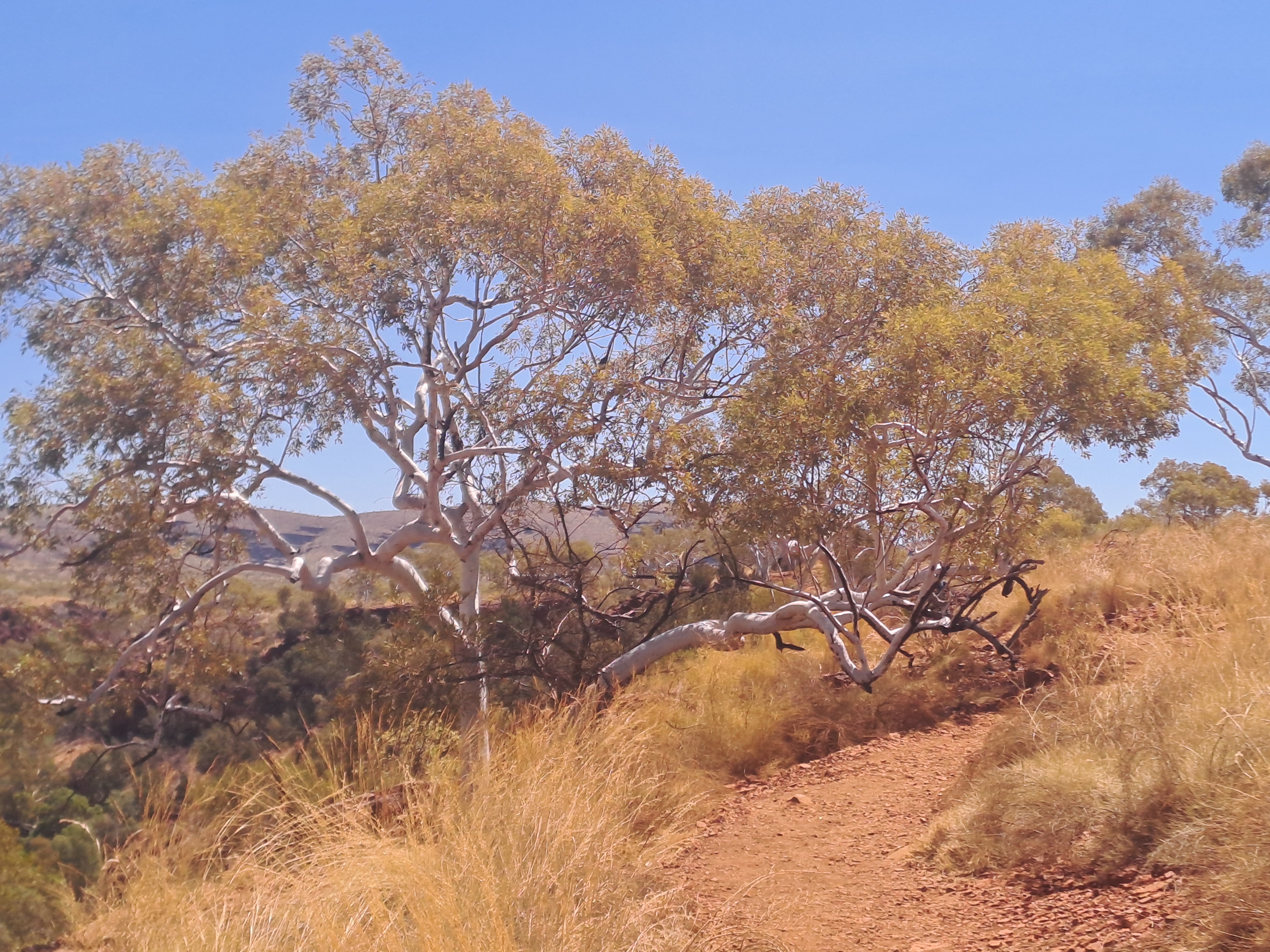


Next day we were back on the⁷ road aiming for Nanutarra Roadhouse with Ashley having fantasies about their advertised all day big breakfast. We headed to Tom Price the mining town for petrol and then the highway. This is where we had a nasty surprise – gravel road. I knew I’d checked the route, but at this point the internet had gone so we had to retrace out drive back towards Tom Price hoping we weren’t going to travel a couple of days back the way we’d come. Thankfully we found there was a sealed route through which is what I’d found before, but we had to do a slight detour around the unsealed section of the highway. What a relief – big breakfast still on.
We made it to the Roadhouse OK and only lost about an hour on our wrong direction at the start.


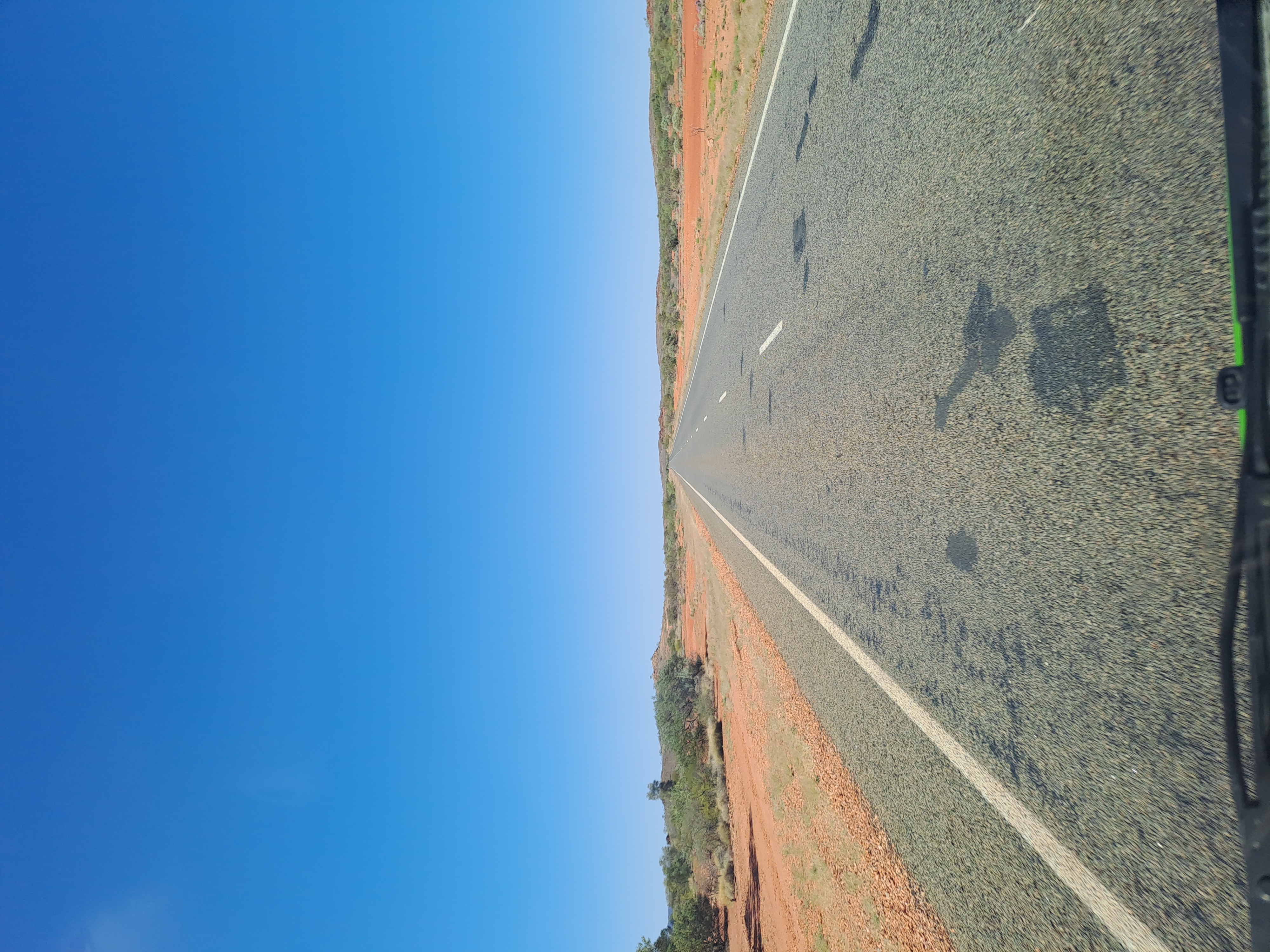
After the roadhouse we headed for Exmouth and the National Park, Ningaloo reef and sanctuary. We’d allocated this bit as a beach holiday for a few days. This was all beautiful beach and okay in the main for swimming bar couple of places with strong currents. We stayed at Yardie Homestead a wilderness campsite on the opposite side of the headland to town and very laid back and relaxed.
It also had lots of birds quite confident around people, in fact I had to chase miner birds out of the van a couple of times.
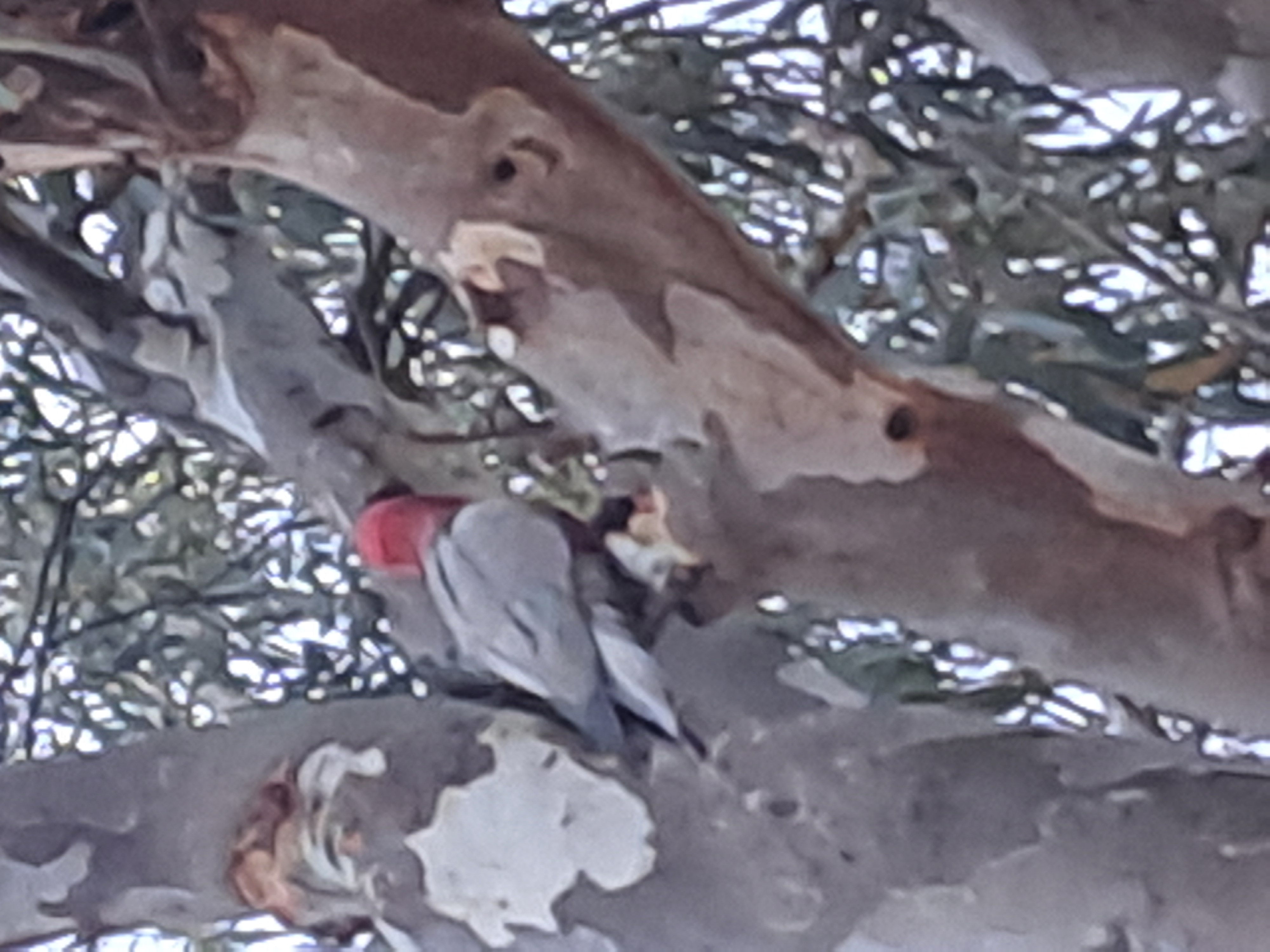

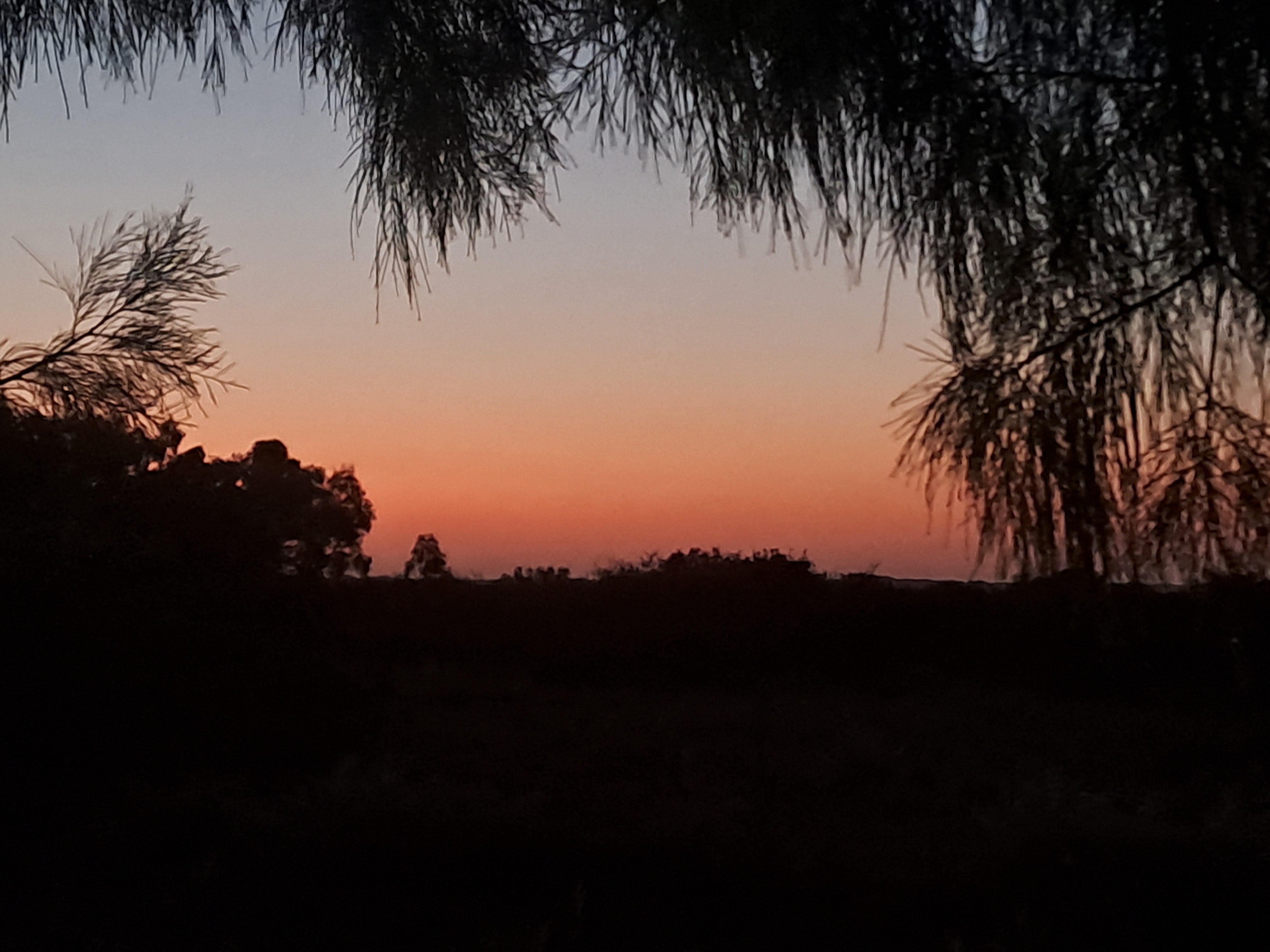
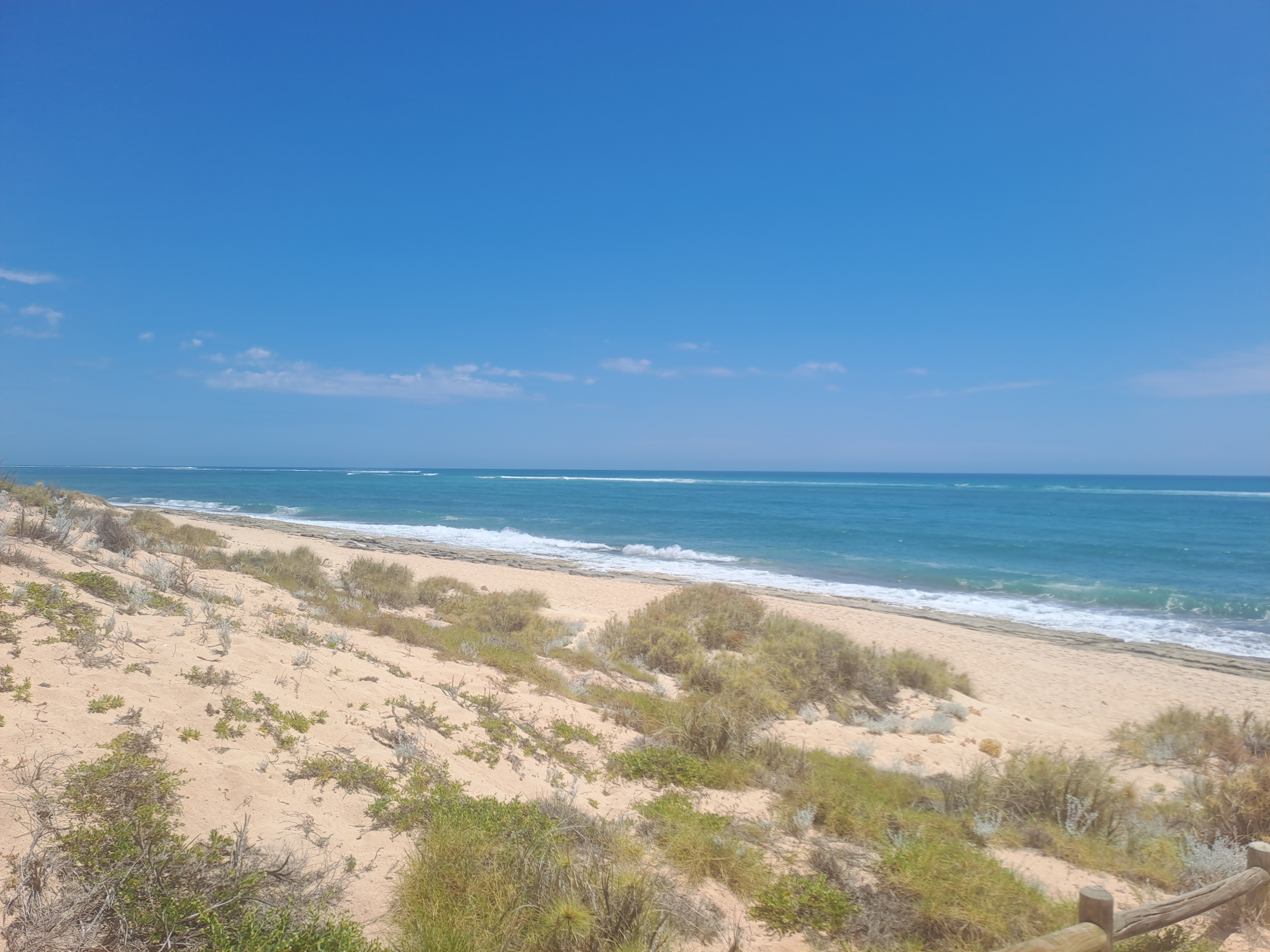

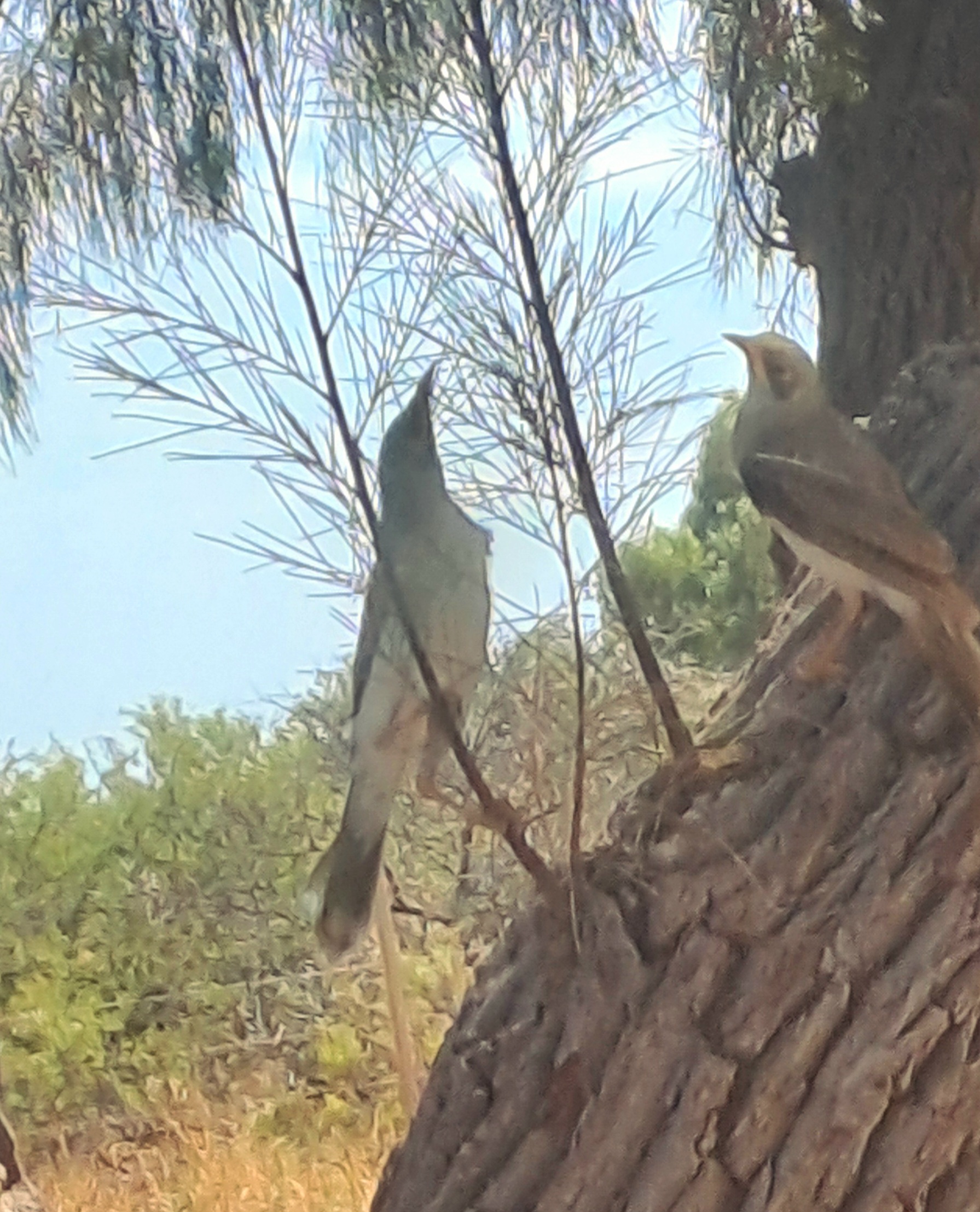
The first day we visited the visitor’s centre and I left Ashley there next to the shop (supply of food and drink) and went off for another gorge walk at Mandu Mandu gorge.
The cliffs either side had Rock Wallabies and i spent a bit of time watching them before continuing.


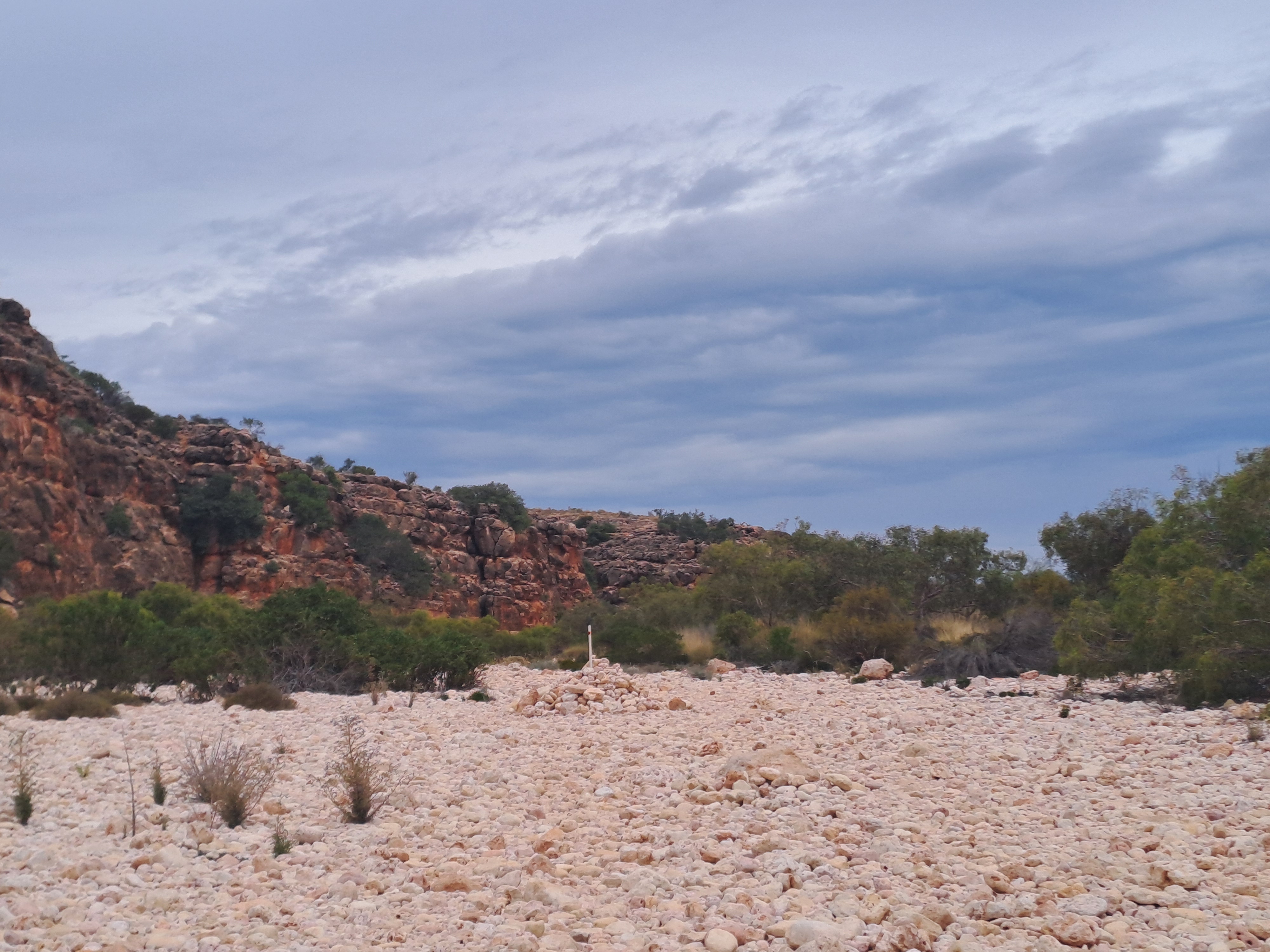
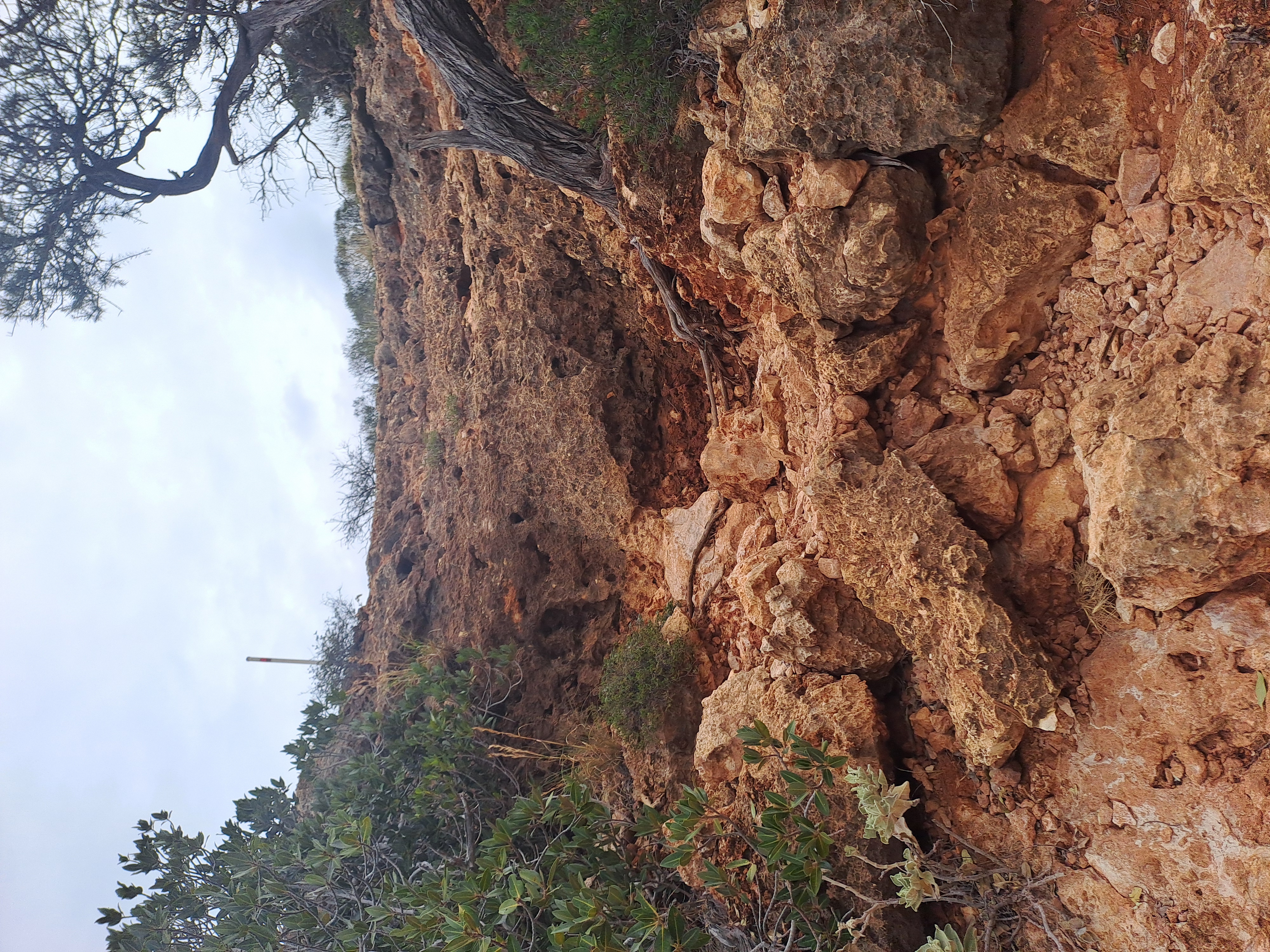
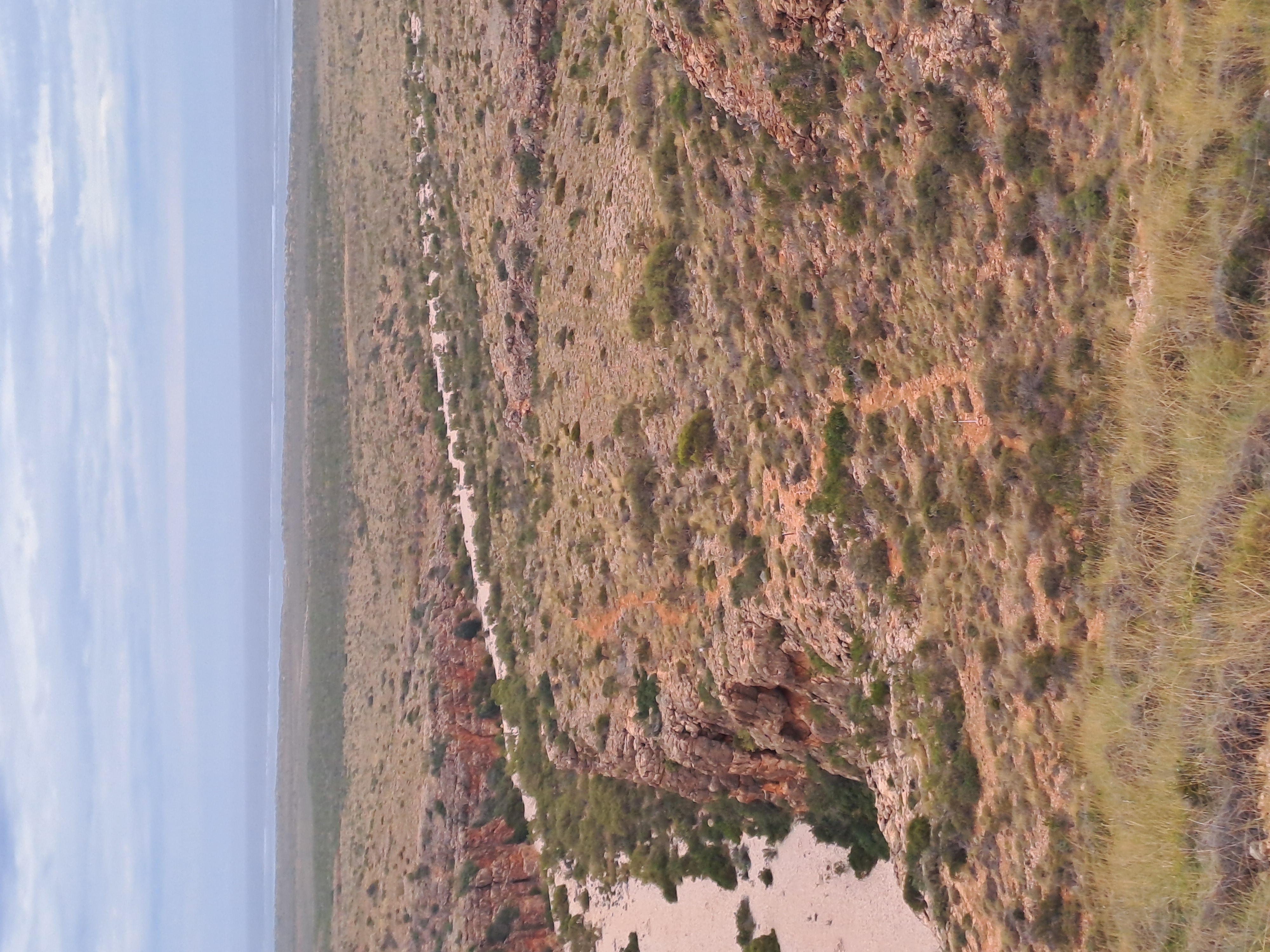
The online guide warned of a steep path up the gorge not a scramble up the rock. However, the view from the top was great even if the path seemed to disappear off the edge at one point, after that it was an easy route back to the van and the ice-cream with Ashley at the visitor’s centre.


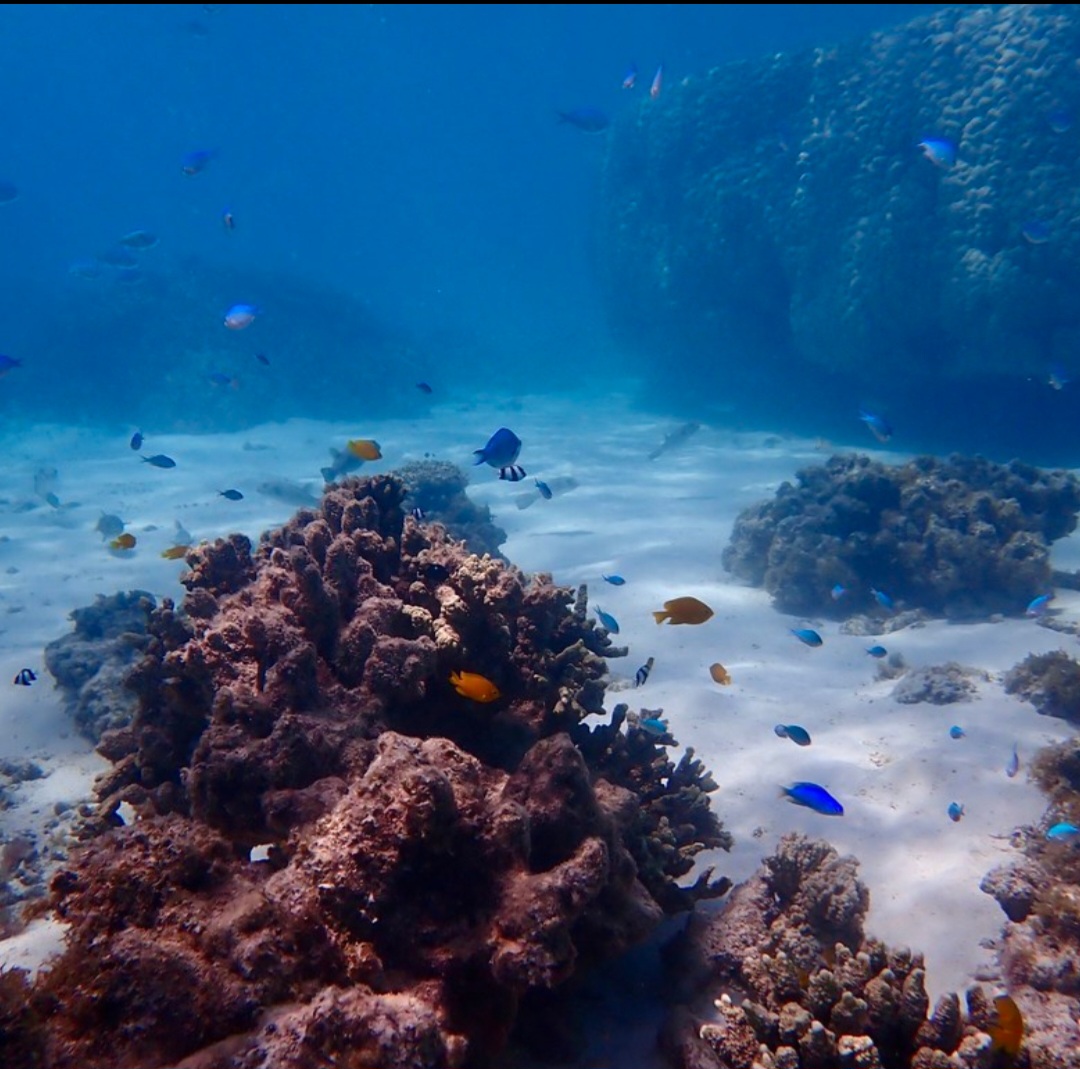
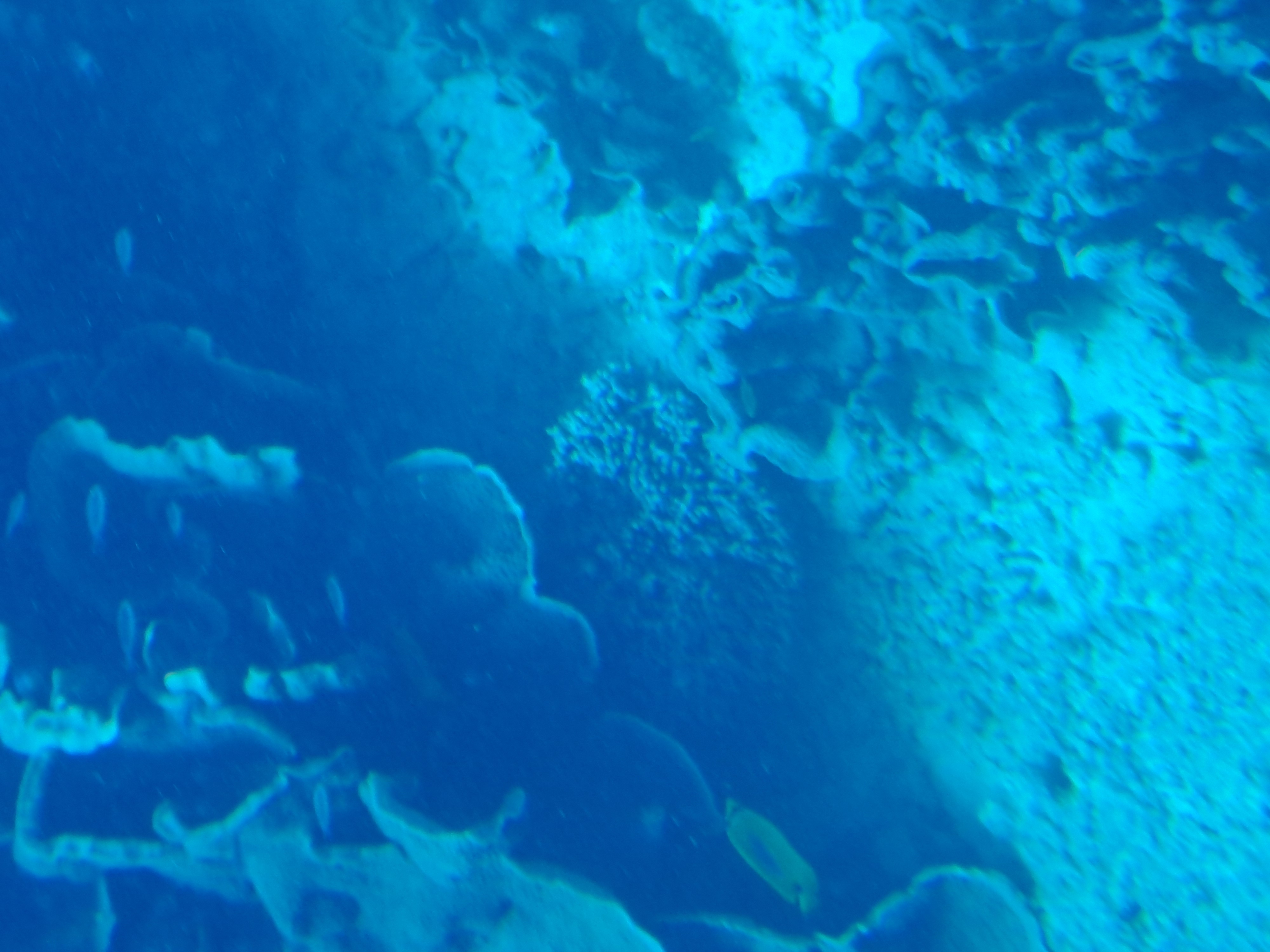
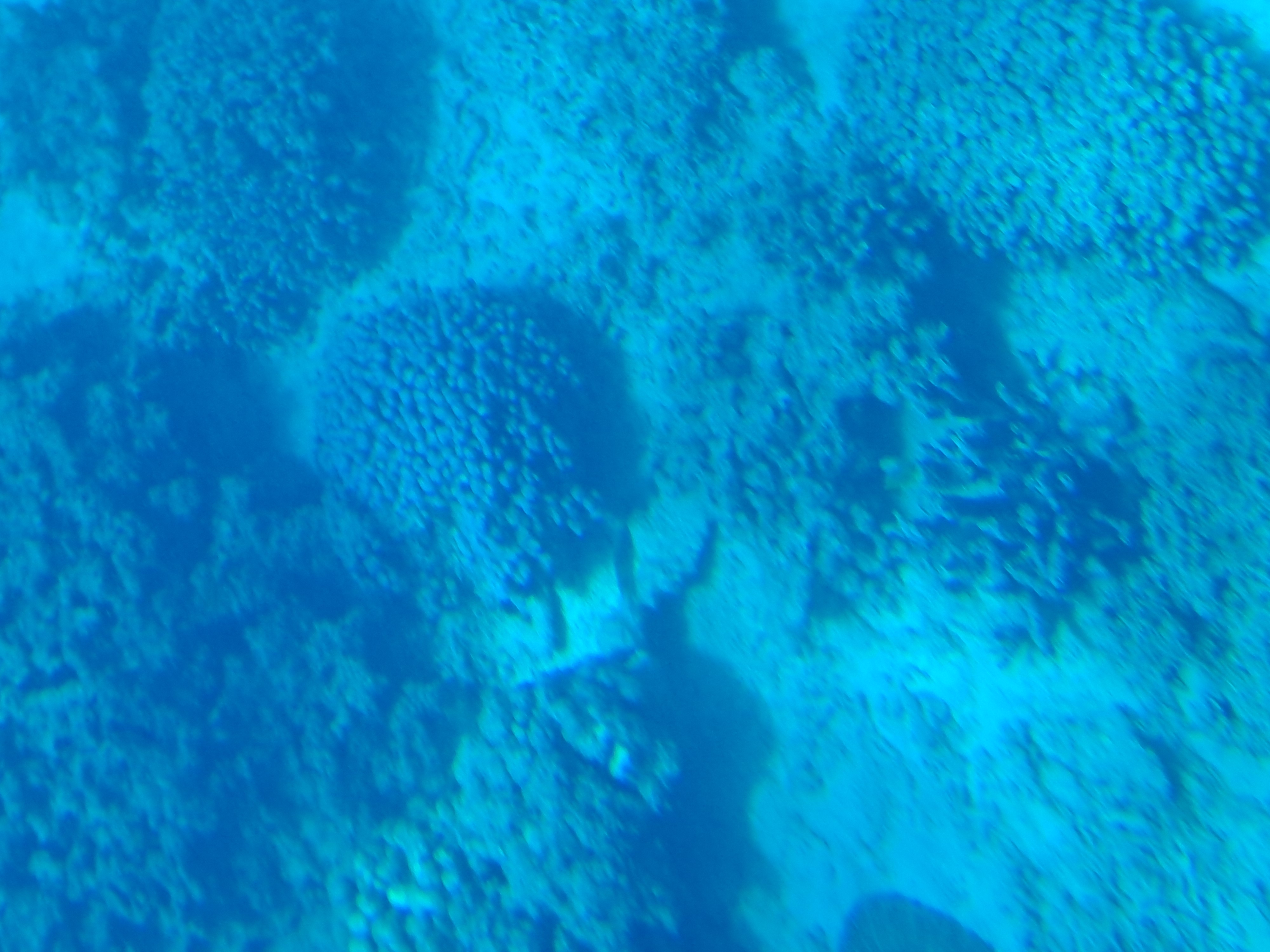
I was looking forward to the next day snorkeling on the Ningaloo reef. It’s close to land, so this was just swimming out from the beach and drifting along with the current. The current could be quite strong so we could only go part way along the beach and then walk back and start again
I was very proud because I was the one who spotted the cushion sea star. The black thing in the last picture is an octopus.

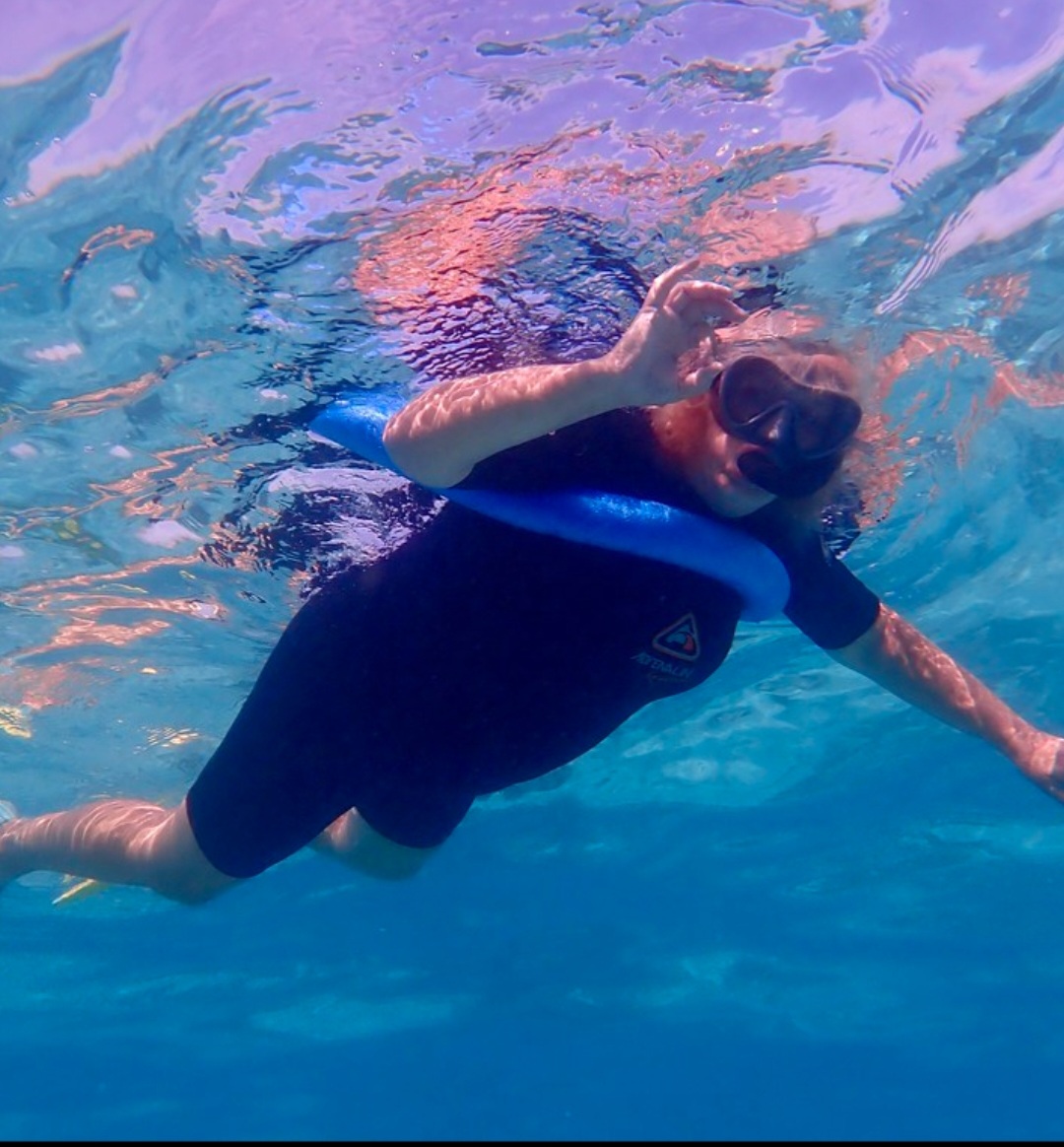


We also saw stingrays and clown fish amongst other things a wonderful morning along with morning tea between locations and lunch afterwards.
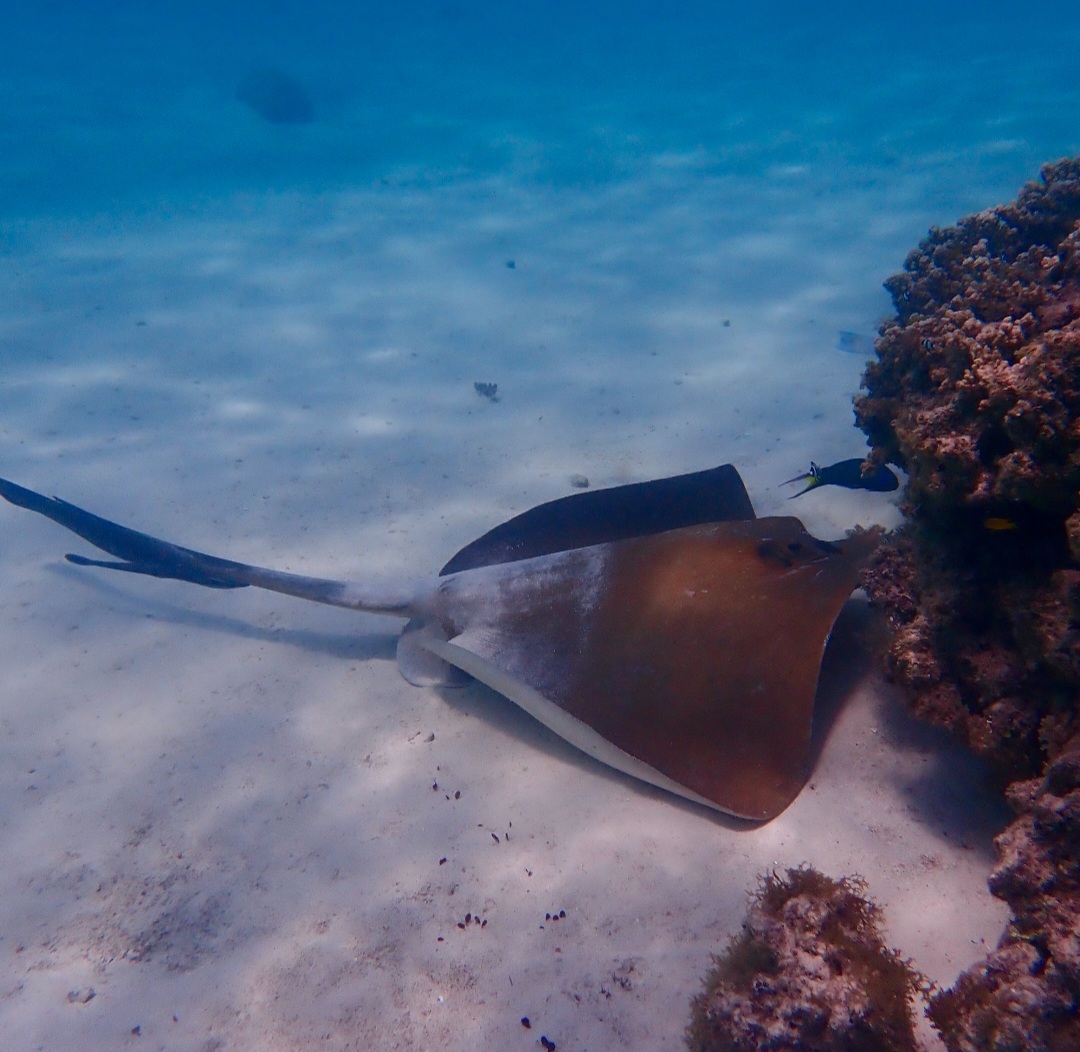


The following day we visited the reef further out in a glass bottomed boat. Unfortunately the view wasn’t so good but we saw a turtle and several larger fish.
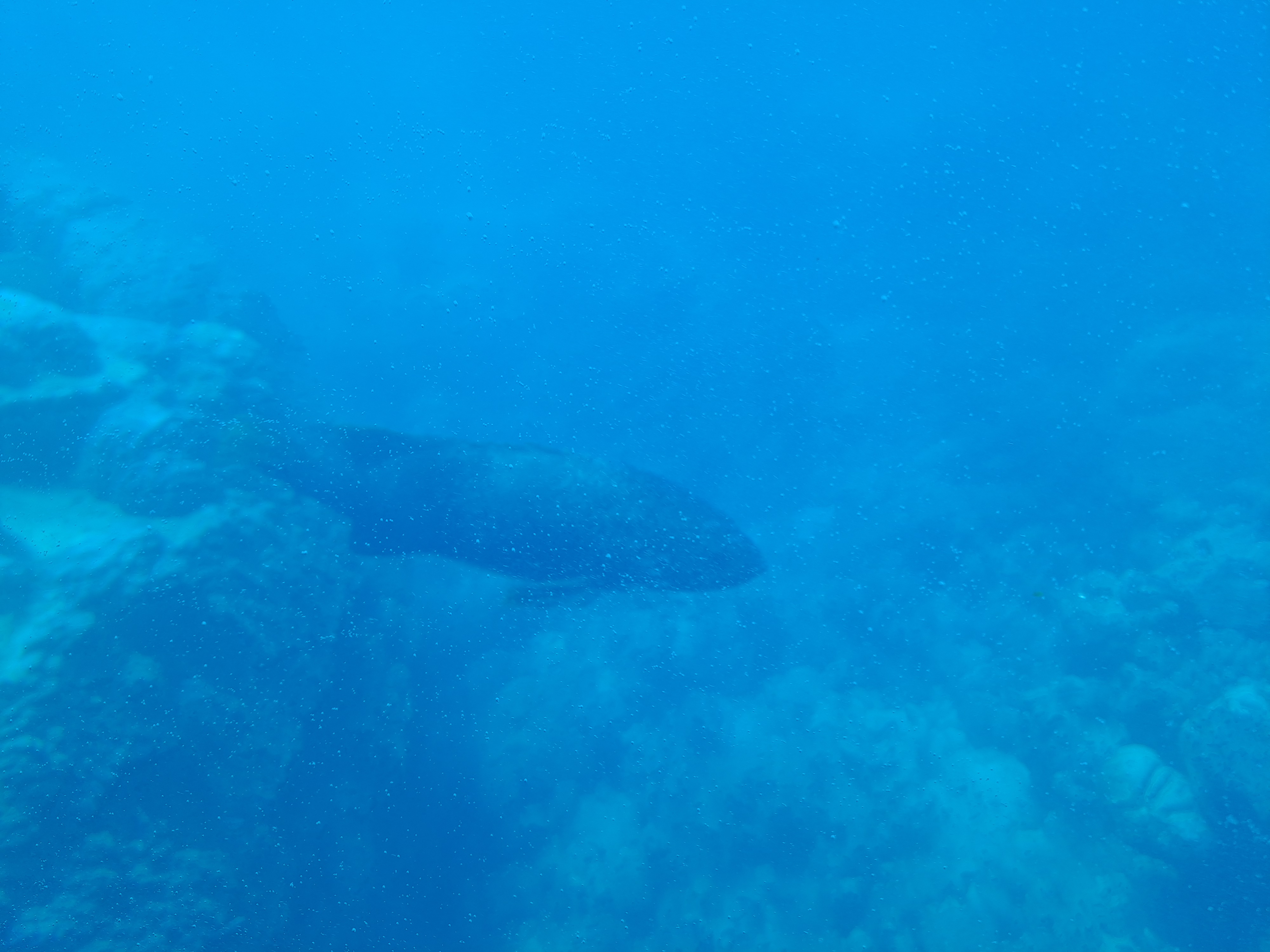
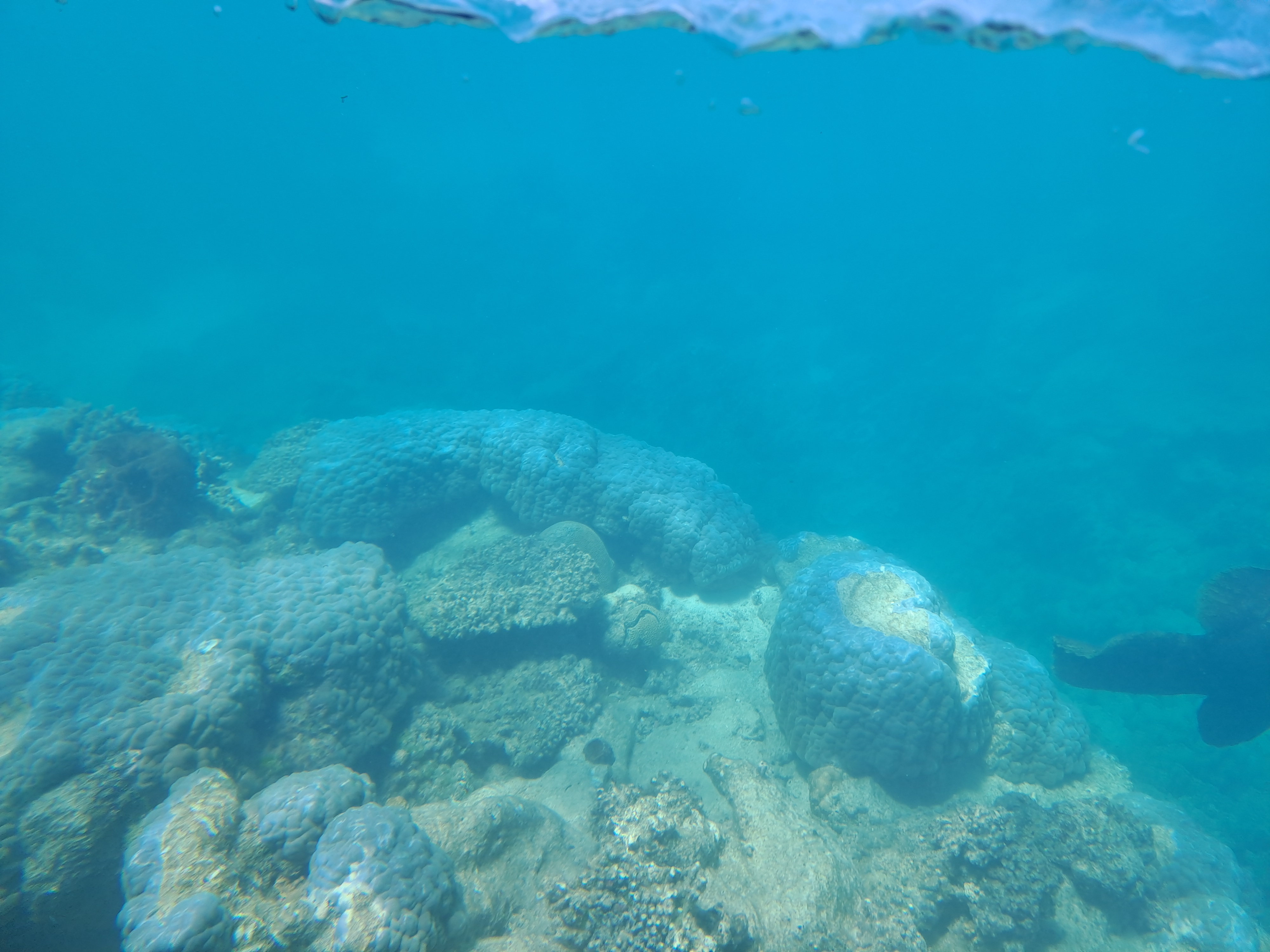


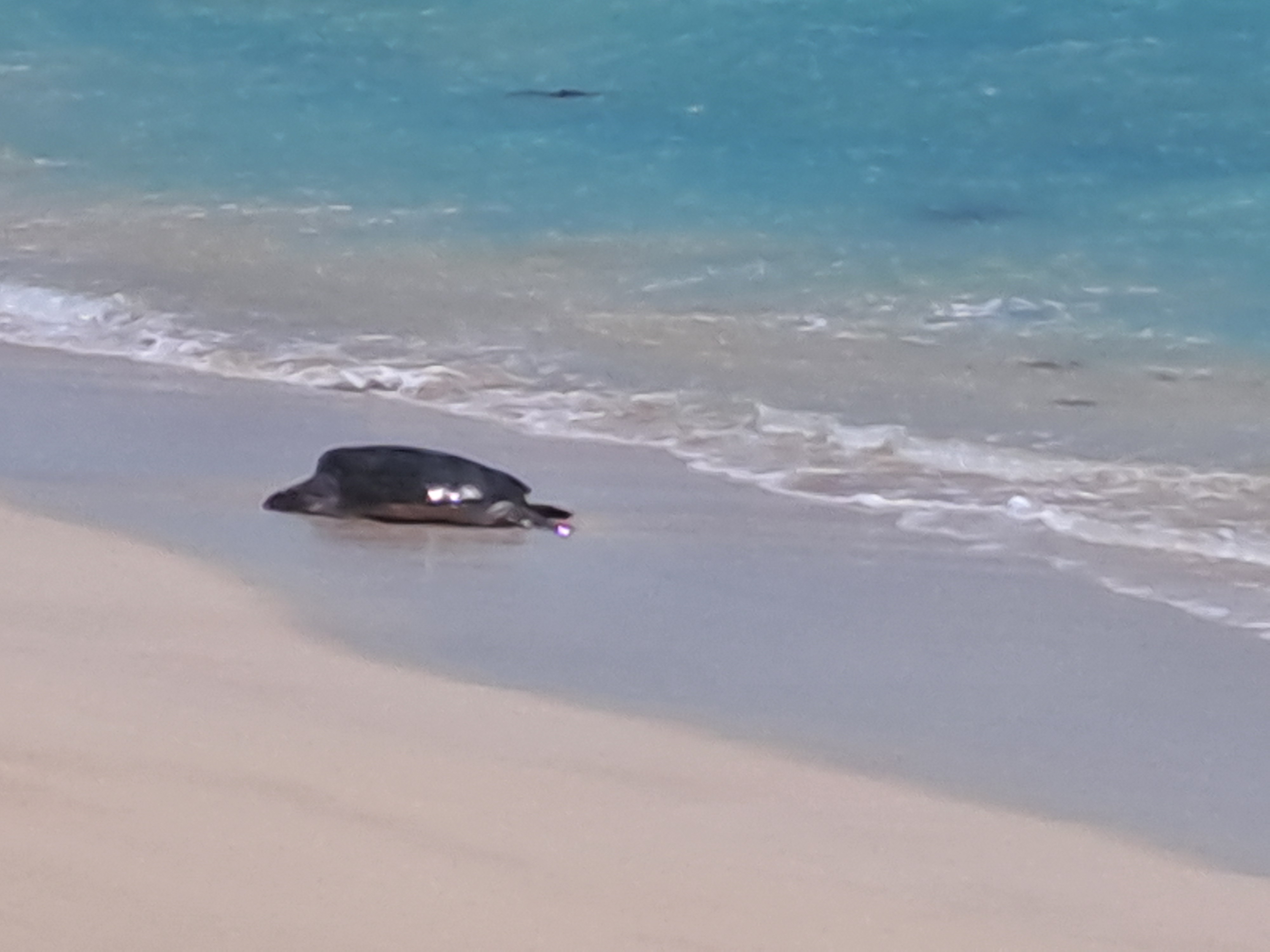
We also visited the local turtle beach. It’s is the mating season which is a bit frantic, so the females have to have time out on the beach every so often to recover. There were big signs up warning people to stay at least 15m away so as to not scare them back into the water too soon. In the water the dark shapes of swimming turtles could be made out close to the shore.

Our last day at Yardie Homestead we went for a boat trip on Yardie Creek, actually quite a drive down the coast. Another chance to see the wildlife including wallabies and osprey.
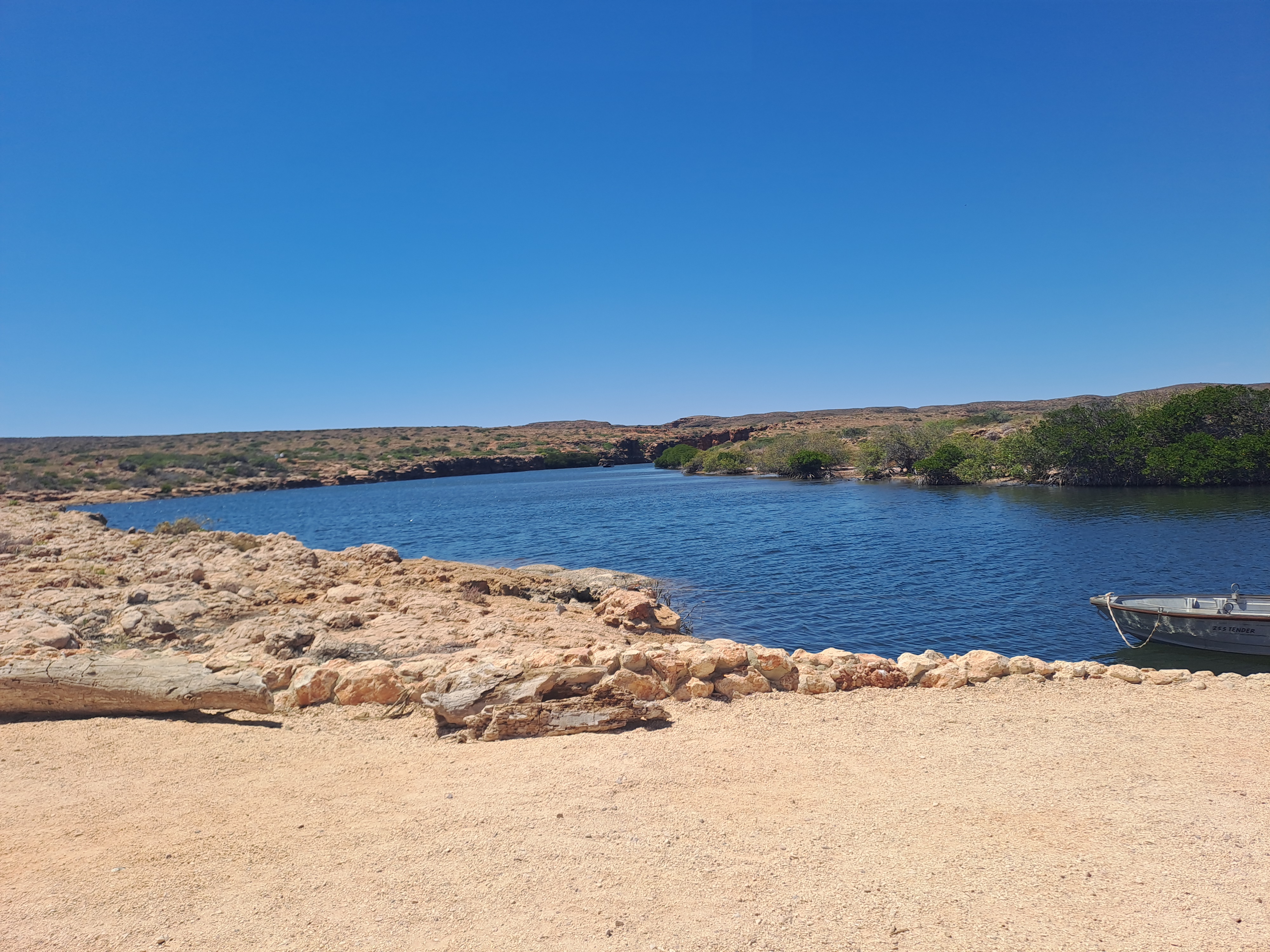


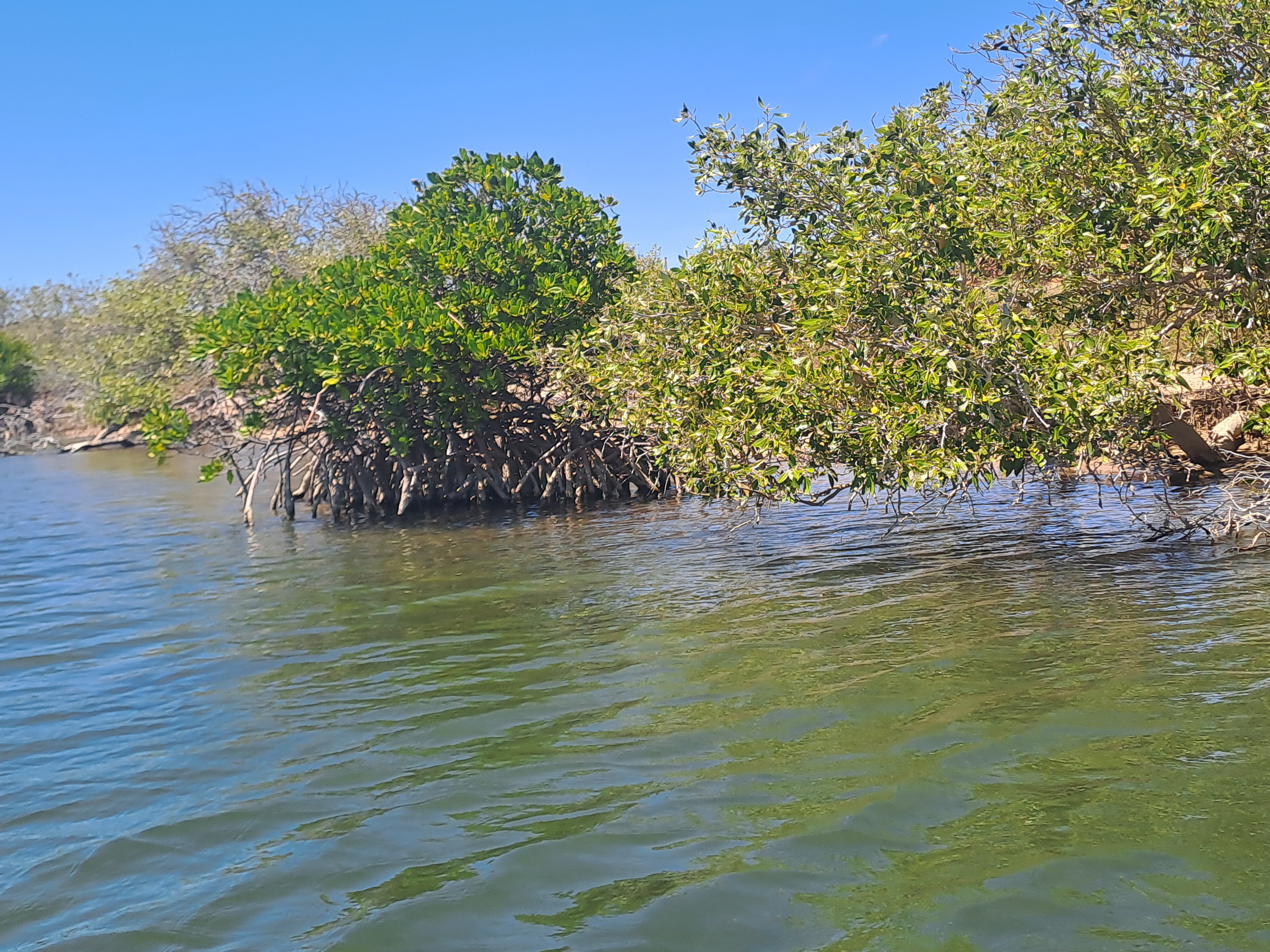
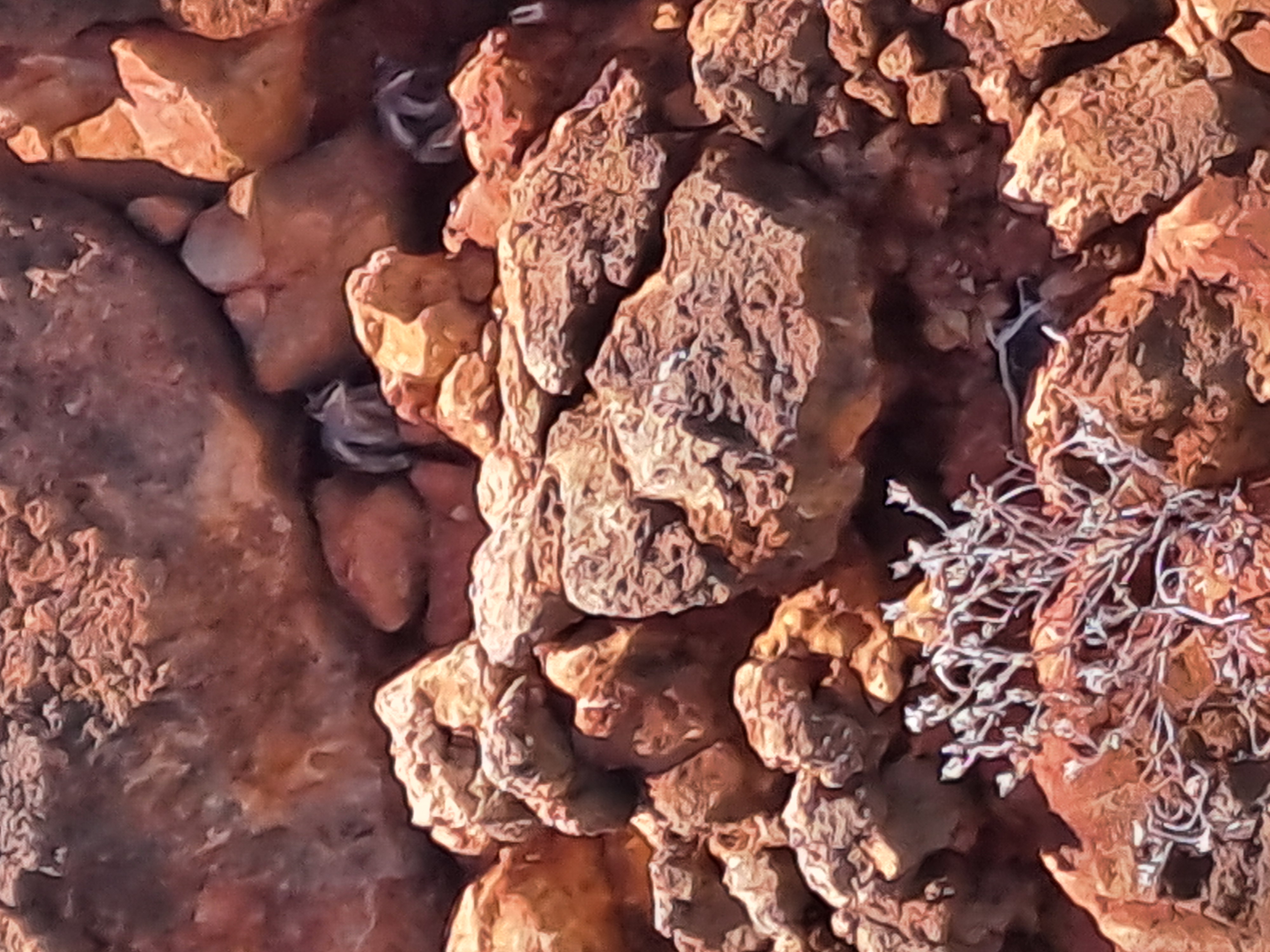

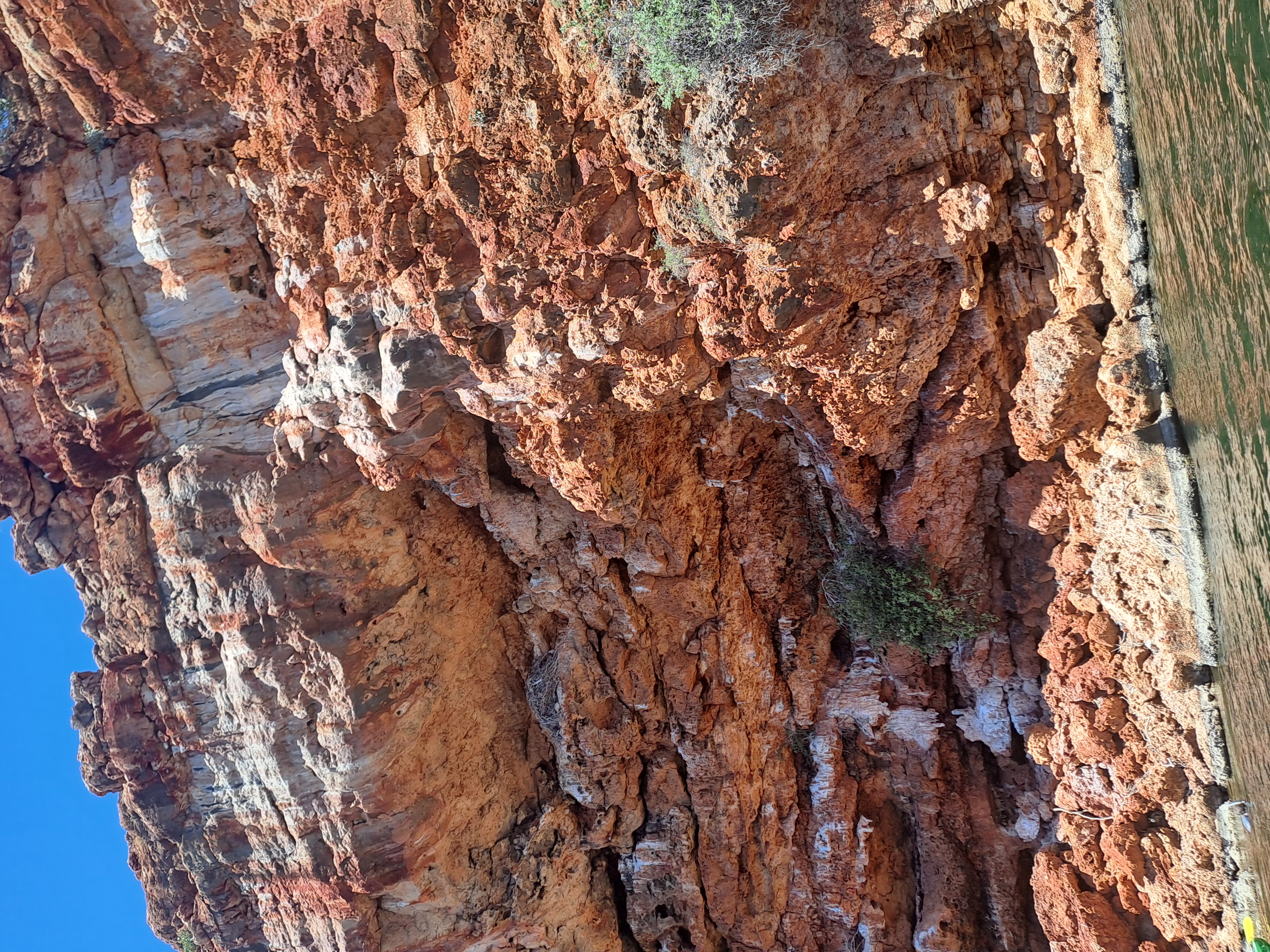
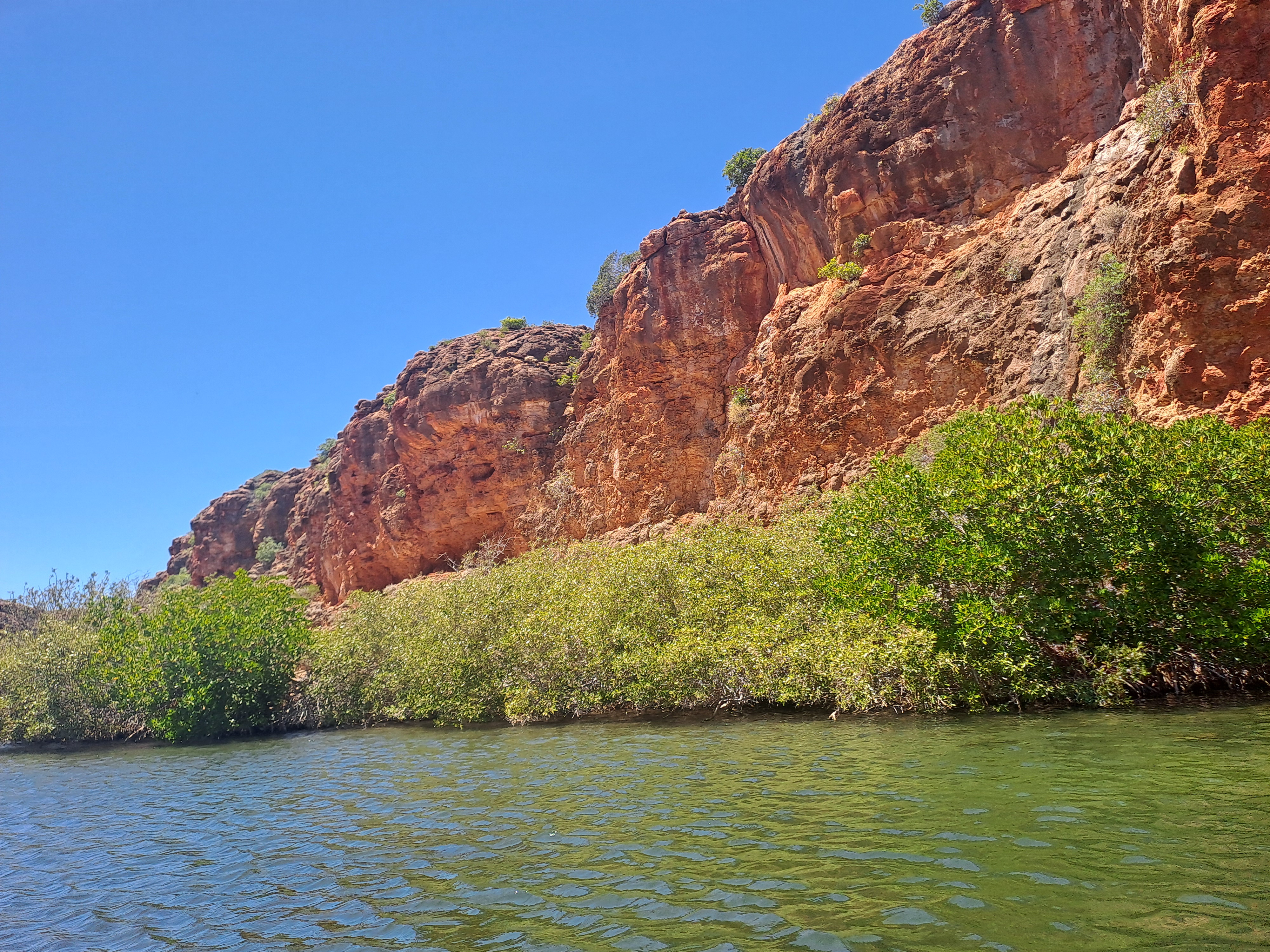
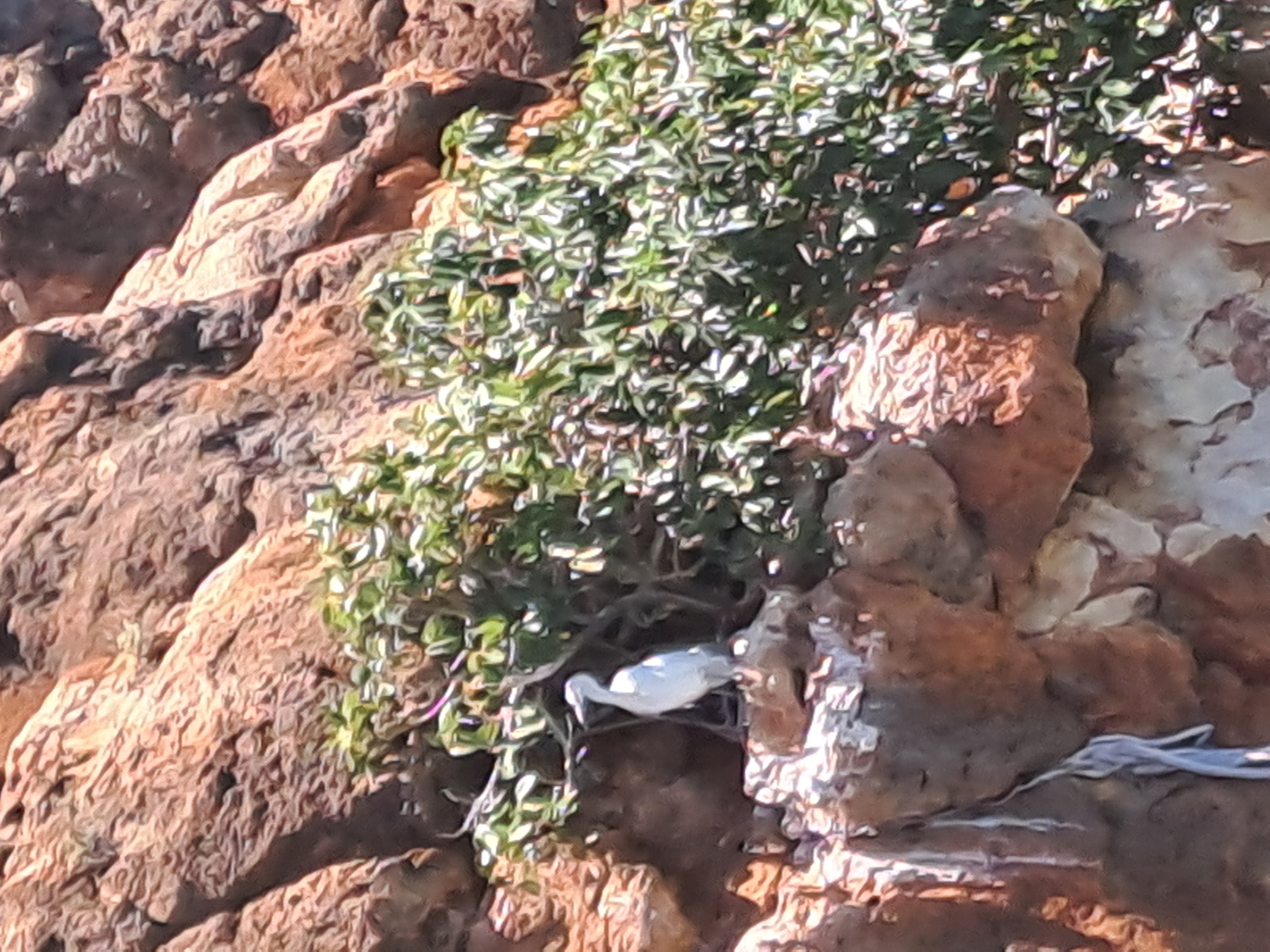
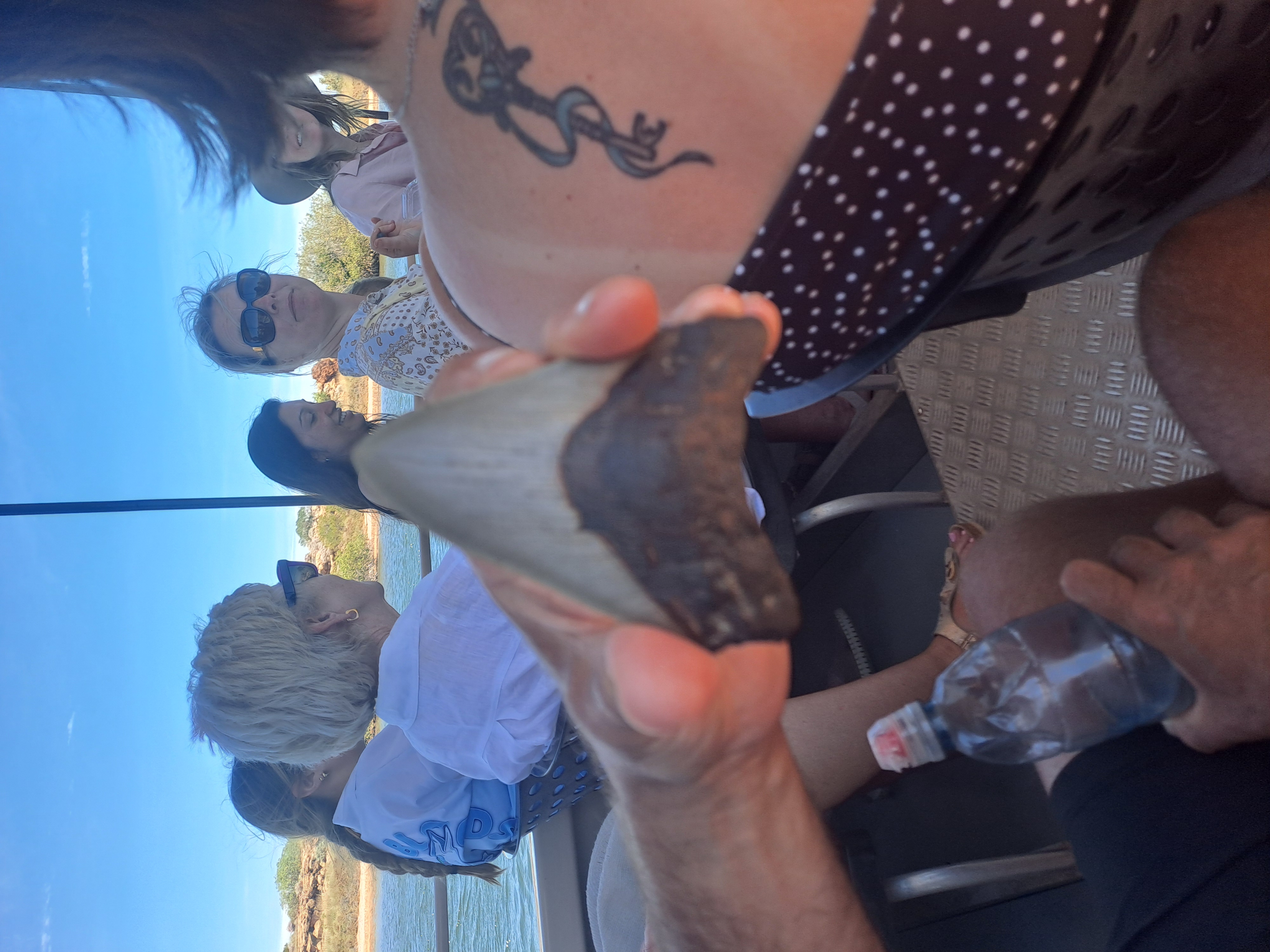
We saw a variety of birds and a fossilised prehistoric sharks tooth.
Next day we were off to Exmouth town for some tasks and a stay there to get a head start for our journey the next day. Here we came across seagulls and had to constantly protect our food. Lunch time saw us surrounded by a whole flock eying up our sandwiches.
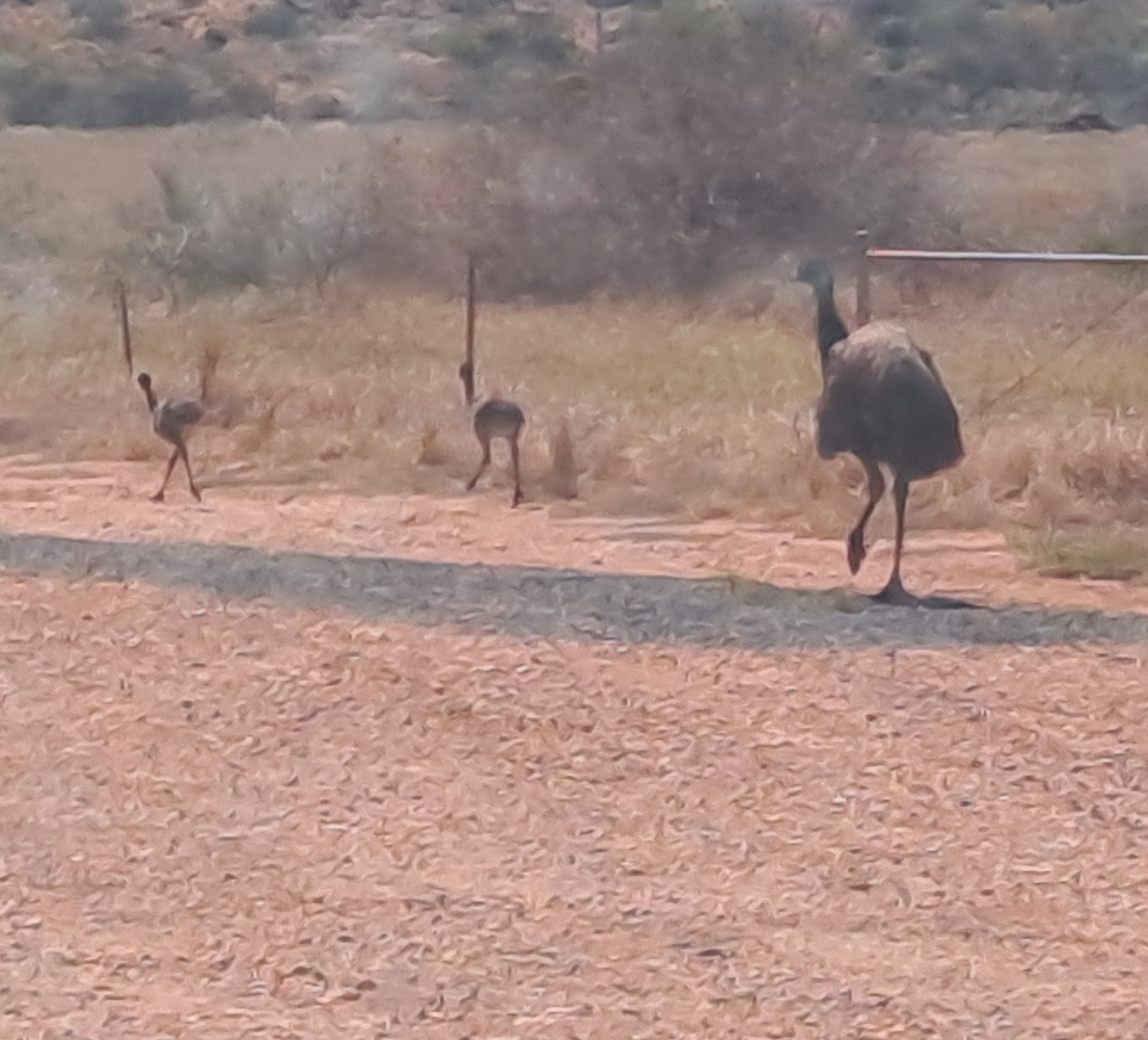
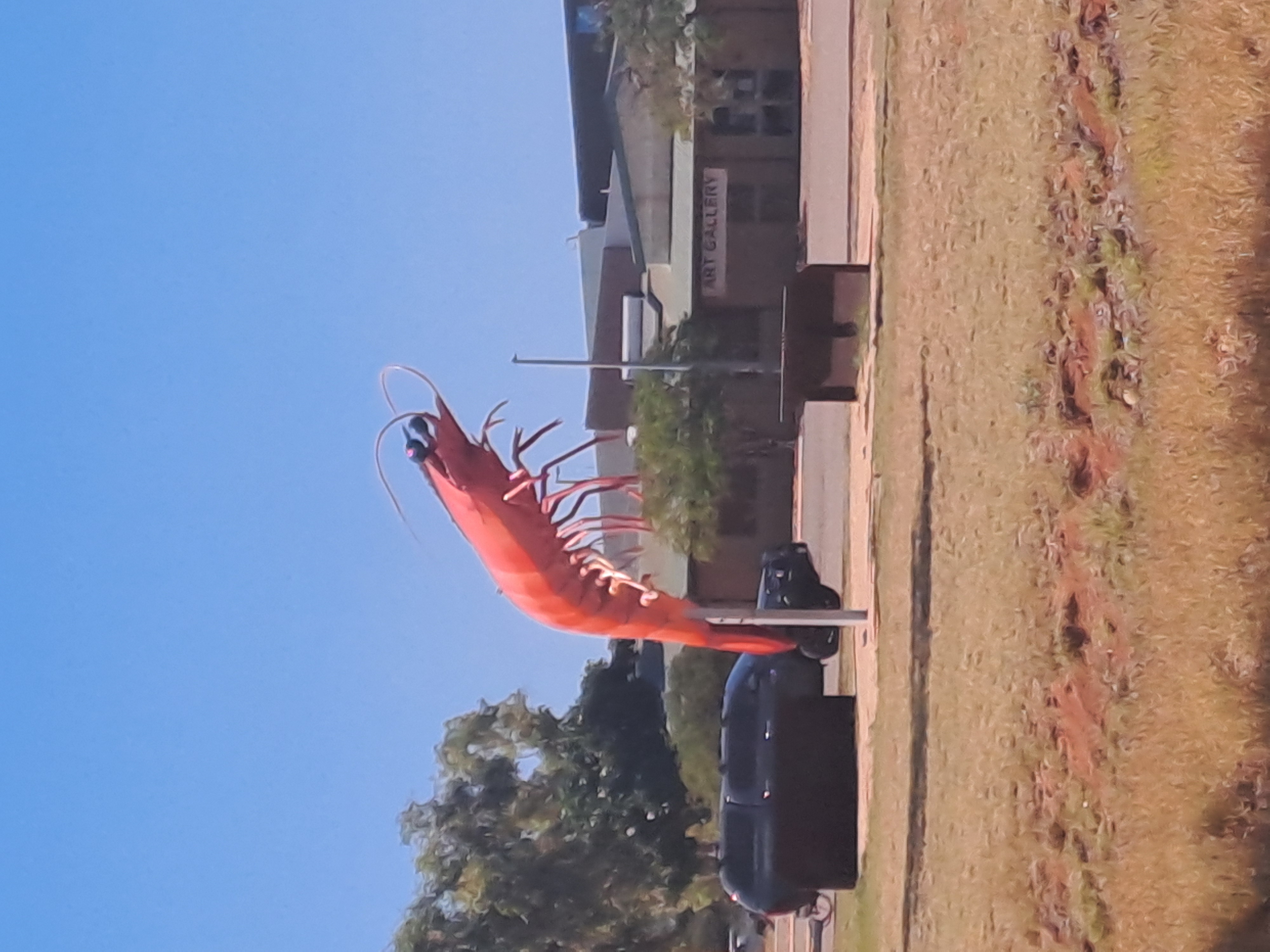
We finally got to see an emu and chick’s on the way into town and also the “big prawn ” the local landmark.

After Exmouth and a lunch stop at a road house where I pictured Ashley amongst the other old relics, (he seems to prefer that to vintage items!), we broke our journey to stop for the night at Carnarvon
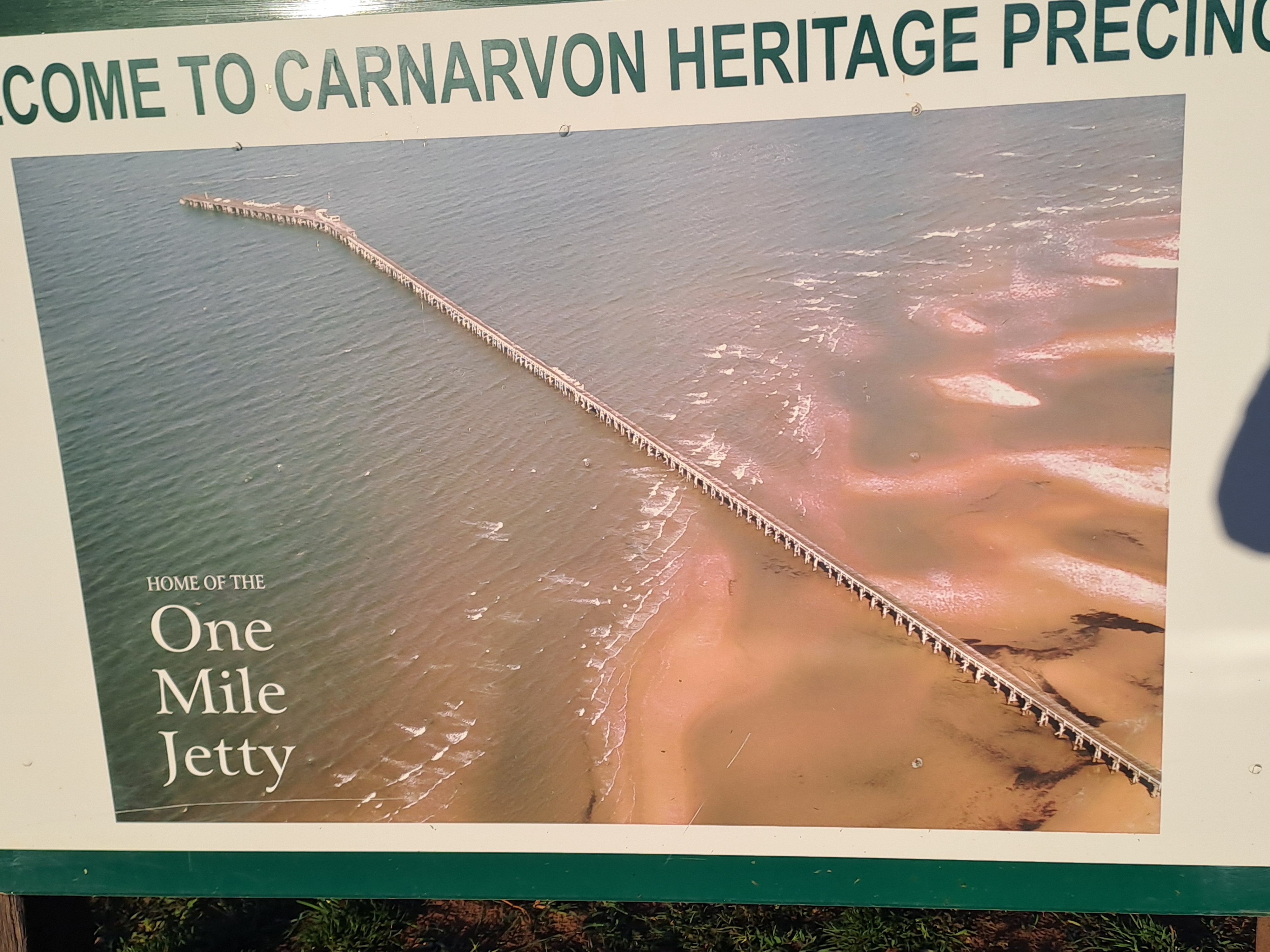
This has a mile long (almost) jetty as like Derby, the ships couldn’t get in any closer. This is currently closed due to damage in the last cyclone. This is a common theme as places wait to get funding in place for repairs. There is also a sculpture “Don’t look at the islands ” as a memorial to the Aboriginals taken forcibly to a couple of the islands if suspected of having sexually transmitted disease. There they suffered very poor conditions, experimental treatment and a short life expectancy. The statue is of a girl and her brother left behind.


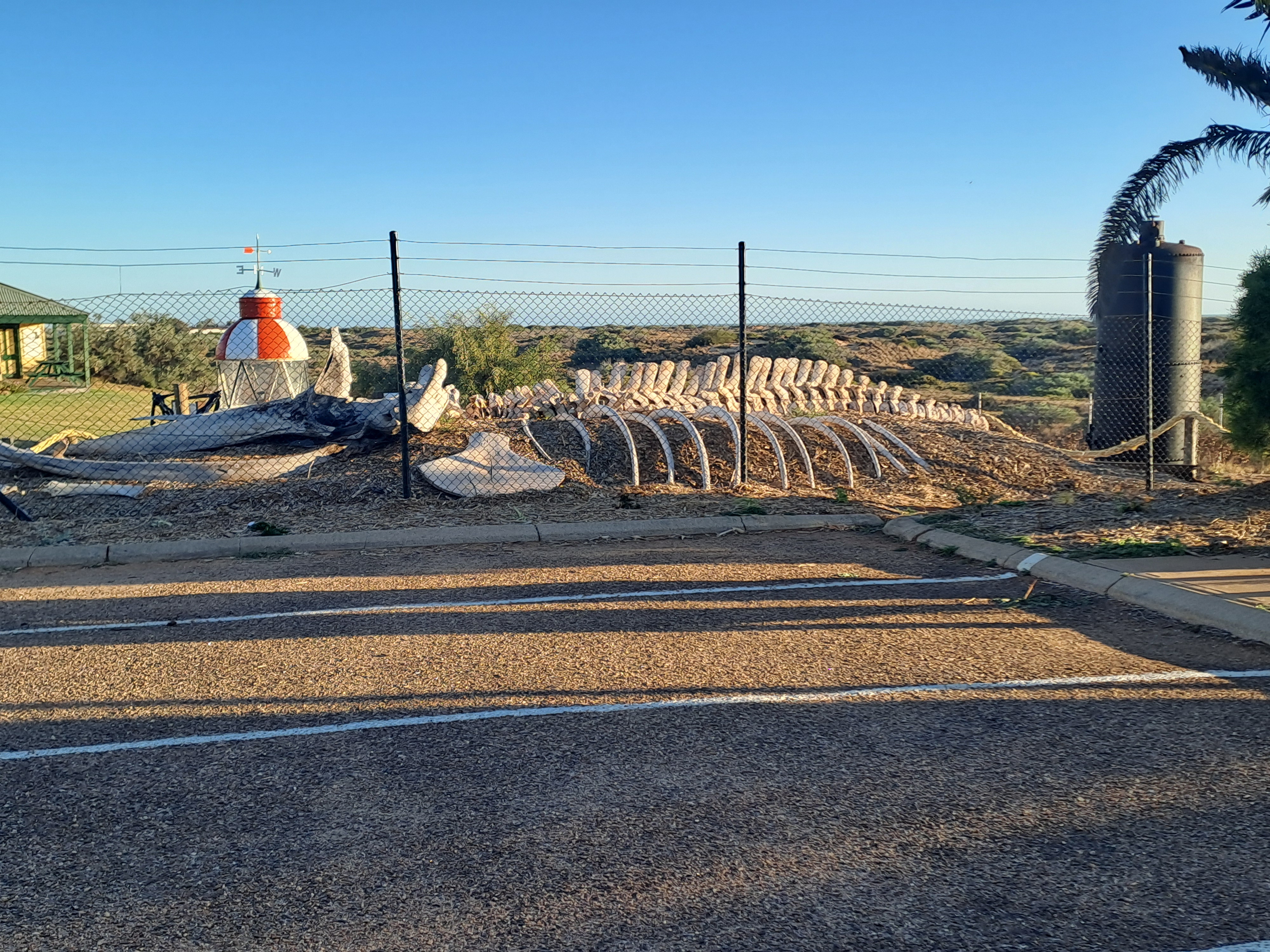
We were too late for the museum, however we could have a look outside. There were various engines. The railway museum commemorates a 3km length of railway connecting the town and the one mile jetty to take goods for export. The railway ran up until 1965.
Carnarvon’s main feature is the very wide Gascoigne river. This is an ephemeral river, this means that it flows under the ground most of the year, only flowing on the surface a few months of the year after heavy rainfall. This allows crops to grow and there are many plantations there. We did try the “fruit loop” a loop past the plantations for shopping direct. Unfortunately we were too late that day and had to leave early the next day for another long drive.


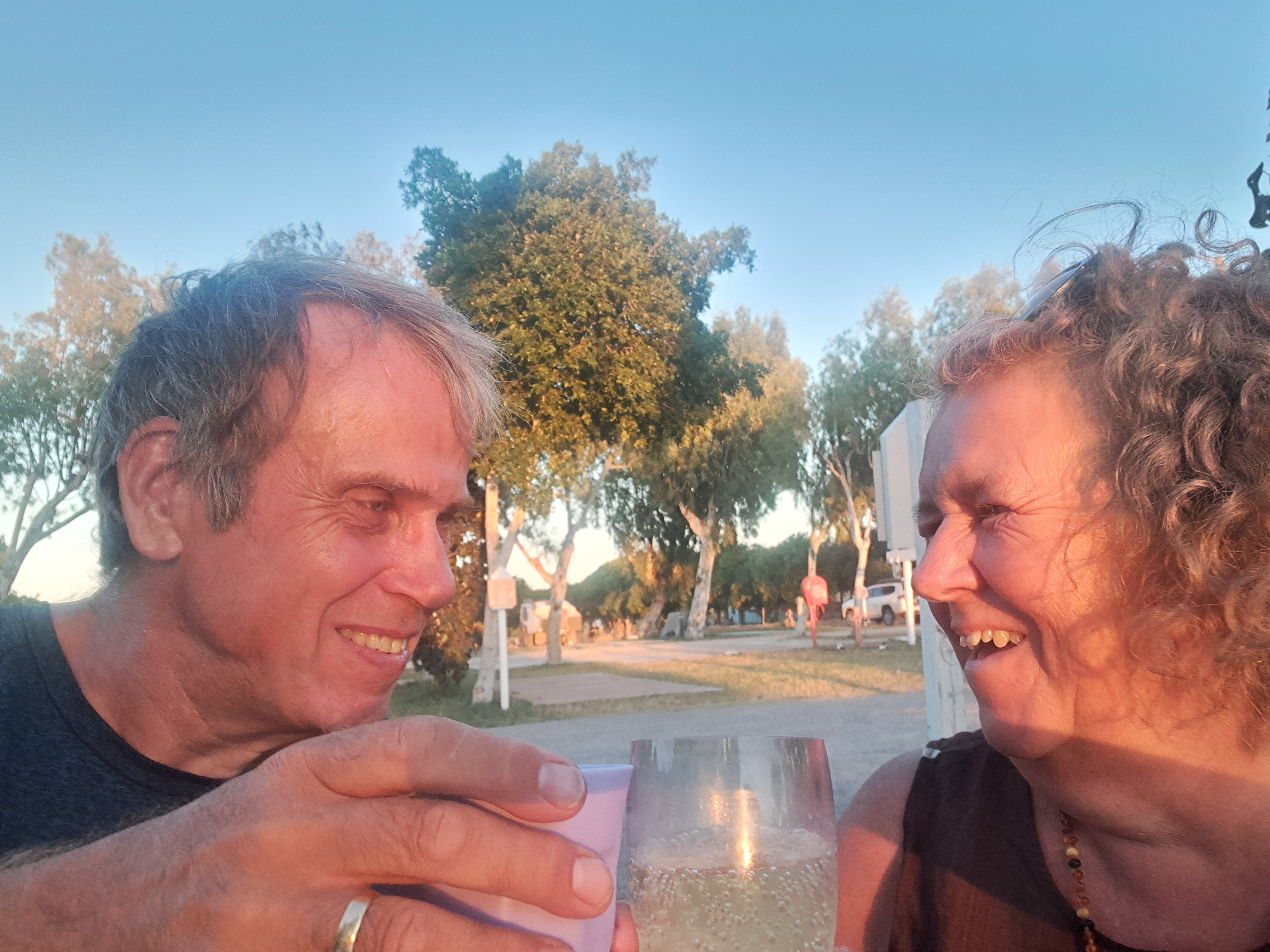
We did manage a toast to ourselves though for our 15th wedding anniversary. Not the best planning for a location but we’ve got Monkey Mia tomorrow.
Monkey Mia is somewhere Ashley went to 35 years ago and has fond, if somewhat hazy memories of, mainly dolphins. So this was something we were looking forward to. It was well worth looking forward to.
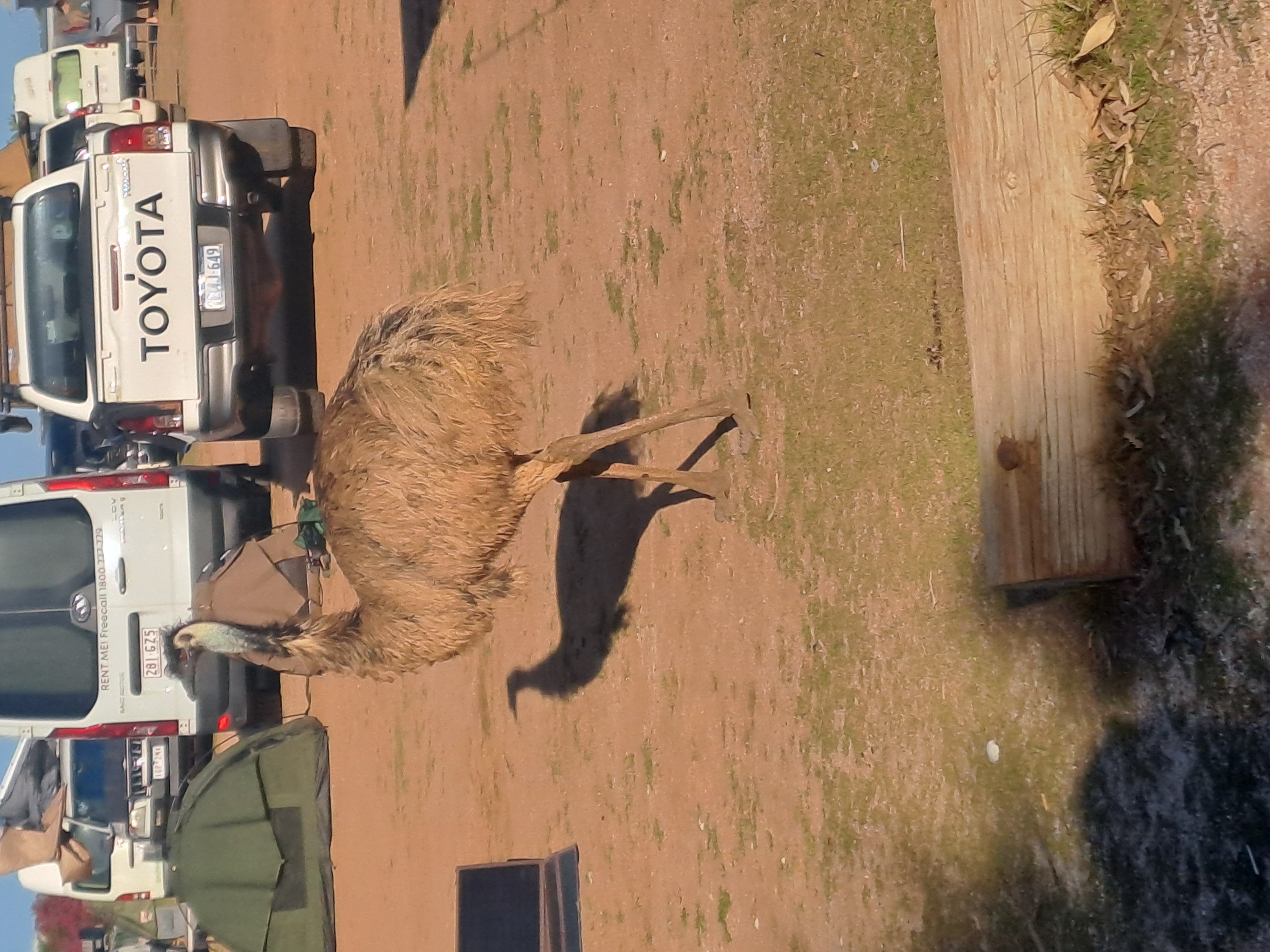
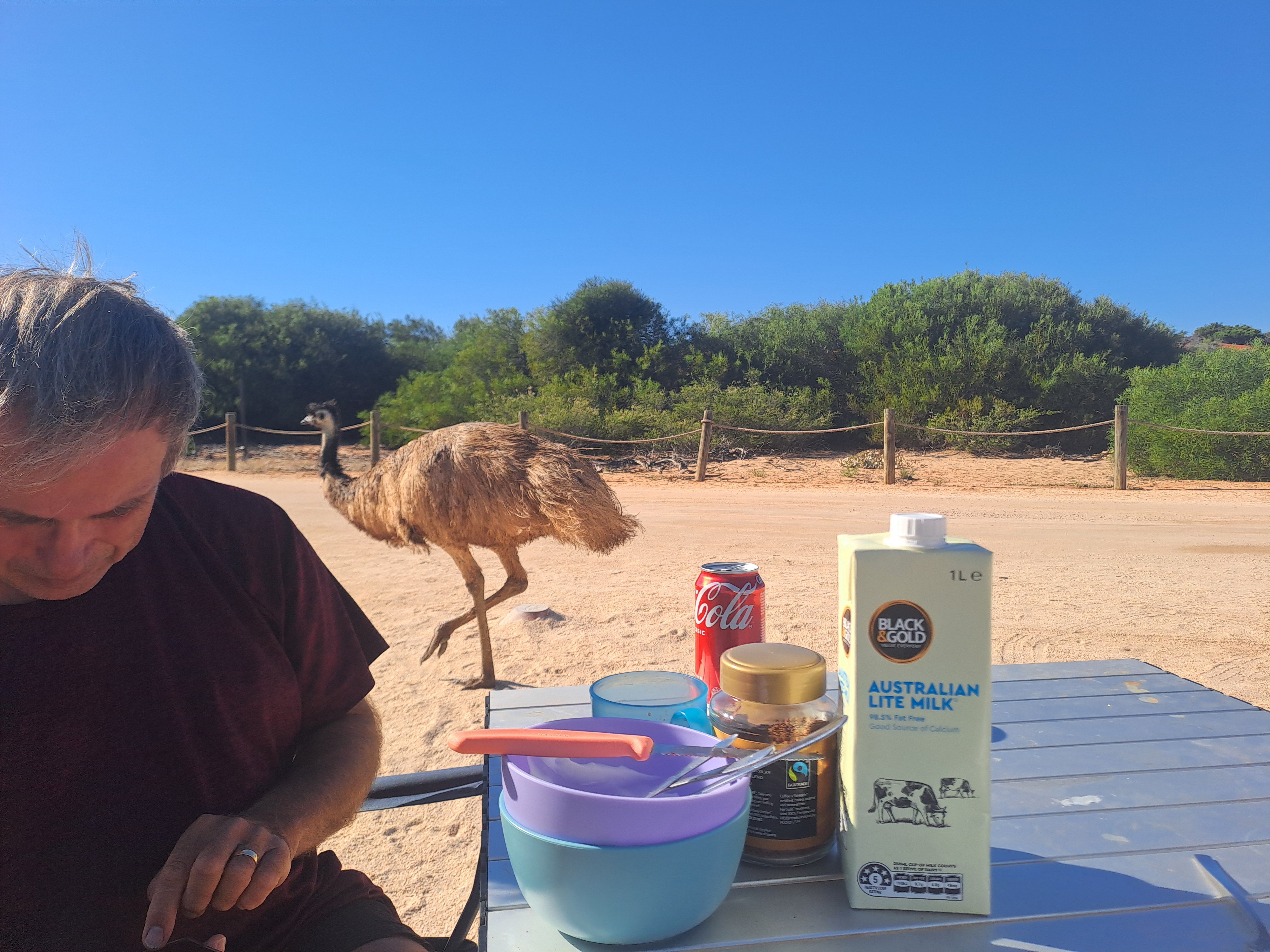
Initially we got excited when wr saw emus wandering around there and like everyone else we started taking pictures. However, we discovered that they came in the same bracket as seagulls. They wanted your food and they were persistent. They constantly prowled the site looking around all the caravans. At meal times you could expect to suddenly find a head looking over your shoulder with a beak aimed at your food. Best solution we found wad to hit out at them with my handbag. No contact made, but they moved away. Next door made the mistake of throwing his breakfast leftovers at the emu. Result about 20 seagulls and a very persistent emu. We were happy it wasn’t interested in us.
Michal kindly sent me a link to the emu wars of Western Australia which explains a lot about emus 🤣
https://en.m.wikipedia.org/wiki/Emu_War
We had our anniversary meal out here and I even got to try my first oyster. It wasn’t as exciting as I’d hoped, but at least I’ve experienced one now


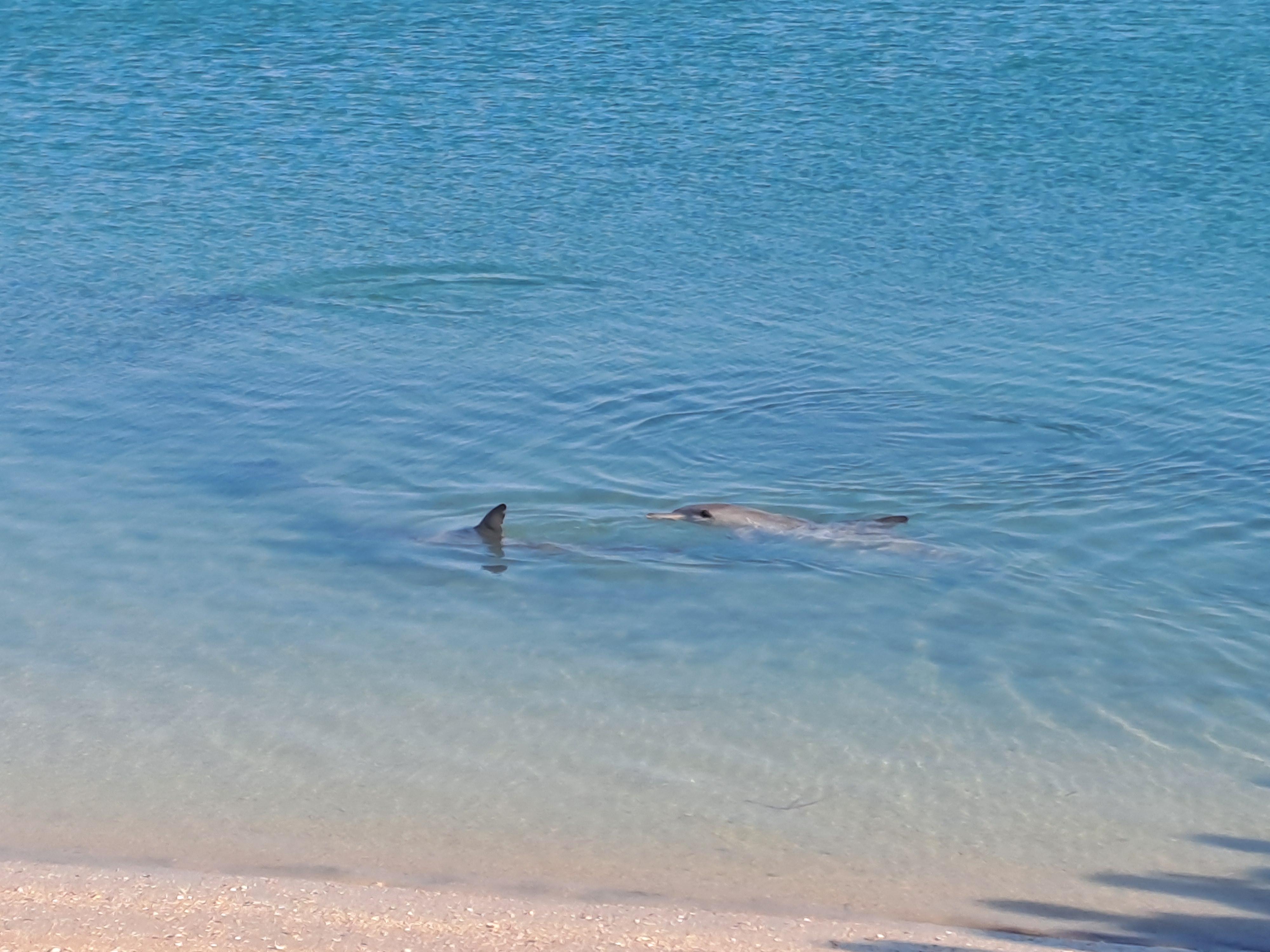
The dolphins were a delight. We started off watching a video and discovered that dolphins live in female and calf groups and male groups. They also do a lot of their hunting in the shallows along the beach, driving fish into the beach.
This is what I saw in the afternoon and I got very close contact accidentally. We were meant to keep 50 m distance, however, given the speed they travel at it can be impossible to move quick enough.
The first time, I was unaware of them until they suddenly came between me and the shore. I stood still to wait for them to pass, but they suddenly turned and swam at me passing within inches. It was amazing, although I was probably lucky not to get knocked flying.
The second time they were on the seaward side and I had time to move backwards away from them. I was so excited both times, it was so unexpected.
I didn’t get any pictures until the next day at feeding time. This is a tradition going back many years through the same family, females only. They only have the equivalent of a mid morning snack so they don’t depend on being fed.
Dolphin research has been carried out continuously here for over 40 years . Currently 1,800 dolphins are being monitored, family histories kept etc.
Mothers look after their calves for around 3 years after which a male will join a group of other males. A female will probably stay with her family. Mums teach their offspring how to fish but won’t catch fish for them. The first fish a dolphin eats is one it has caught its self.


Essentially our time at Monkey Mia was lazing around swimming and watching dolphins. We did go out one morning though on a boat.
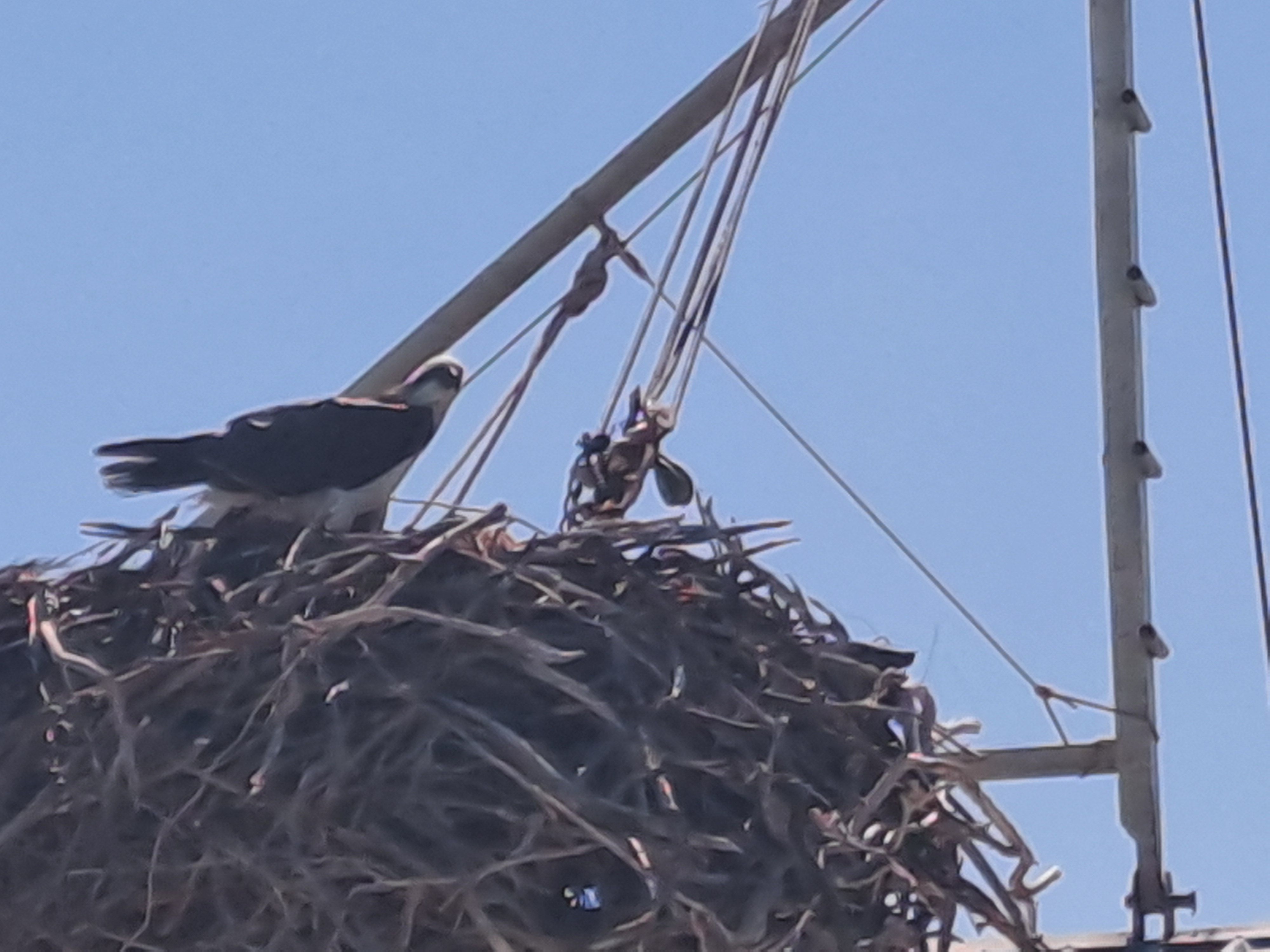
We discovered that a floating pontoon in the bay was for pearl farming the original purpose here. On the roof is an osprey nest with mother and baby.
The dolphins came and swam around the boat maybe enjoying the the waves it made. These ones were the boys, rougher players and not so good to meet in person. They will ‘kidnap’ any female in season and keep her until she is impregnated. They will check out any female mammals out for the right hormones so swimmers beware the might have an inquisitive and forceful male after them.

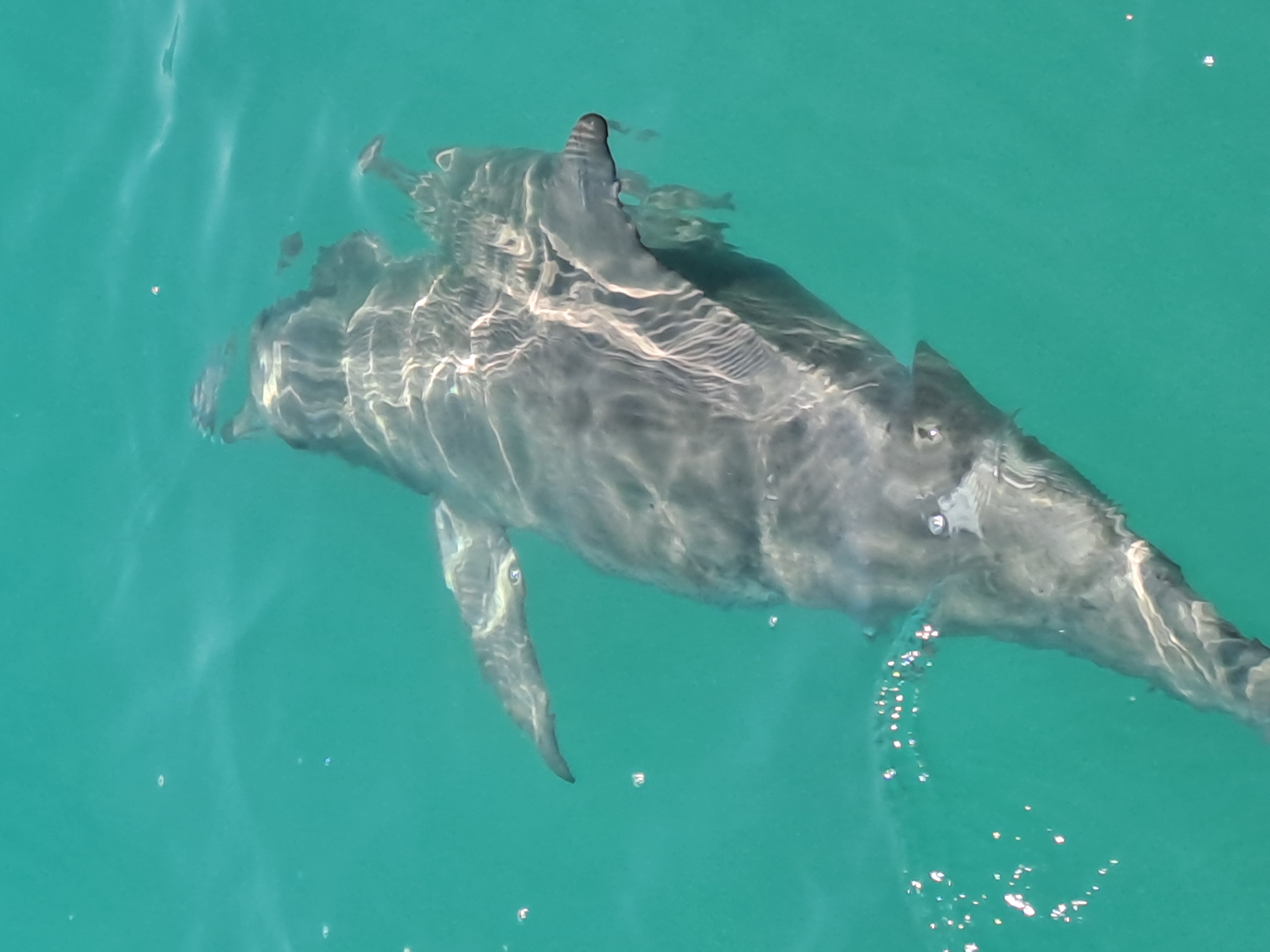

After the dolphins we went dugong or mermaid hunting. These mammals we think are what early seafarers starved of female company mistook for mermaids. They don’t have a fin on top and are very shy. They are plant feeders and not so intelligent as dolphins. They tend to lose more of their calves to sharks than dolphins.
After a long period of occasional distant sightings we suddenly struck gold and had them all over the place and even one close to the boat under the water.
Dugong’s defence against sharks is living in shallow waters, speed and a very hard boney rear end that isn’t easy to bite.


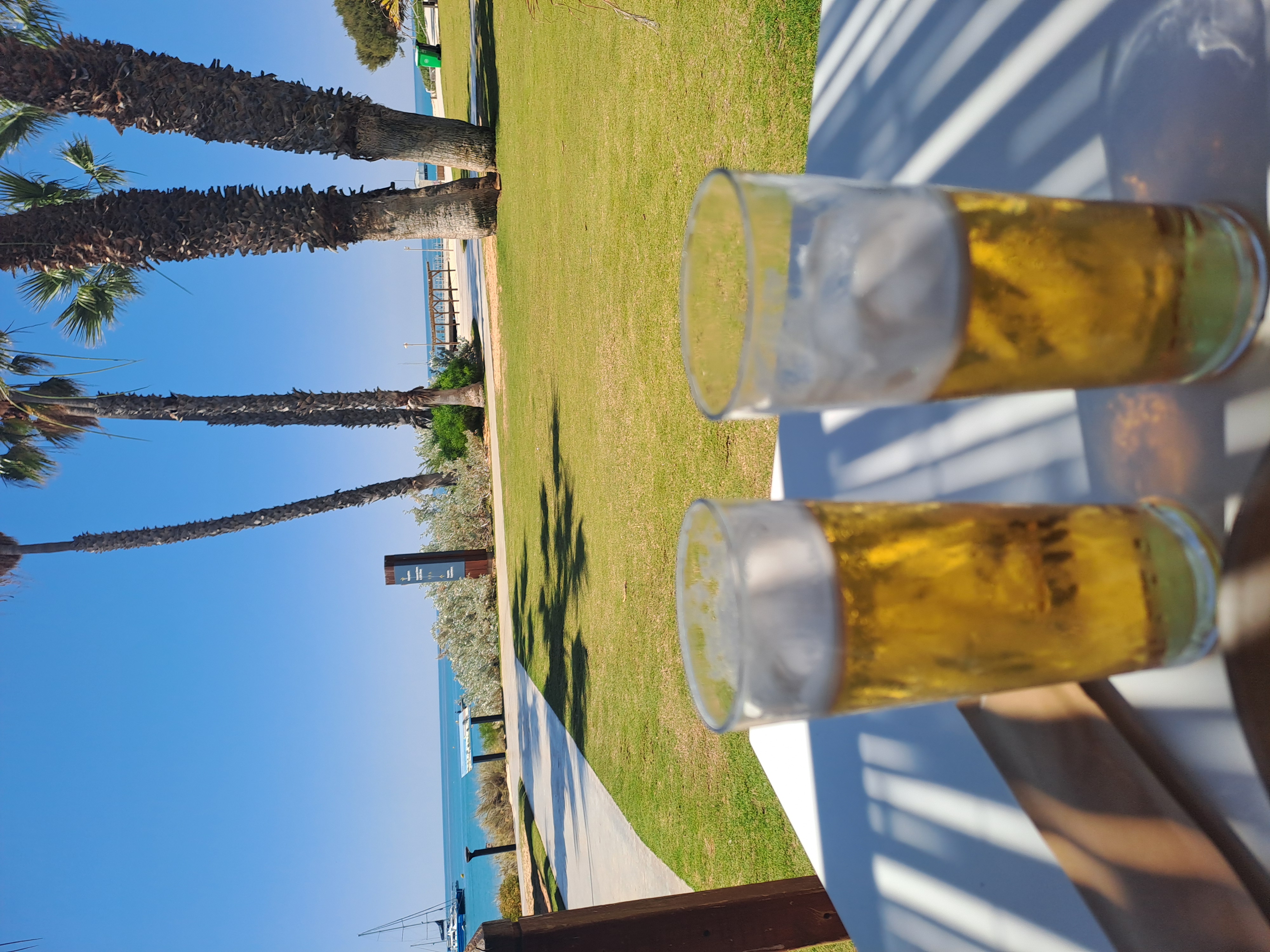
This was our last day here so we sunk a lager each and relaxed by the beach for the afternoon. Emus wandered past looking for food and we saw daddy emu escorting his chick’s around.


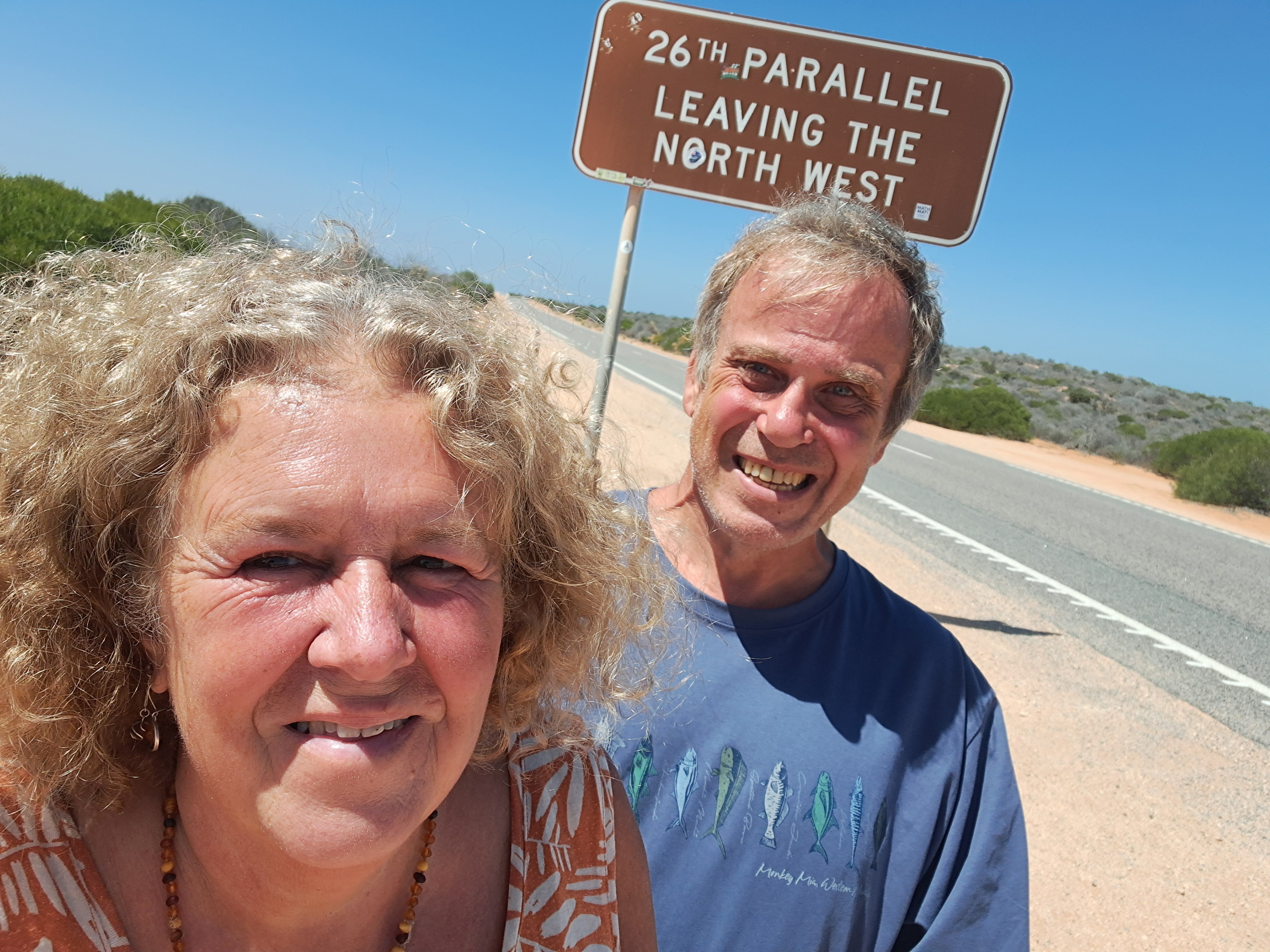
So ends our journey in North West Australia as we crossed the 26th parallel and continued south.