Our start to the US was pretty much dominated by Ashley’s health. His leg looked much the same as it had when we left Tahiti. We got in late and next morning loitered over breakfast before picking up our van for America and debated going to emergency for Ashley which he vetoed. We then decided we’d better have the full training session when we picked the van up. It was very different from our smaller Jucy van.
By the time I’d done a quick shop for food and bandages it was rush hour and our journey out to Palm Springs was very slow and painful. The bright side was, our first night was in a motel as this was cheaper than an RV site. A proper bed and fish and chips, strange, I’m sure the receptionist said it was a Mexican restaurant takeaway he directed us too!
Next day our first priority was an emergency hospital, and suddenly it all seemed a lot more serious. Hours of scans and tests ending with an admission to the hospital for Ashley. It was a relief that the infection was being taken seriously and worrying how serious it was. We discovered everything seems to be sponsored here. Each hospital building is named after someone, even each individual lifts and foyers.

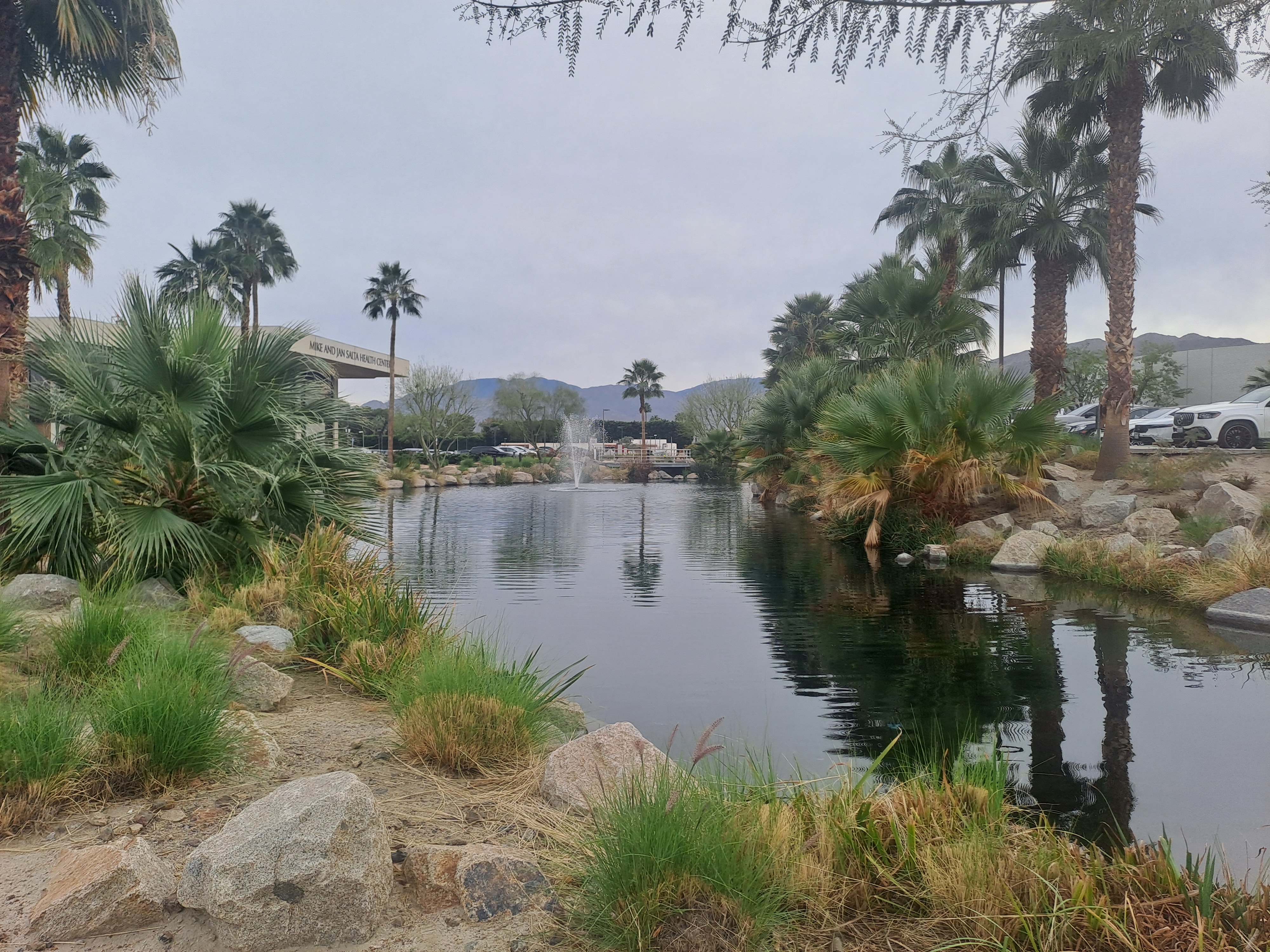

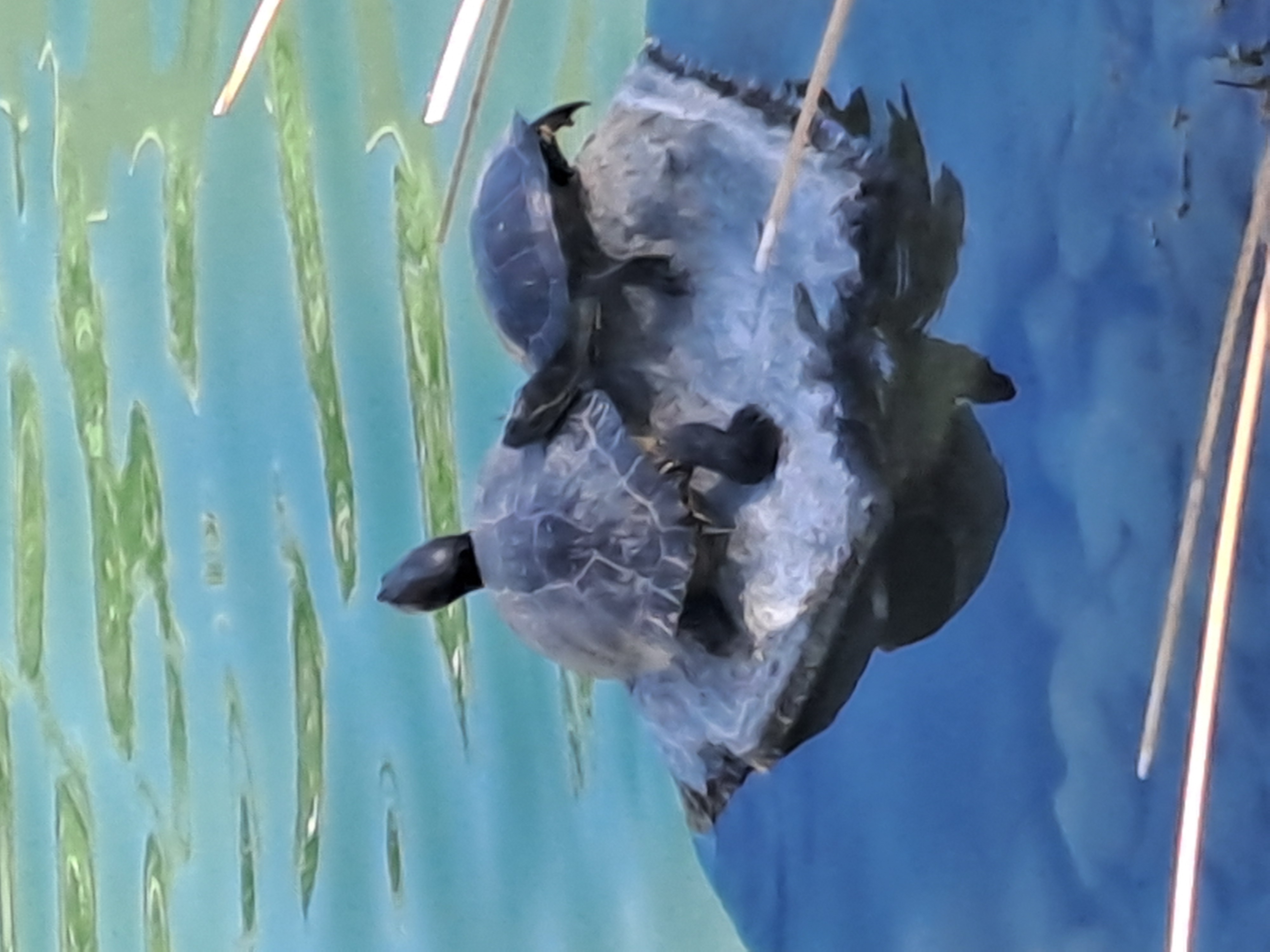
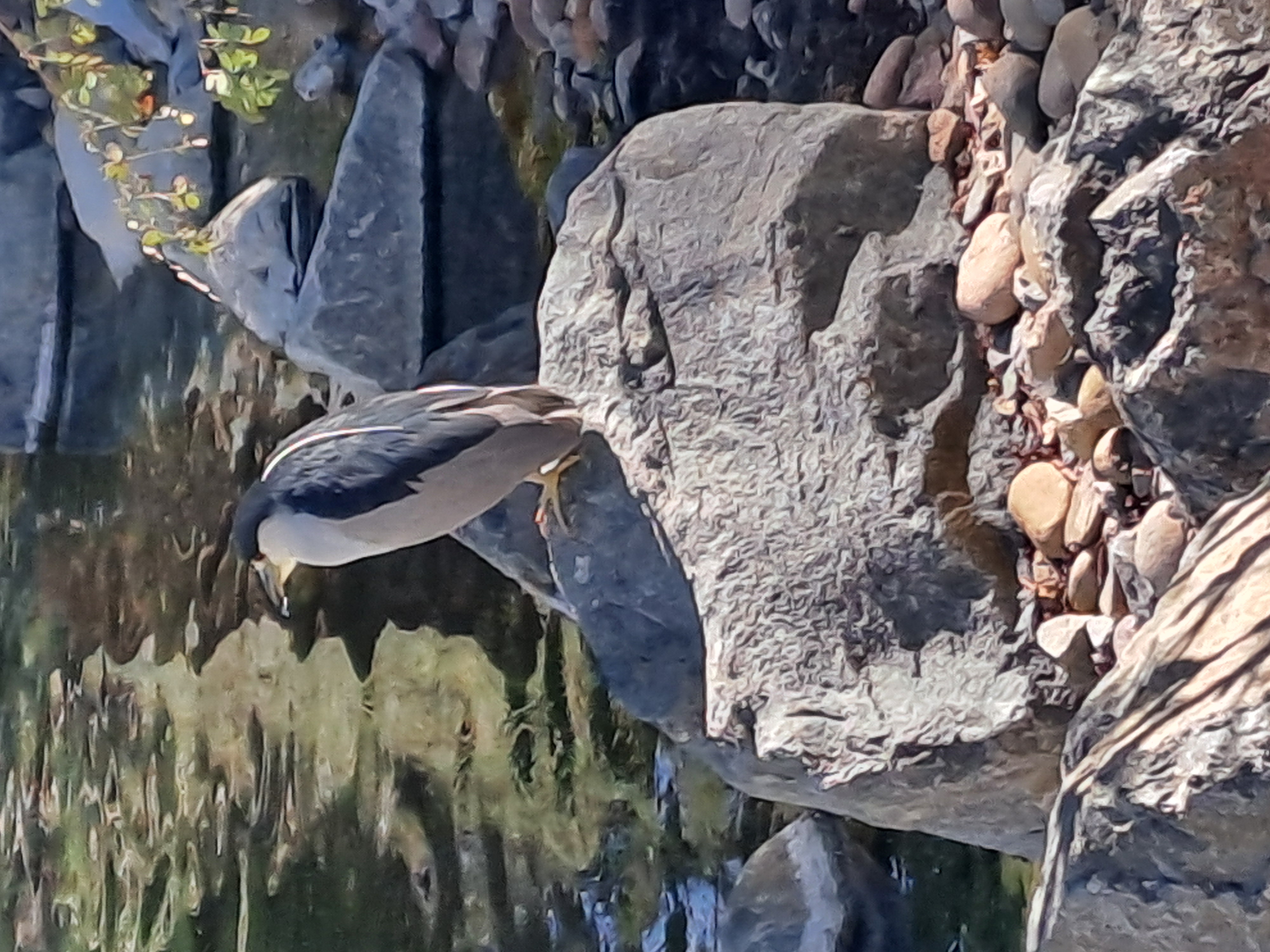
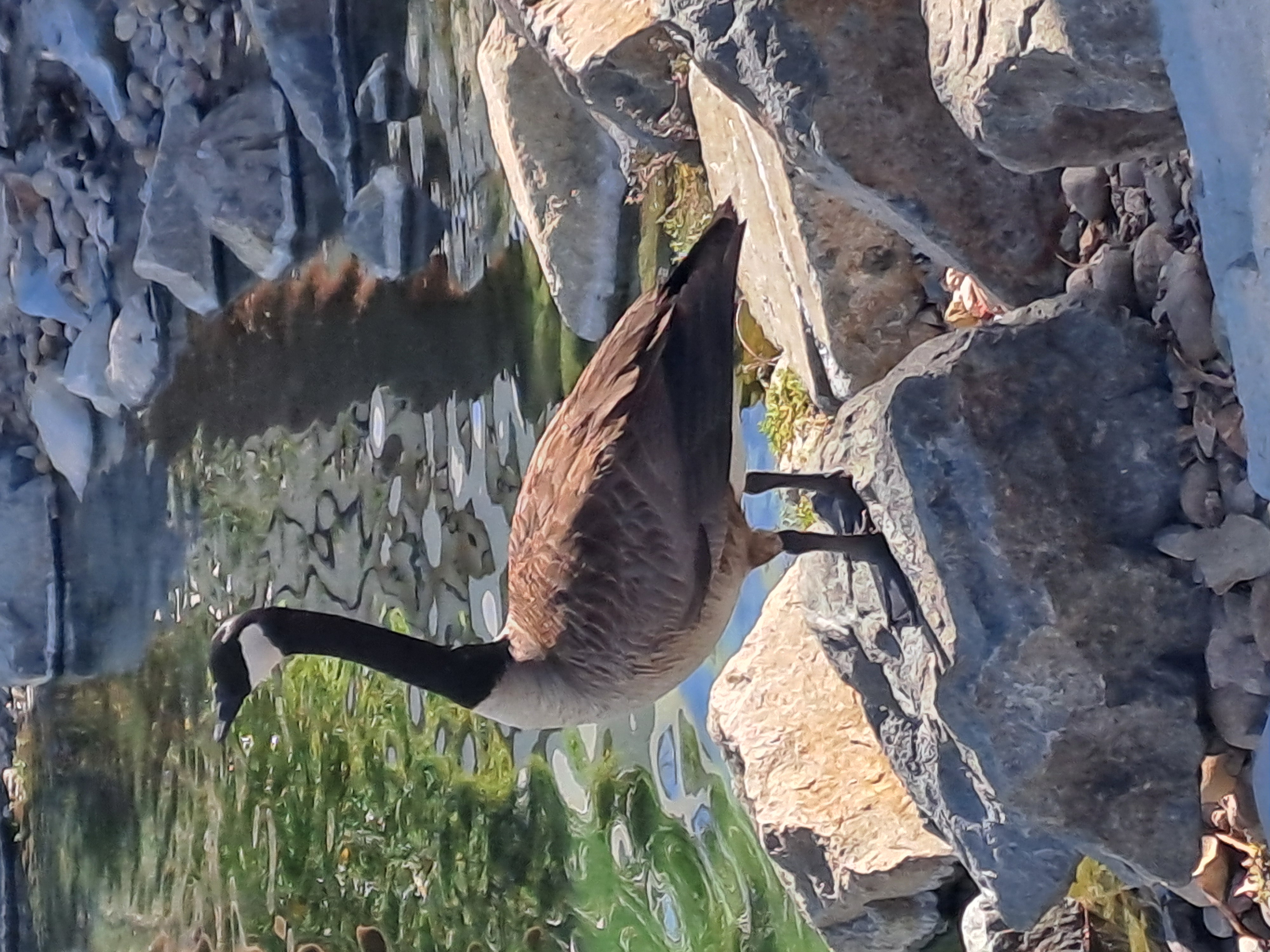
The hospital grounds are beautiful with a collection of wildlife around one of the ponds. They are extremely large and confusing and I certainly got my steps in from the carpark and back twice a day (lunch in the van).



I eventually decided I’d better do a bit of sightseeing and while booking my accommodation for the second night took up the offer from Booking.com for the Ariel Tramway, from desert at the bottom to alpine surroundings at the top.
As I’d spent part of the day trying to get hold of our insurers (a perpetual cycle around various departments of AXA). I was later than intended, however, this seemed to be the optimum time as the colours changed in the early evening.
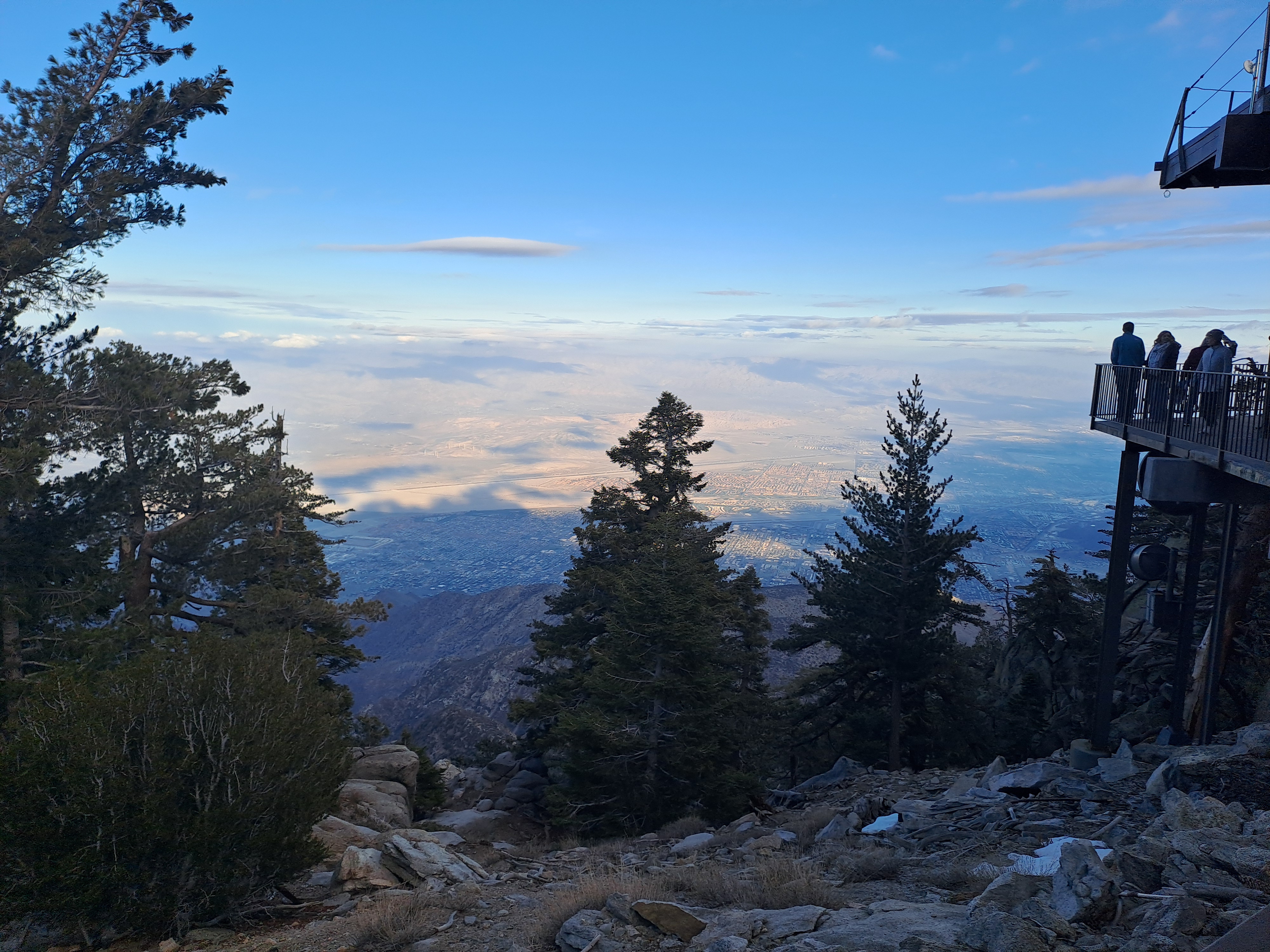
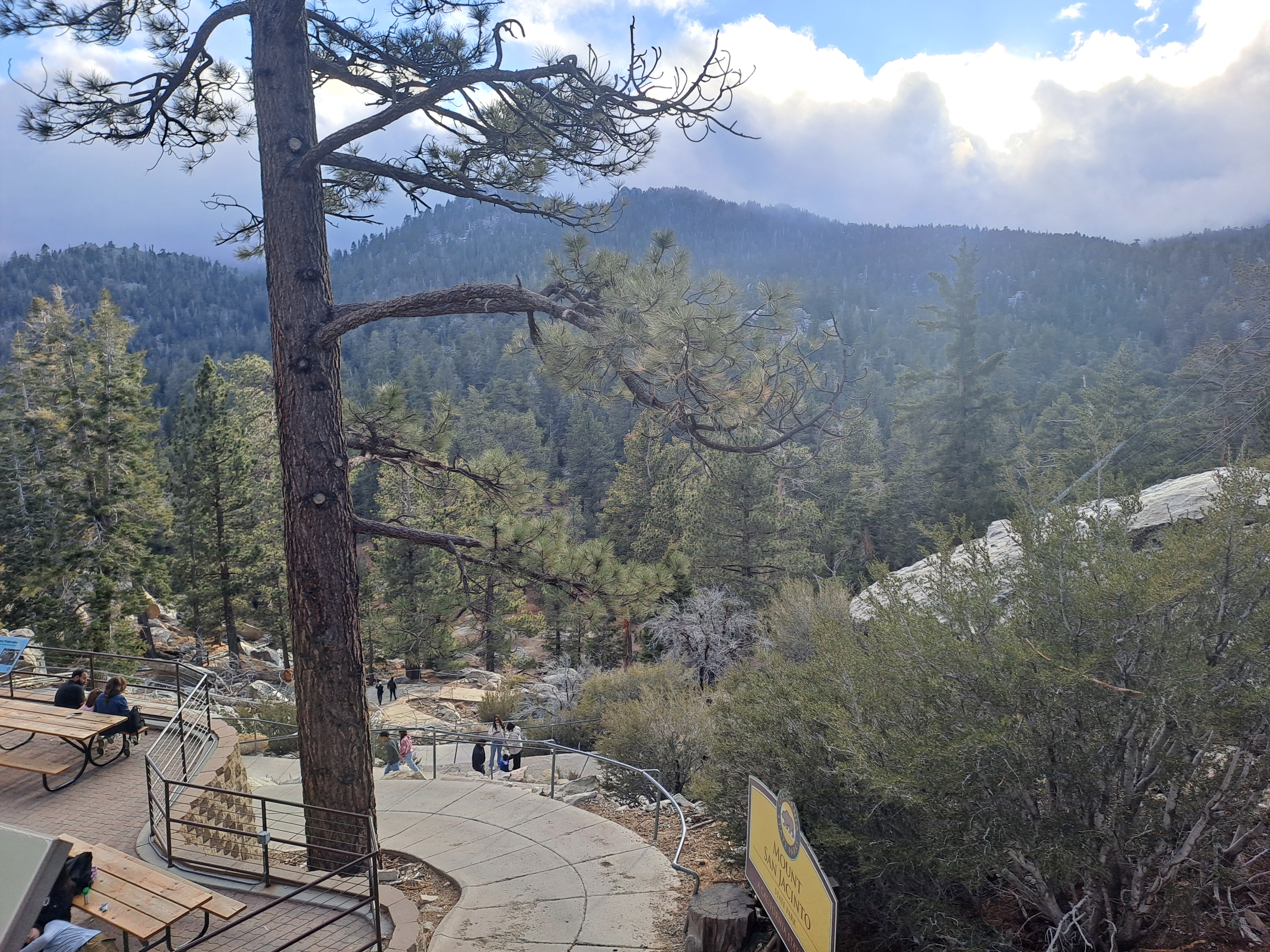

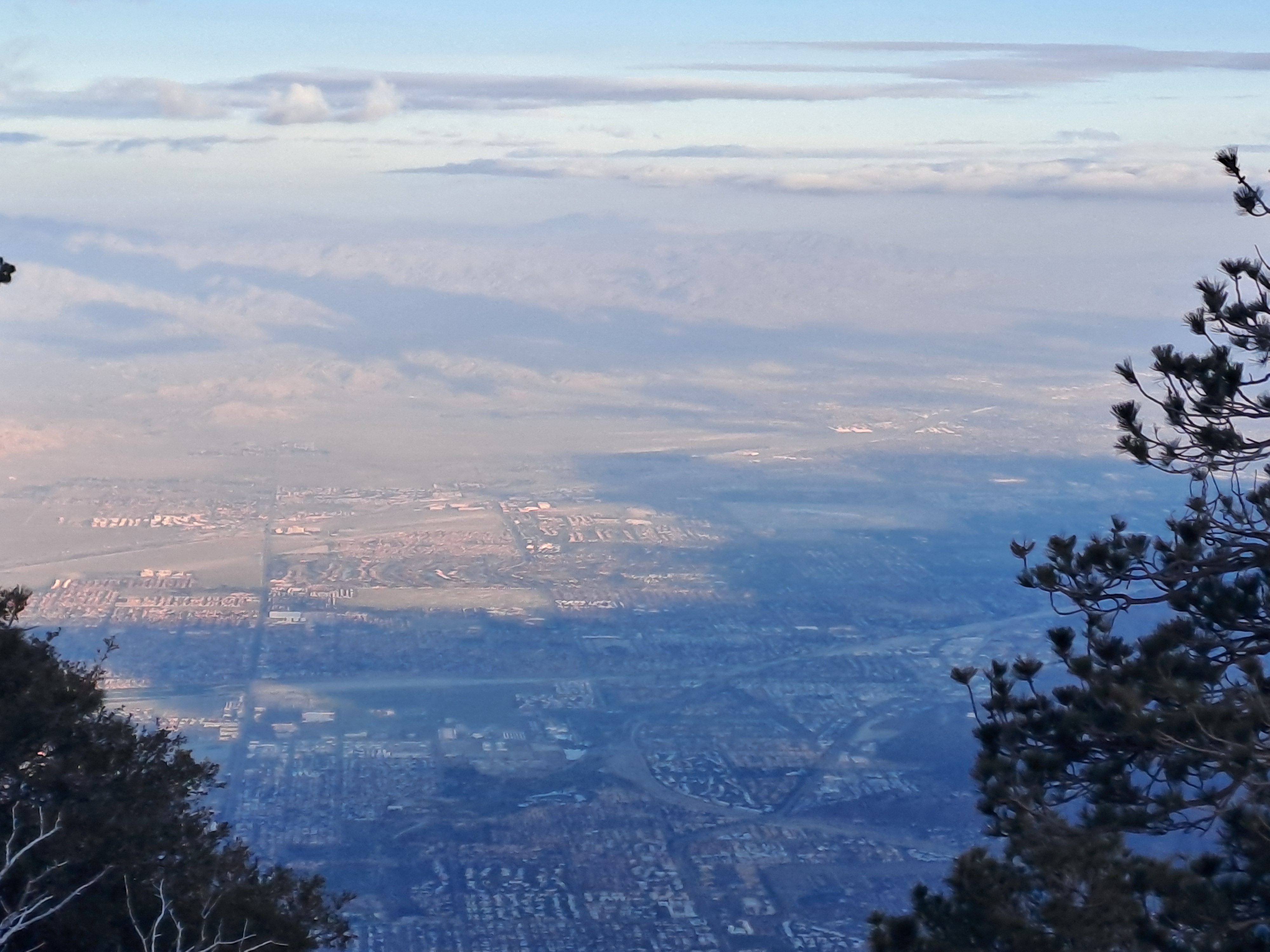


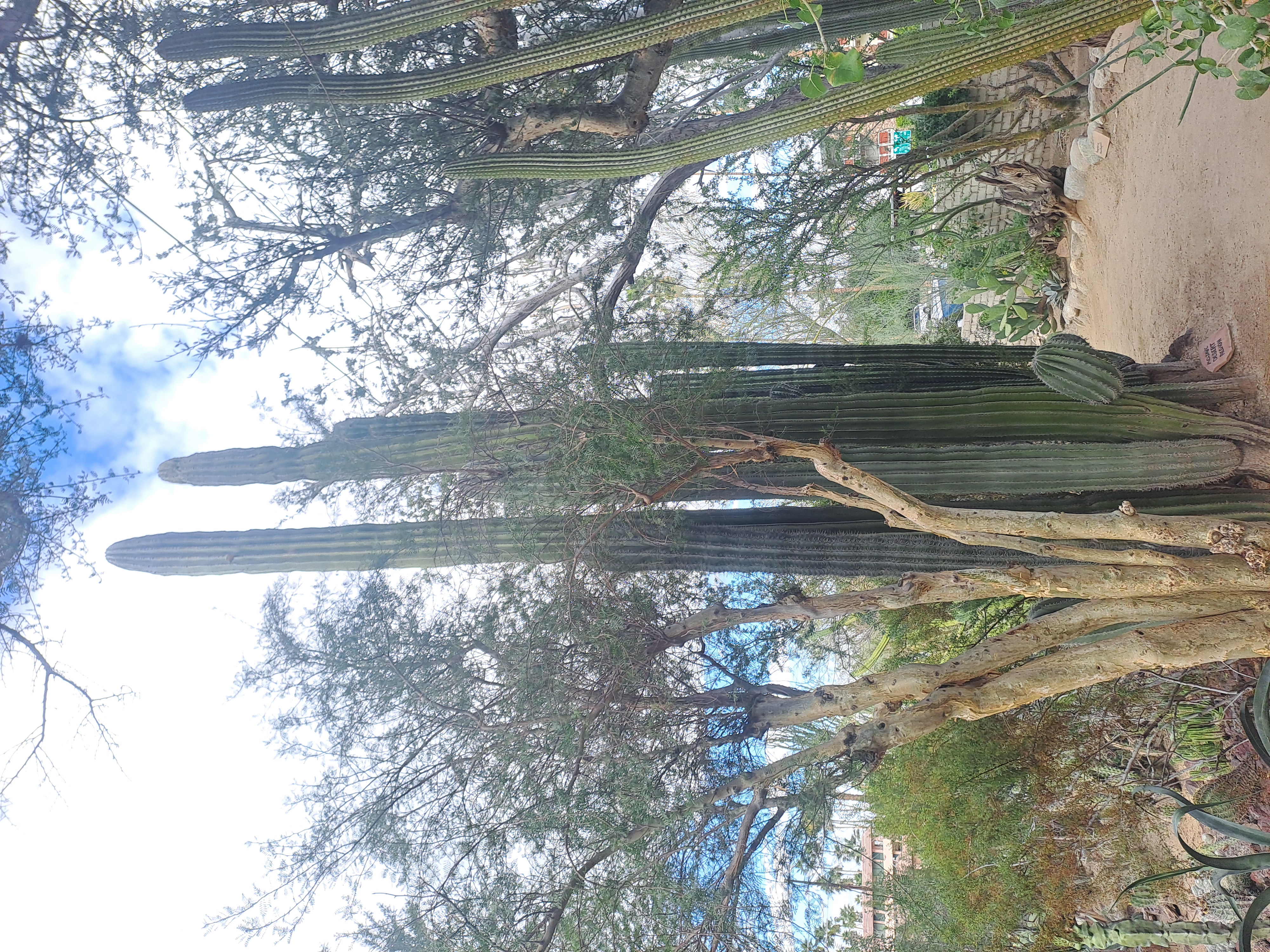
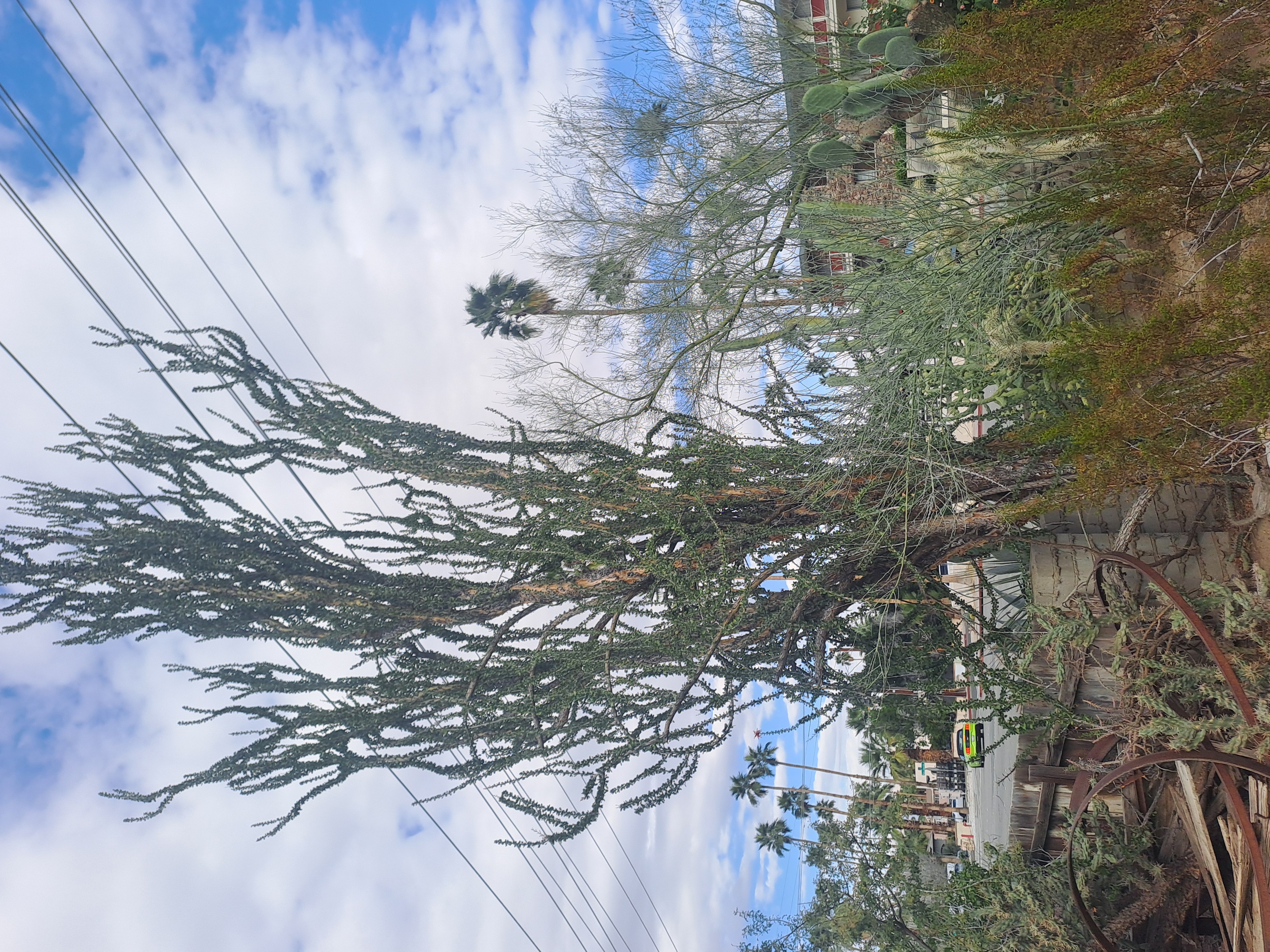
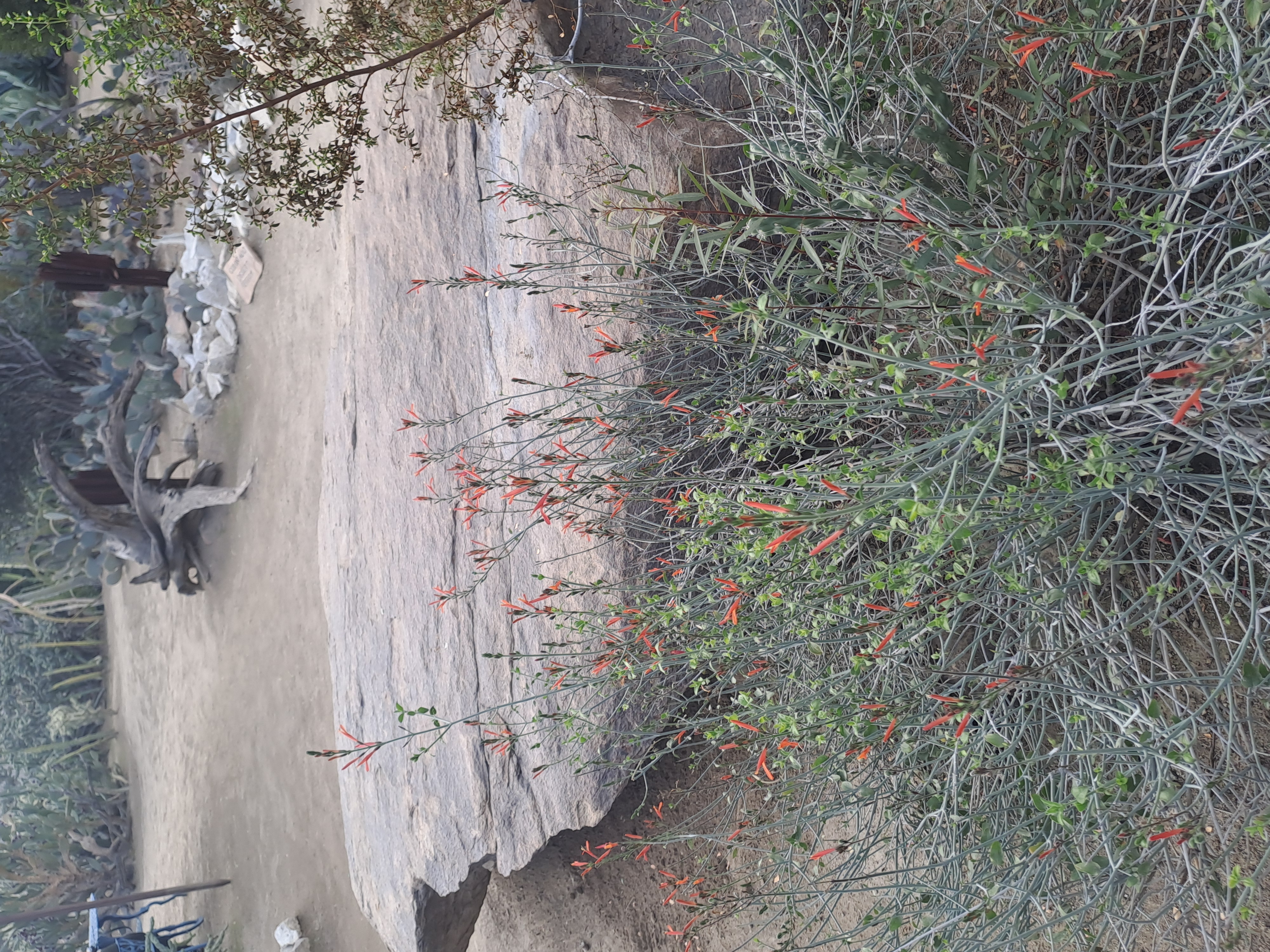
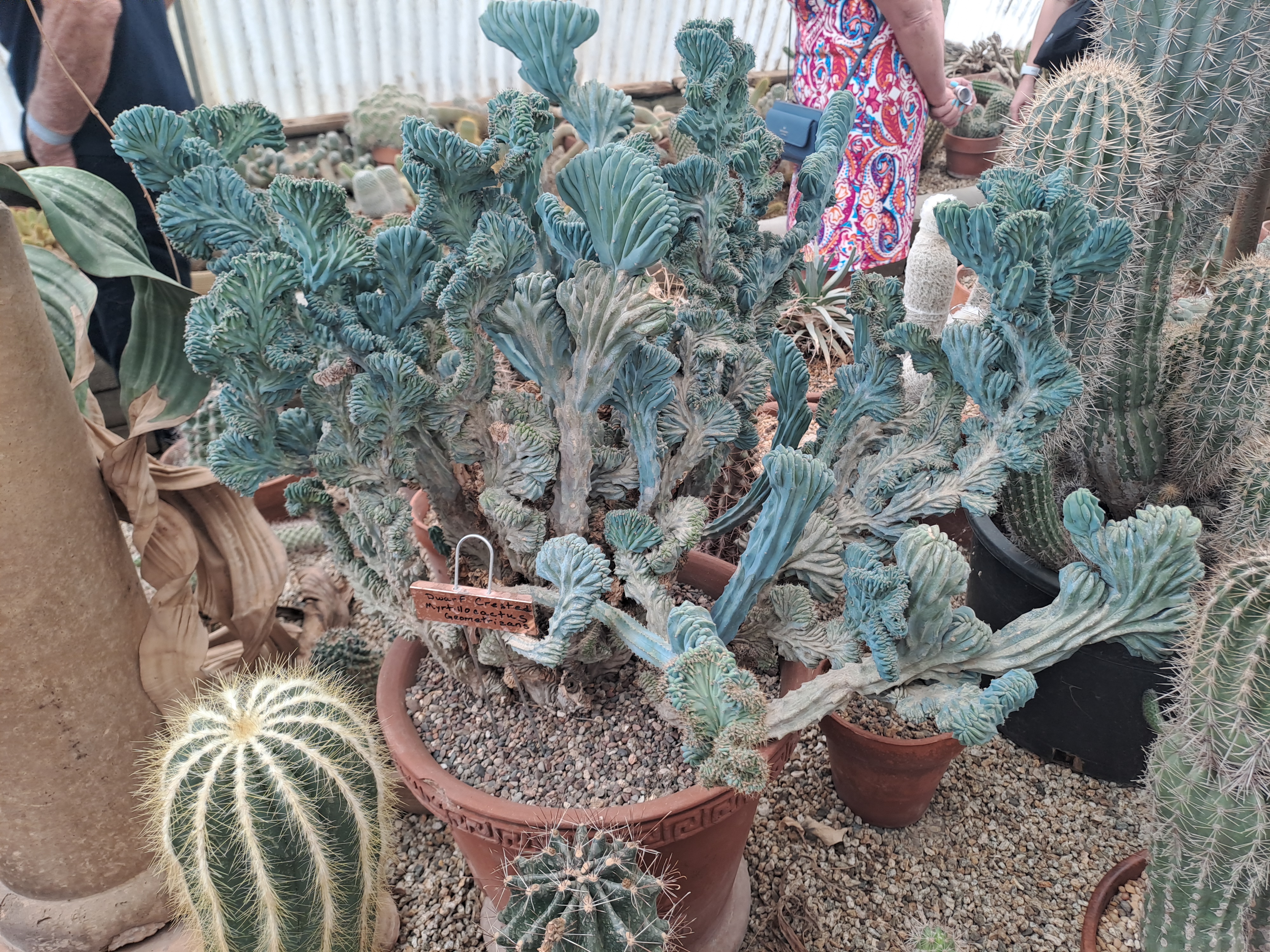
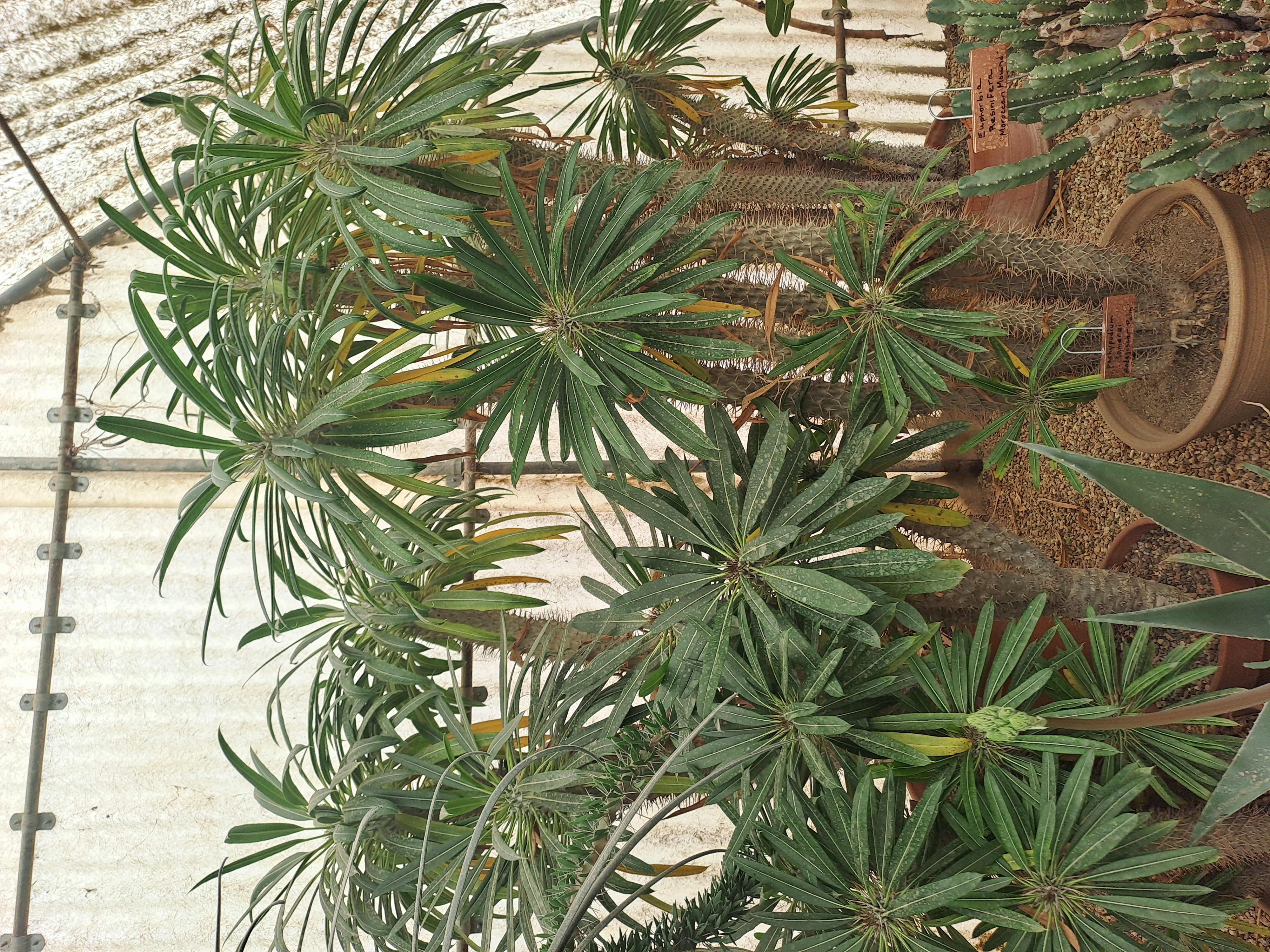
Next day I decided on a botanical garden famous for its cacti and succulents a welcome break from the hospital and dealing with insurers. The bottom picture is of petrified wood.
We also got the good news that Ashley might be out in a couple of days.

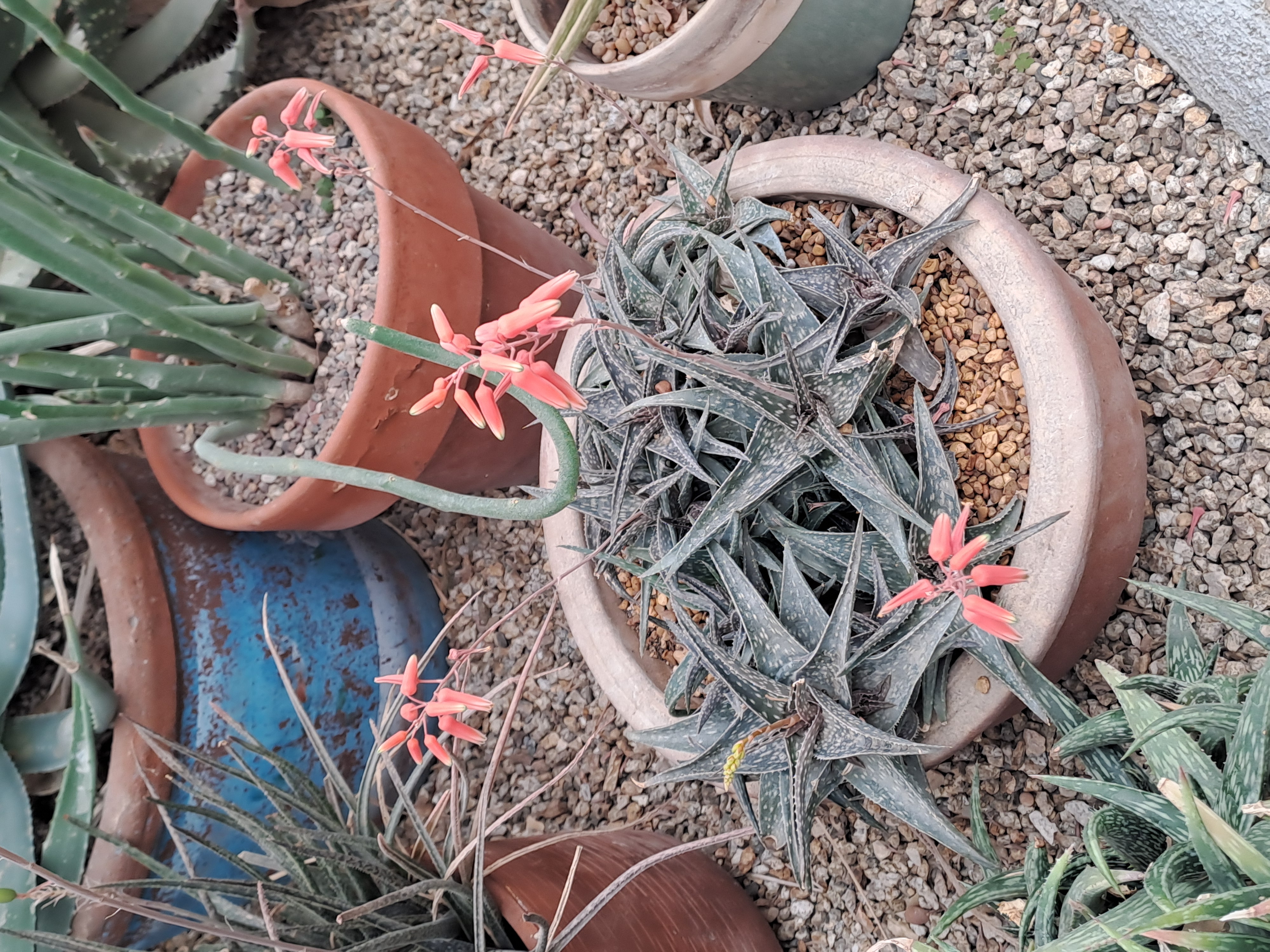
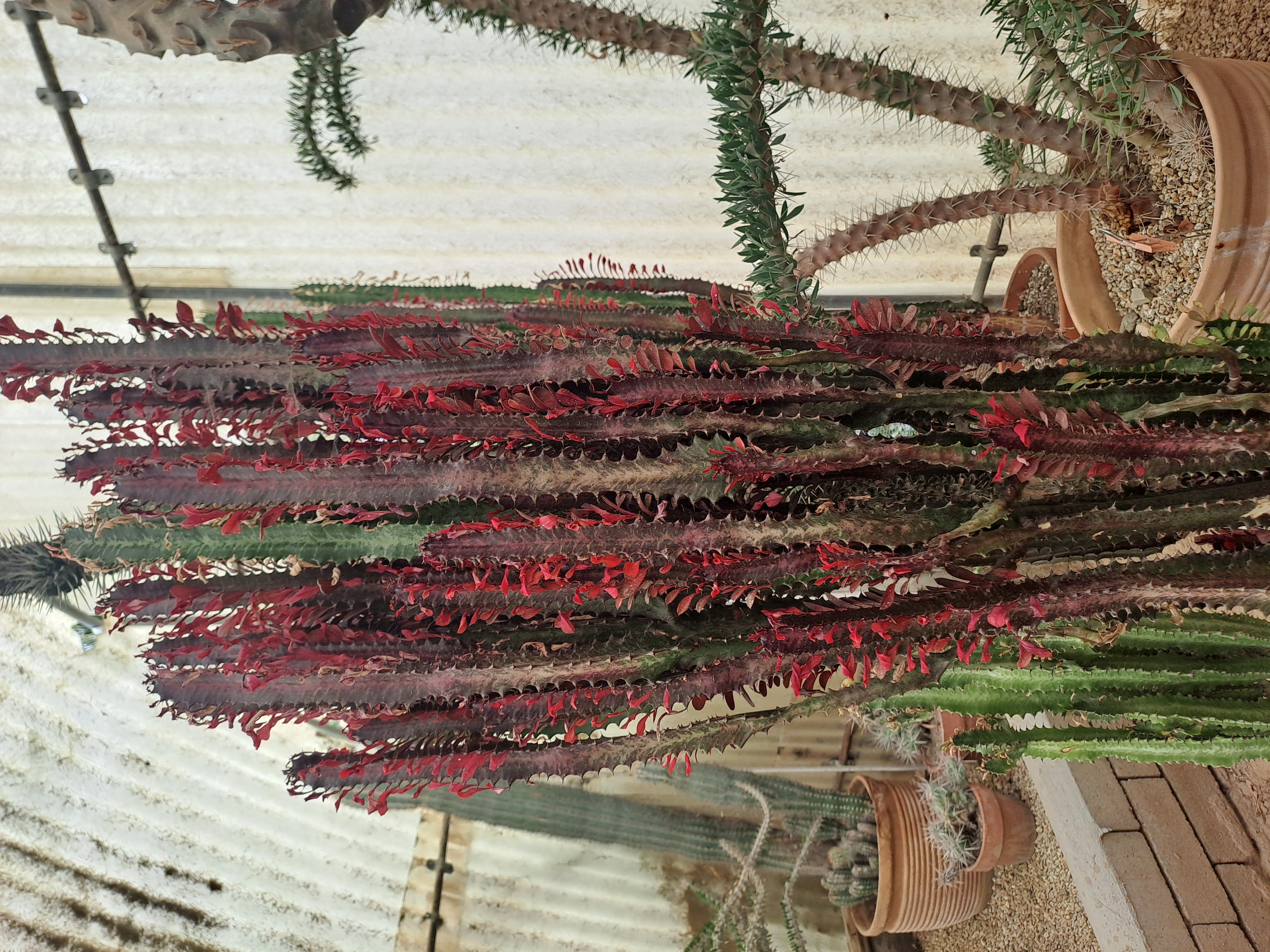

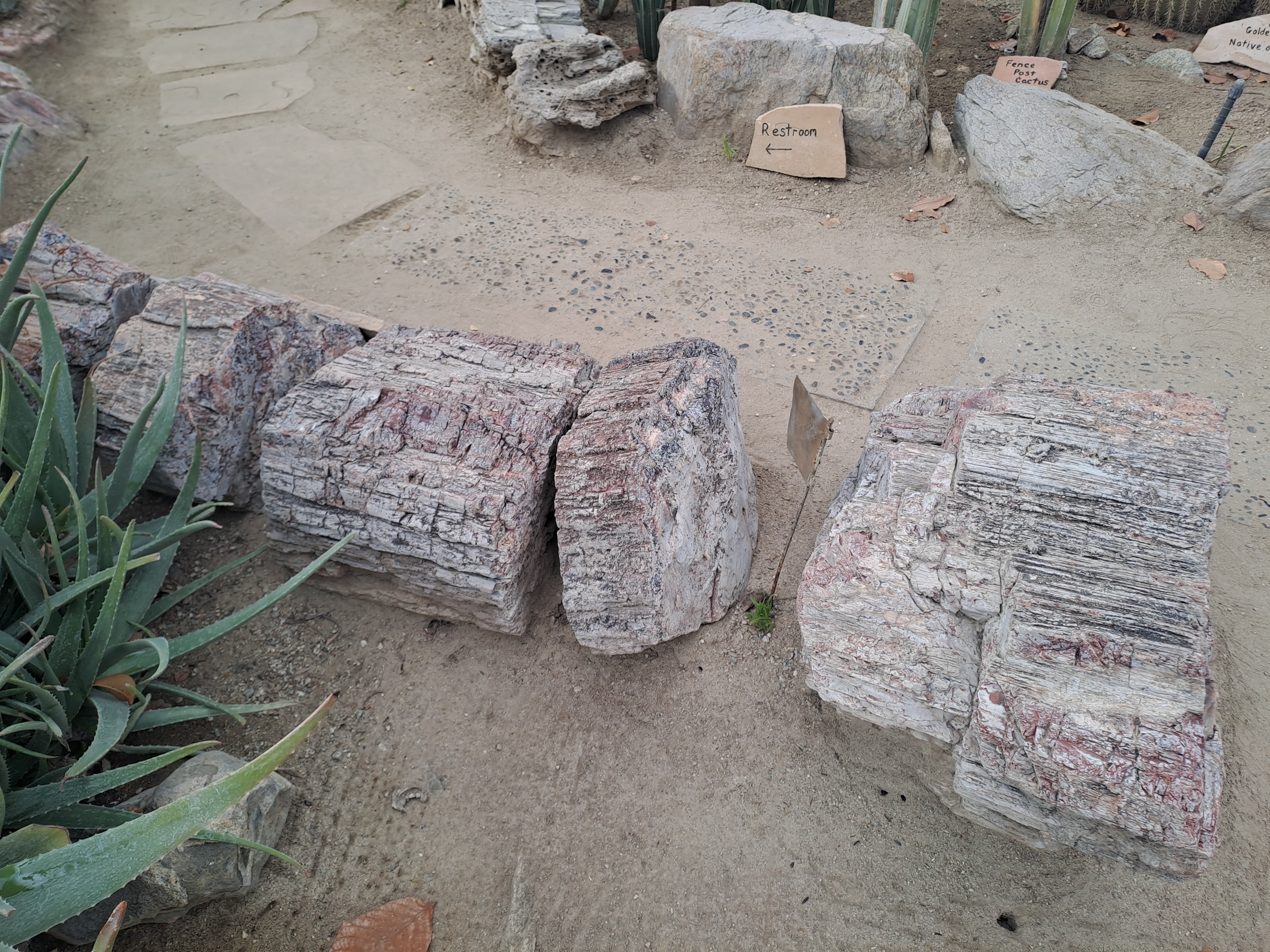
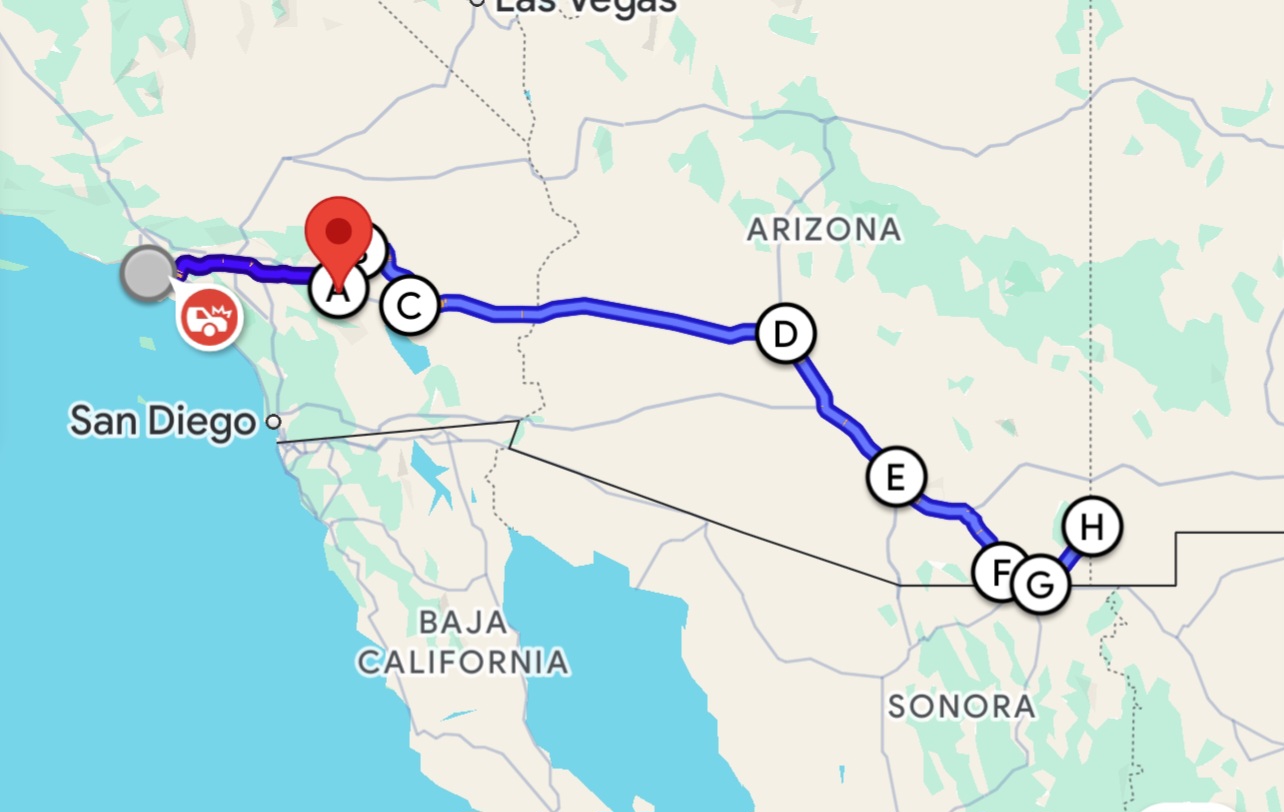
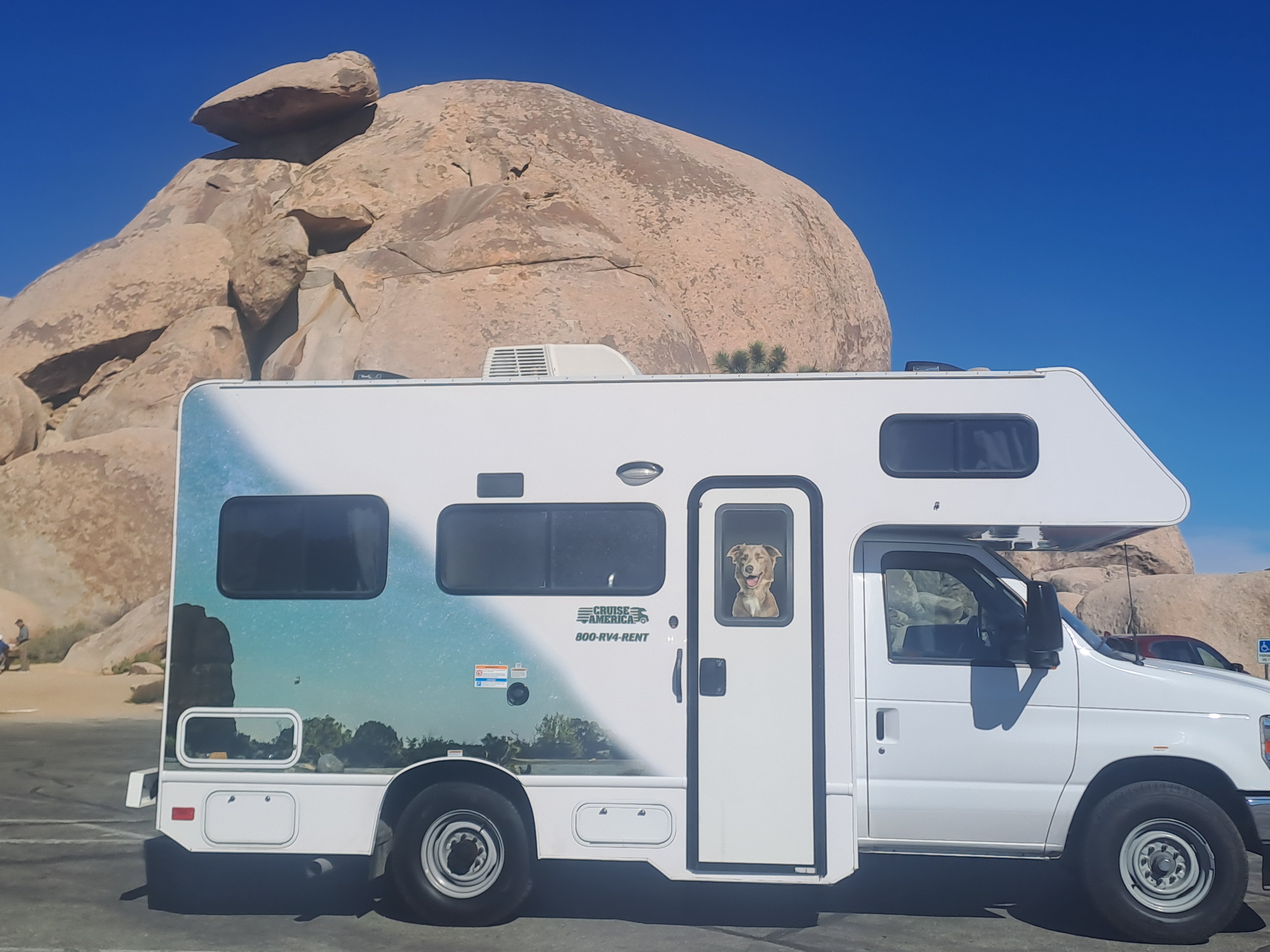
Our first night after Ashley’s release was back to the motel as it was getting late. We worked out that as the first part of our trip had been a loop up to Death Valley and back, we could actually catch up with our schedule really quickly. So we spent a day driving through Joshua Tree national park.
As part of Ashley’s recovery he was confined to the back of the van with his leg up, which rather spoiled the conversations. However, at least we were moving again.
The van is a lot larger than the old Jucy, all 4 tons of it and the back and forwards to the hospital had at least been a gentle orientation experience for me. I was terrified of driving it the first few days.
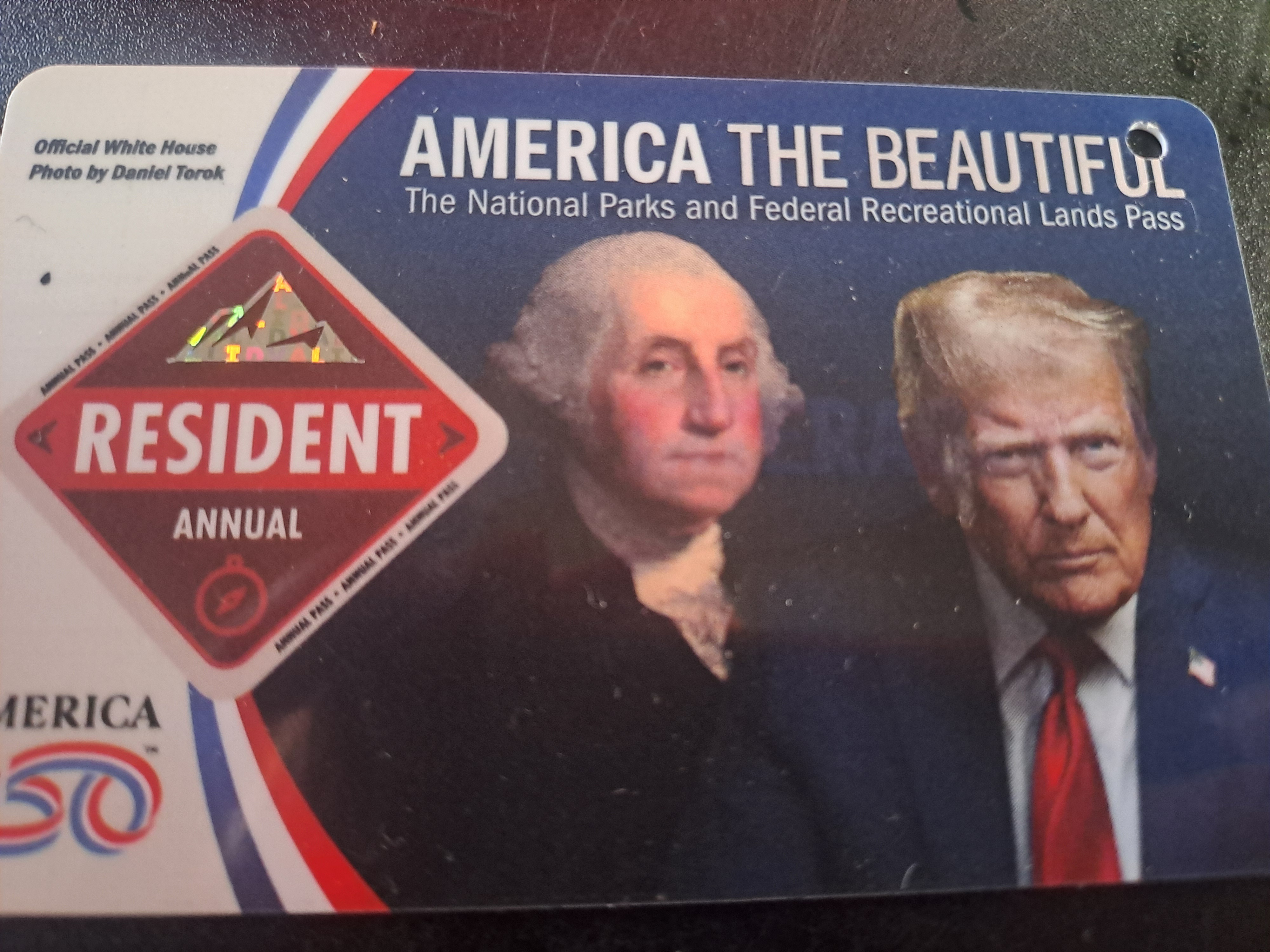
I would like to record here my disappointment with the national parks pass. My last one had a picture of Death Valley on it. This time I got something not at all beautiful.


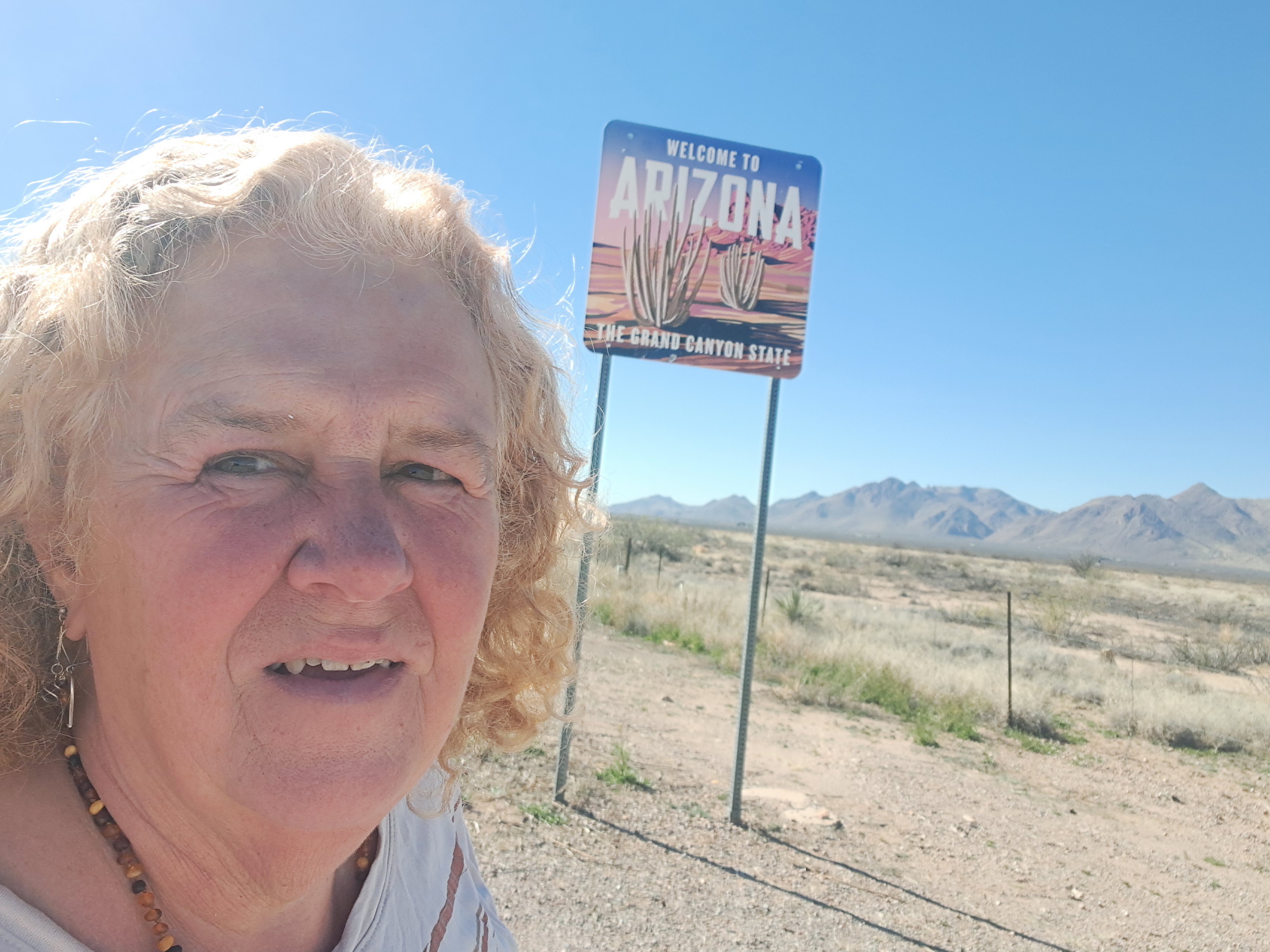
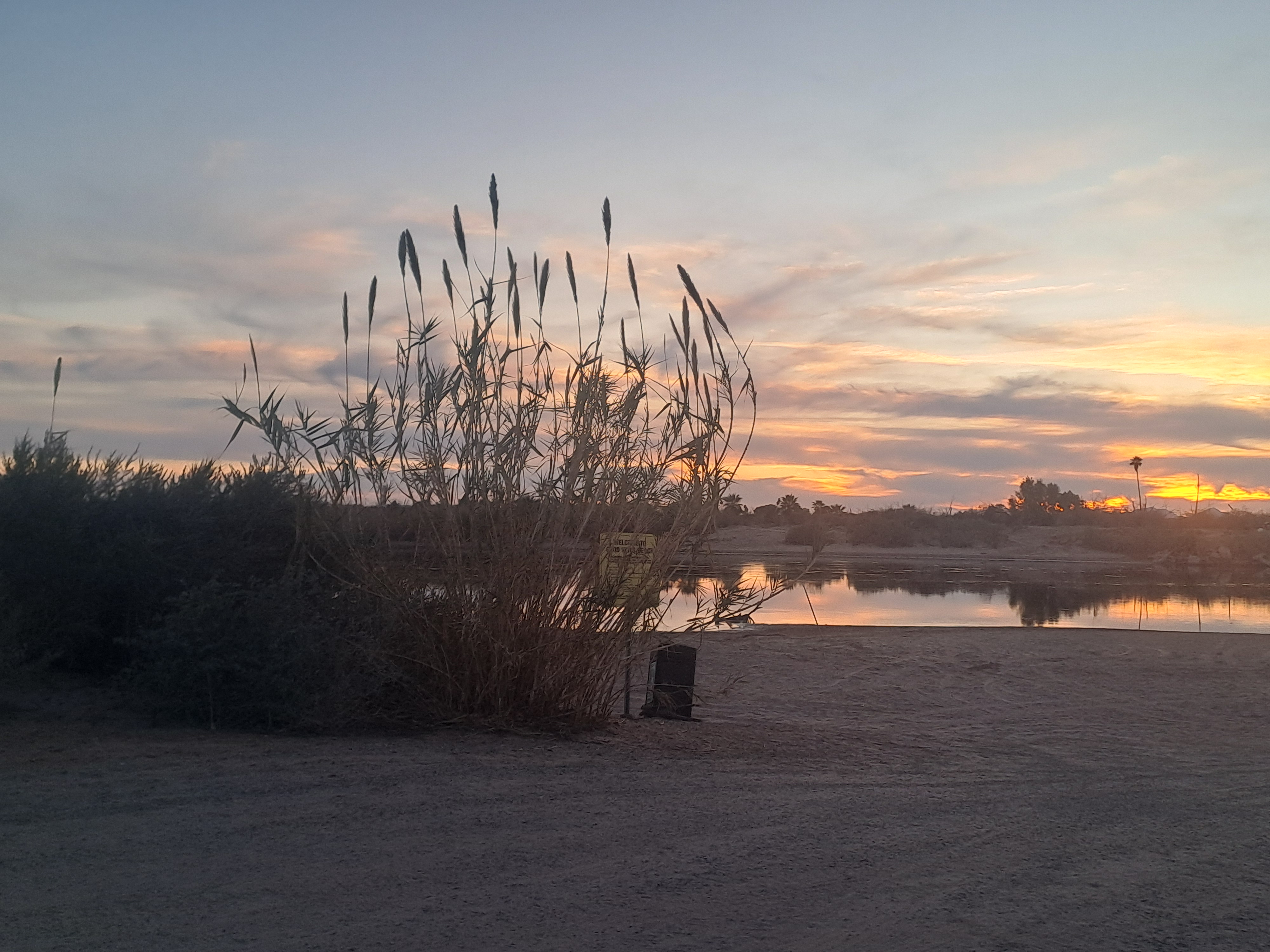
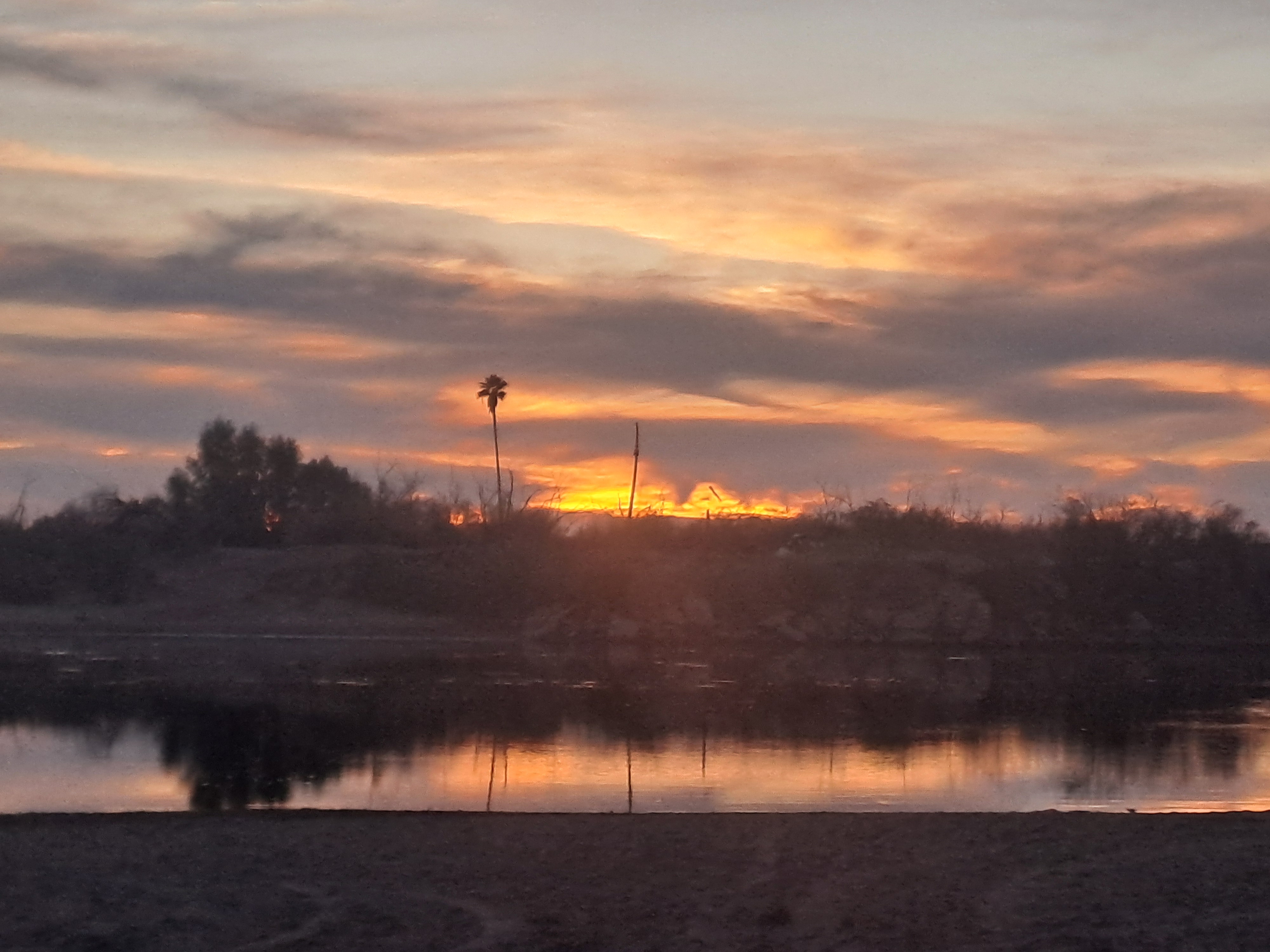
We crossed into Arizona before camping for the night on the bank of the Colorado River at Blyth. The bank was all set up as a beach with palm roofed shades.
The was where we first met the “club house” an alternative to the camp kitchen and facilities of Australia and New Zealand. It assumes that everyone will use the facilities on their RV and that quite a few will be semi permanent residents. Indeed this part of America seems to be the wintering area for those from the north who have retired.
Later on we found a site with an incredibly active club house. I intruded on morning exercises on my journey to the shower in the morning. Then found aquarobics on later whilst crafts were happening inside, and a regular programme of weekend events.
Maybe now is s good time to start looking at the history in this region. The map below from 1812 shows that it was part of “New Spain”. It as also home to several tribes of Native Americans and the route from east to west avoiding the Rocky Mountains. As the route was in desert, skirmishes tended to centre around water courses. Later what was under the ground became of interest as silver and other metals were sought out, and then of course oil.

So, on to Phoenix where we visited the Heard museum. This recorded the modern history of the local native American tribes and how they had been affected by the invasion from Europe. The quilt shows the efforts made to make children conform to the new culture, taking them from home and imposing the new culture. Similar to Australia. The museum also celebrates the arts and traditions of Native Americans and their resistance to an imposed culture.


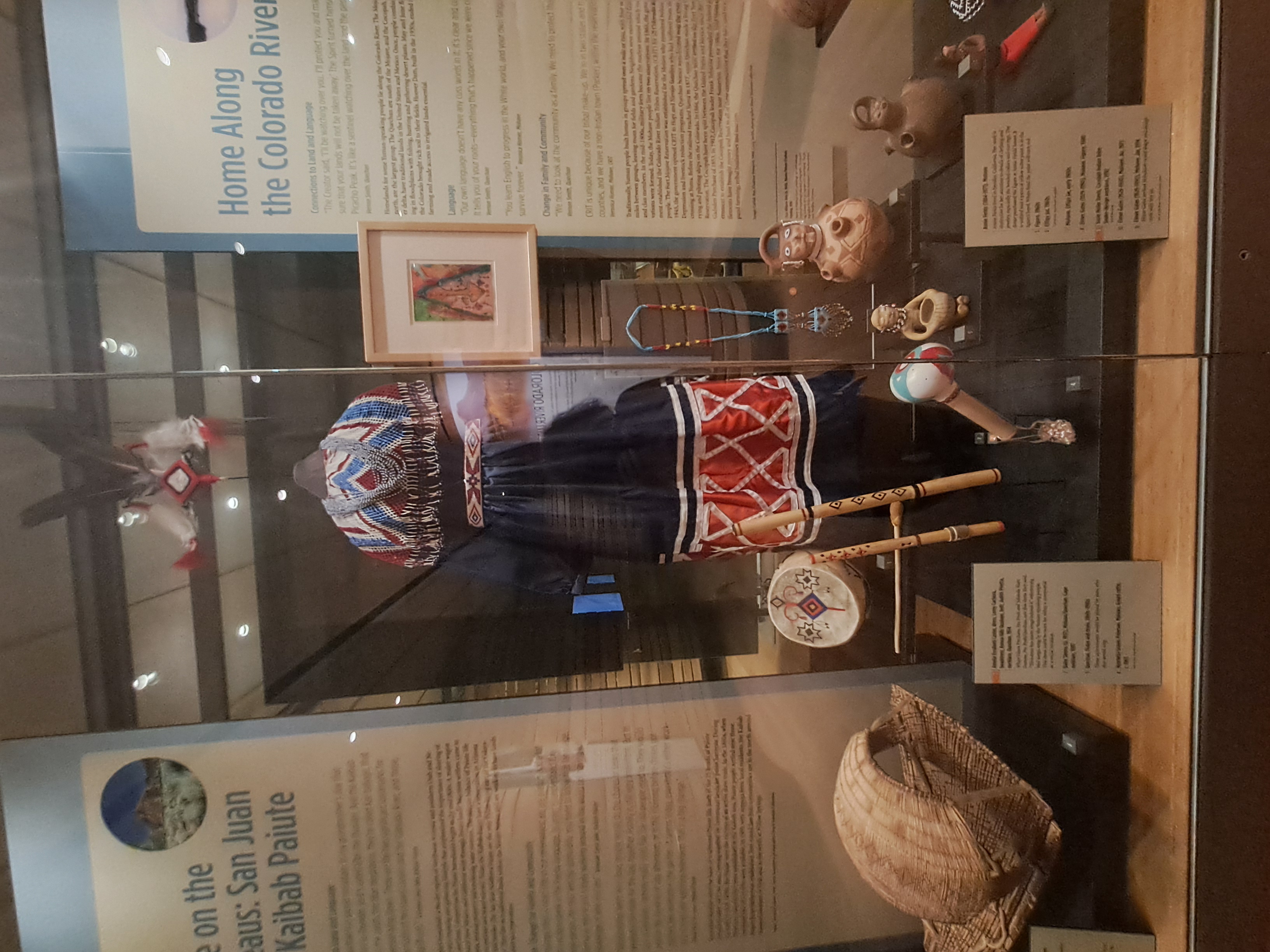

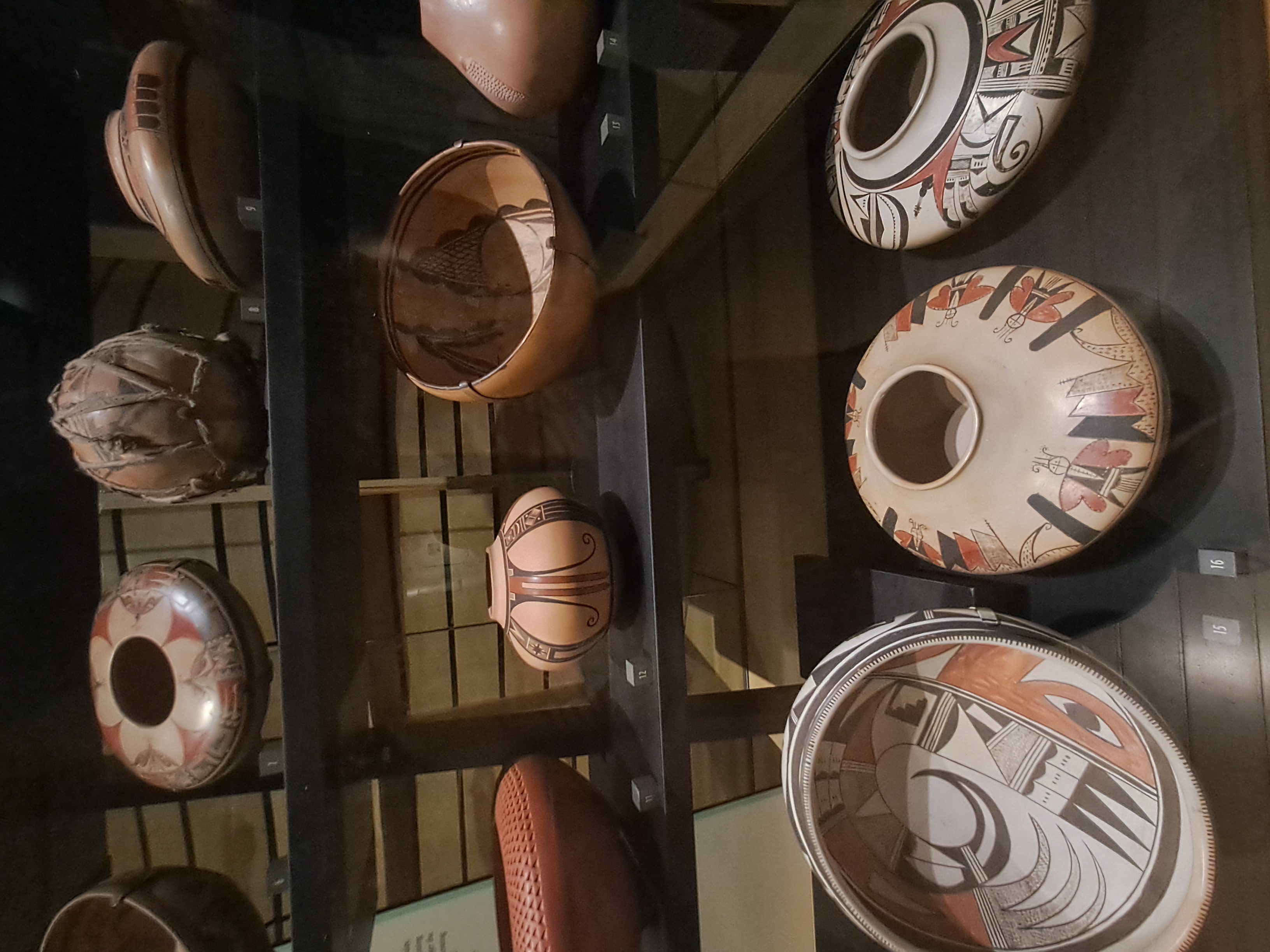
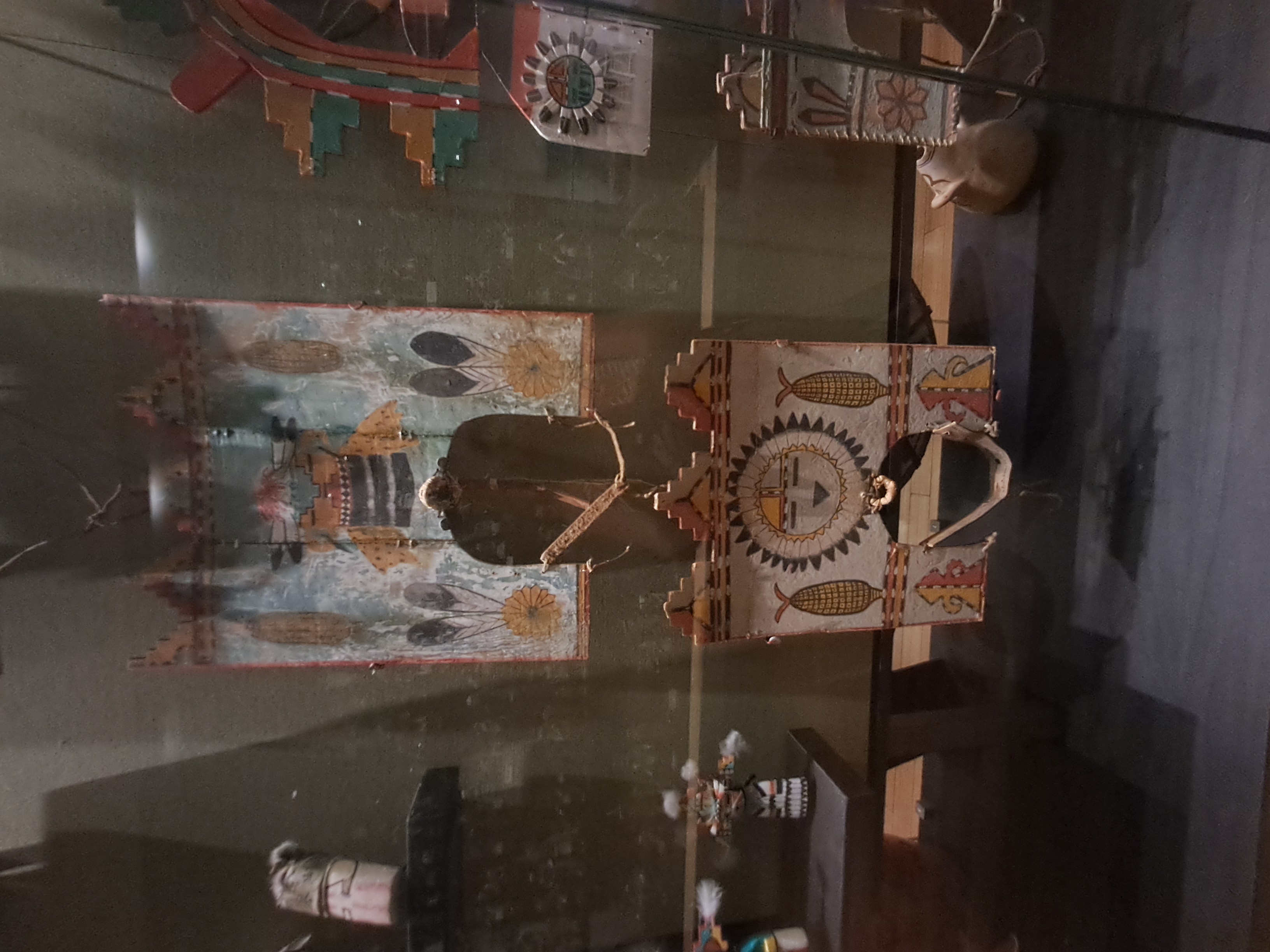


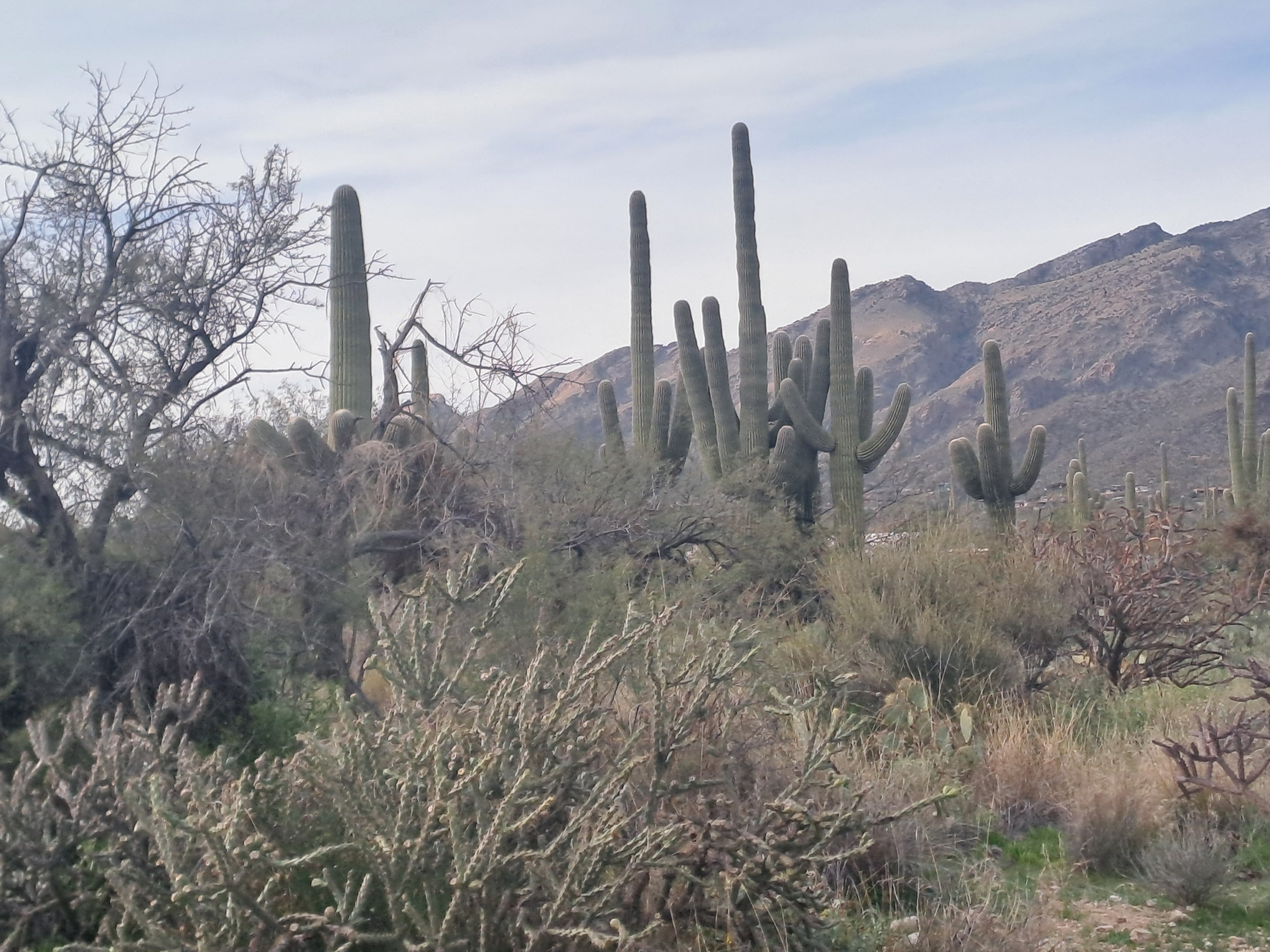
On our way to Tucson we happened on a little visitor’s centre and museum although this was only of local interest I did get some good advice on where to visit next. So off we went to Sabino Canyon which offered an electric shuttle service up the Canyon.
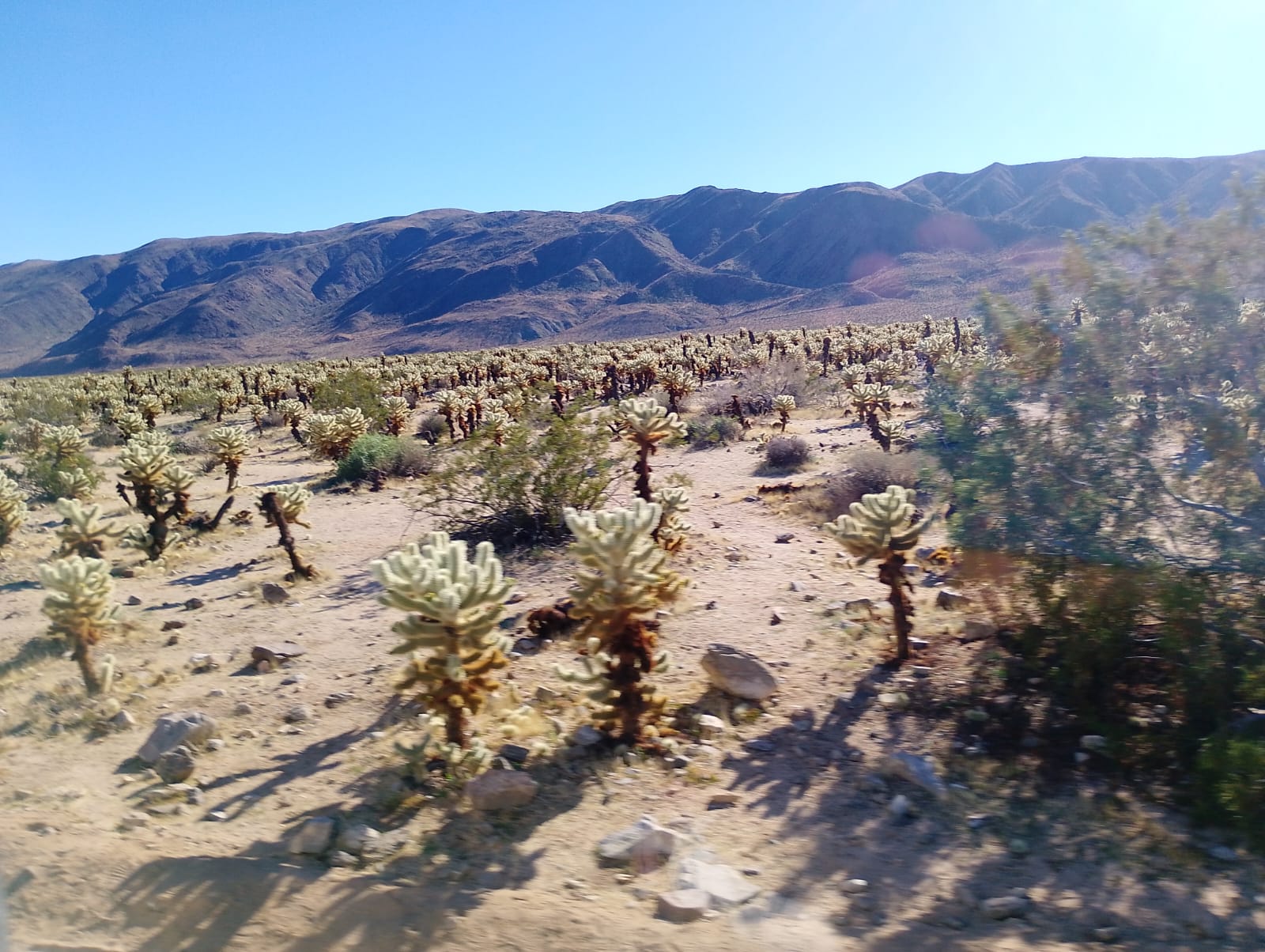
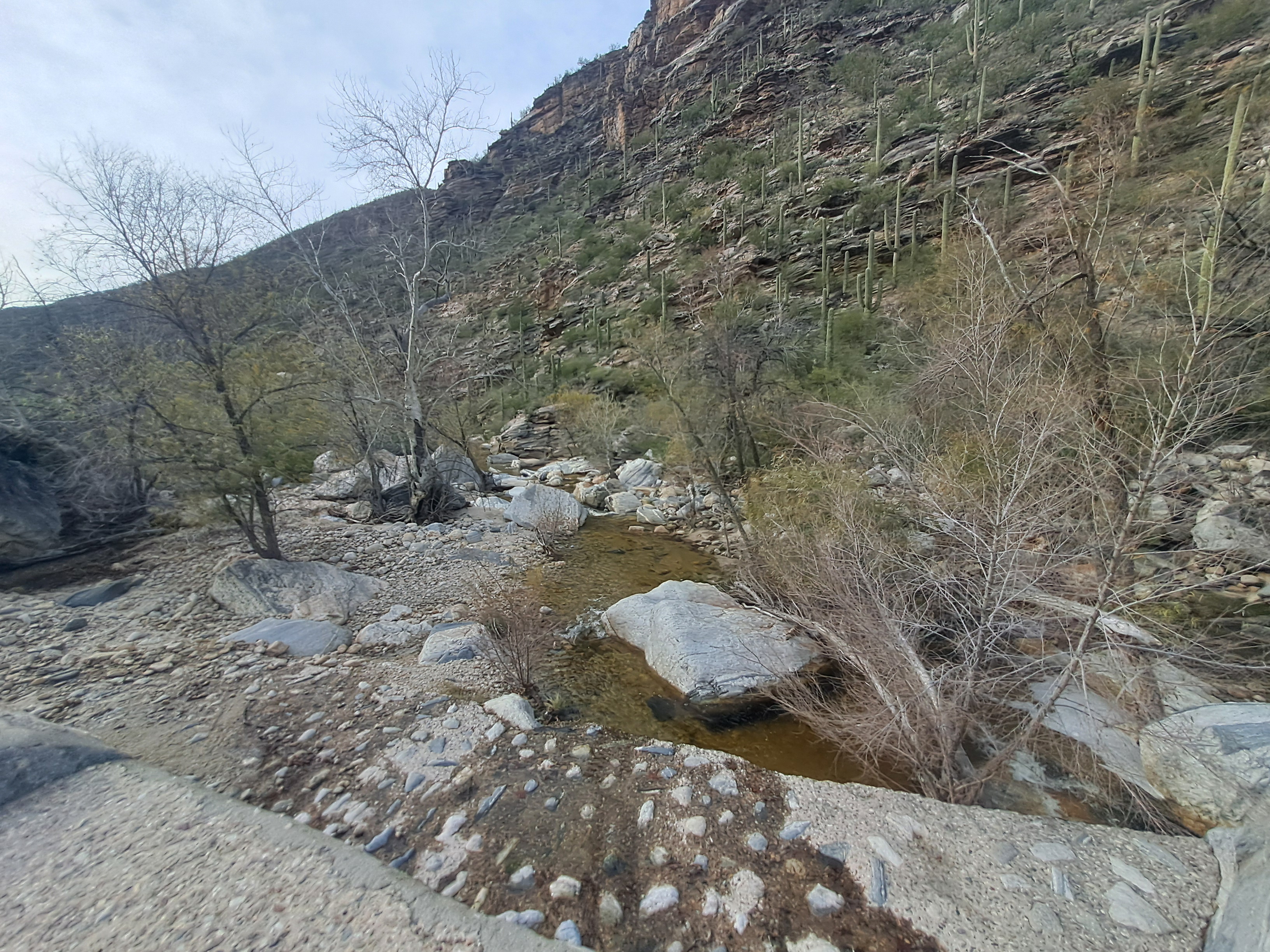
Sabino Canyon was carved out by Sabino Creek which flows with water intermittently during the year, including across the roadway in several locations.
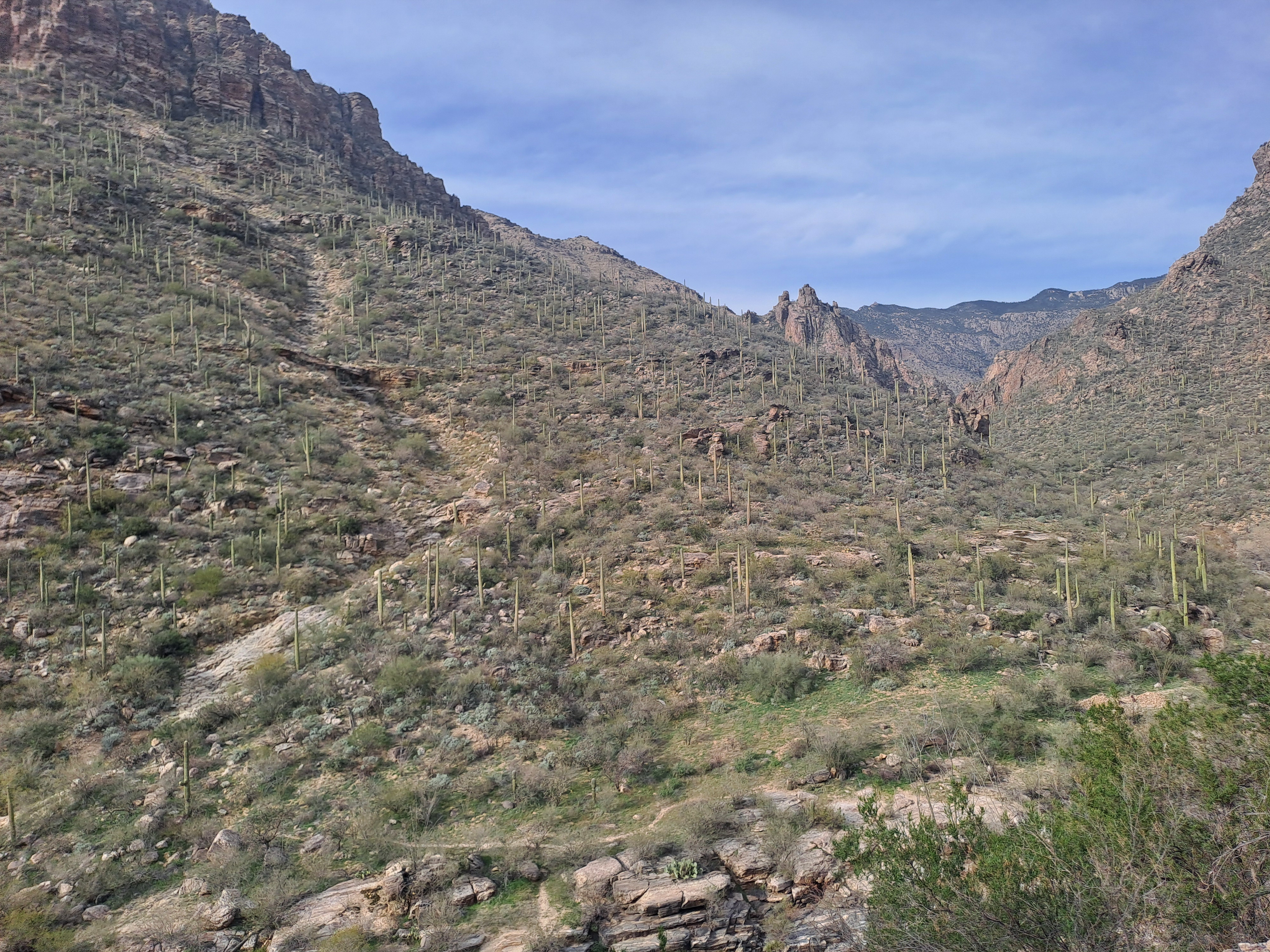
The history of Sabino Canyon began with the formation of the Santa Catalina Mountains over 12 million years ago. Around 5 million B.C., the mountains ceased formation around the Tucson valley. Present-day varieties of plant life first appeared between 6,000 and 8,000 years ago, and some of the earliest human occupants of Sabino Canyon were the Native American Hohokam people.The 1887 Sonora earthquake dislodged massive boulders lining the canyon walls, which came to rest in the valley below. In 1905 the newly created U.S. Forest Service began administering Sabino Canyon. During the Great Depression, the Works Progress Administration (WPA) and Emergency Relief Administration (ERA) built Sabino Dam and nine bridges over Sabino Creek in an attempt to build a road to the top of Mount Lemmon. The road travels about 4.5 mi (7.2 km) into the canyon, but was not completed due to the steep terrain at the end of the canyon.
We just enjoyed the product of that, a road which allowed us to travel up through the canyon. An oasis in a desert.




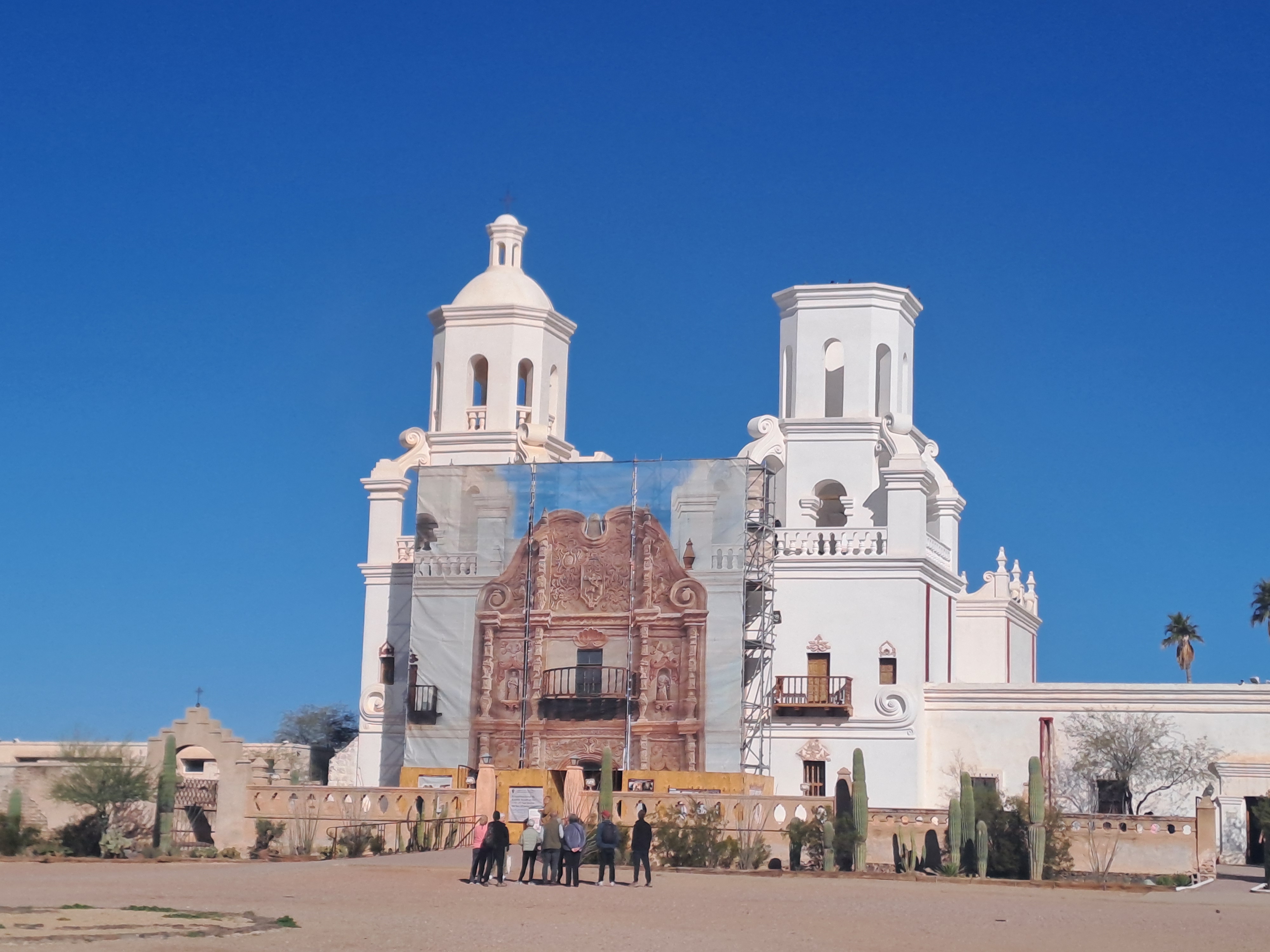
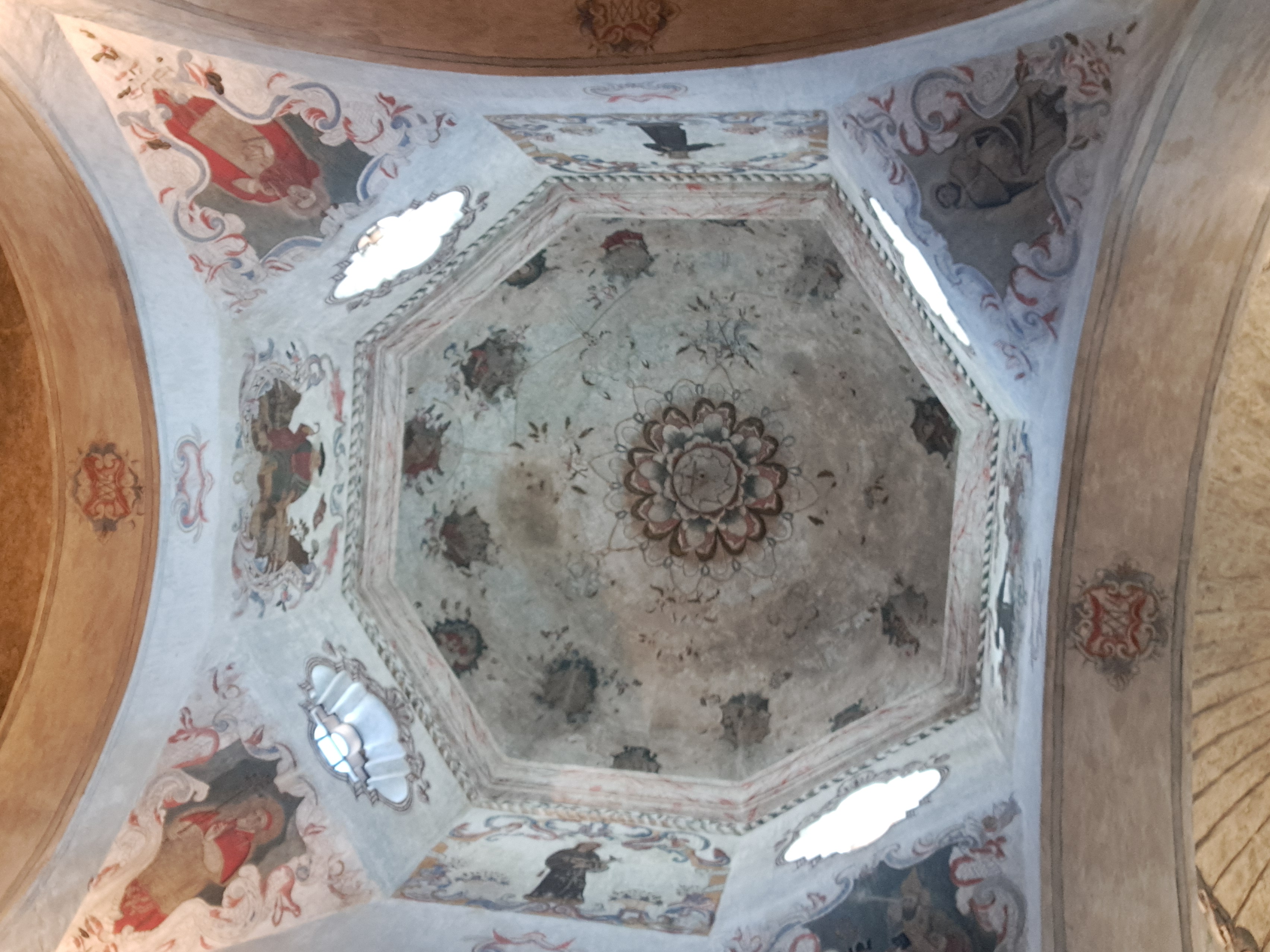
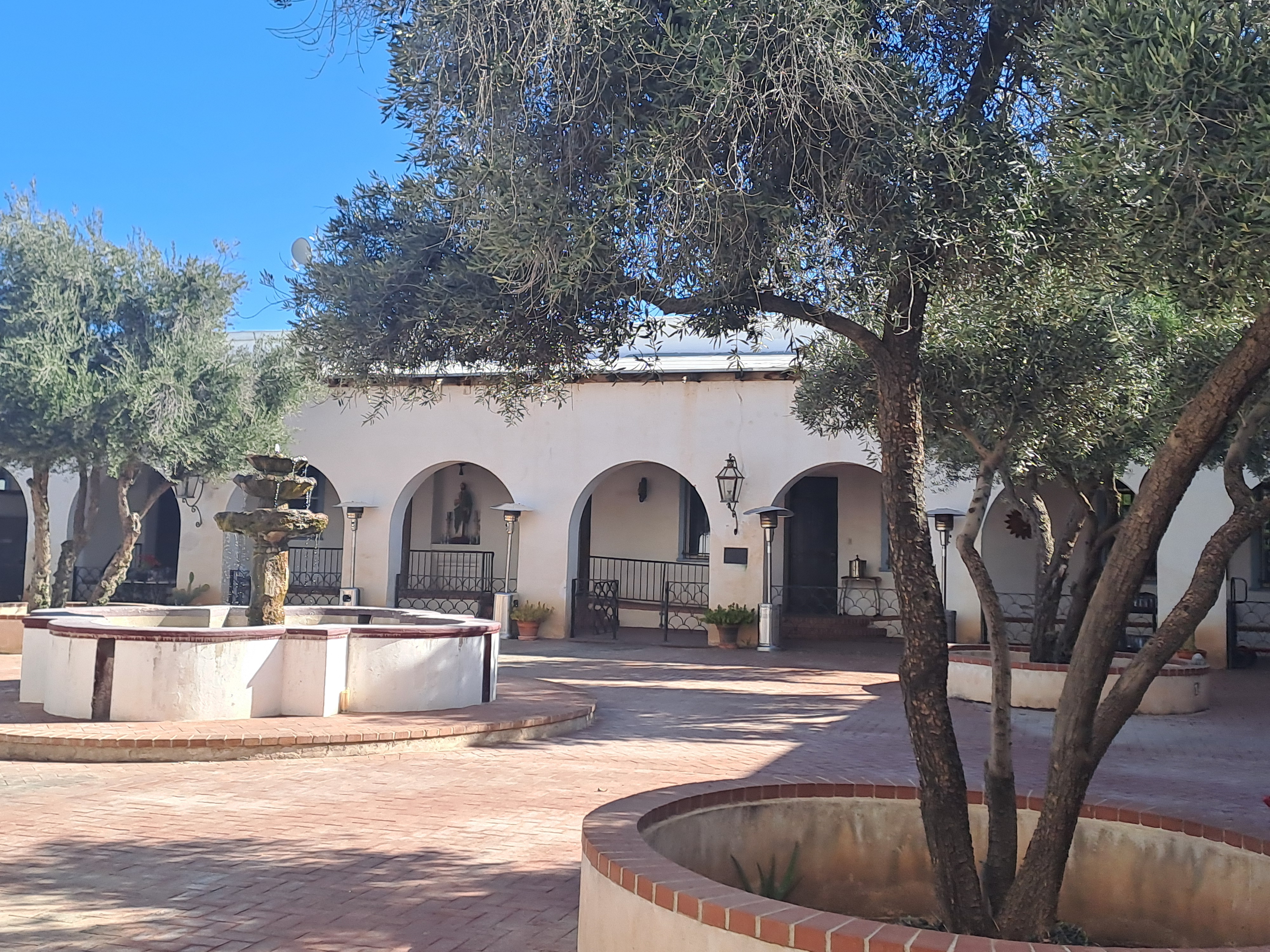
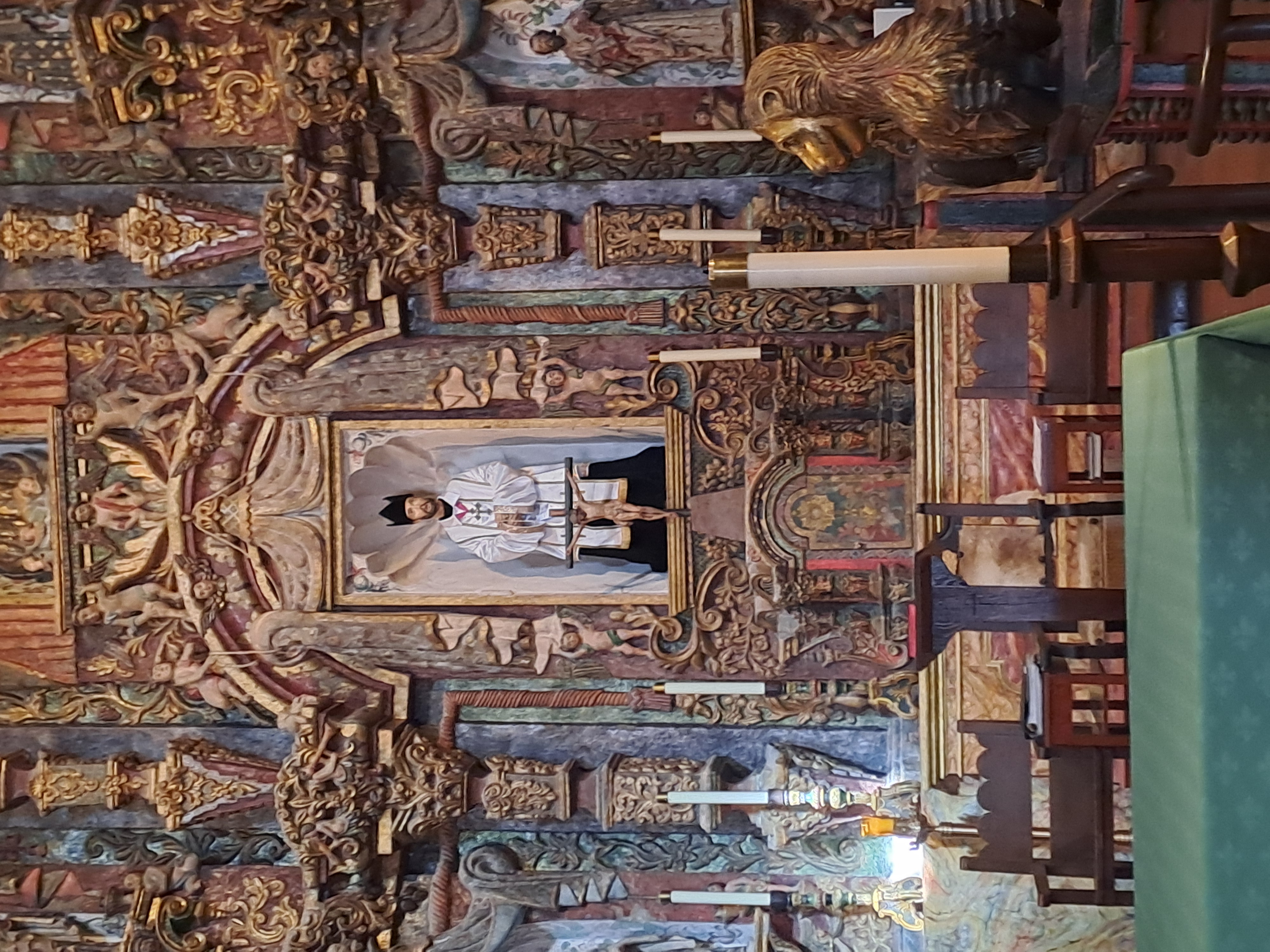
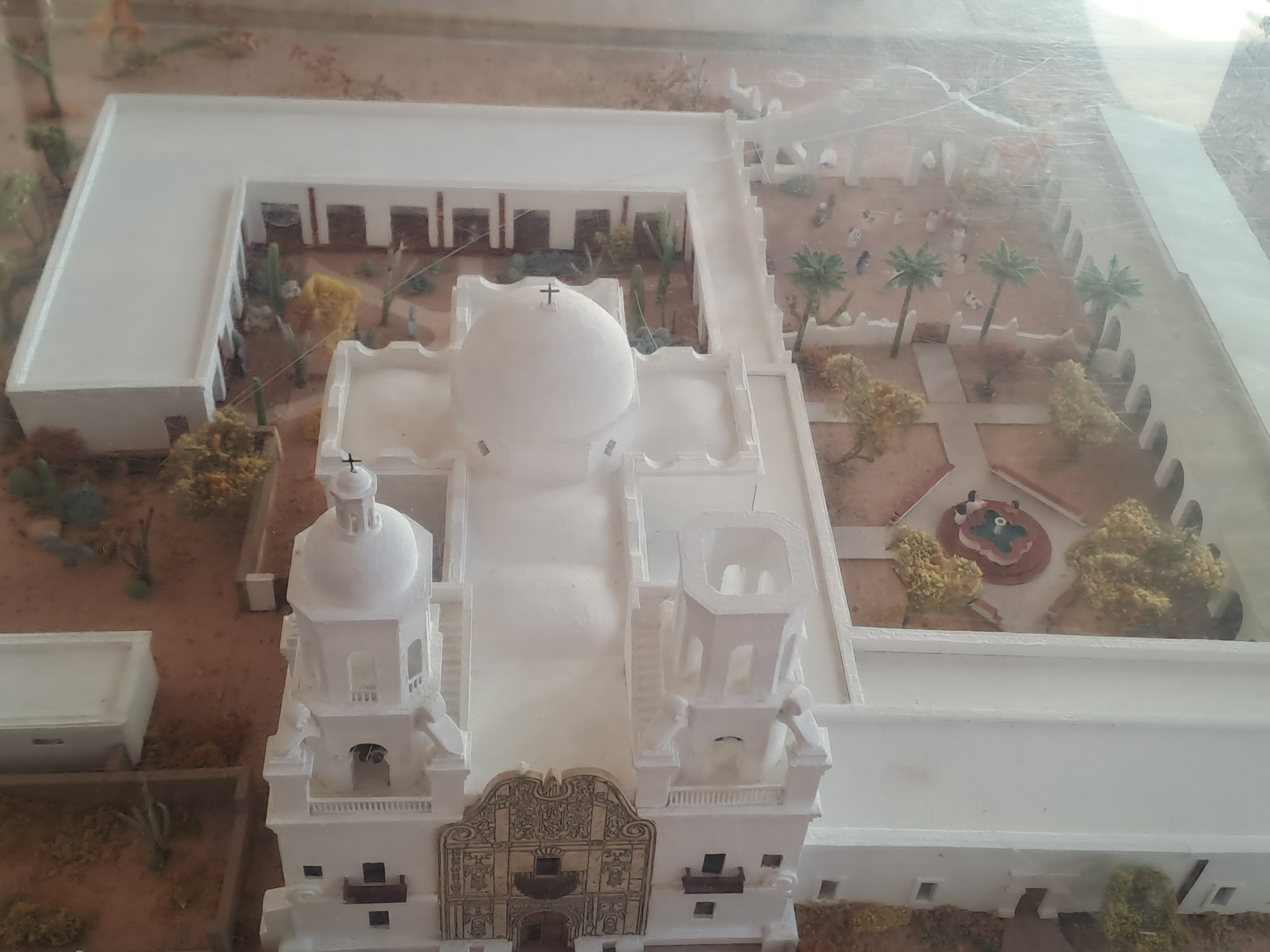
We next went to San Xavier del Bac Mission.
San Xavier del Bac Mission was founded in 1692 by Jesuit missionary Father Eusebio Francisco Kino SJ, who traveled extensively in the region to spread Catholicism and foster peace among indigenous communities.
Construction of the church we see today began in 1783, during the period when southern Arizona was part of New Spain.
Following Mexican independence in 1821, what was then known as Alta California was administered from Mexico City. In 1822, the mission was included under the jurisdiction of the Catholic Diocese of Sonora. In 1828, the Mexican government banned all Spanish-born priests, with the last resident Franciscan departing San Xavier for Spain in 1837.
Left vacant, the mission began to decay. Concerned about their church, local O’odham began to preserve what they could, in 1852.
With the Gadsden Purchase in 1853, the site of San Xavier became a part of the United States and the new territory of Arizona. The church was re-opened in 1859 when the Santa Fe Diocese added the mission to its jurisdiction.
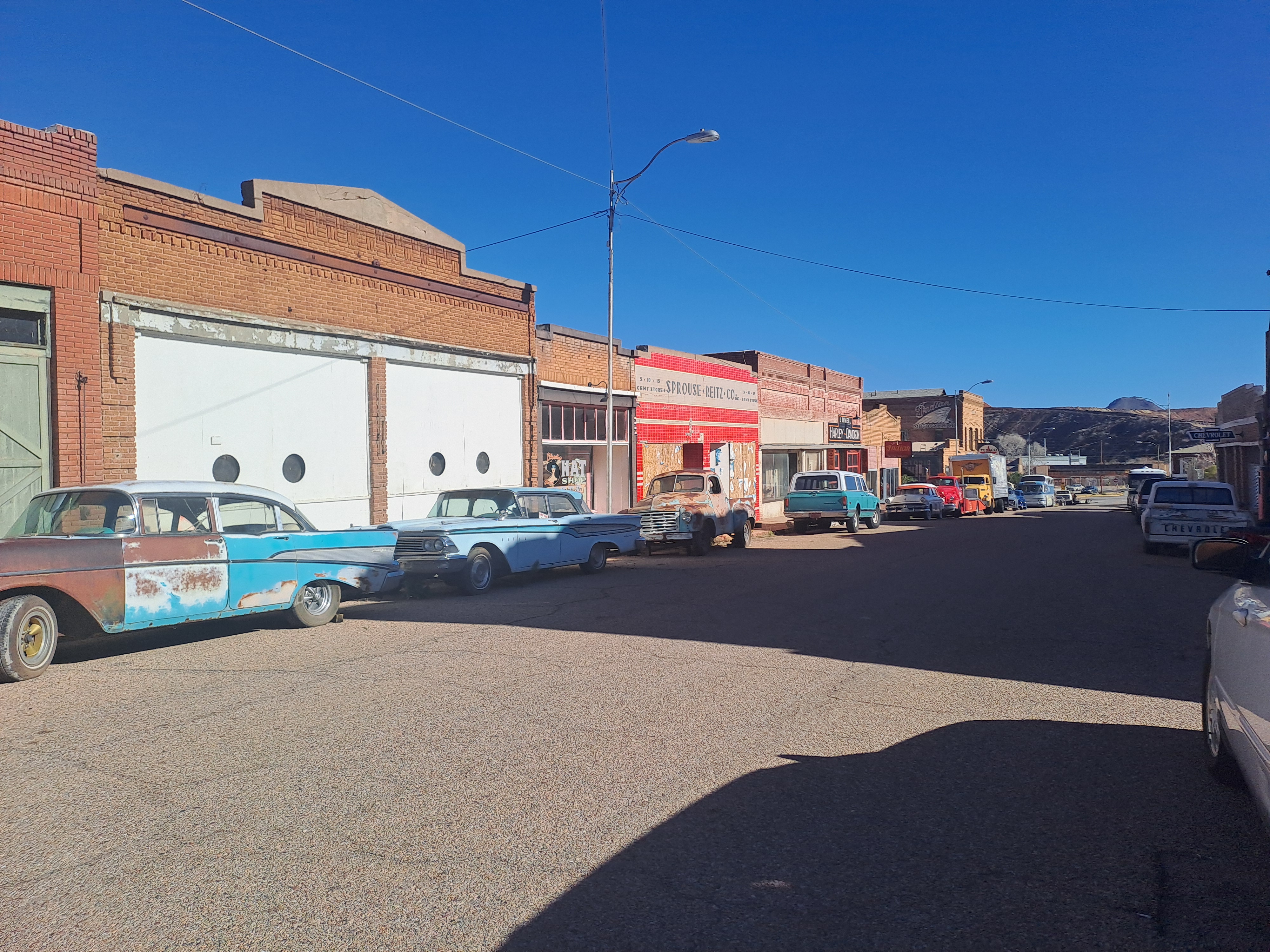
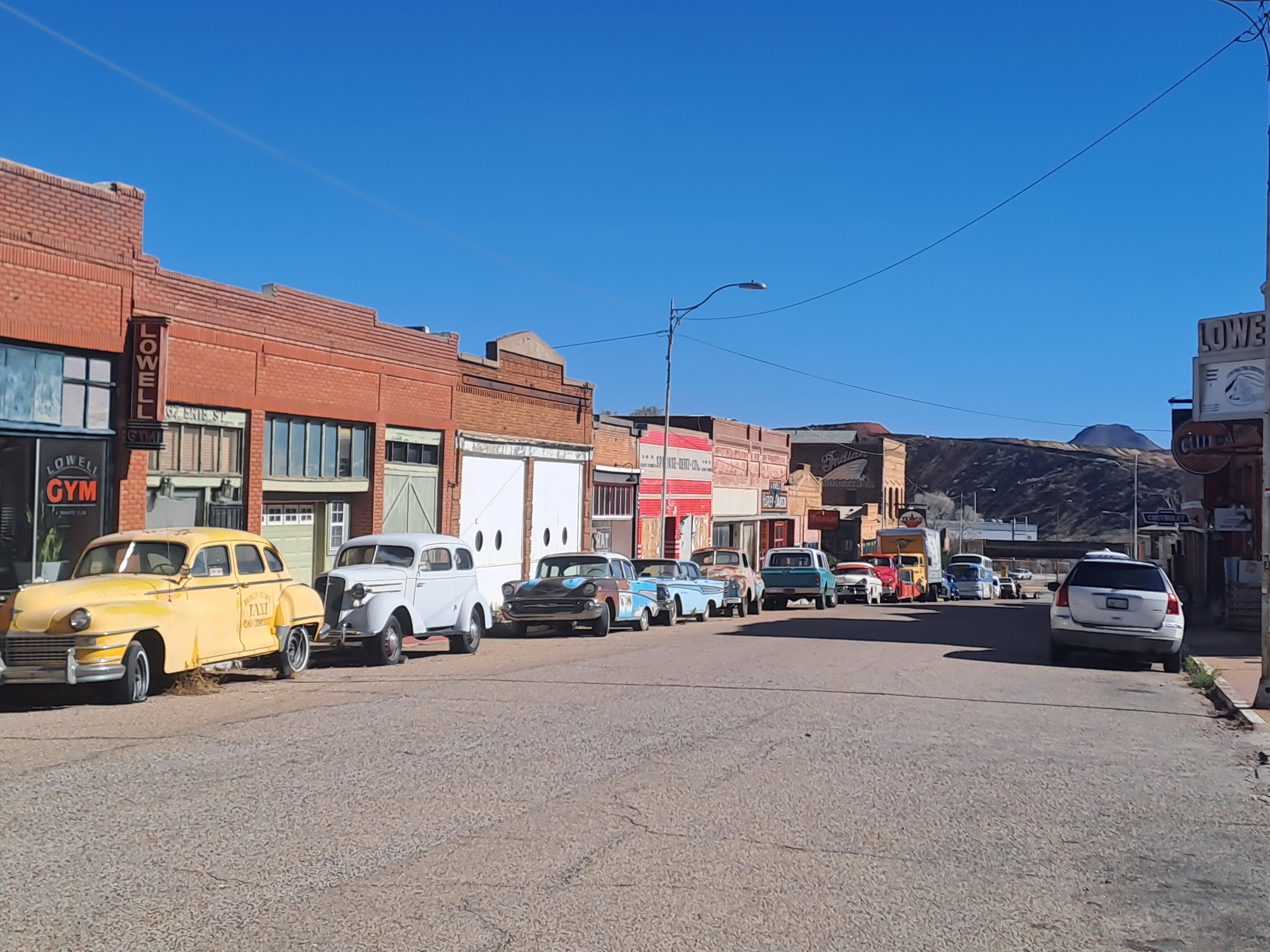
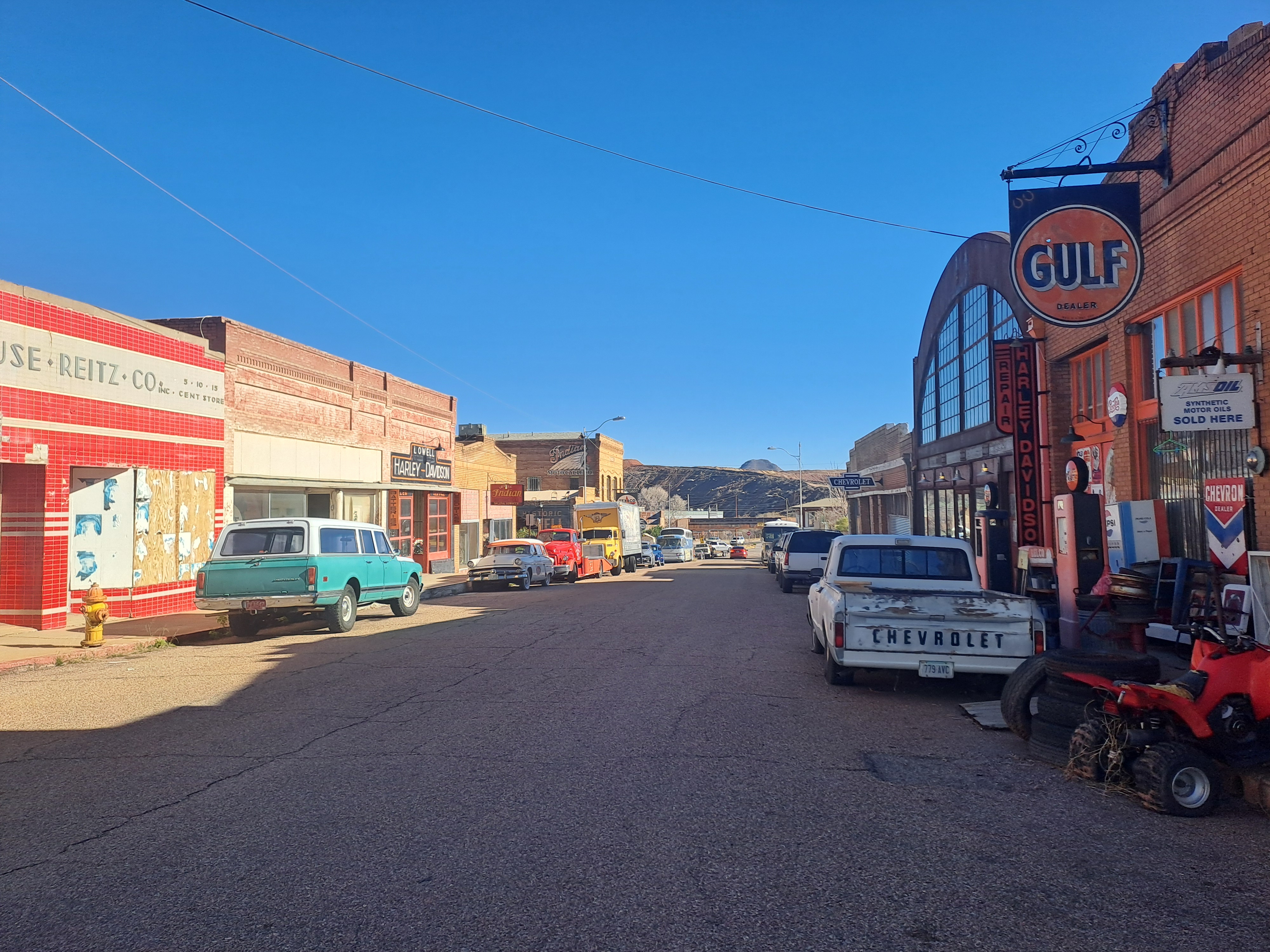
Another tip was to go to see Lowell ghost town, after a couple of attempts we found the preserved street complete with working diner.
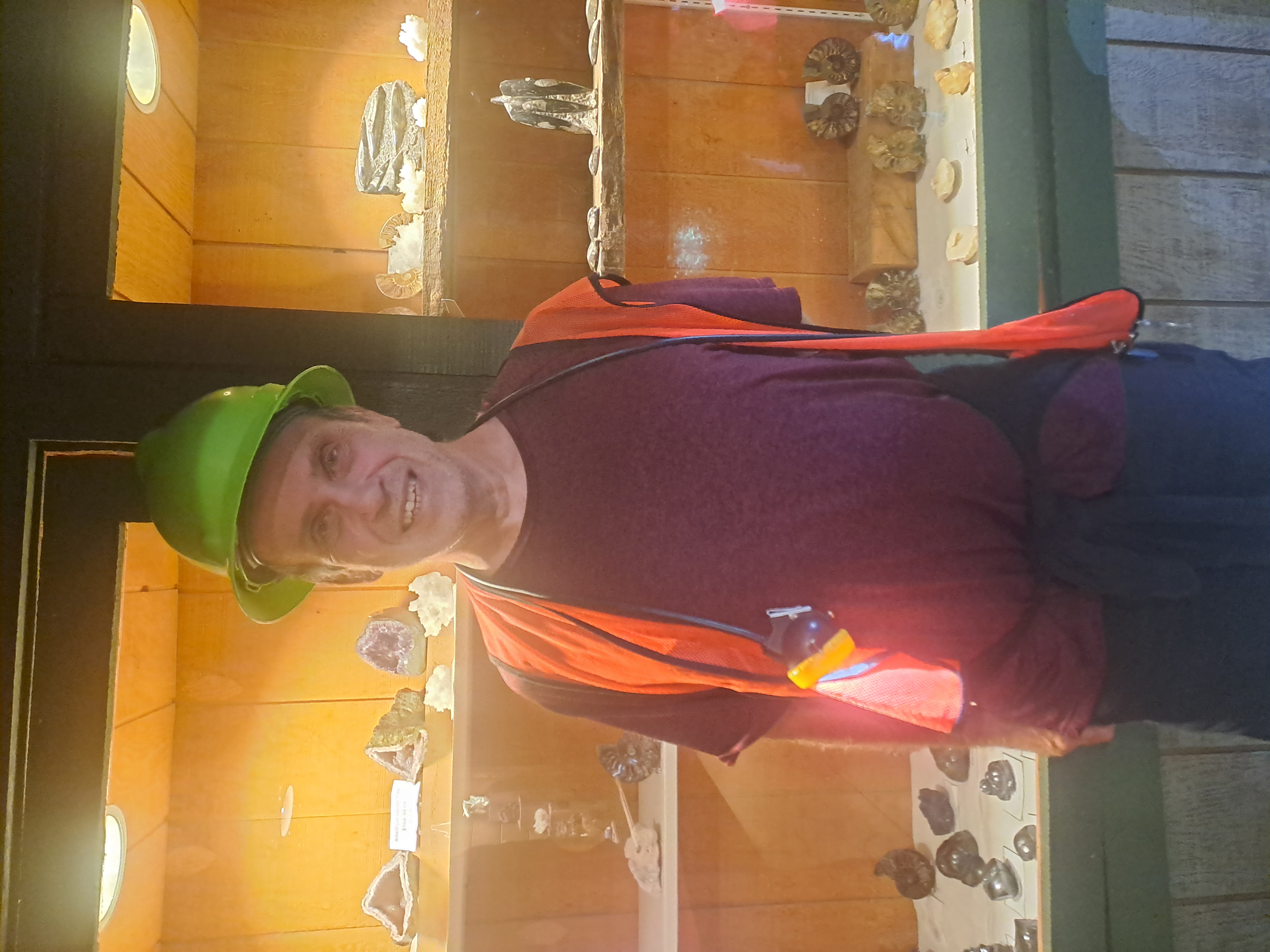
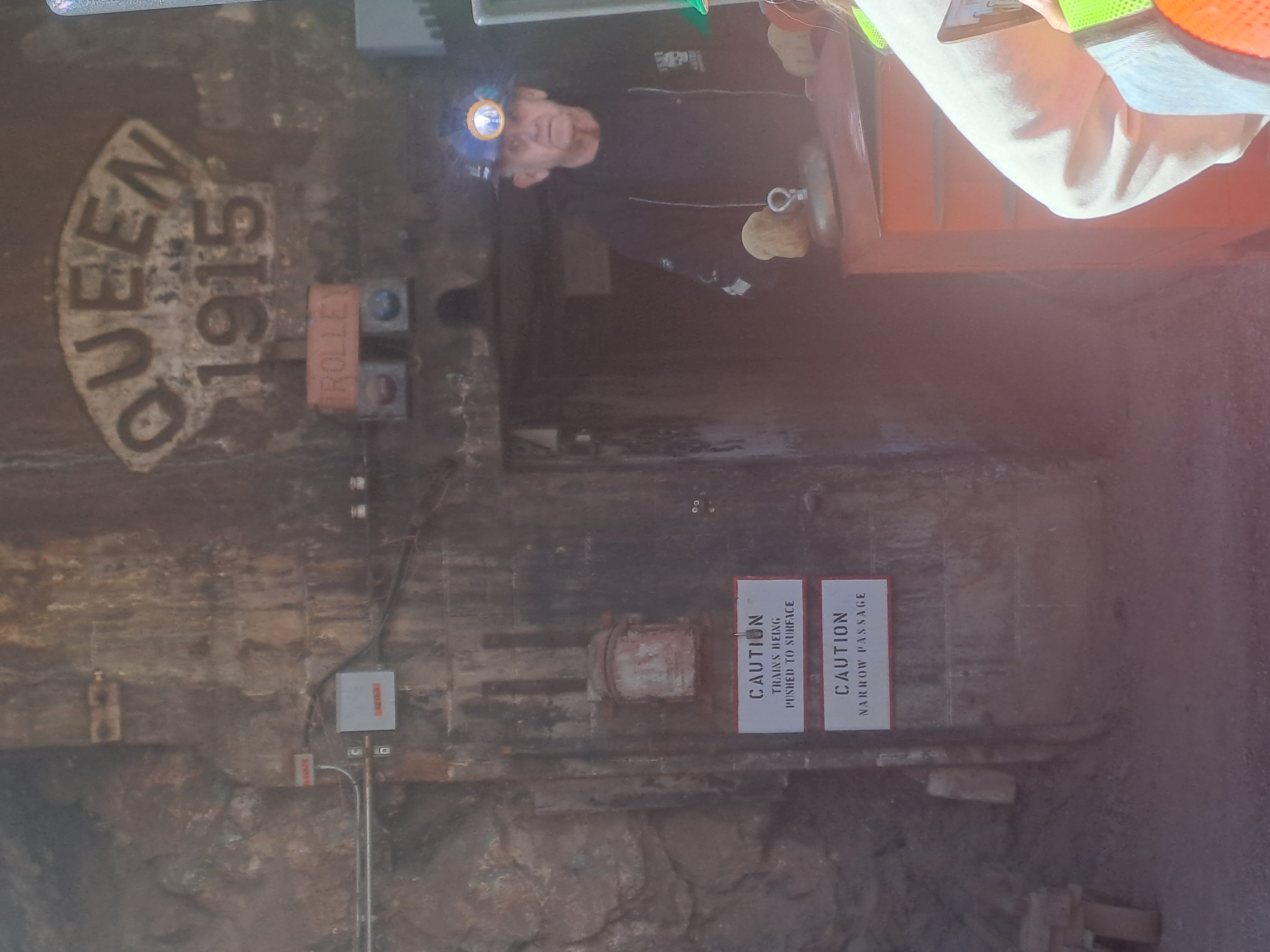
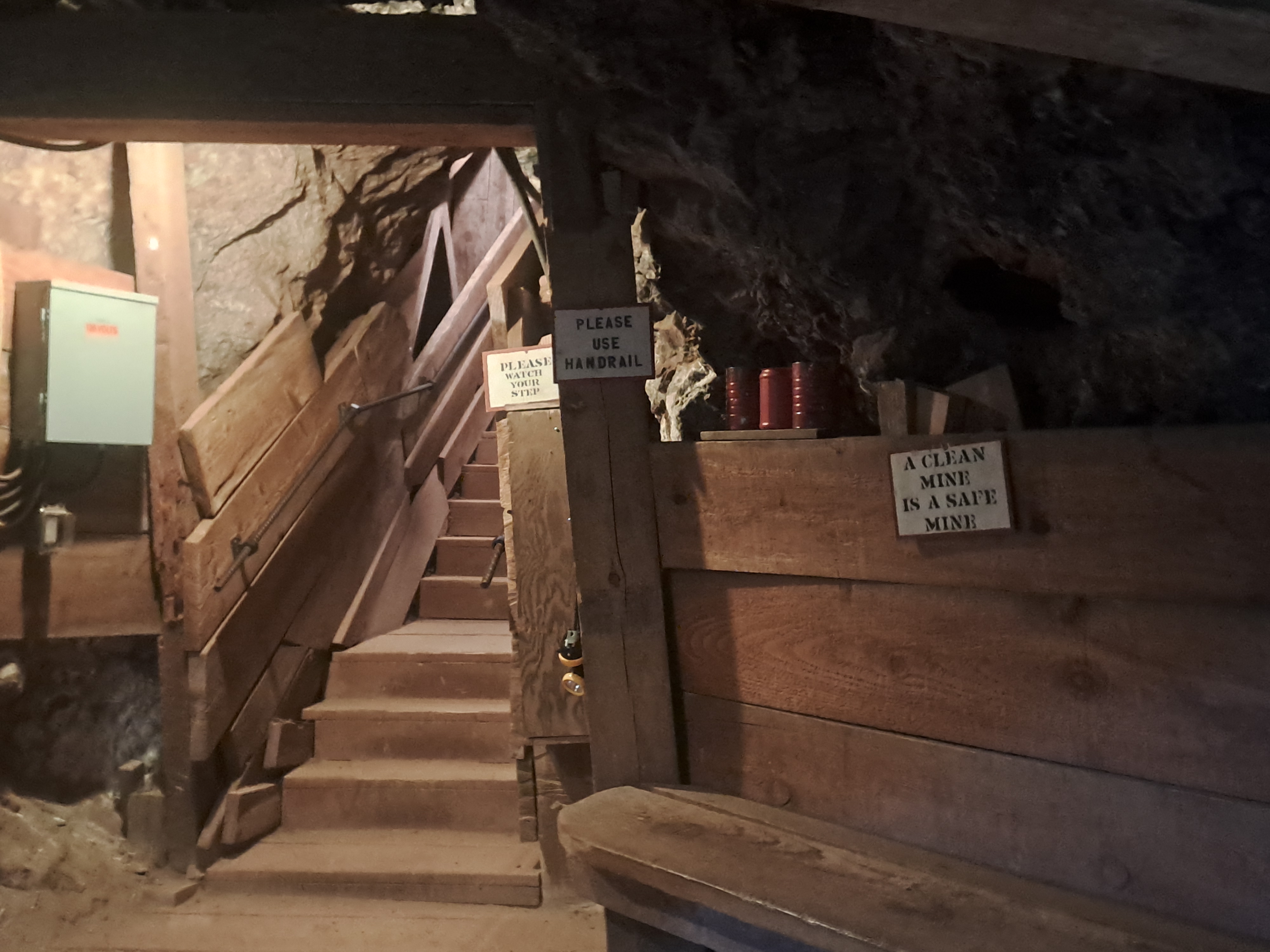
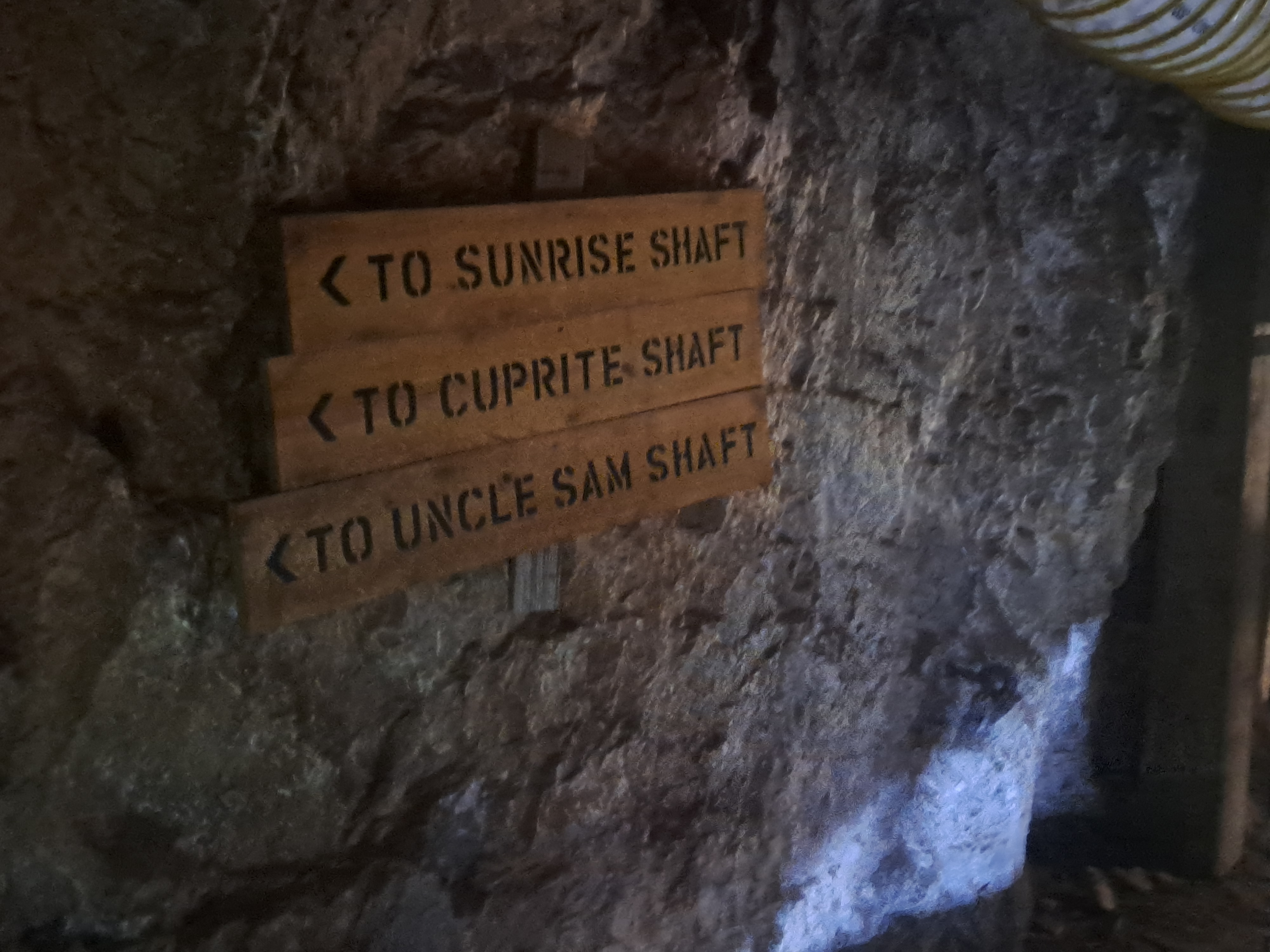
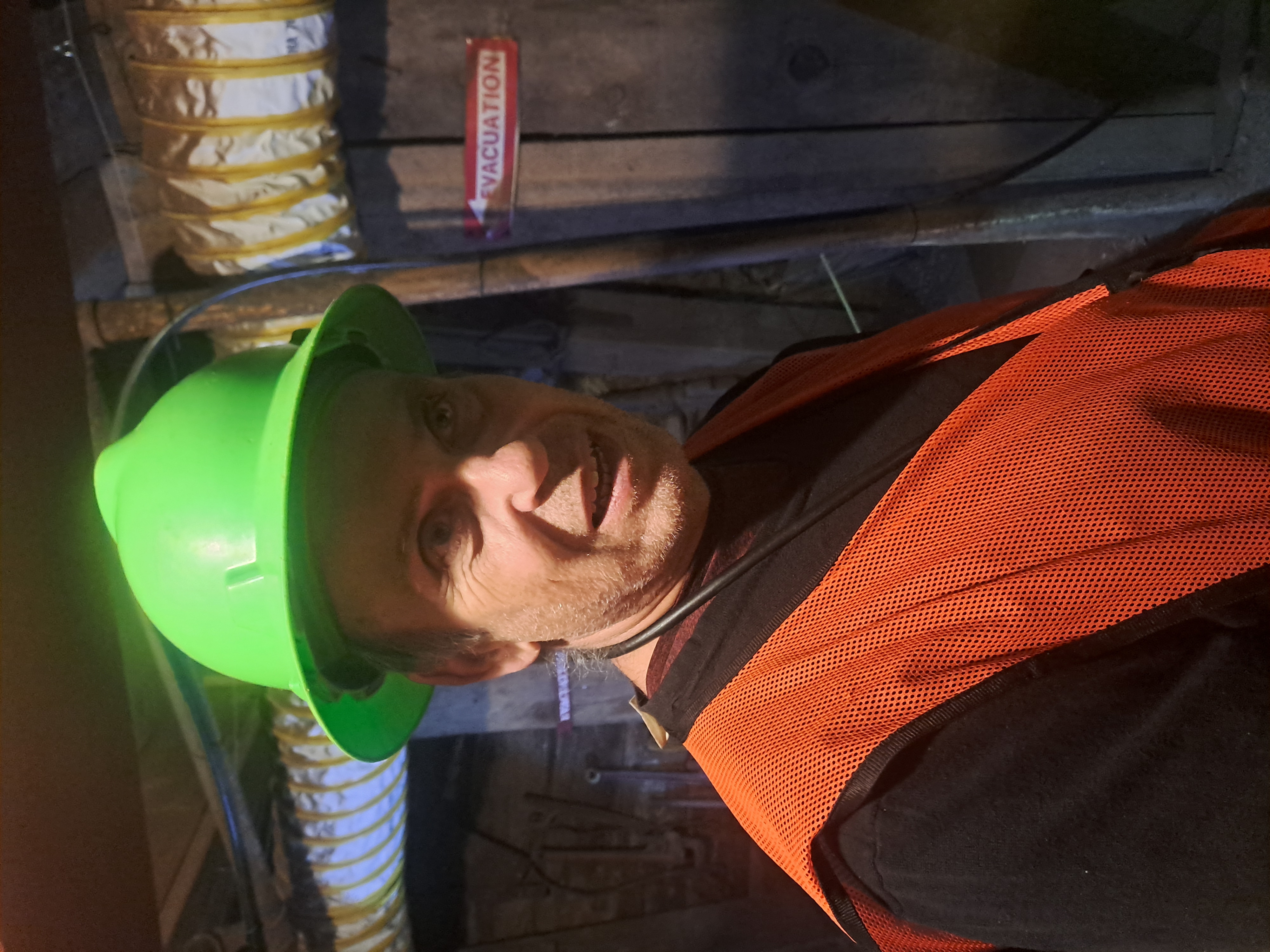
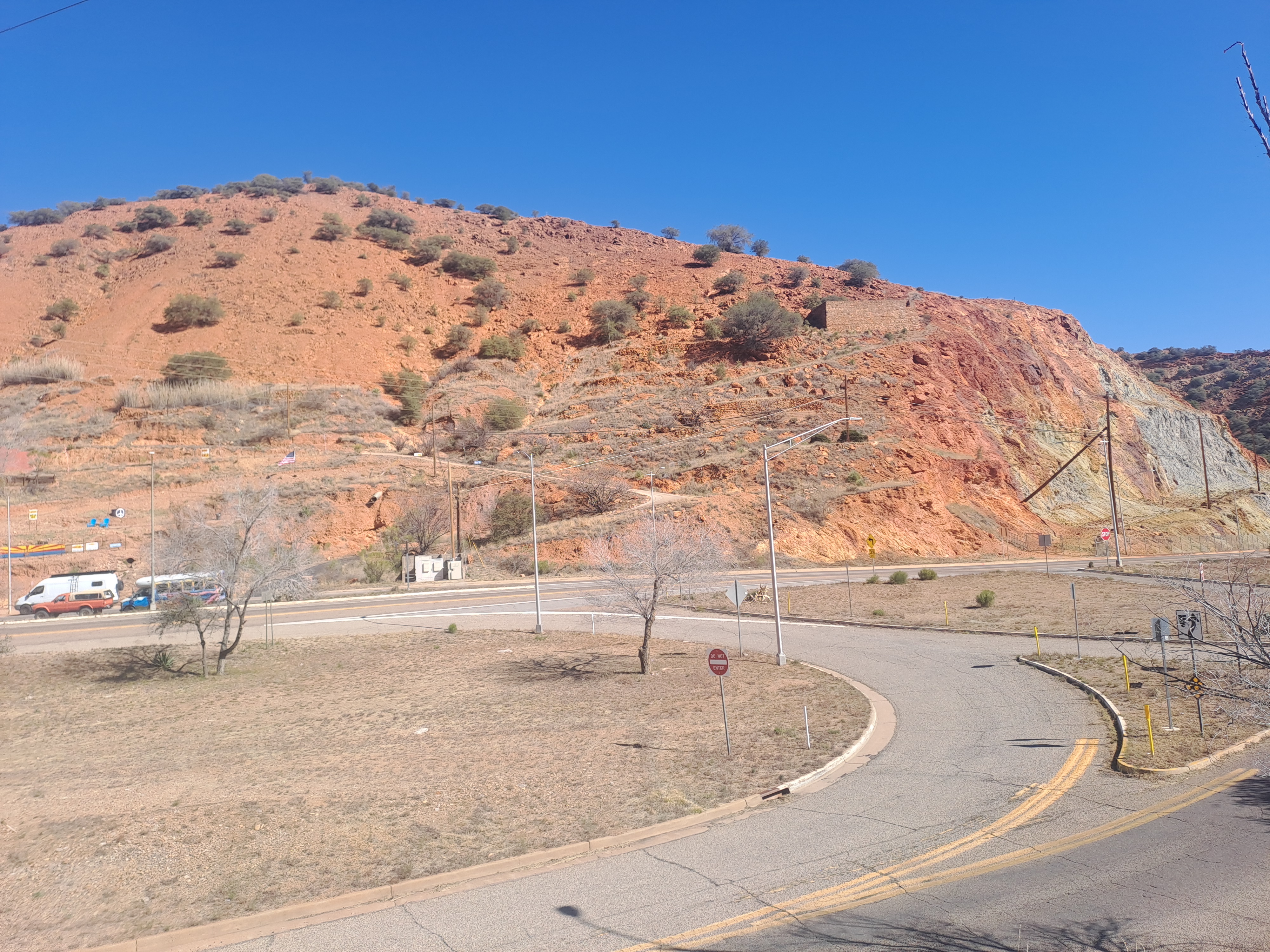
The attraction of this area had originally been copper and we visited the mine.
The Copper Queen Mine was a copper mine in Cochise County, Arizona, United States. Its development led to the growth of the surrounding town of Bisbee in the 1880s. Its ore body ran 23% copper, an extraordinarily high grade. It was acquired by Phelps Dodge in 1885.
In the early 1900s, this was the most productive copper mine in Arizona. While copper mining declined in the area in the 1930s and 1940s, the Copper Queen continued to be mined by the open-pit process during the years following World War II. With decreasing returns, Phelps Dodge closed it in 1985.
While the Copper Queen Mine in Bisbee, Arizona, was primarily established for copper, more than 320 different mineral species have been identified in the area. Beyond its massive production of copper, silver, and gold, the mine is globally famous for high-quality specimens of secondary copper minerals like azurite, malachite, and the rare Bisbee Blue turquoise.
As proposed by the mayor and volunteers seeking an alternative economic base, the company agreed to allow part of the mine to be open for tours. This area was renovated by paid and volunteer workers to create a heritage tourism site.

Tombstone is famous for its gunfight. I’m ashamed that the only reason I had heard of the OK Corral was because of an episode of Star Trek in my childhood. However, I understand that American children learn about it at school.
The gunfight at the OK Corral pitted lawmen, the Earp brothers and their friend Doc Holiday, against members of a loosely organized group of cattle rustlers and horse thieves called the Cochise County Cowboys on October 26, 1881. While lasting less than a minute, the gunfight has been the subject of books and films into the 21st century. Taking place in the town of Tombstone in Arizona territory, the battle has become one archetypal stories of the American Old West. The gunfight was the result of a long-simmering feud between five outlaws (including two sets of brothers) and four representatives of the law, including three brothers. The trigger for the event was the local marshal’s decision to enforce a city ordinance that prohibited the carrying of weapons into town. To enforce that ordinance, the lawmen would have to disarm the Cowboys.
However, the definitions seem loosely defined in a rough and ready environment and elsewhere the Earp brothers and Doc Holiday are seen to be in trouble with the law.
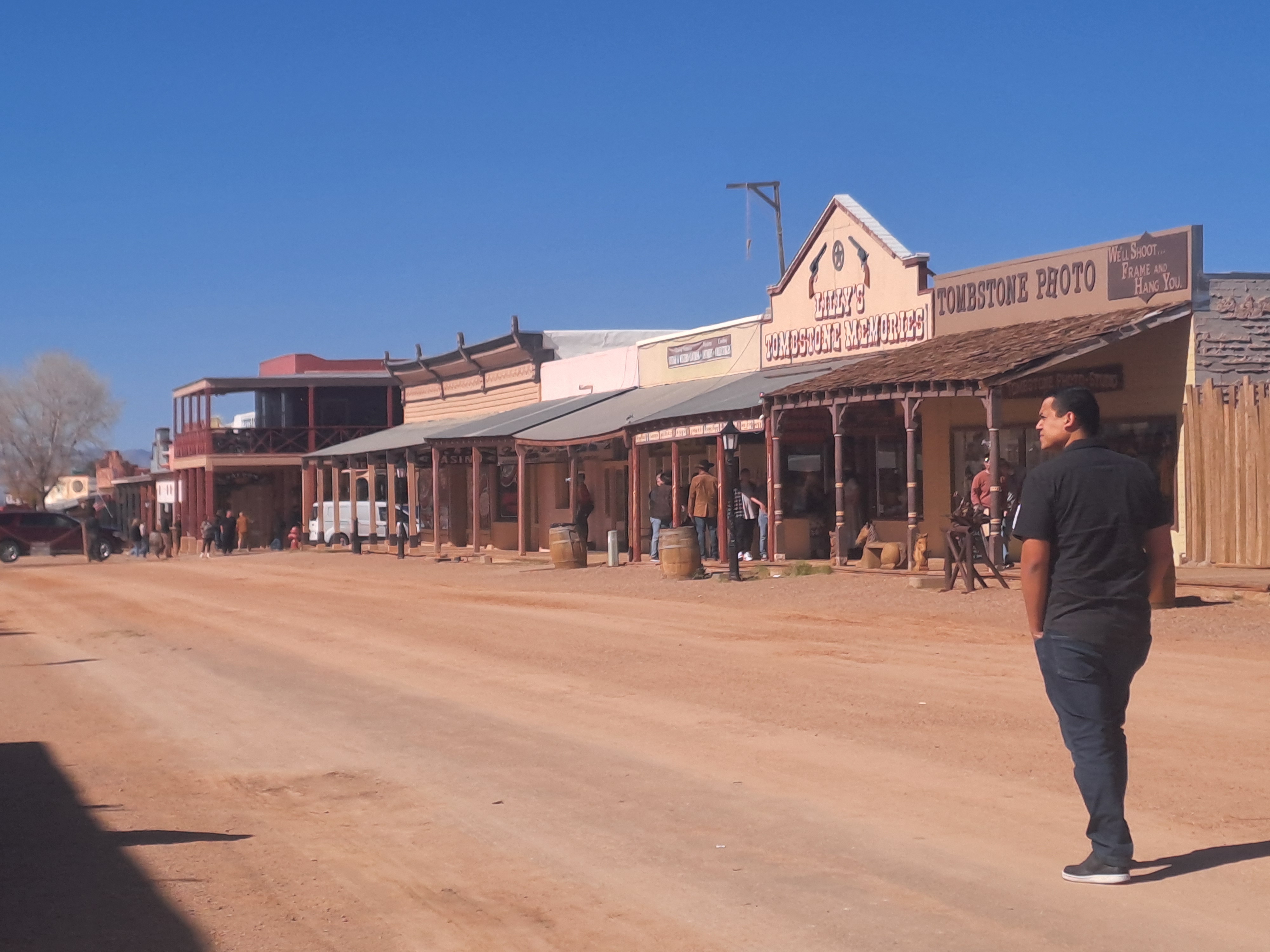
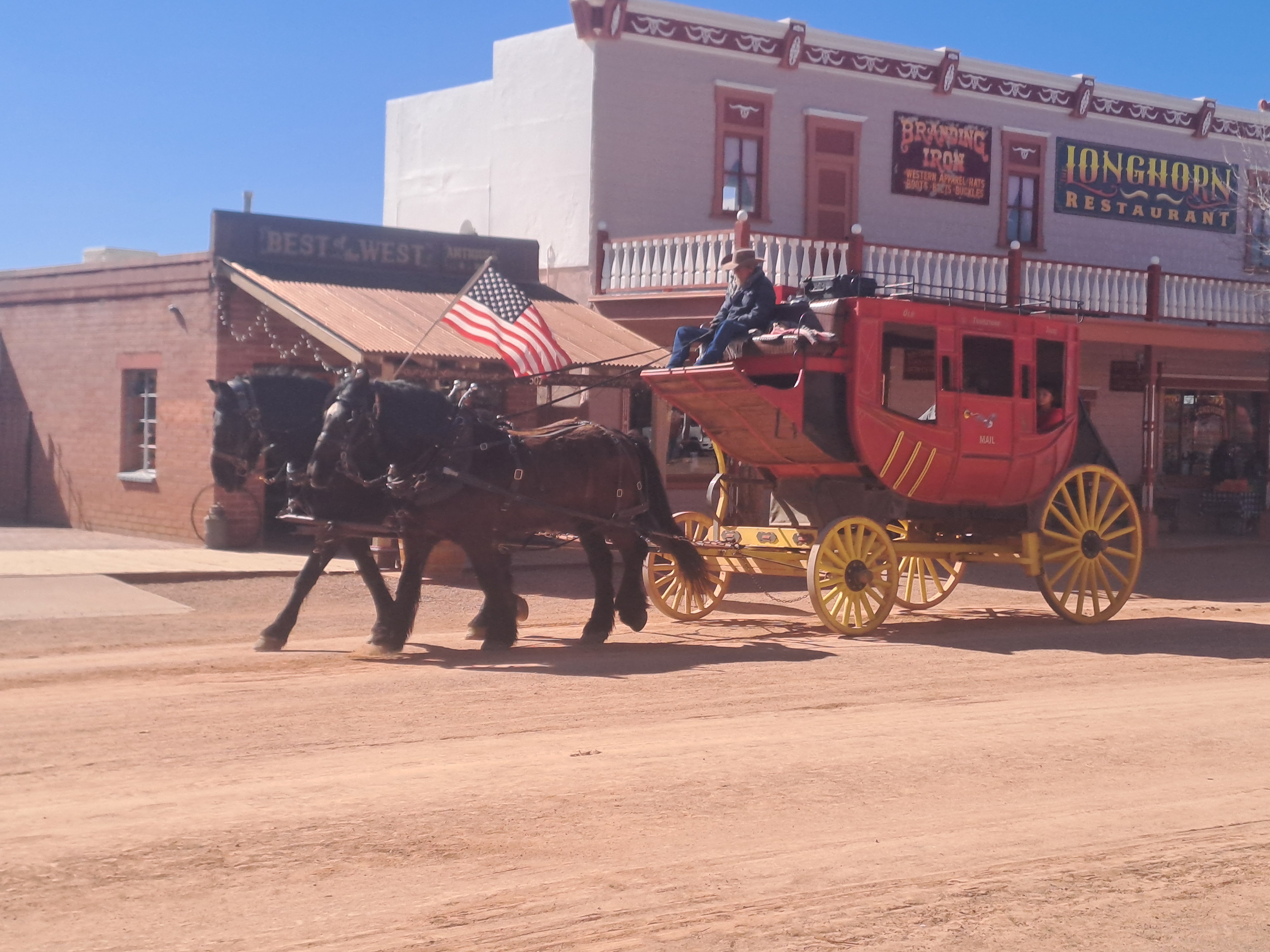
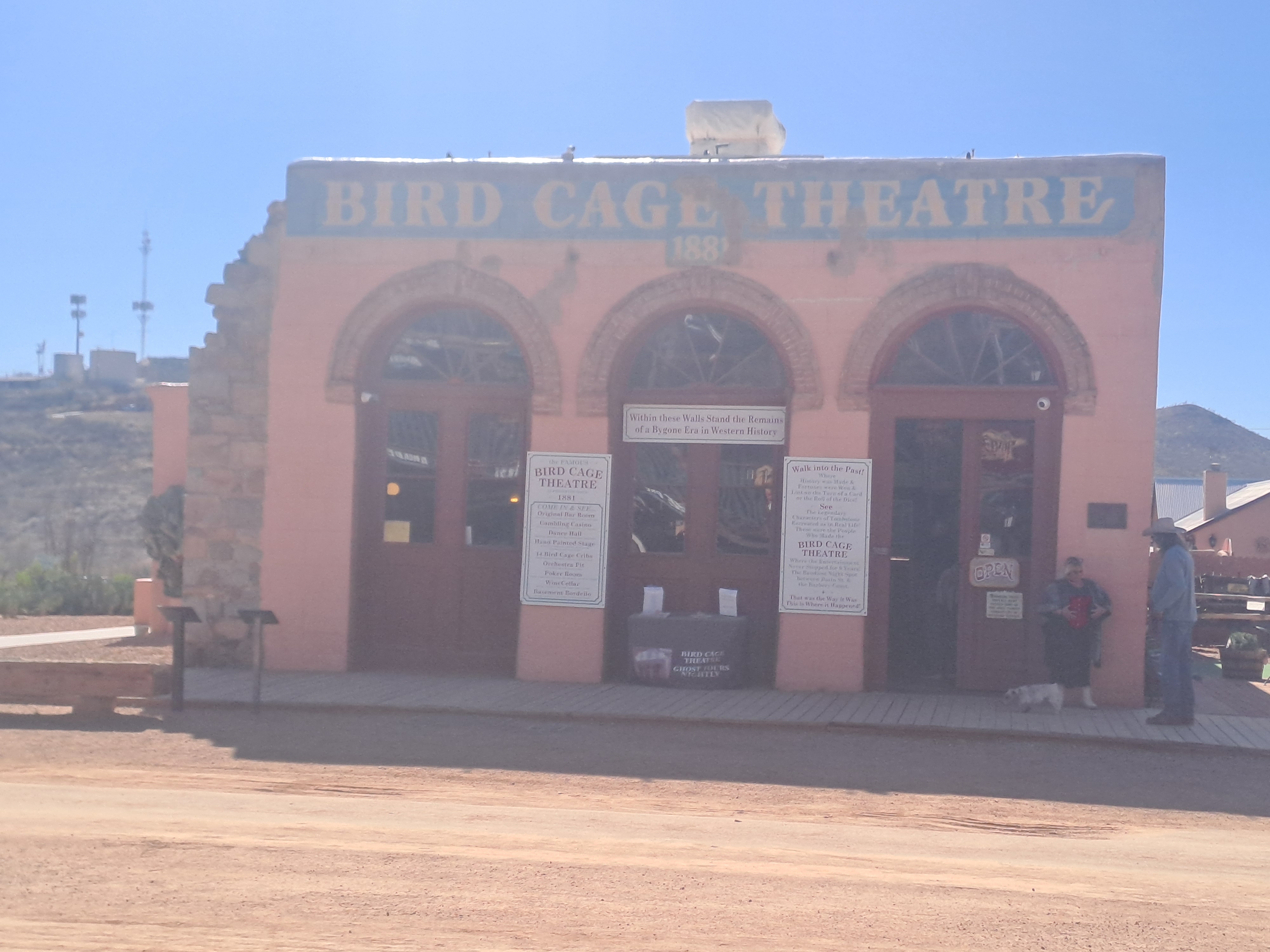
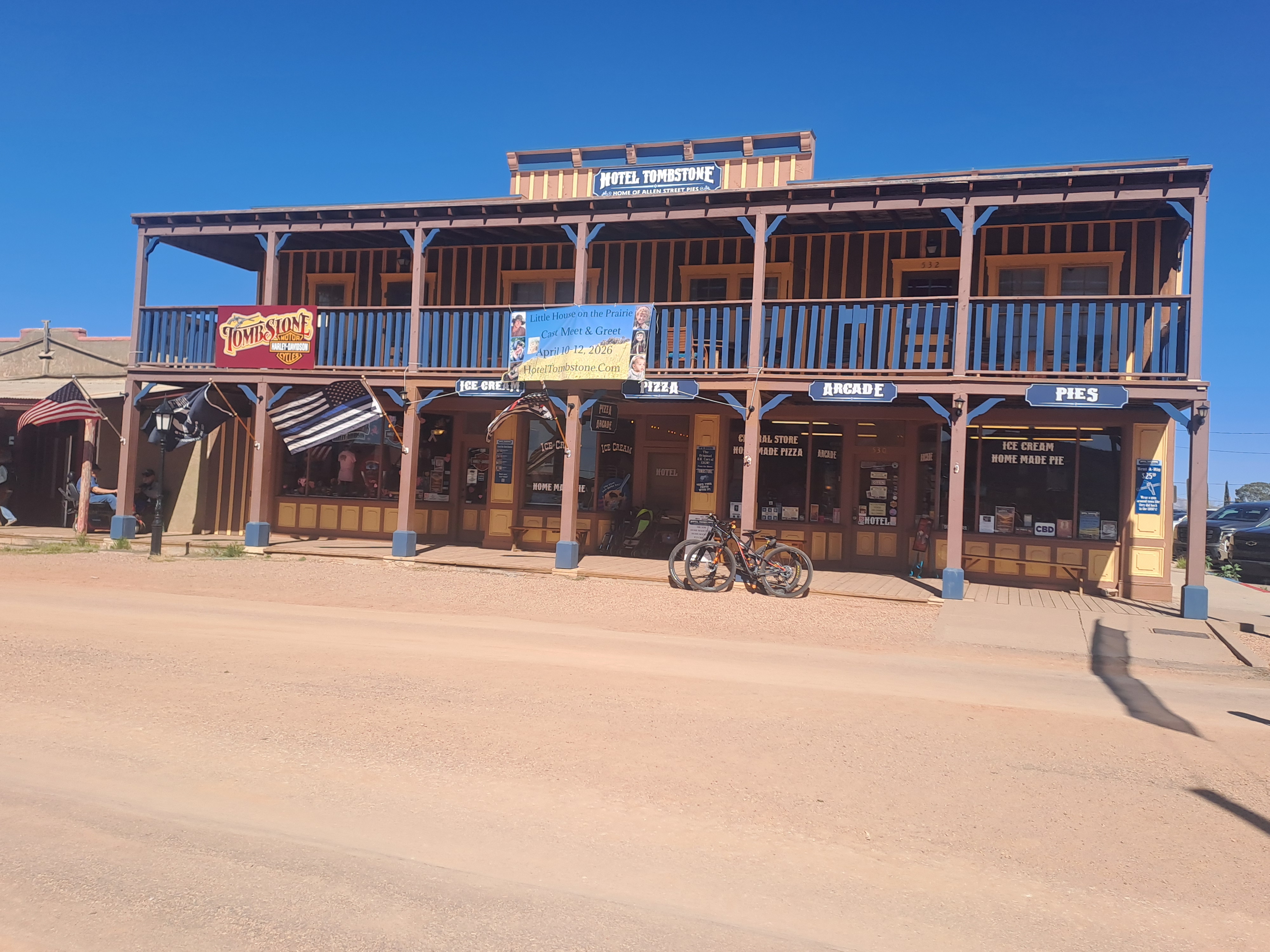
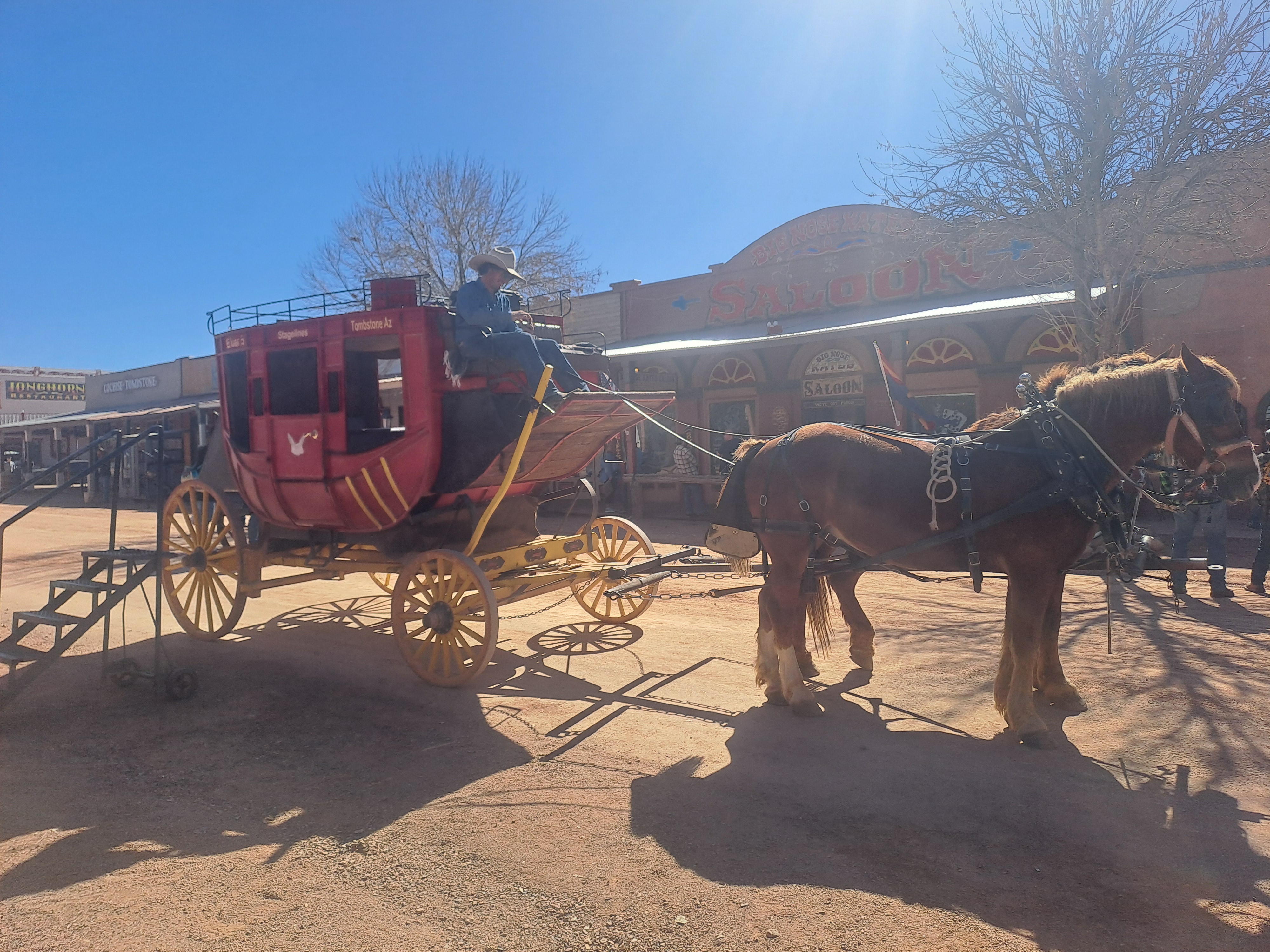
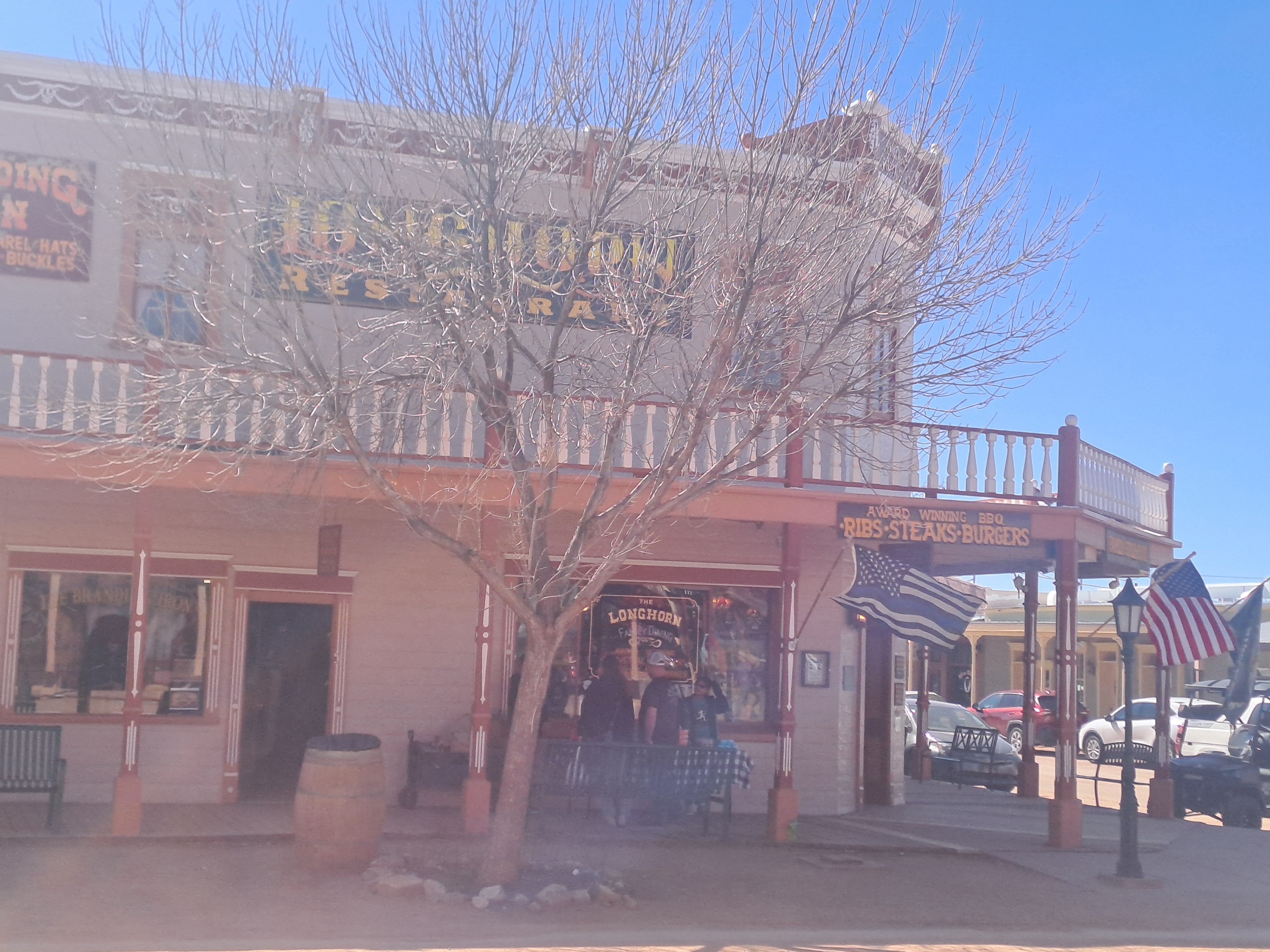
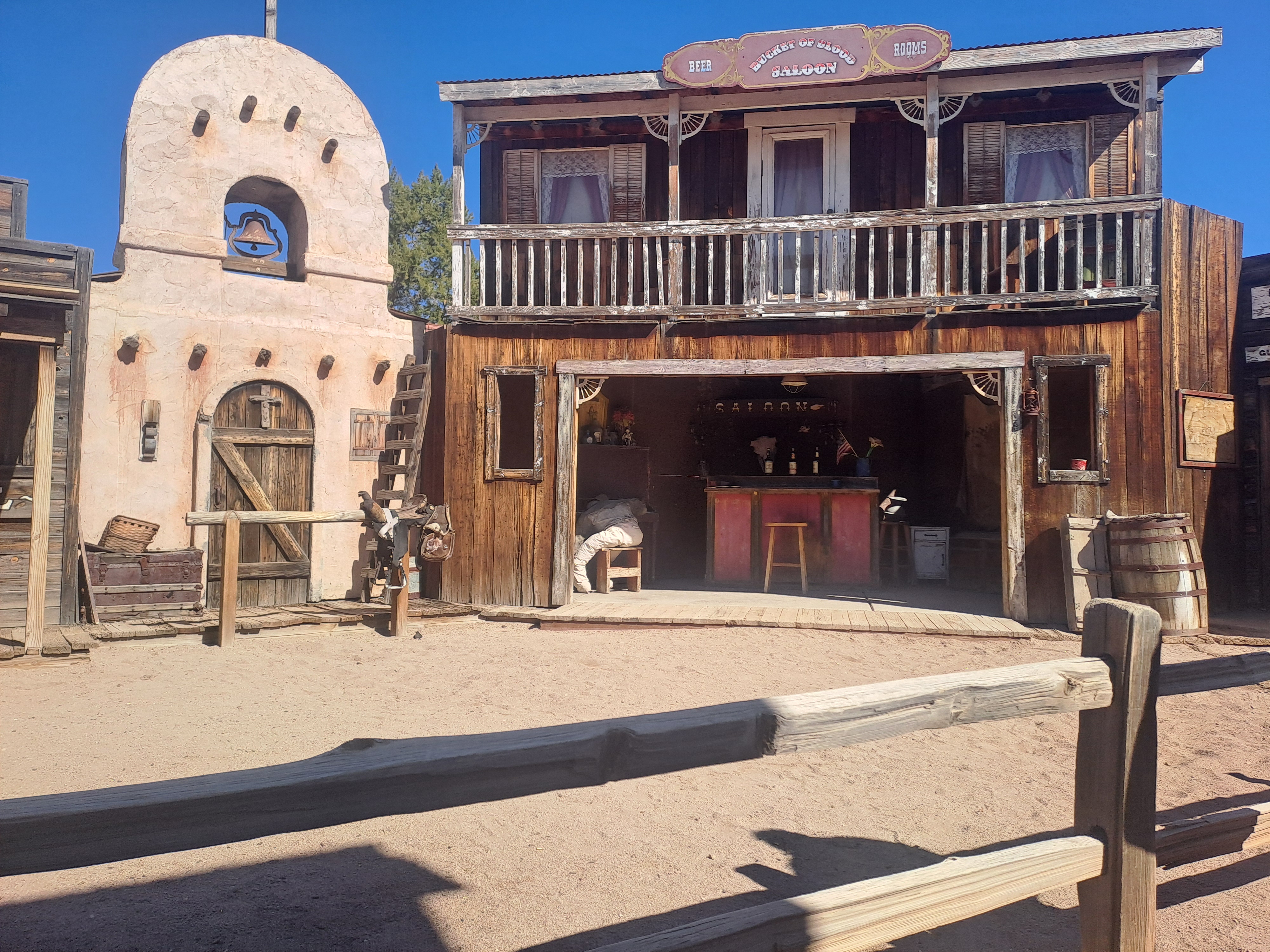
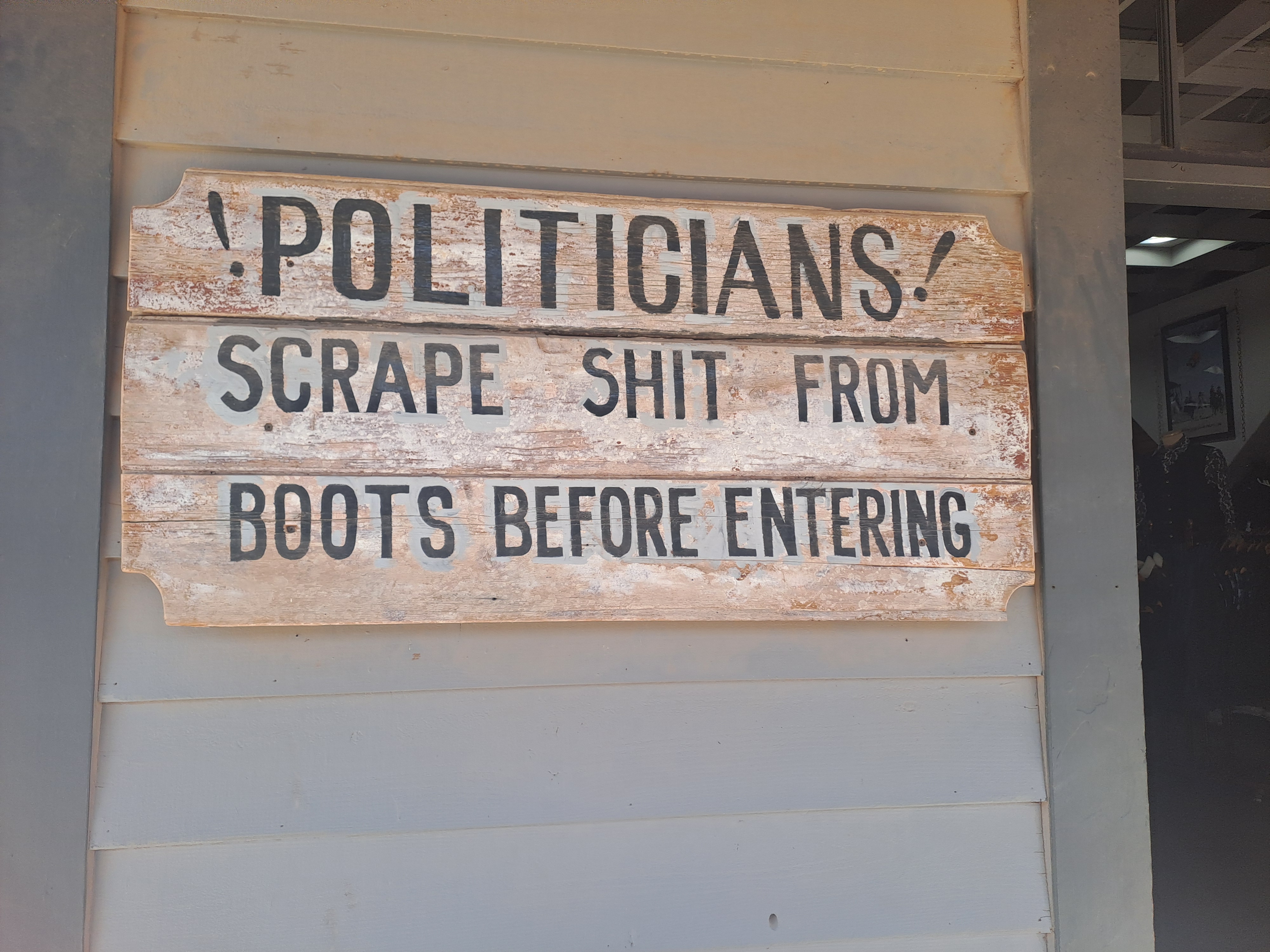
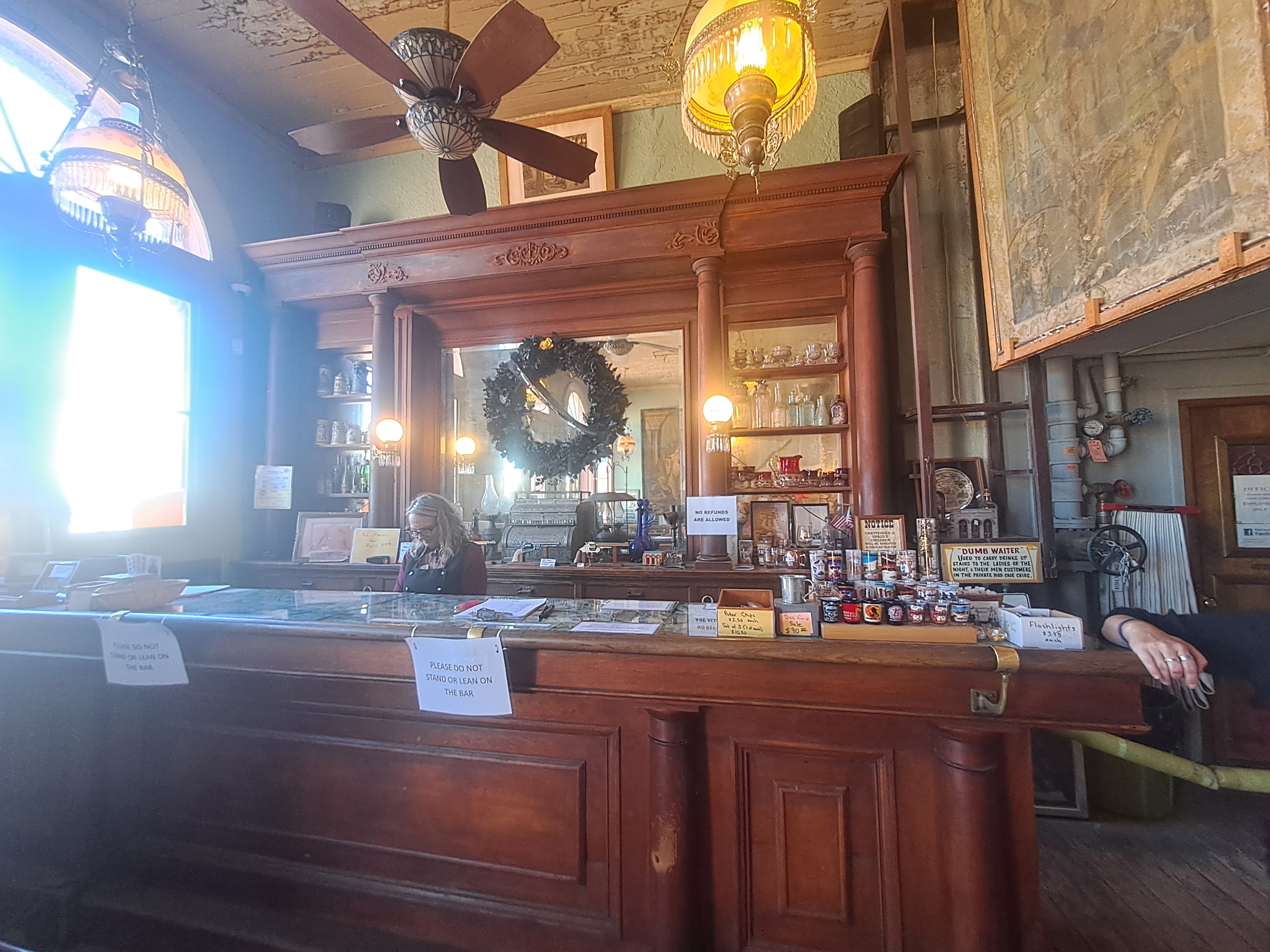
Tombstone has been preserved as a ‘theme park ‘ various people around are in period appropriate dress, whether as volunteers, or for fun I wasn’t sure. There are carriage rides and trolley bus rides and gunfight shows done in true panto fashion with the goodies and the baddies.
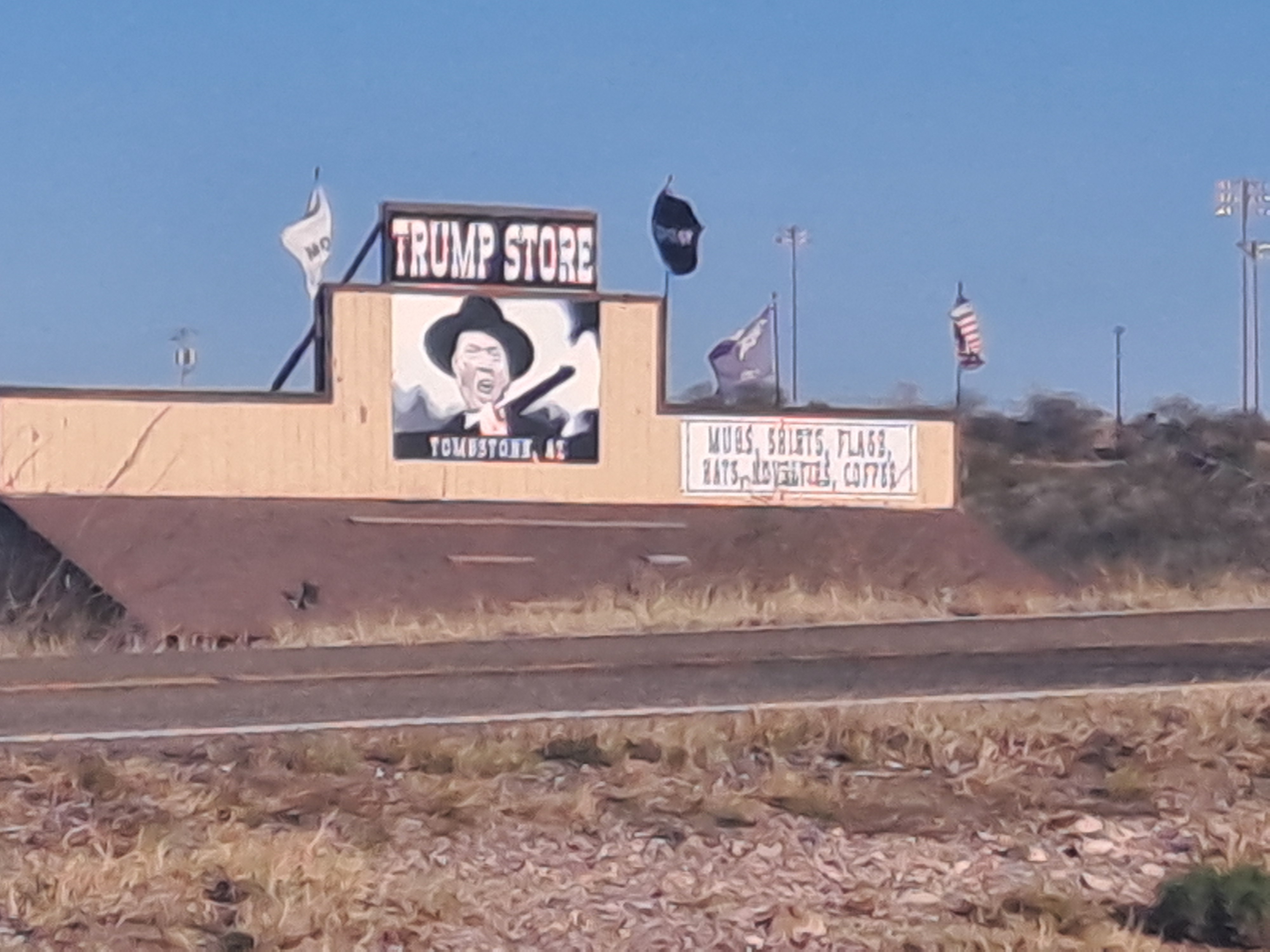
The shops and bars echo the theme of the place with fancy clothing and souvenirs. Opposite our RV Park was the Trump store. It didn’t seem very busy so I guess those souvenirs weren’t so popular. That was the only problem Trump statement we’ve seen. Several people have apologised for the current position of their country. Which is sad that so many people have to feel this way.

After this we drove to a little place called Douglas, and stopped at Walmart just near the wall, so I popped around the corner to phograph the ‘beautiful ‘ wall. I must say it left something to be desired.
After that it was goodbye Arizona and on to New Mexico.