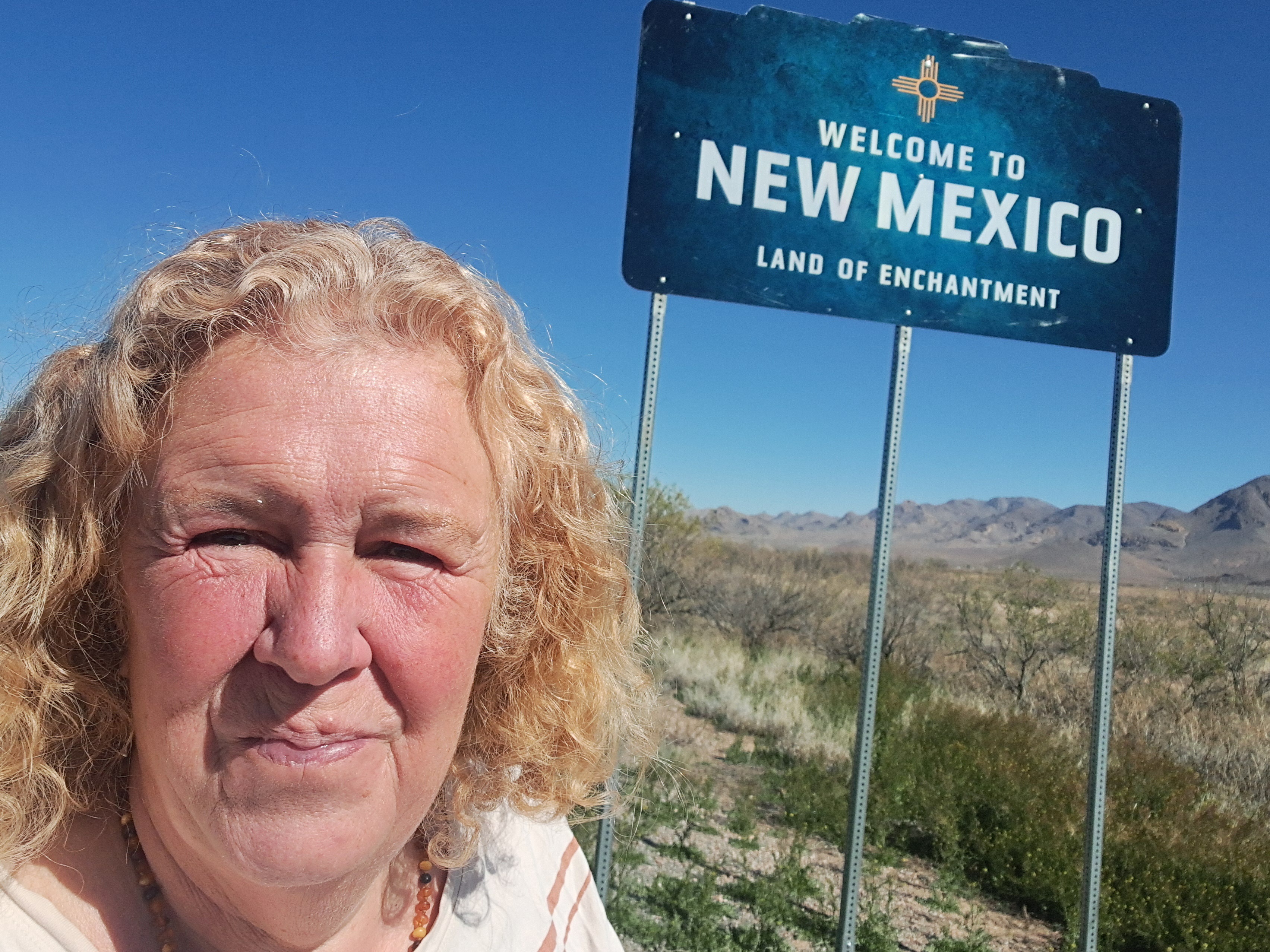
And so we entered New Mexico, land of enchantment. At this point the enchantment we were looking for related to our return home as we needed to find somewhere to live. Planning the return now blended with our travels as we worked towards finding accommodation.
Our first stop here was Silver City named after it’s reason for existence. Also famous for the big ditch and Dangerous Dan.
Silver City was founded as a mining boomtown in 1870, with little planning given to the long-term health of its infrastructure. One casualty of this lack of planning was the town’s main street. Over time, the unpaved road was slowly stripped away by rainwater, and made worse by logging and soil erosion that left the surrounding ground unable to absorb excess water. With each rainfall, Main Street sunk. In 1895, the destruction was made complete with a flood that transformed Main Street from a gully into a gorge. At this point the townspeople gave up on their old Main Street, building footbridges to cross the new arroyo.
This disaster is now a park and tourist attraction apparently although we just looked from the top.
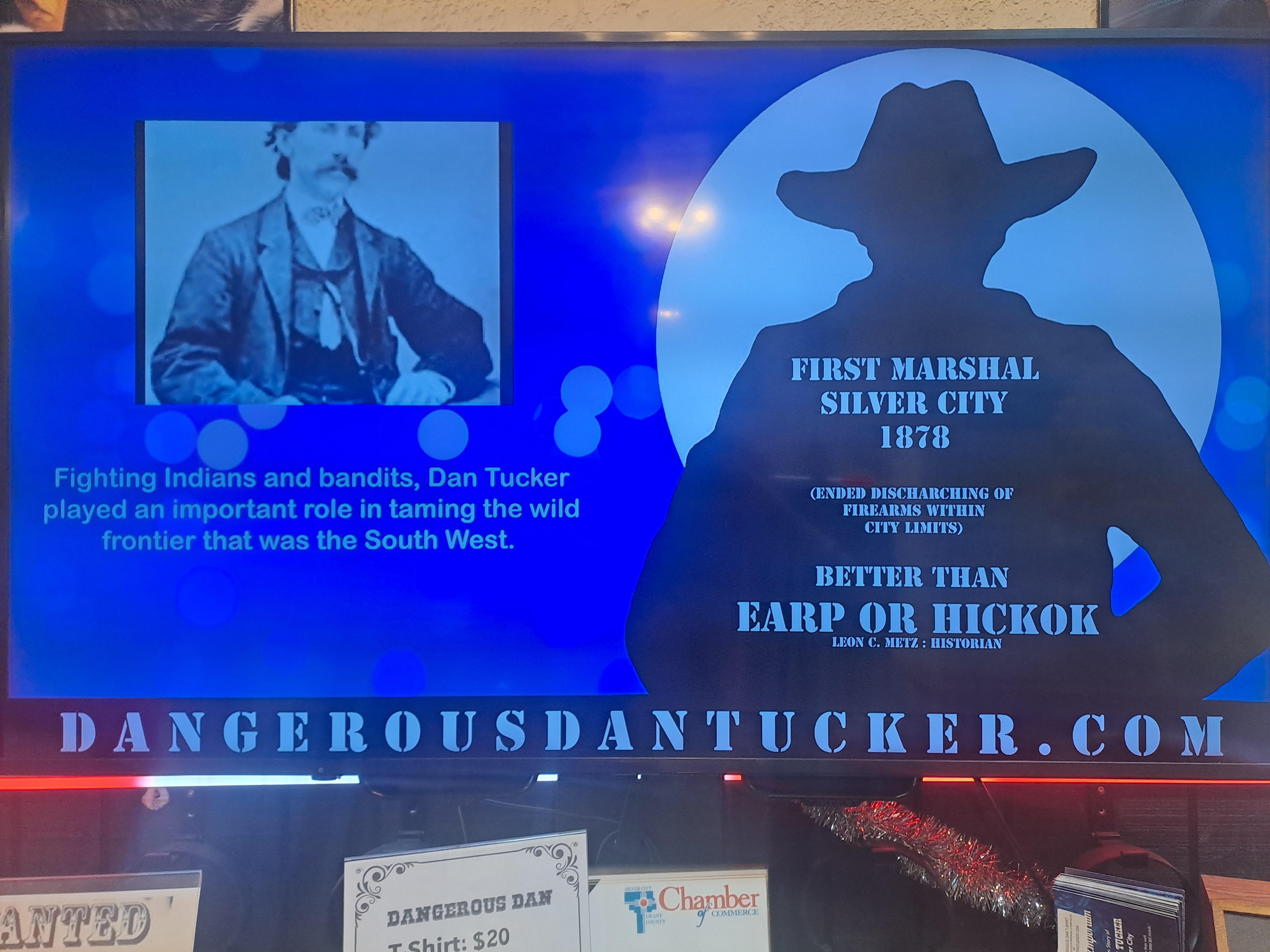
Dangerous Dan, a lawman with a mixed history, no DBS then, was estimated to have been the most deadly gunman of his time.
Interestingly here they displayed wanted posters for the Earps and Doc Holiday the hero’s from Tombstone.
A step off the highway here and we were in a quiet down town, perpetually in the 1950s. Shops are very kitch. Ship fronts in character and we even saw a few very old and obviously prized cars being driven around.
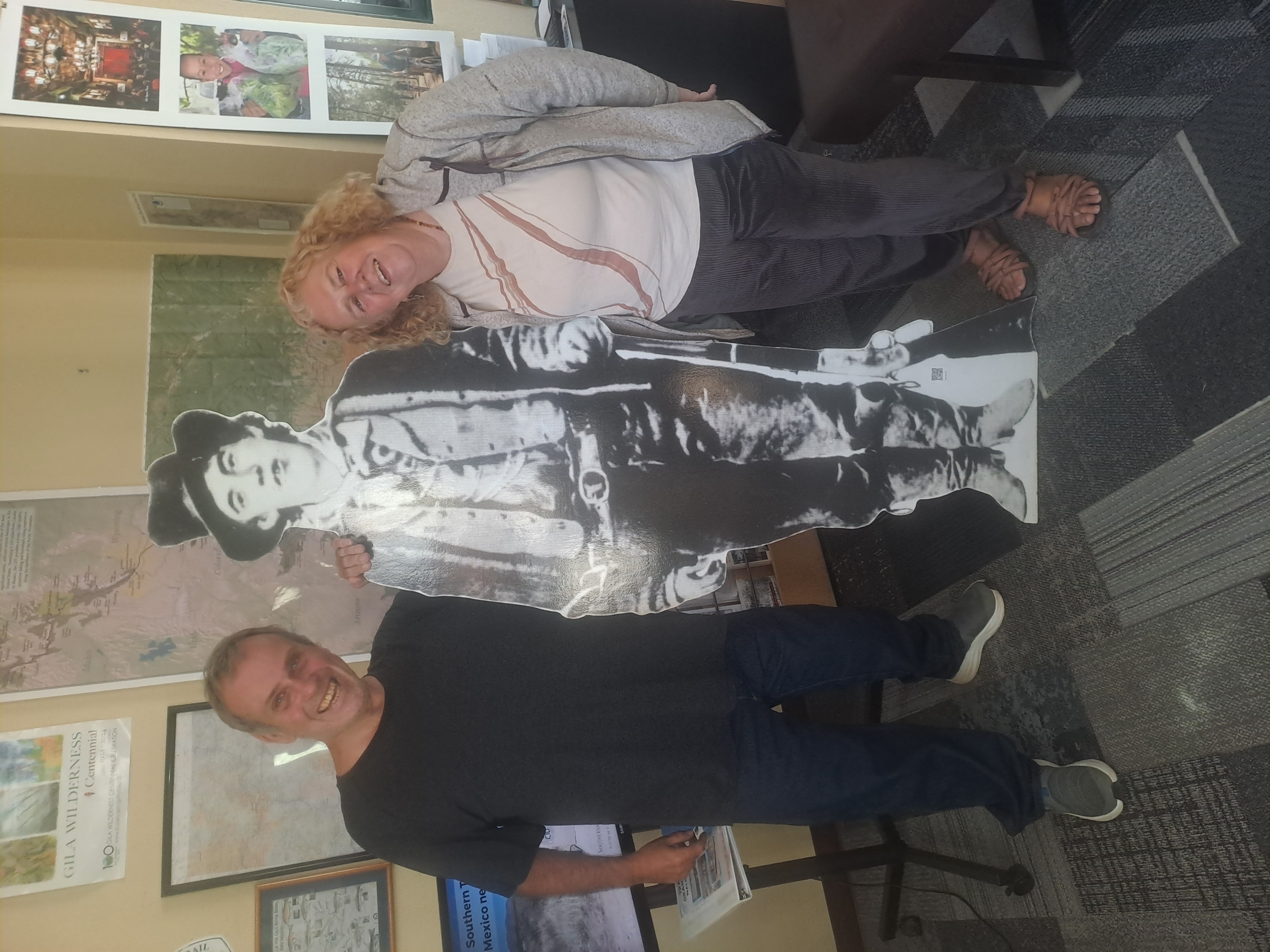


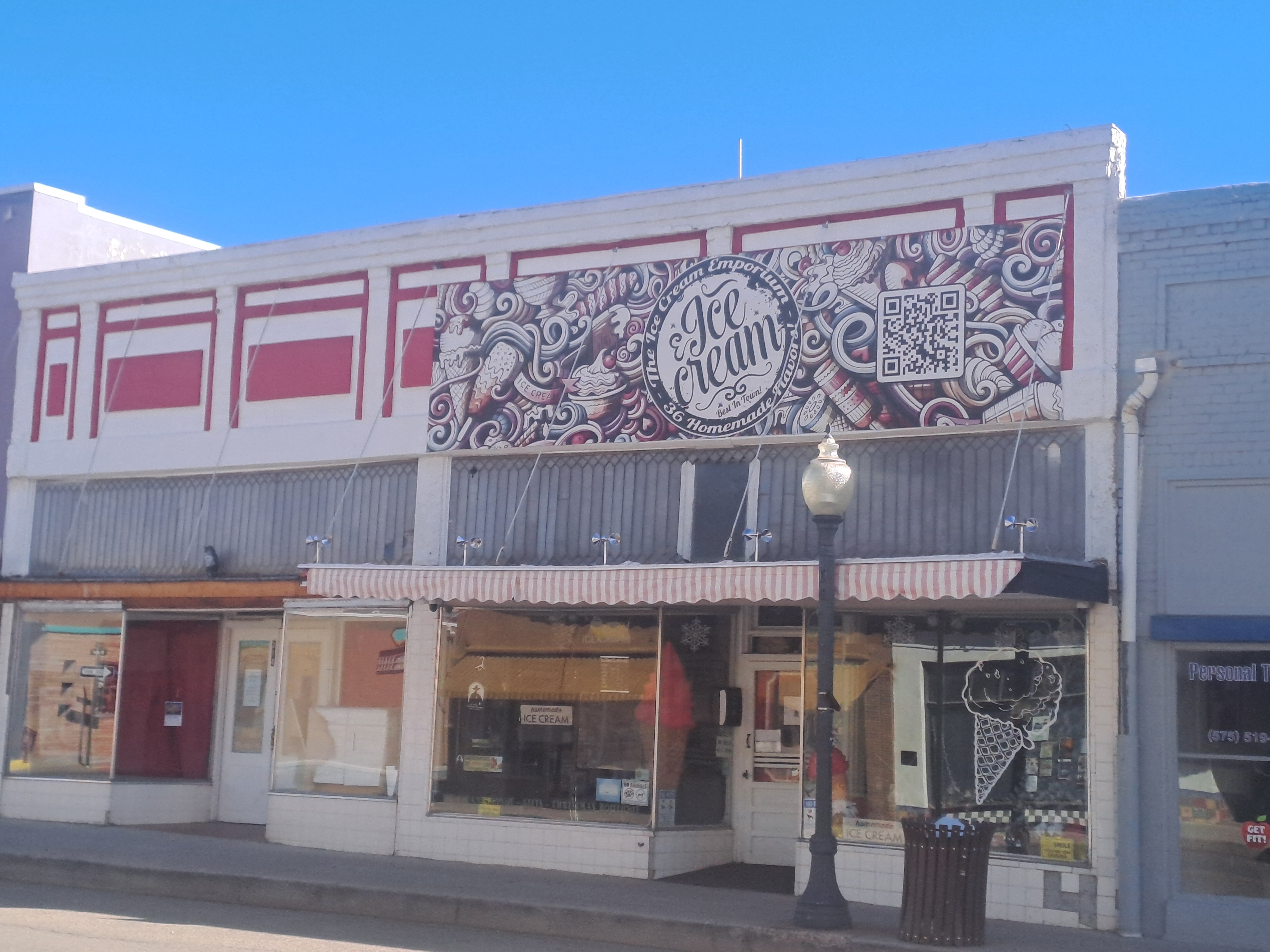

The local ice-cream emporium had what was described as a museum to Dangerous Dan. A display case and some Tshirts. We tried out the wares here. I wasn’t too impressed with the eggmog ice-cream limited edition, however, Ashley seemed happy enough with a selection of different chocolate variations.



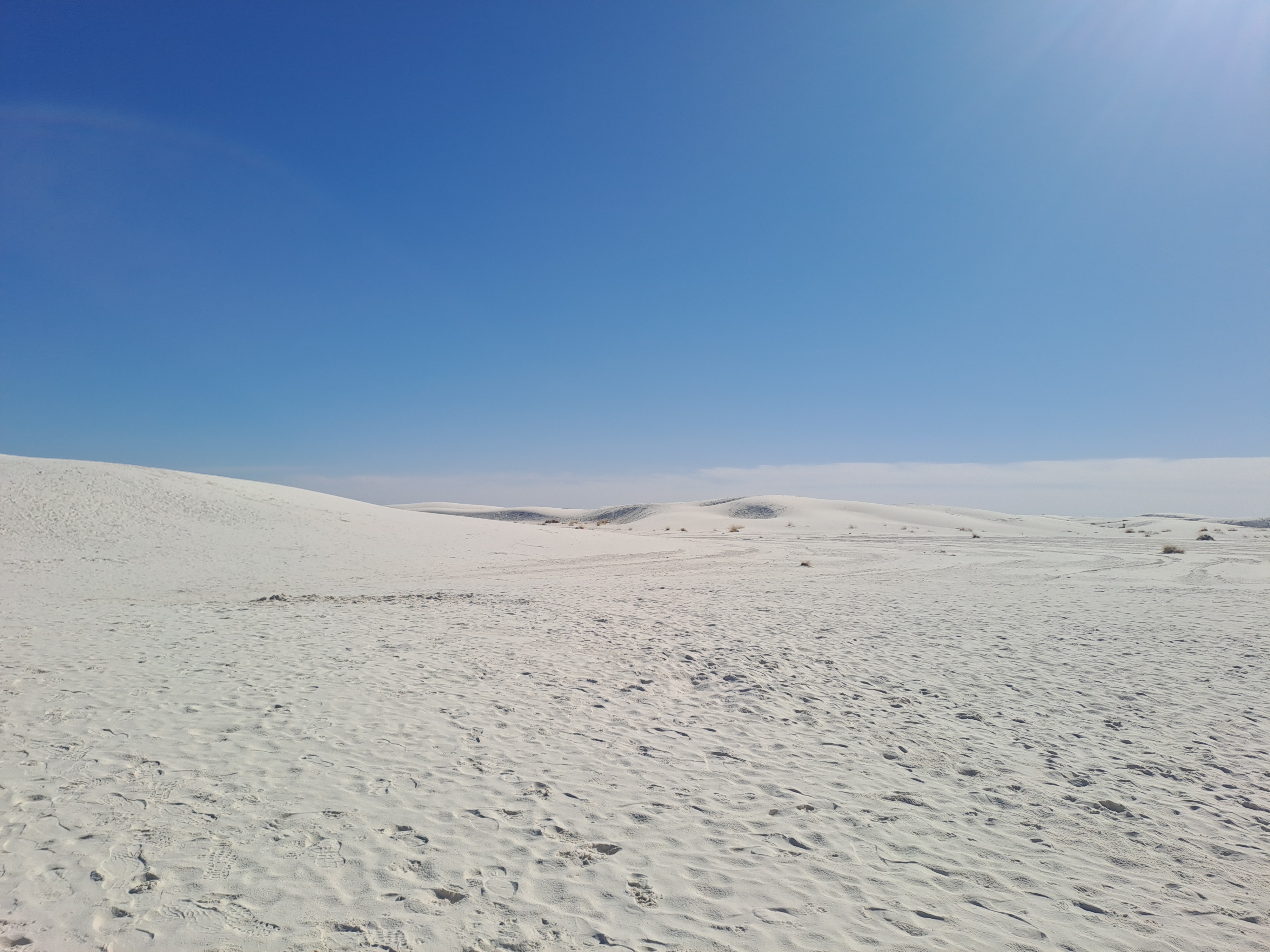
We went slightly out of our way to visit White Sands. An area of white gypsum sand magically appearing at the far side of the white sands missile area, birthplace of America’s “Missile and Space Activity,” used for testing missiles, rockets, and other military equipment for the Army, Navy, Air Force and commercial partners. It’s the largest military installation in the US. It seems there is nothing like finding an area of wilderness to chuck missiles at.
Here we unexpectedly found a permanent immigration check post on the road. Luckily they seemed quite happy with our 10 year visas.
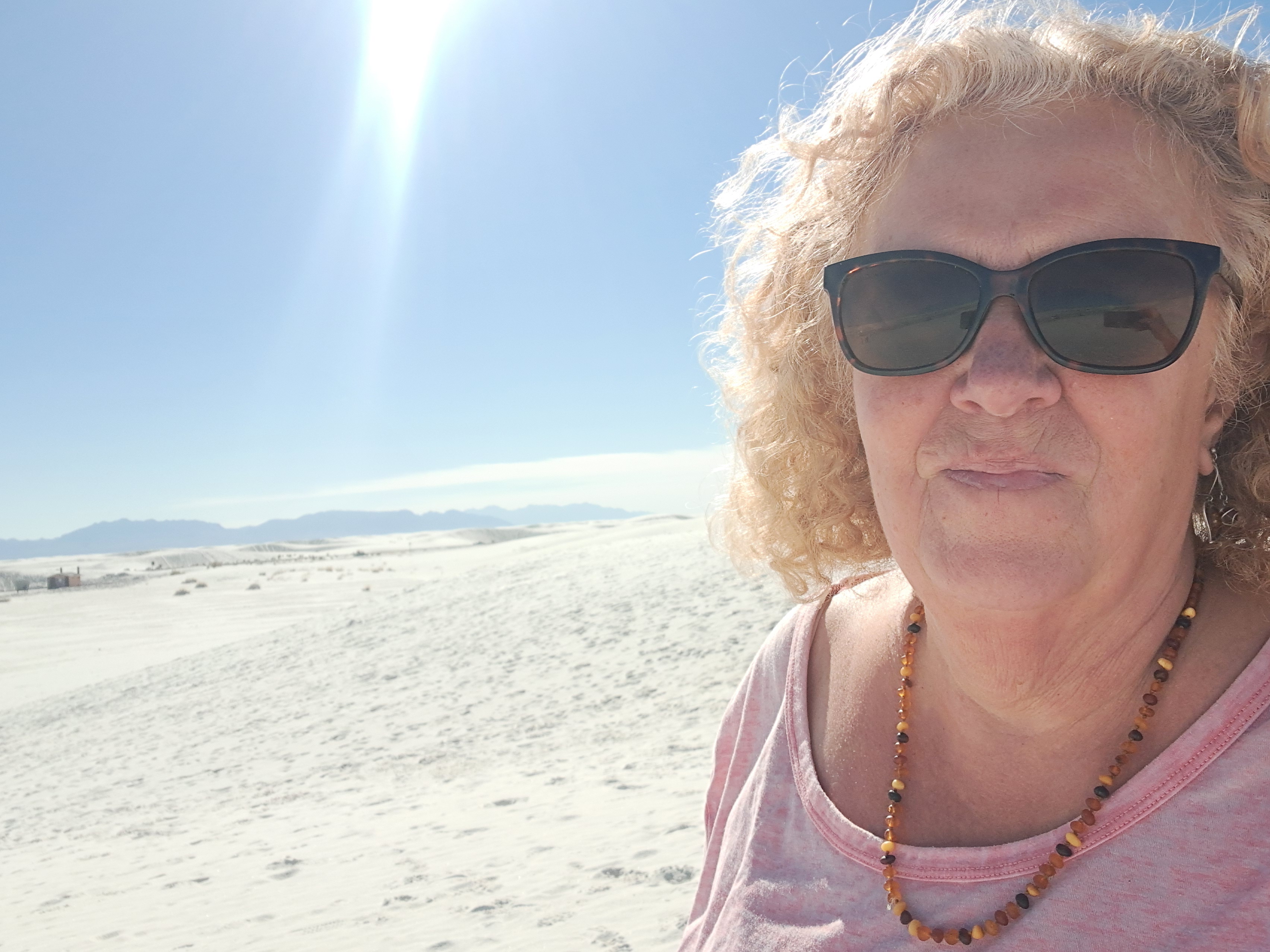
The gypsum dune field is the largest in the world. They may look like mounds of snow, but the dunes in this park are made of a rare form of crystallized gypsum. Because gypsum dissolves easily in water, rain would normally wash it away and carry it to the sea. In this part of the Chihuahuan Desert, however, the land forms a basin, trapping the mineral; water evaporates, leaving the gypsum behind, and wind and weather erode it over time into an ocean of glittering sand. The entire dune field is a massive 275 square miles (by comparison, the second-largest gypsum dune field in the world, Cuatro Ciénegas in Mexico, is only 8 square miles). Hiking and sledding over this vast white expanse of powder is a singular, otherworldly experience.


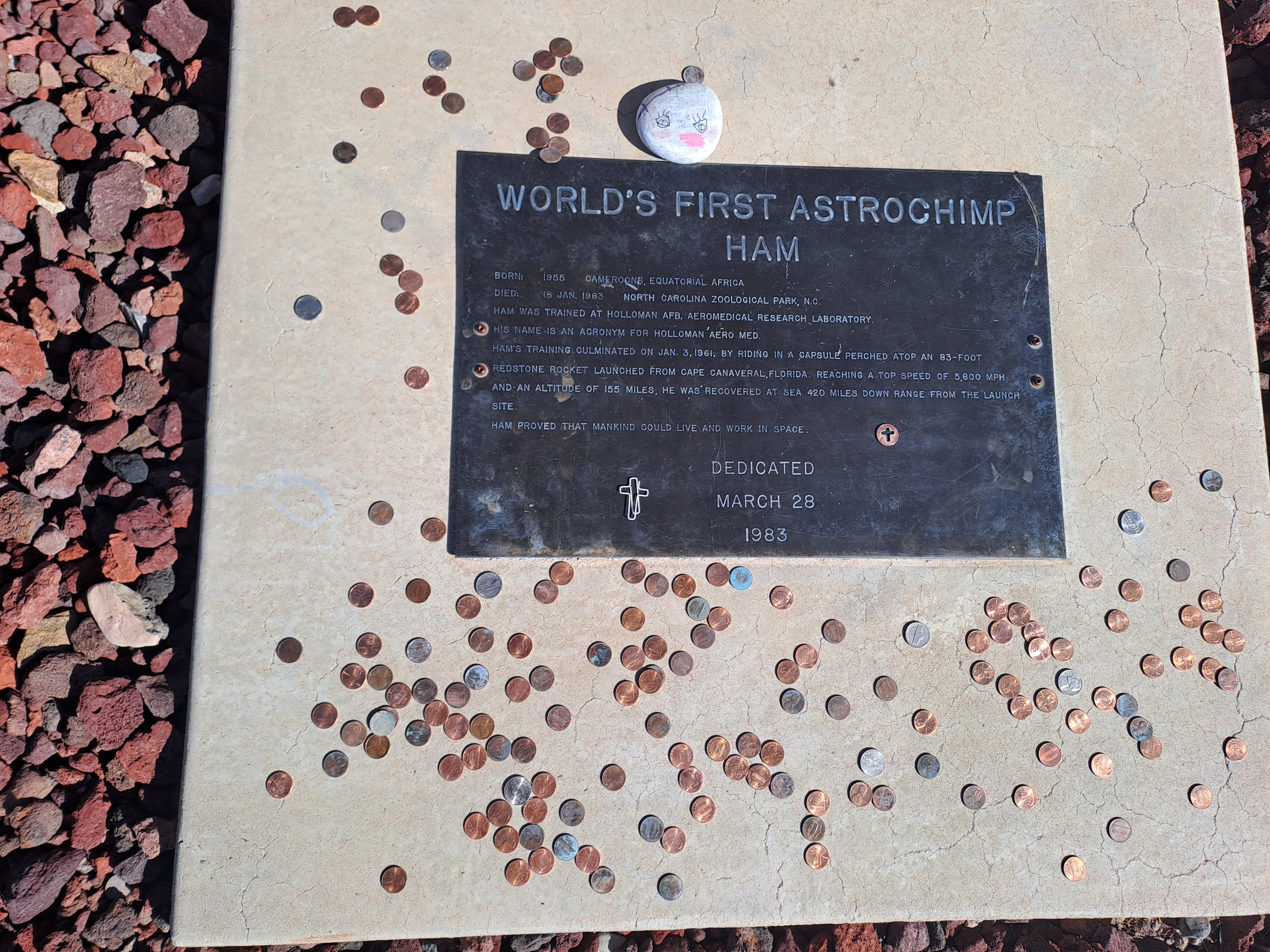
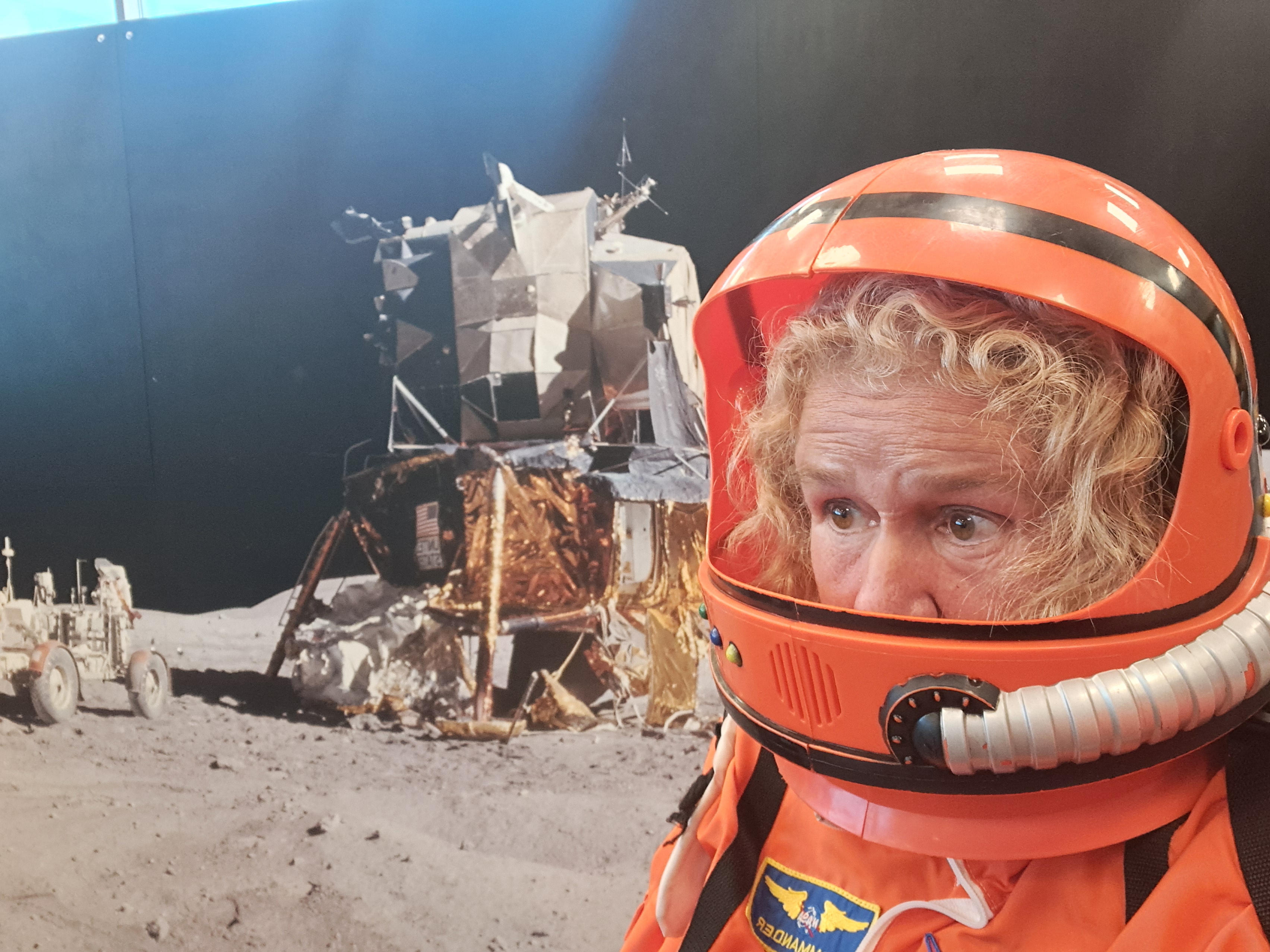
Near the visitor’s centre at the base of the mountains there is also the New Mexico museum of space history. A wonderful museum I could have got lost in for much longer than I did. Outside is the grave of HAM the astrochimp, and various rockets.


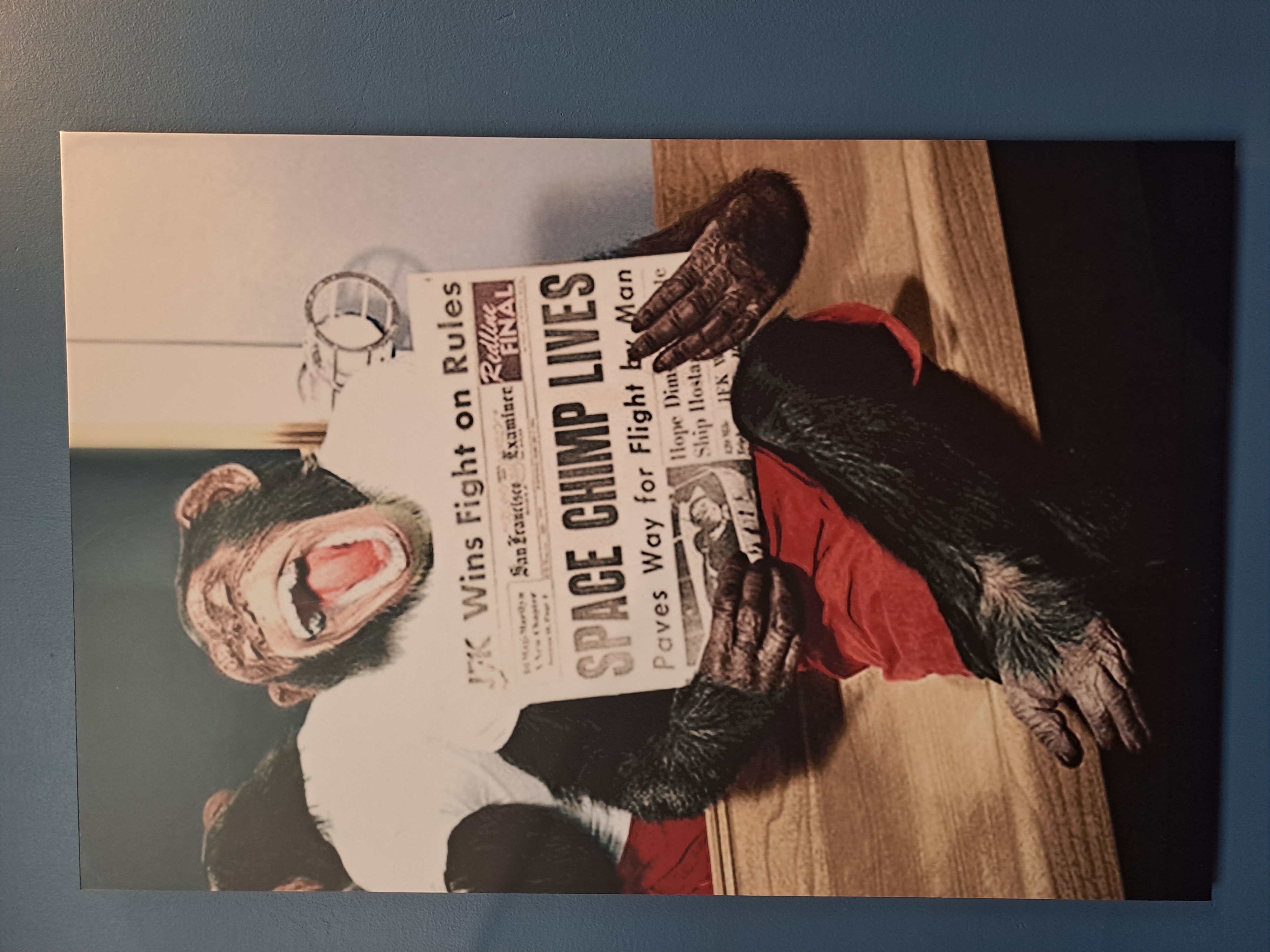
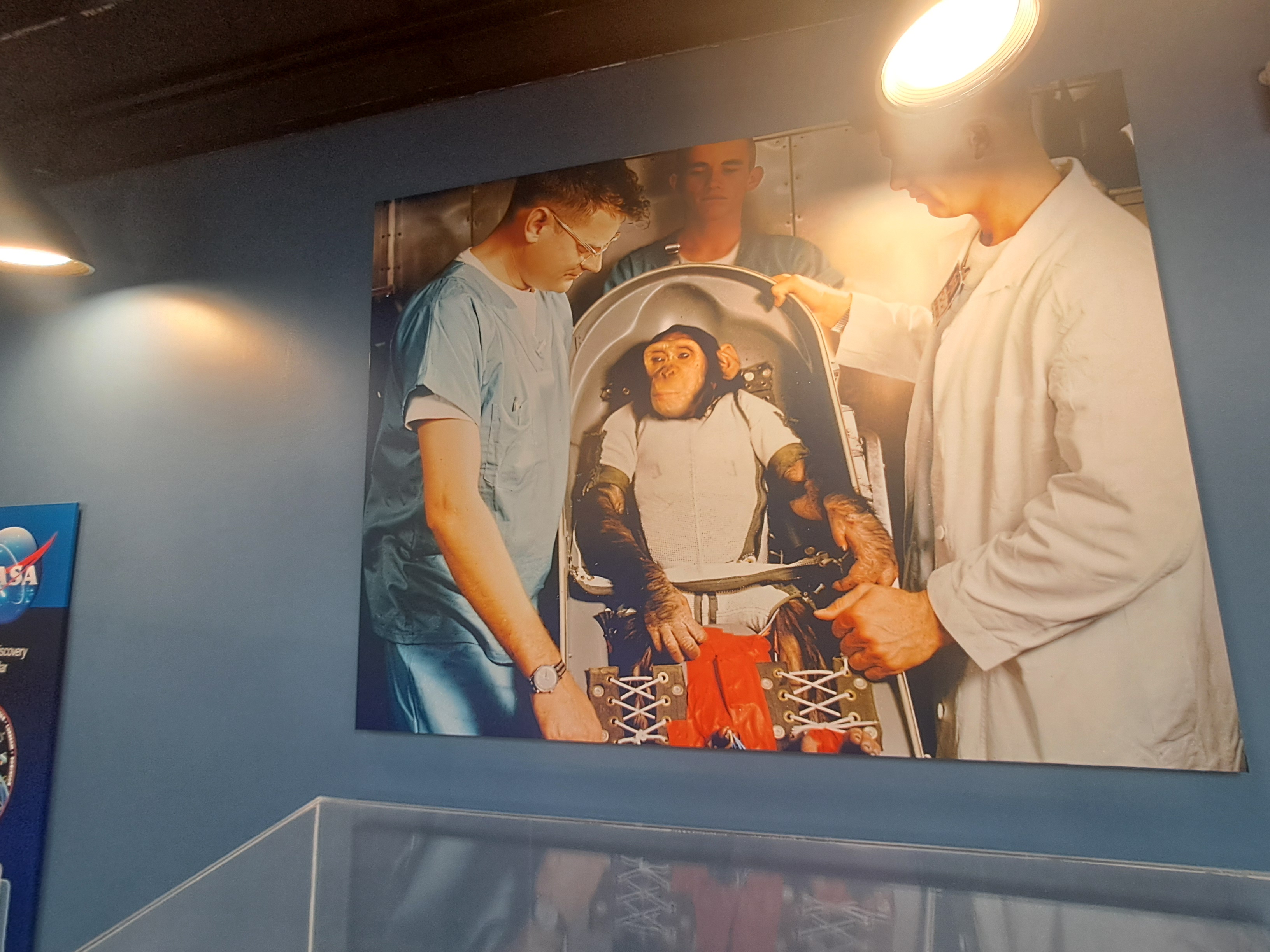
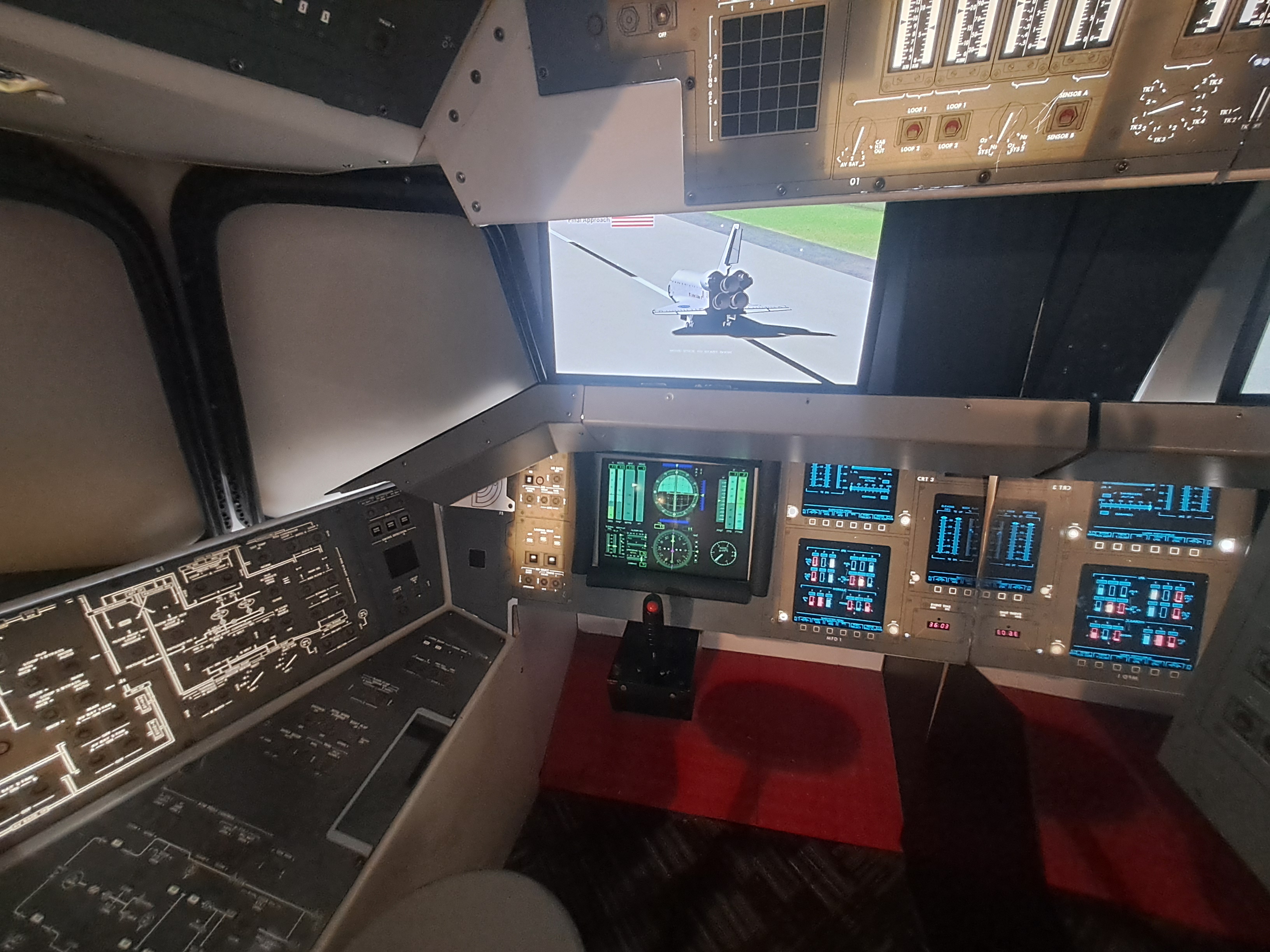
Inside is the history of early space travel, space training games, dressing up costumes, contributions from science fiction to the modern world, costumes from various films and television programmes including Stranger Things and so much more. I was in my element, however Ashley was sitting outside as it wasn’t his thing and we had a lot of driving to do, so I had to say goodbye to it.





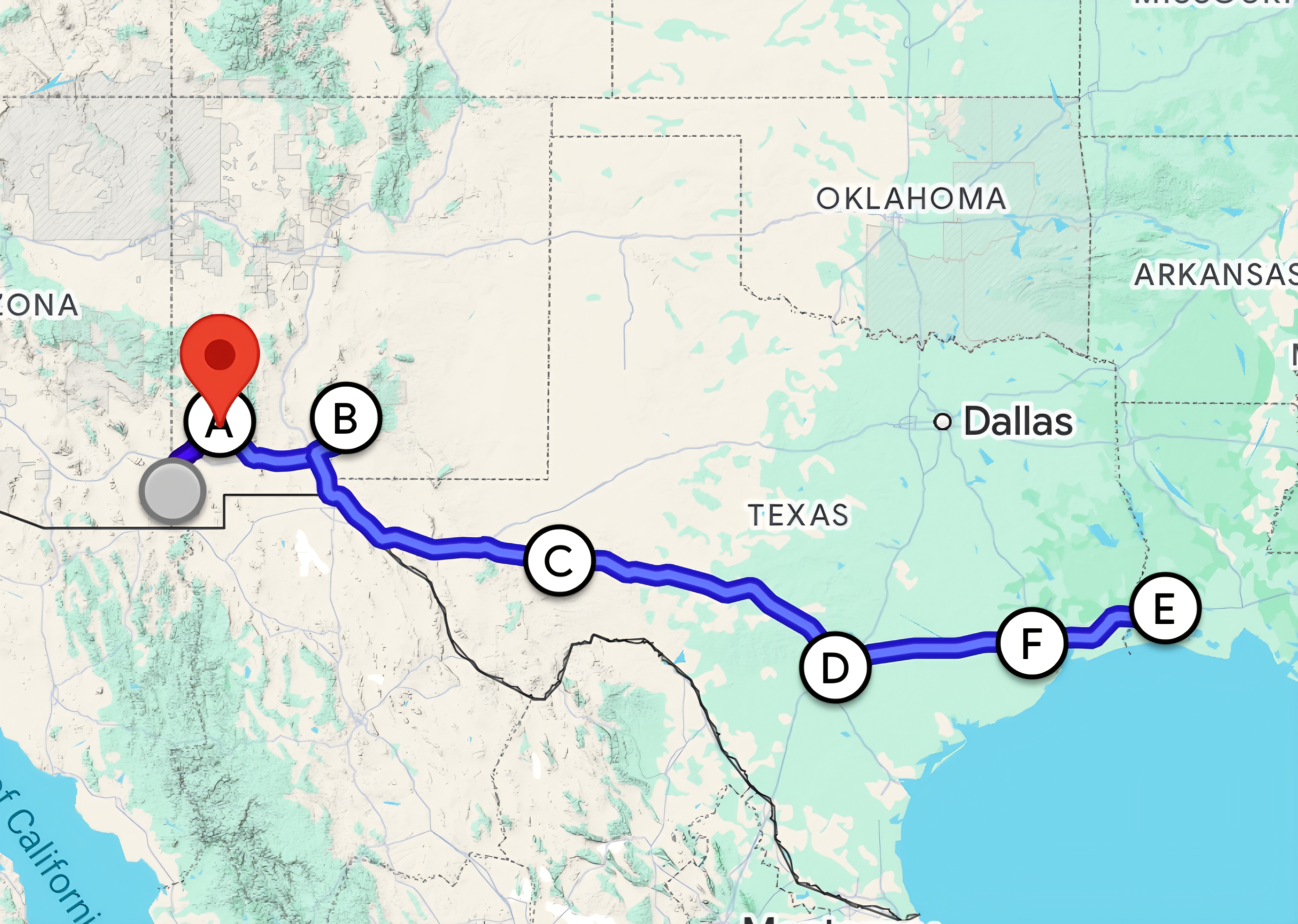
We didn’t pass a sign to enter Texas in a place where we could photograph it, but we did get to drive along the edge of Texas on our El Paso bypass route.

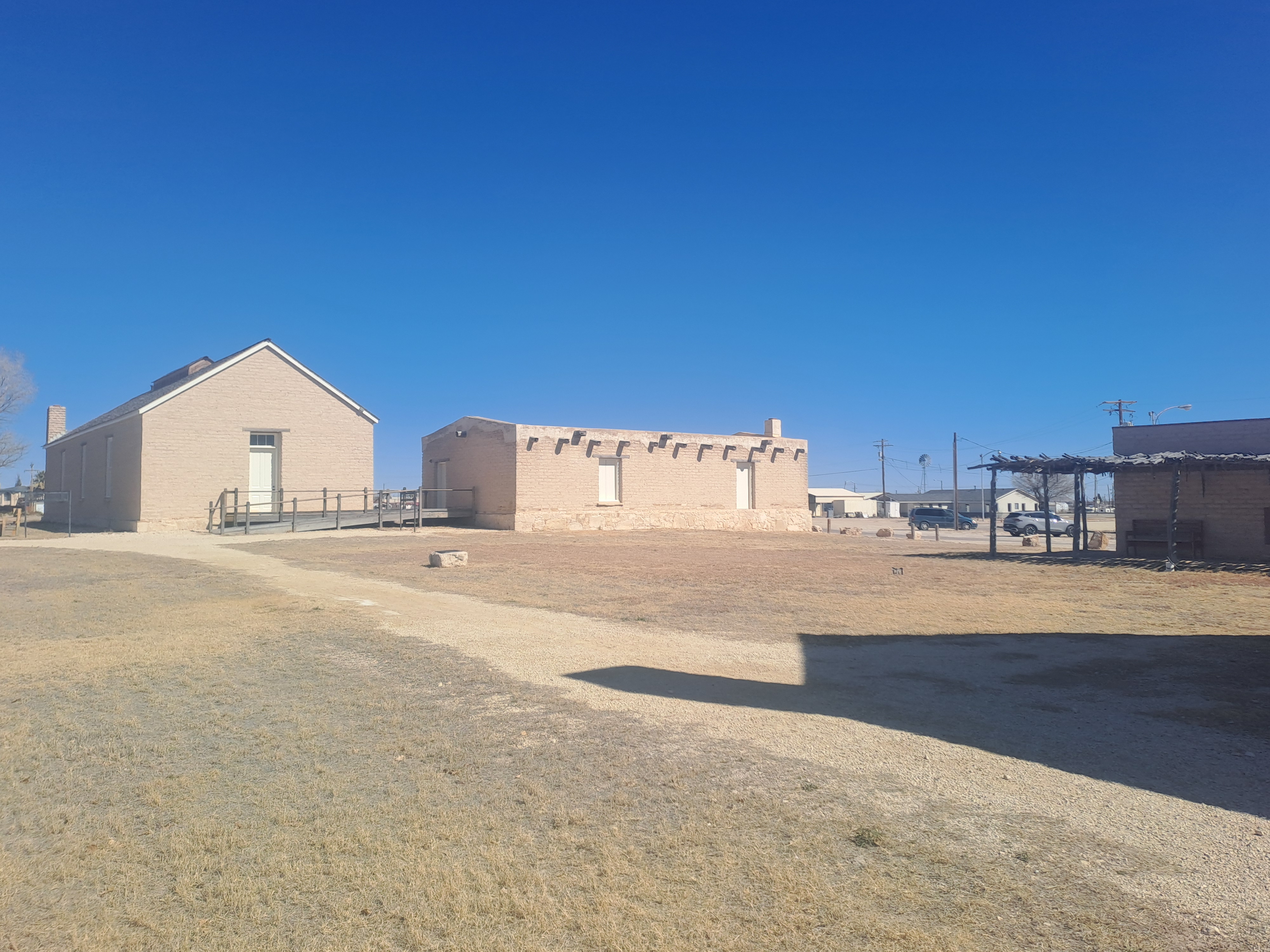
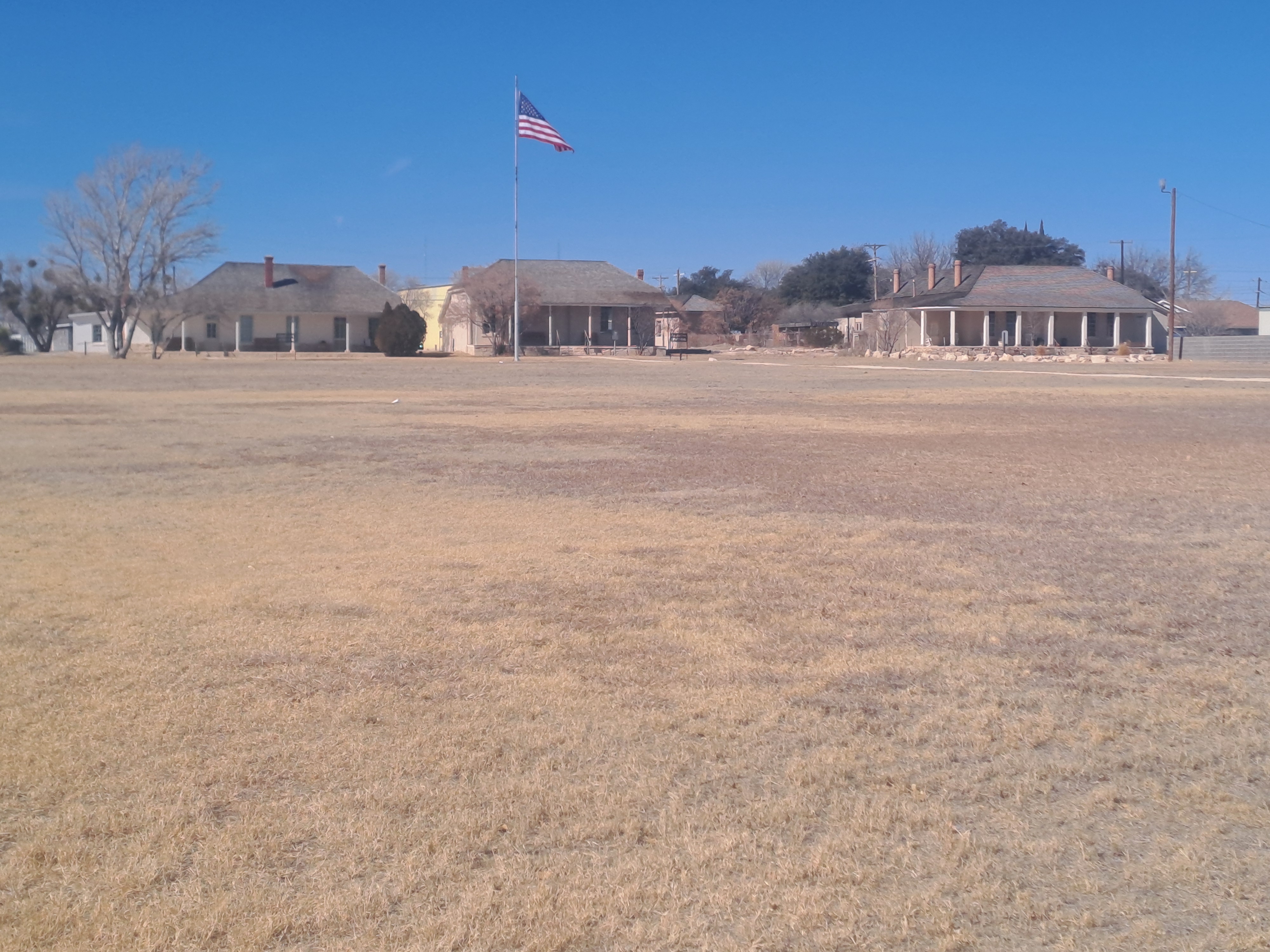
The mountains which had been the backdrop around us so far gradually dropped away as we progressed through Texas. We stopped at Fort Stockton because it was there, and found that, that was the reason for its existence. Everyone stopped there, originally for water. Then they fought about who controlled the water. That was why the camp and then a fort was established. It wasn’t a defendable structure but a parade ground surrounded by barracks and headquarters. It was established, abandoned in the civil war 1867 and then re-established.in 1886.
The Anne Riggs museum was more interesting. A memorial to the tough ladies of the day.
Born Anna Stella Frazier near Las Cruces, New Mexico in 1858, Annie Riggs moved with her family to Fort Stockton sometime after the end of the Civil War. Her first marriage, at age 19, lasted a little over 10 years and bore six children. In 1891, Annie married her second husband Barney Kemp Riggs, a man considered by many to be an outlaw. Sentenced for murder in Arizona and imprisoned in the Yuma penitentiary, Riggs received a pardon from the governor for saving the prison warden’s life during a riot. Riggs and Annie had four children of their own and a marriage that lasted about a decade. Riggs was shot during an argument between Riggs and Annie’s son-in-law from her first marriage. Annie sat with her ex-husband in a room at the present-day Annie Riggs Museum (then known as the Koehler Hotel) until he died the next day. Without a will Riggs estate was awarded to Annie and, with the assets, she purchased the Koehler Hotel for $5,000.

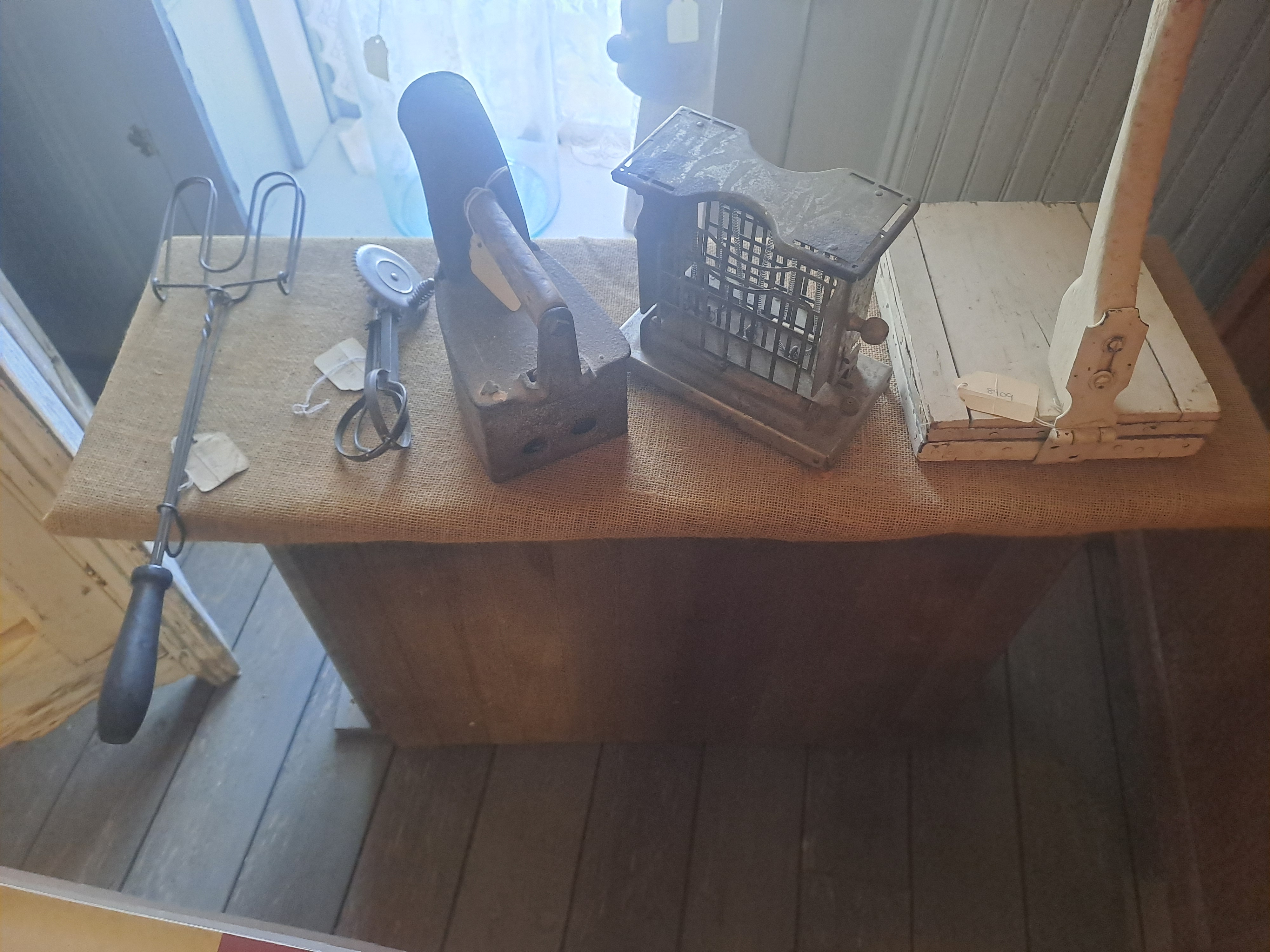
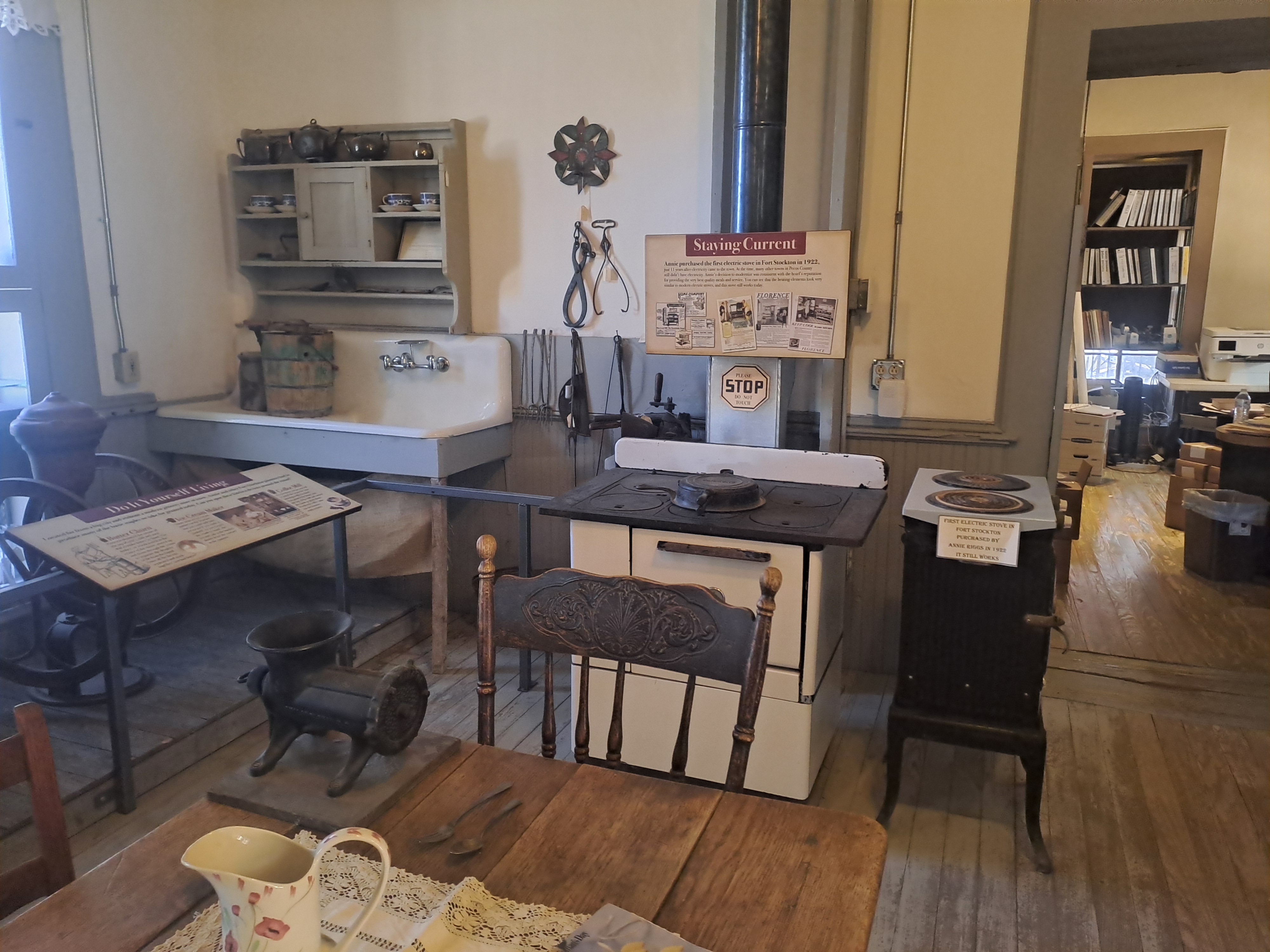
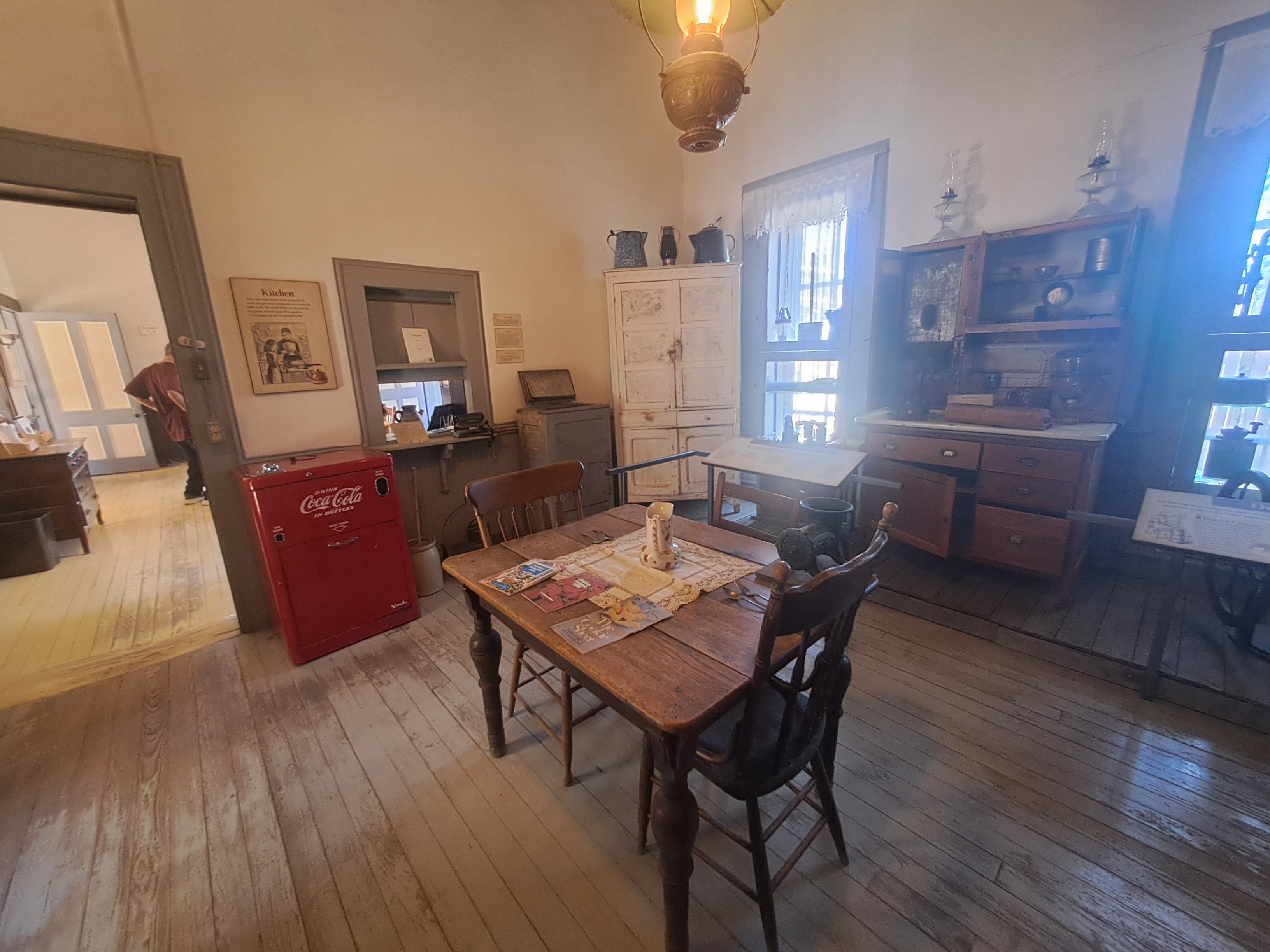
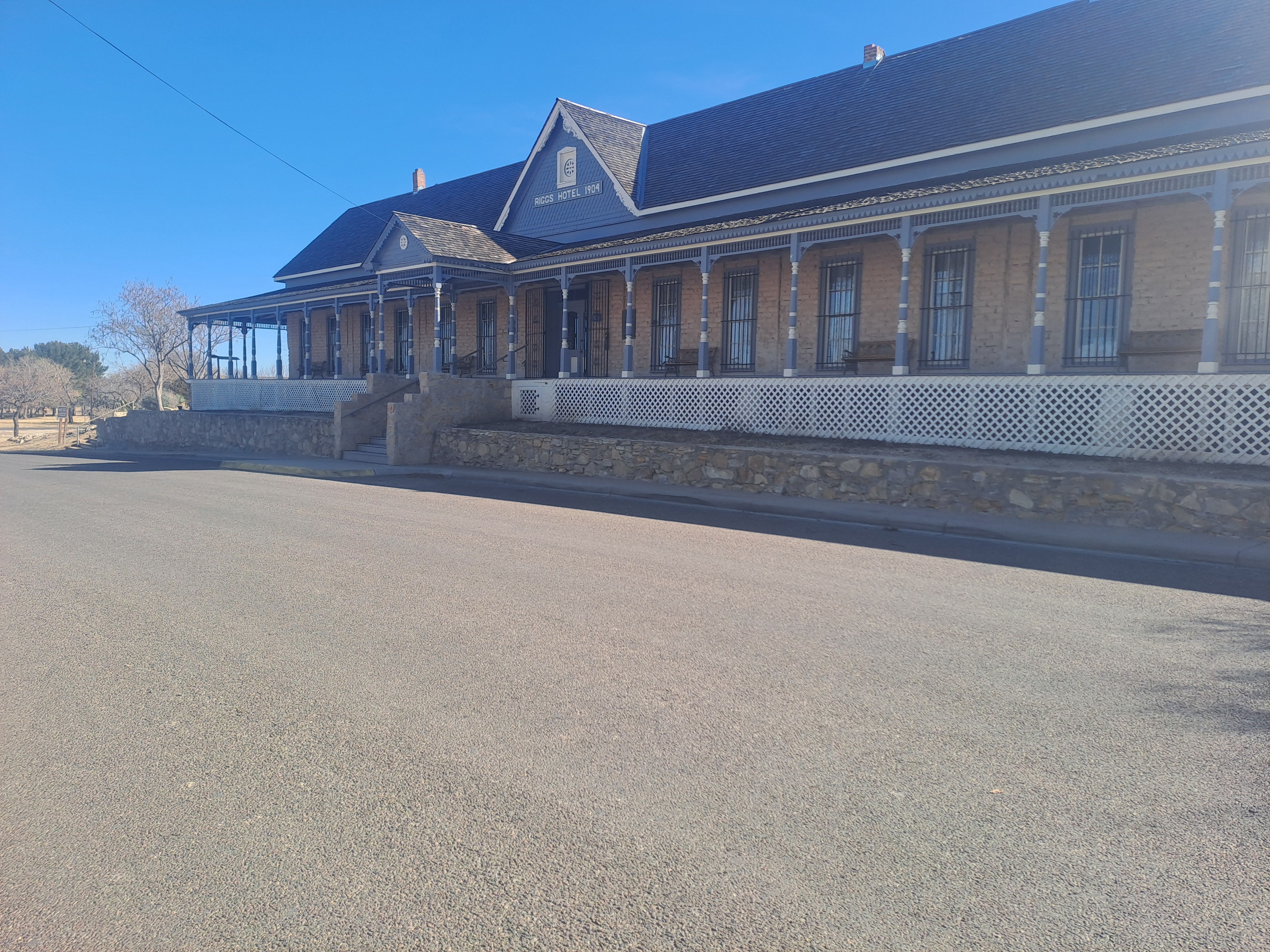
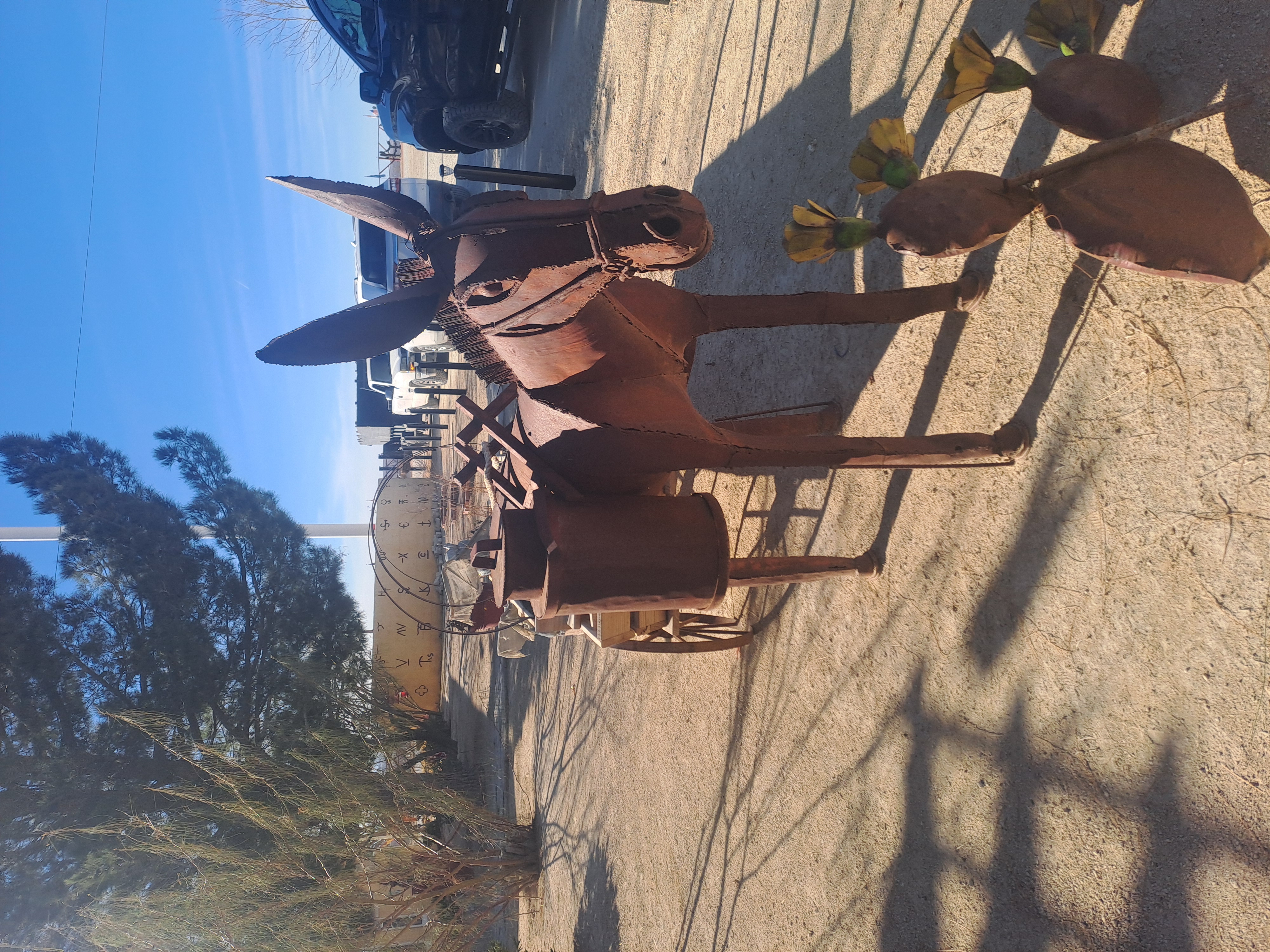
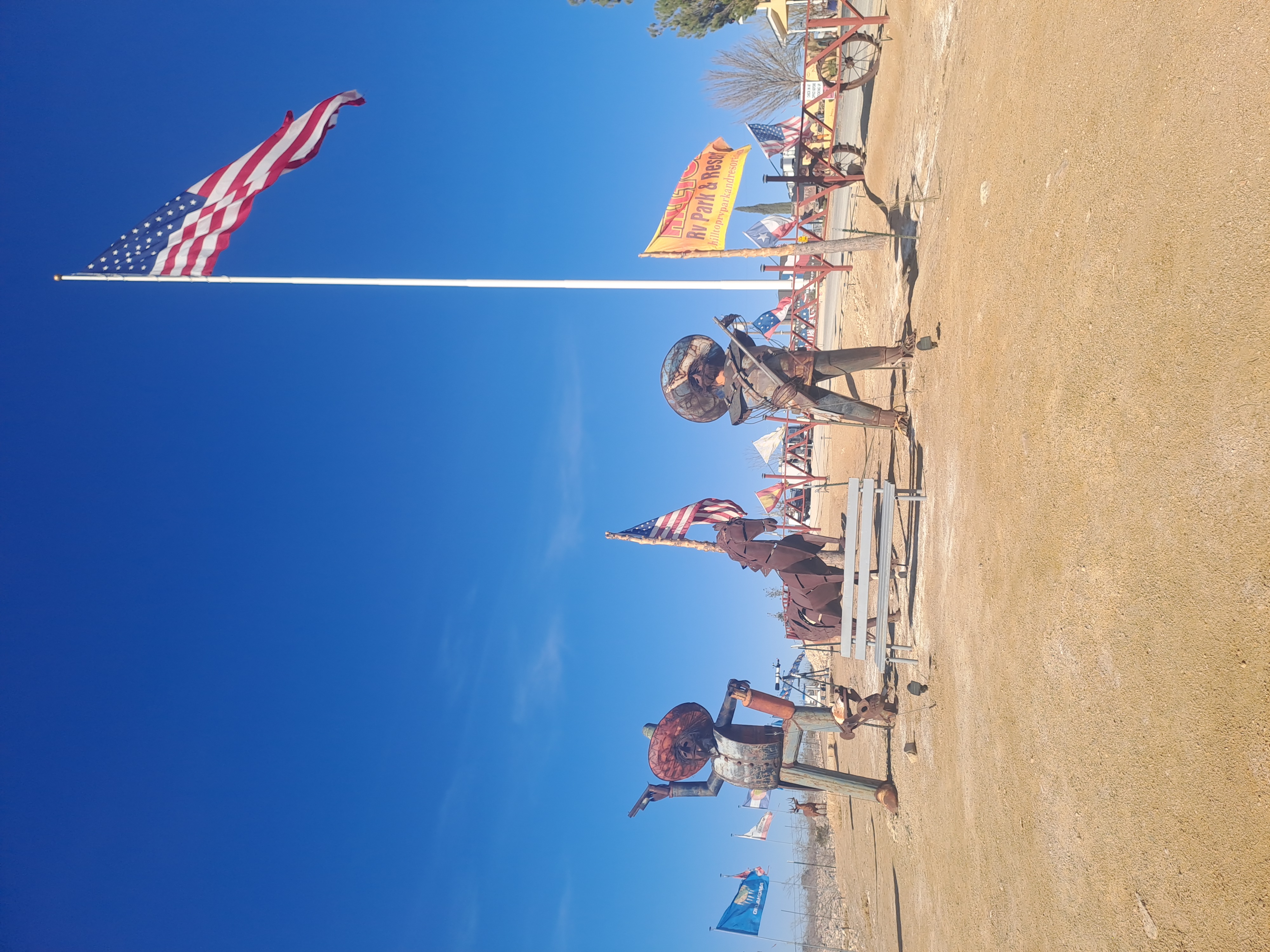
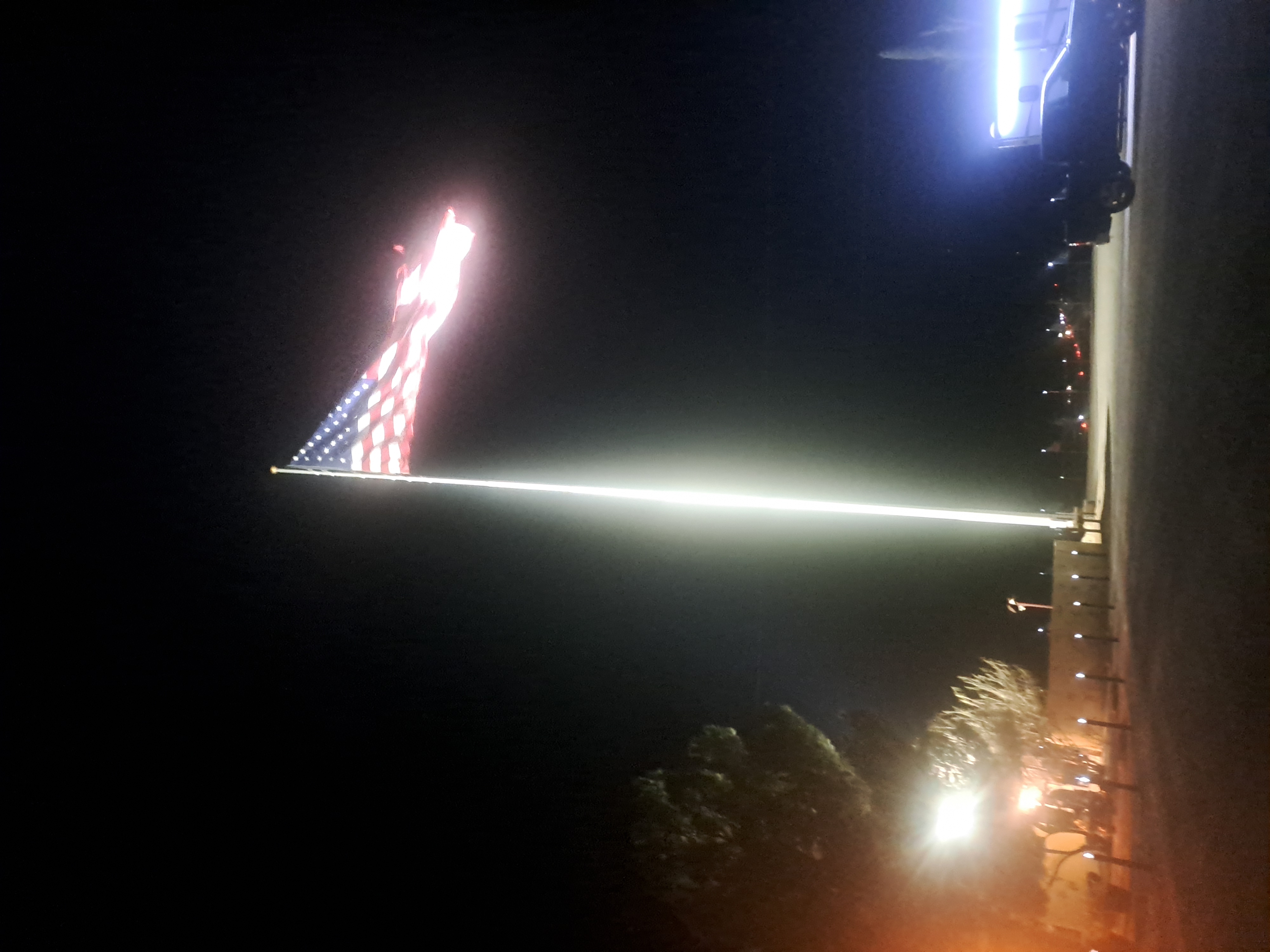
Our campsite there also deserves a mention, we could see the flagpole from 5 miles away and I loved the quirky decorations. We also made a special stop for the Road Runner im town. The only one I saw, although I did look for the live ones.



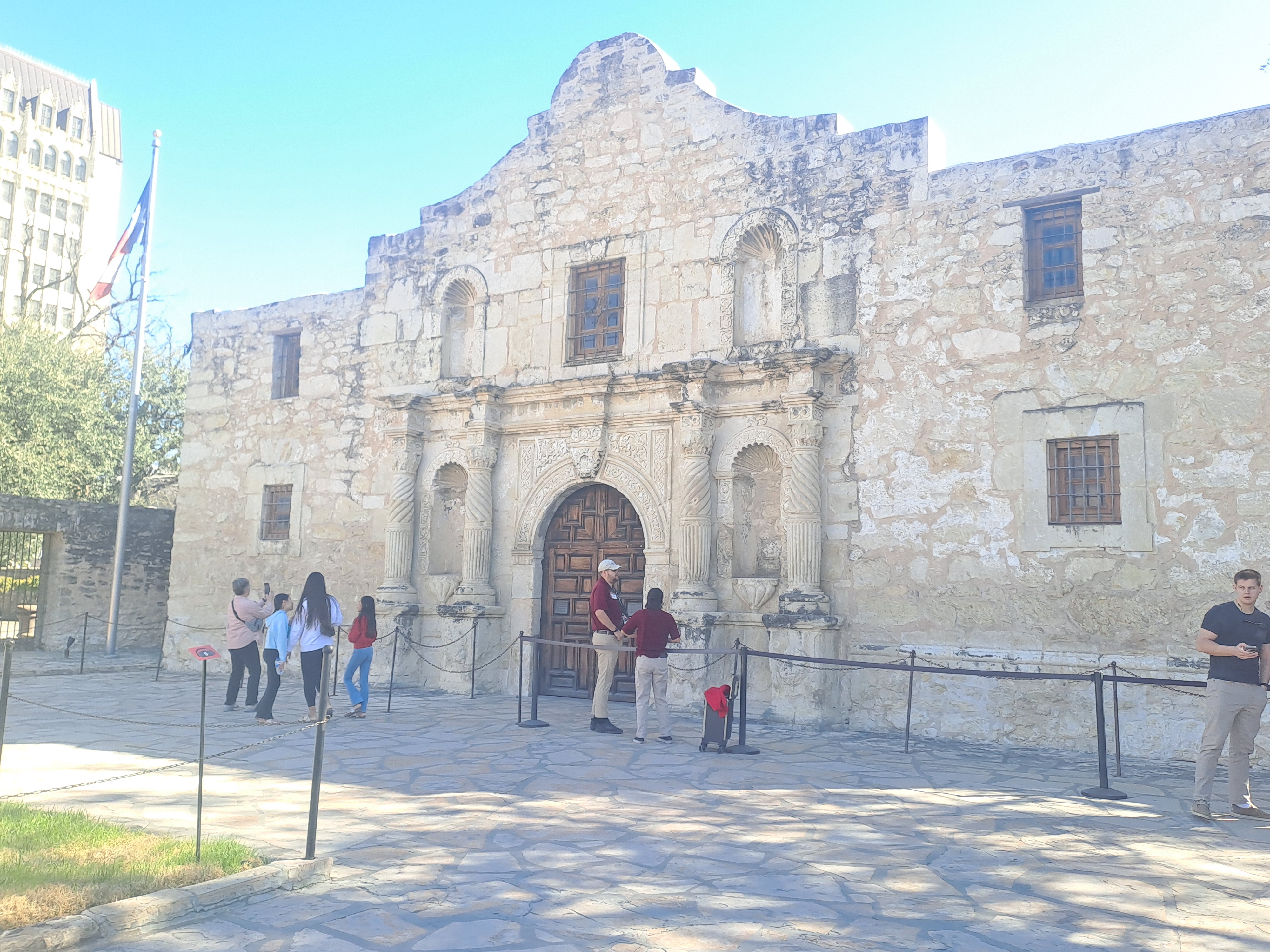
At San Antonio we had to go and see The Alamo a reminder of the battle for independence.
Spanish Texas (1690–1821): Spain established missions and presidios (forts) to secure the territory, particularly against French, creating the first European settlements.
Mexican Texas (1821–1835): After Mexico won independence from Spain, the government allowed Anglo-American settlers (starting with Moses and Stephen F. Austin) to colonize, leading to a population surge.
The Texas Revolution (1835–1836): Growing tensions over political, social, and economic policies (including slavery) led to a revolt. The Texas Declaration of Independence was signed on March 2, 1836.
Republic of Texas (1836–1845): Texas functioned as an independent nation for nearly a decade.
Statehood (1845/1846): The United States annexed Texas in December 1845, with the formal transfer of power on February 19, 1846.
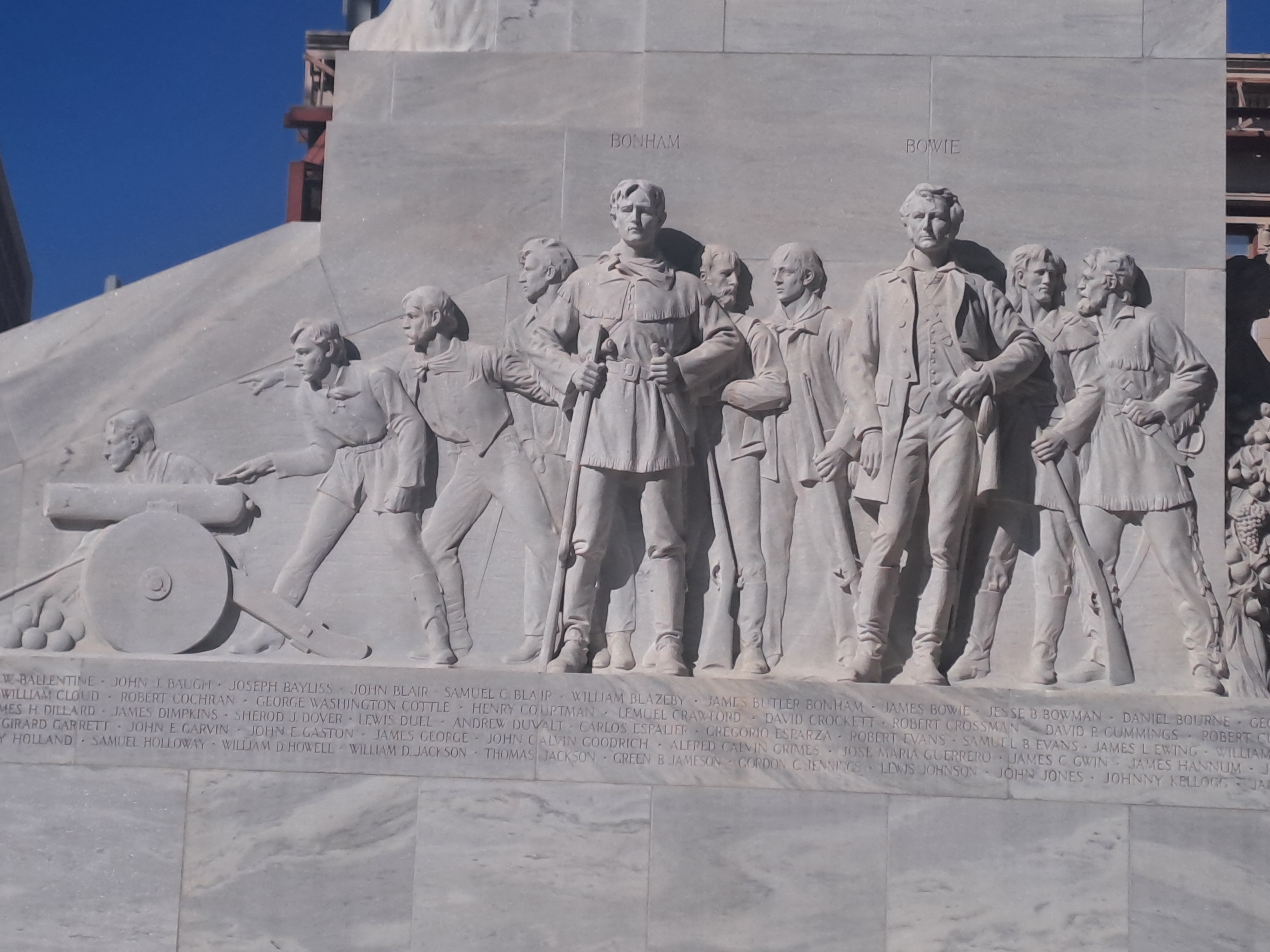
The Battle of the Alamo was a pivotal 13-day siege (February 23–March 6, 1836) during the Texas Revolution, where a small force of Texan defenders, including legendary figures like Davy Crockett and Jim Bowie, were overwhelmed by a much larger Mexican army led by General Santa Anna at the Alamo mission in San Antonio. Though a devastating defeat for the Texans, the battle became a powerful rallying cry, “Remember the Alamo!”, fueling the Texan army to victory at San Jacinto and securing Texas independence.
Texas is often called the lone star state for its independent period.
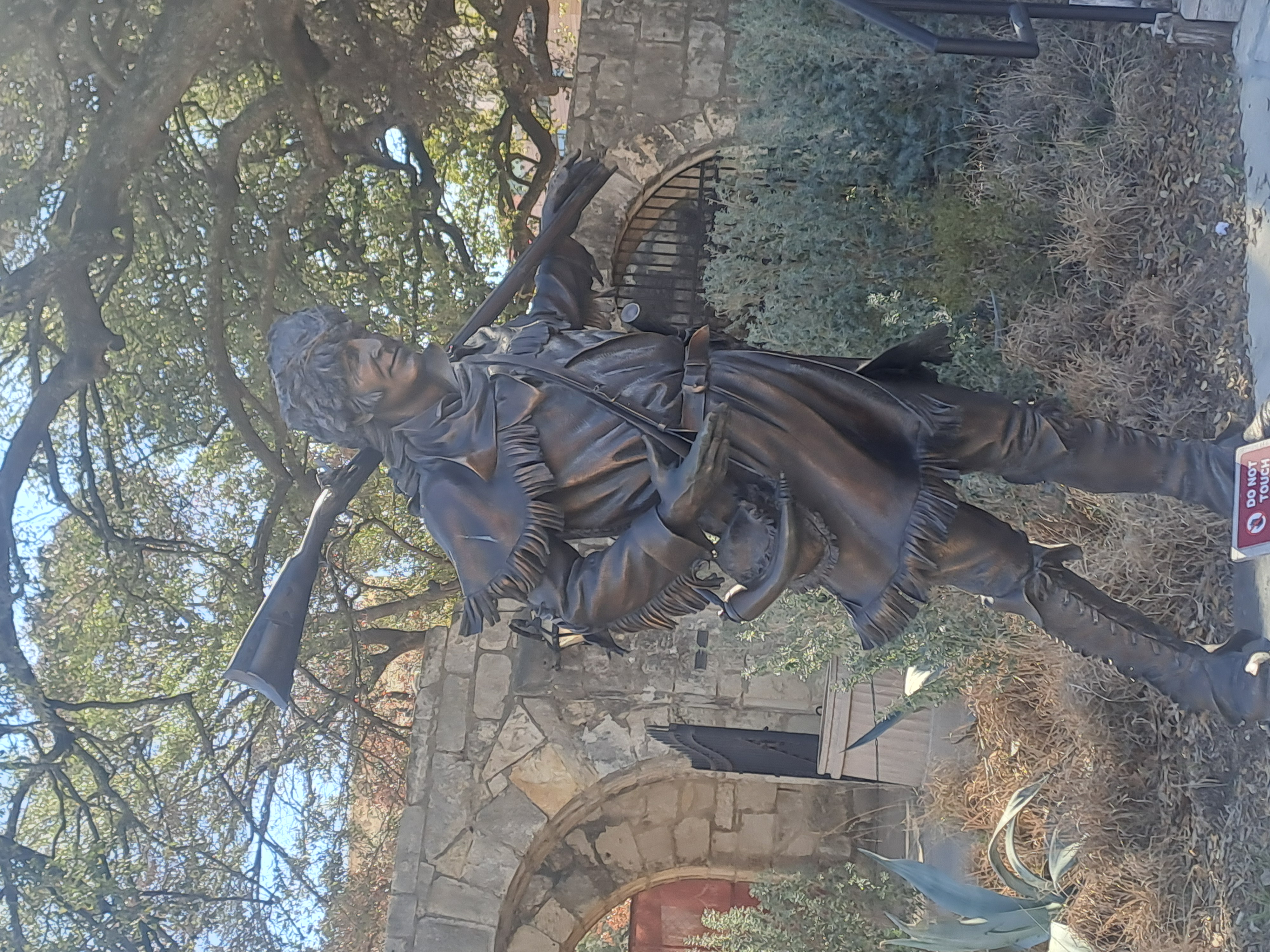
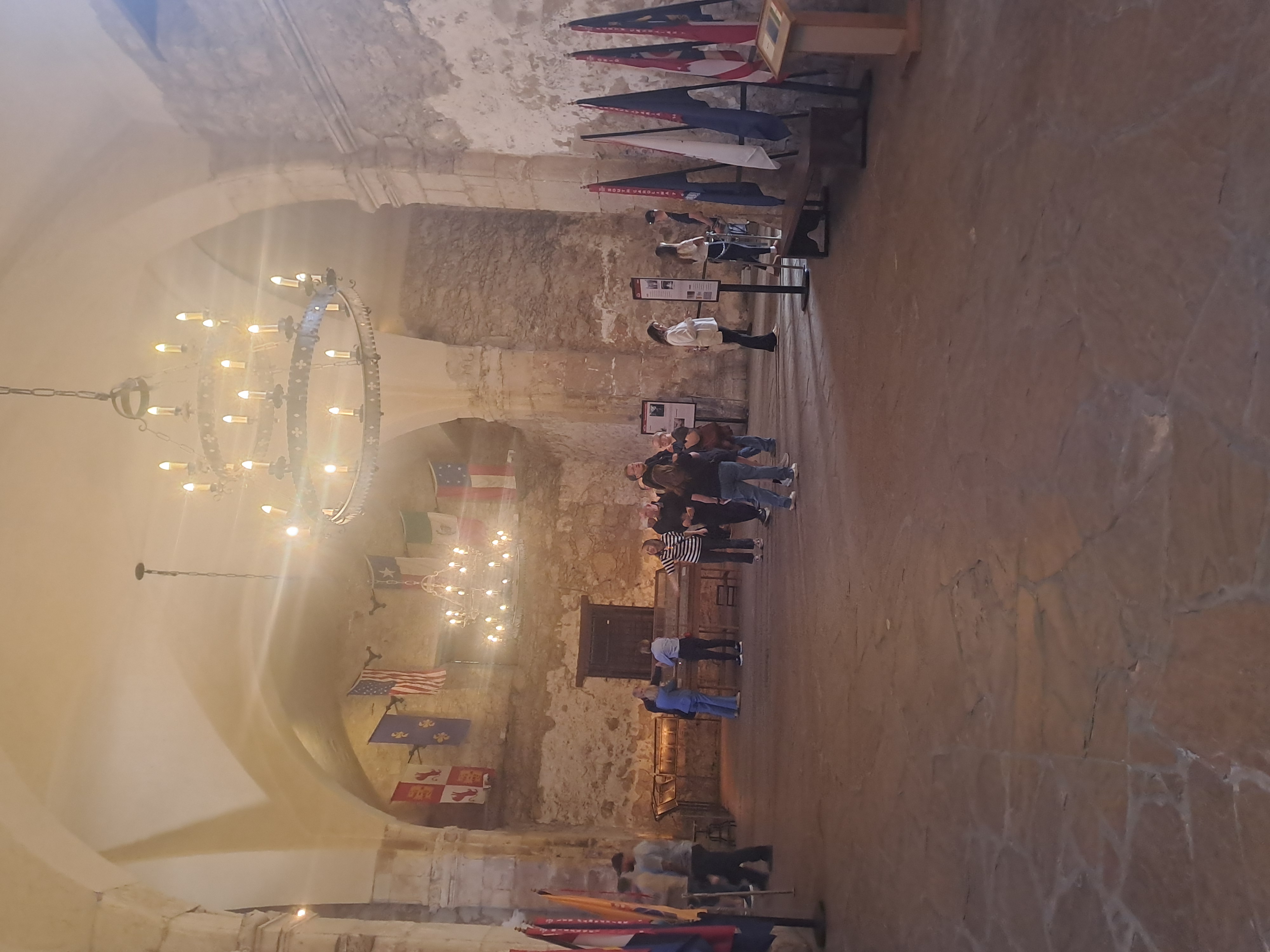
The only part of the Alamo remaining now is the mission church. The site as various sculptures of the main protagonist of the battle, and surprisingly a Japanese poe, comparing the battle with a Japanese one.

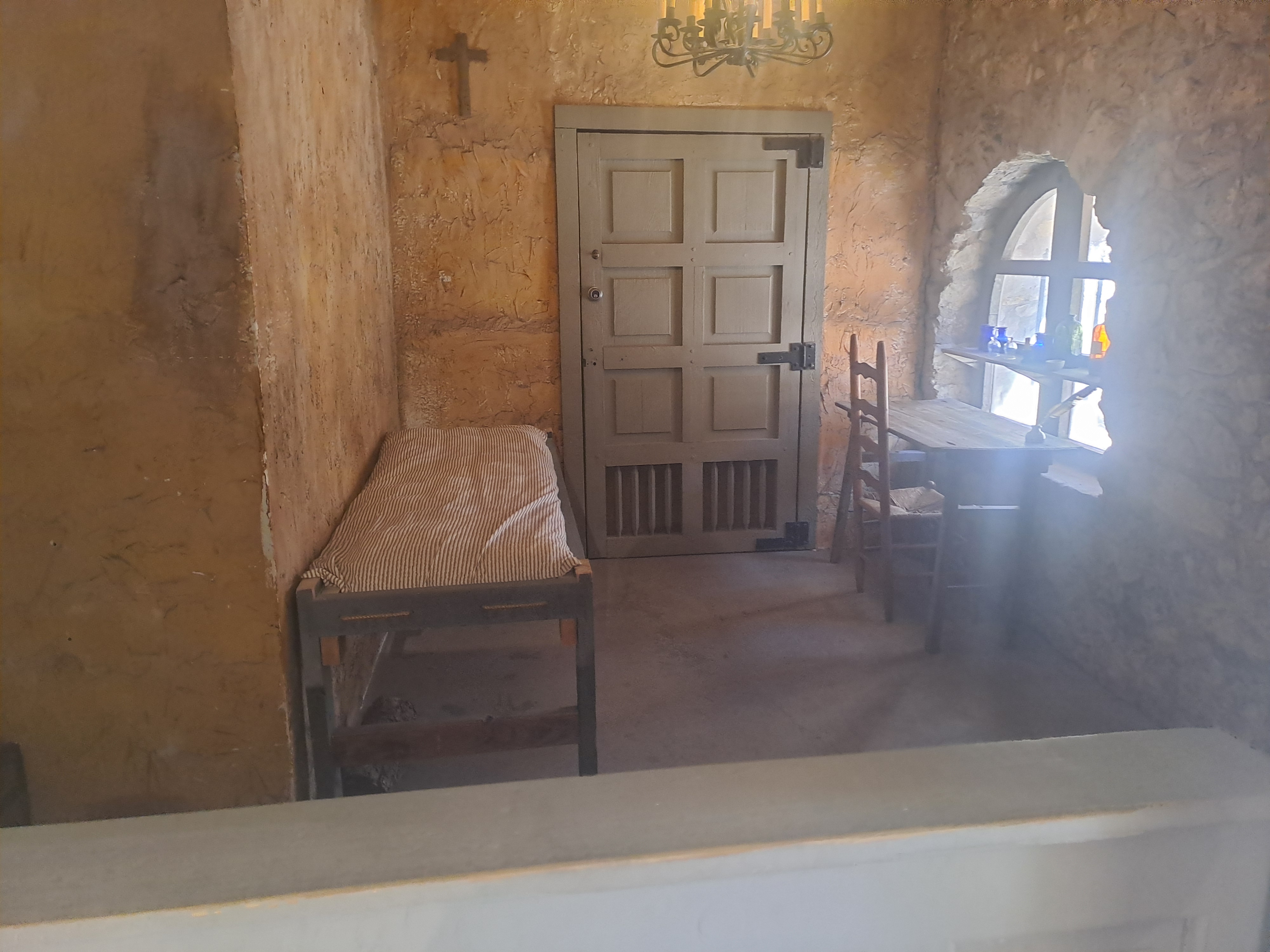

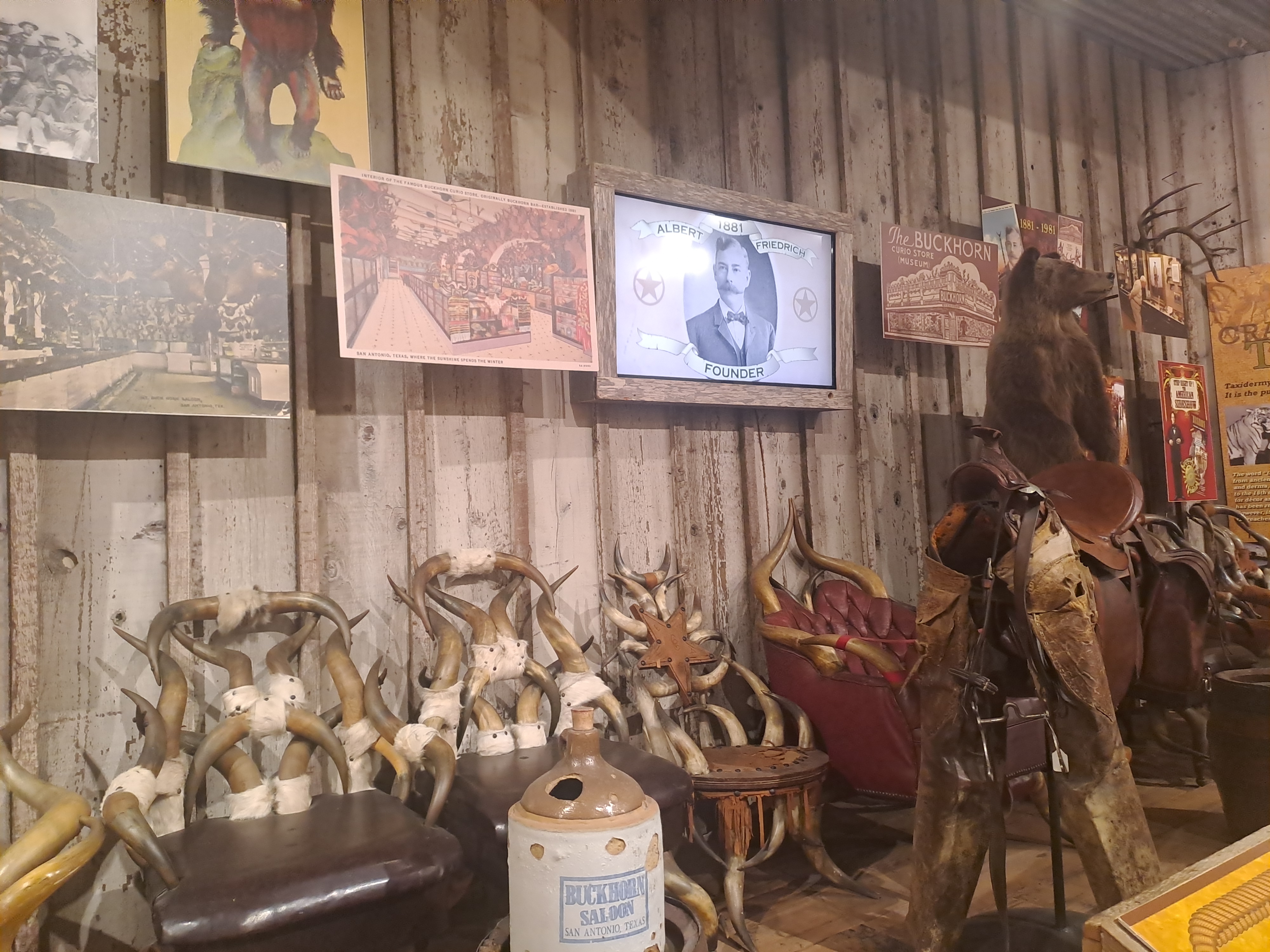
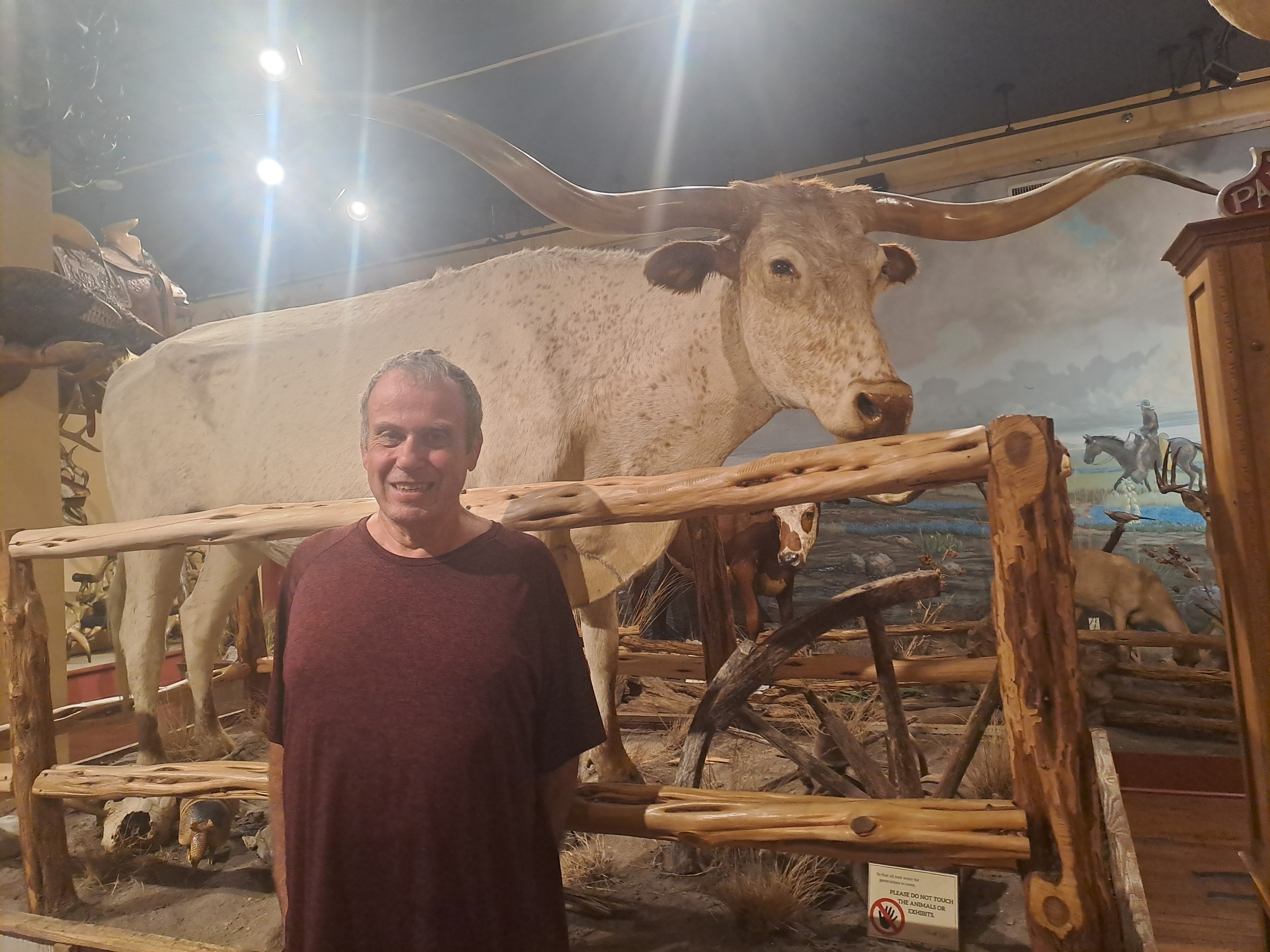
We went on to a historic inn, which I guess wasn’t so exciting as virtually all British pubs are historic. I went on a tour of the attached museum expecting a history of the place. Instead I found hundreds and hundreds of dead stuffed animals as I gathered someone had been a keen hunter. I shuffled past these rather quickly and found a section showing historic a novelty show ( stuffed animals with two heads etc. And some models of historic buildings.
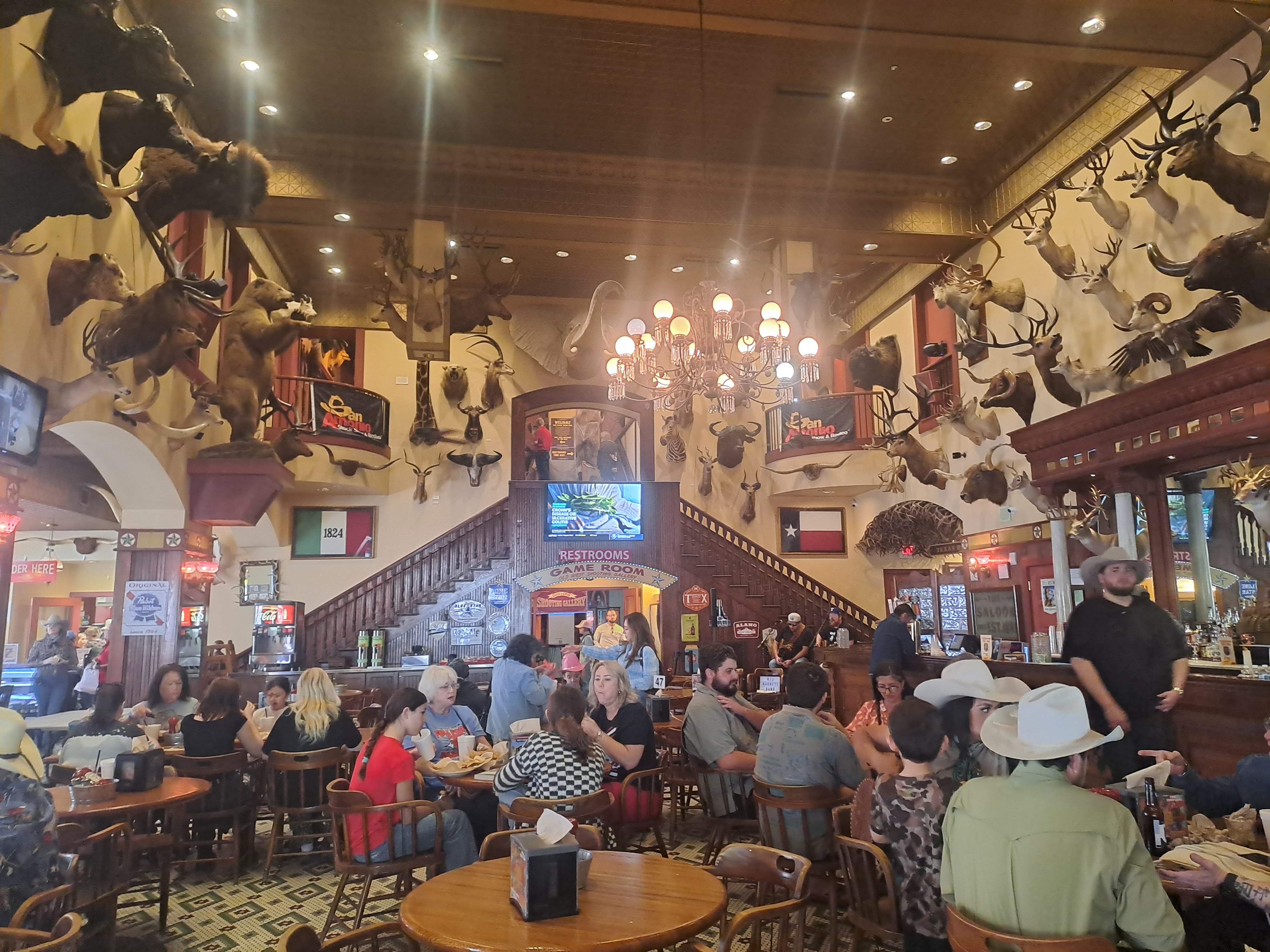
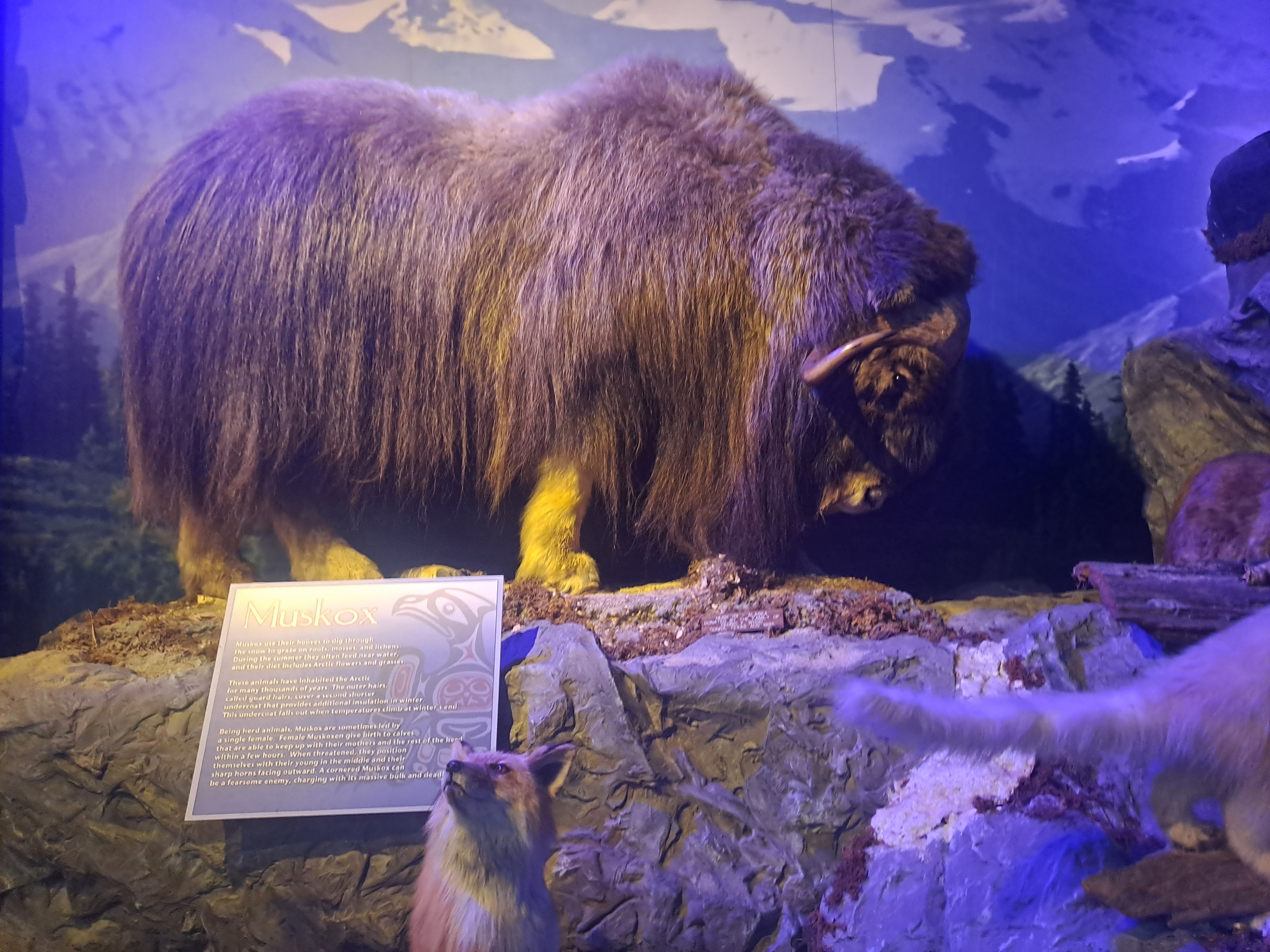


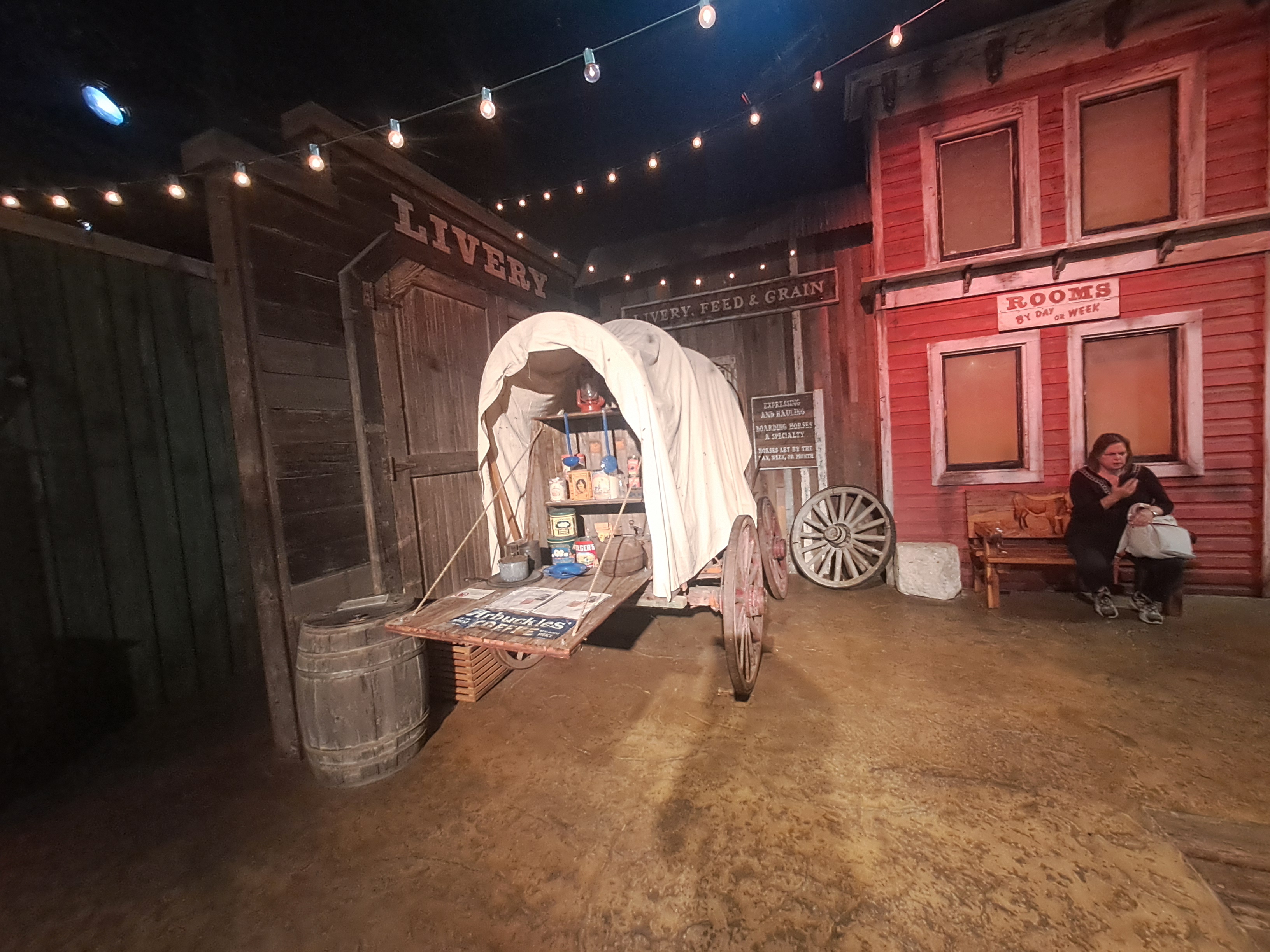

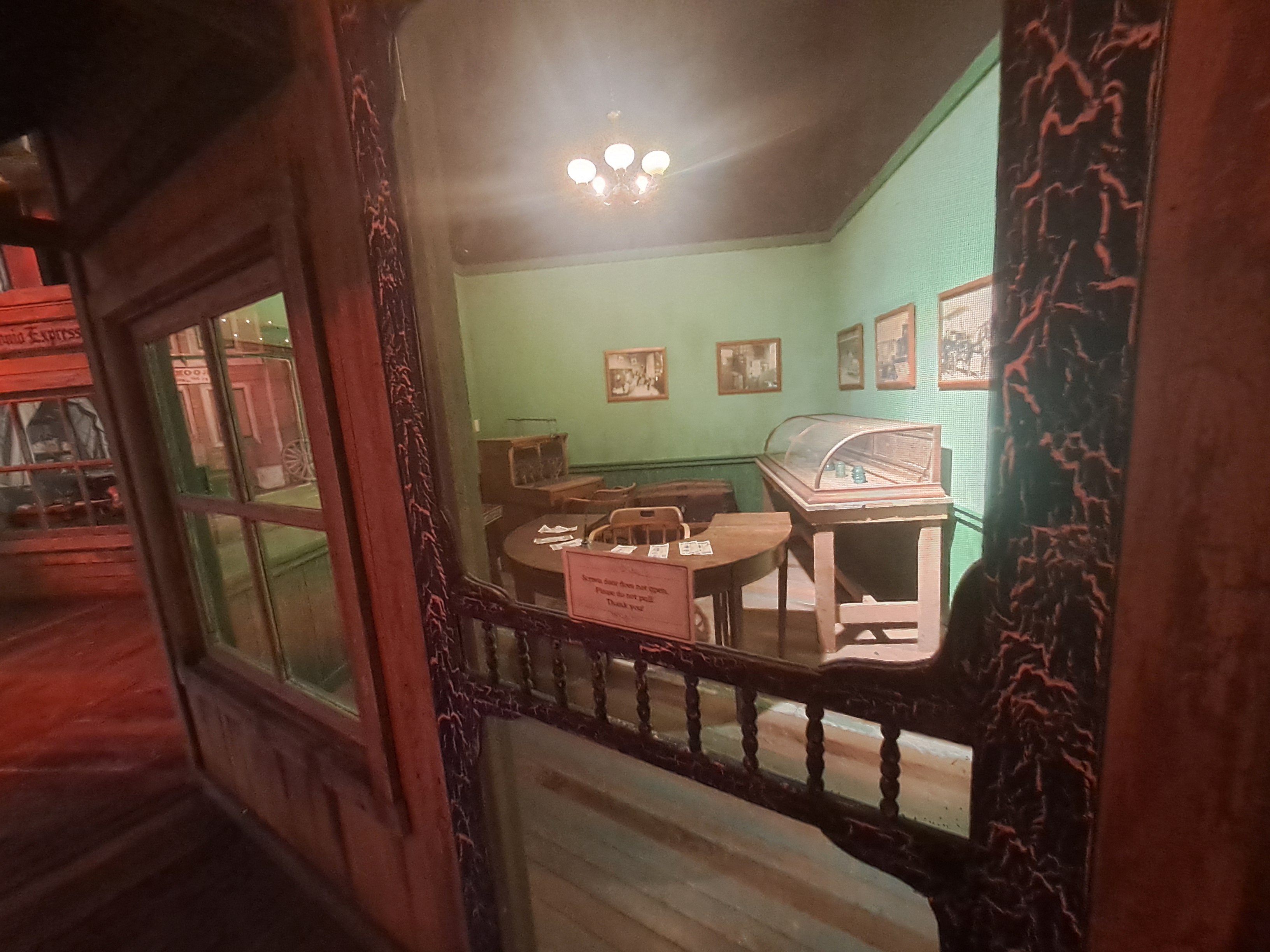
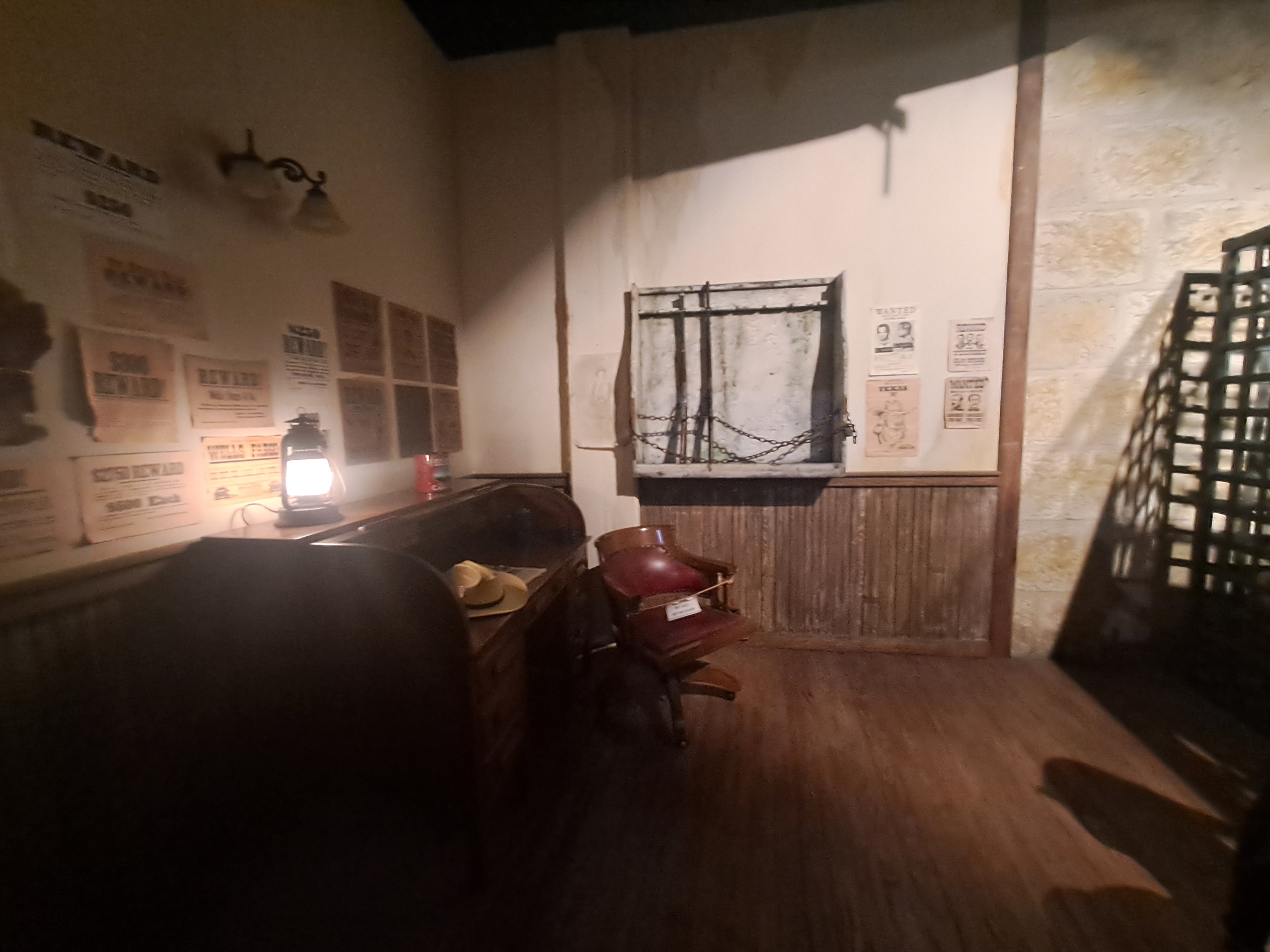
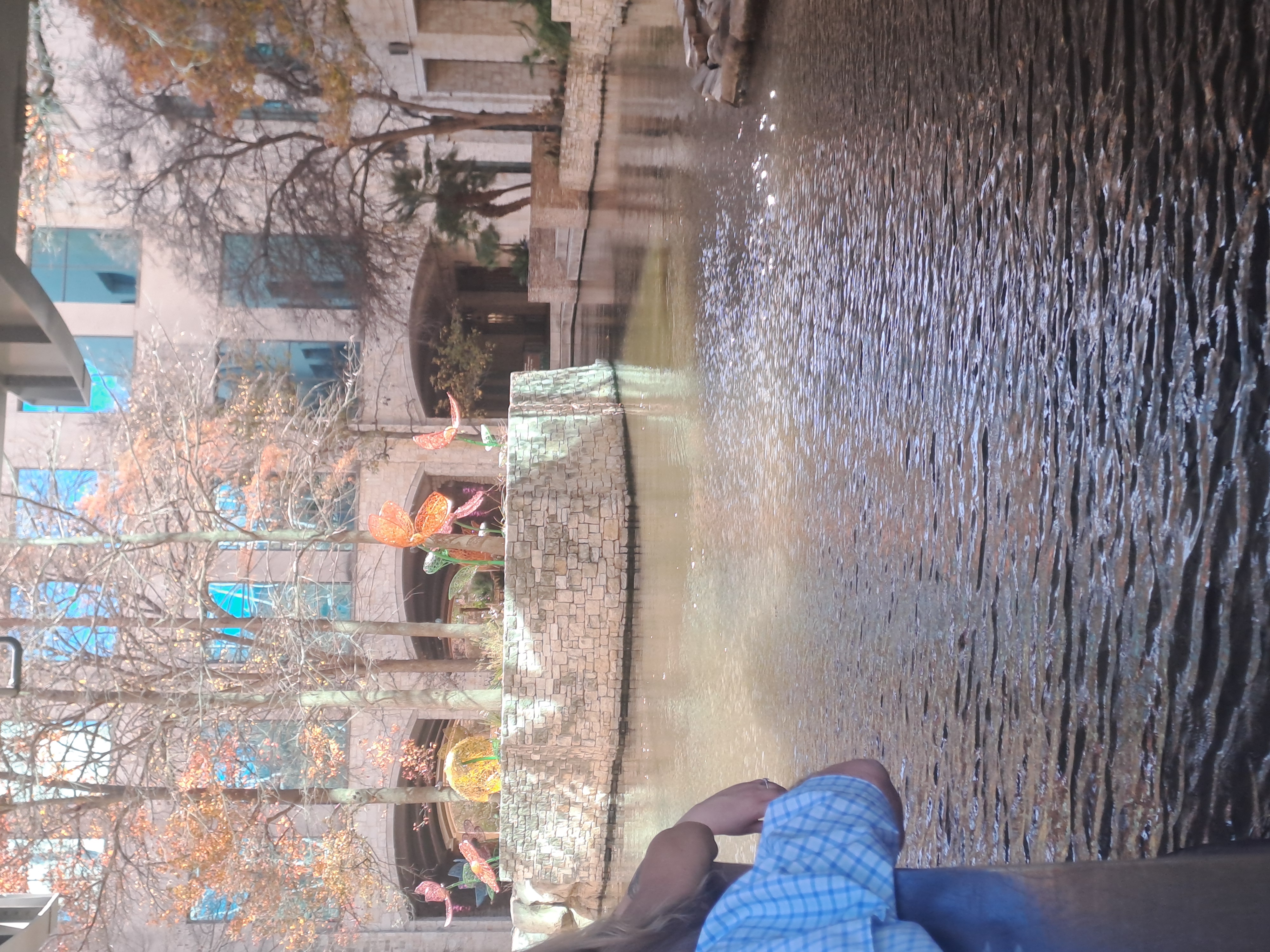
The riverside walk was a pleasant surprise and not at all what I expected. It was a section of riverside surrounded by buildings, cafes and restaurants also many sculptures. We took it a boat ride to see it all properly.
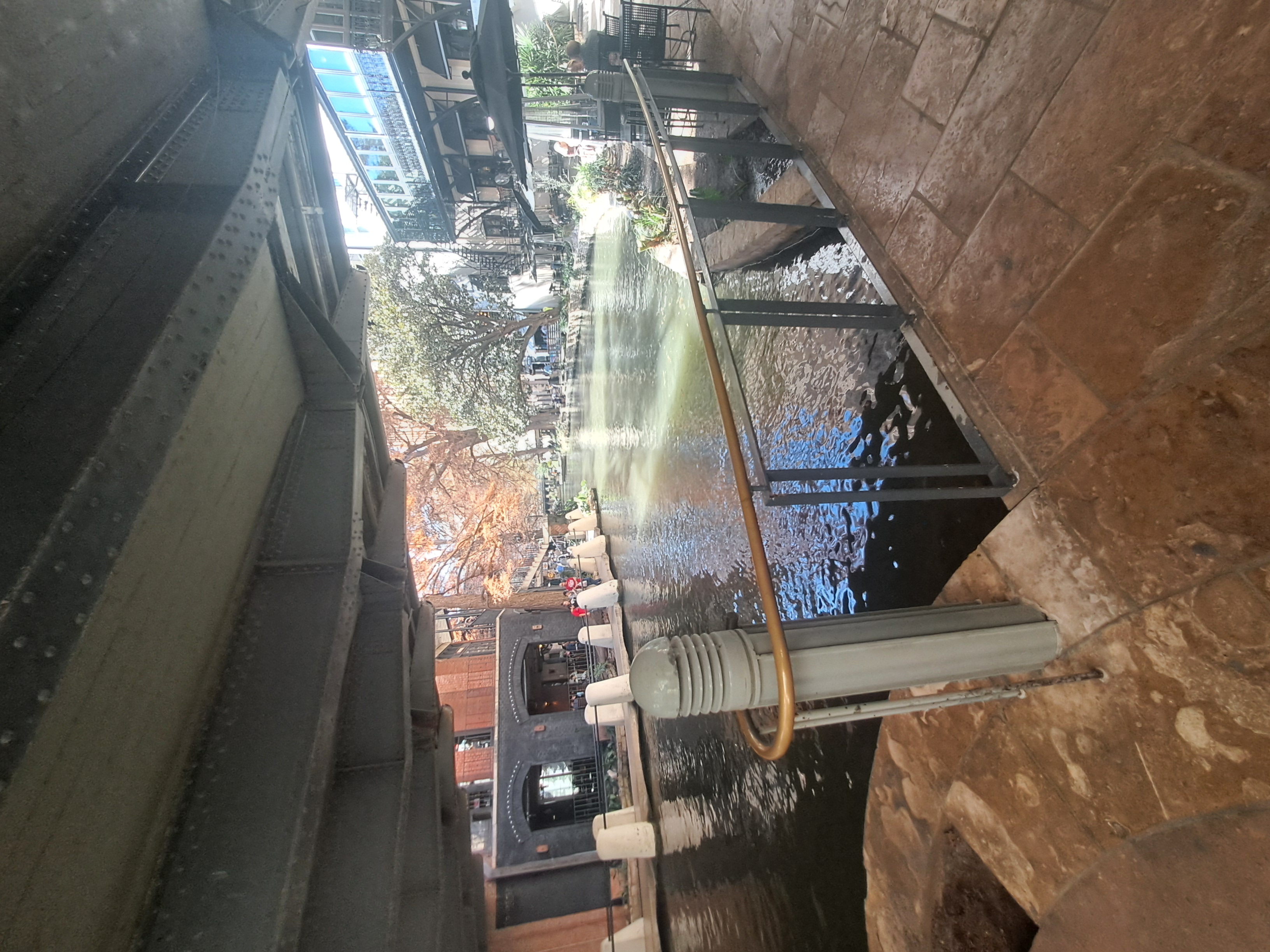

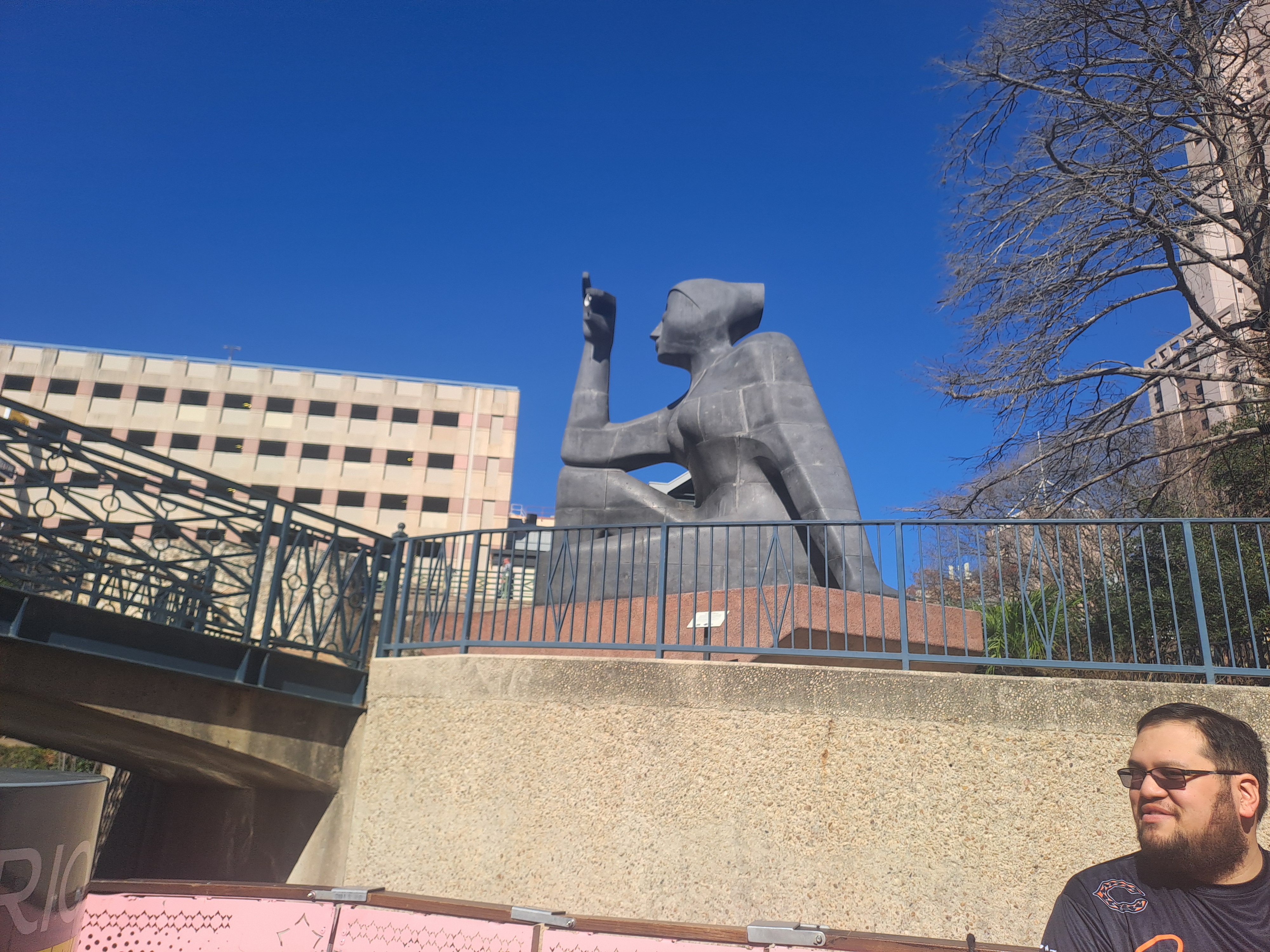
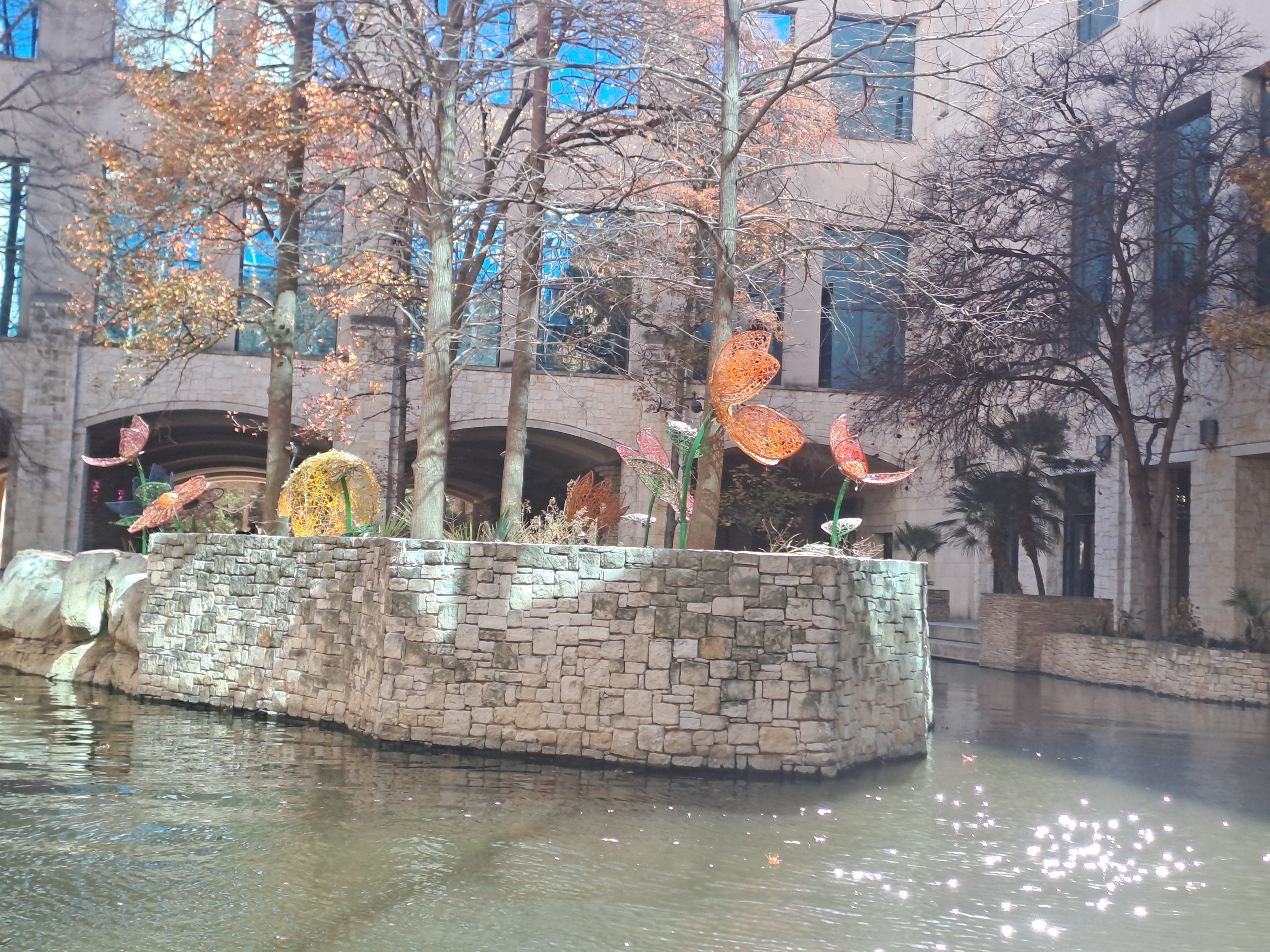
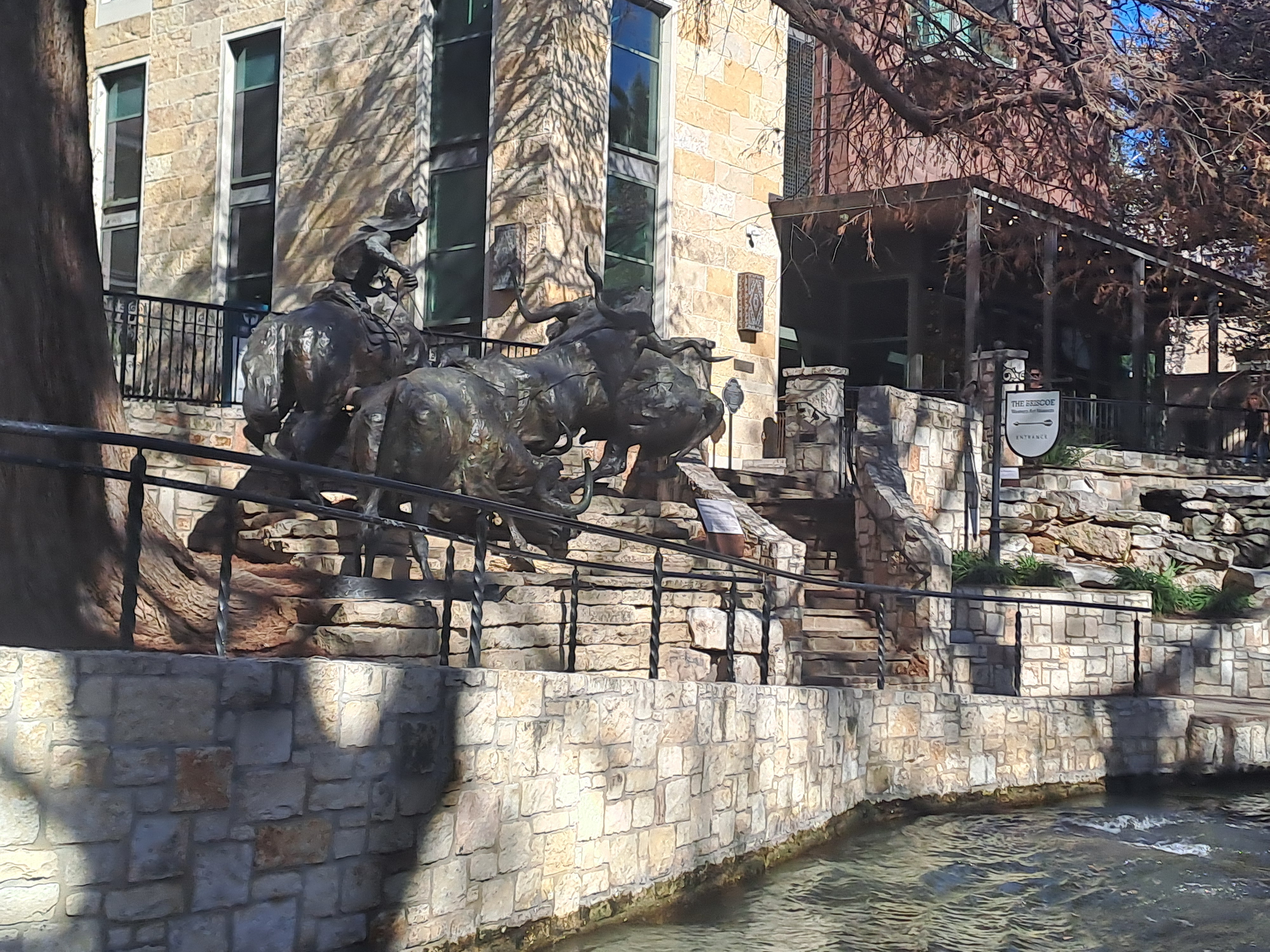
We totally missed the main item of the day the cattle hearding parade, but hey you can’t do everything.
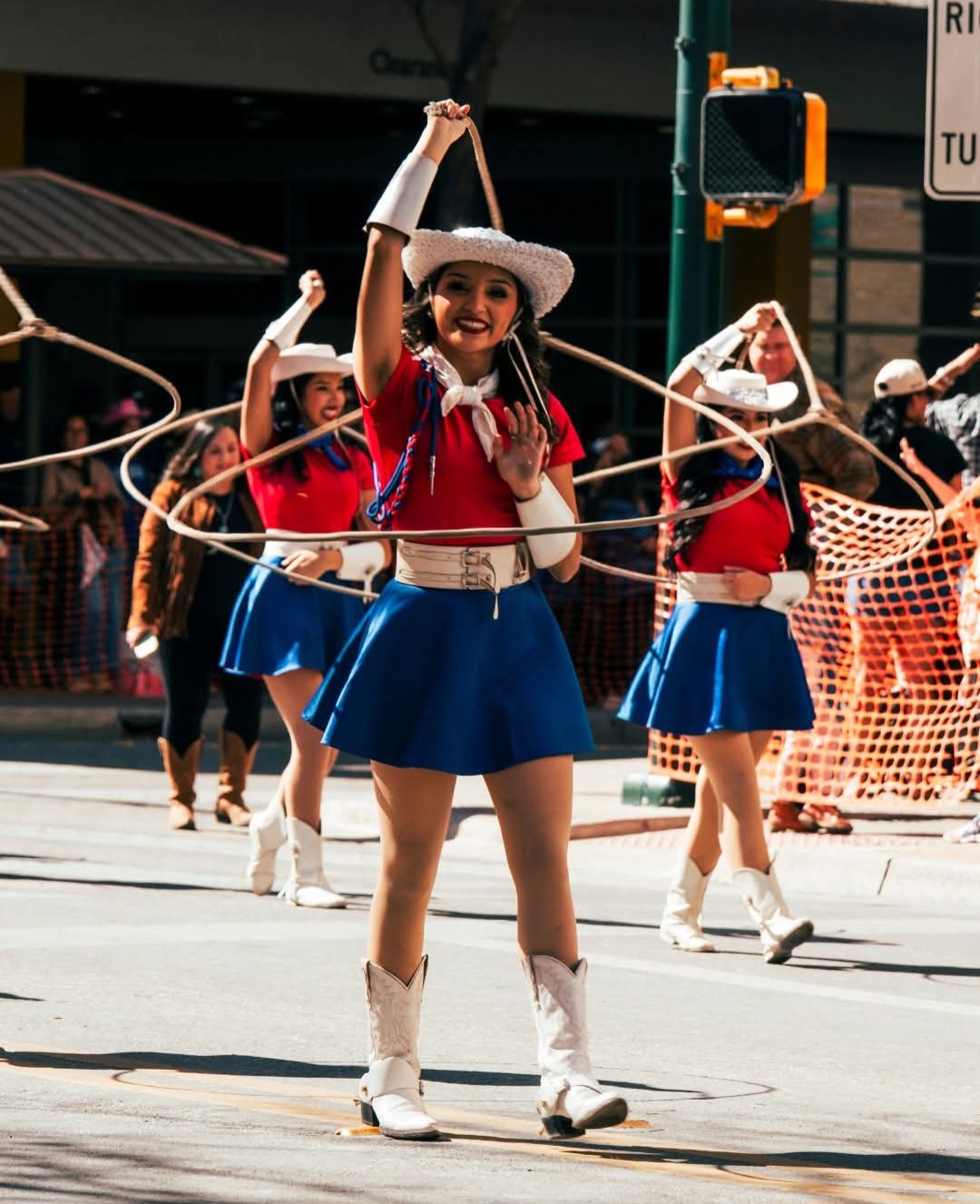
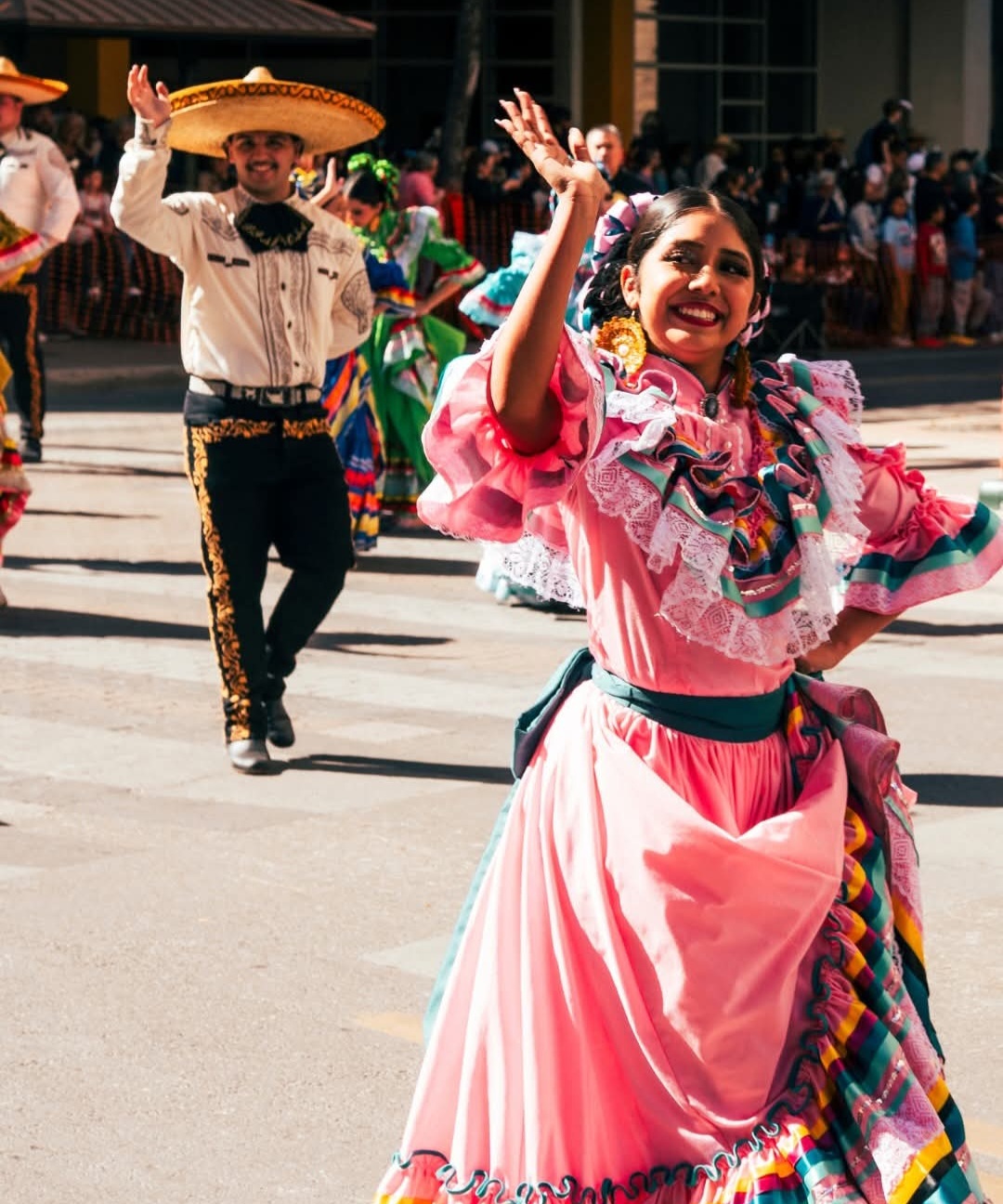
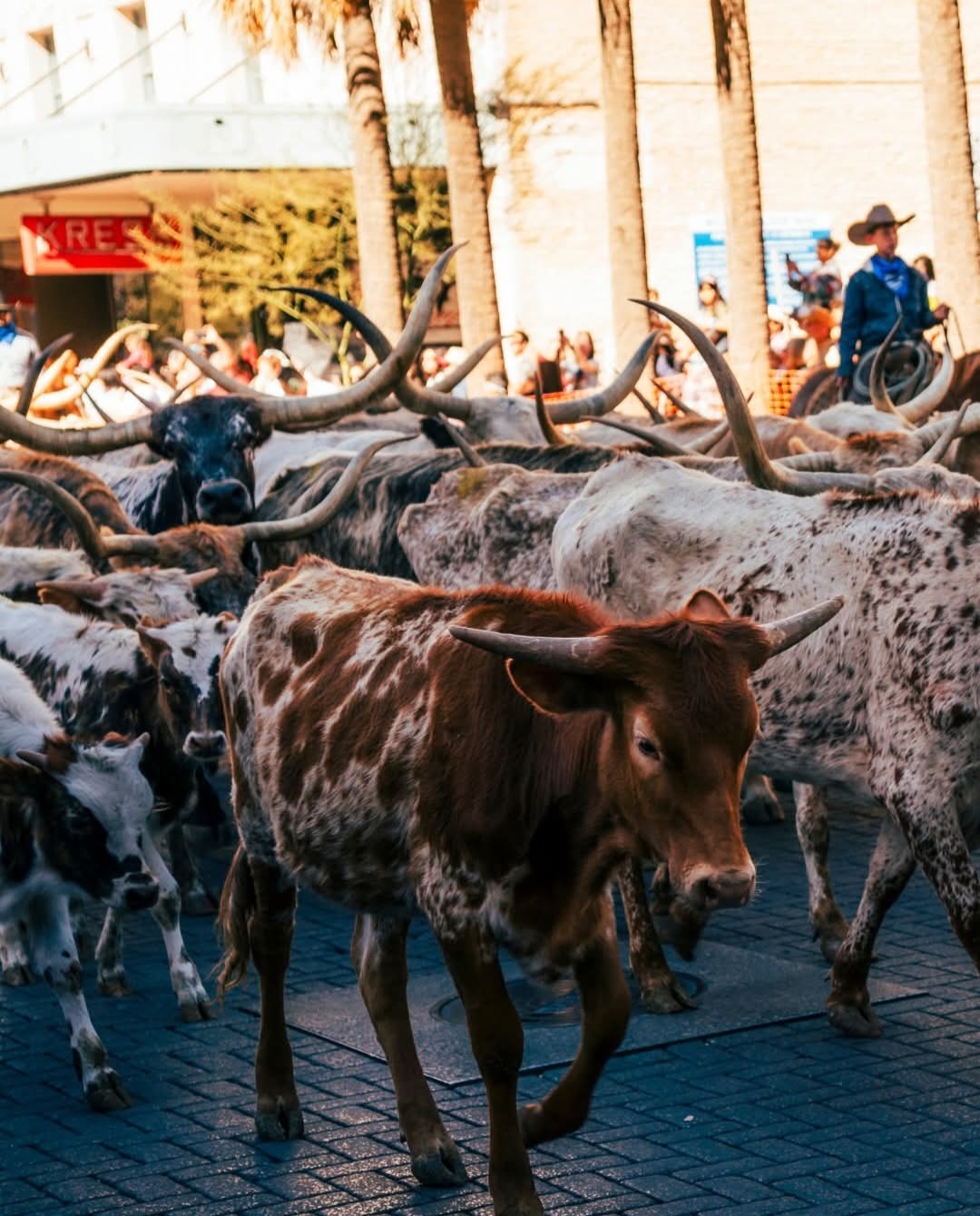
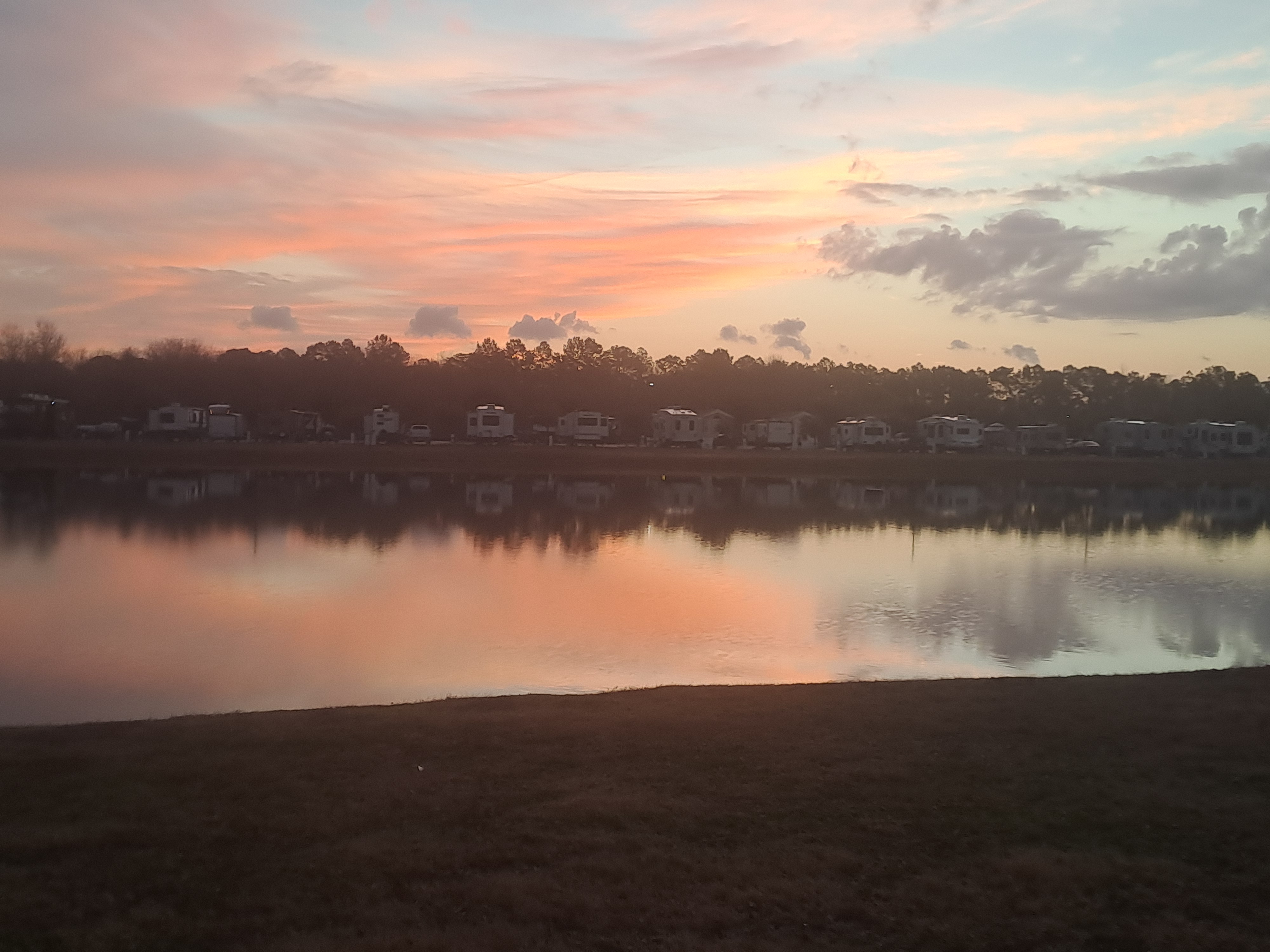
We did manage a lake side campsite though.
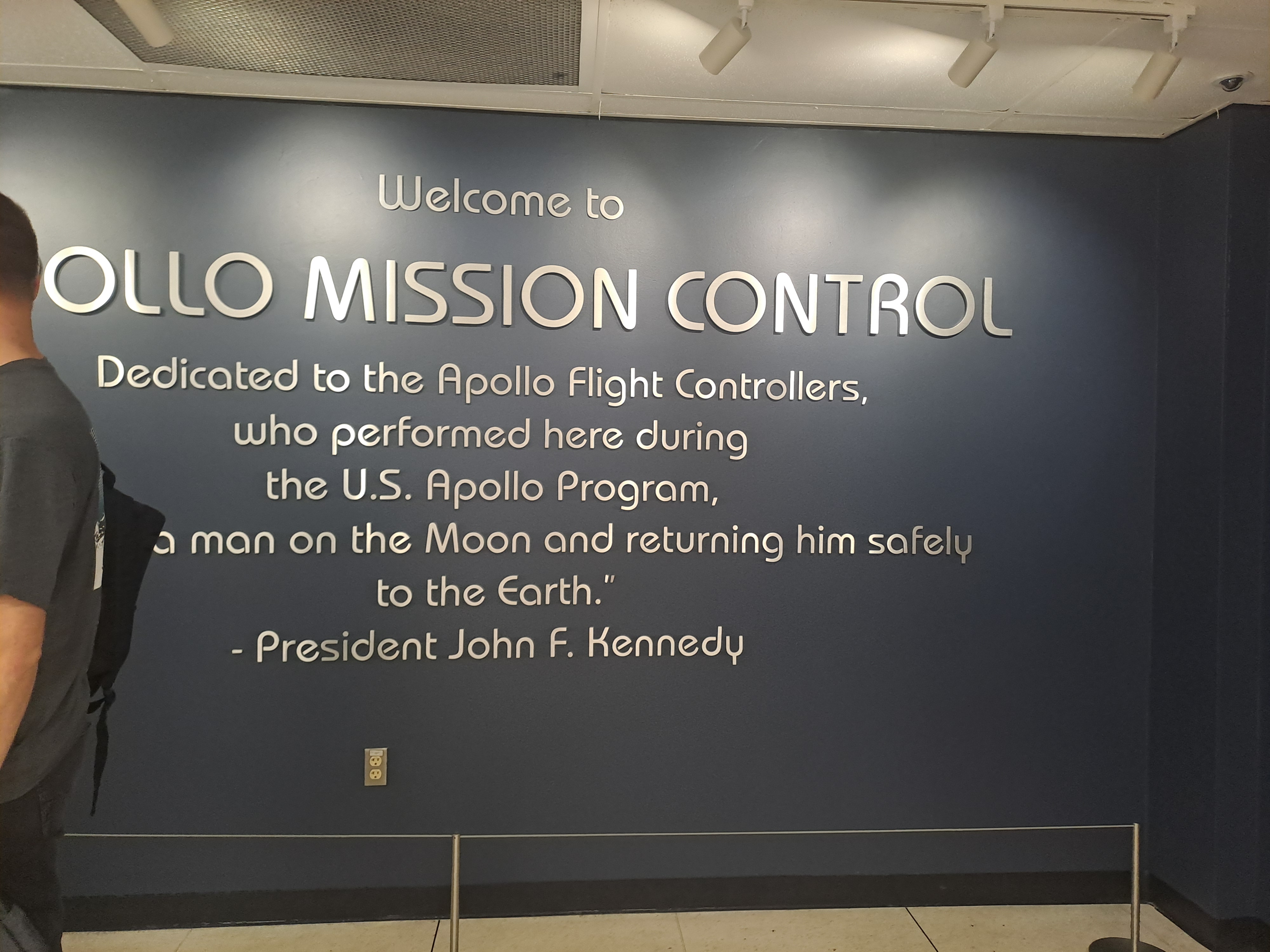
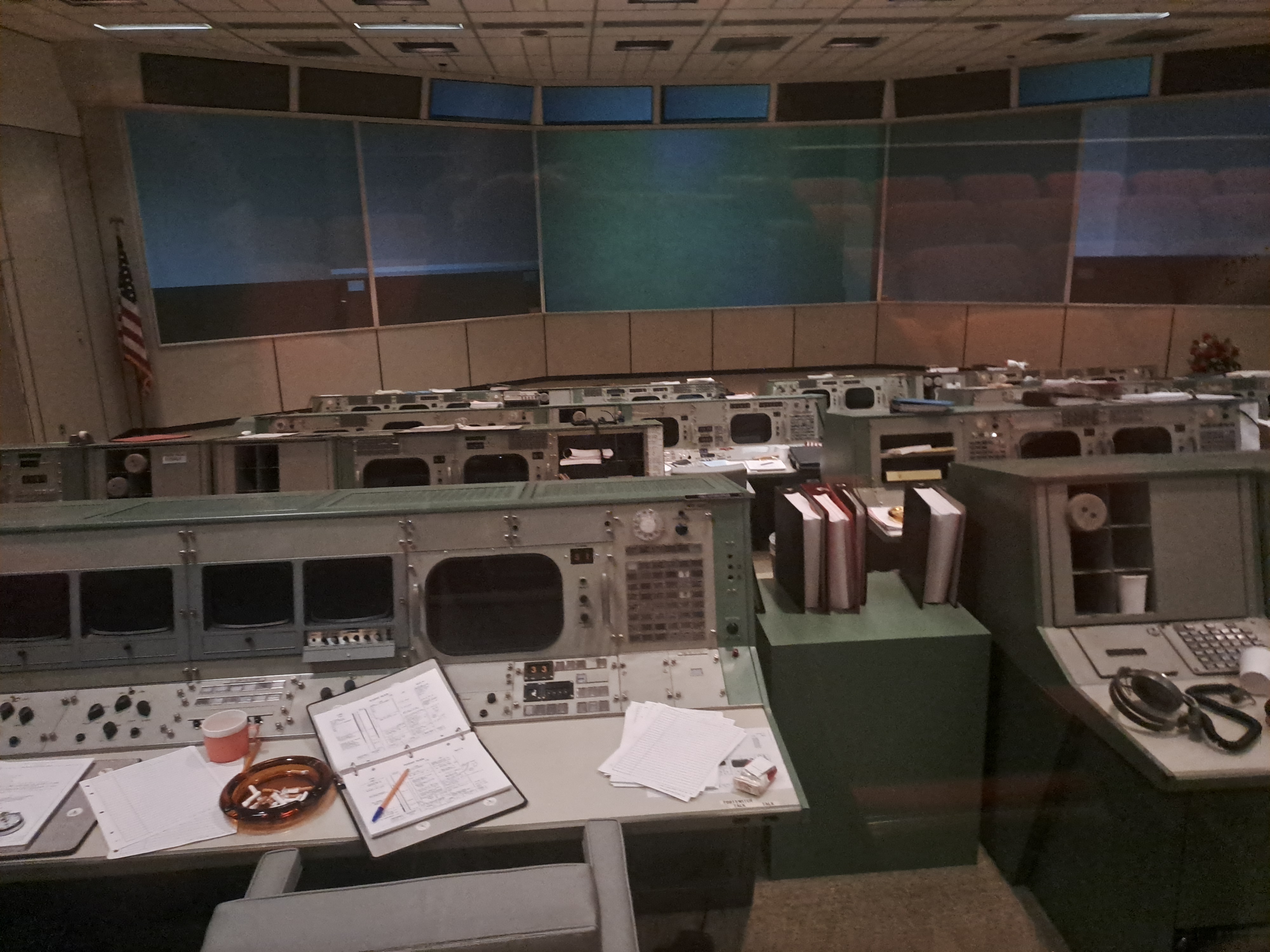
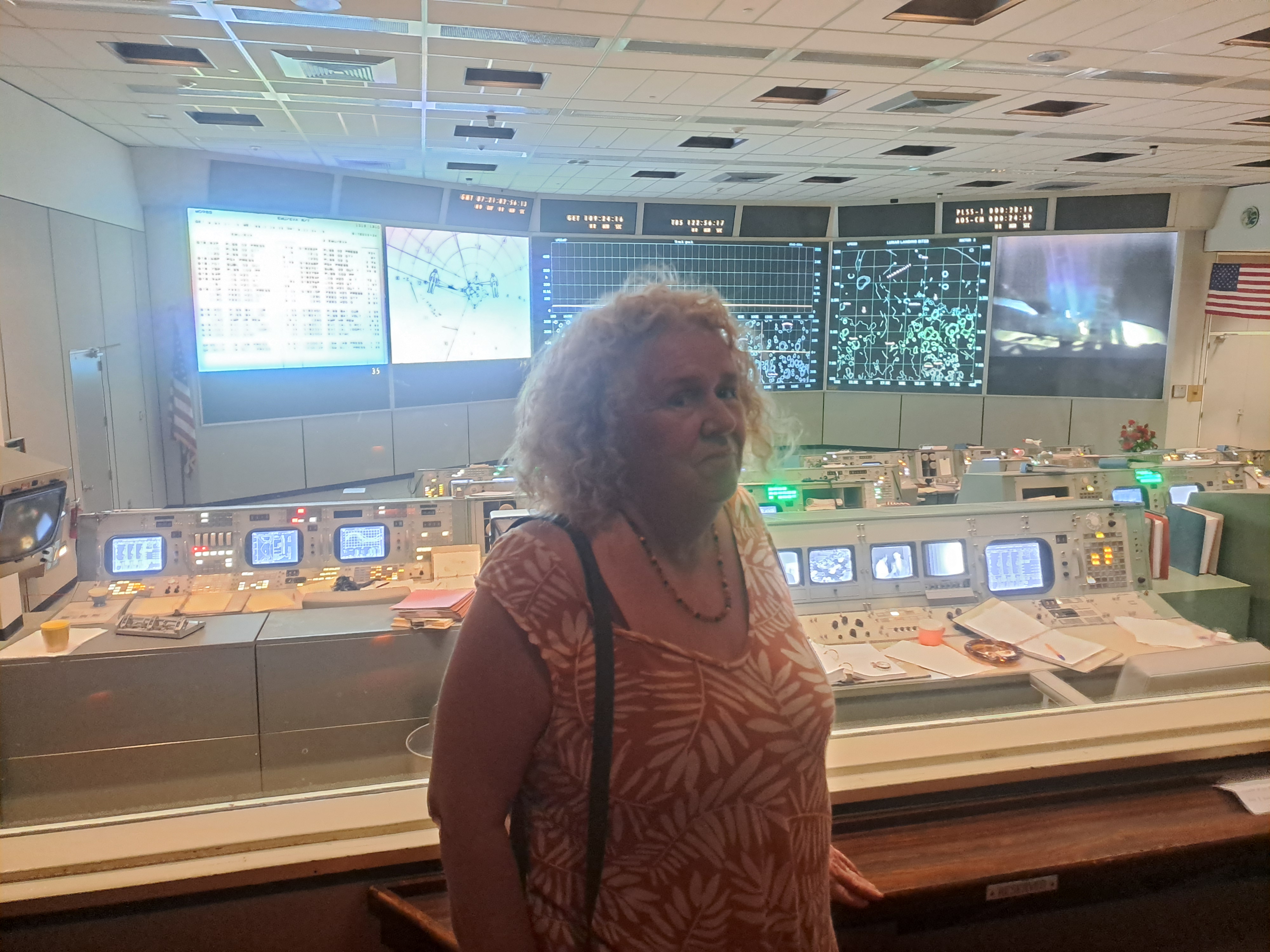
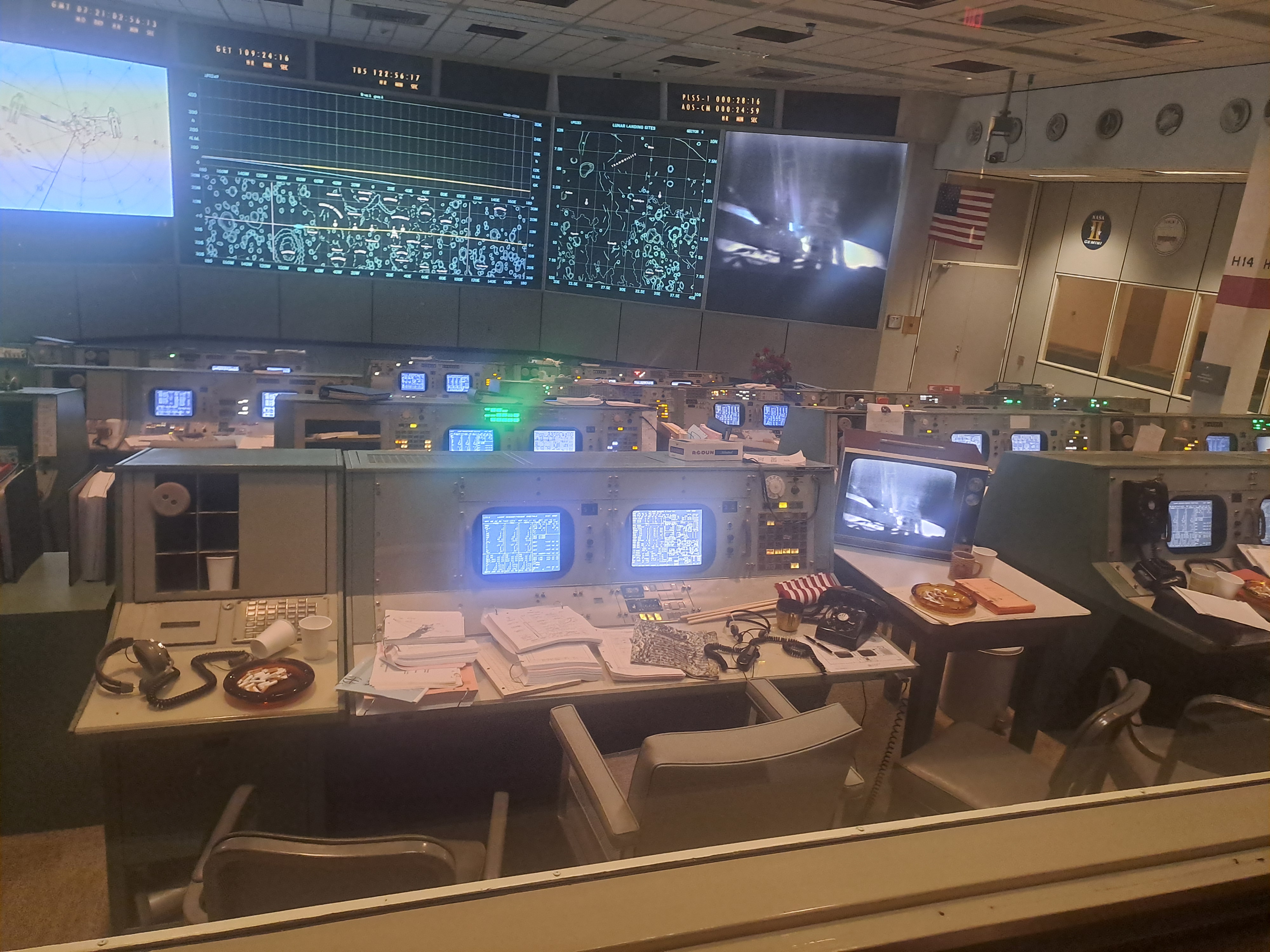
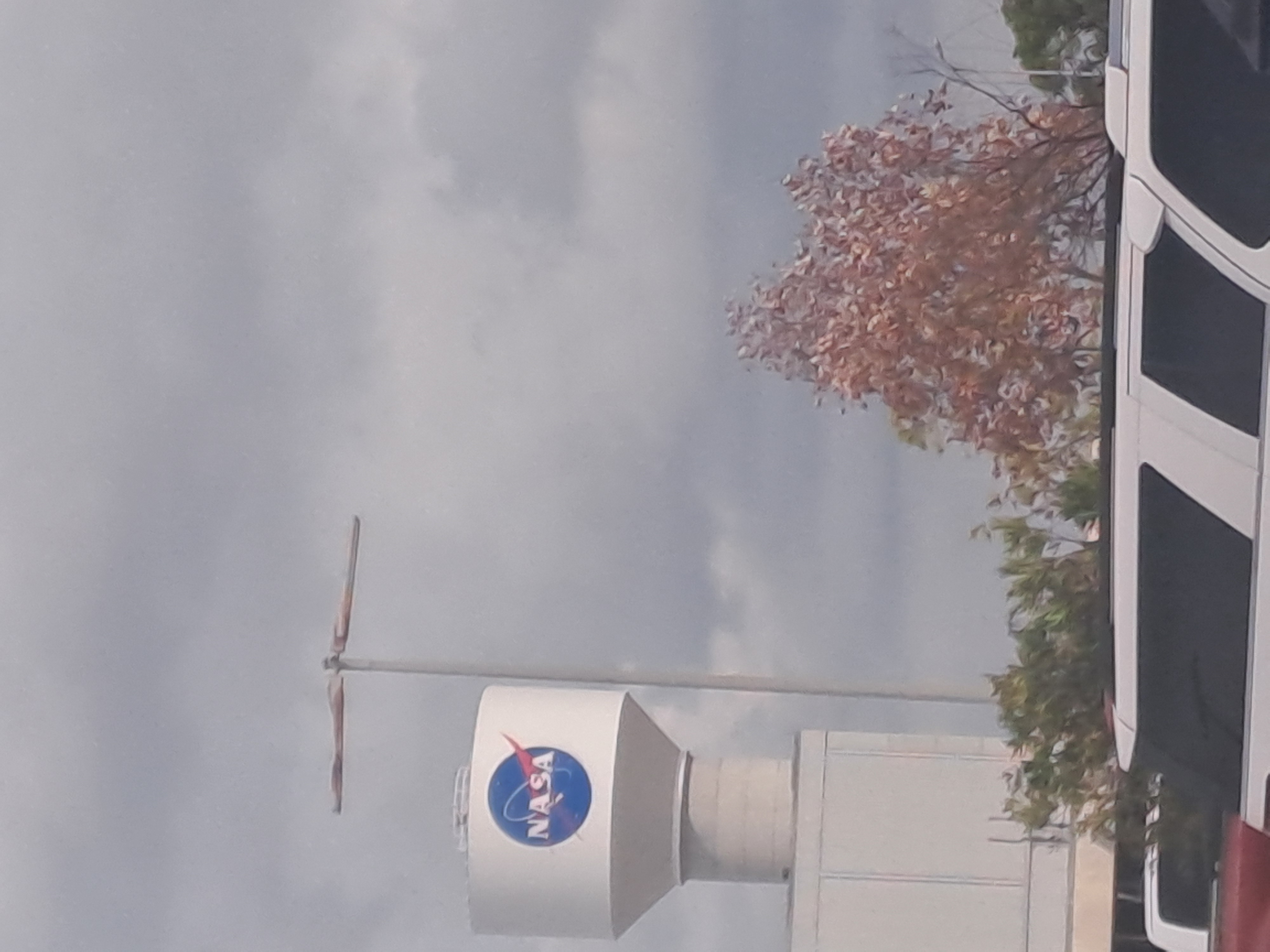
Of course there was only one mission for Houston. The NASA Space Centre! I went off exploring while Ashley enjoyed the Food Lab. I couldn’t believe how fast the time went a full day in no time. I did a tour out to Apollo mission control – the original one all set up like it was for the moon landing. We sat where the relatives would have sat to see recreations of the major parts of the first moon landing.
The campus is enormous. It was quite a journey by shuttle many of the staff get around by bicycle rumour has it that the same cycles are being used as when the moon landing took place.
It was a fantastic day over in no time unfortunately, and that was Texas.