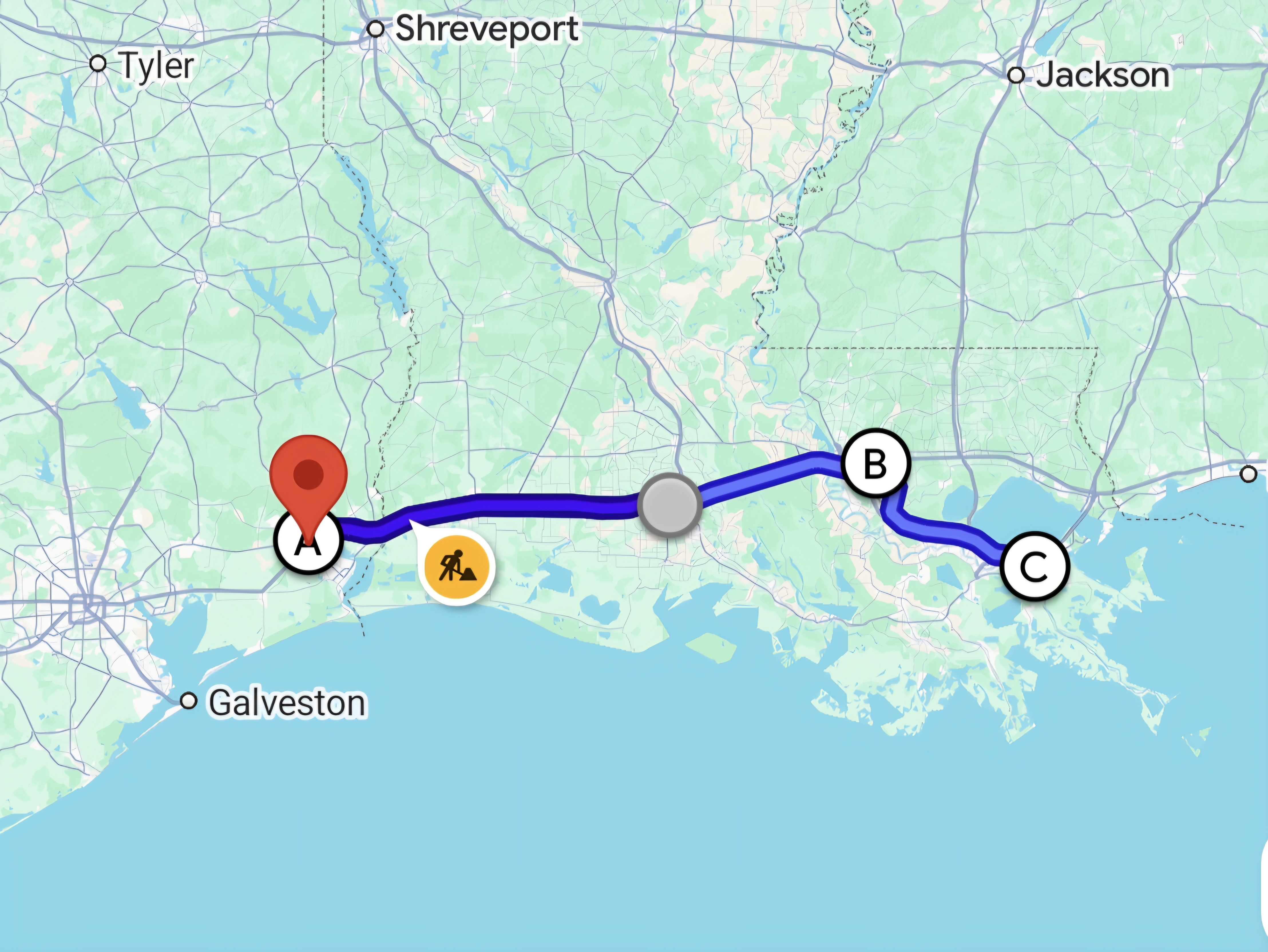
What a change! From desert to swamp and suddenly also, the going home gets real and becomes a real focus. We have found a flat to live in when we return though. A huge relief! Now starts the seemingly enormous list of things to do before we return and the shocking cost of living back in accommodation there.
Here we found ourselves driving over a system of bridges through the swamps. The longest was twenty miles long. With the water came many fog warnings along the road. We’ve gone through flood warnings, blowing dust warnings with instructions on what to do tsunami warnings with evacuation routes and now thick fog warnings.
Now for a quick history lesson to help understand this area and how it developed as it was all new to me.
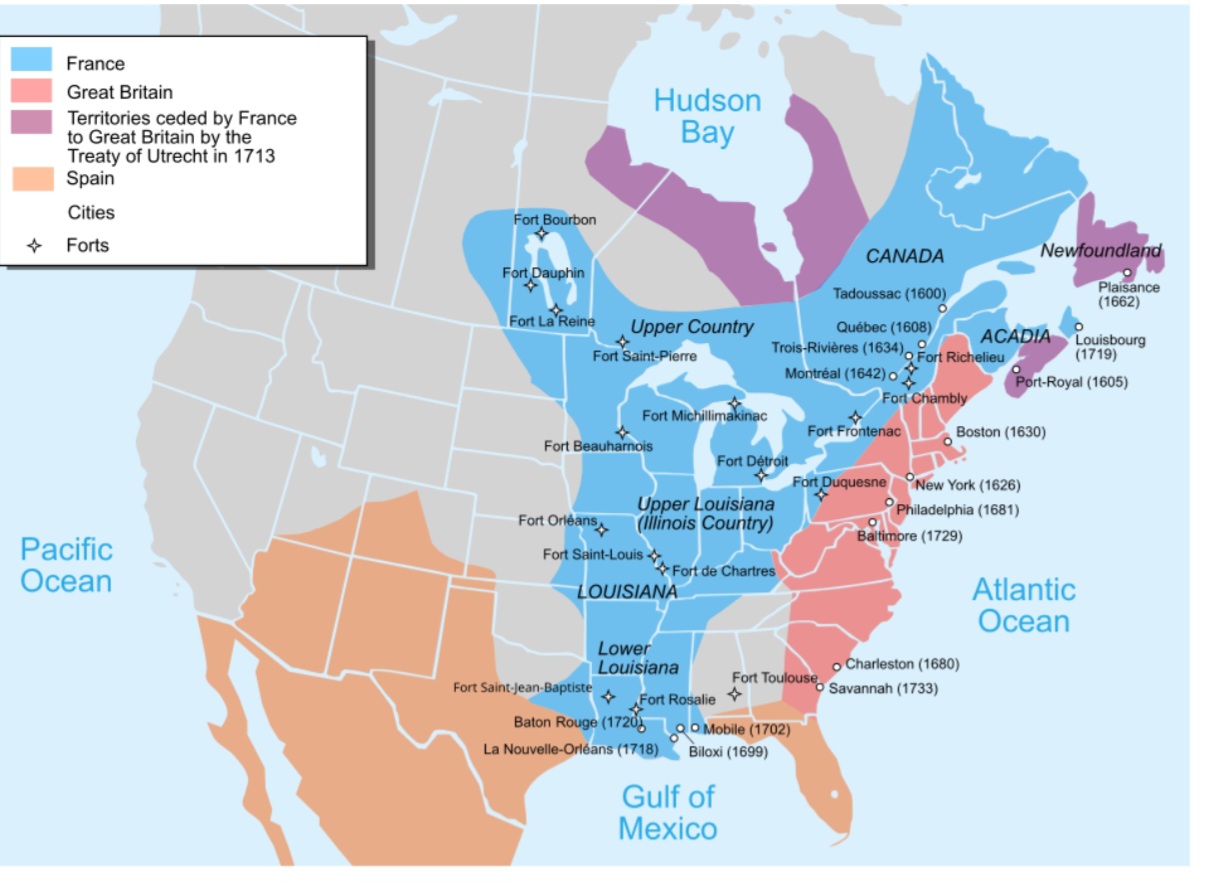
France originally colonised nearly all of North America and Canada at its peak in 1710 it was New France, and then Louisiana. This territory was lost after the seven years war.
The Seven Years’ War, 1756 to 1763, was a global war fought by numerous great powers, primarily in Europe, with significant subsidiary campaigns in North America and the Indian subcontinent. The warring states were Great Britain and Prussia fighting against France and Austria, with other countries joining these coalitions: Portugal, Spain, Saxony, Sweden, and Russia.
France cedes its North American possessions east of the Mississippi River, along with the colonies of Canada, St Vincent, Tobago, Dominica, Grenada, and Northern Circars to Britain
France cedes Louisiana and its North American territory west of the Mississippi River to Spain
Spain cedes Florida to Britain, in exchange for the return of Havana
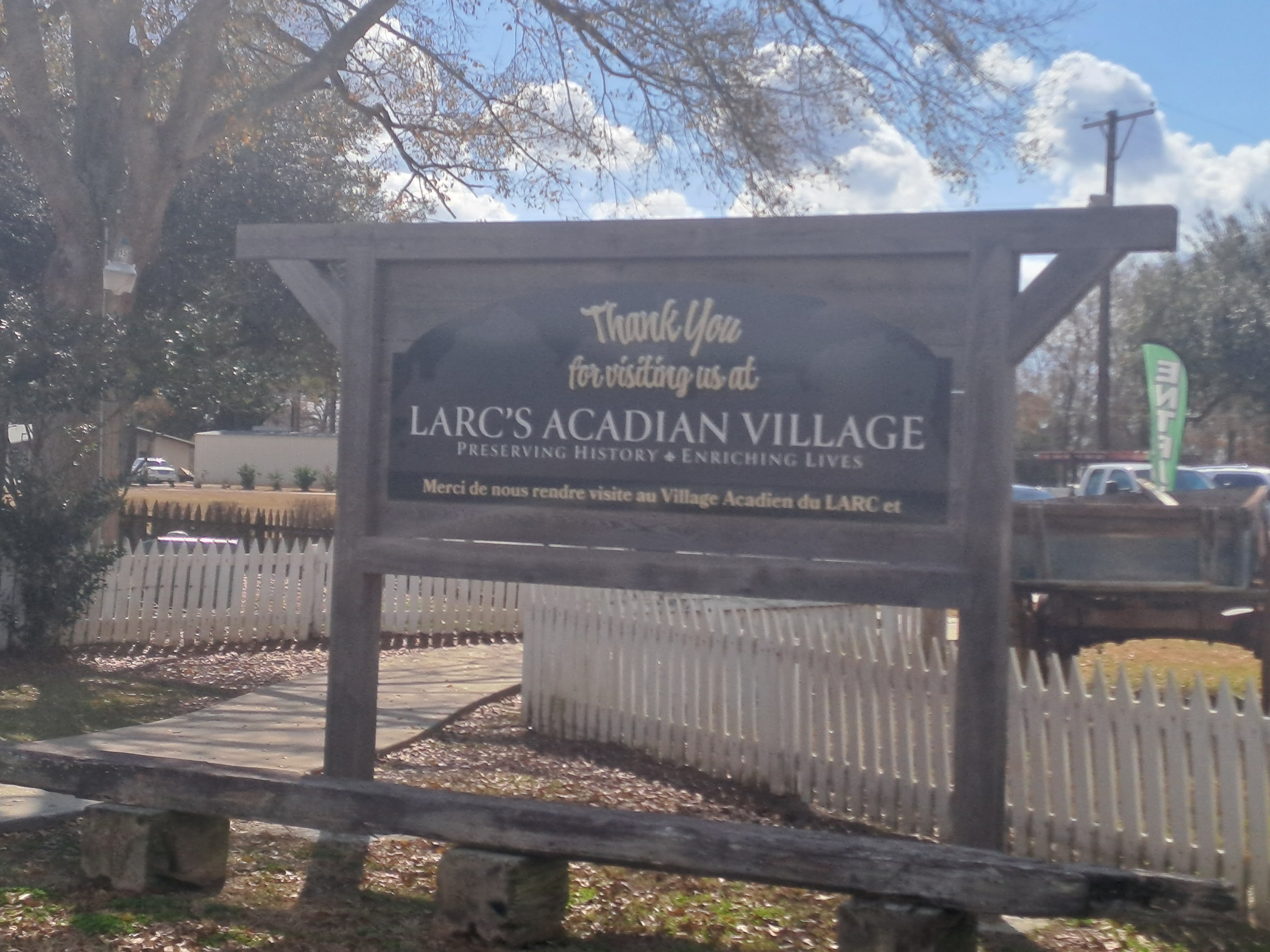
All of which explains why Louisiana is very French. Our first visit here was to an Acadian village. Which is where we learnt about Cajun history all linked to the same 7 year war.
Aspects of Acadian History:Settlement (1604-1755): Founded by French settlers in Acadia (present-day Nova Scotia, New Brunswick, and Prince Edward Island), they developed a distinct culture, practicing farming and fishing.
The Great Expulsion (1755-1764): During the French and Indian War, the British demanded Acadians take an oath of allegiance to the Crown, which they refused. This led to an ethnic cleansing where thousands died, were imprisoned, or deported.
The Cajun Diaspora: Many exiled Acadians eventually settled in southern Louisiana, adapting their culture to the region to become the Cajuns.
Identity and Heritage: Despite displacement, Acadians maintained a unique language and culture. In 2003, the British Crown issued a formal apology acknowledging the suffering caused by the deportation.
Modern Presence: Today, many Acadians live in Canada, while those displaced to Louisiana form the Cajun community.
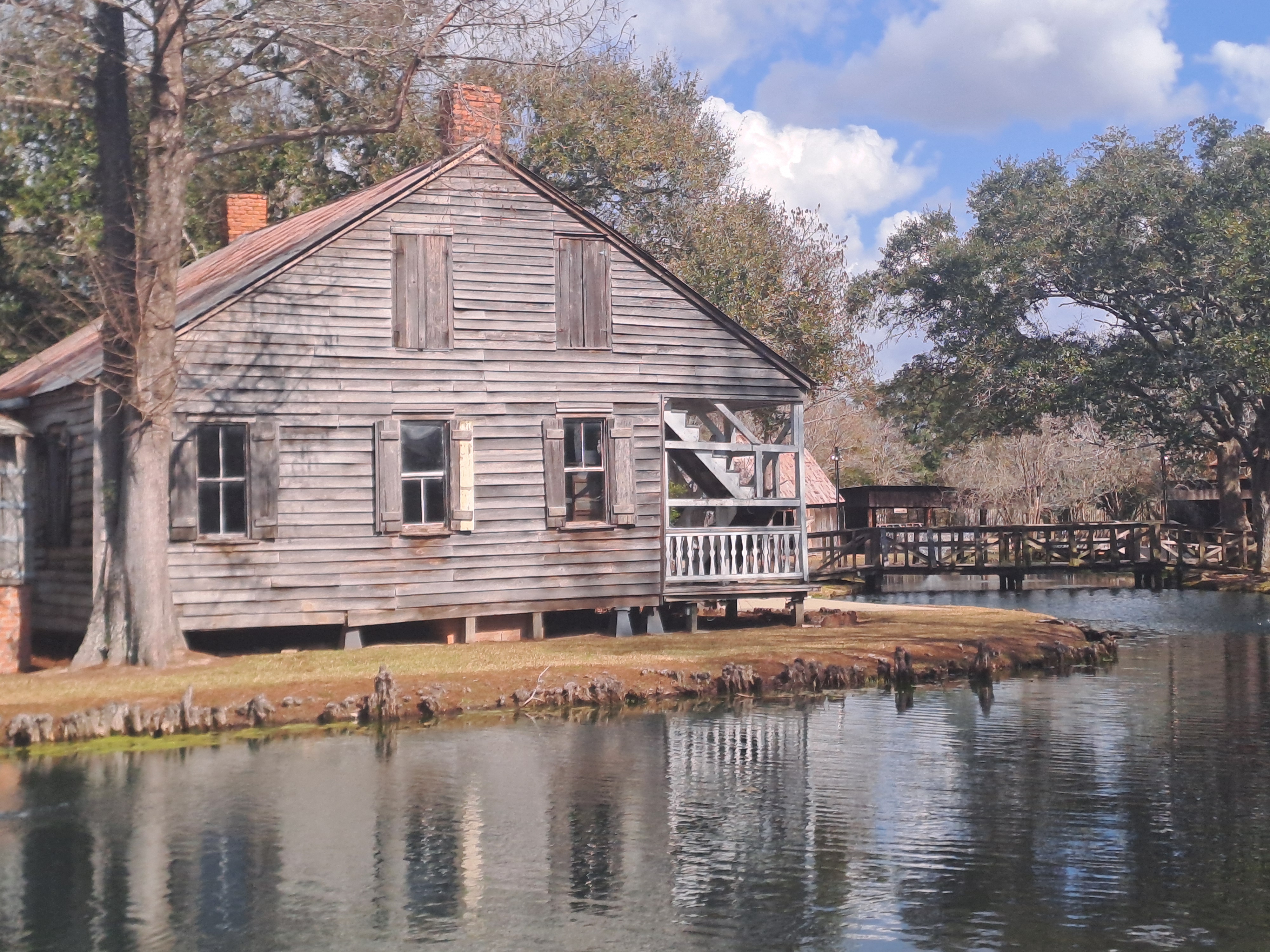
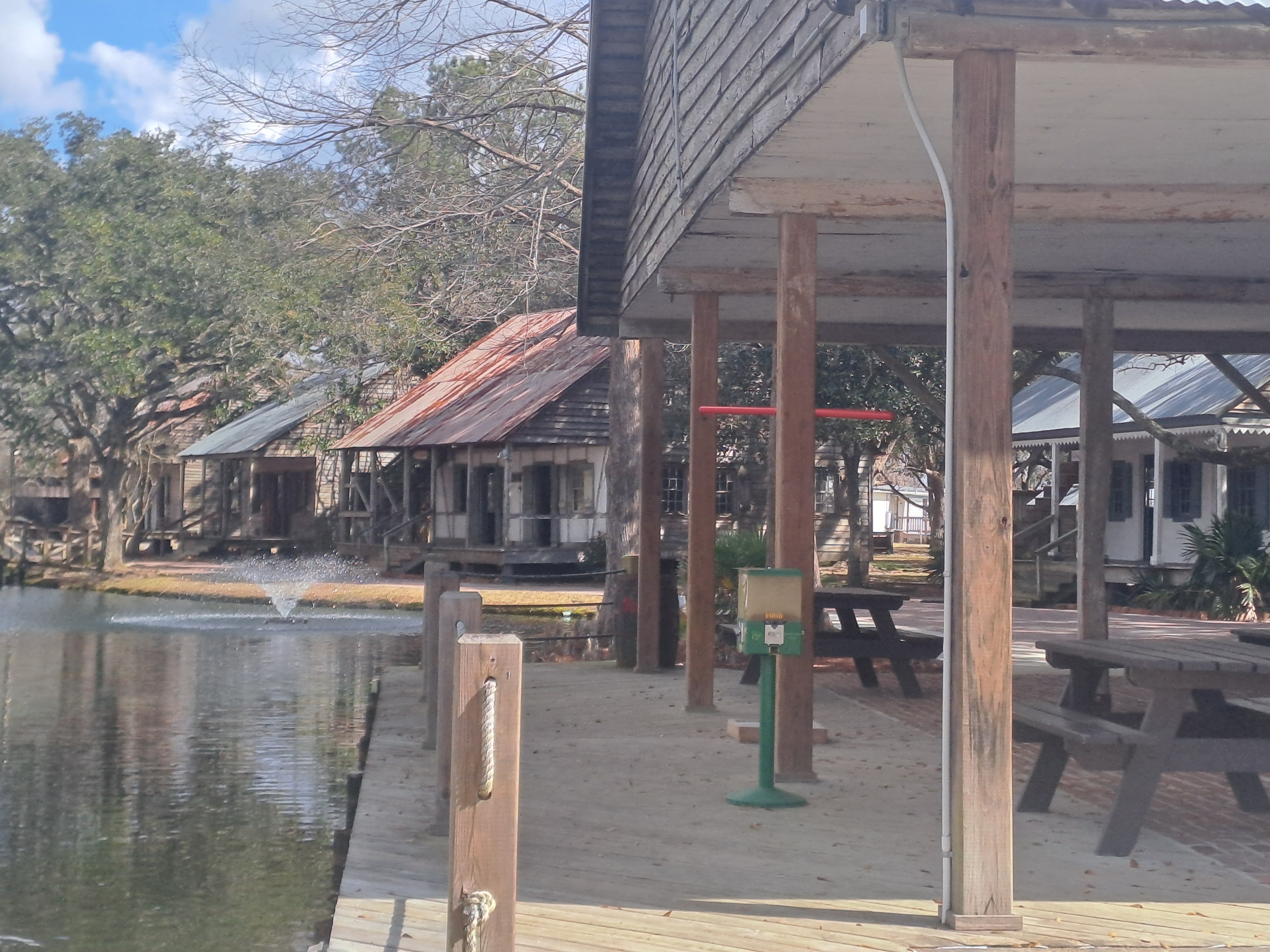
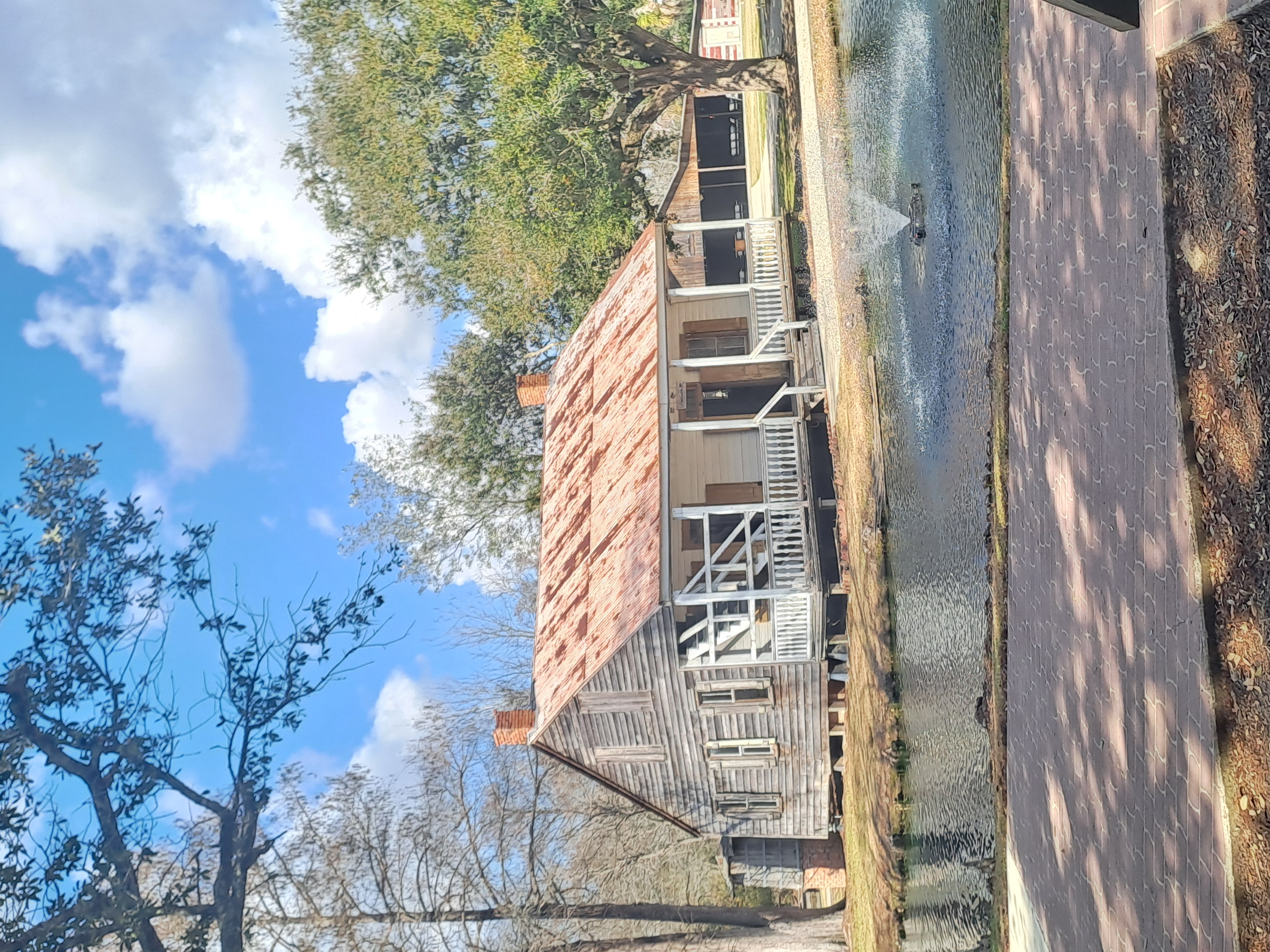
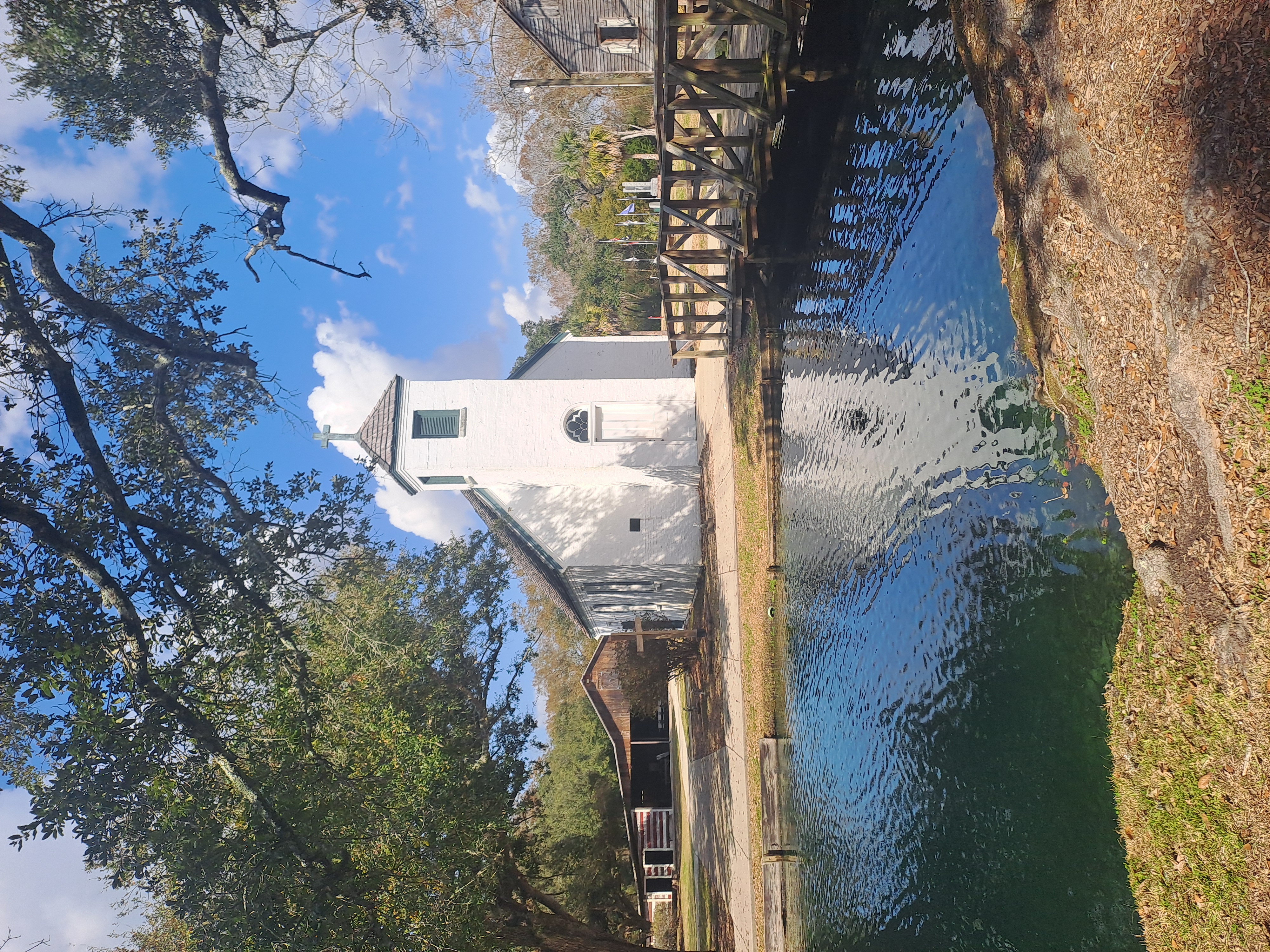
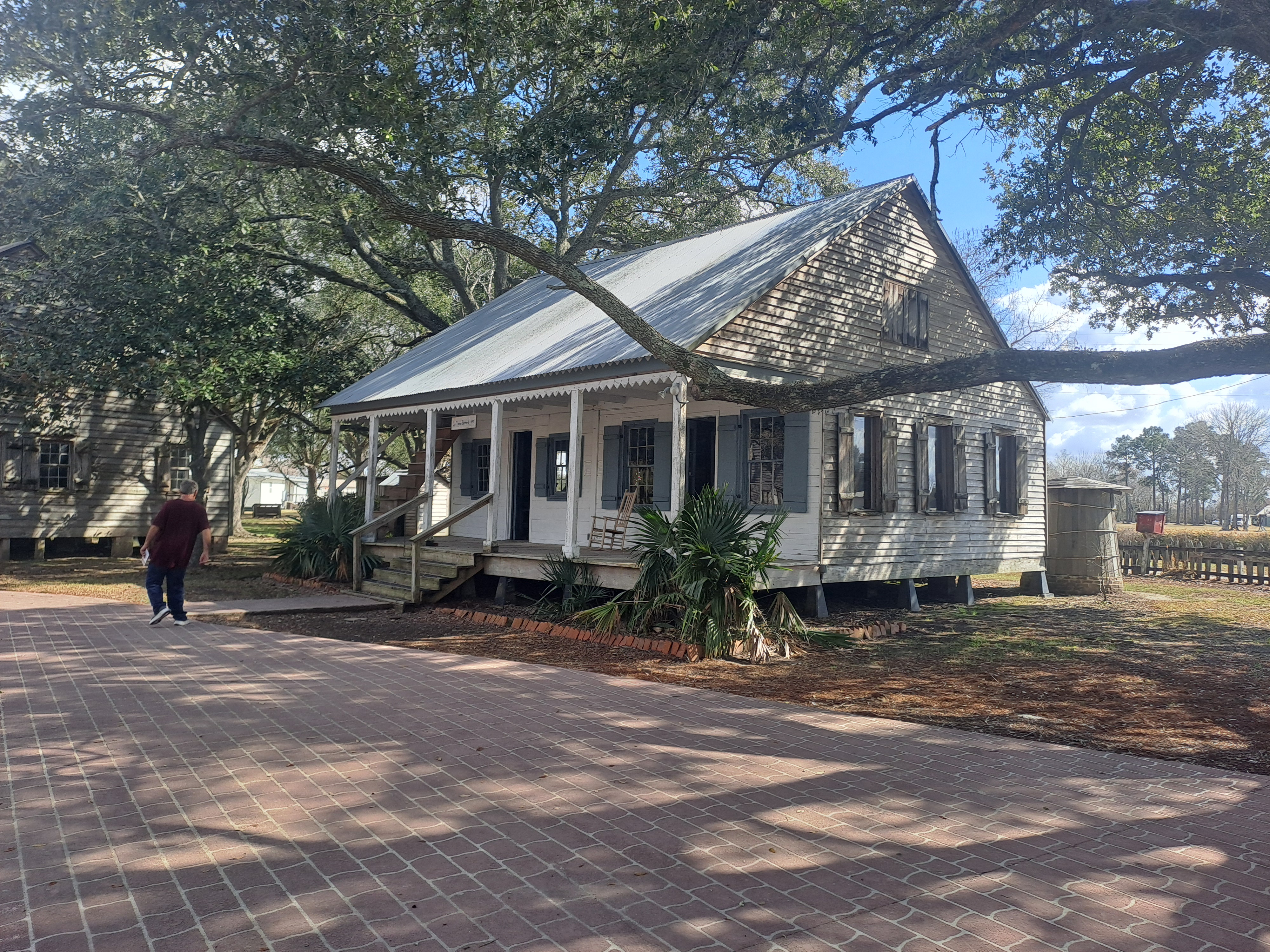
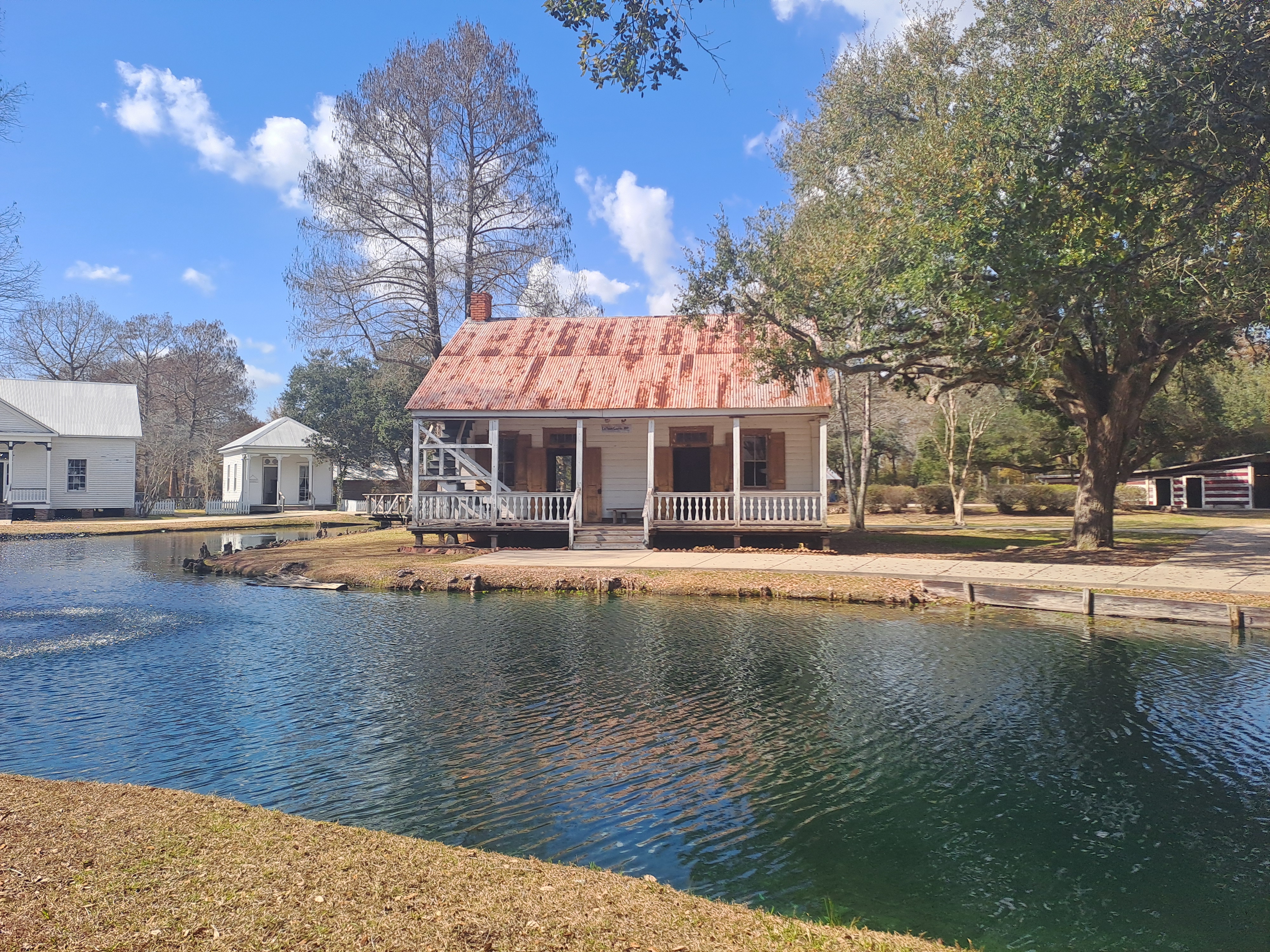
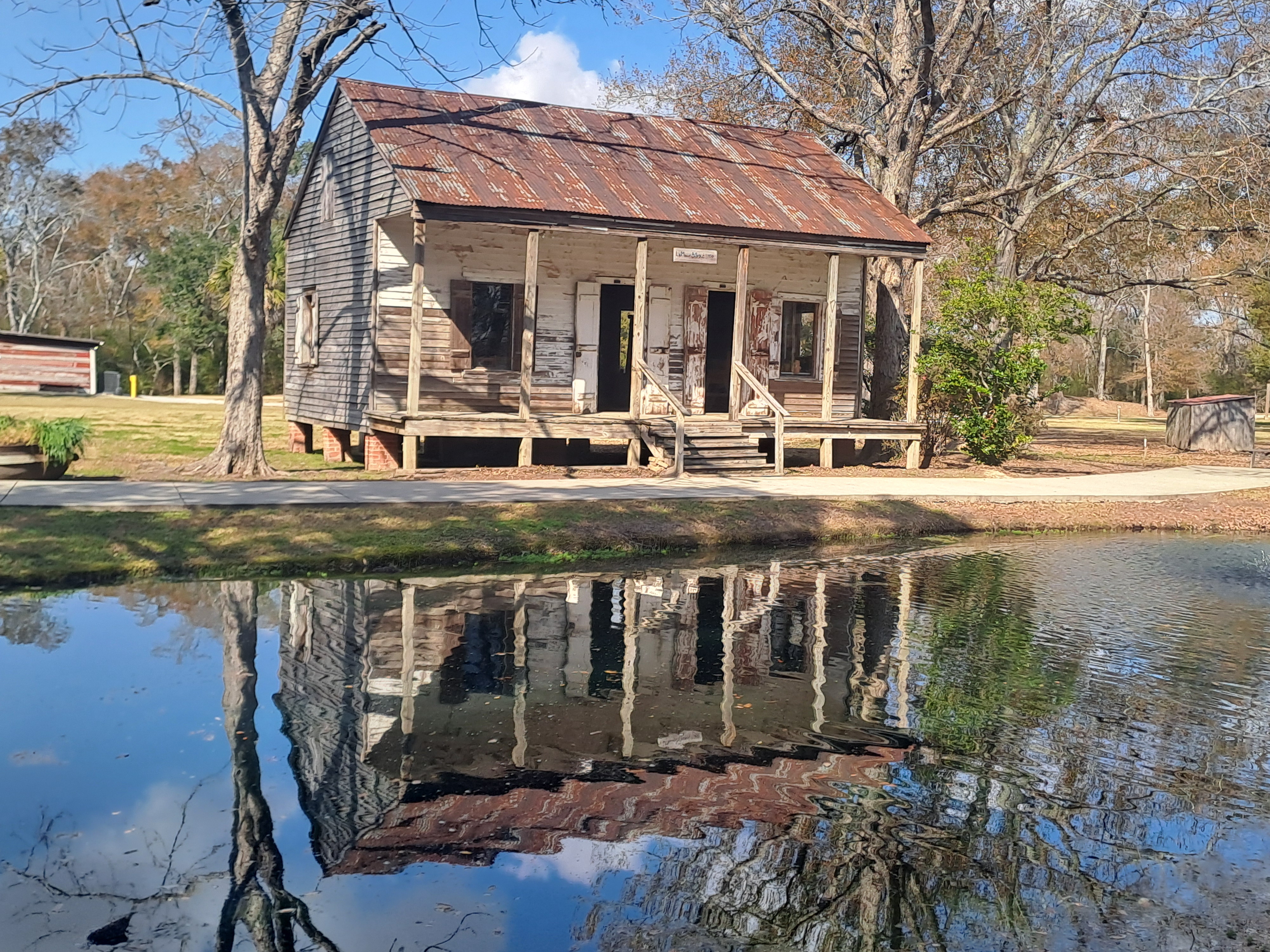
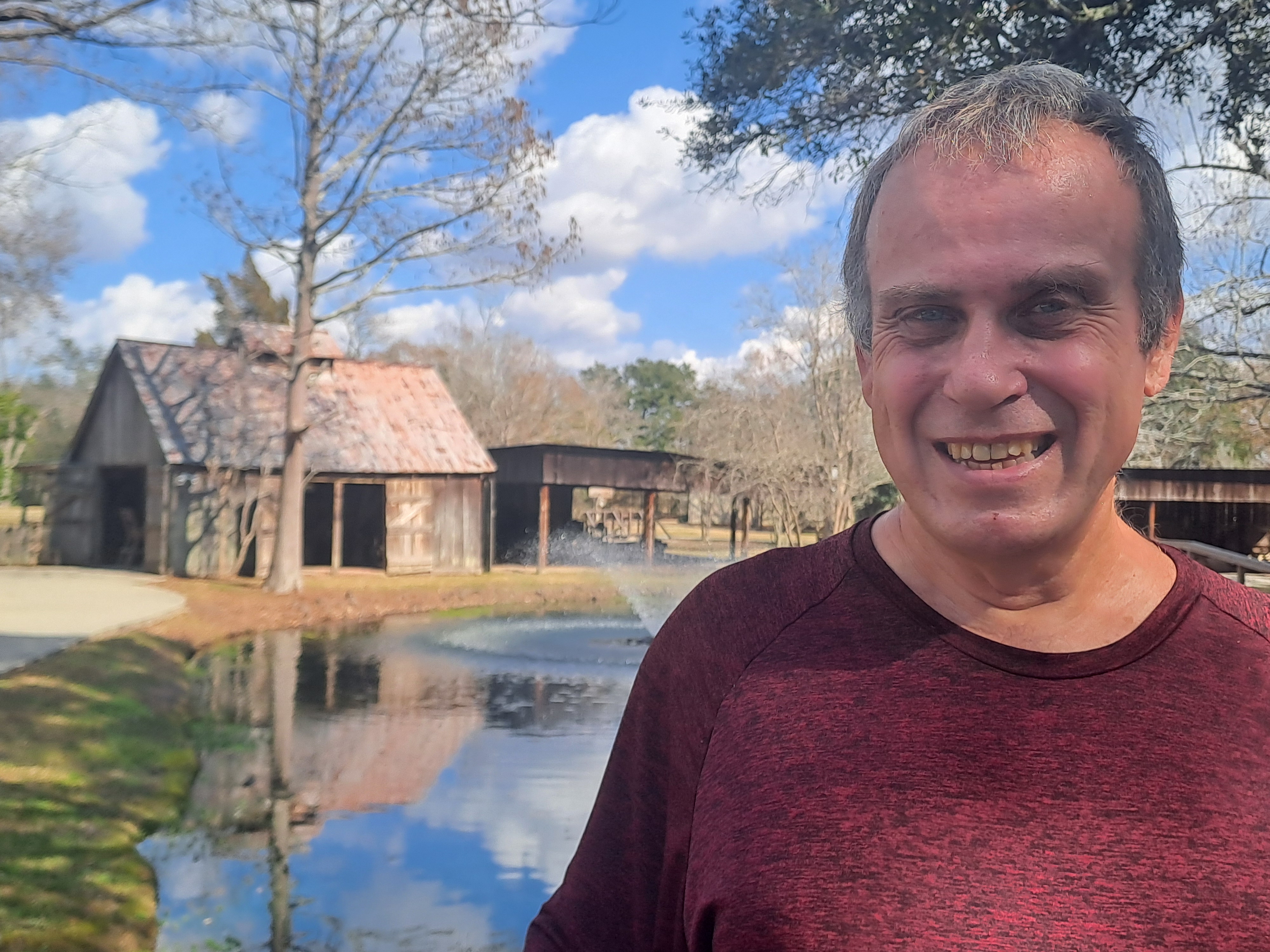
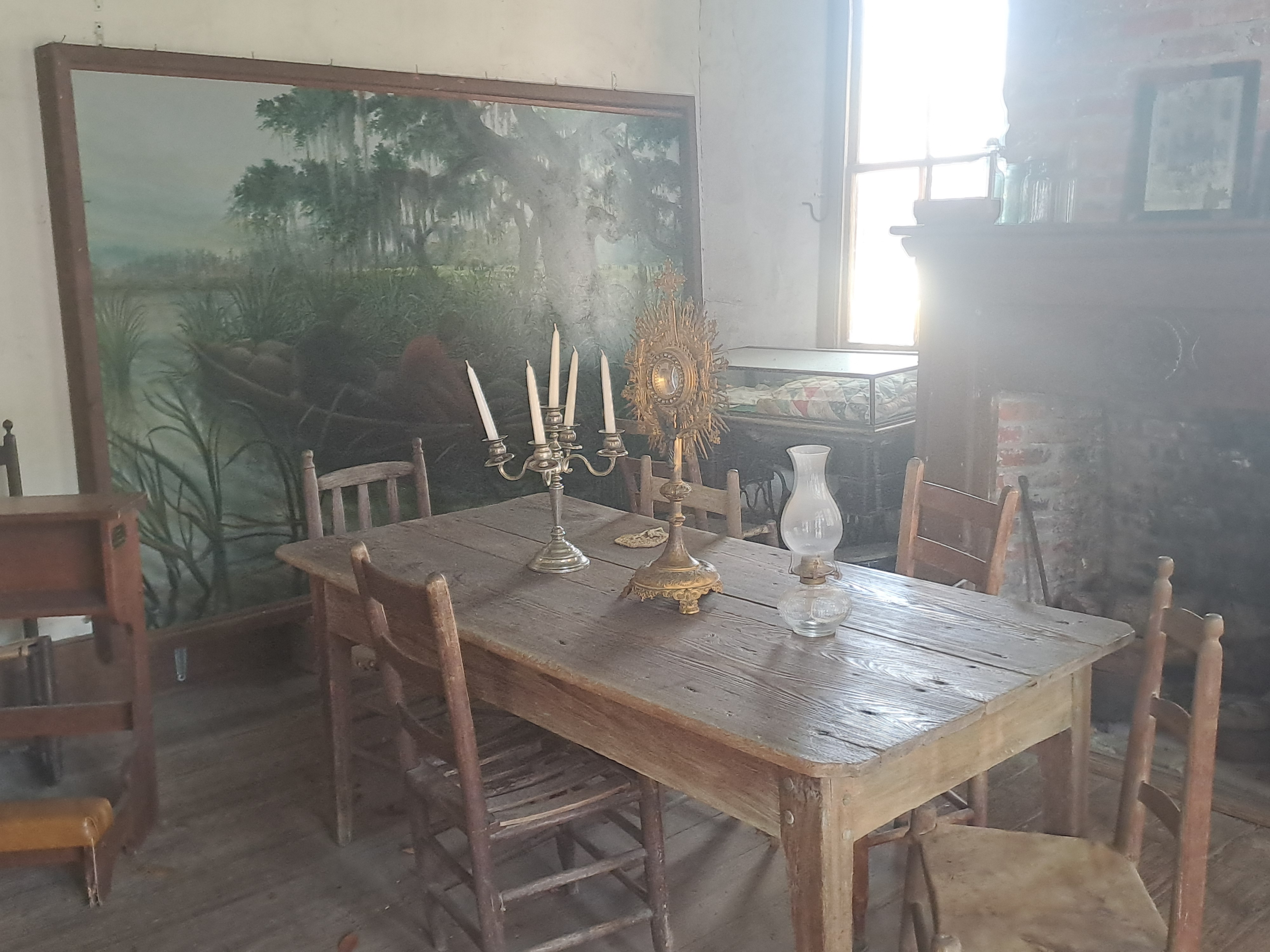
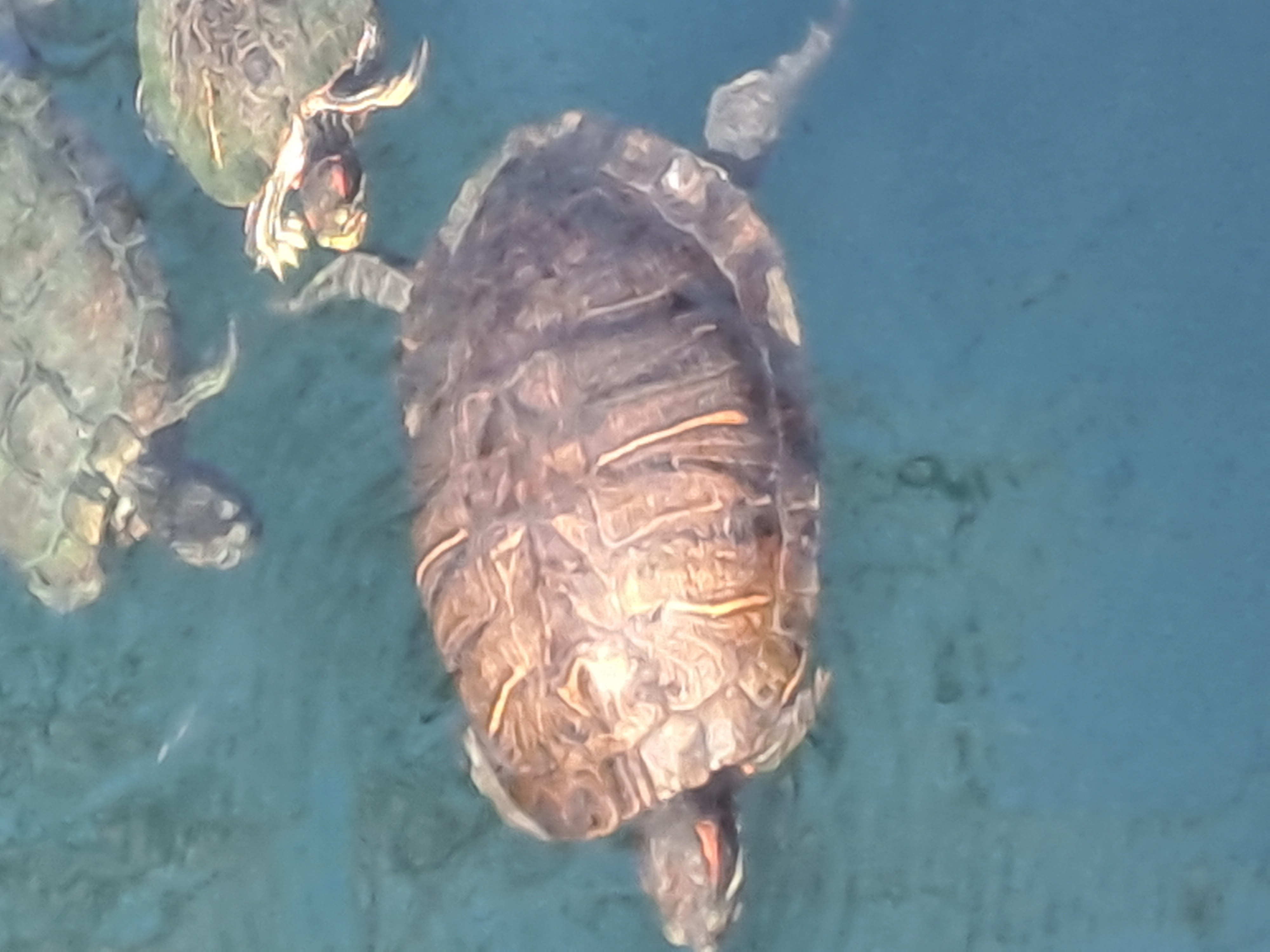
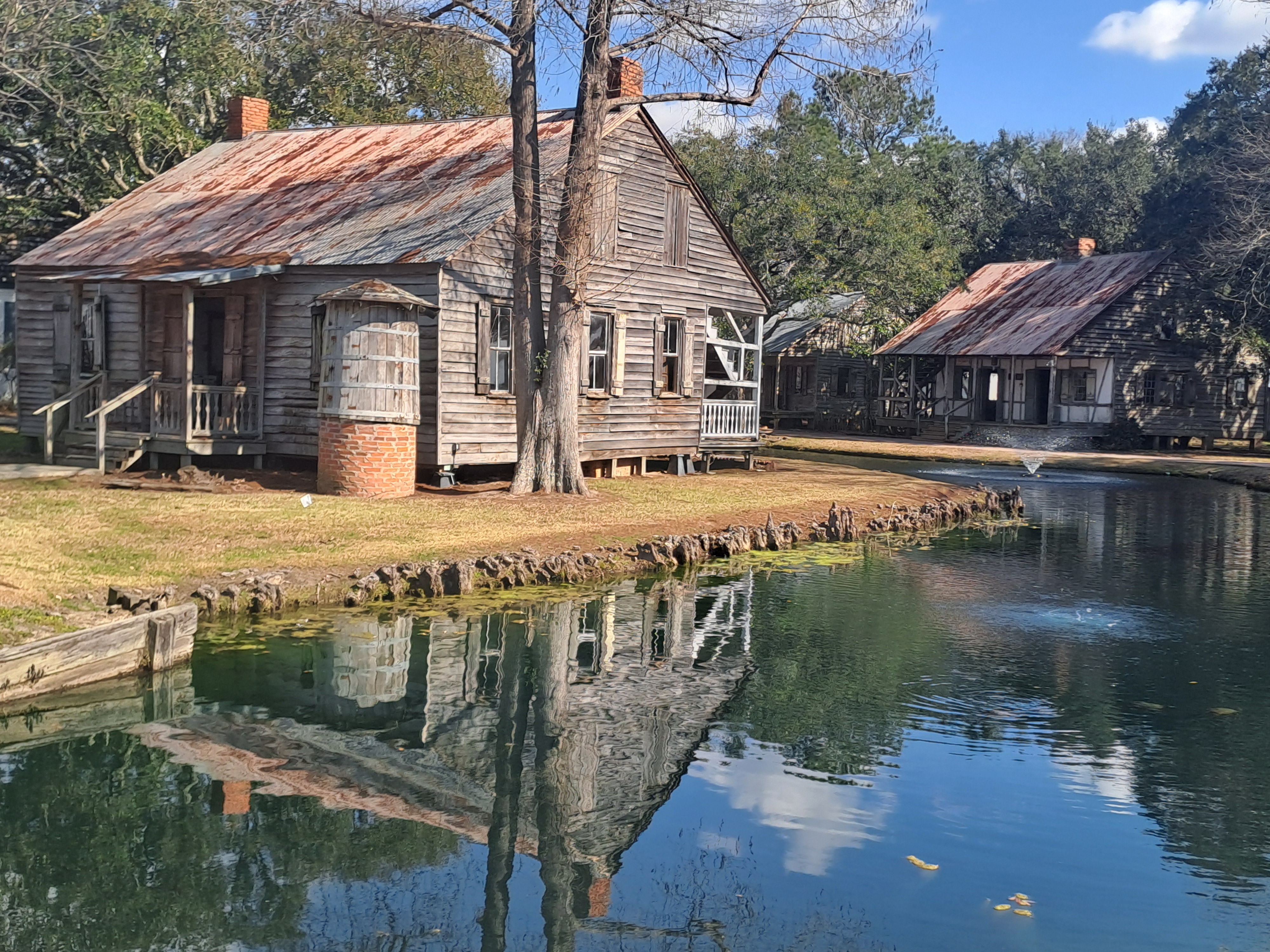
The recreated village here, using original houses to show the way of life of these settlers. We also met some of the local turtles.
We were amazed at the extent of the swamps. It’s like the Somerset levels on steroids. The highway followed a straight drainage ditch, two parallel bridges for 20 miles at one point.
The Louisiana levee system is an extensive network of earthen embankments, floodwalls, and other flood control structures designed to protect the state’s low-lying areas from riverine and tidal flooding.
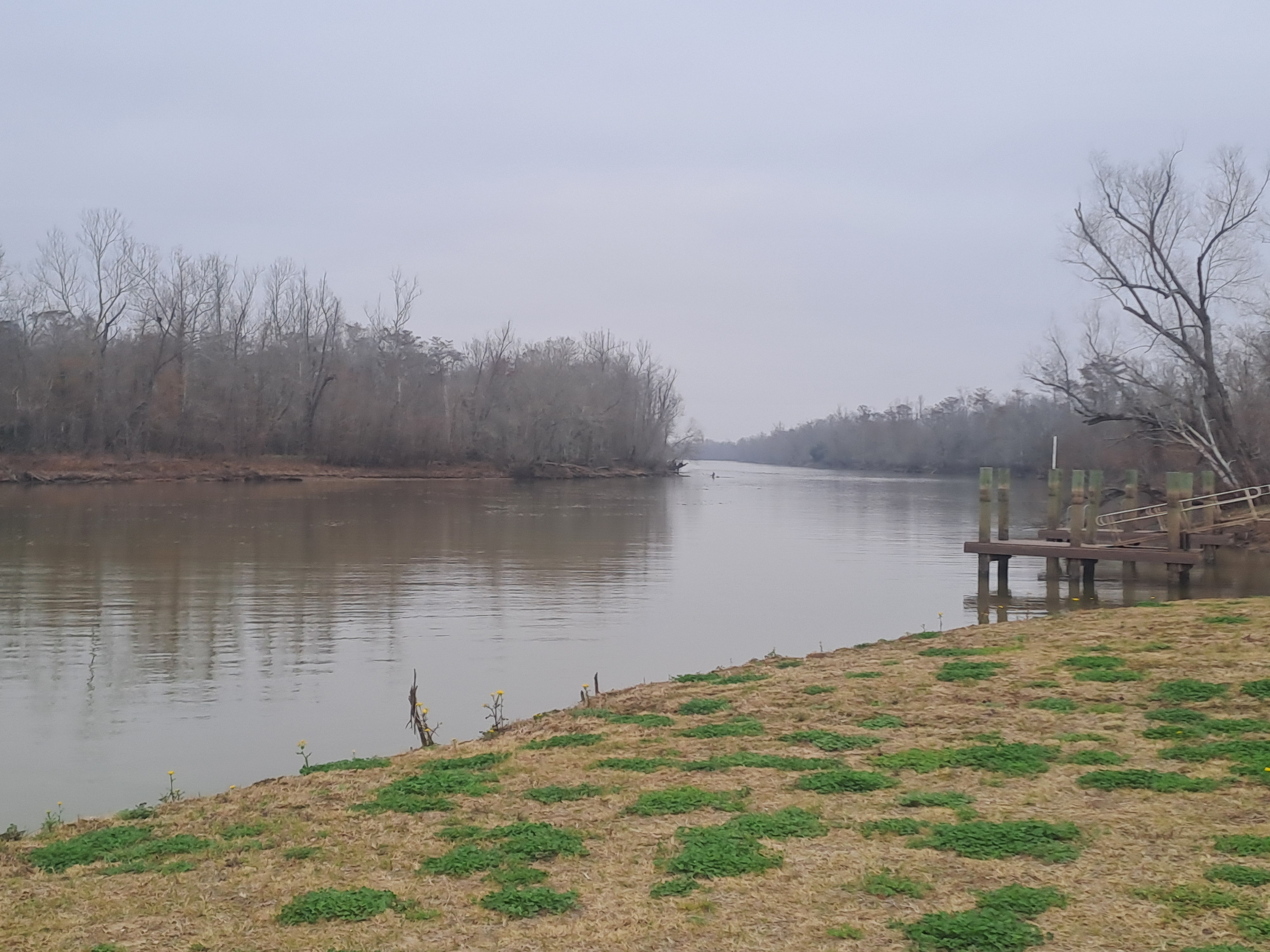
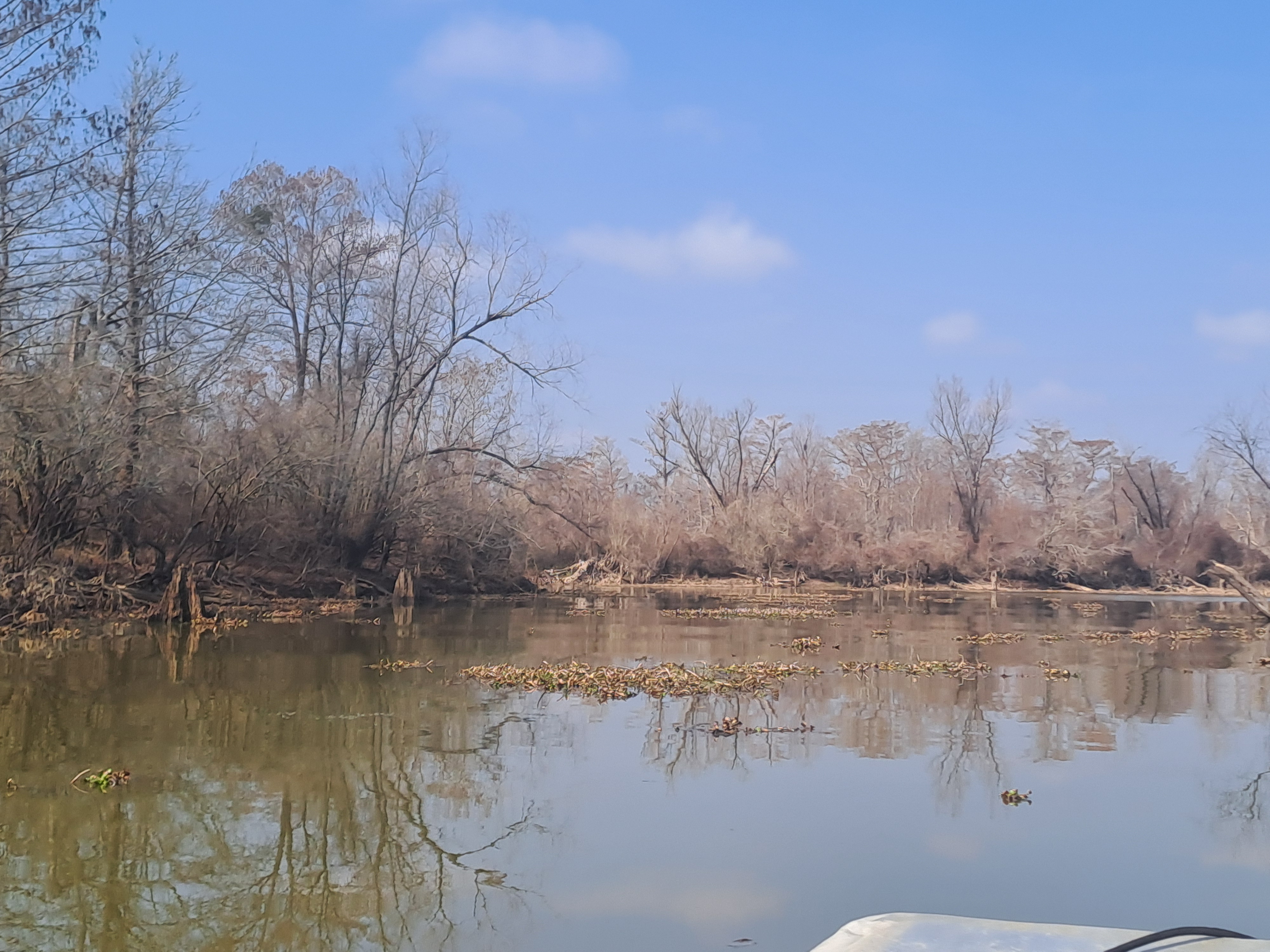
We’d booked a swamp tour and set off on a misty murky morning, which I gather is fairly normal for such a swampy place. The river we went out on had a bank by its side topped by a streel wall, we came in through a massive gate which, no doubt, closed when flooding occurs.
At the time of our visit the river should have been a couple of metres higher. However, the floods hadn’t come this year. This is bad as the crawfish need the flood for them to come out of their holes. They can’t stay in them.indefinitely.
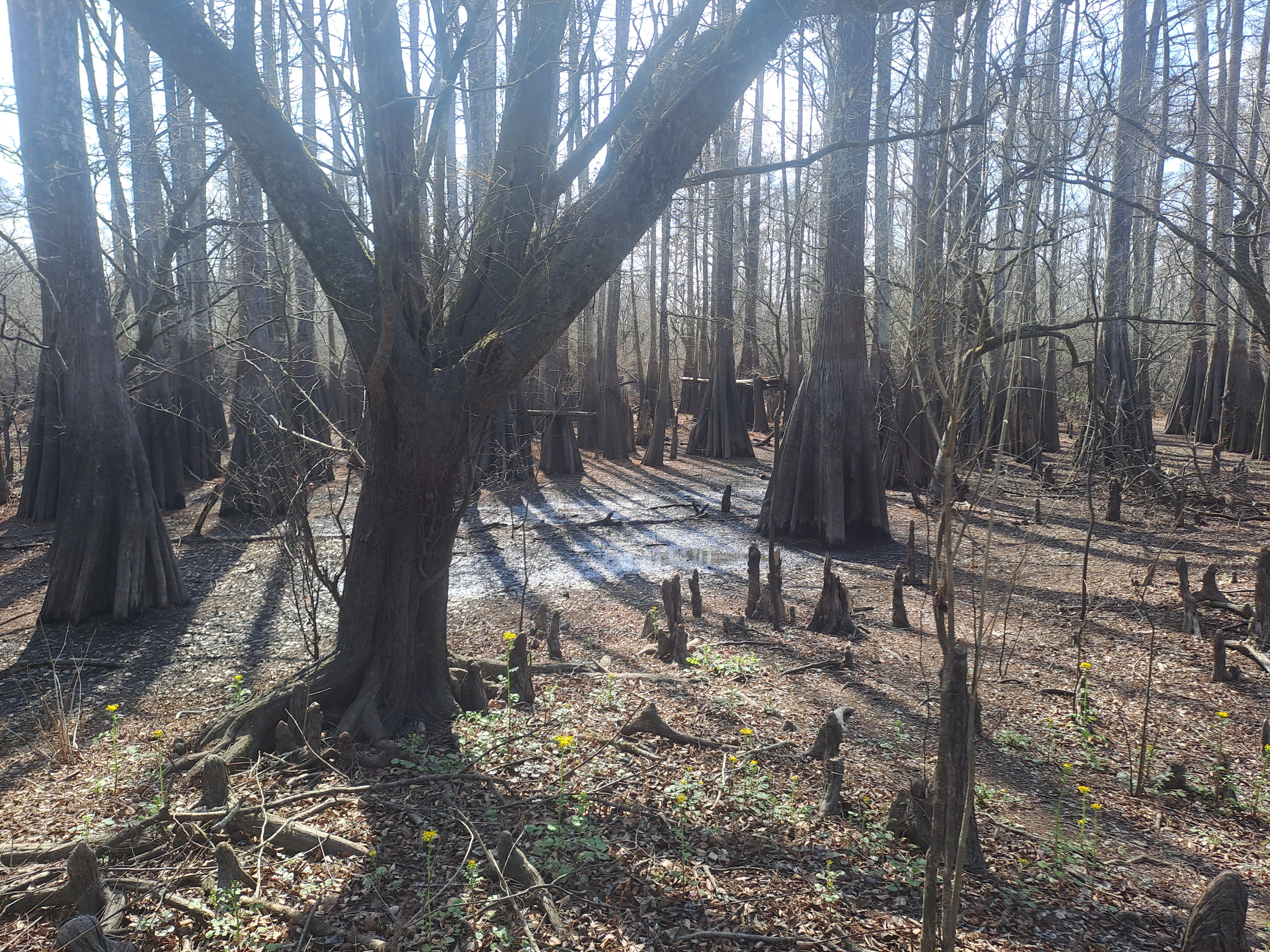
We went for a walk through an area we would normally have drifted through on the boat. It did give us chance to see crawfish nets, like a massive lobster pot made of chicken wire and crawfish burrows. I was curious as I’ve come across them in novels but that is it. They are like miniature lobsters. You need a fair few for a meal as the amount of meat for each is very small, less than a prawn. During the dry season they burrow into the ground, we saw them next to tree trunks and create a little chimney above their burrow
In this area the waters can be the highway as much as roads. Indeed they can be the only access. Areas of private land are only private when not flooded. Once flooded they are part of the river and public access.
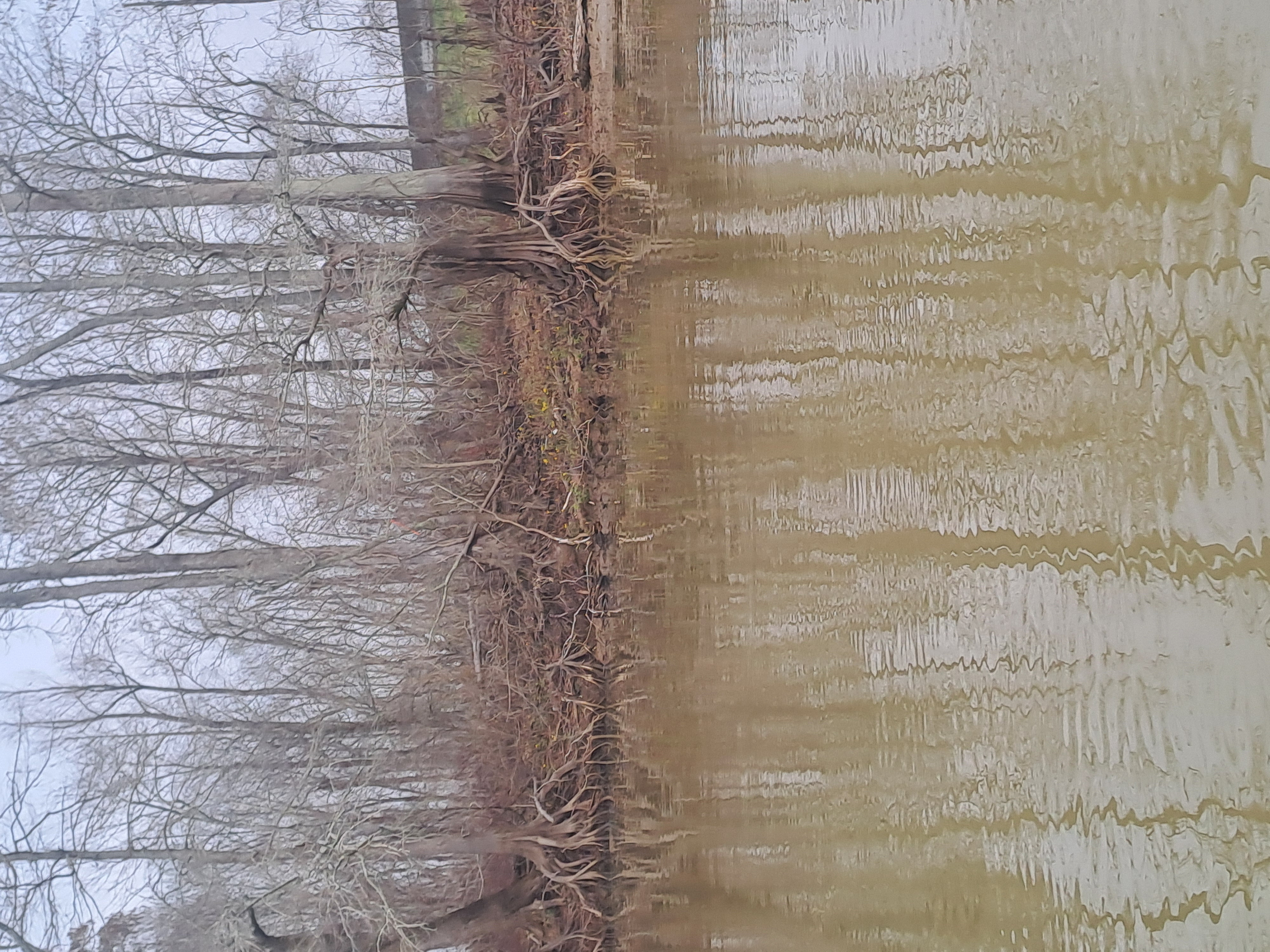
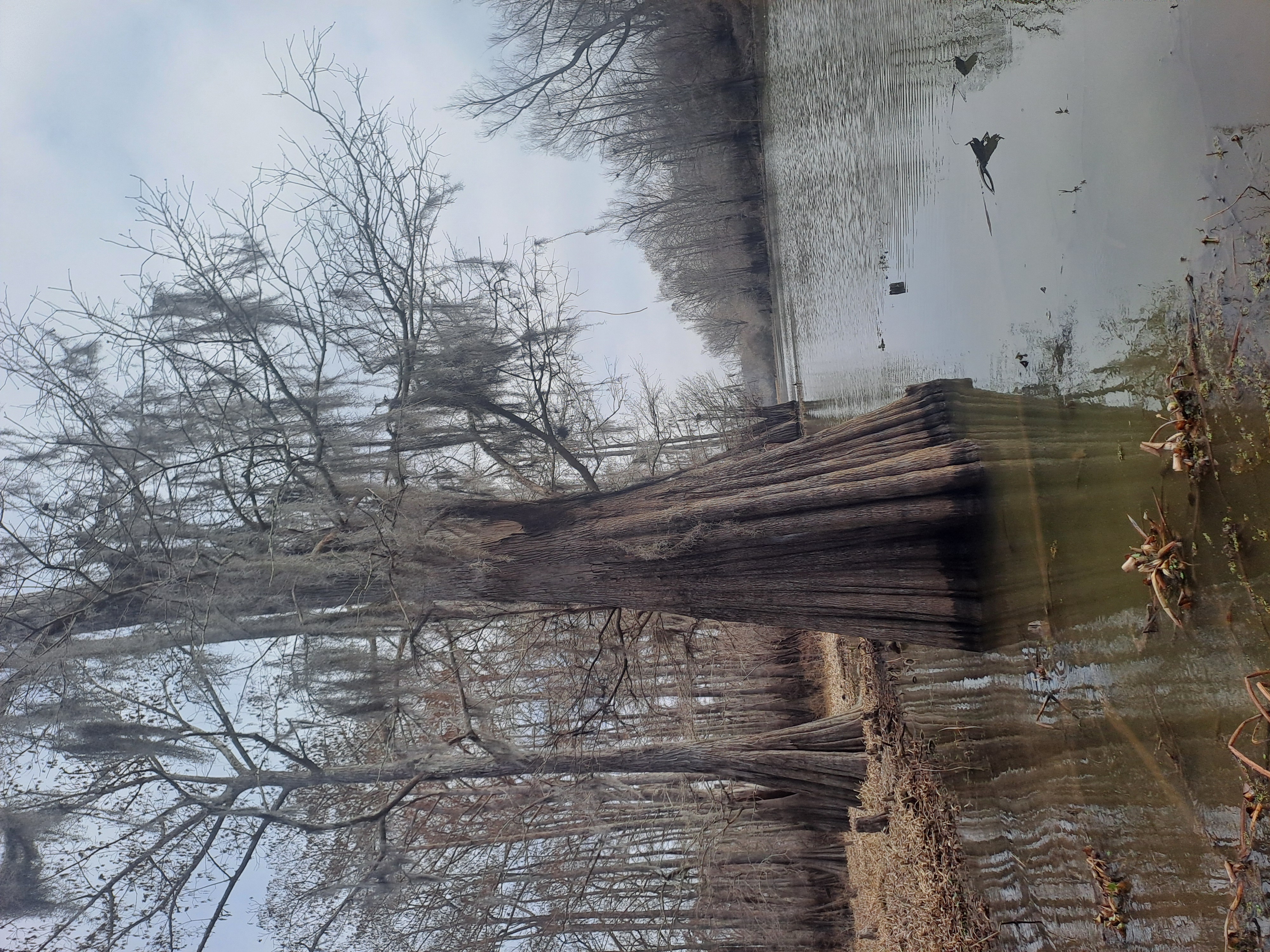
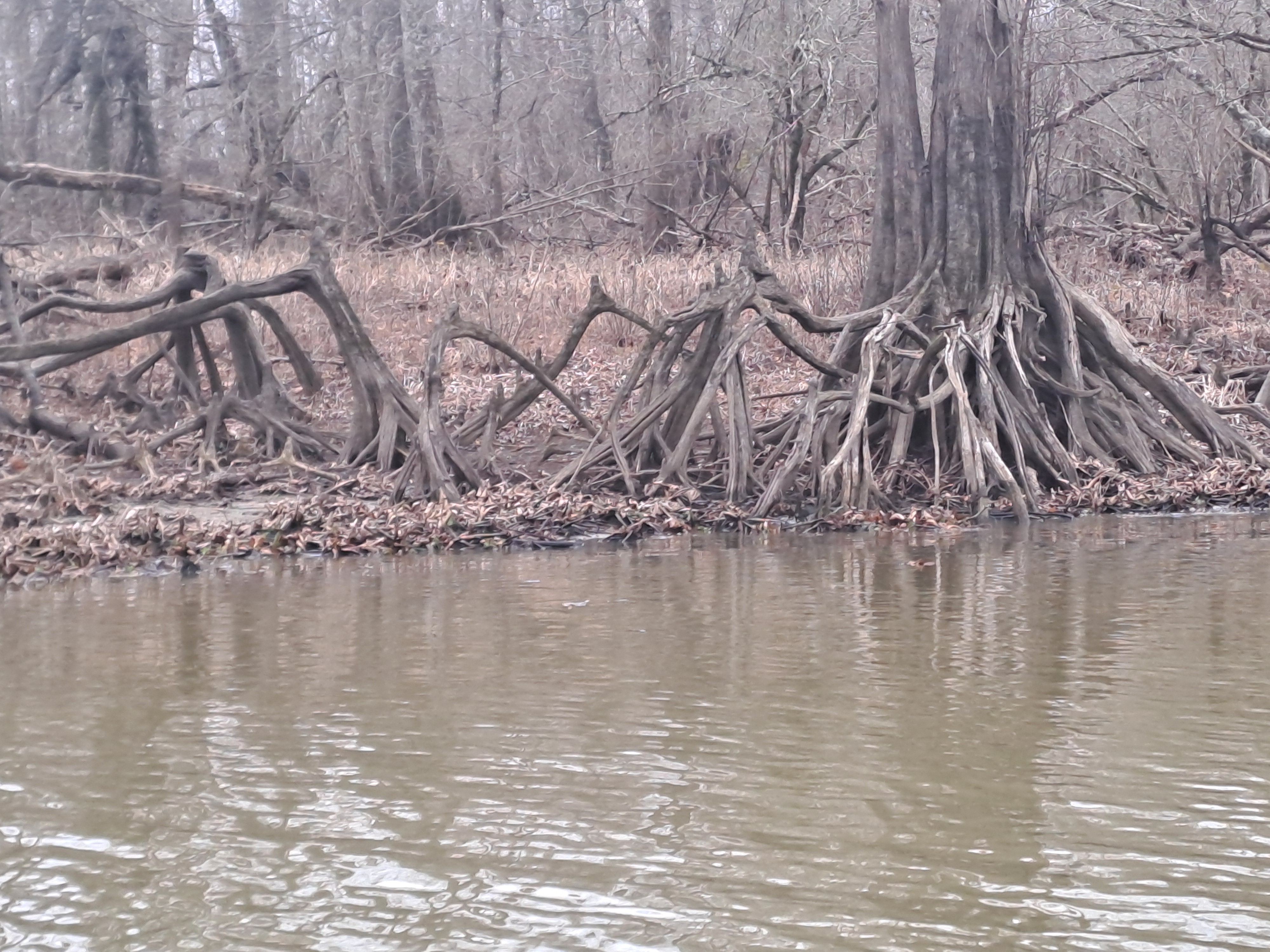
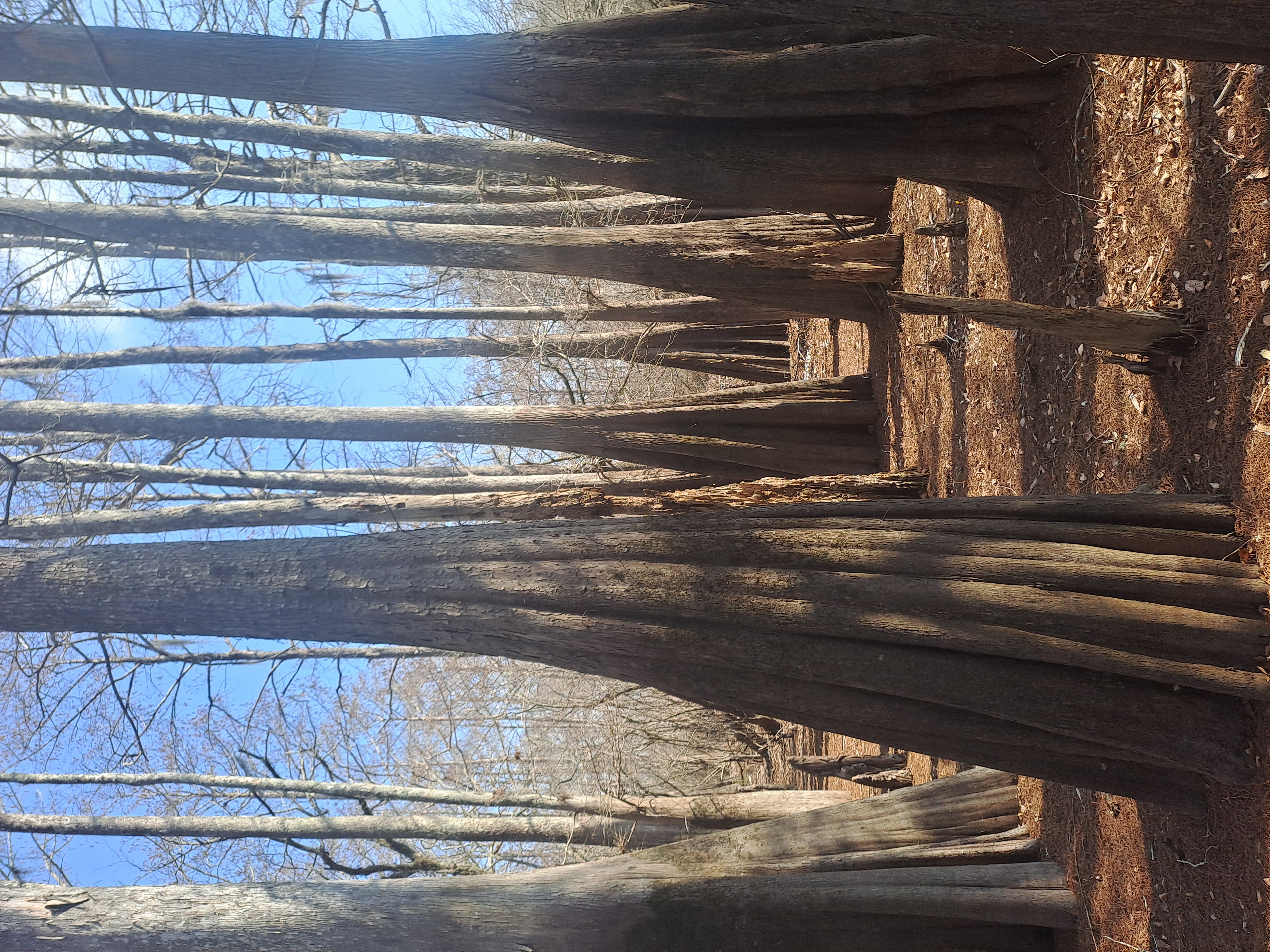
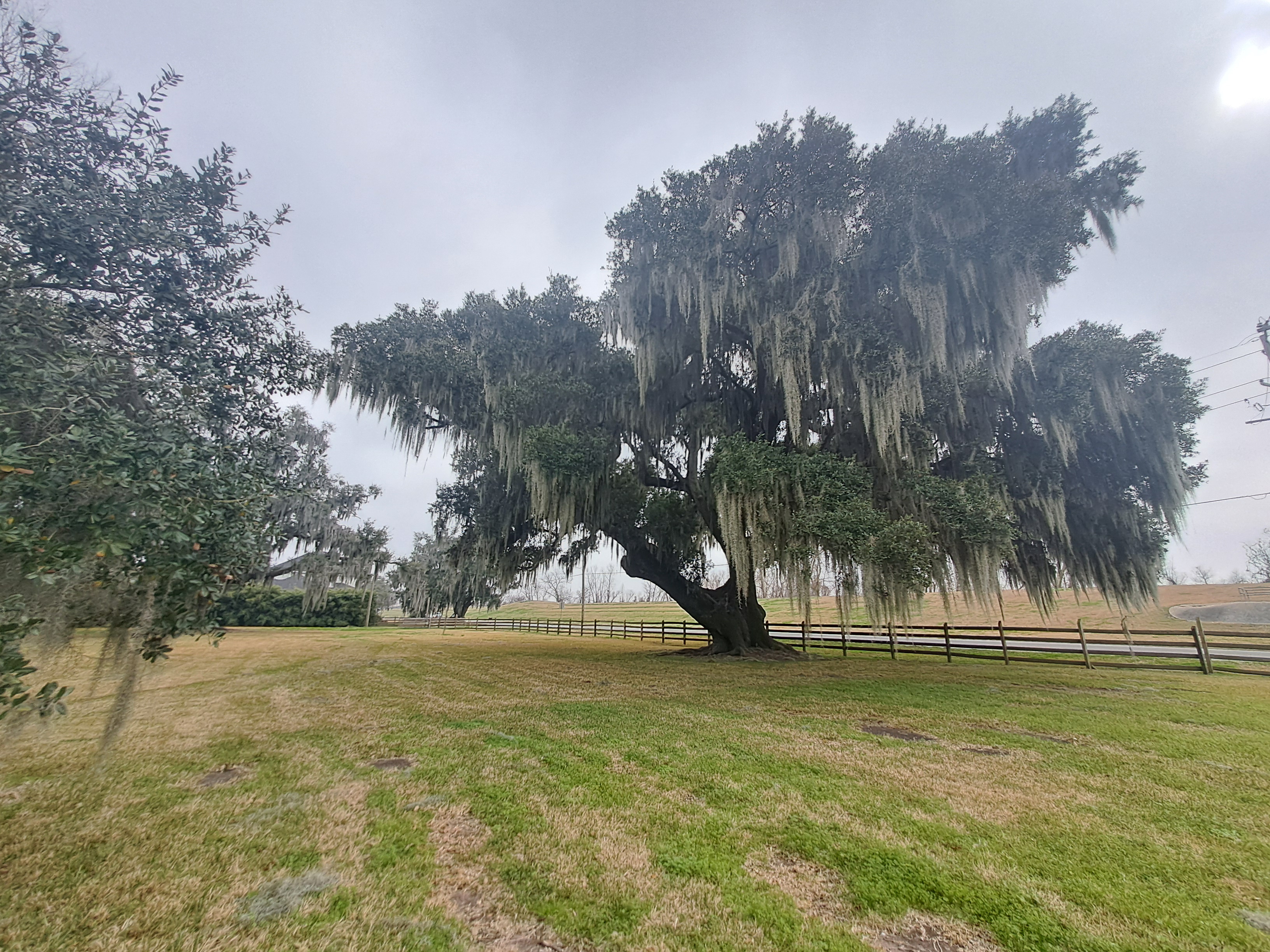
The dominant tree here is the bald cypress with its butresssed trunk and knees as the sticking up roots are called. Some just surface as knees, some are much more above ground.
Many people depend on the river here, we saw several boats with fishermen on and various fish traps.
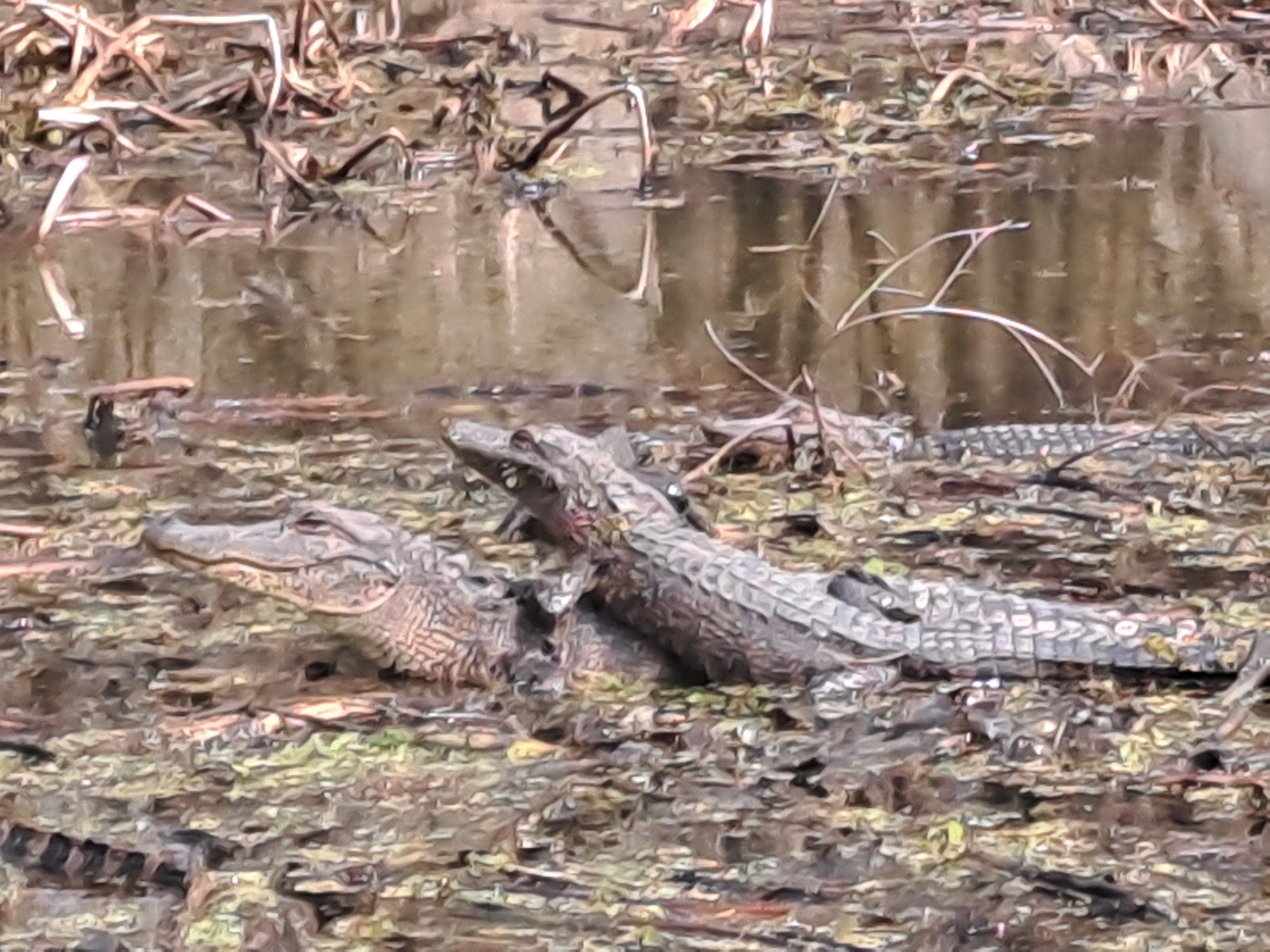
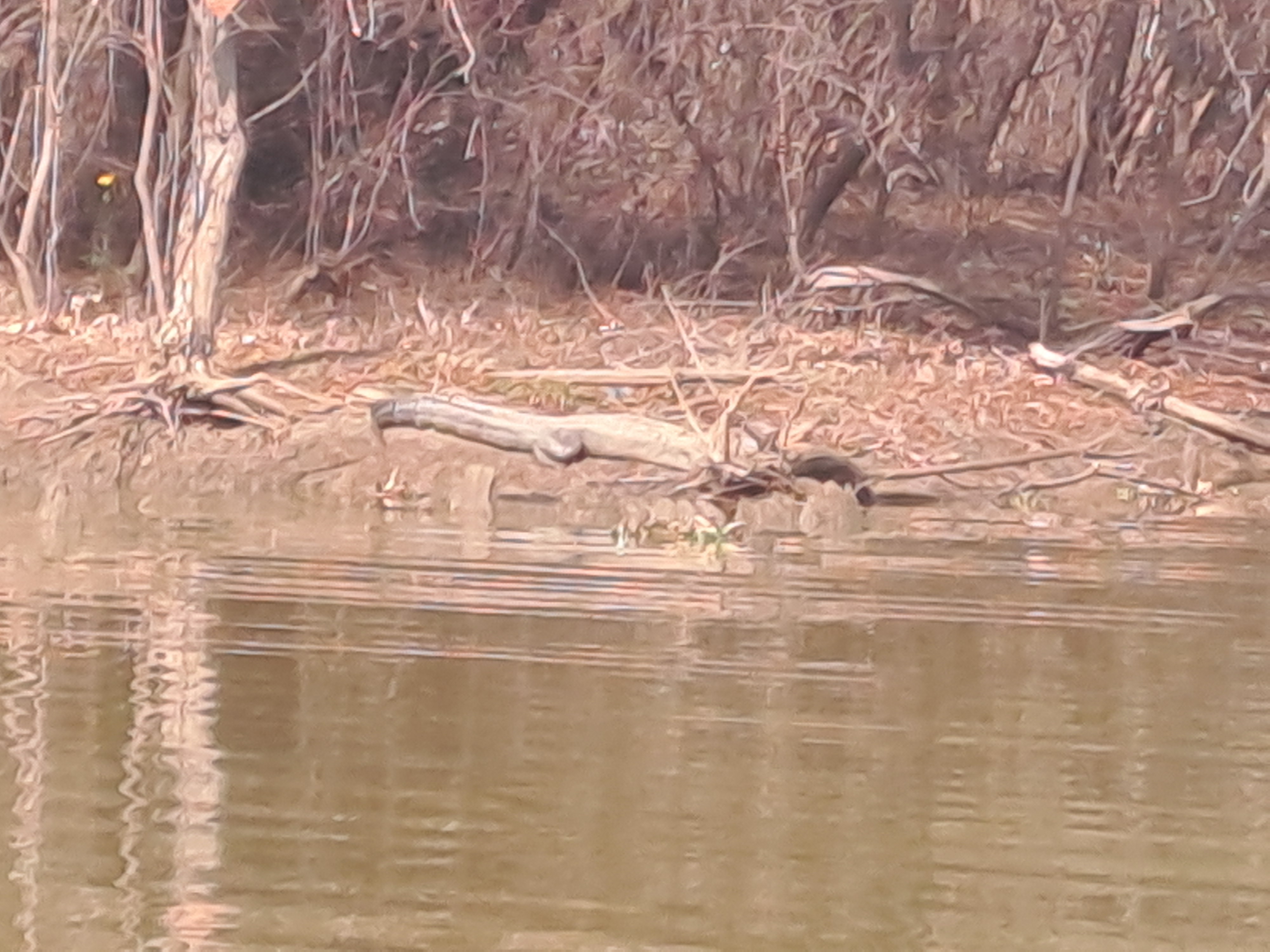
We saw out first alligators here.
The housing is all single storey, a mixture of old falling down shacks, new brick built houses and everything in-between.
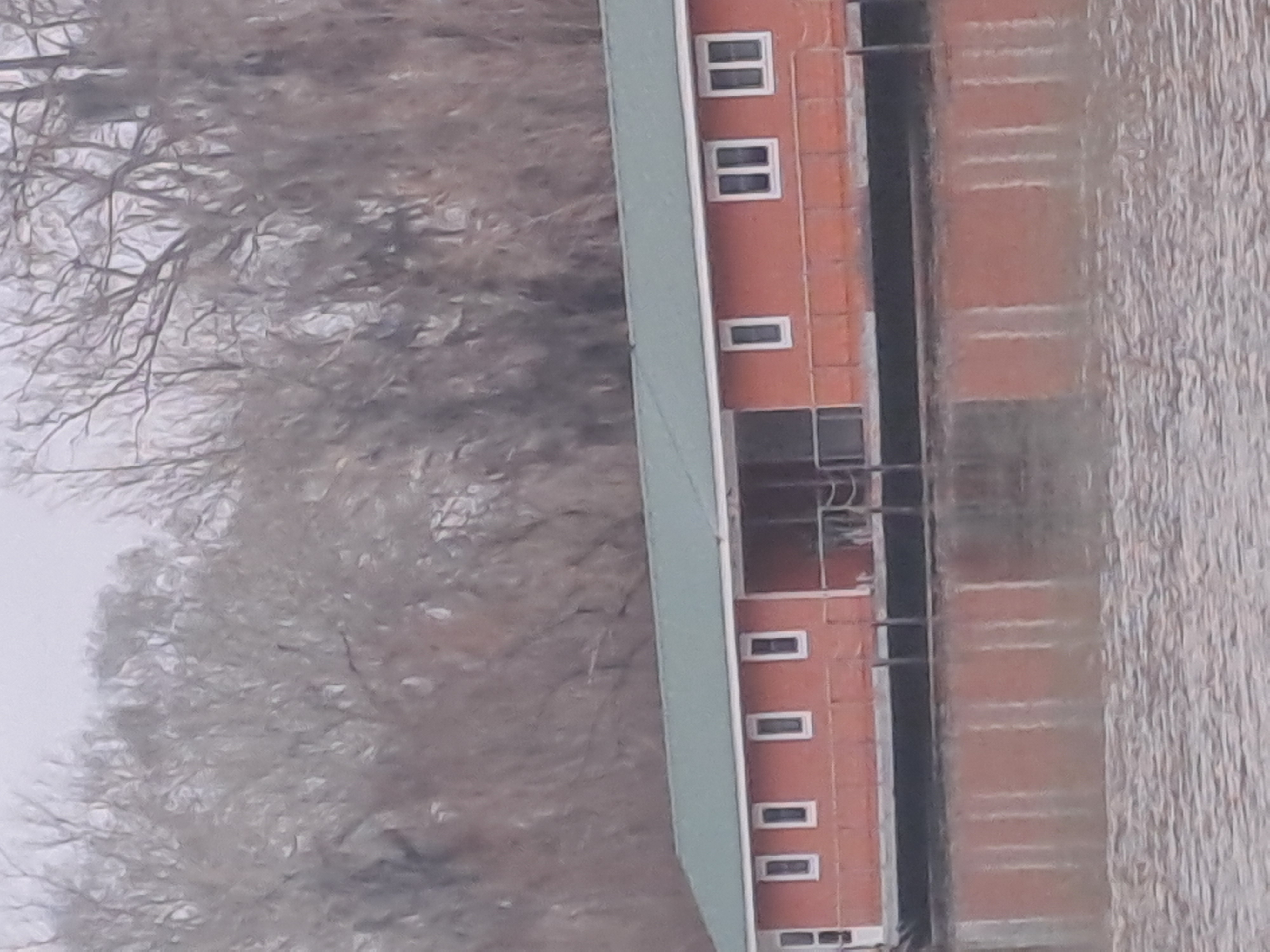
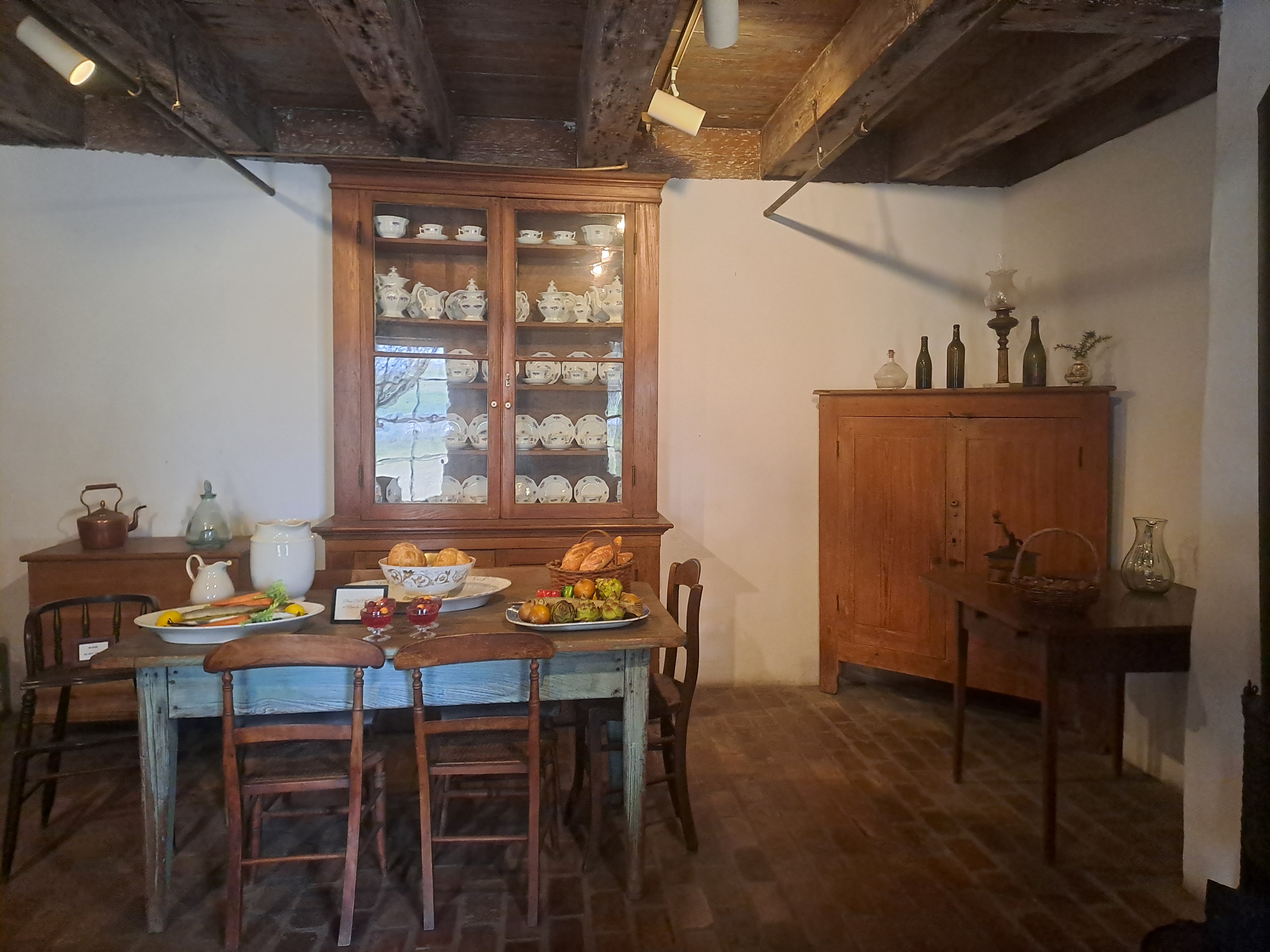
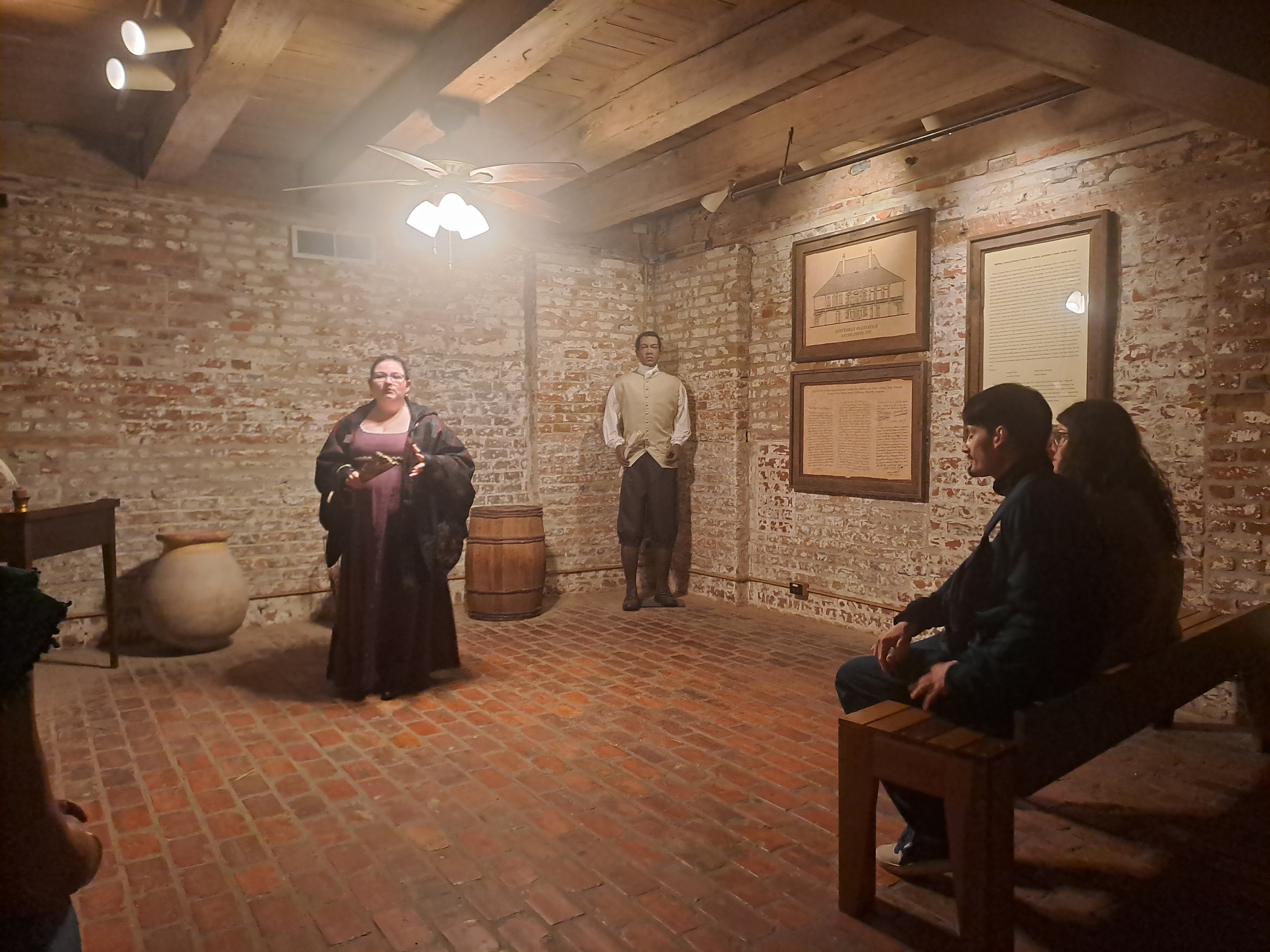
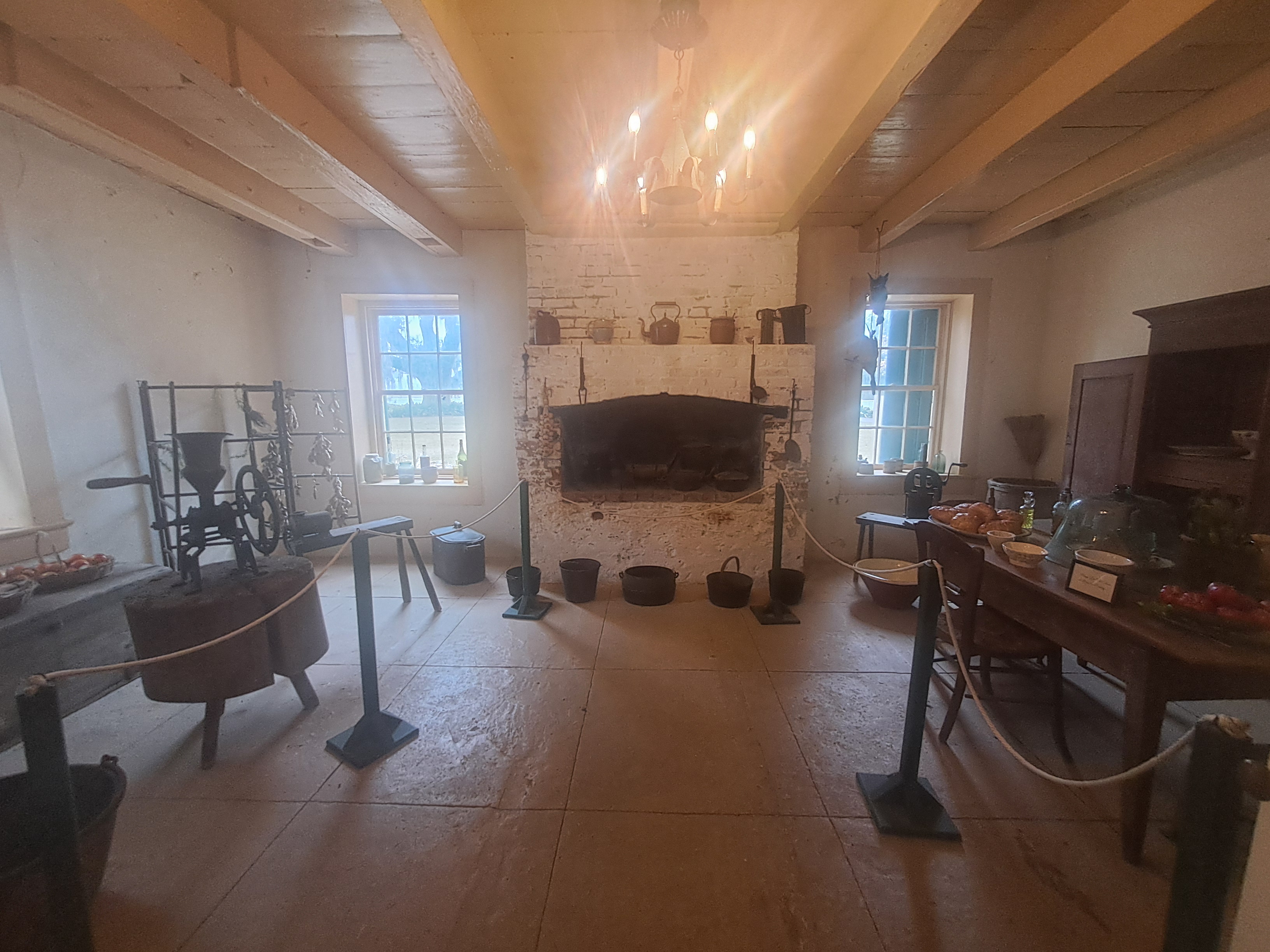
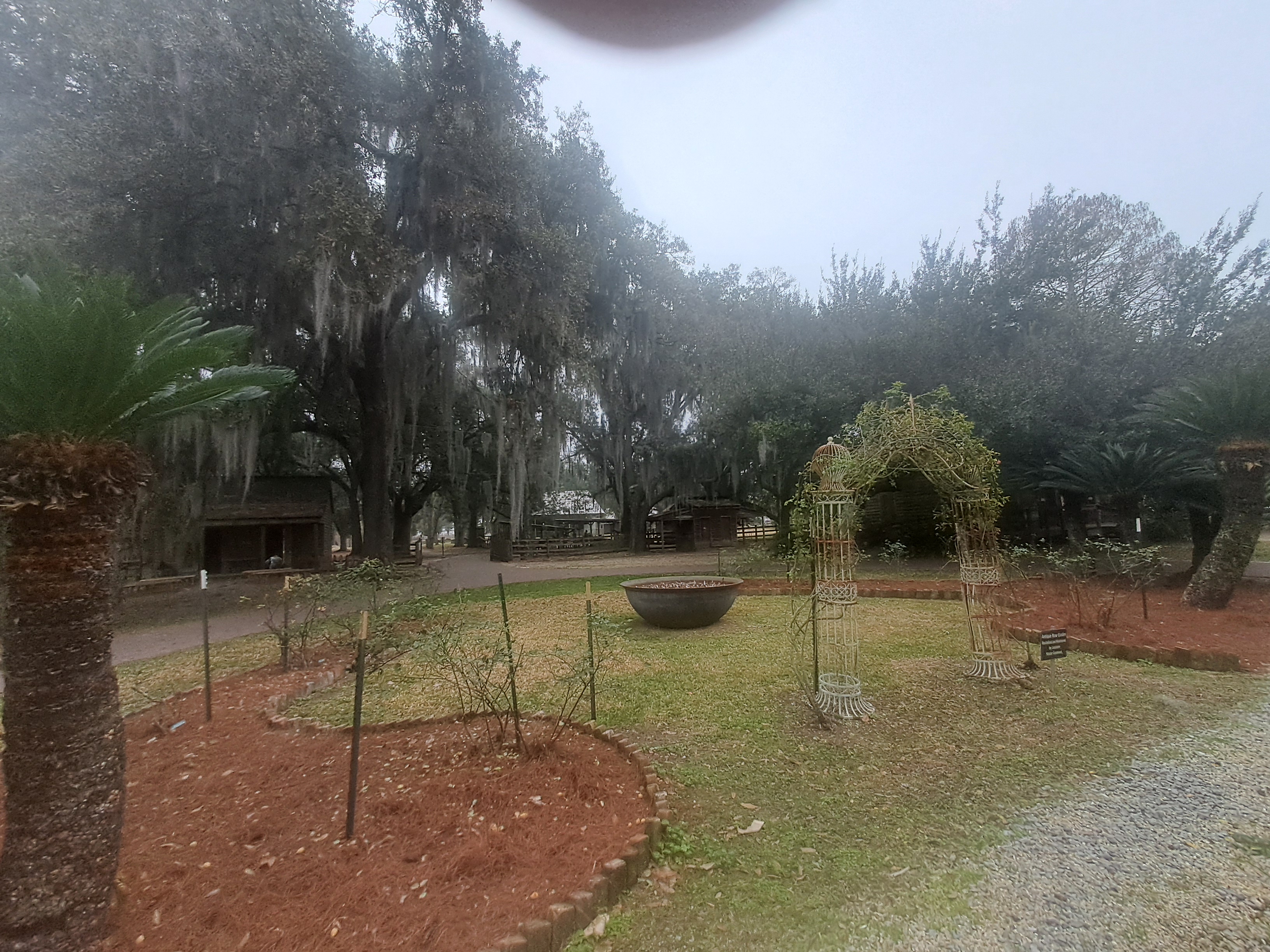
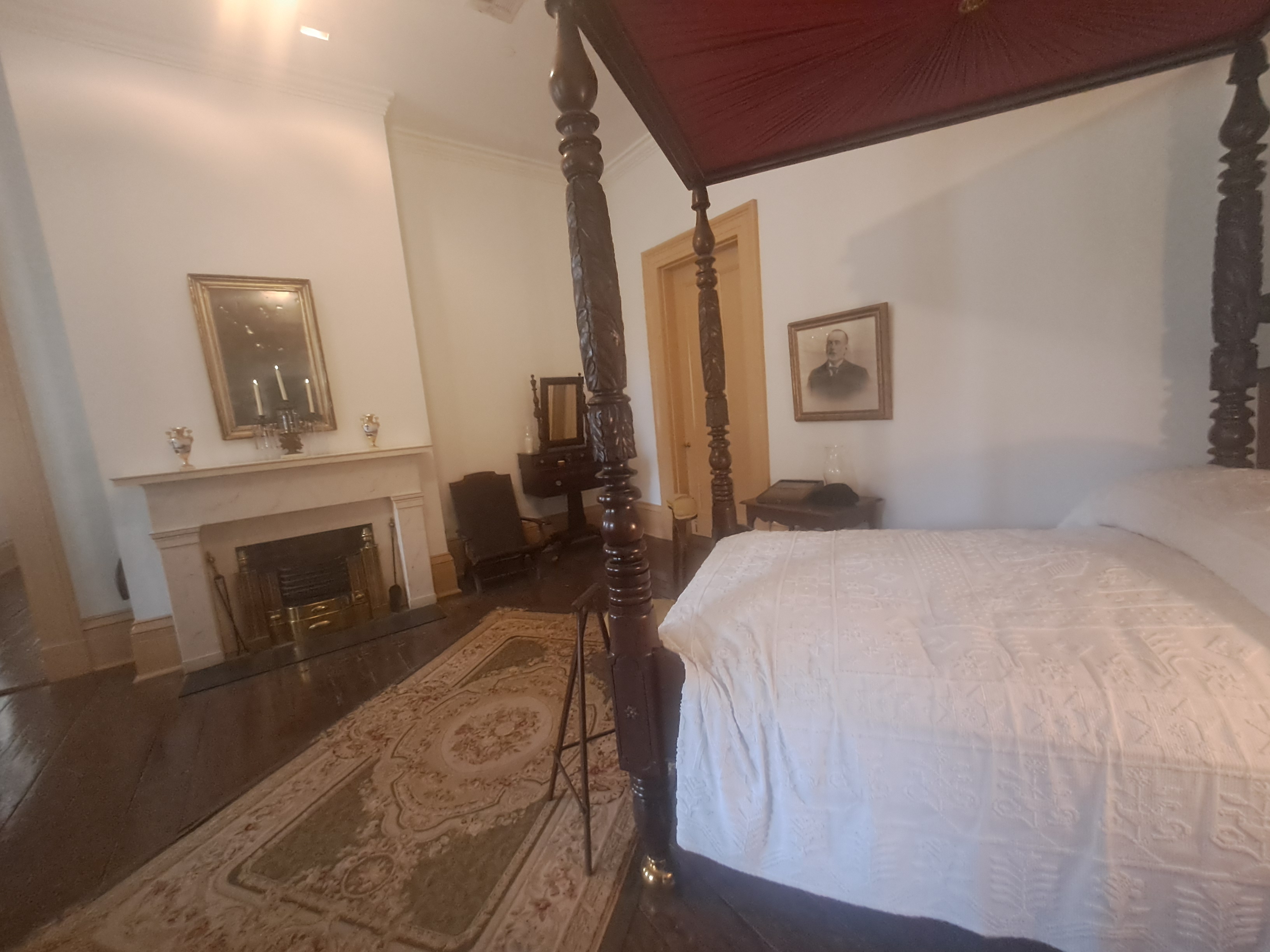
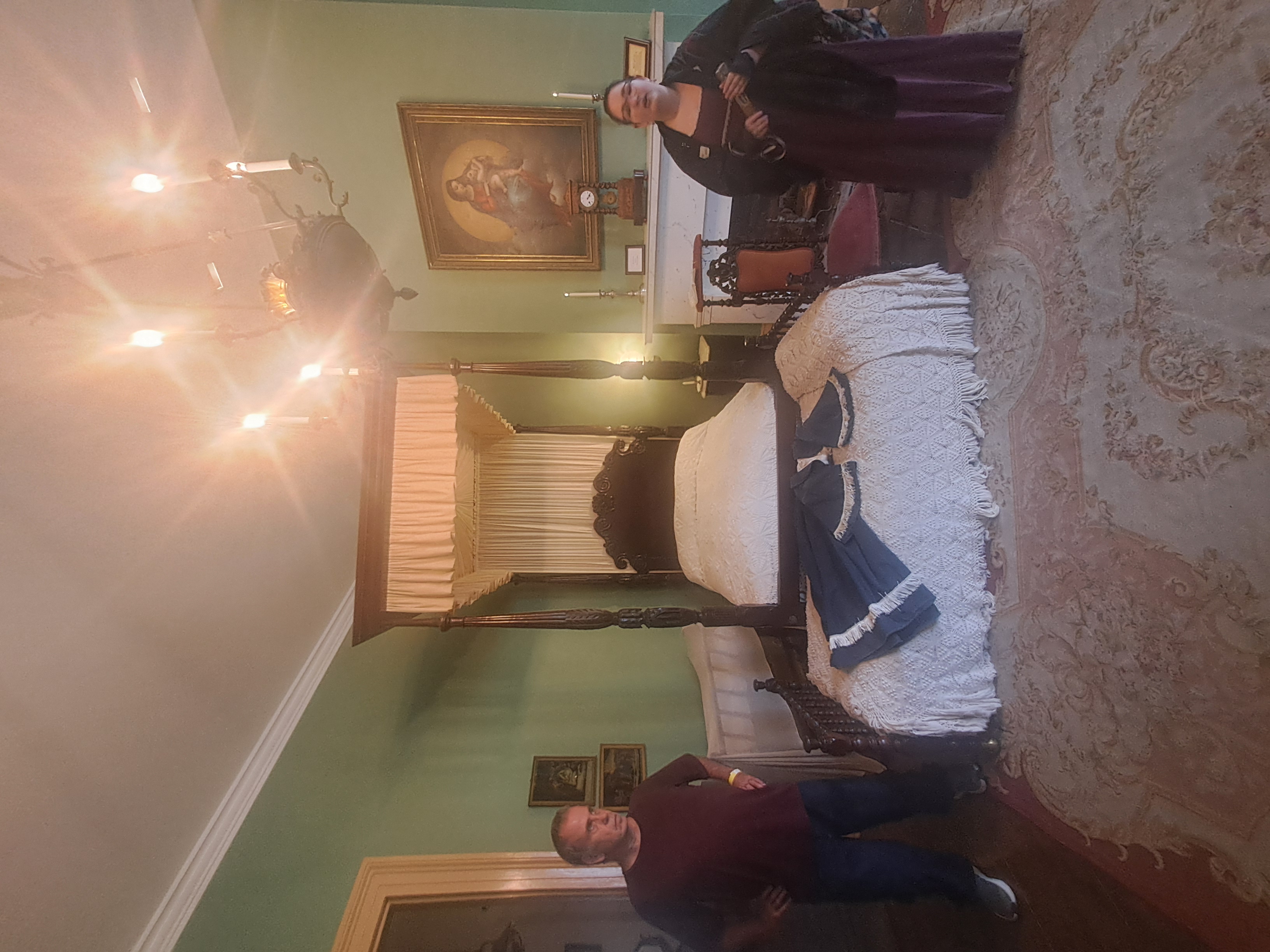
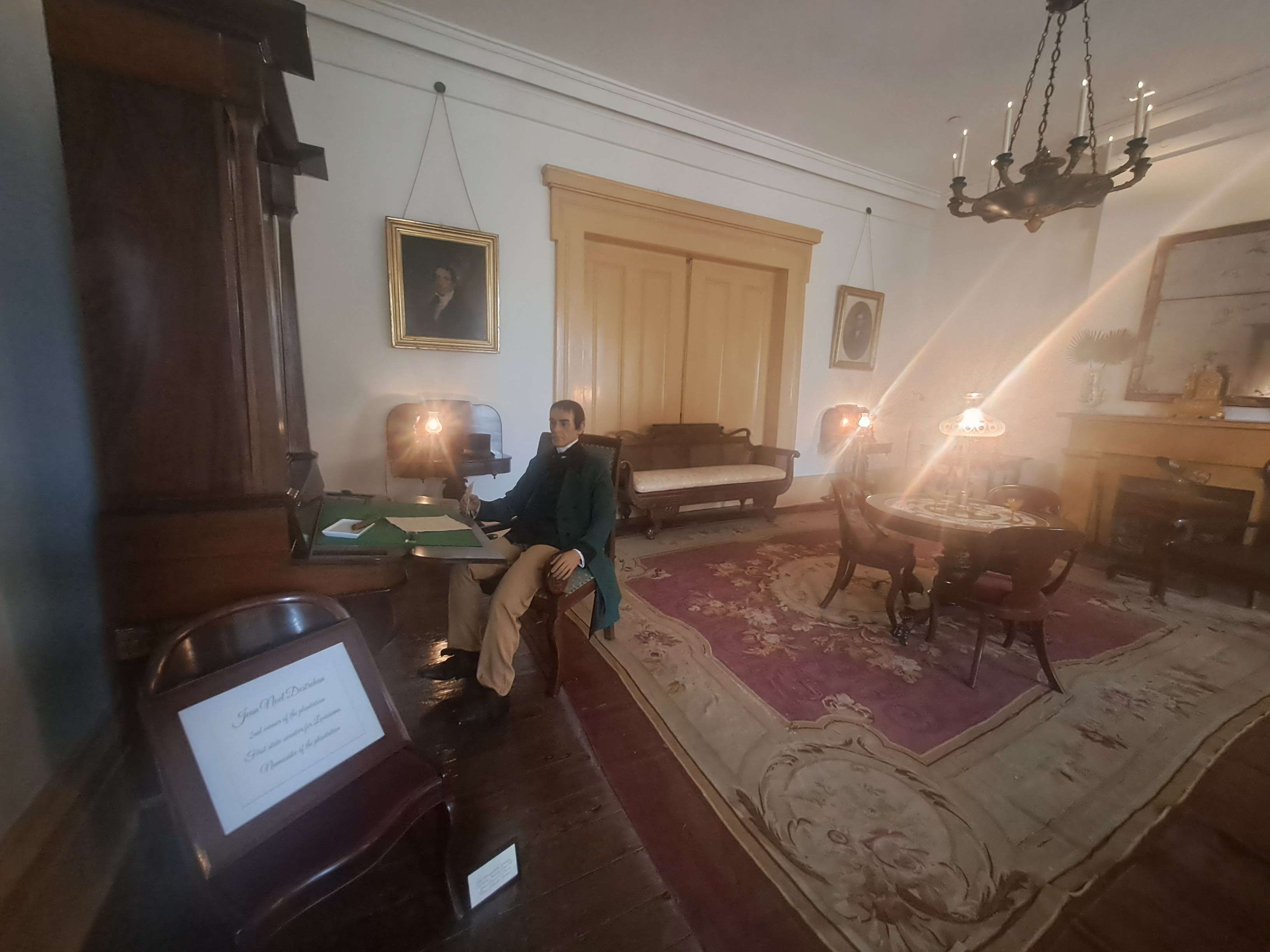
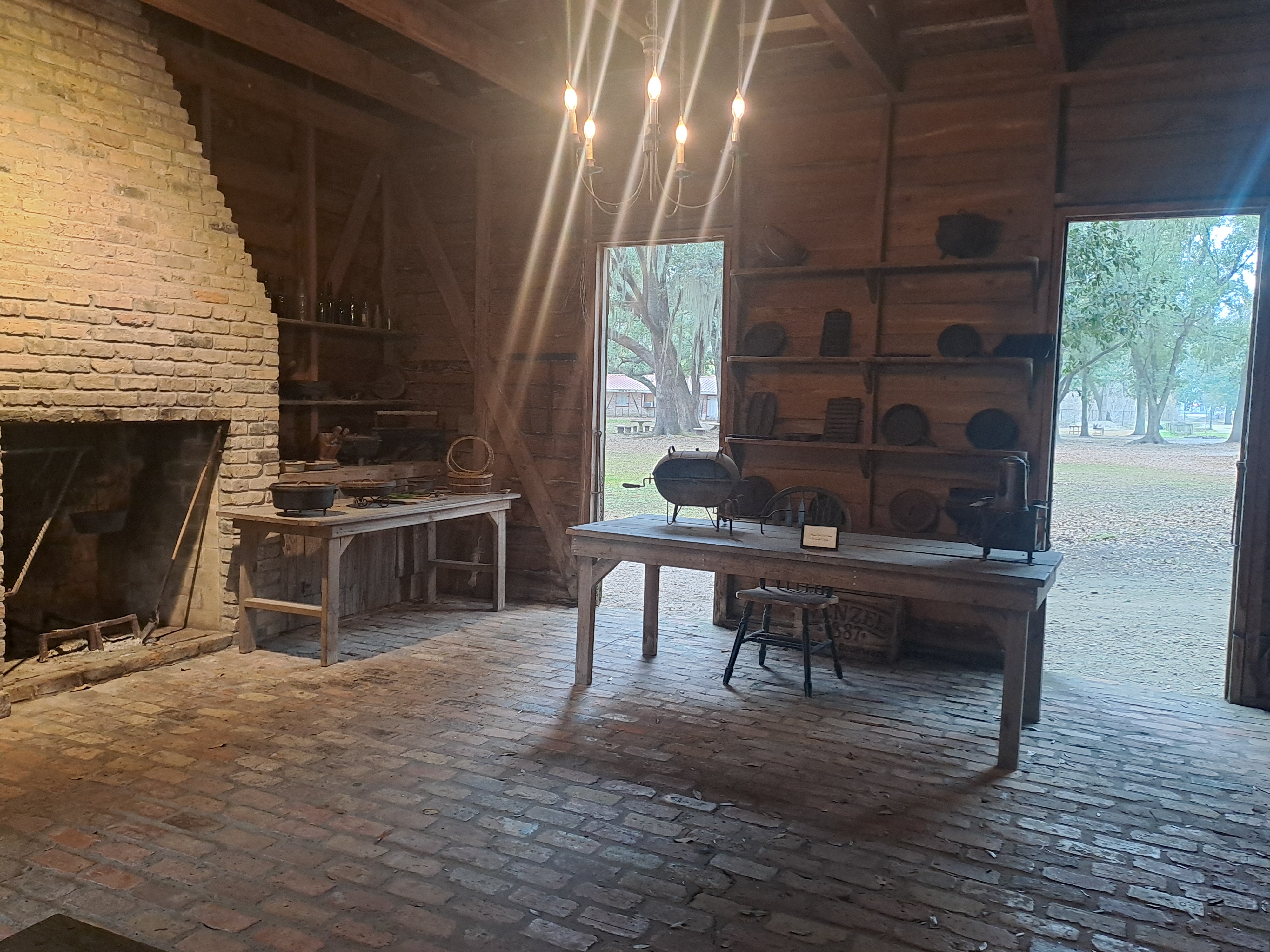
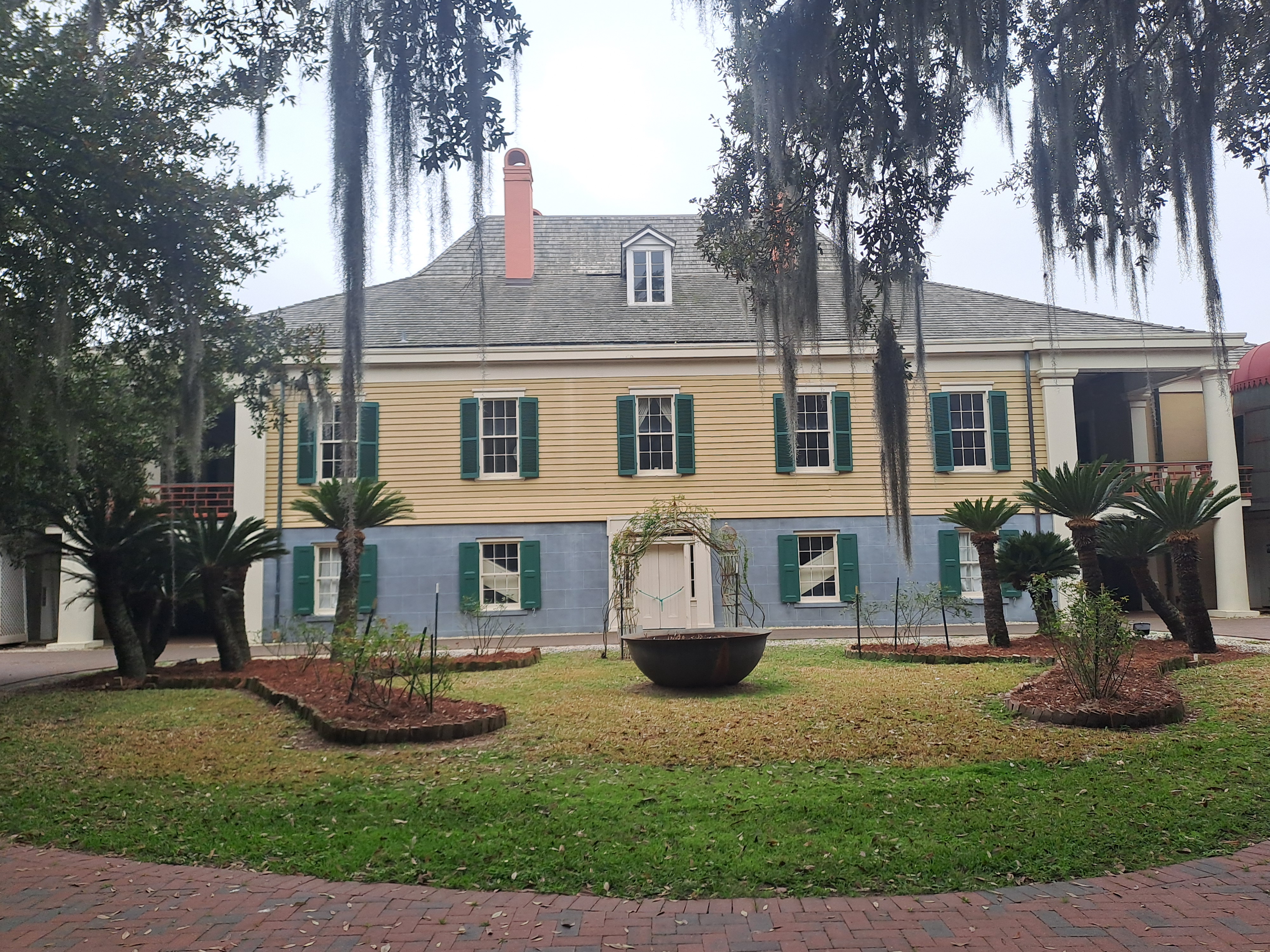
Our next stop was at an old Plantation house. This preserved the way plantation owners lived.
The food hygiene was appalling. Food was not cooked in the house but in the outside kitchen.It was then brought over to the warming kichen where it was heated again and kept warm for serving.
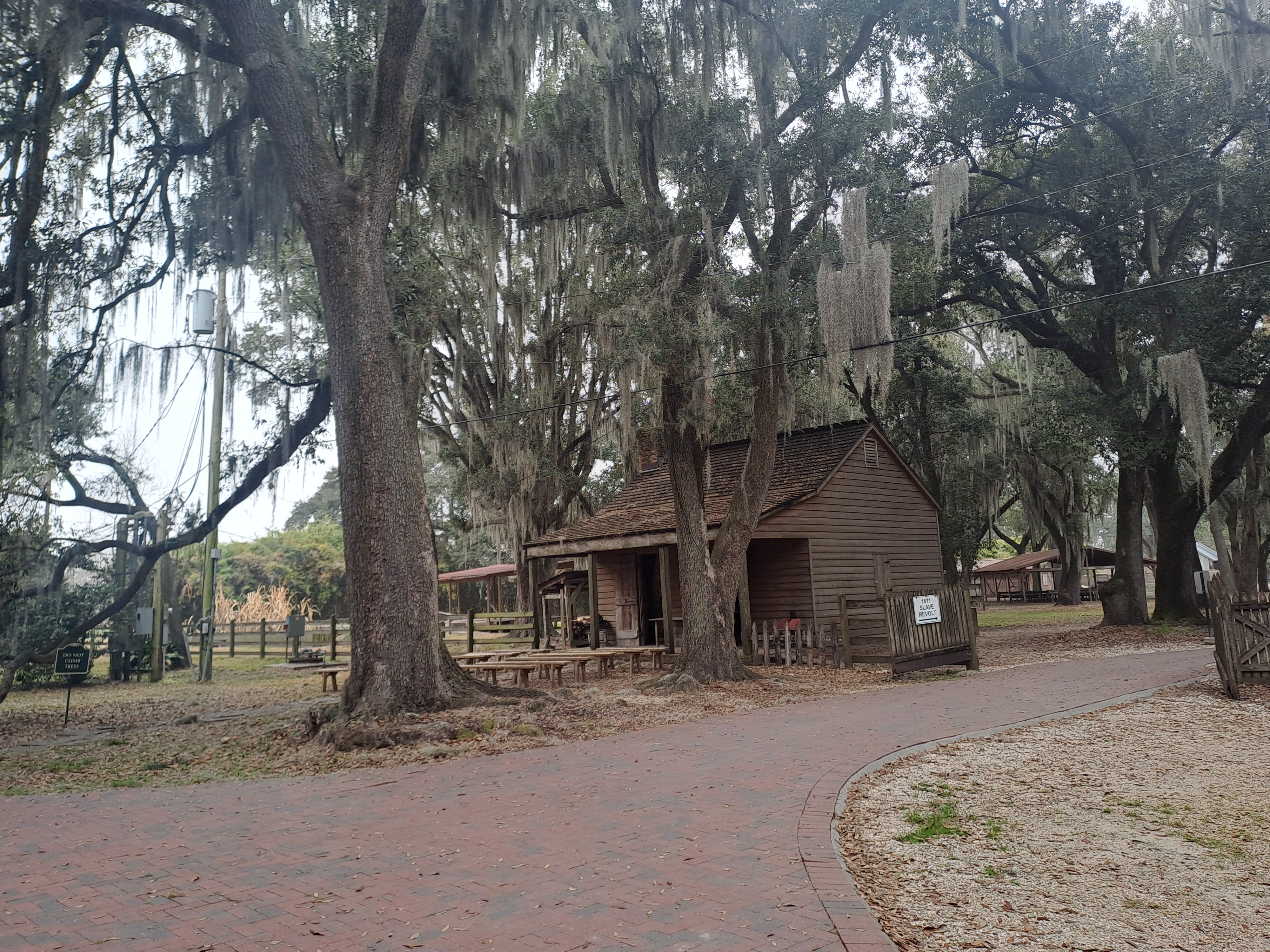
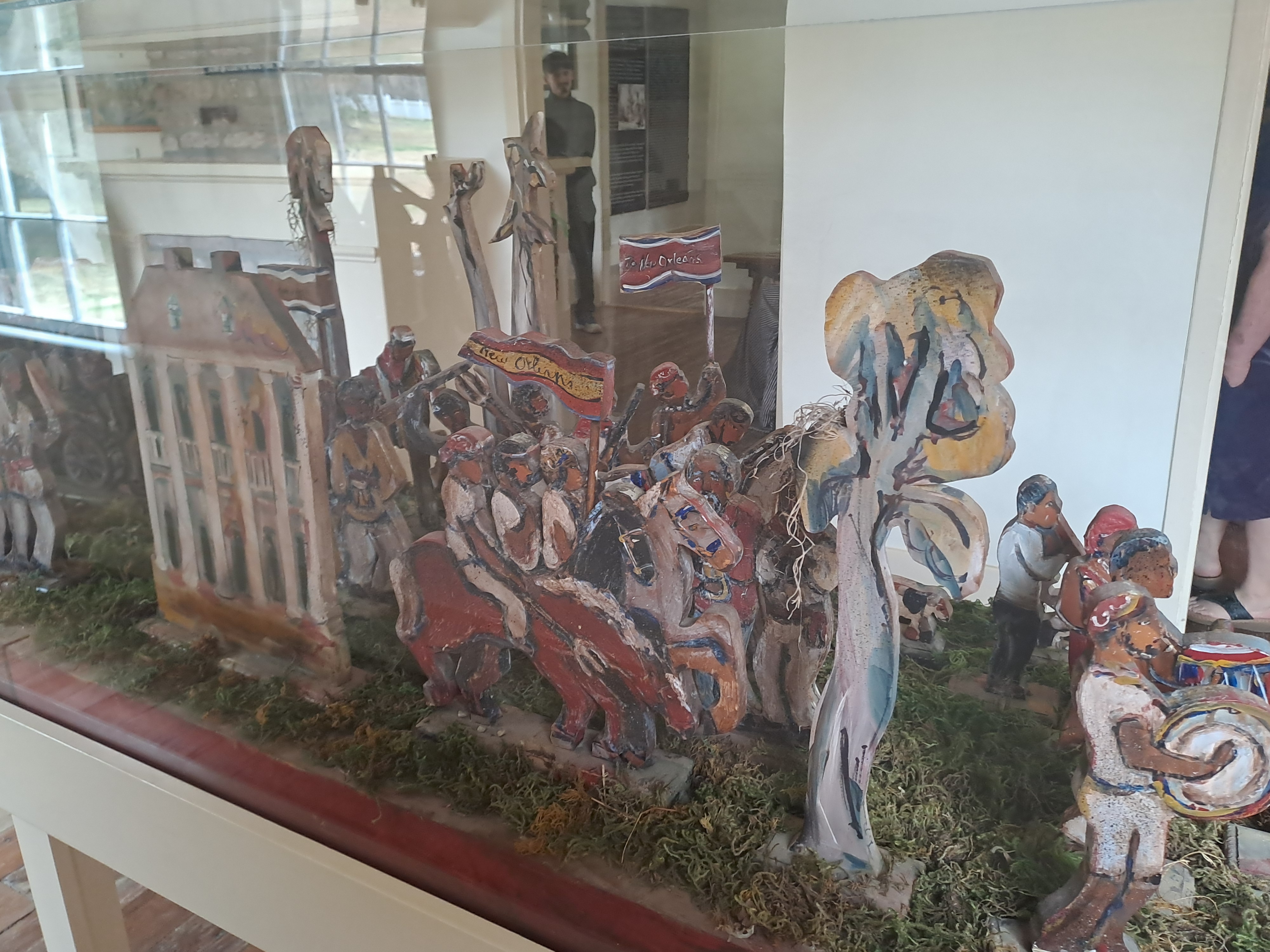
There was an exhibition on the slave uprising.
The 1811 Louisiana slave revolt was the largest in U.S. history, occurring January 8–10, 1811, in the Territory of Orleans. Led by Charles Deslondes, 200–500 enslaved people marched toward New Orleans, burning plantations, armed with axes and guns.
It was carefully timed for early January after the sugar harvest had been processed and Christmas was finished and all the owners went into the city the celebrate twelth night.
Unfortunately for him he didn’t actually kill the first person he attacked, and the alarm was raised The rebellion was brutally suppressed by local militia and U.S. troops, with many participants executed and displayed.

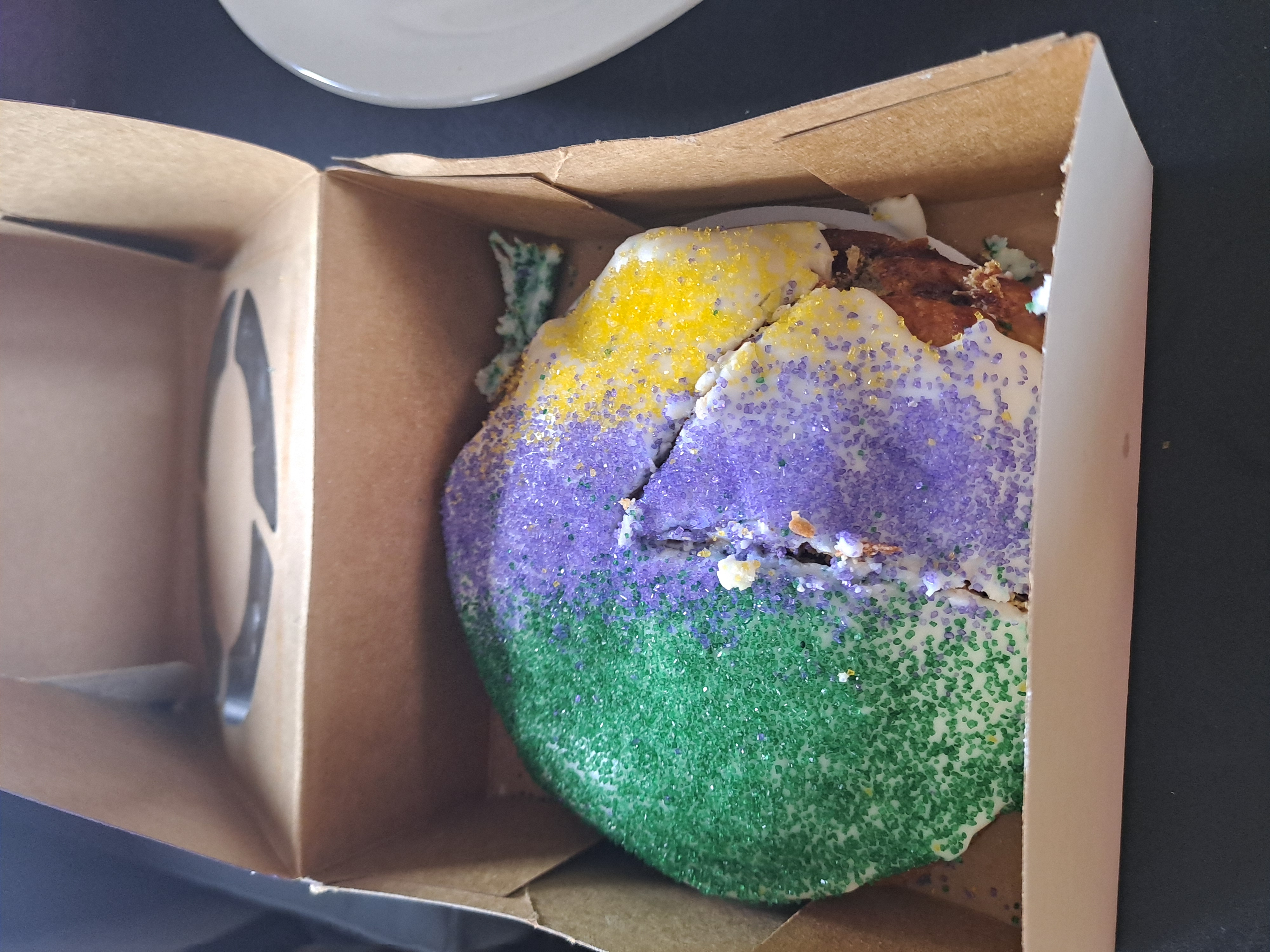
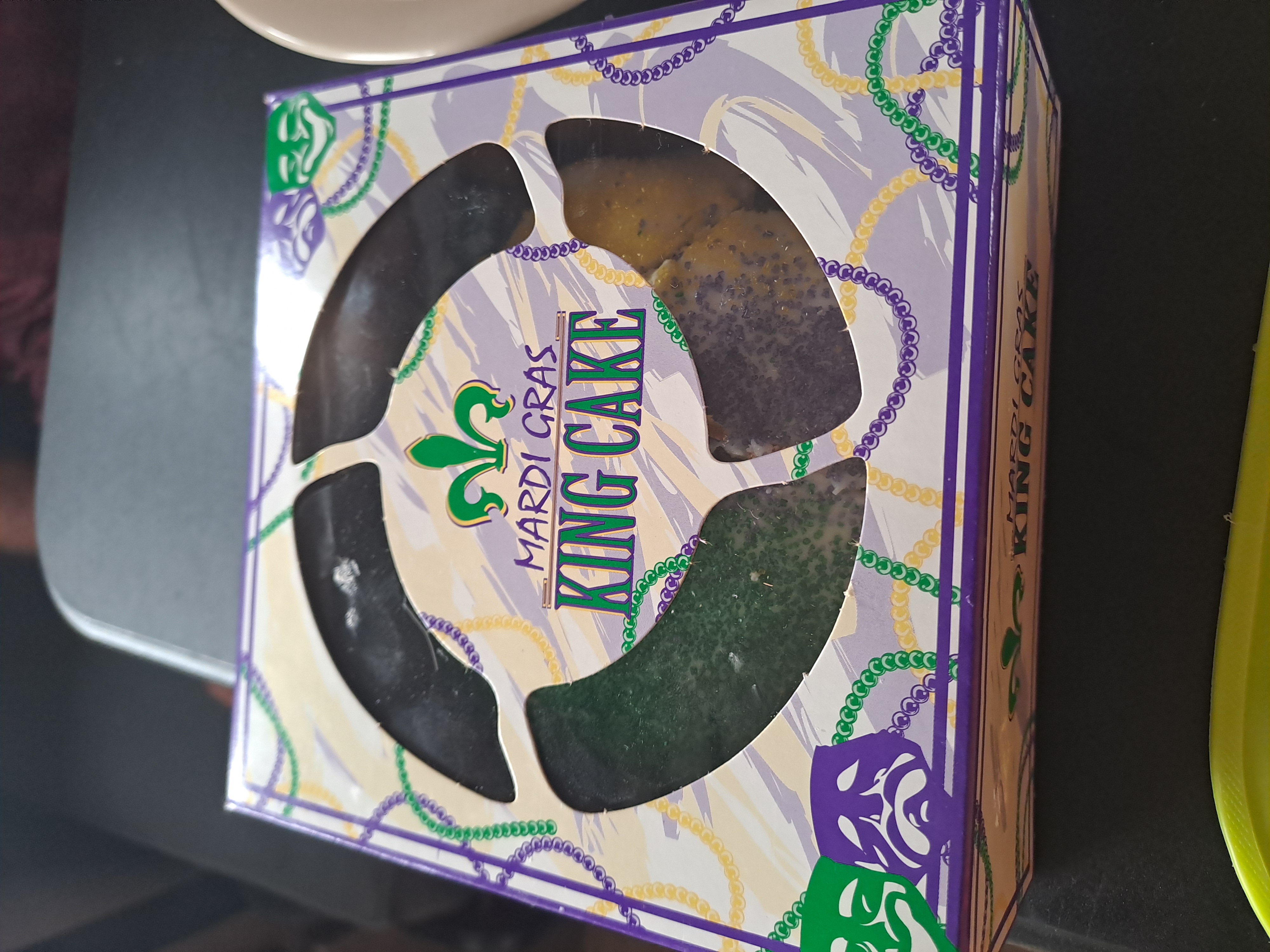
We had to try King cake a staple if Mardi Gras and on sale everywhere. Traditionally a small baby toy is hidden inside.
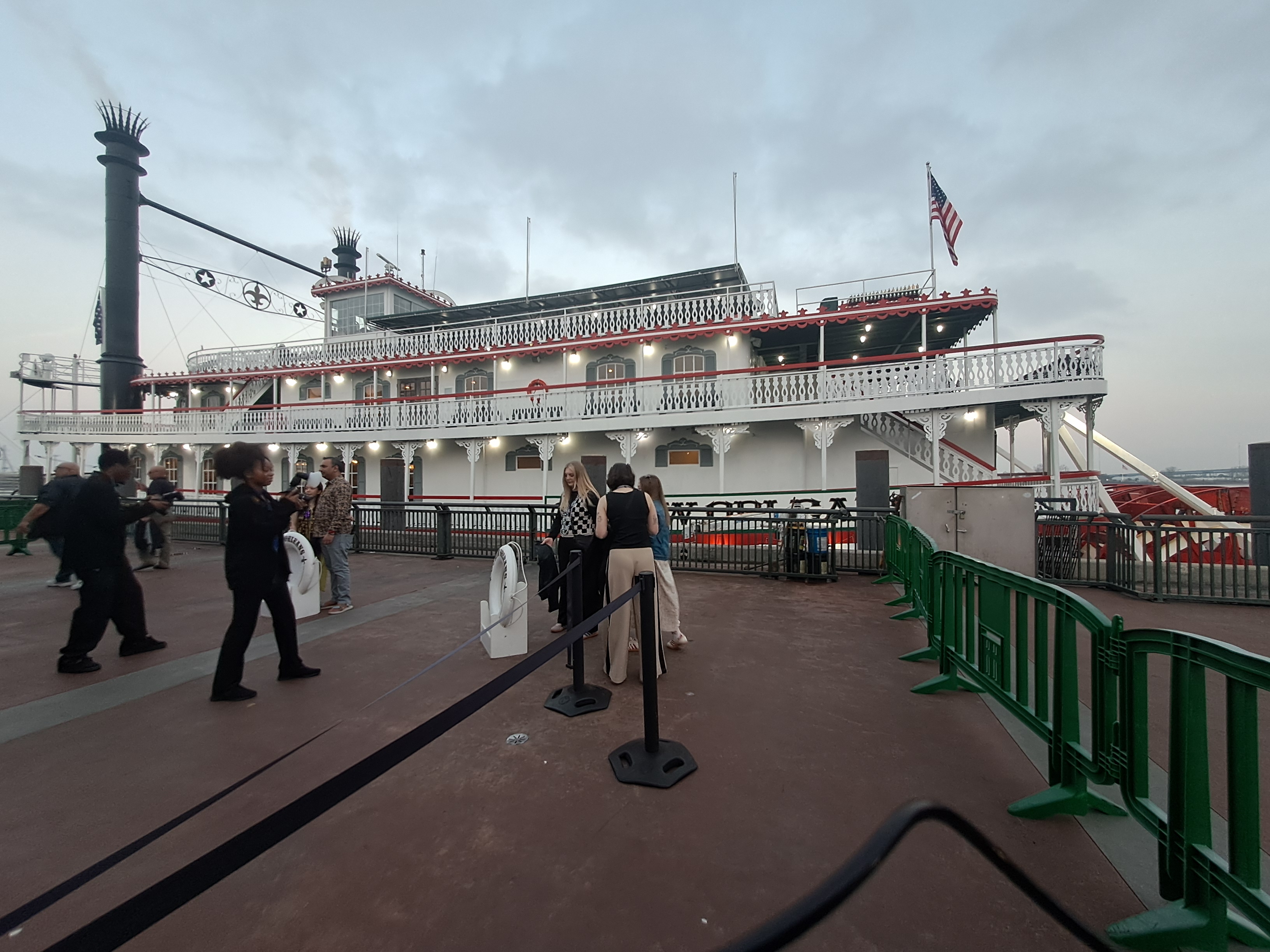
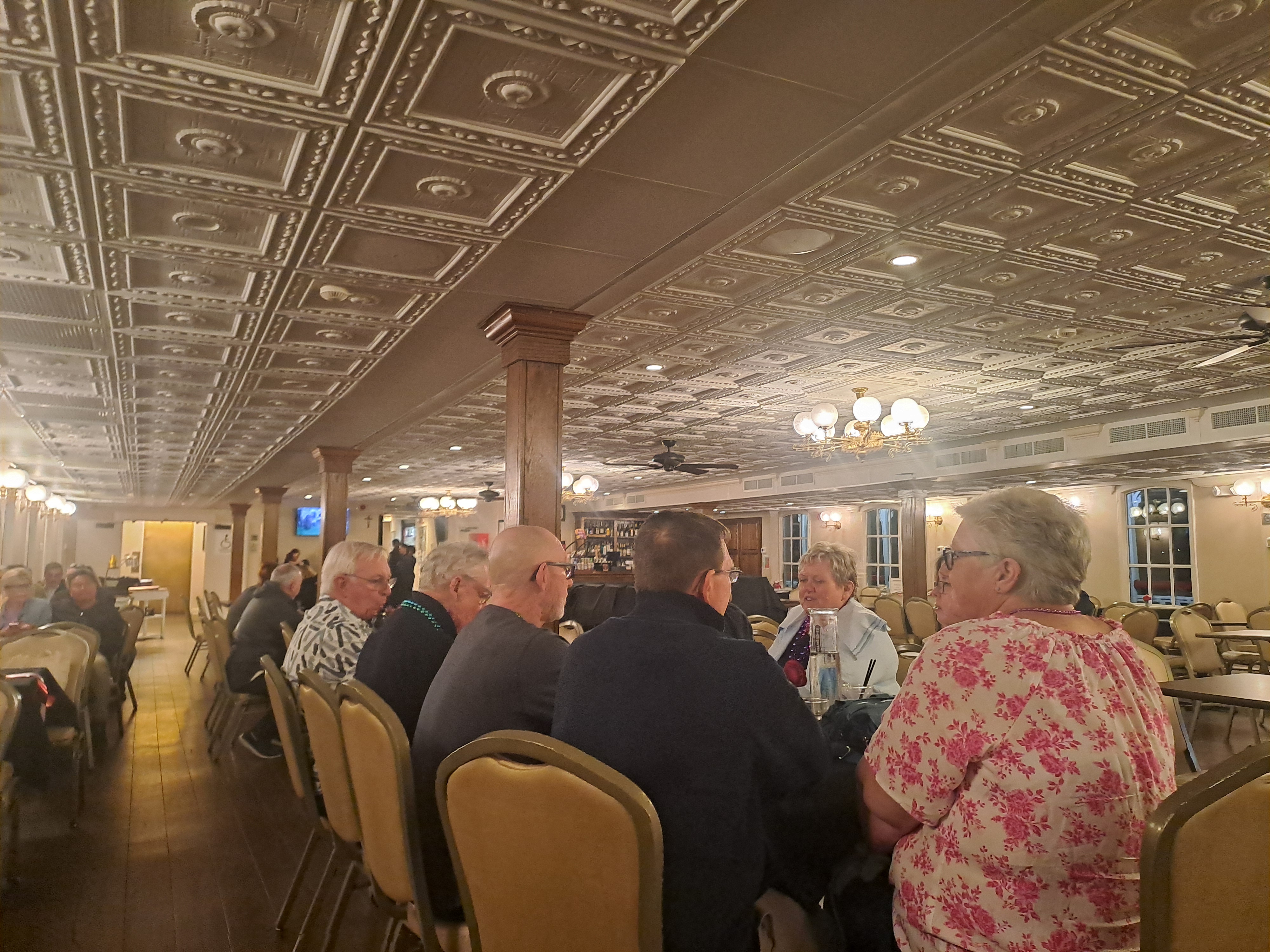
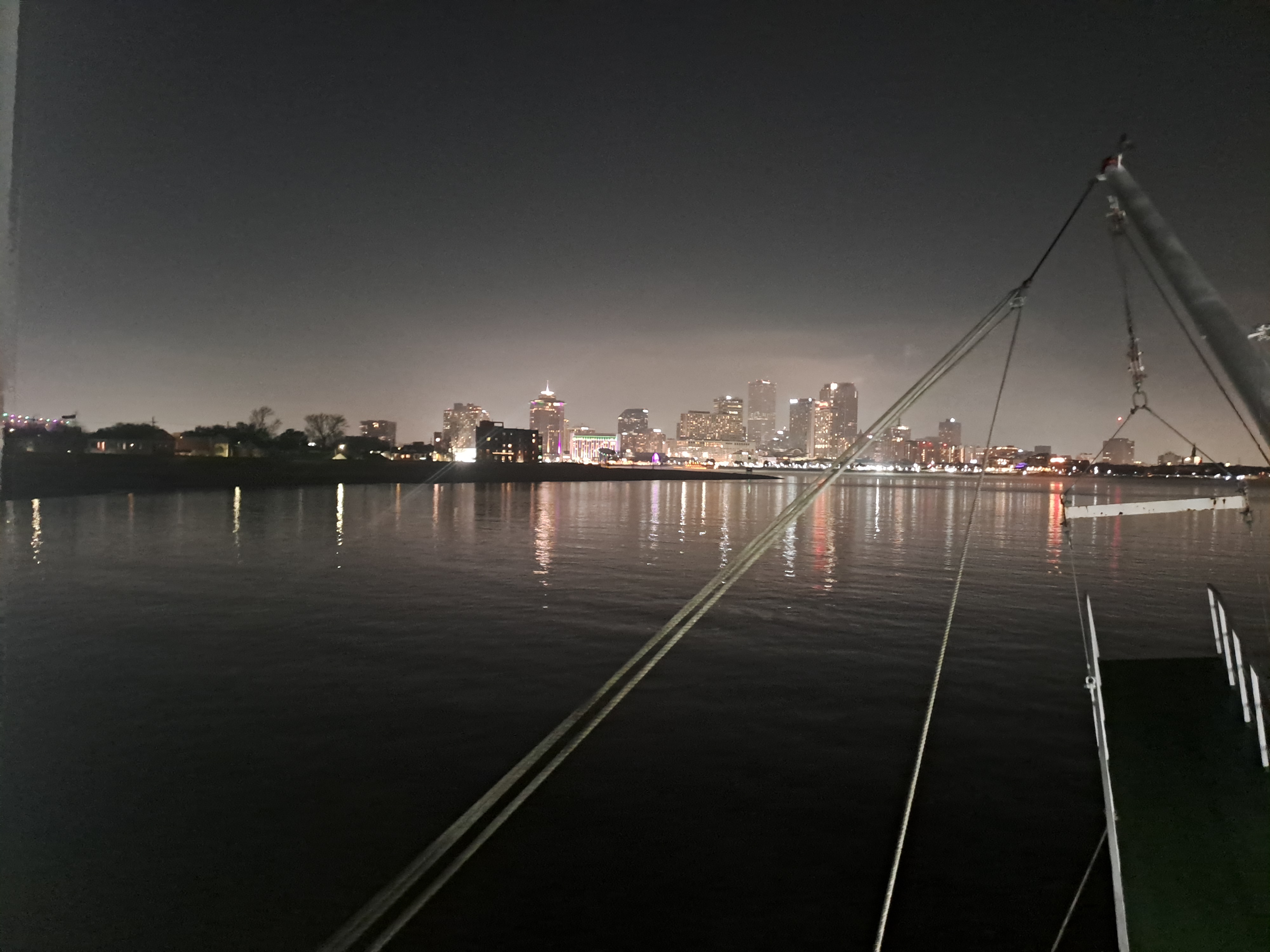
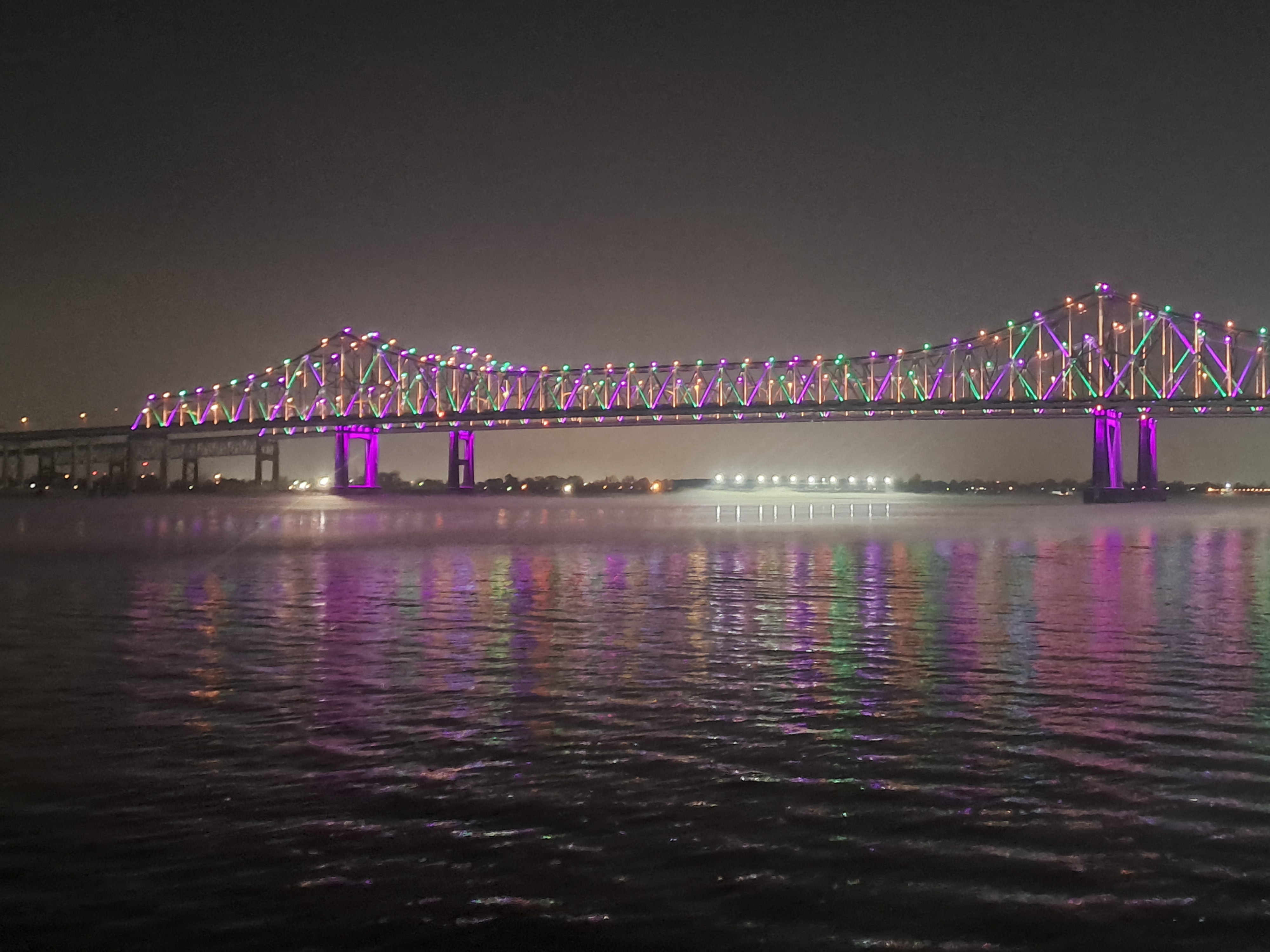
We had to do a river cruise here so we did a jazz cruise on a steam paddle boat. We got to try traditional Louisiana food see the lights and listen to the music 😆. This is the life! The only problem was the lack of taxi’s. We discovered the constant parades made any transport in the city very difficult due the amount of roads cut off. It wasn’t just the main parades, there were lots of smaller ones, making route planning almost impossible.
Mardi Gras, or “Fat Tuesday,” originated in medieval Europe as a Catholic celebration of feasting and revelry before the fasting season of Lent. Brought to America by French explorers in 1699, the tradition took root in the Gulf Coast, with Mobile, Alabama, holding the first organized US celebration in 1703.
New Orleans was established in 1718 by Bienville. By the 1730s, Mardi Gras was celebrated openly in New Orleans, but not with the parades we know today. In the early 1740s, Louisiana’s governor, the Marquis de Vaudreuil, established elegant society balls, which became the model for the New Orleans Mardi Gras balls of today.The earliest reference to Mardi Gras “Carnival” appears in a 1781 report to the Spanish colonial governing body. That year, the Perseverance Benevolent & Mutual Aid Association was the first of hundreds of clubs and carnival organizations formed in New Orleans.By the late 1830s, New Orleans held street processions of maskers with carriages and horseback riders to celebrate Mardi Gras. Dazzling gaslight torches, or “flambeaux,” lit the way for the krewe’s members and lent each event an exciting air of romance and festivity. In 1856, six young Mobile natives formed the Mistick Krewe of Comus, invoking John Milton’s hero Comus to represent their organization. Comus brought magic and mystery to New Orleans with dazzling floats (known as tableaux cars) and masked balls. Krewe members remained anonymous.
What we saw was what it has become, a massive festival starting 12th night and carrying in until Shrove Tuesday. The last weekend is the big one with Lundi Gras and Mardi Gras following.
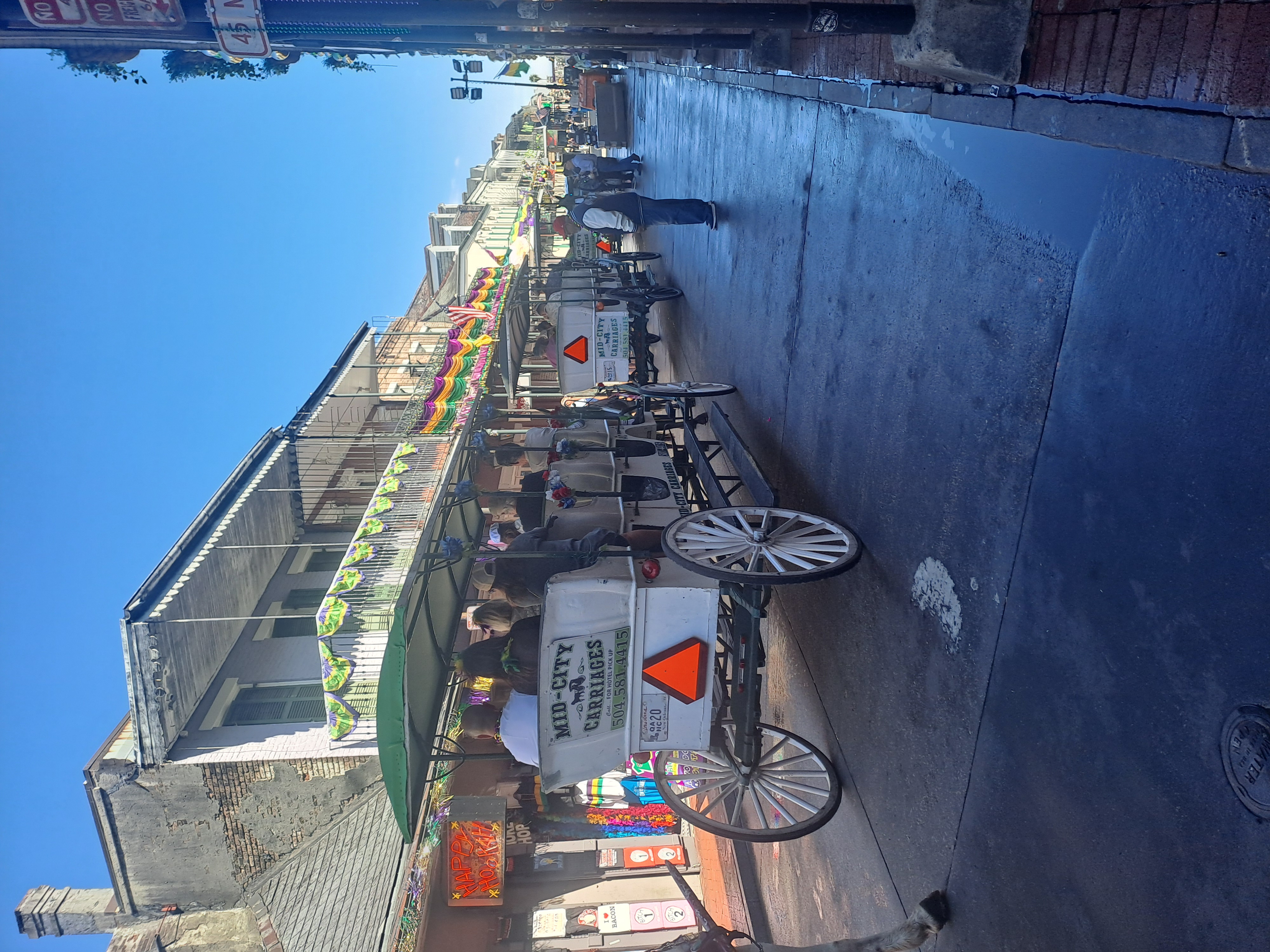
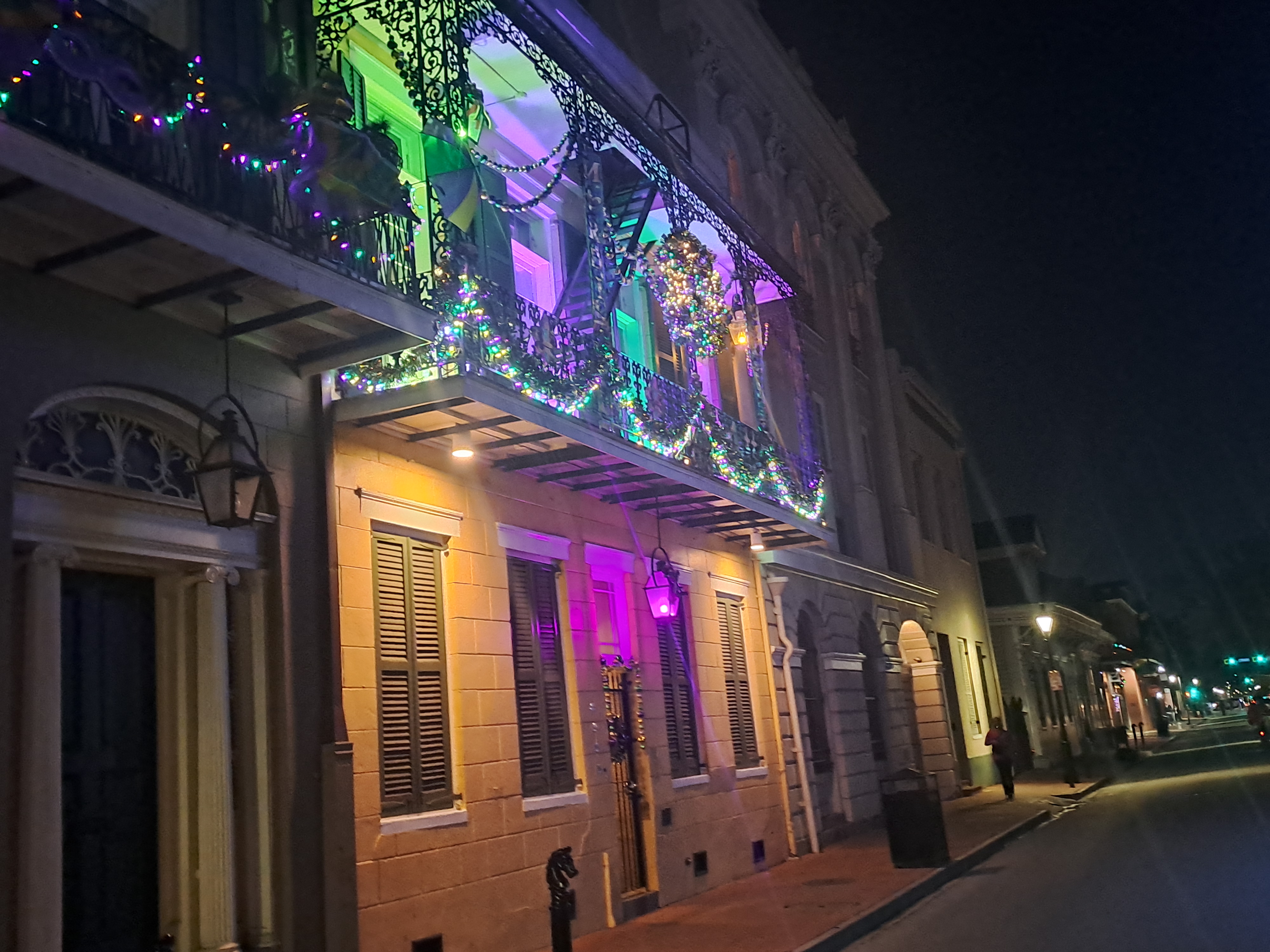
There is a colour theme of gold, purple and green, representing power, justice and faith.
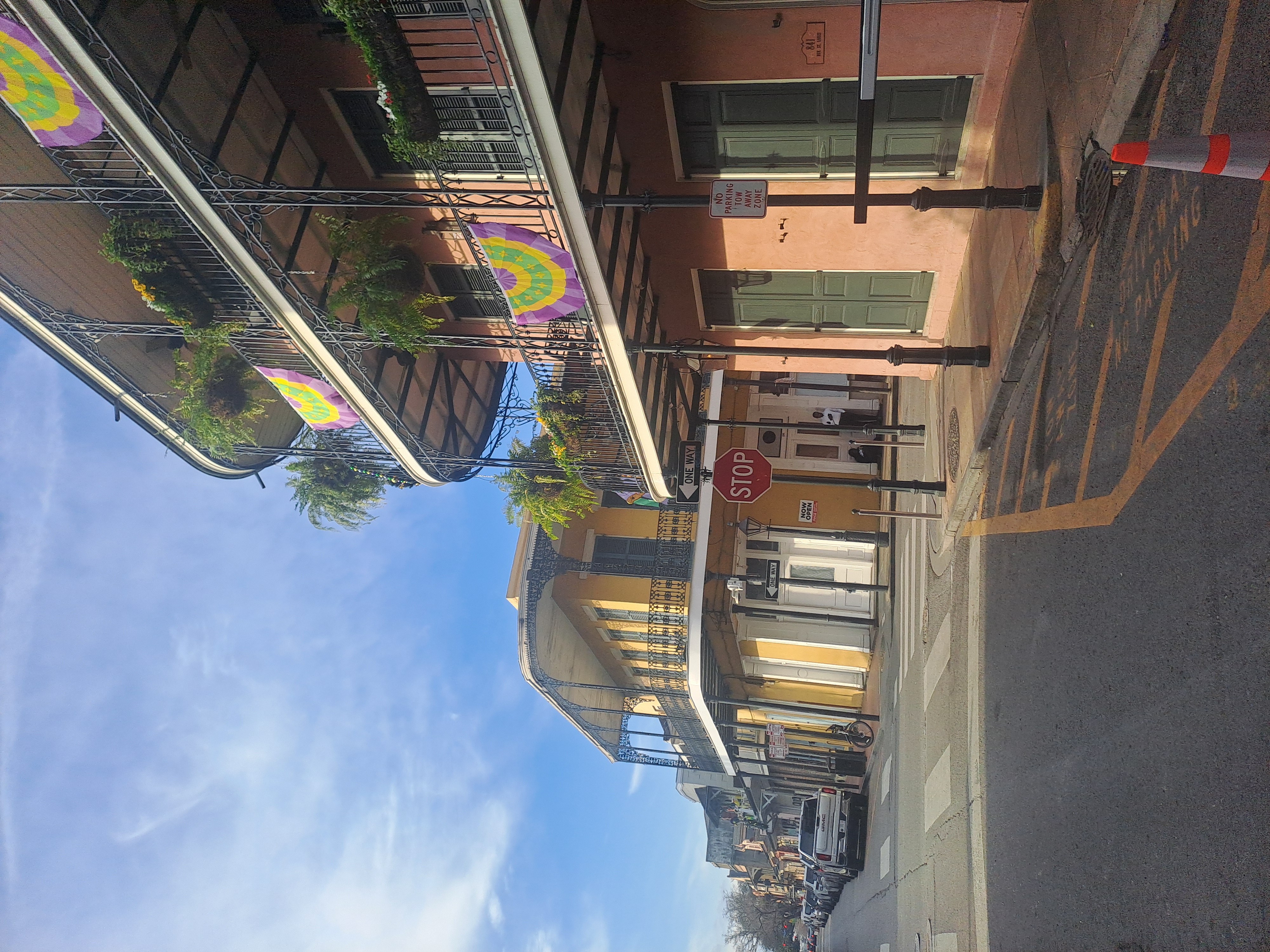
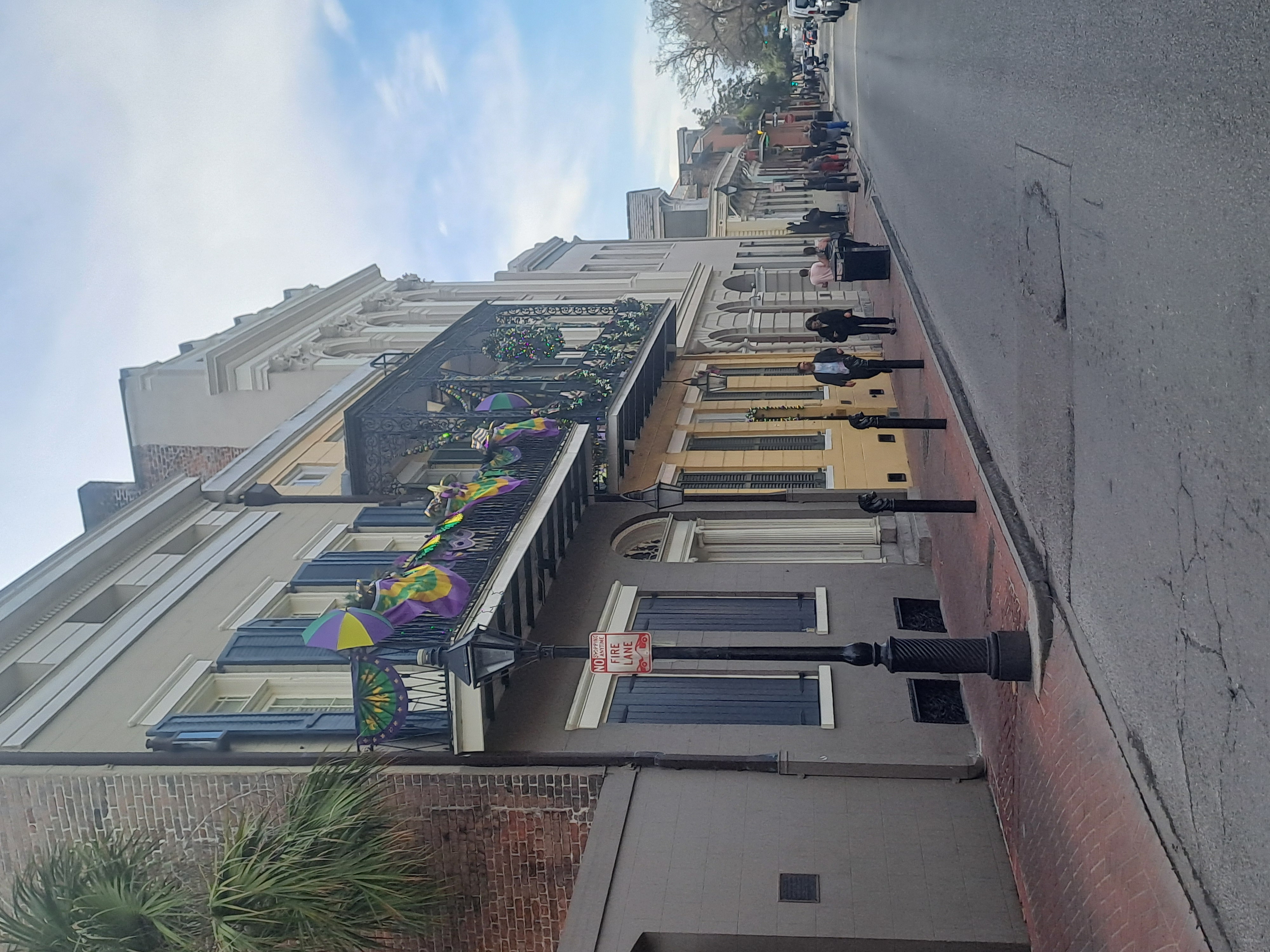
The buildings often have balconies all of which can become viewing platforms or places to be seen. At night people may flock below balconies to collect beads thrown from above. Beads are everywhere!
We decided to play it safe and pay for grandstand seating which meant we also were opposite the mayor’s stand and could see a lot of the formalities of the parades , as the crew mayor or king was introduced by the City mayor and also performed their speech before being presented with keys to the city
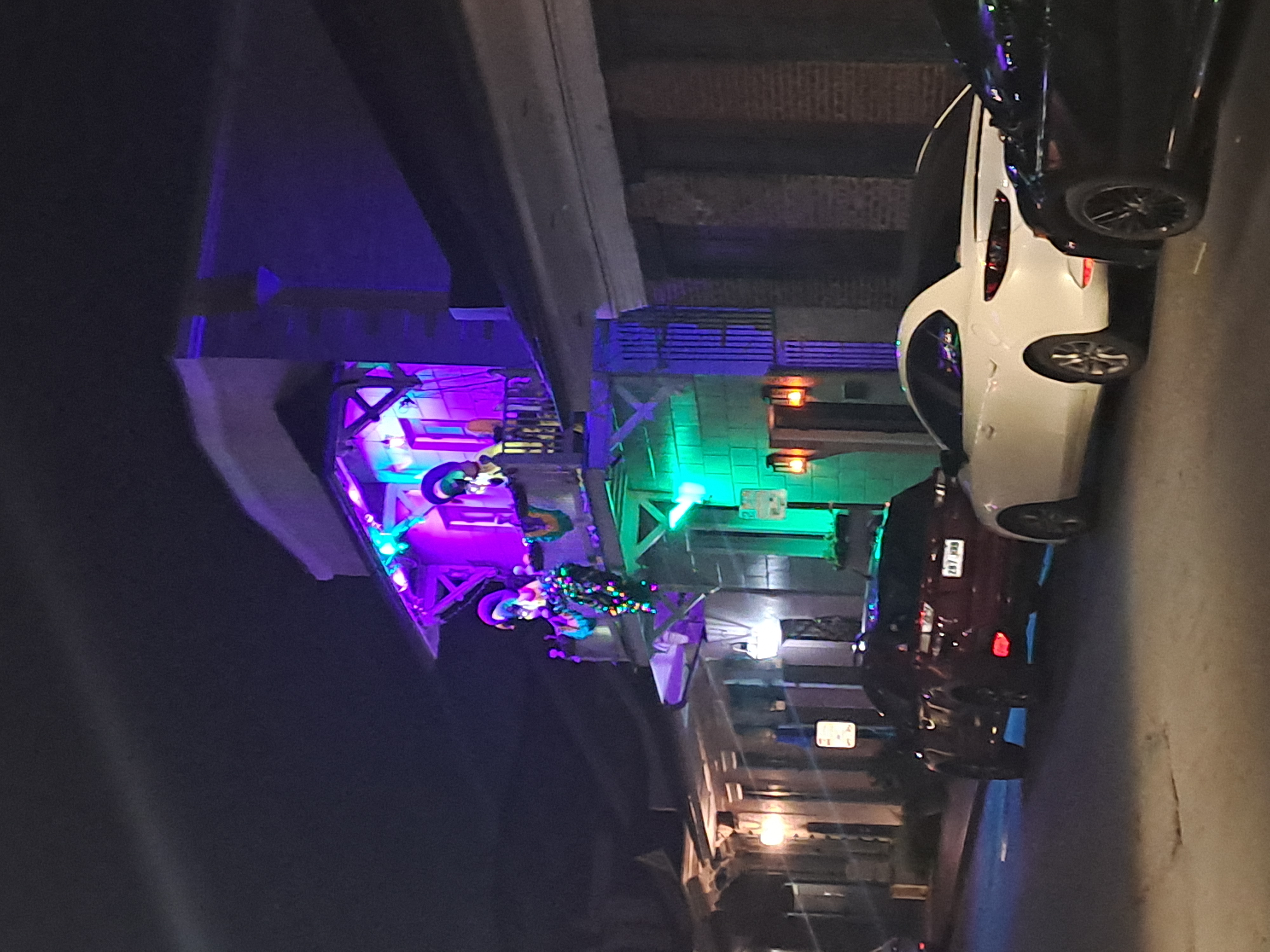
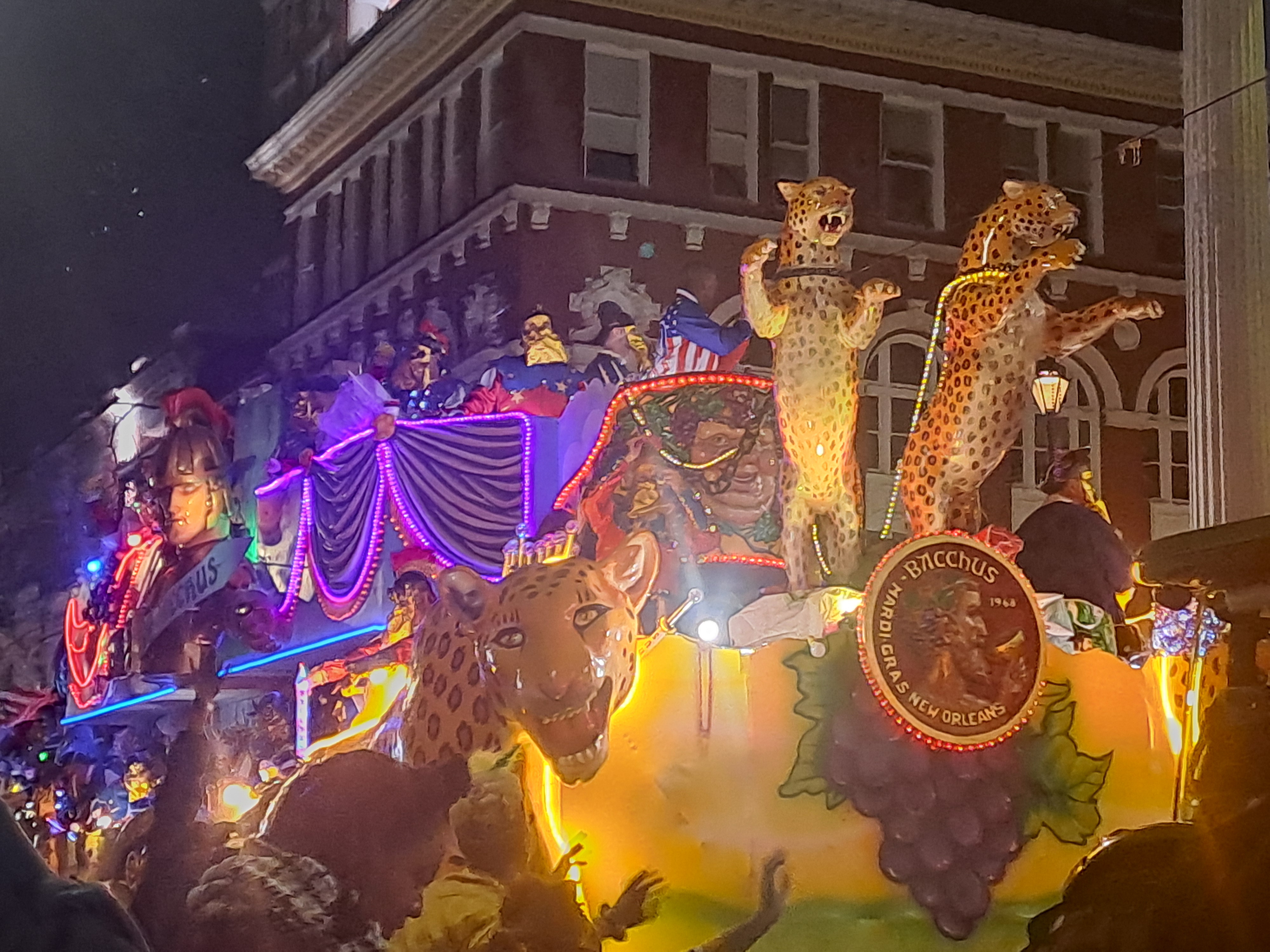
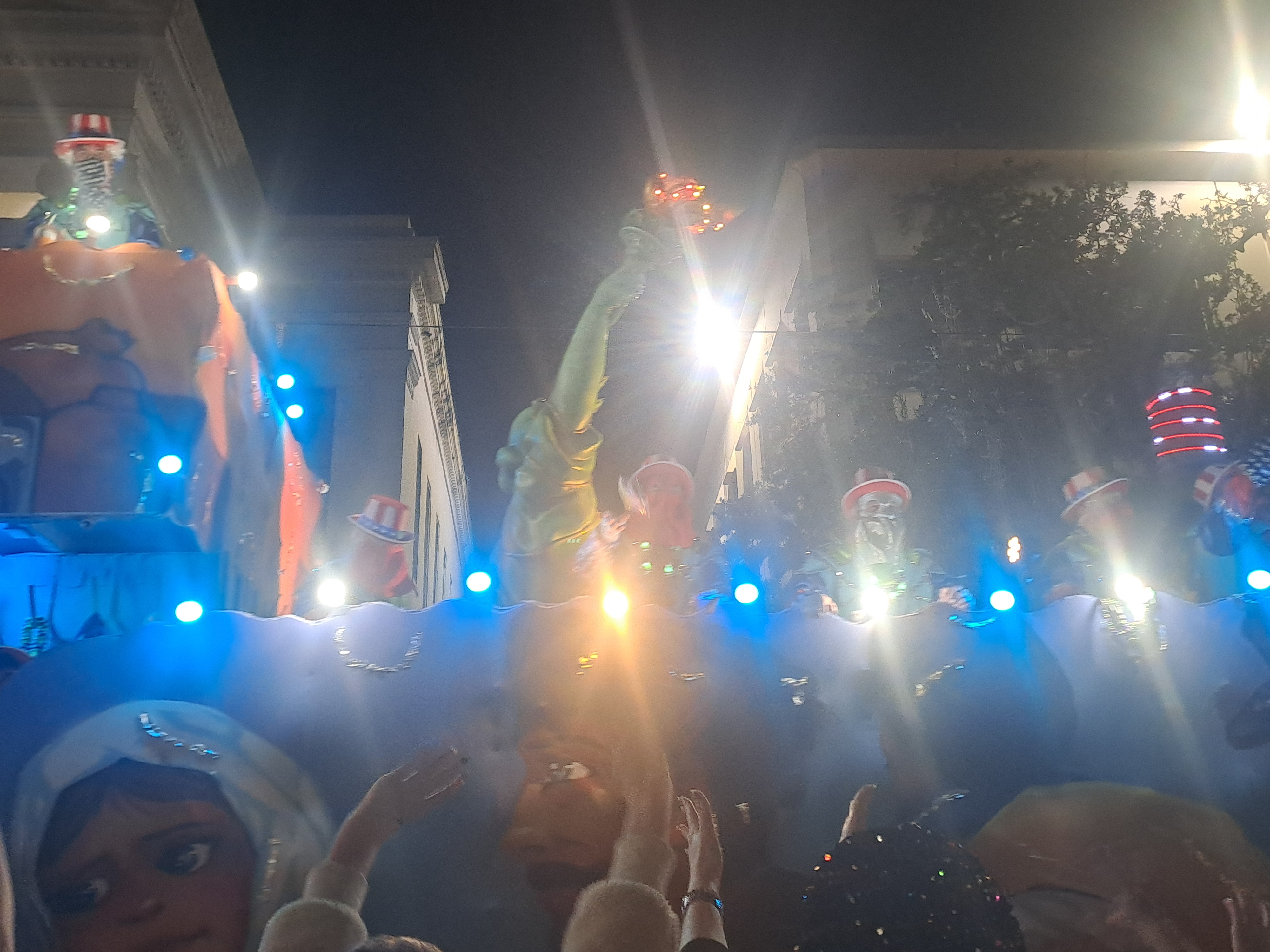
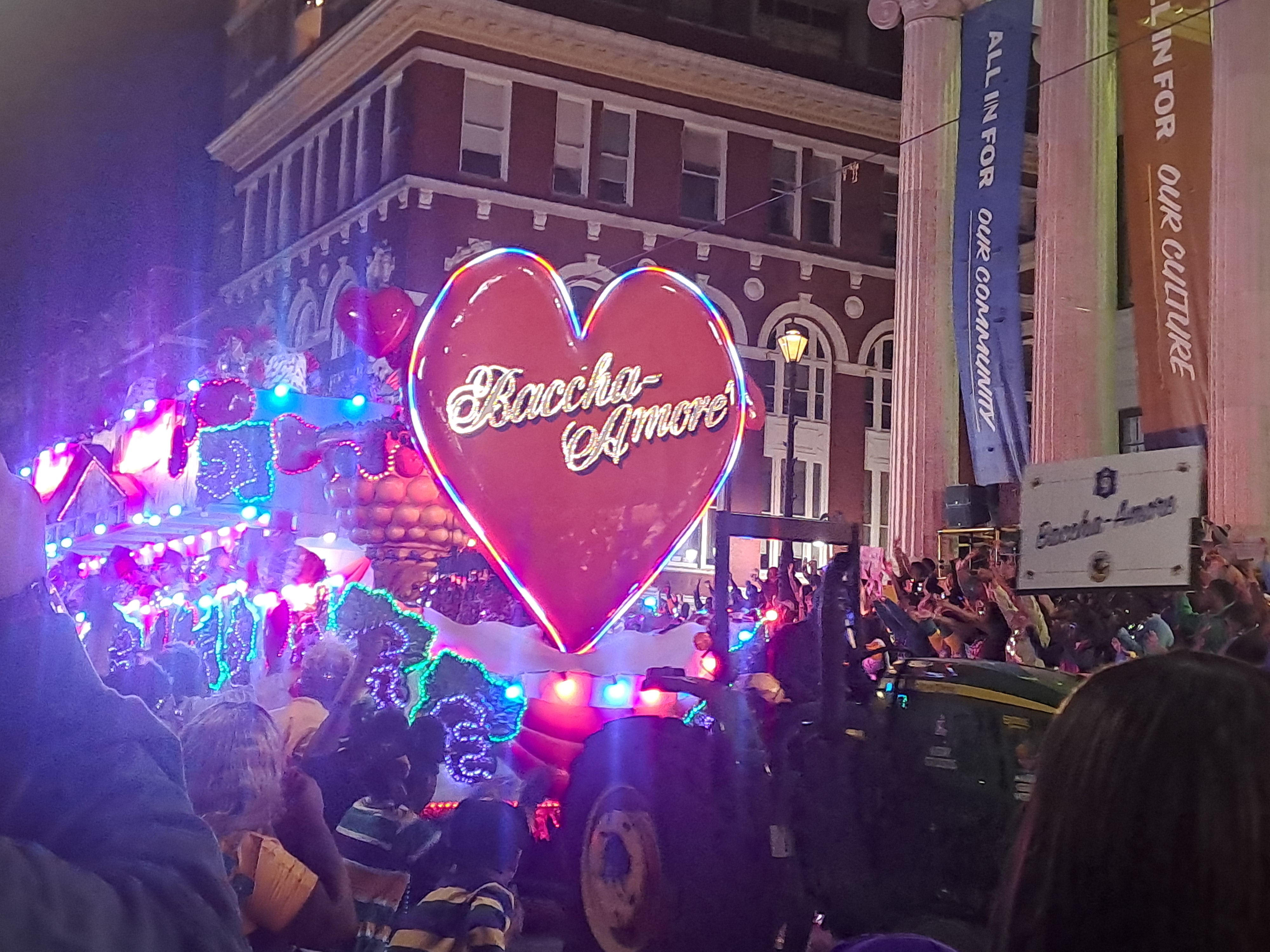
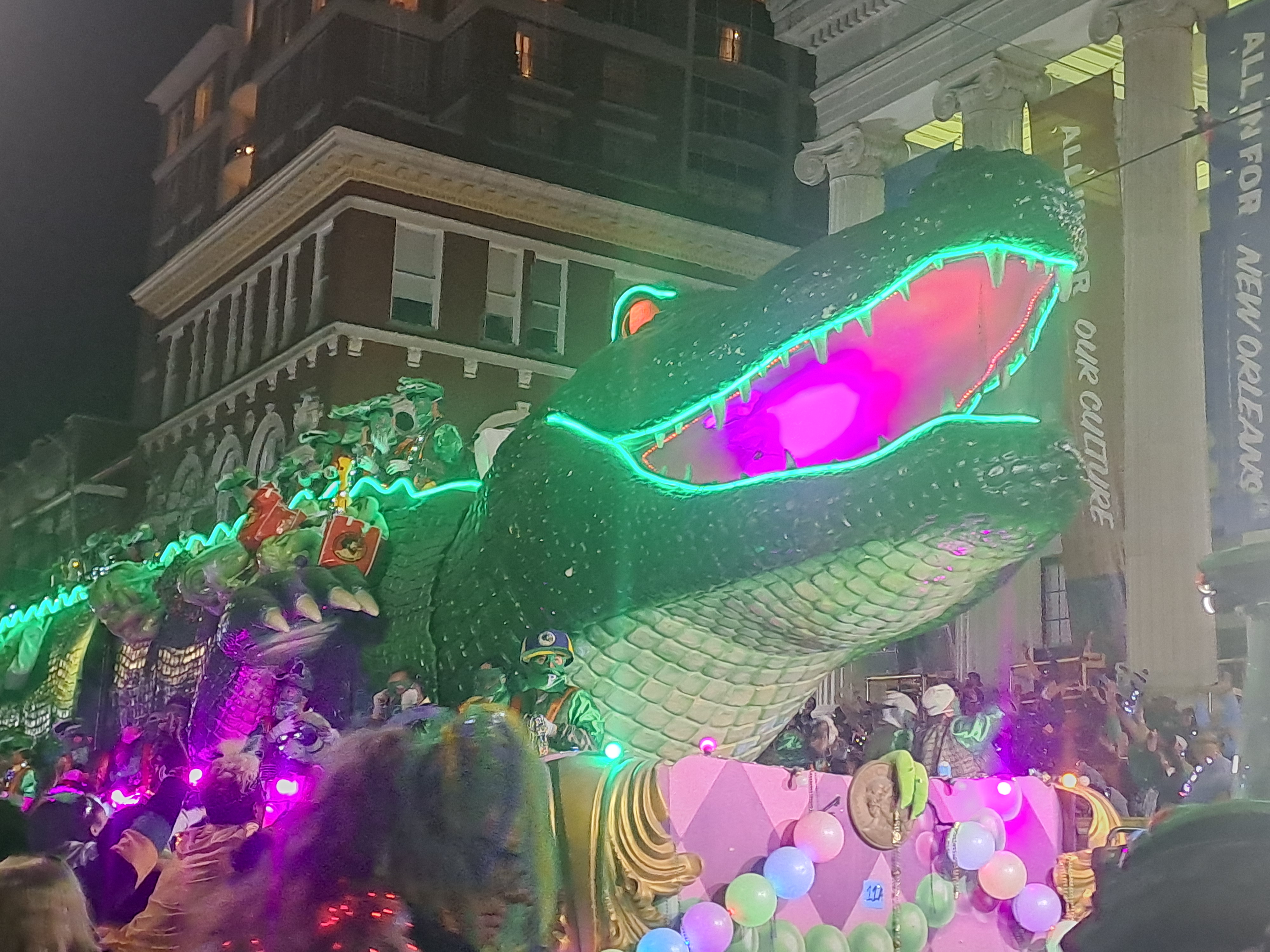
Our first parade was Bachaas. Great floats dedicated to the god of wine, also for the superpower champions, which I finally worked out was football, and a giant crocodile. Each float was two storeys filled with people throwing beads and trinkets.
It was an exciting event but I’m not sure the floats were up to Bridgwater standard!
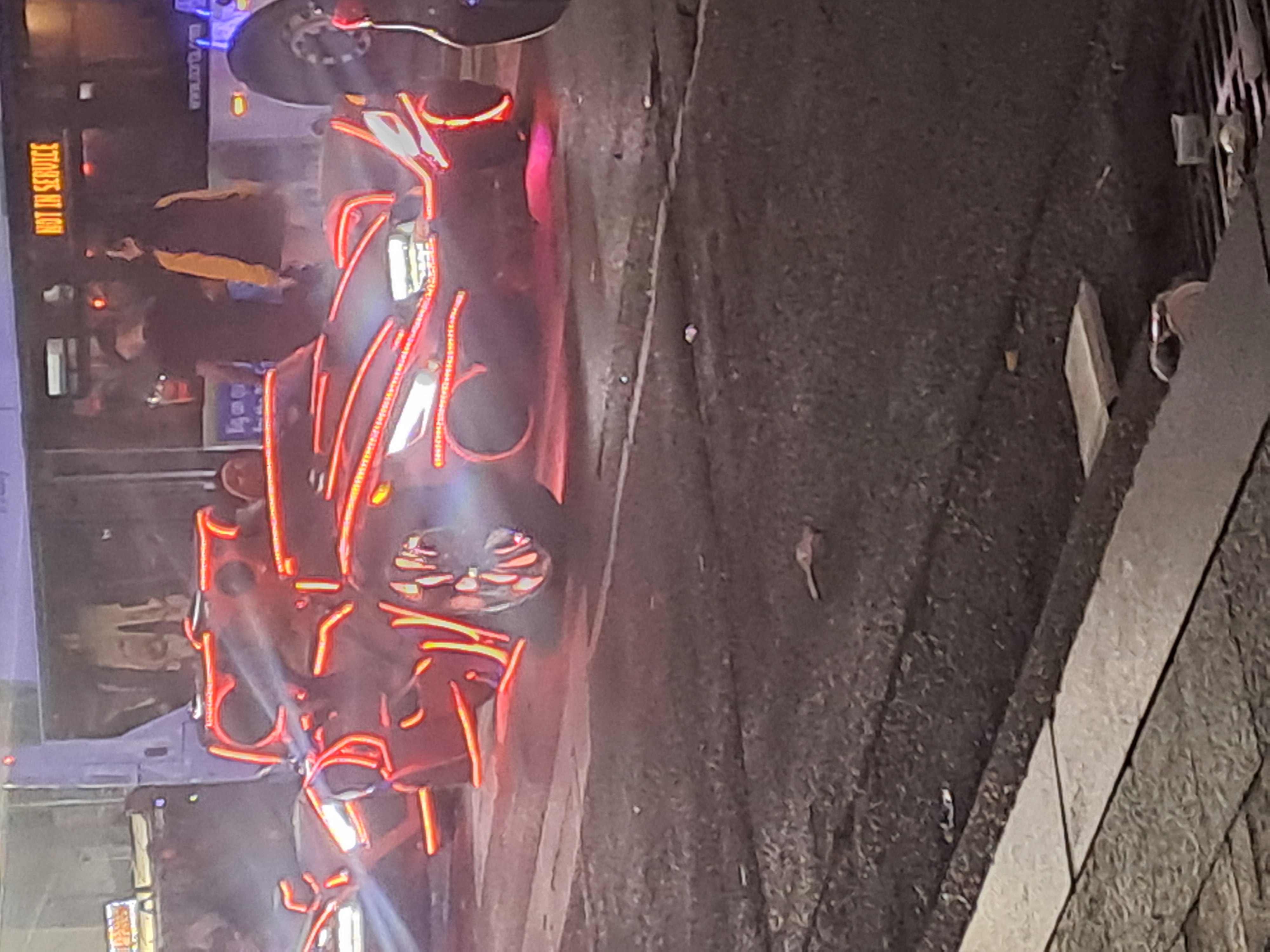
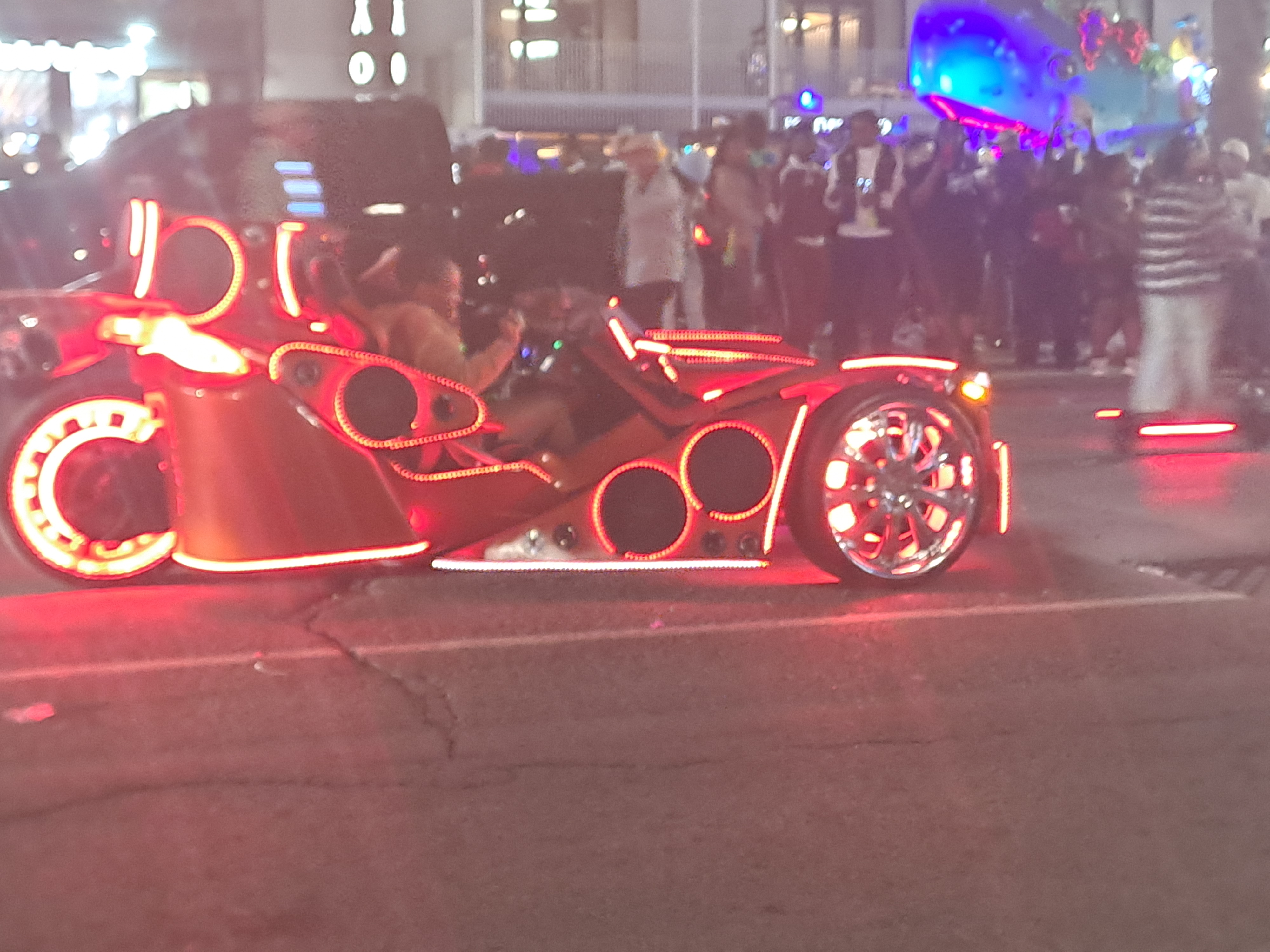
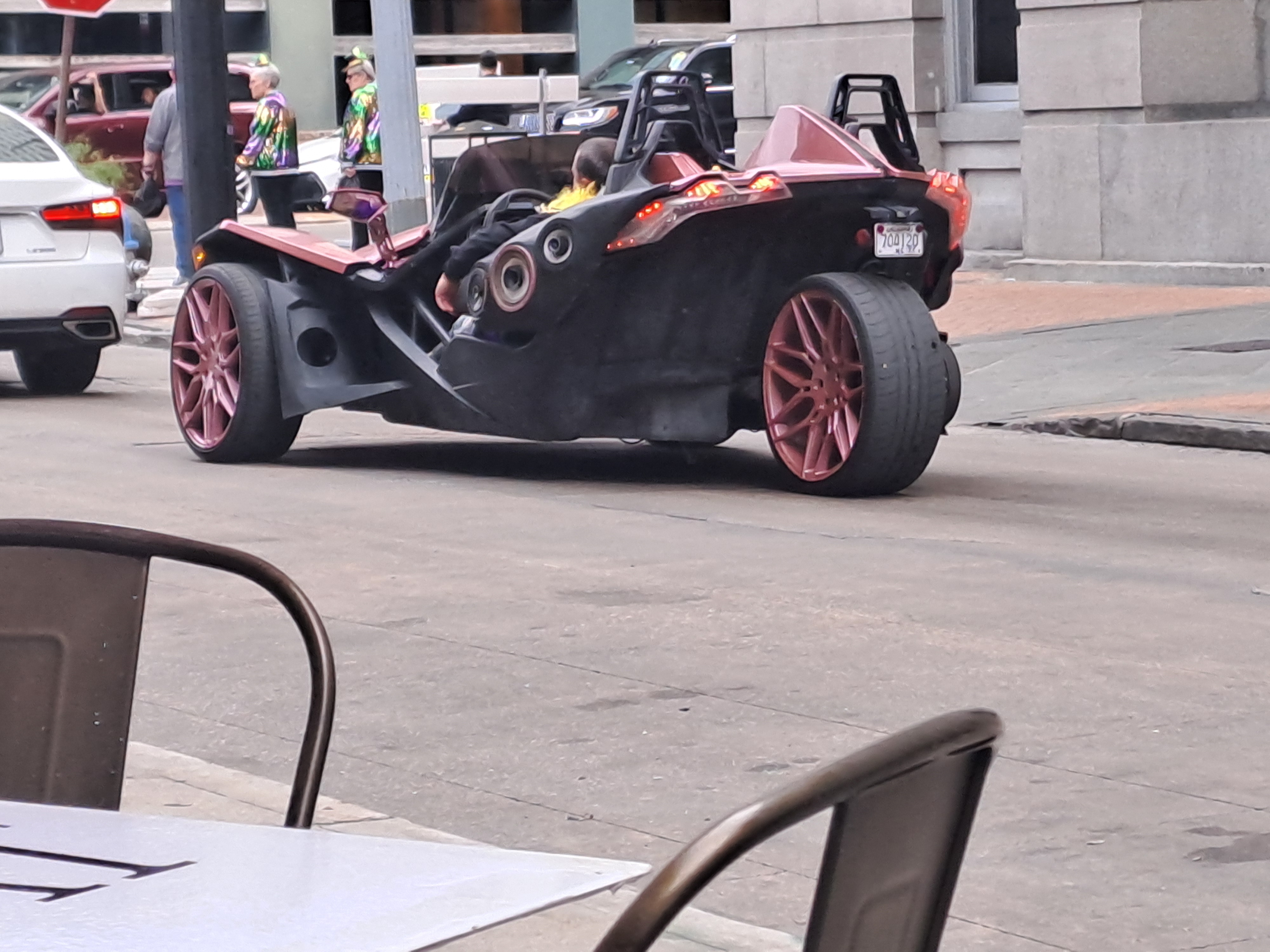
On the way back we saw lit up dune buggies with music blasting out and went through crowds and crowds of people.
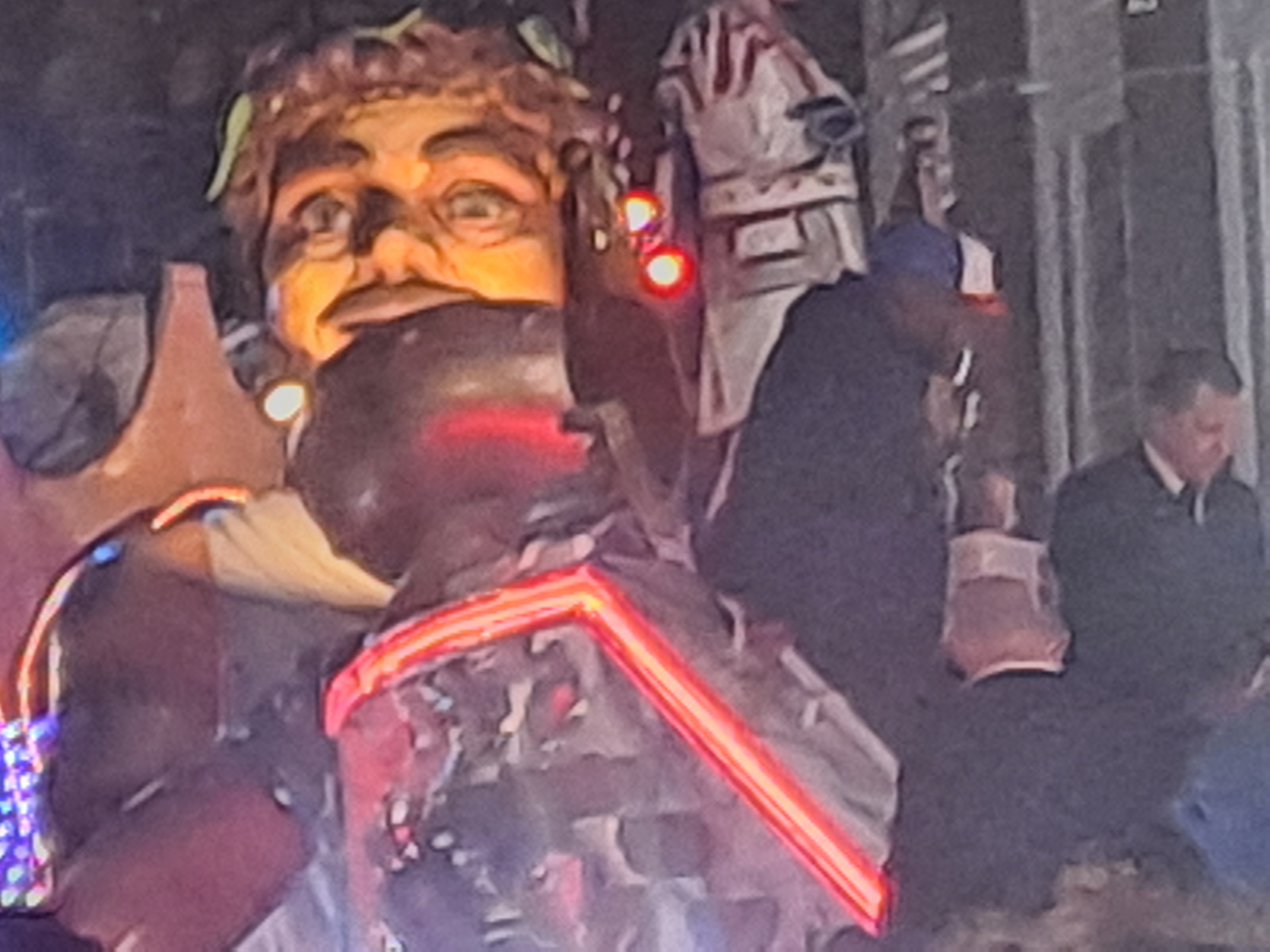

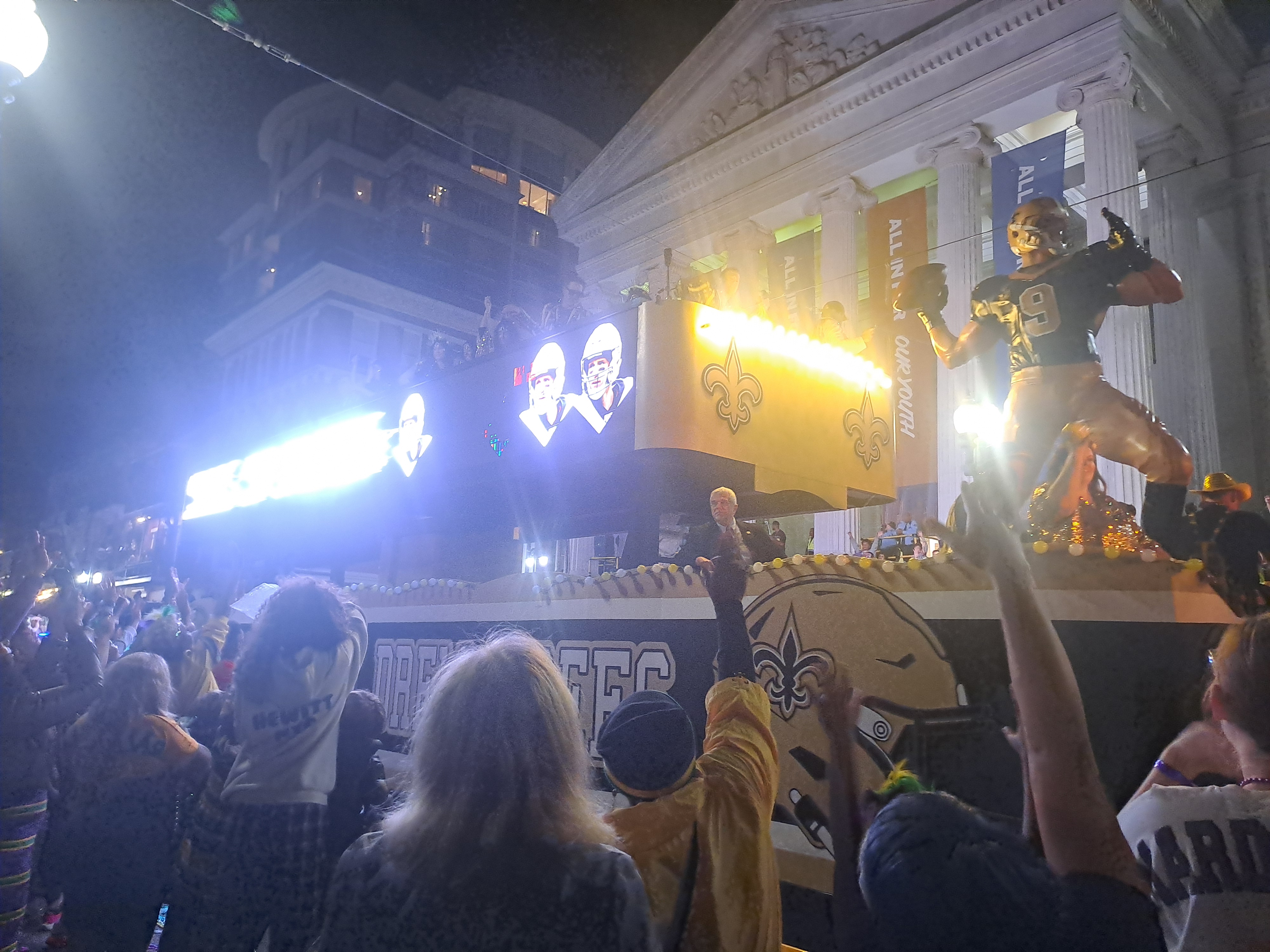
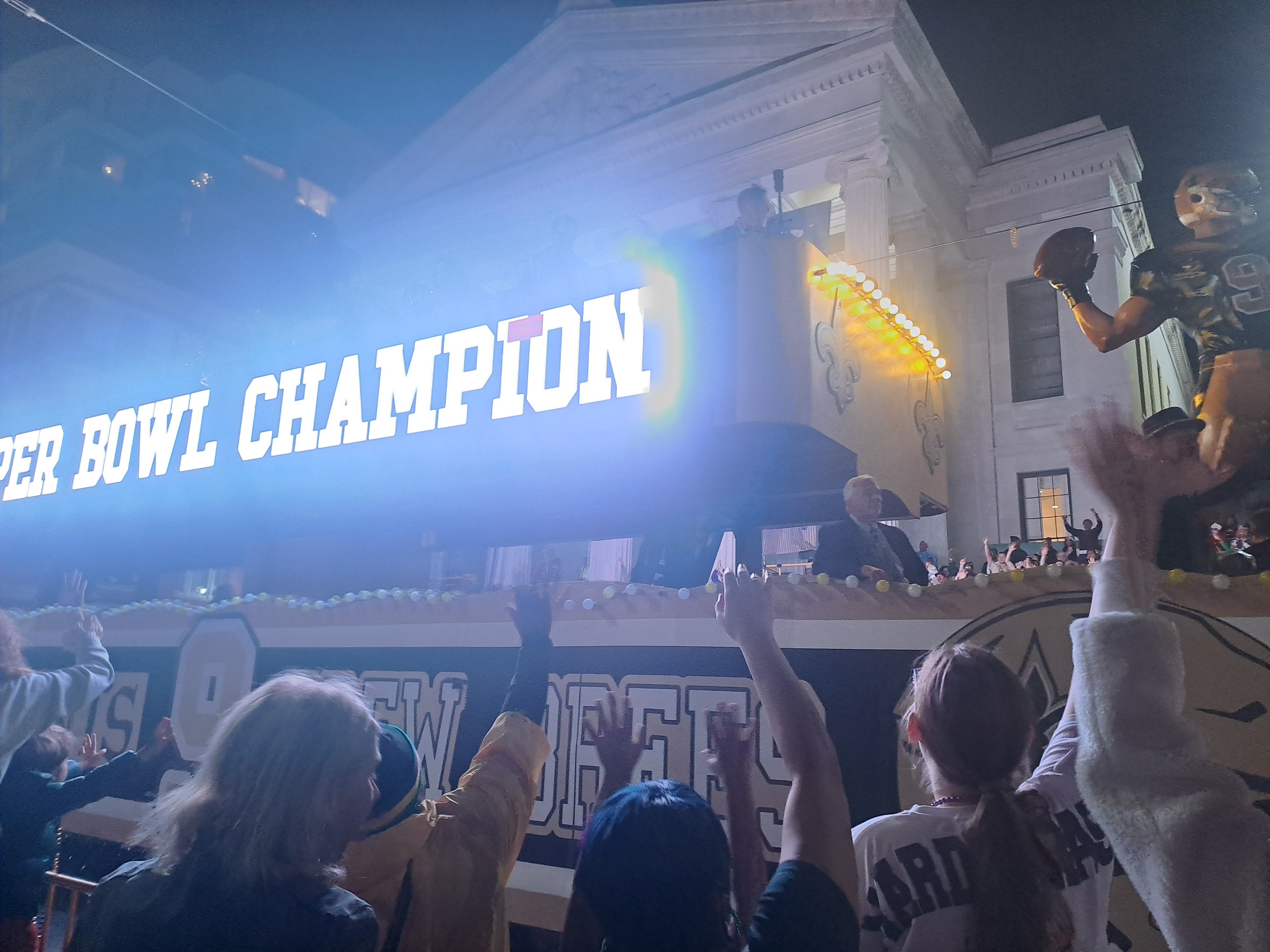
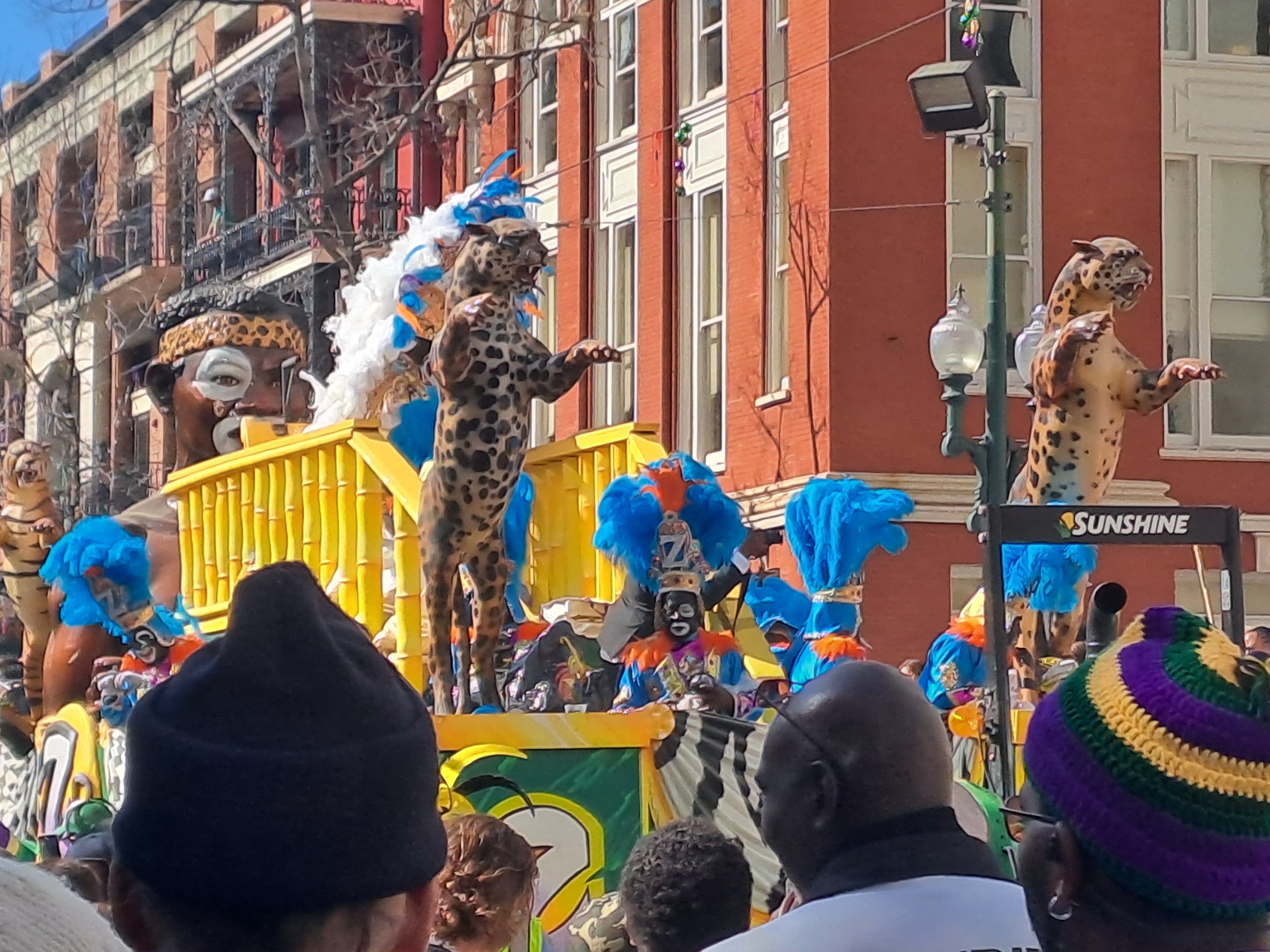
We had booked for the Zulu and Rex parades on the last day, had to be there by 8am. We wondered what the local enthusiasm would be given that there was a lot of late night activity. However as we left early to walk to the grandstands we realised we were the late ones. The Zulu parade finished near our campground and things were already busy. Families had set up chairs cooler boxes etc. along the route. Food stands were doing a roaring trade The parade wouldn’t reach here until about lunchtime.
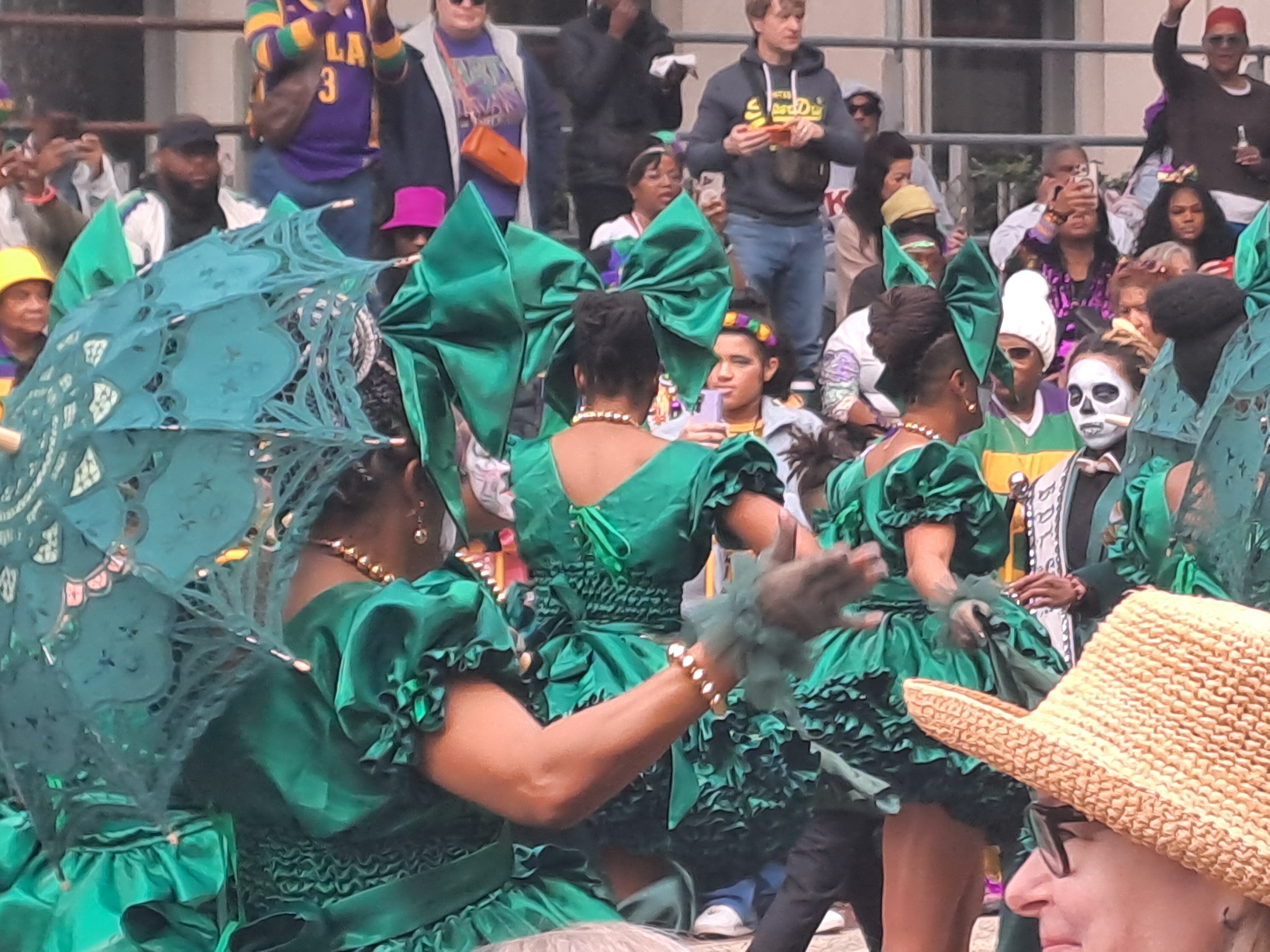
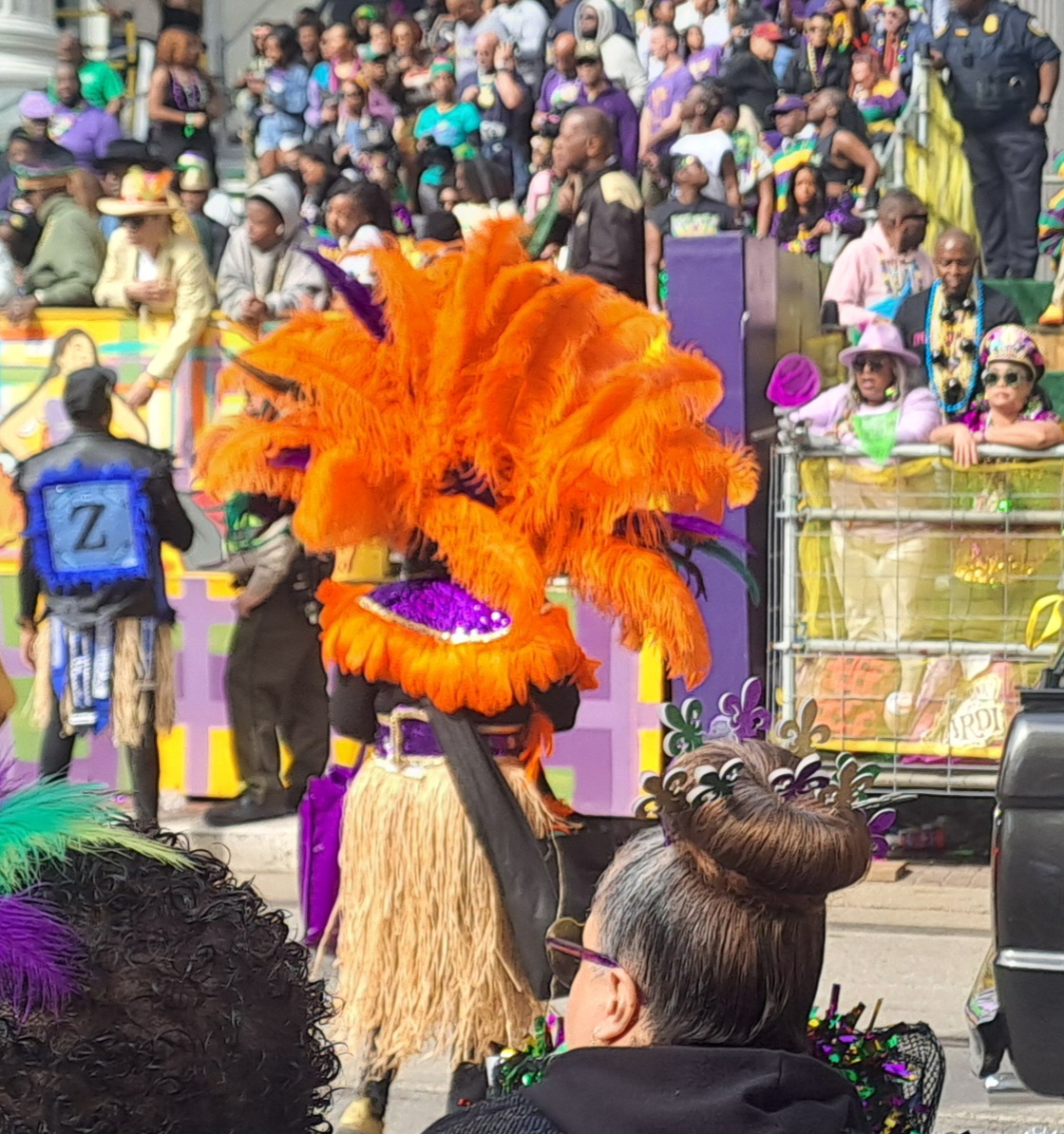
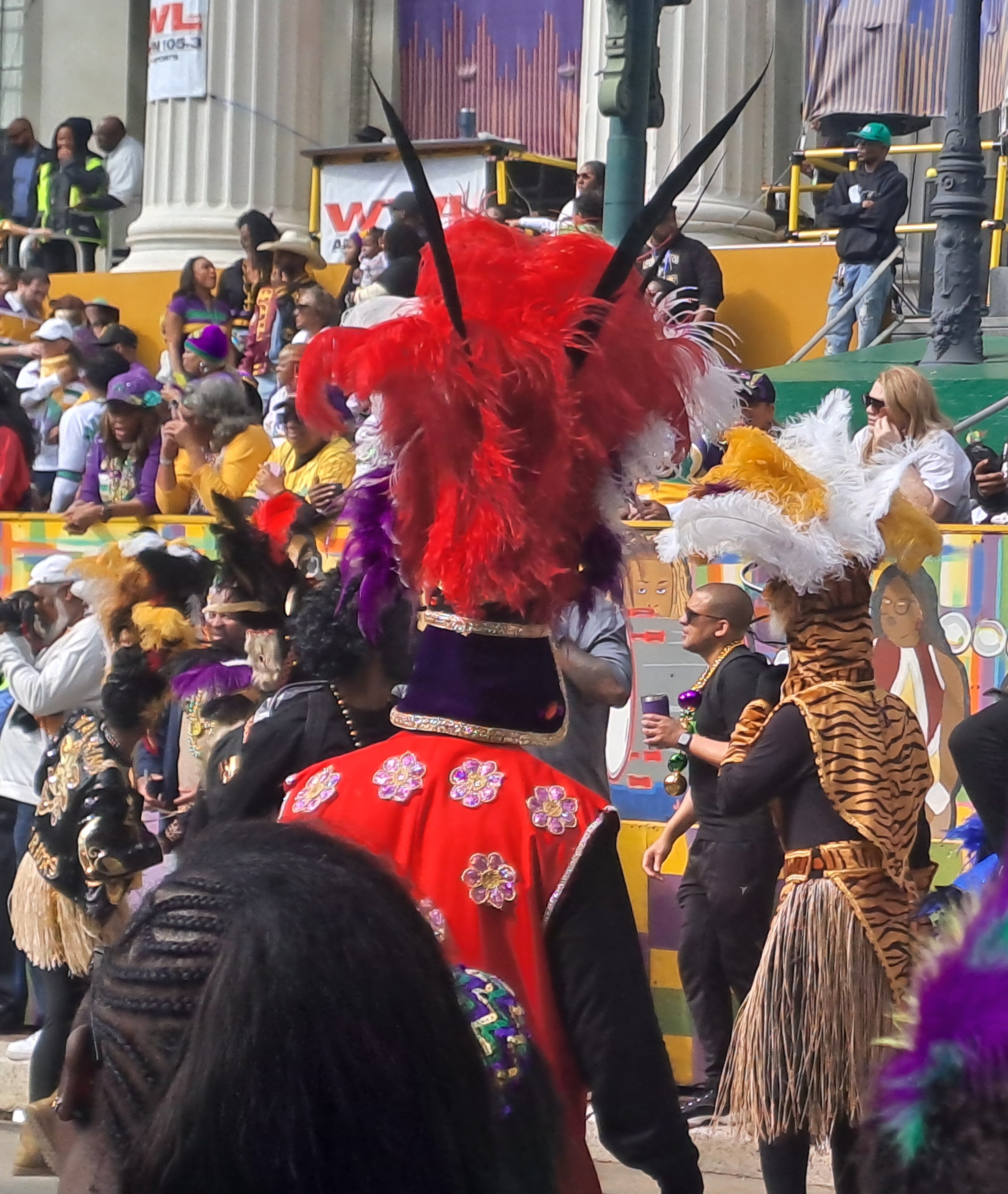
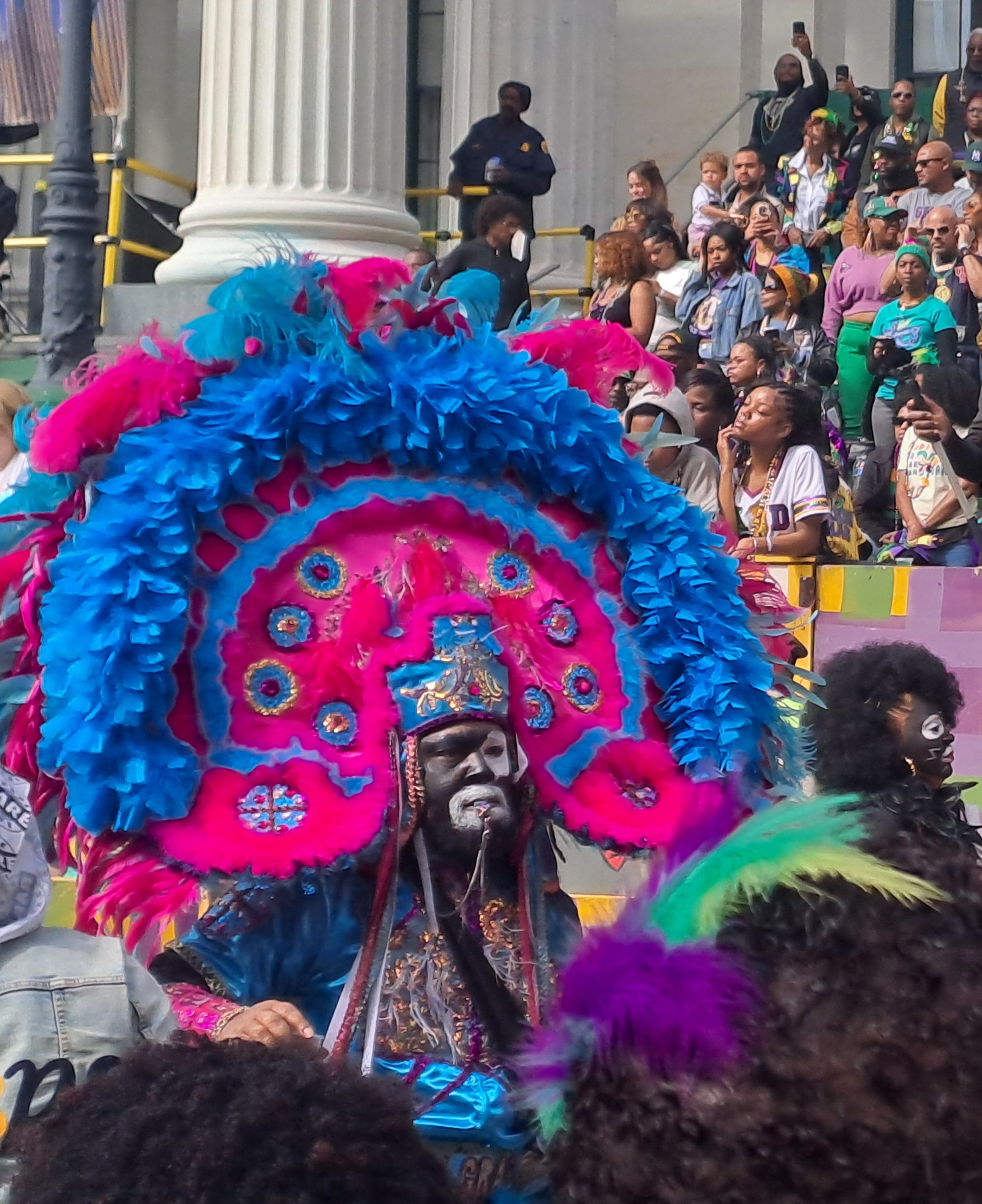
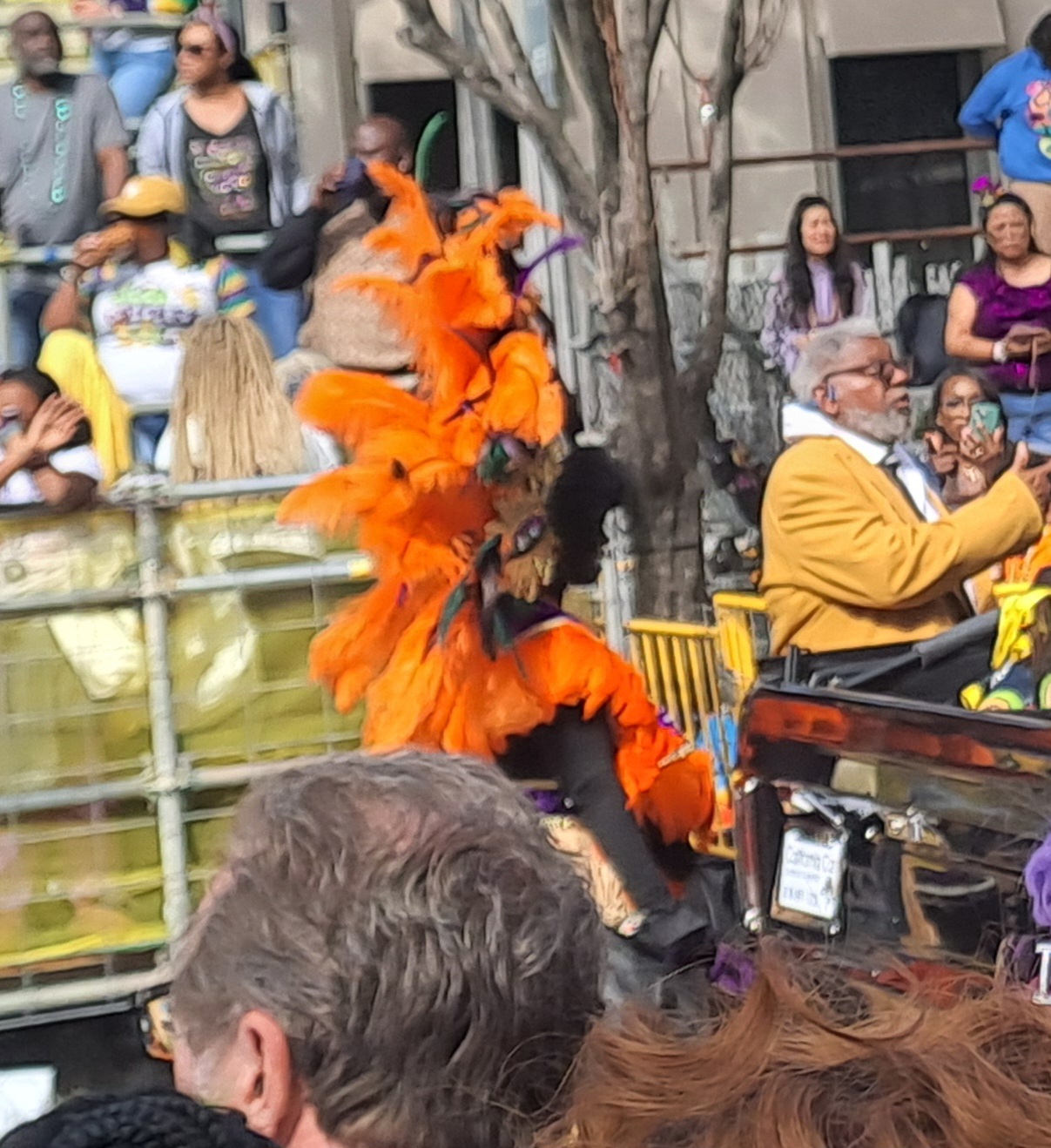
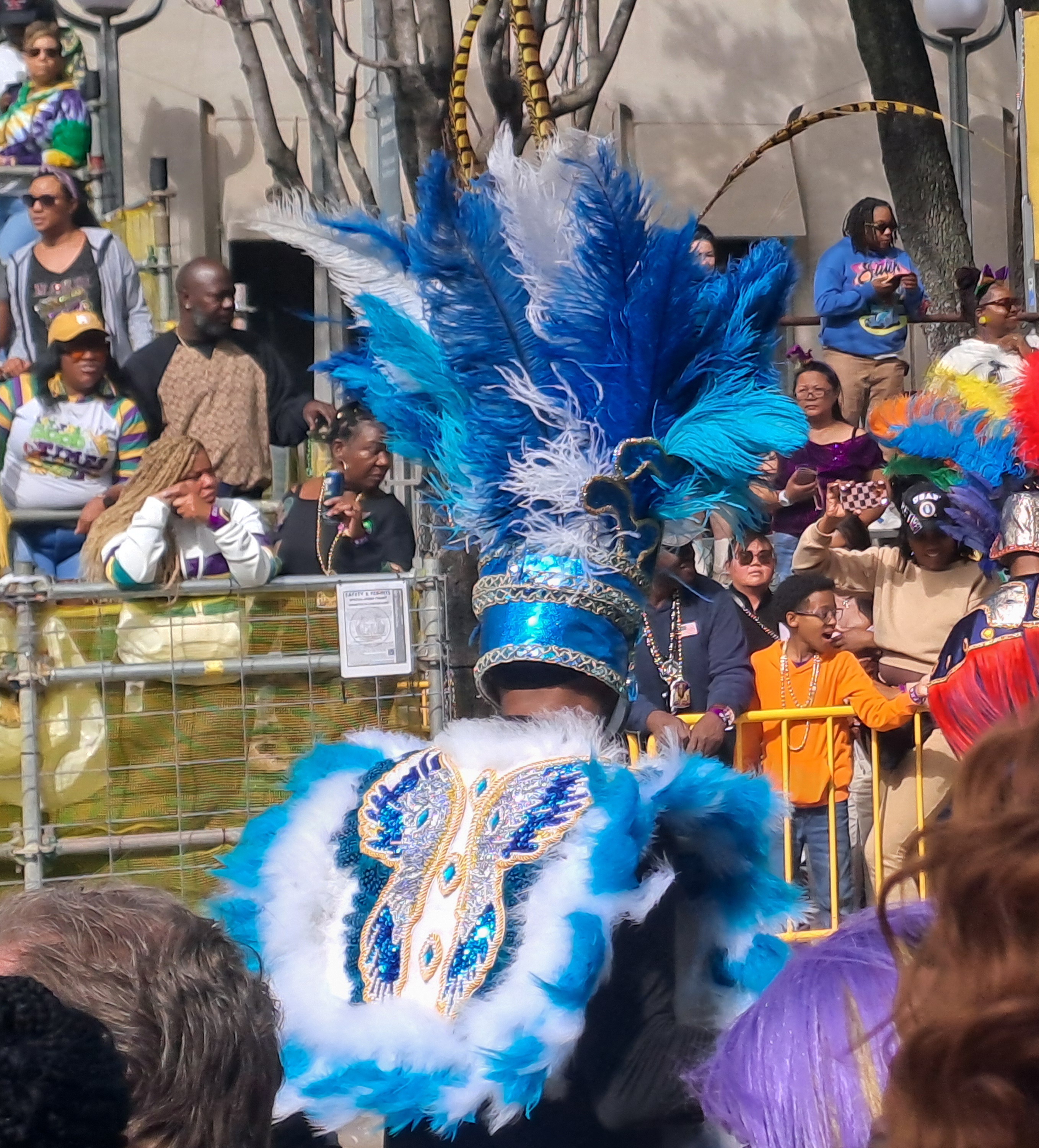
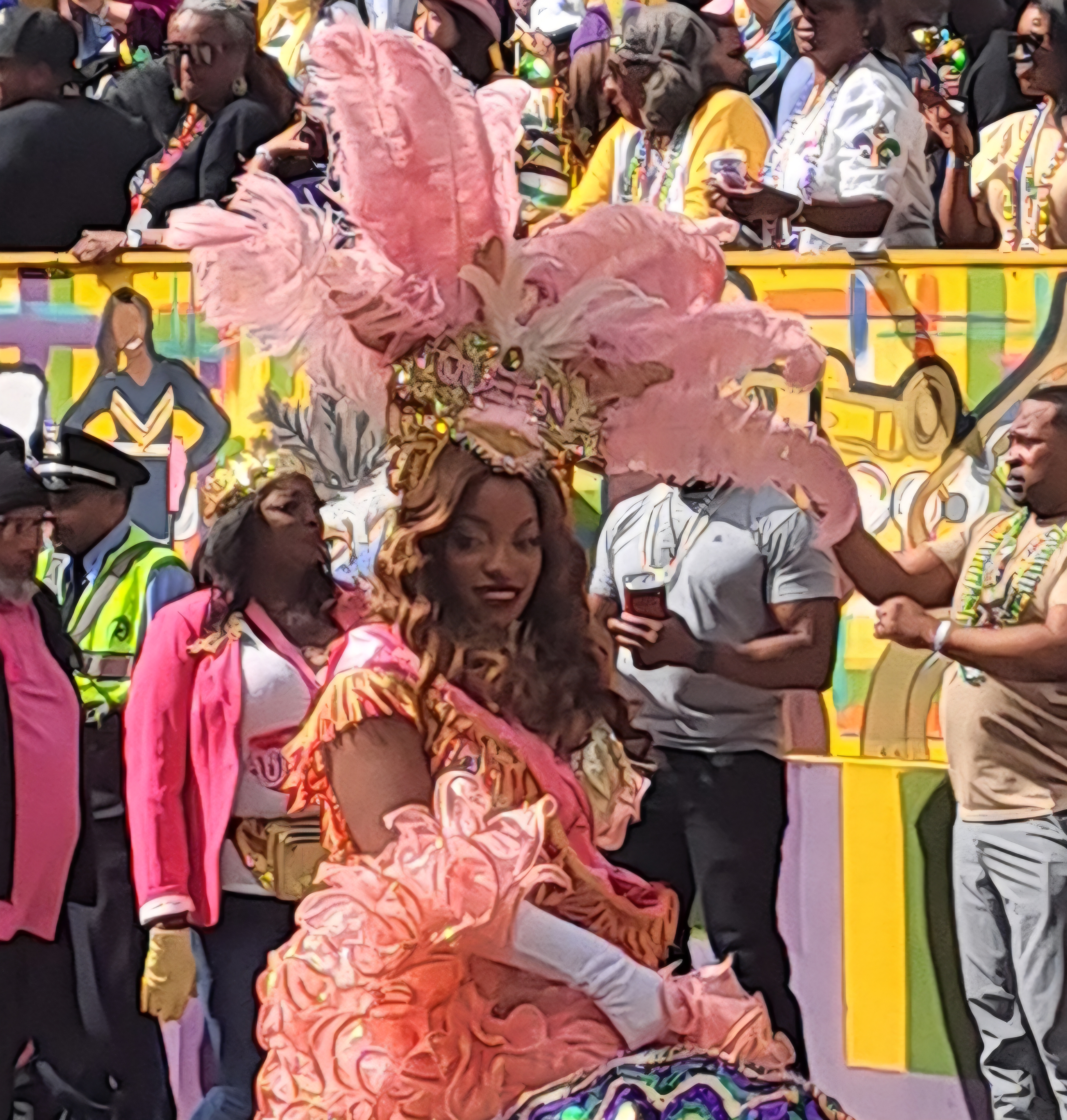
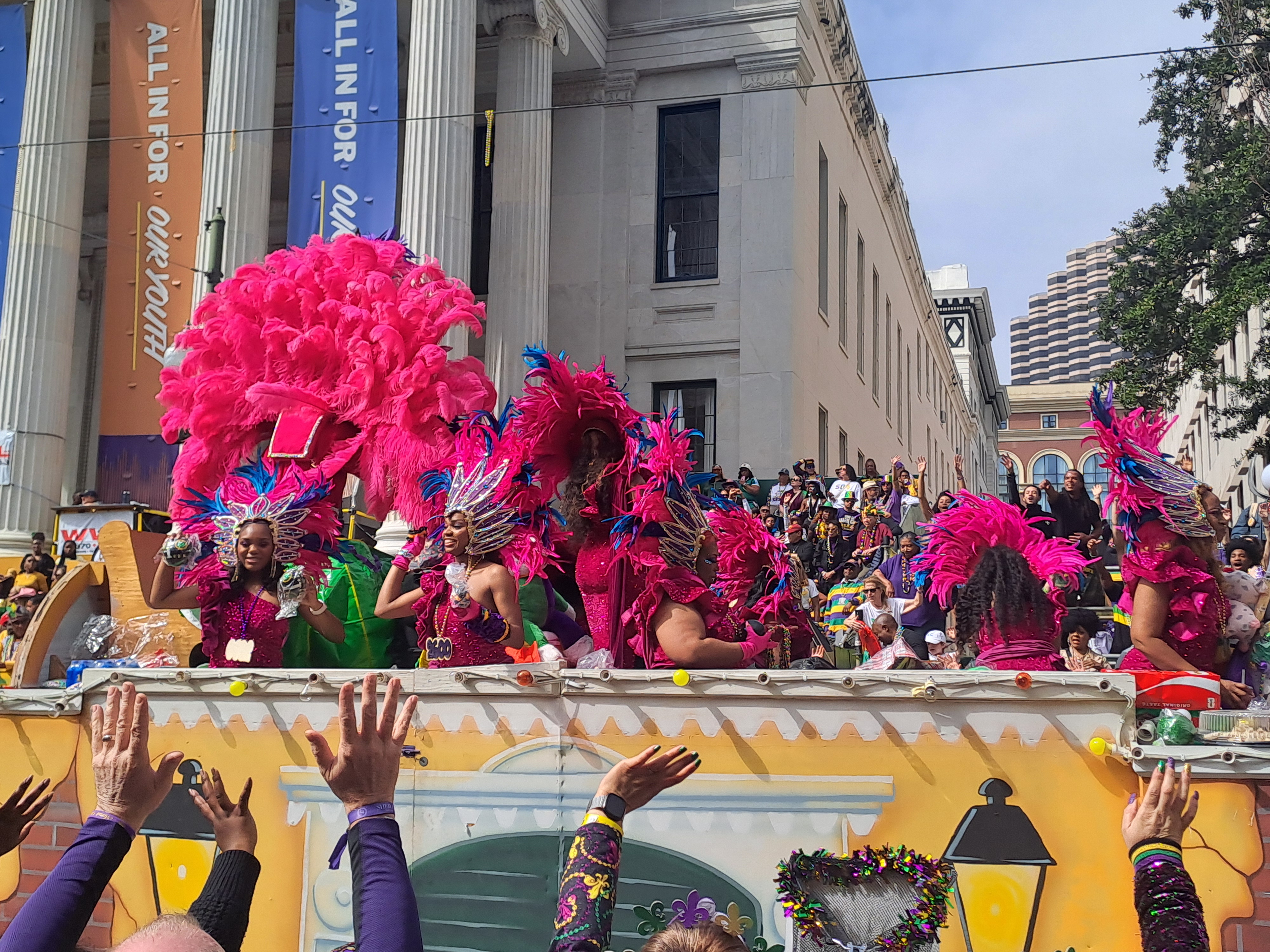
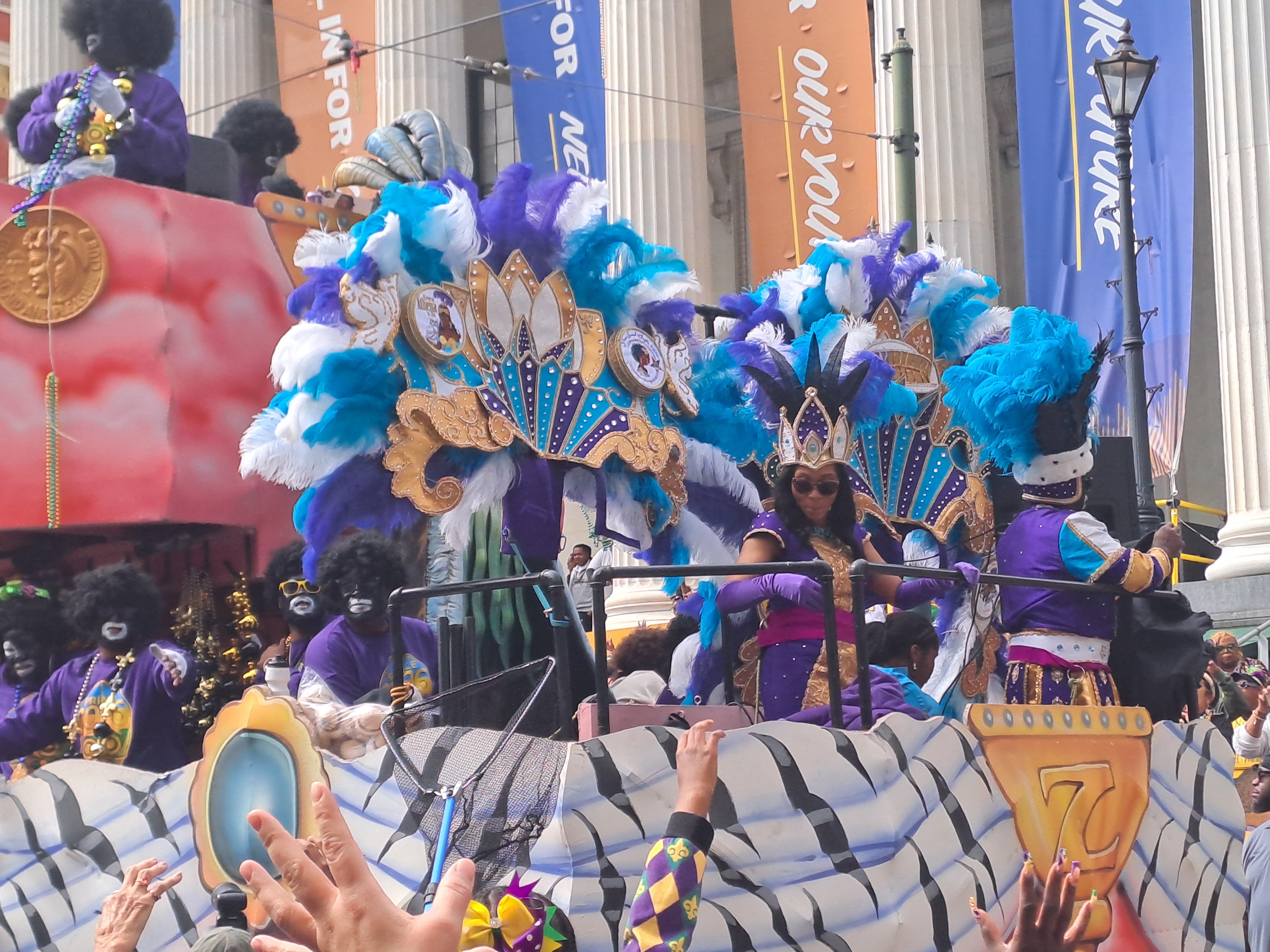
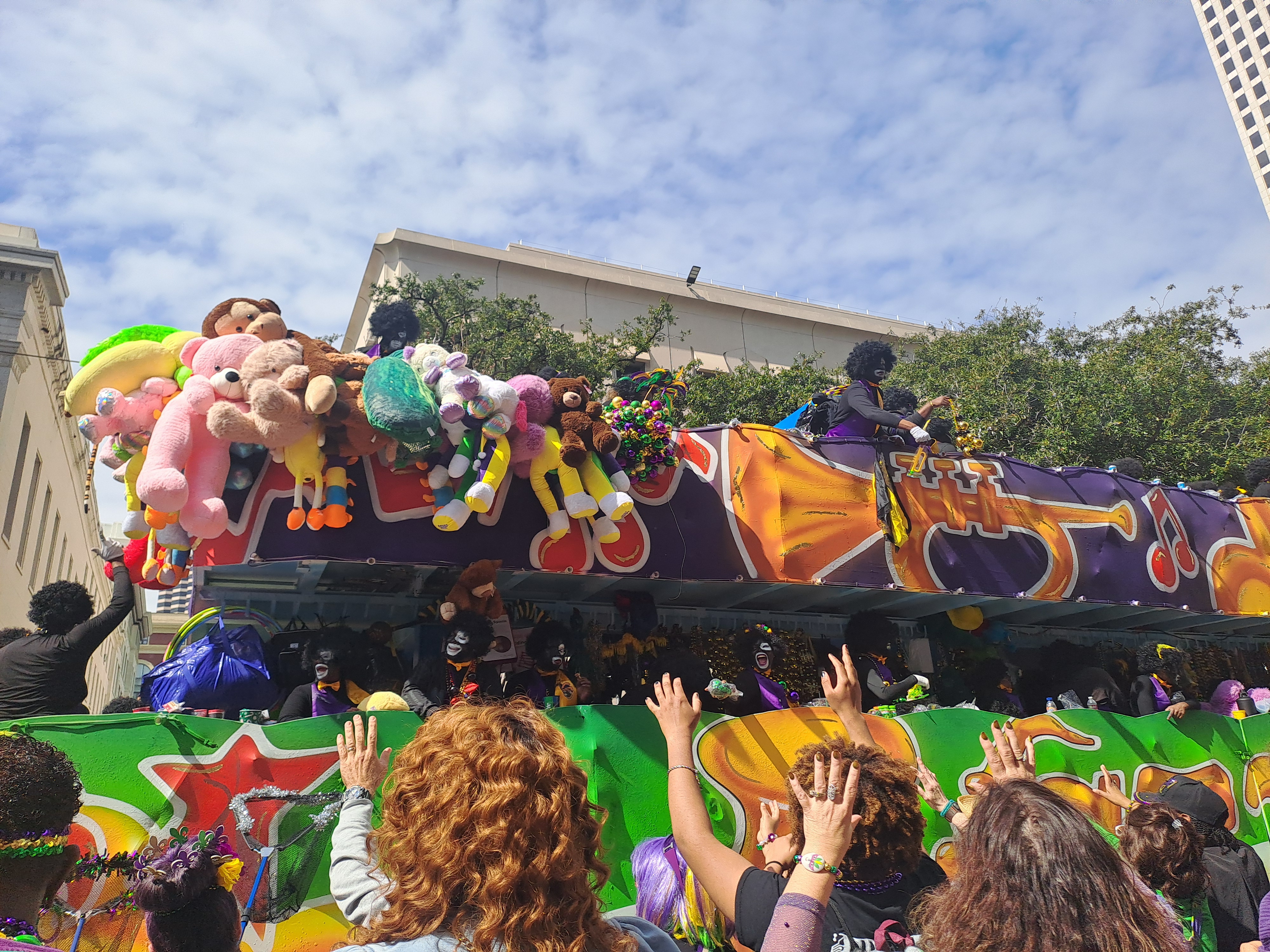
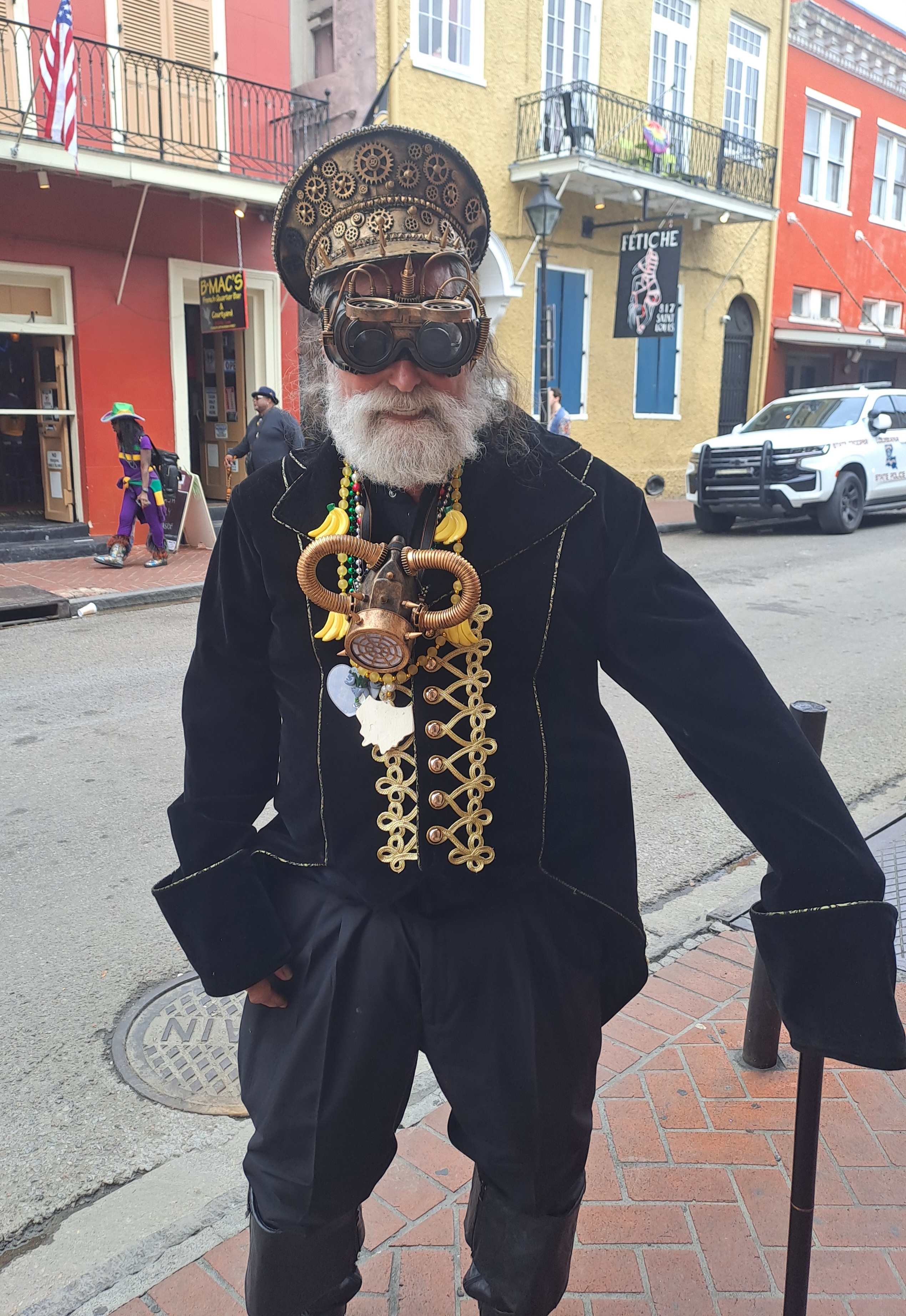
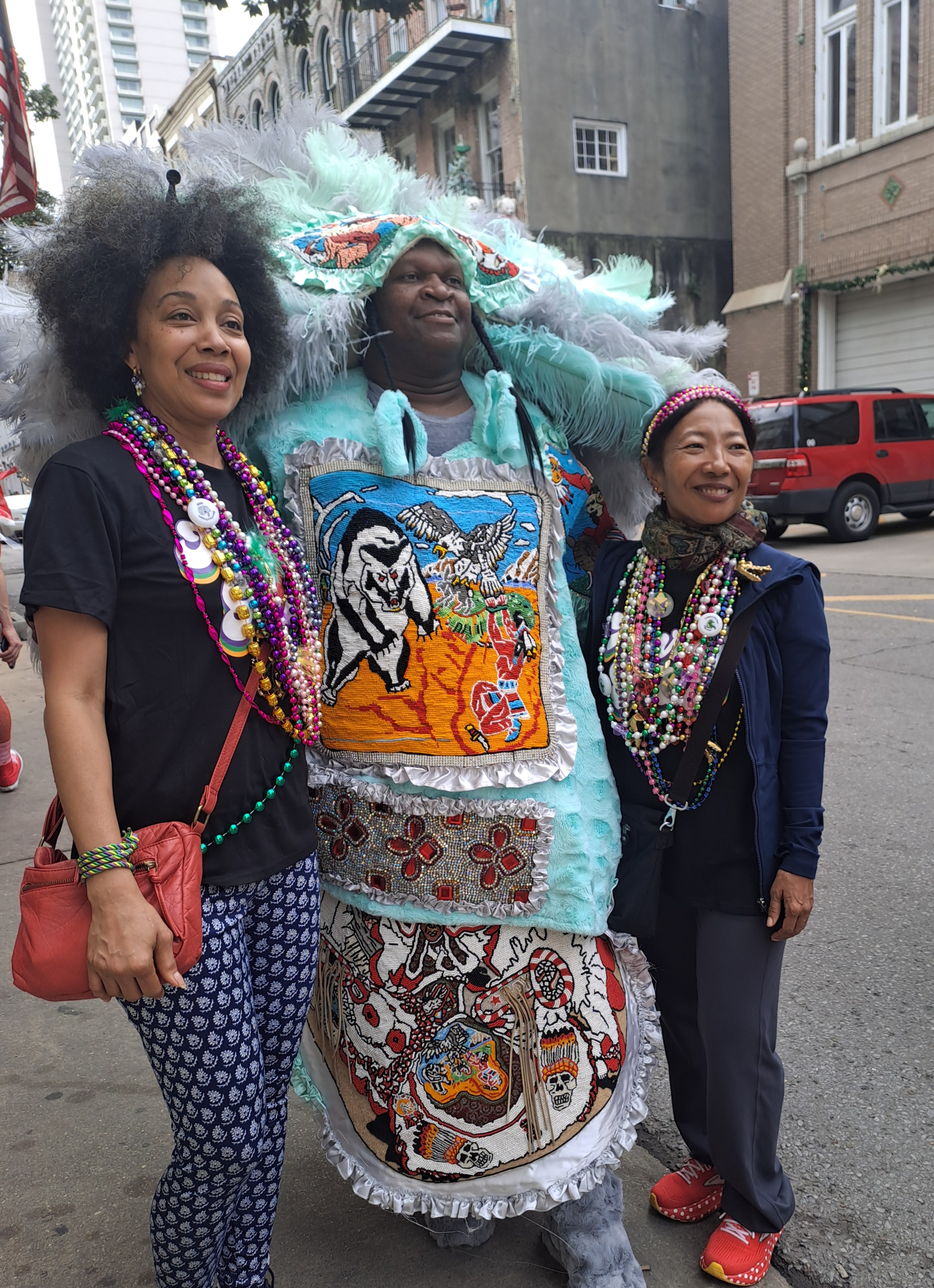
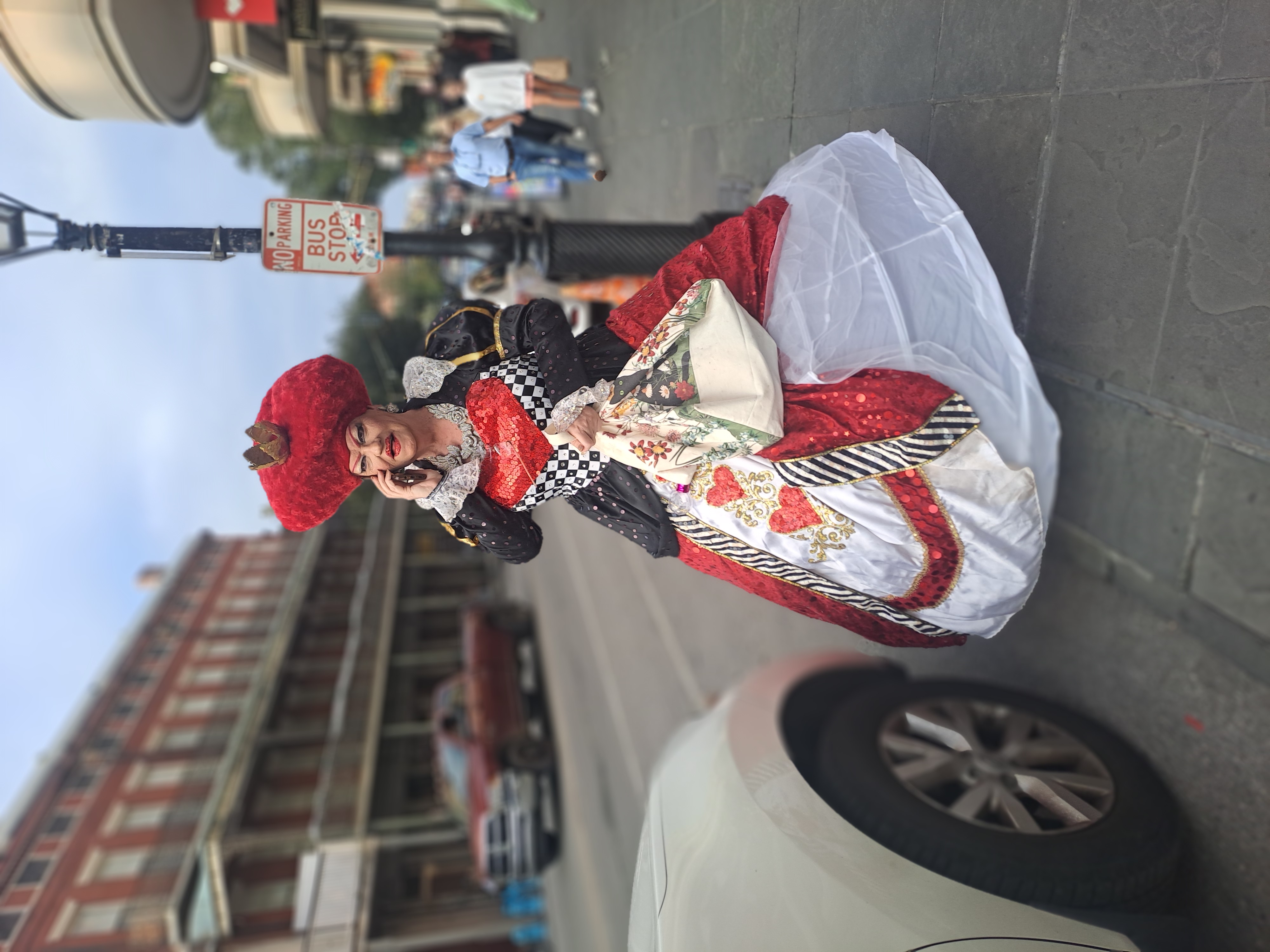
It wasn’t just the parades that were on display. There were many people dressed up for the occasion. Most in the mardi gras colours and many very glittery.


Next onto the blues trail and the civil rights trail.