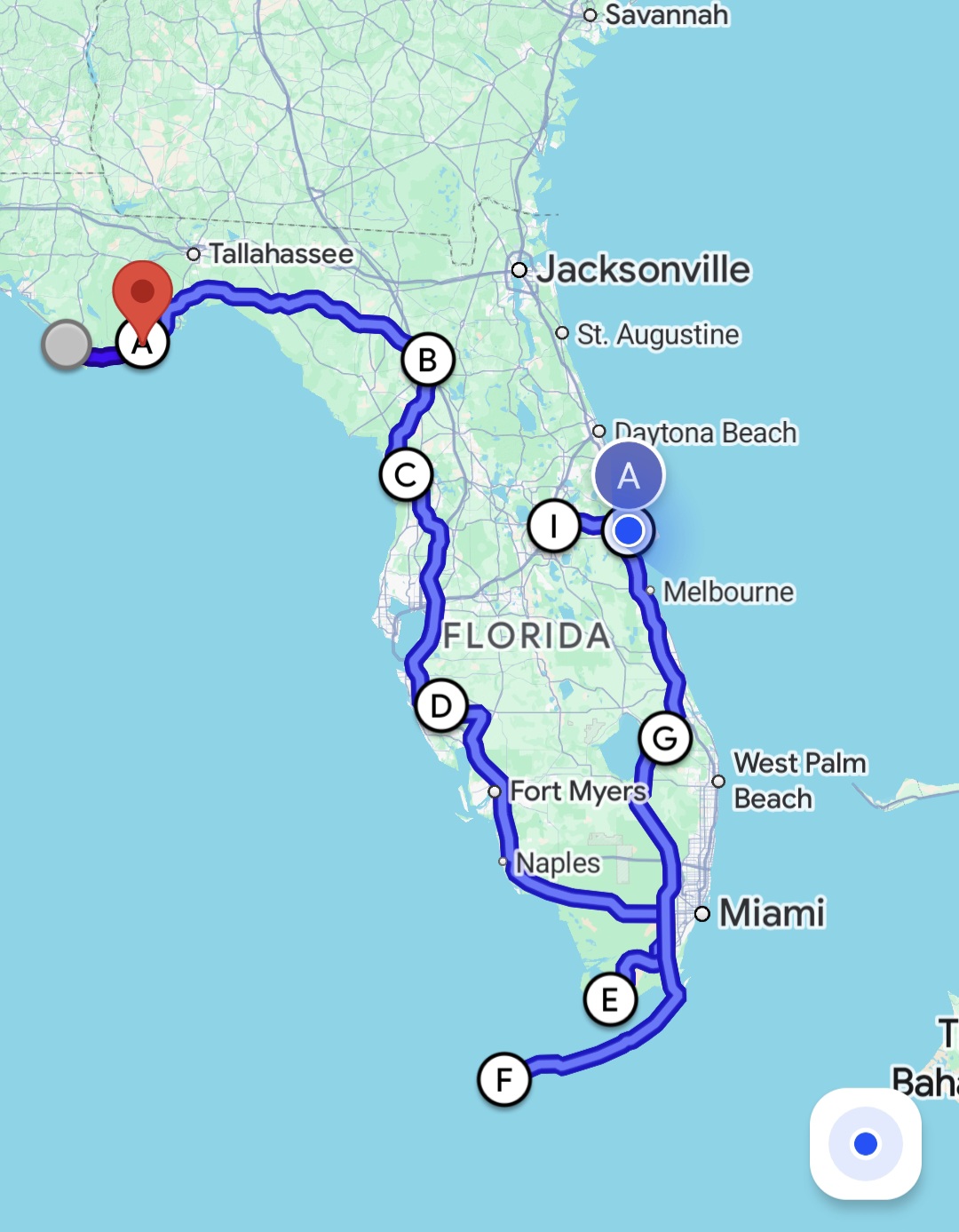
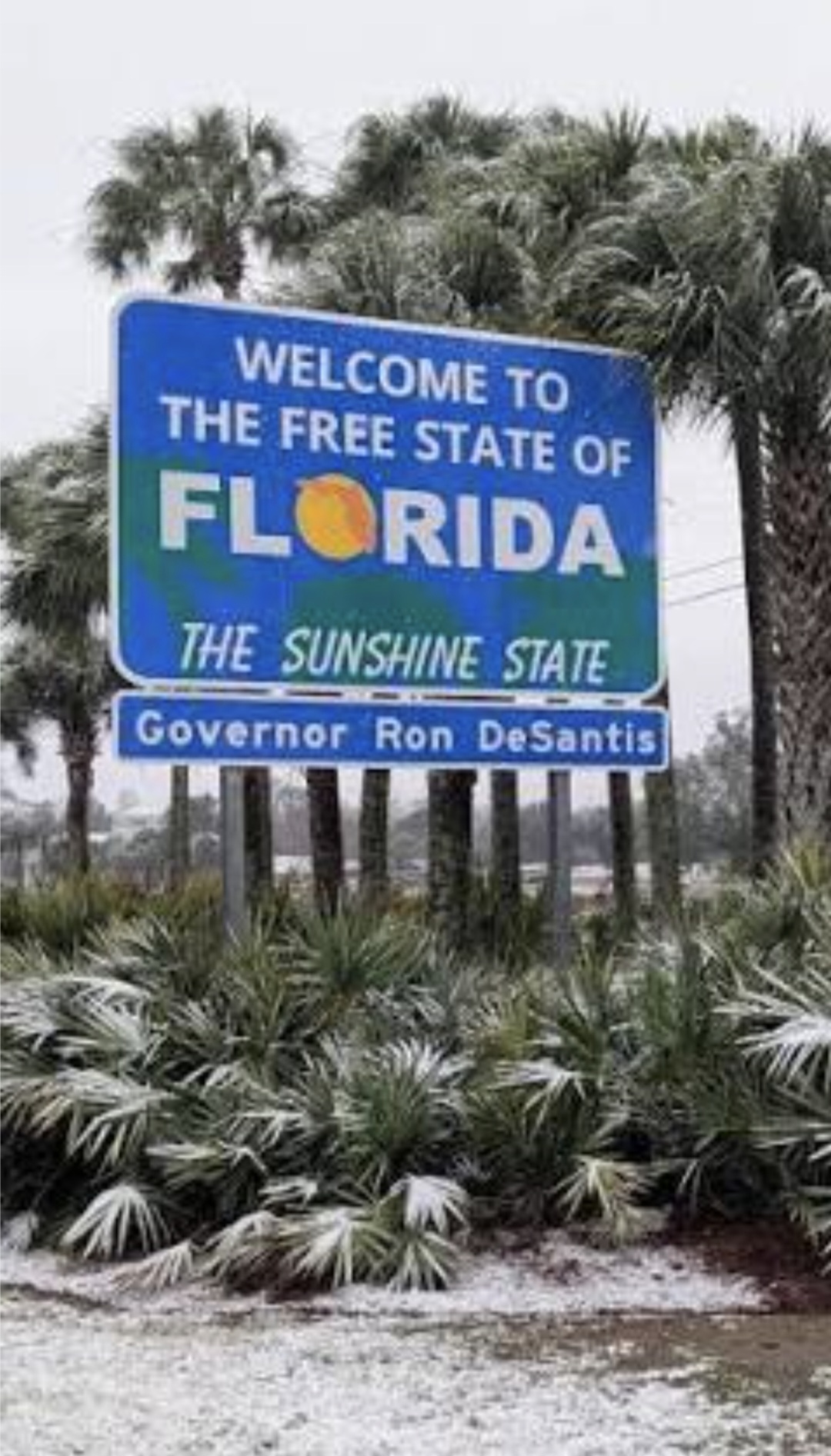
We entered the Sunshine State in the pouring rain! It wasn’t living up to its name. However, by the time we got to our campsite next to the sea, the sun had come out and it was finally warming up.
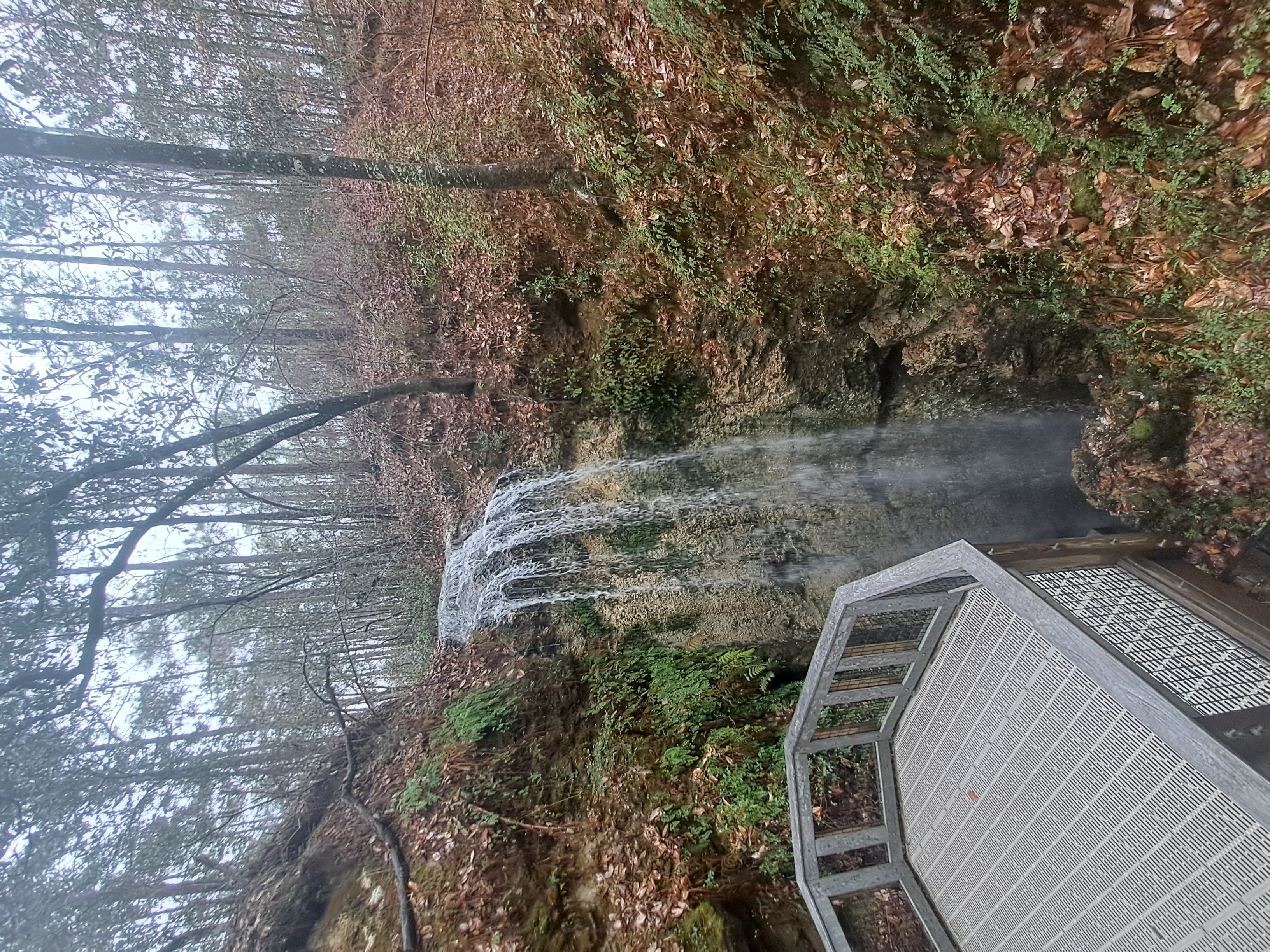
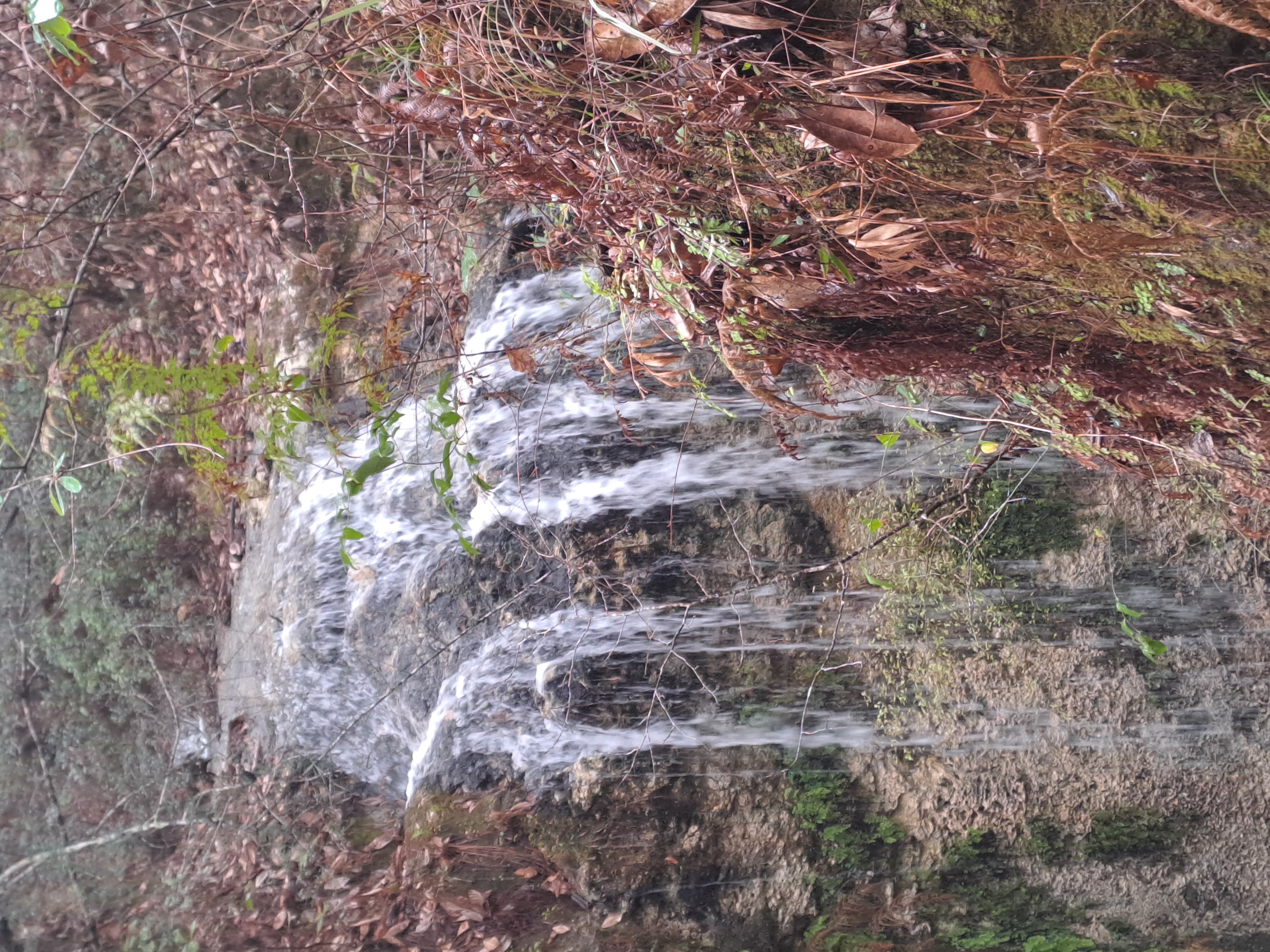
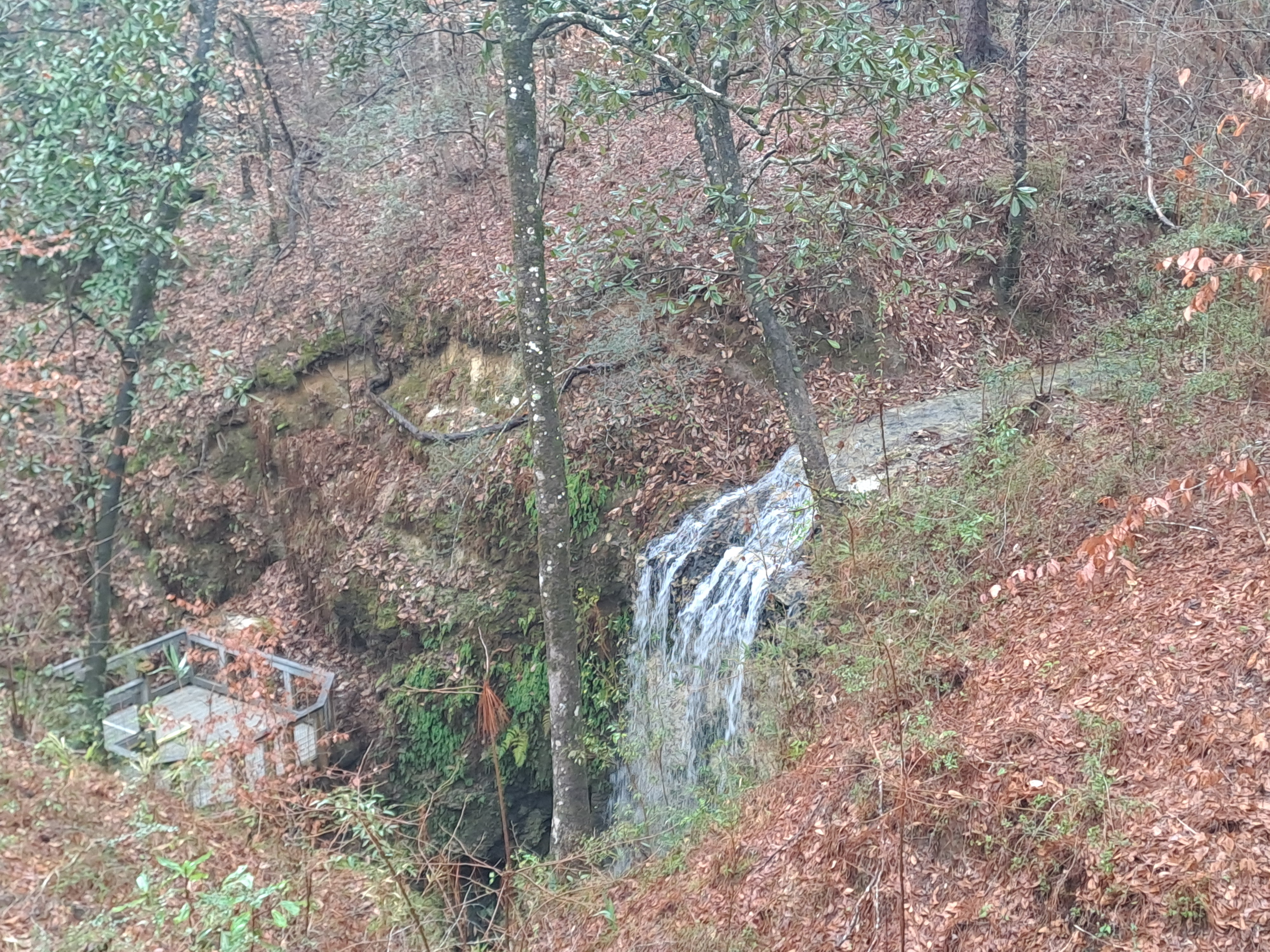
We stopped along the way for lunch and to view a sink hole. Florida has lots of these and this one’s claim to fame was a waterfall pouring in.
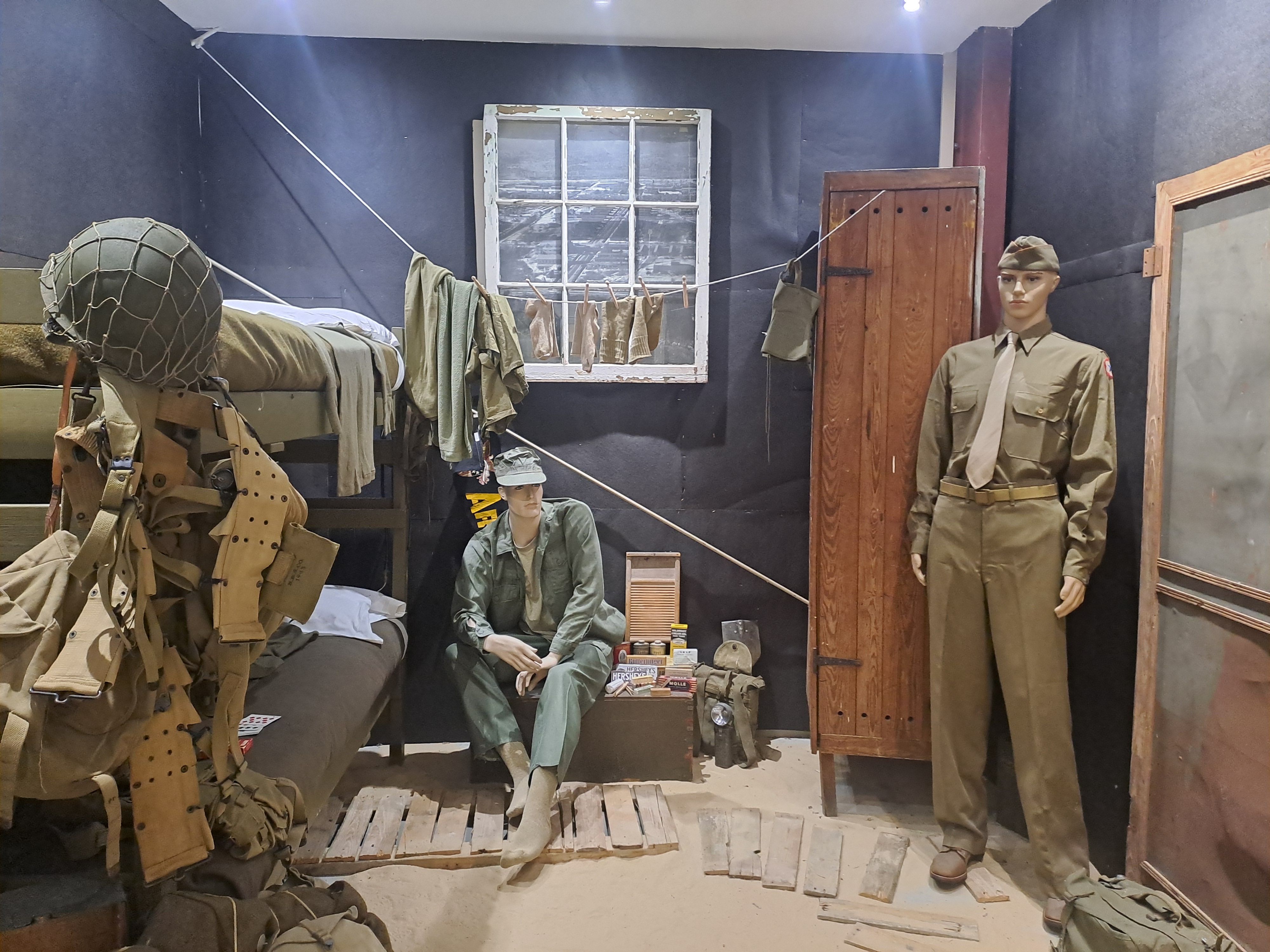
We also popped into a world war ll museum.
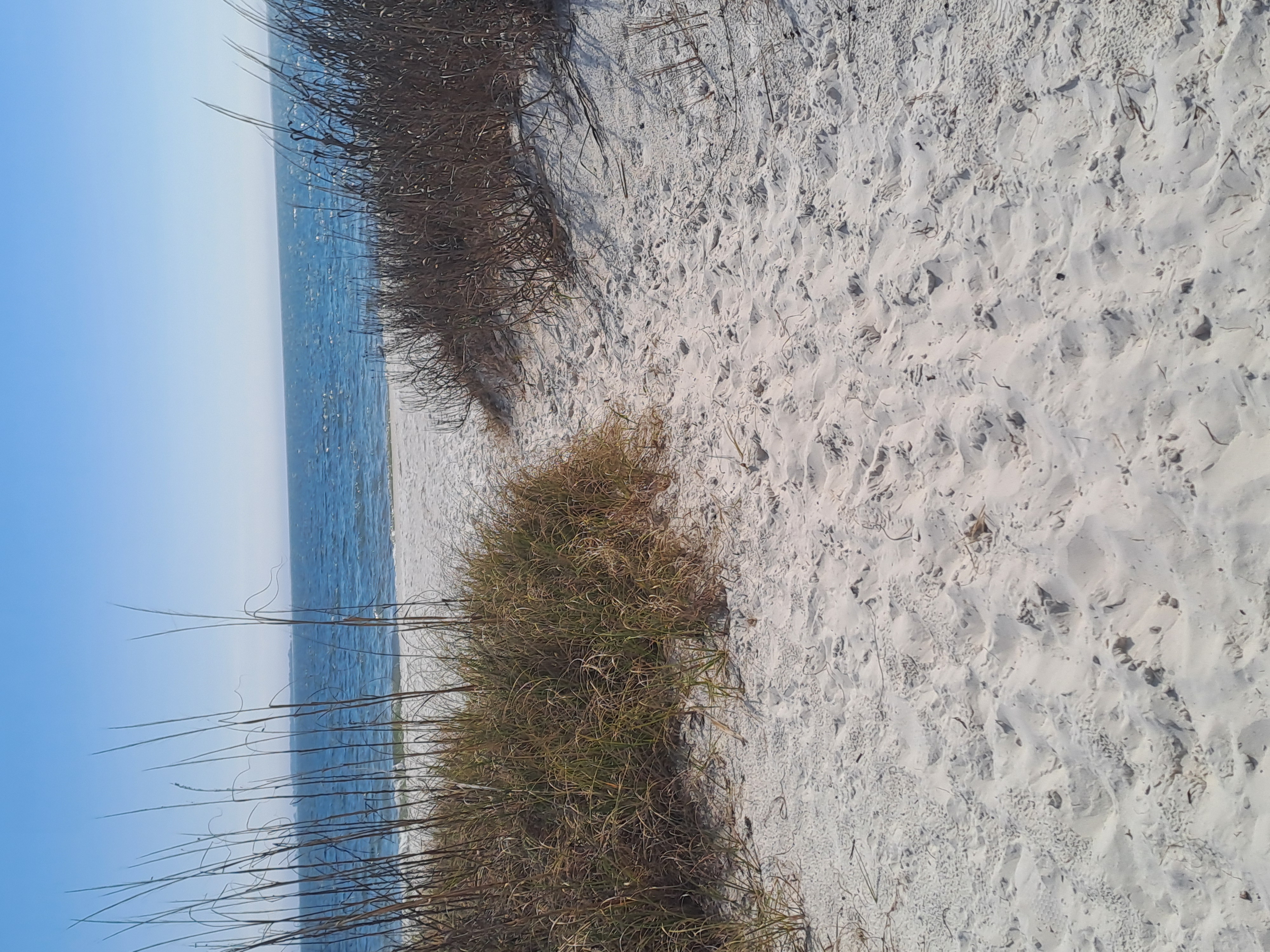
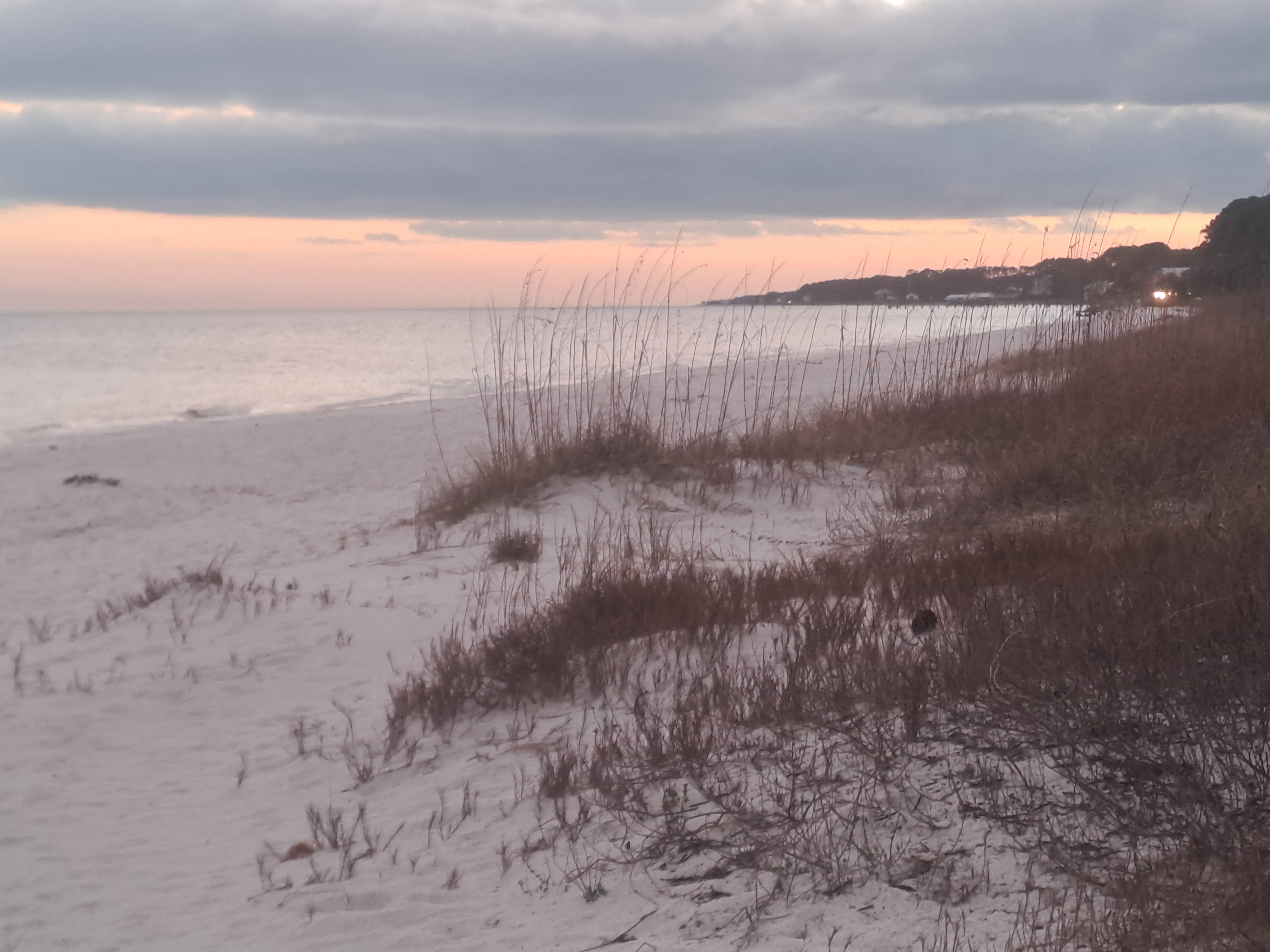
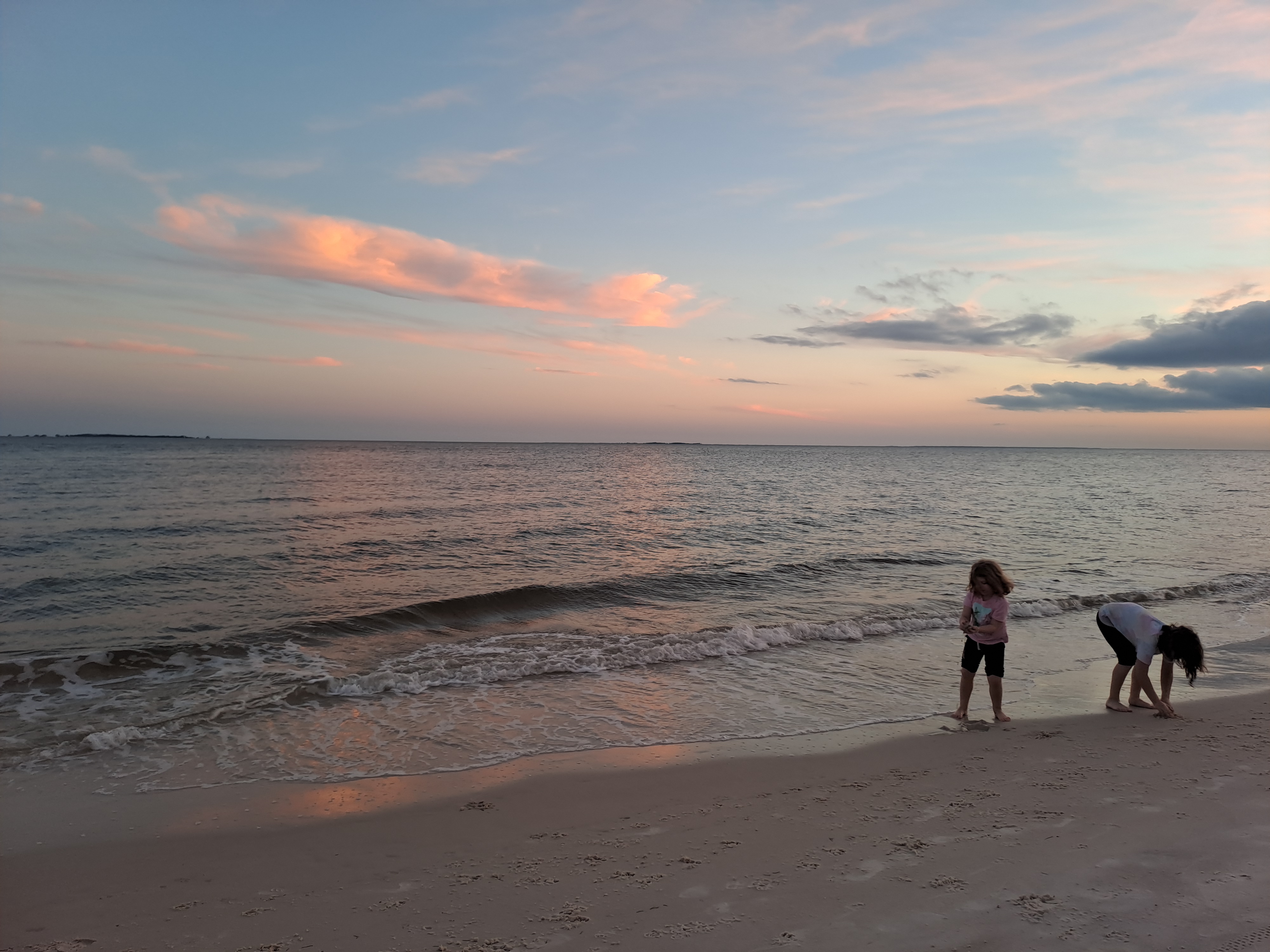
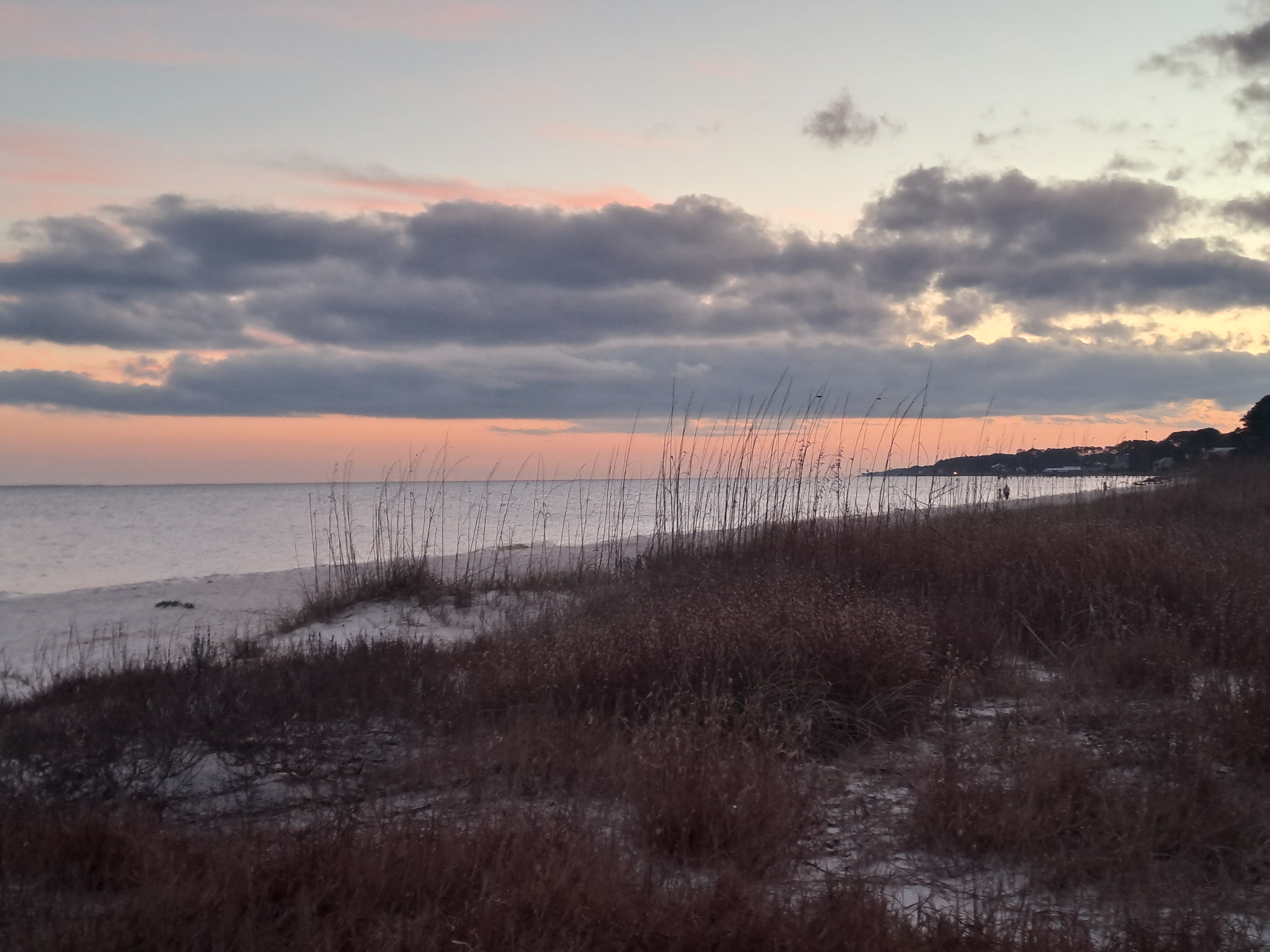
The beach was beautiful and white and it felt great after the cold weather we had gone through. Florida had also gone through the same weather though. Apparently these beaches had been under 5 inches if snow a couple of weeks previously and like everywhere else were now getting back to their normal temperature.
It was here that we heard that Trump had invaded Iran. Not very popular news. The guy next door asked if we’d heard. Everyone here since seems to have ignored it or complained about it; not his most popular move, and certainly not good for all the poor people now stuck in the middle of this war, that has no clear reason for starting or goal for stopping.
We did see a couple of Gulf of America Tshirts around here, but that was it. Generally for people I think it is still the Gulf of Mexico.
We spent a couple of nights near Wakulla Springs to go on a boat trip there which was great.
Florida sits on a foundation of limestone and dolostone (calcium carbonate) extending thousands of feet deep. The Floridan Aquifer System is one of the world’s most productive aquifers, it spans 100,000 square miles, primarily comprising the Ocala and Avon Park formations, providing 90% of the water in some regions.
The dissolution of limestone by acidic water creates porous rock, sinkholes, and subterranean conduits, surface and Intermediate layers. Above the limestone lie layers of sand and clay, which act as a filter but can also act as a confining unit, protecting or restricting water flow to the aquifer below.
Basically Florida is one big sponge. There is water everywhere and many of the systems link up.
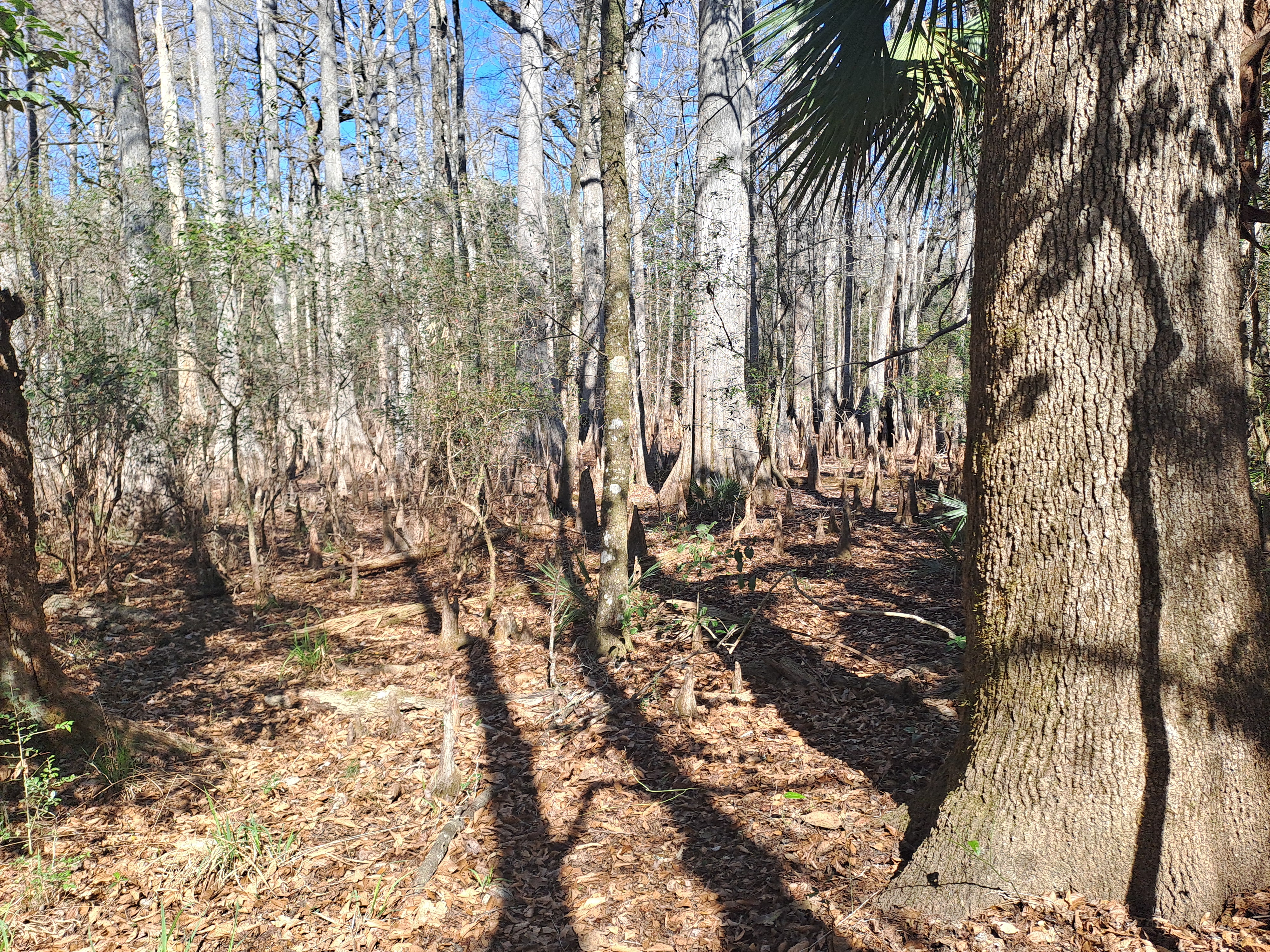
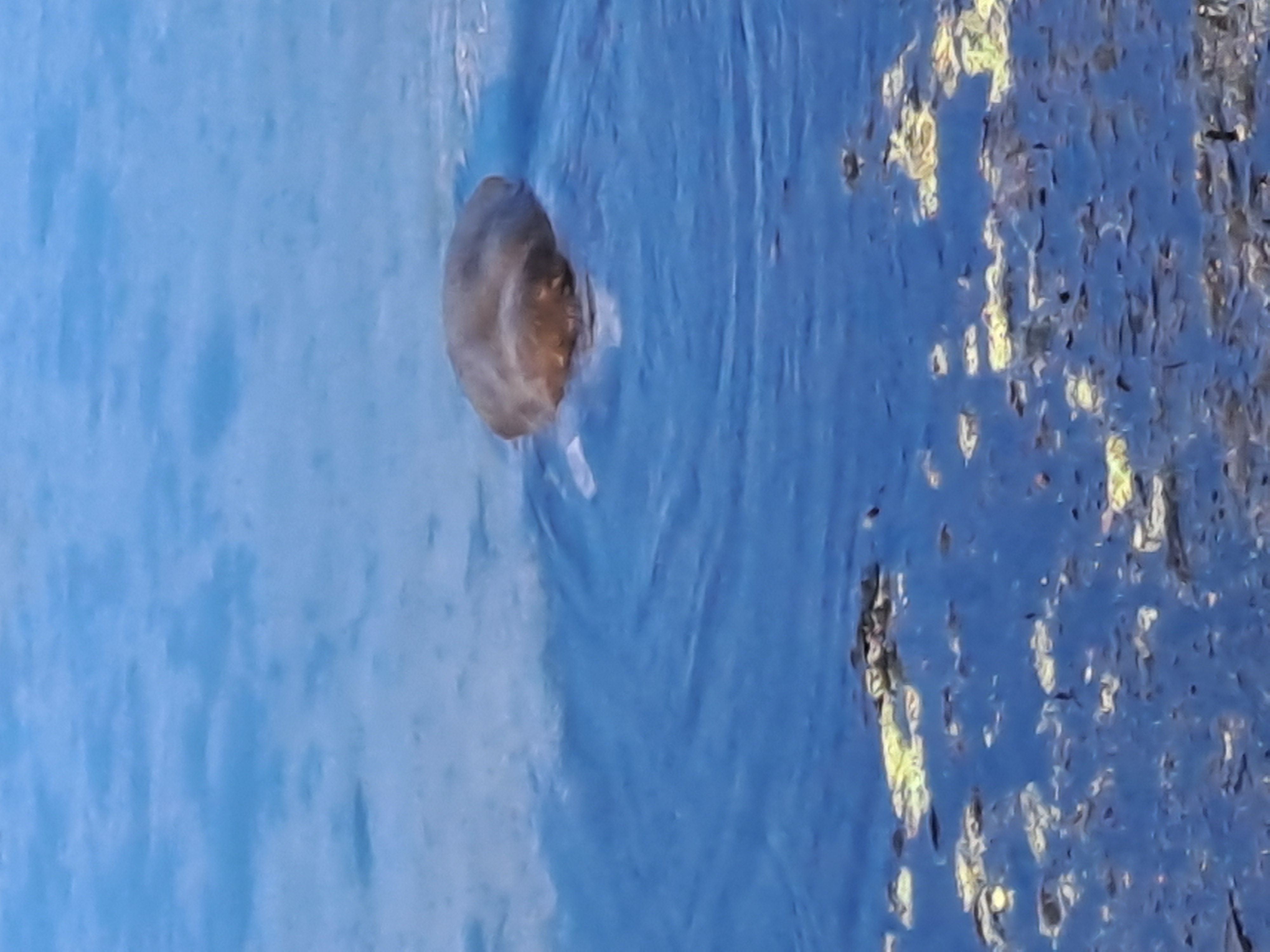
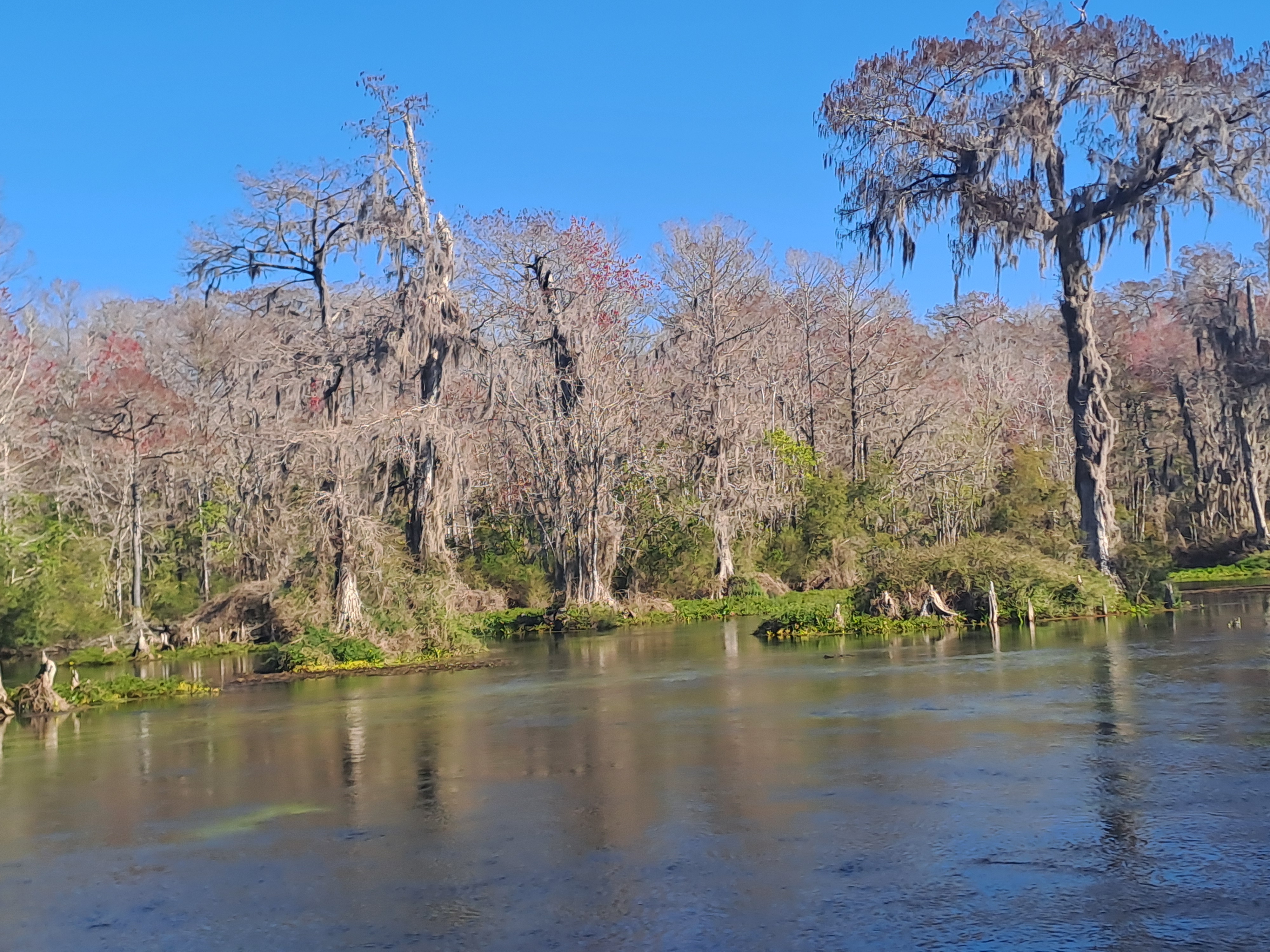
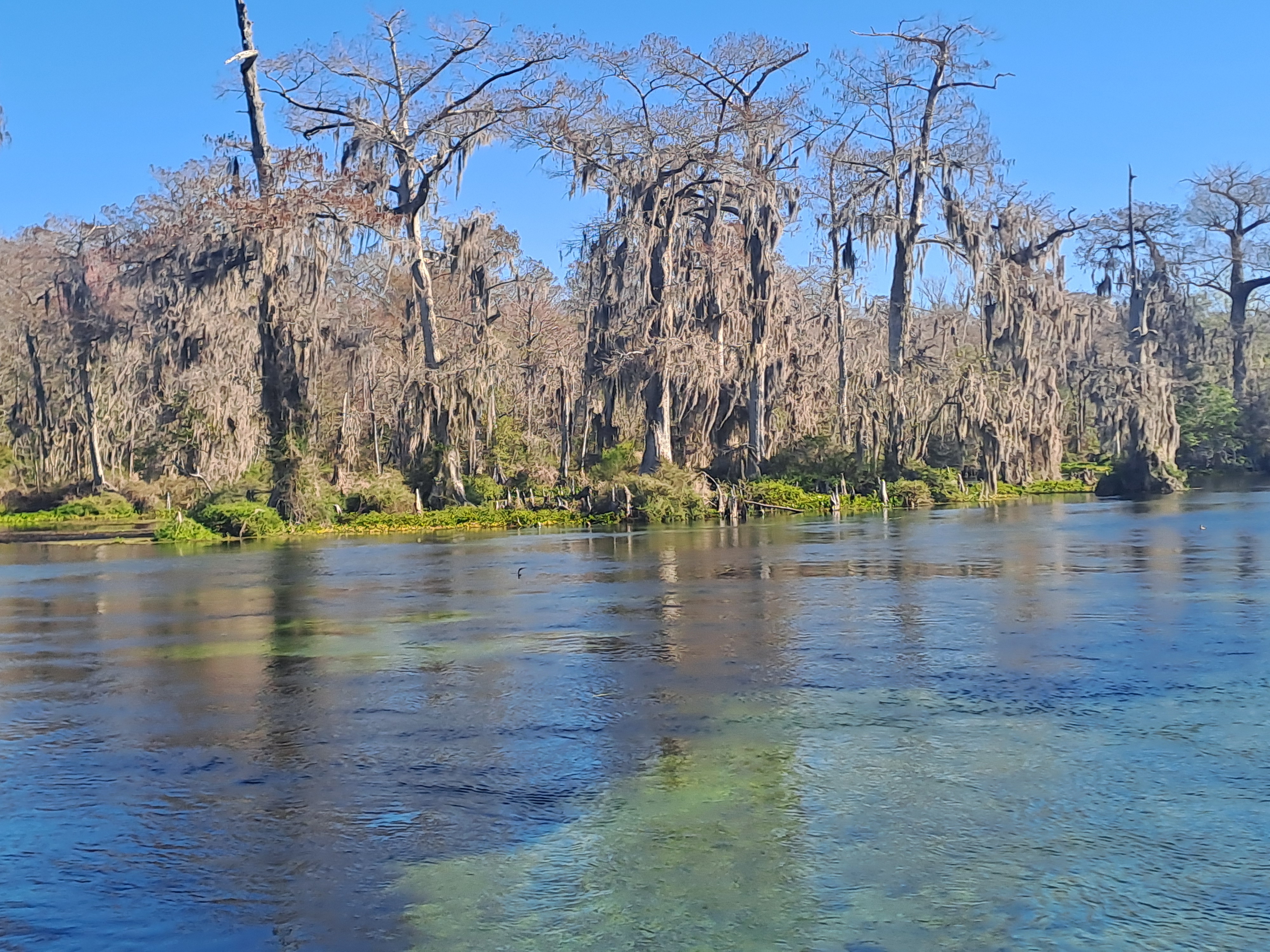
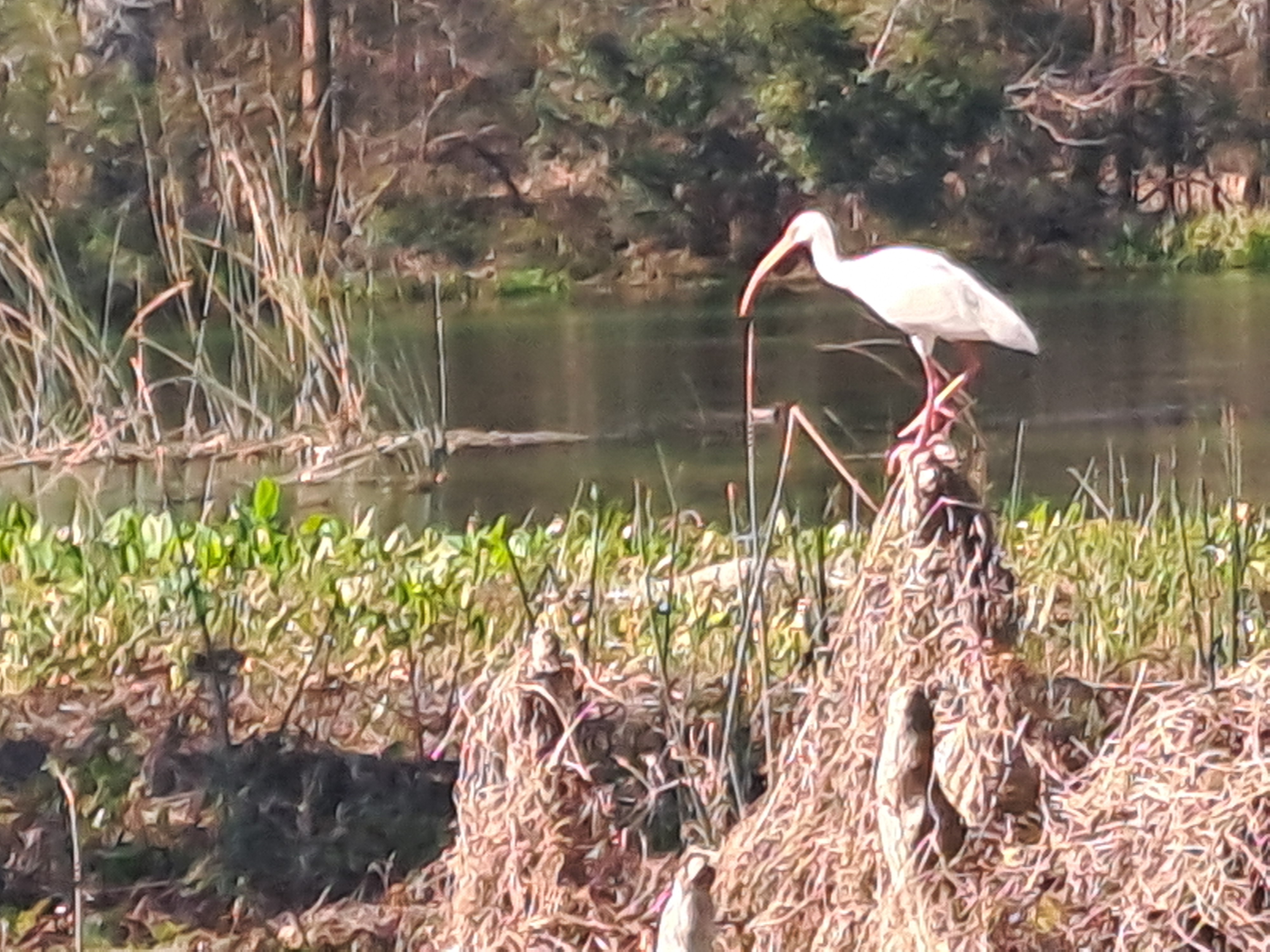
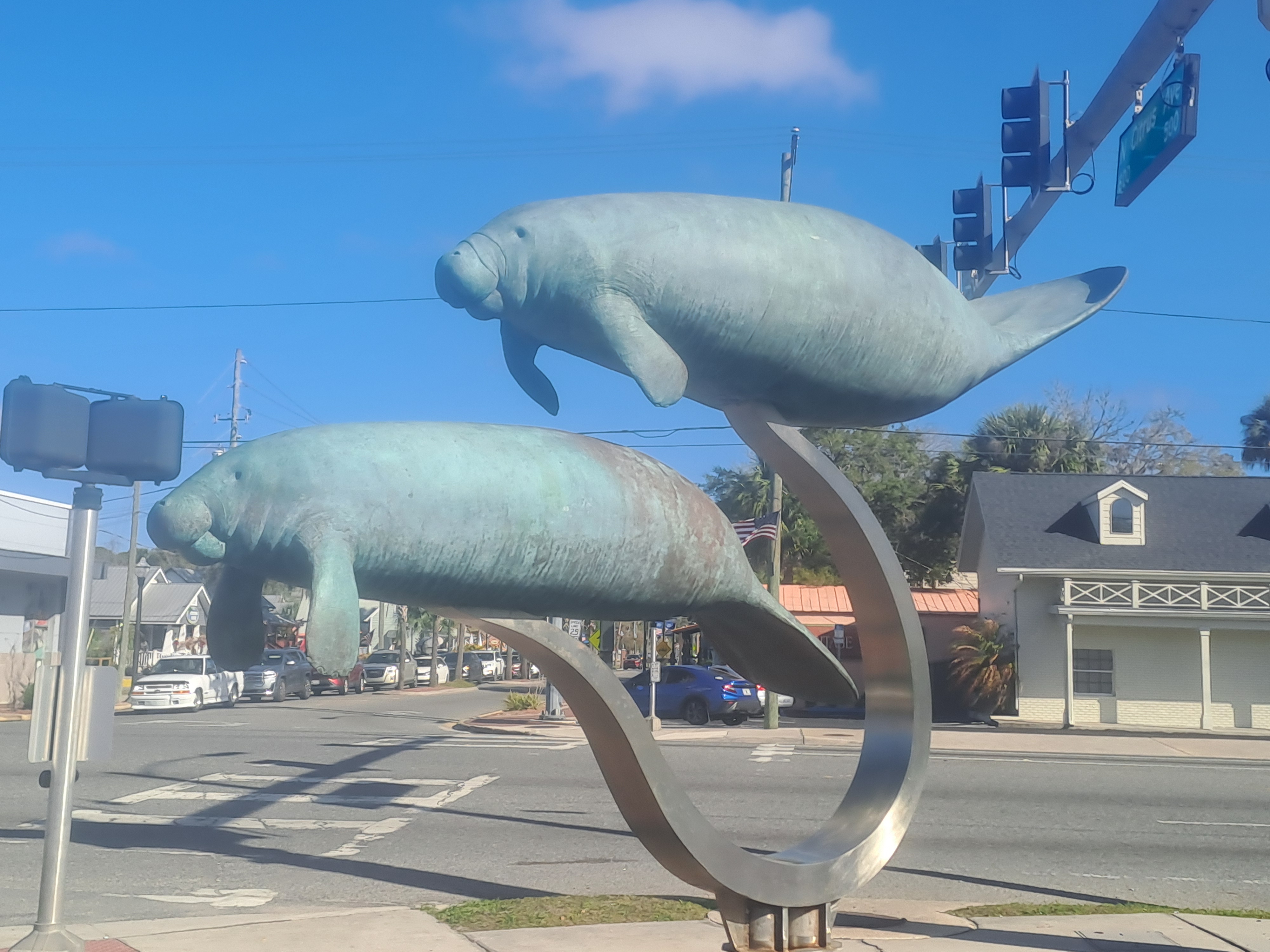
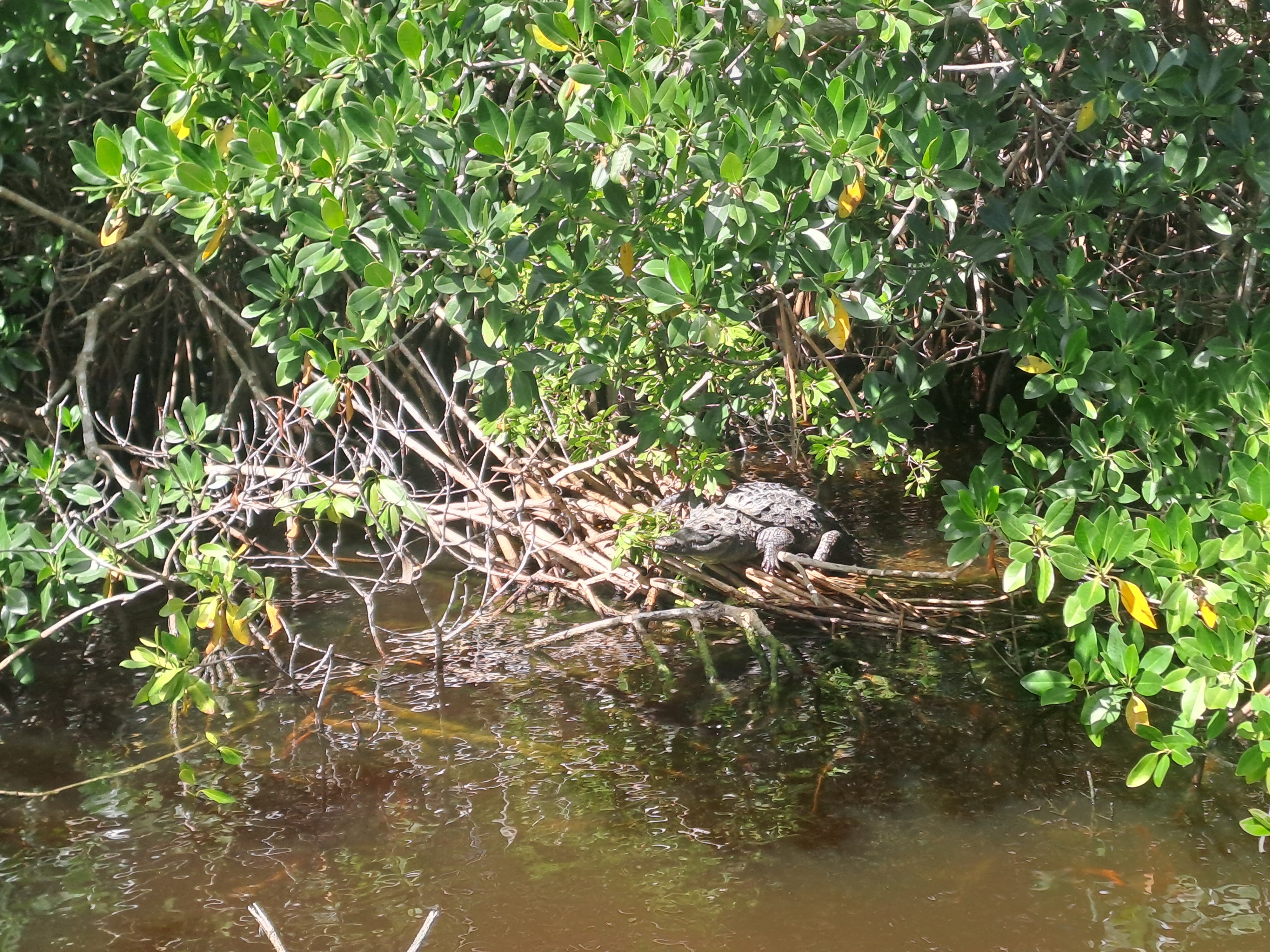
Wakulla springs was a delight, clear waters and many animals to see. This was our first sighting of manatee and alligators.
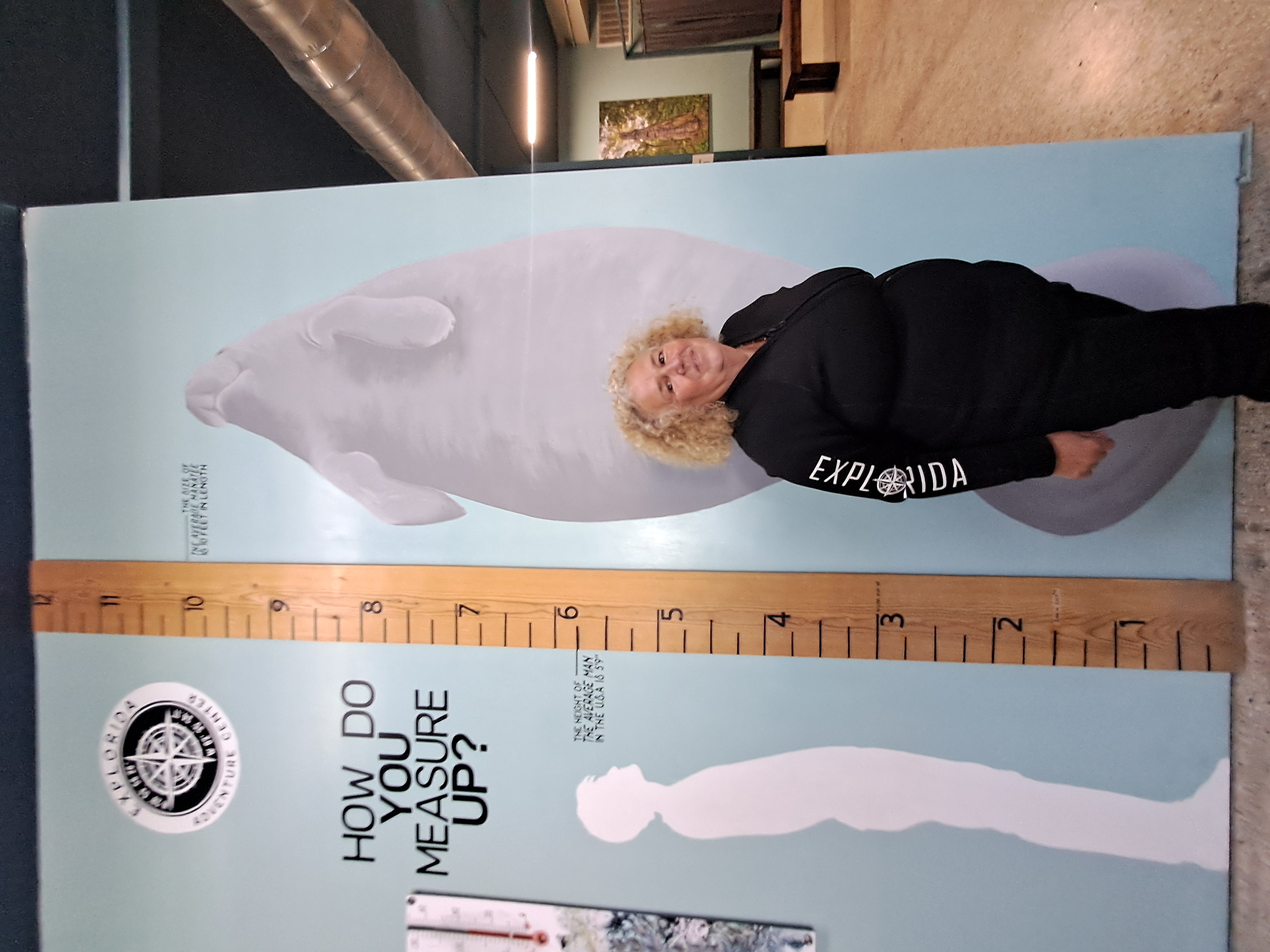
Manatee look very similar to the dugong we saw in Australia, however, they are no relation at all. Manatee are closer to elephants in their DNA.

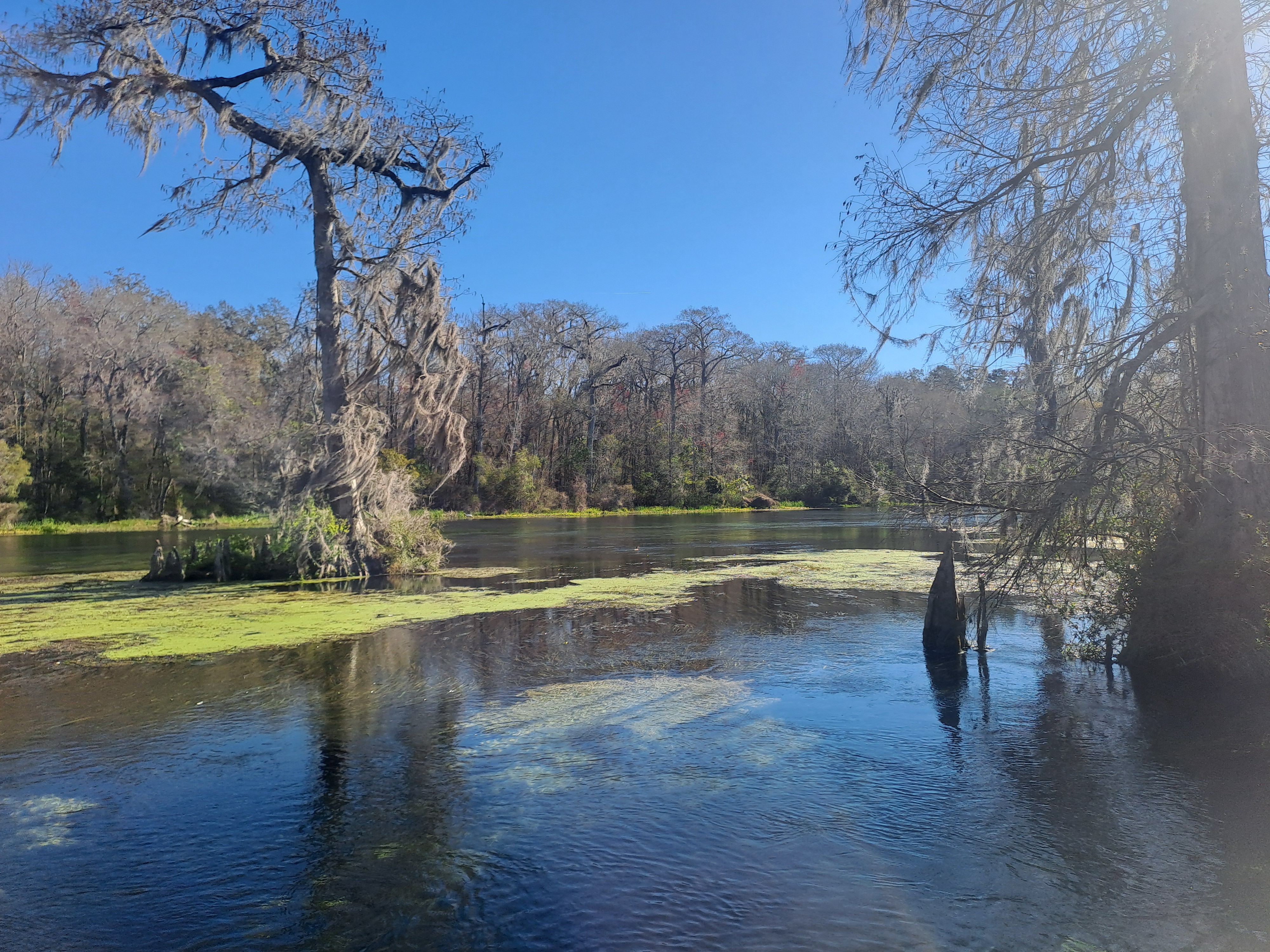
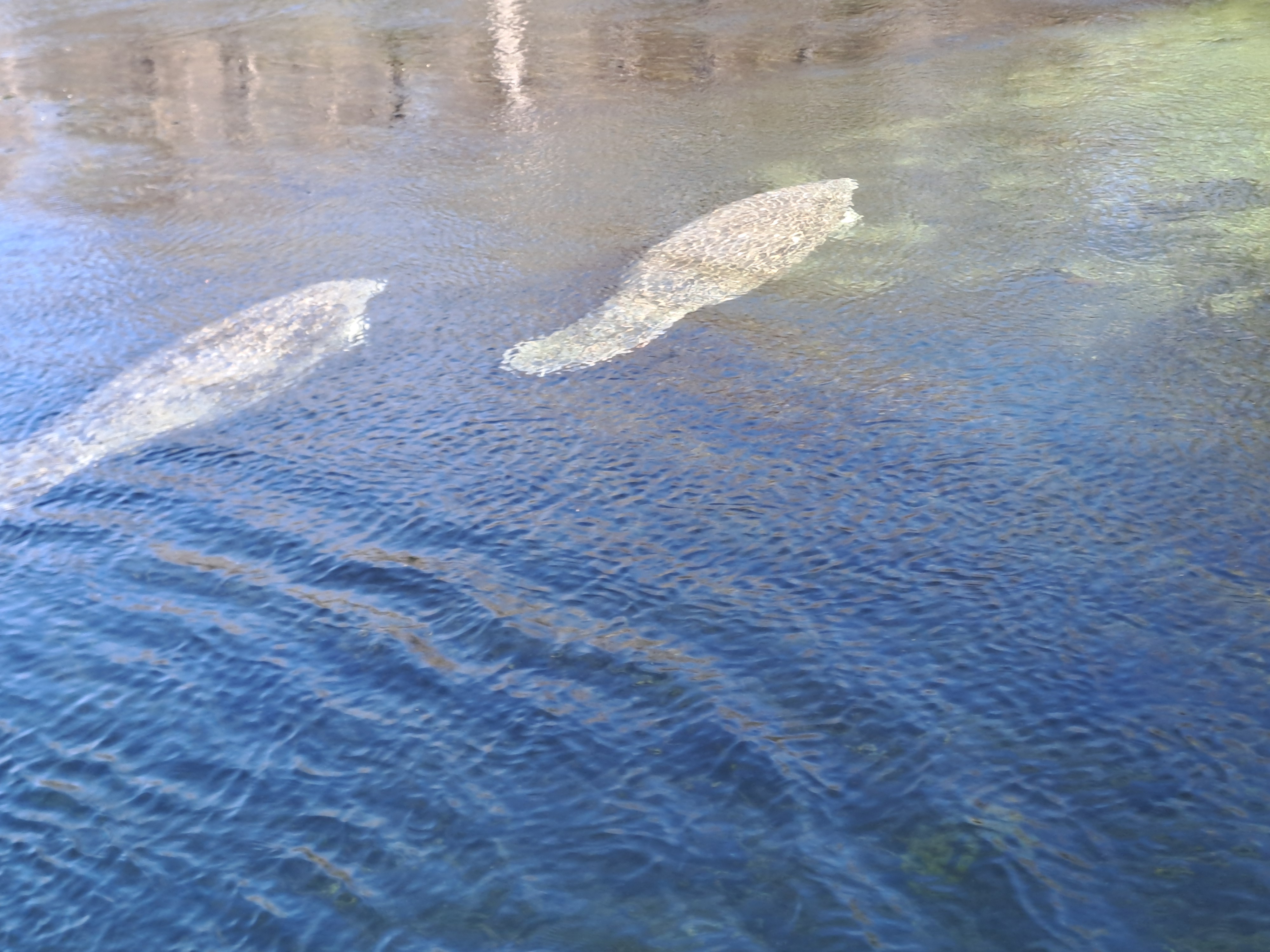
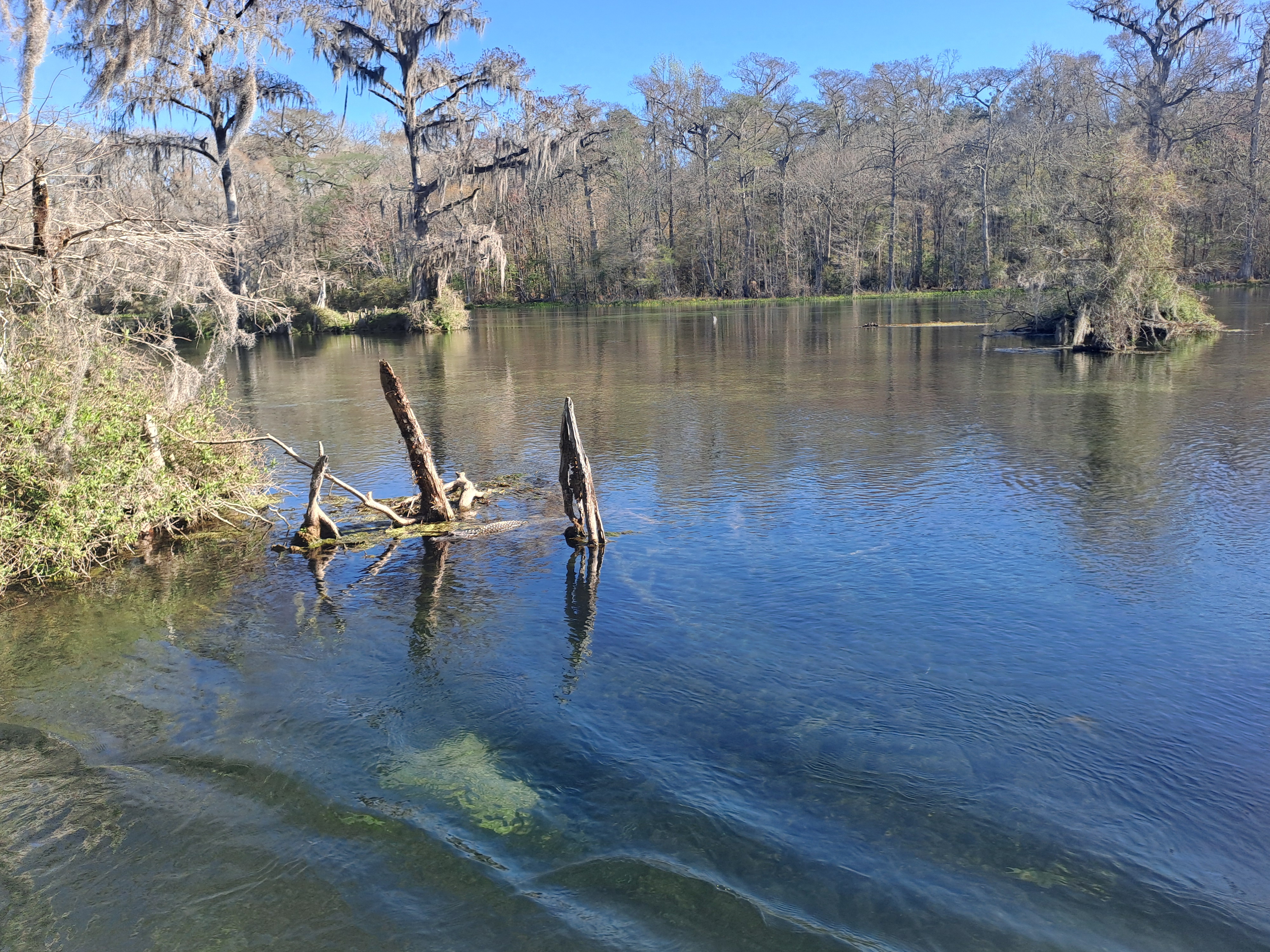
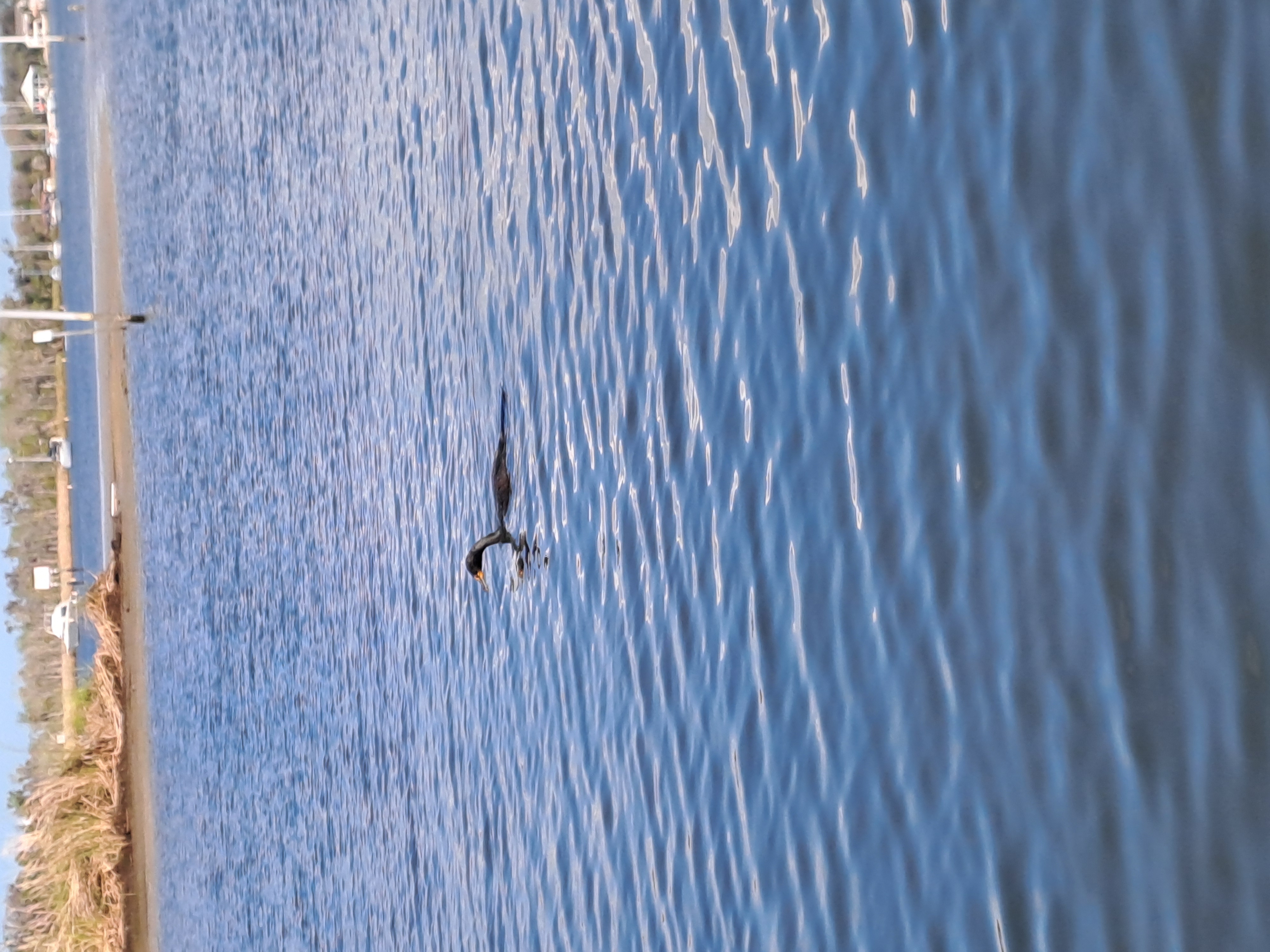
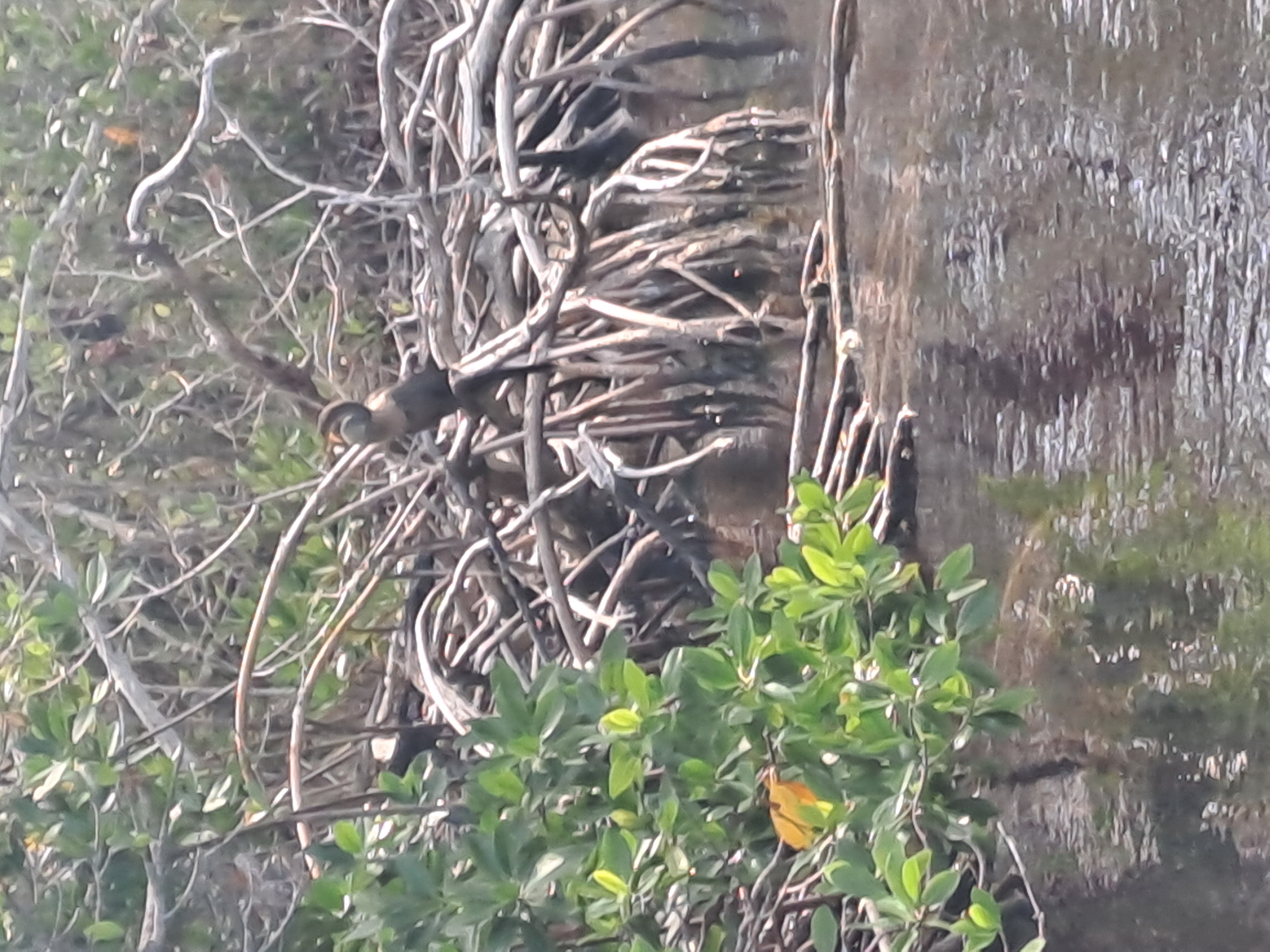
We saw loads of birds as well, it was beautiful and one of the best boat trips we’ve had.
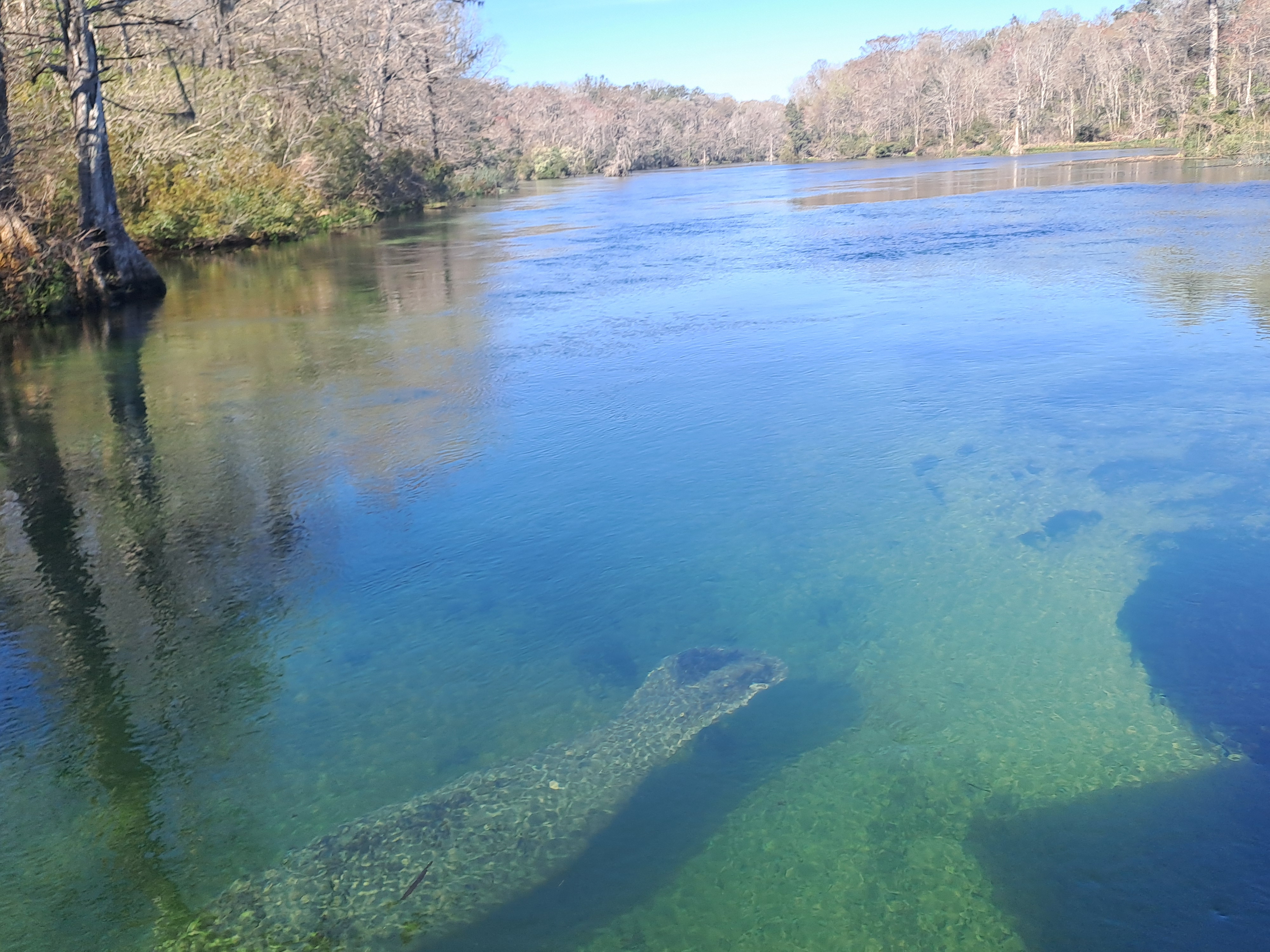
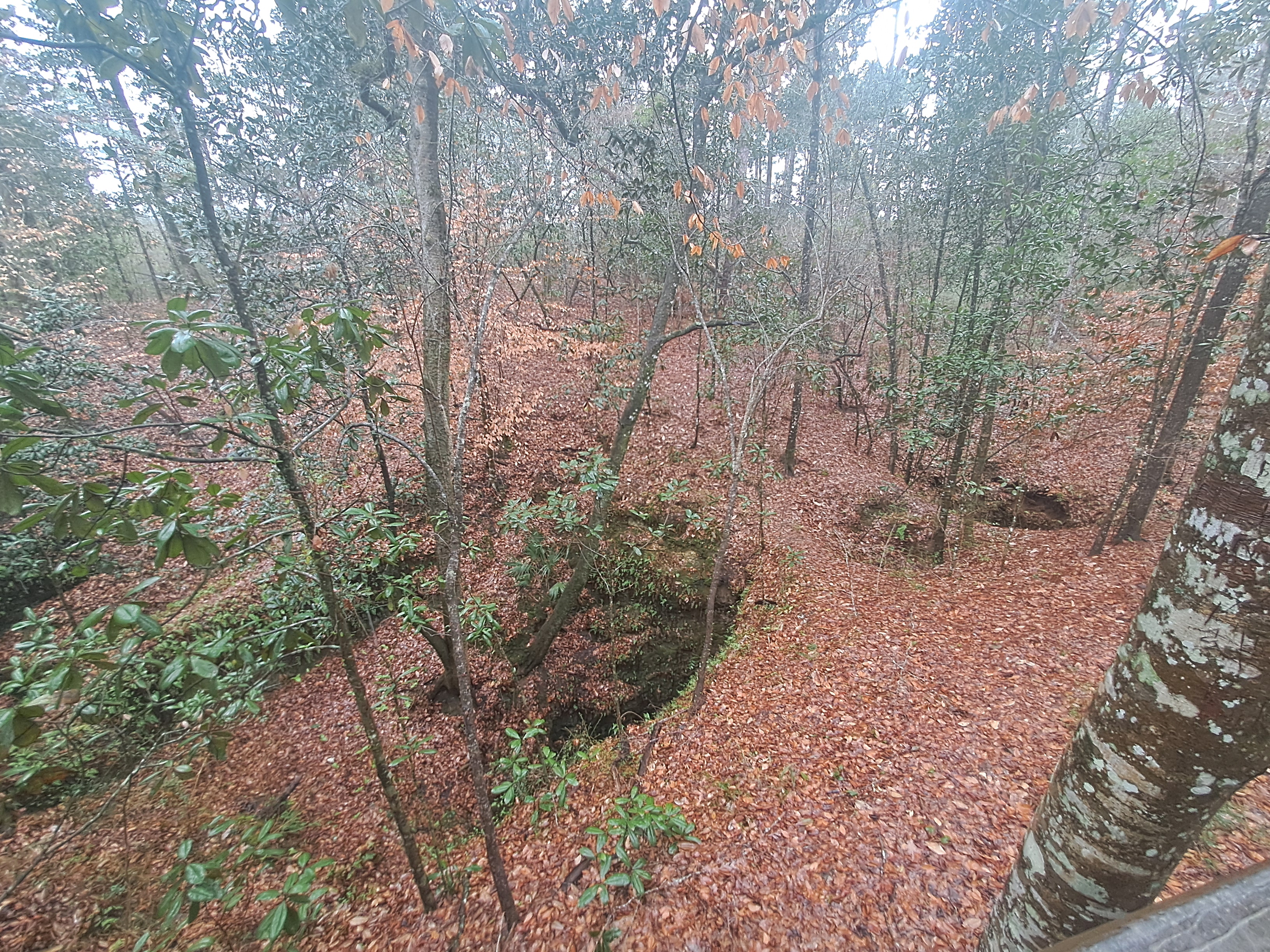
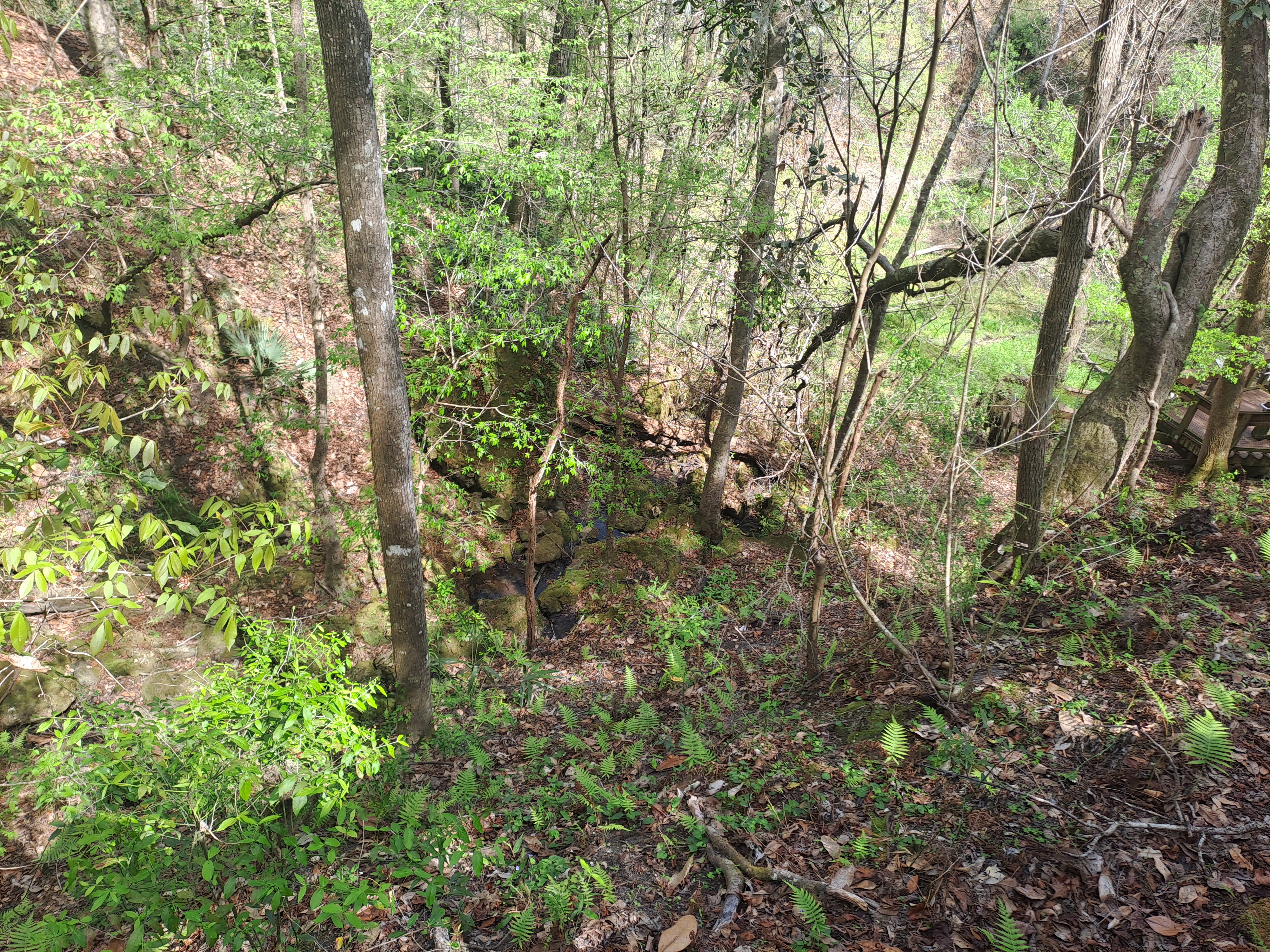
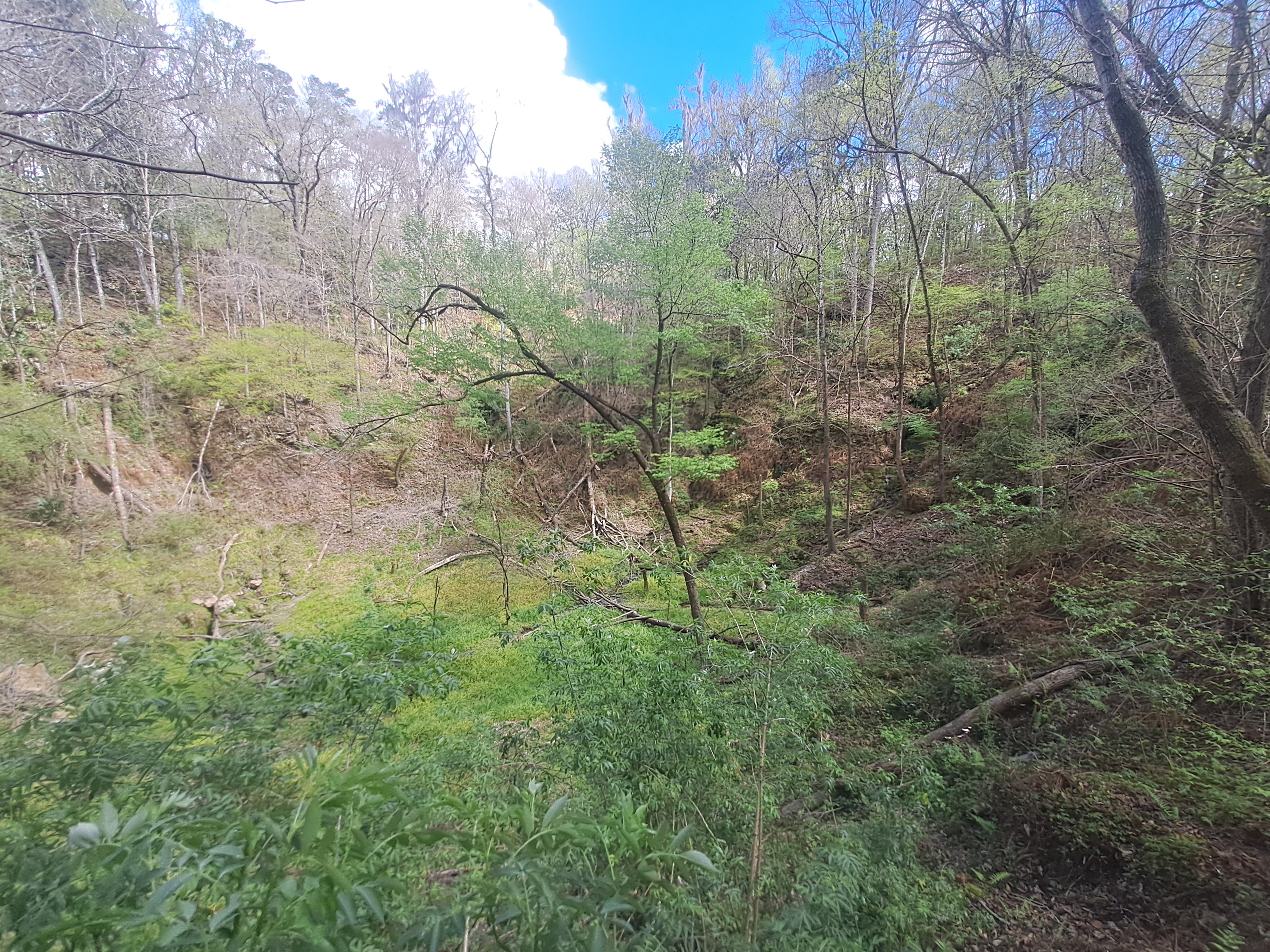
We next went to visit another sink hole. While quite spectacular it didn’t translate into photographs.
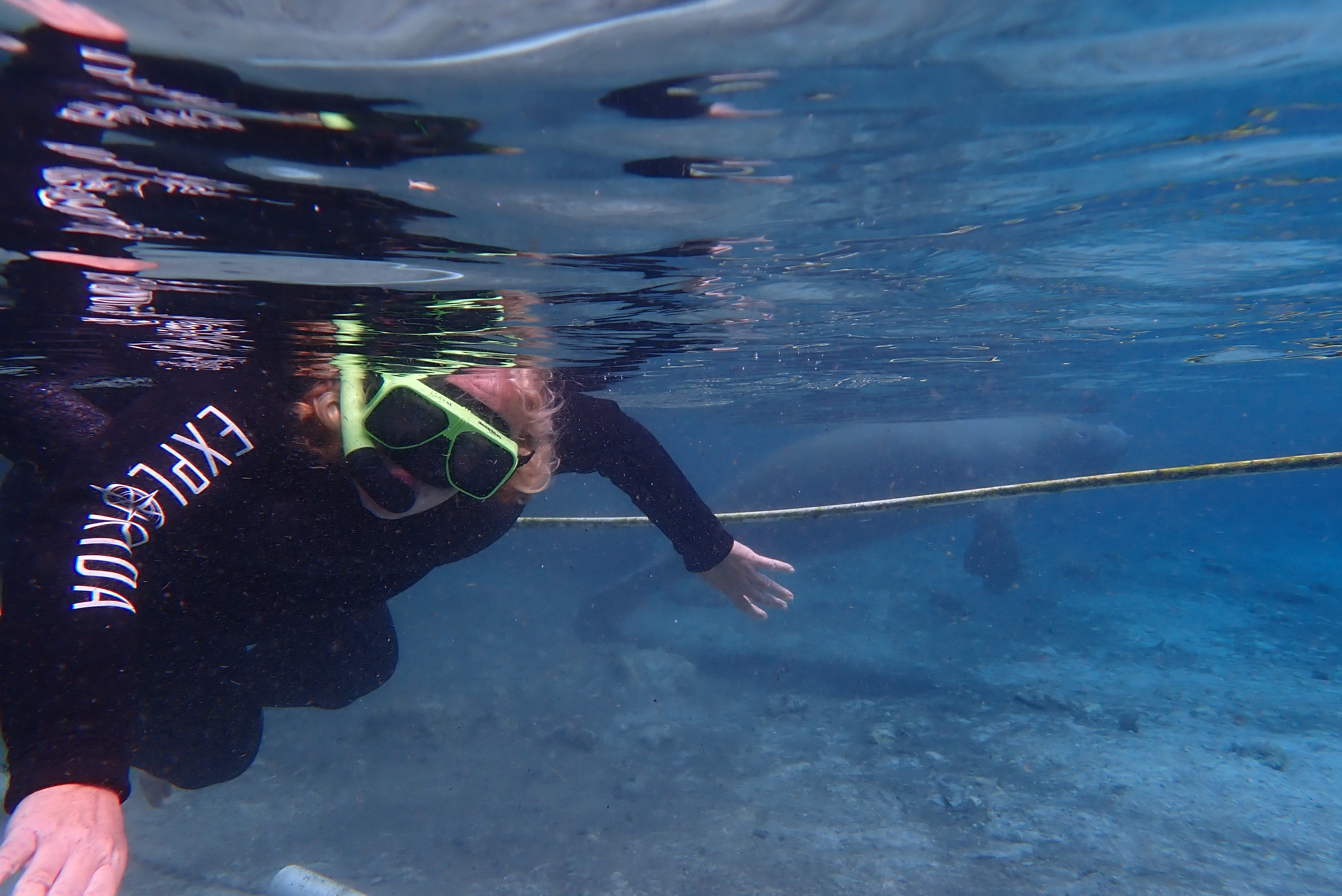
I was looking forward to Crystal River it sounded so good and I booked a swim with manatee there.
The safety talk was what I realised was fairly standard for Florida. If we need to leave the boat, put on a life jacket from the locker and walk to shore. The whole area is very flat, low lying land and shallow water around it, no need to swim.
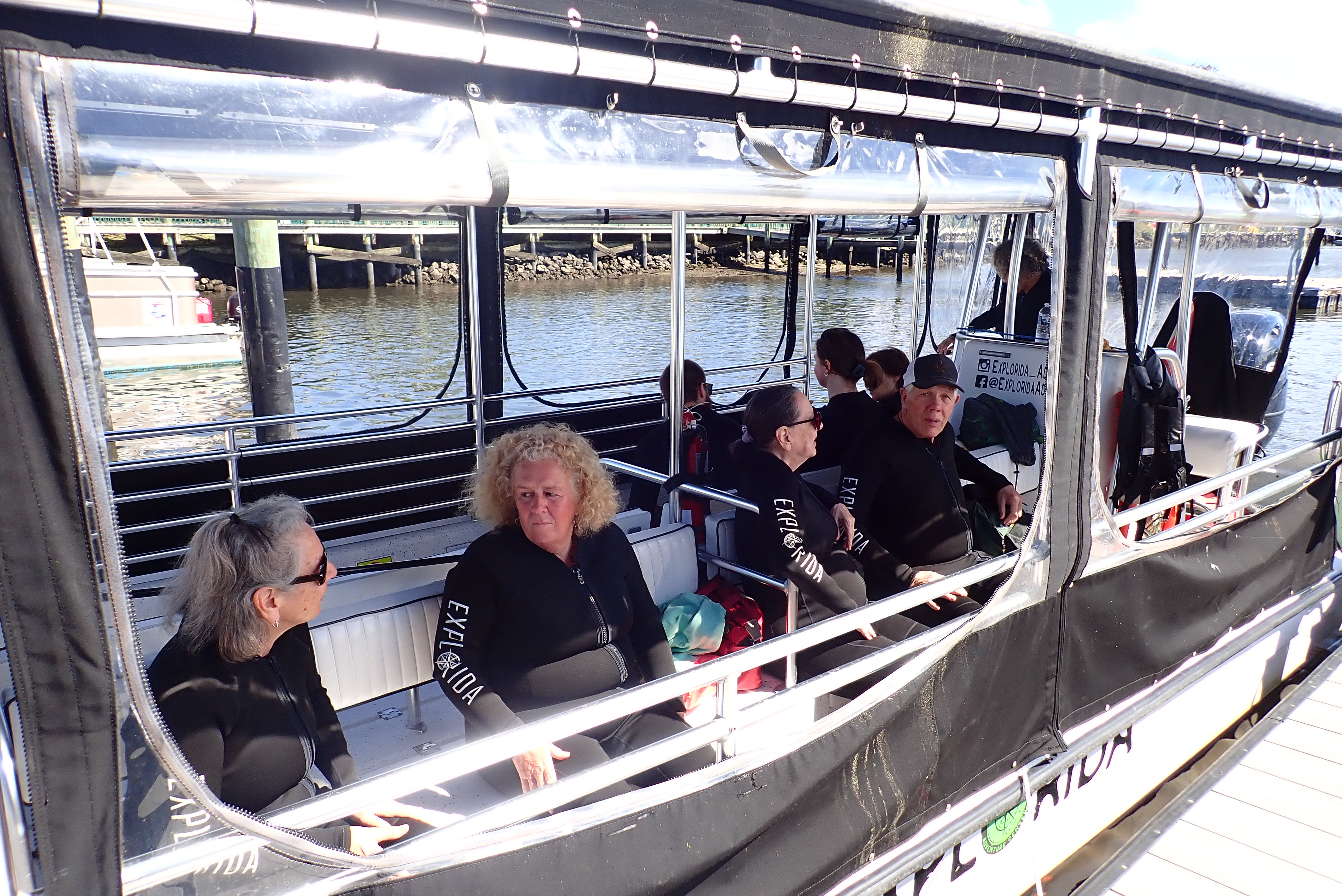
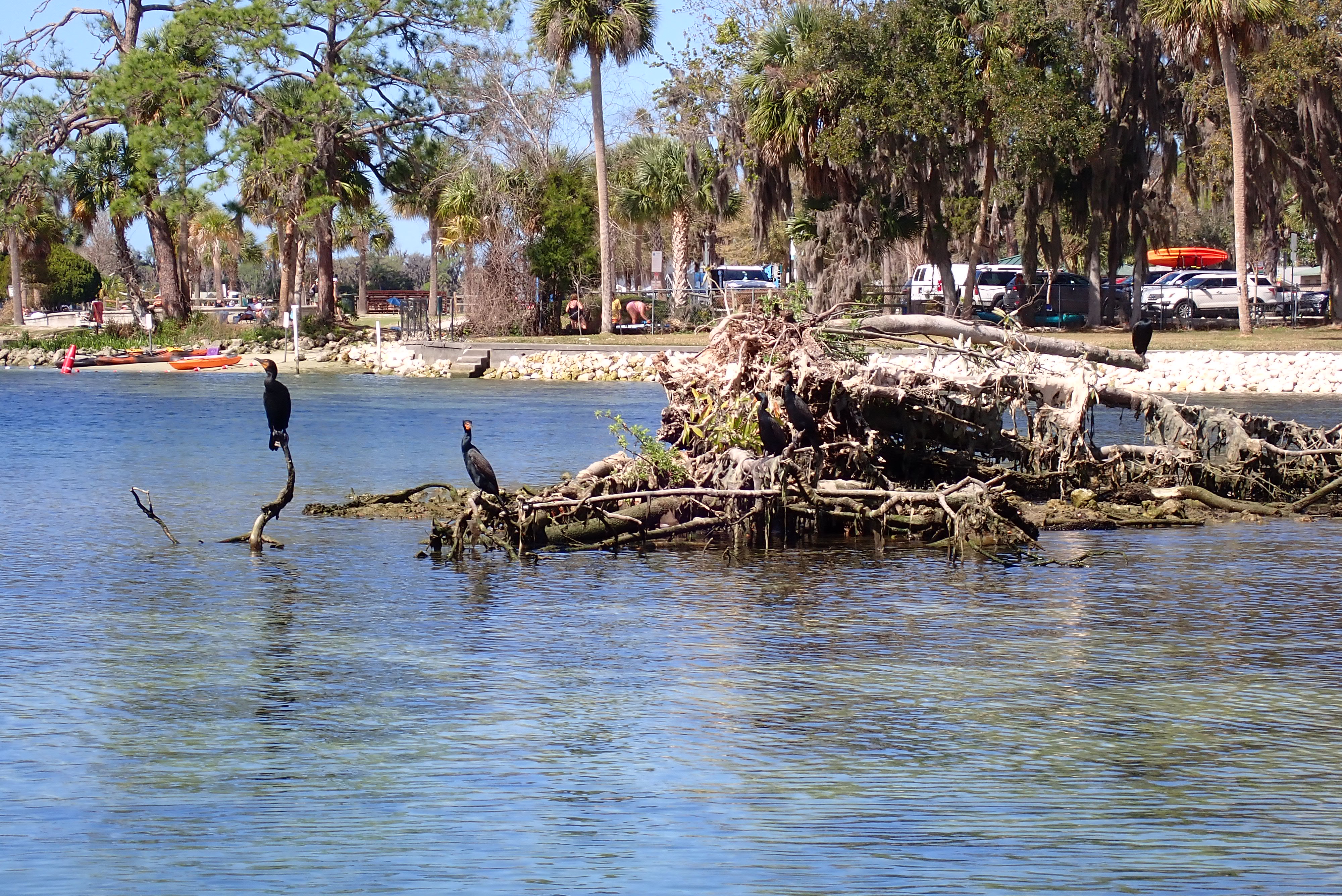
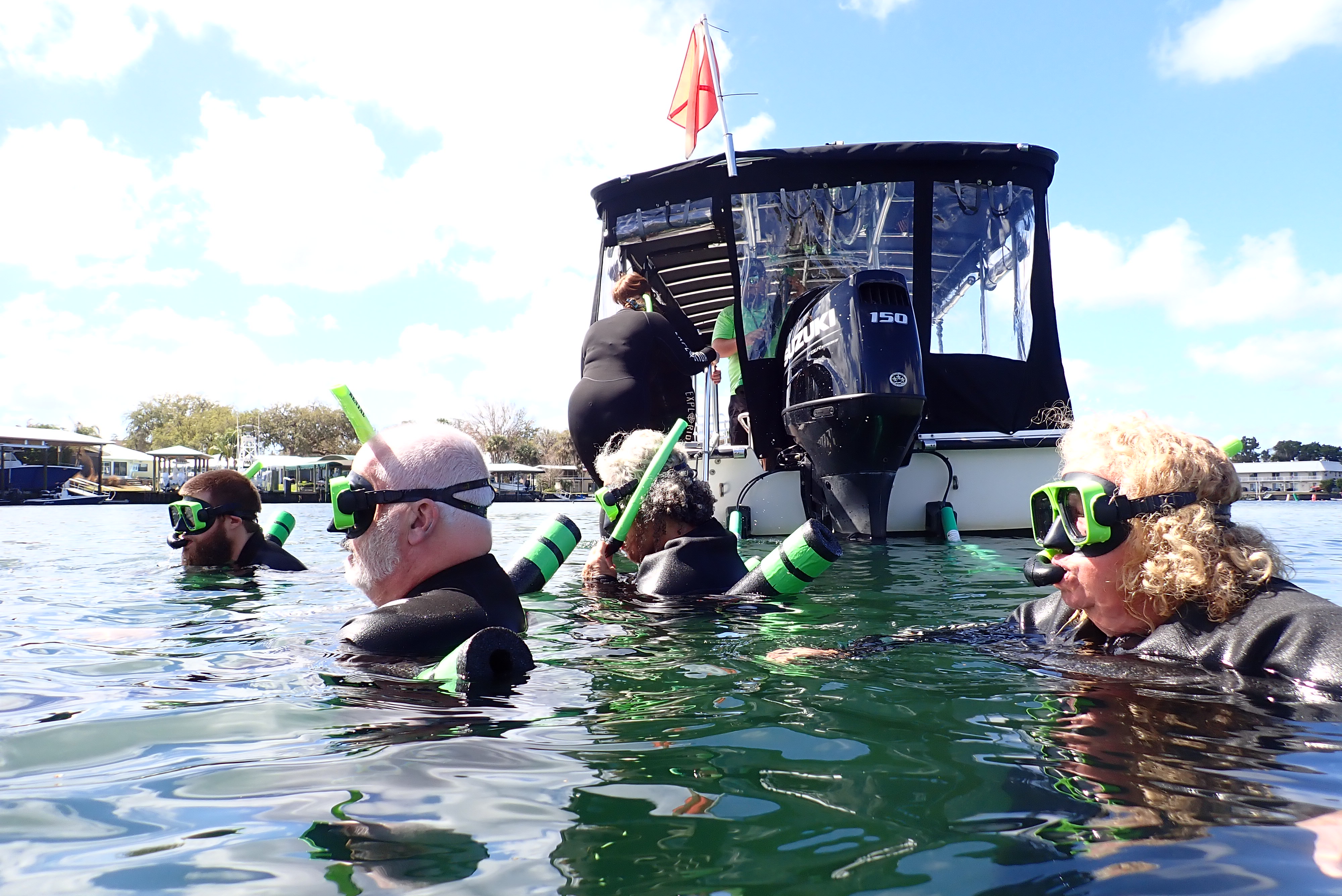
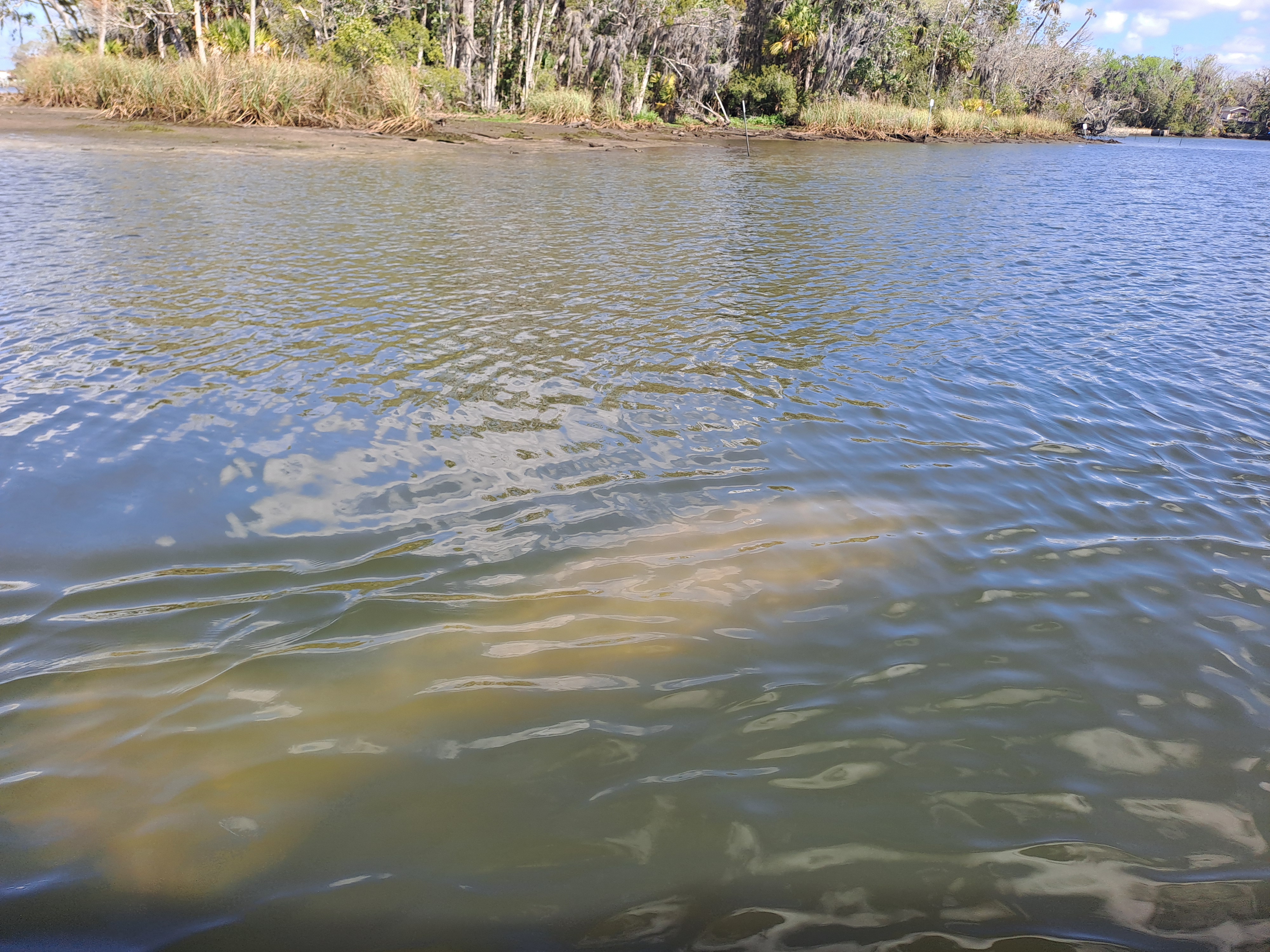
We had to do a training video beforehand to explain the rules; as manatee are protected and all the boat tours have to make sure that we stick strictly to the rules. I was a bit surprised to find that the whole area there is a marina. The water is murky in most areas due to the constant boat movement
The favourite areas for the manatee are where the various springs come out. The water here is 72 degrees and they come here and to other springs in the winter for the warmth. In February to March they start returning to the sea. The number had already gone down from hundreds and few weeks ago, to the last few hanging around.
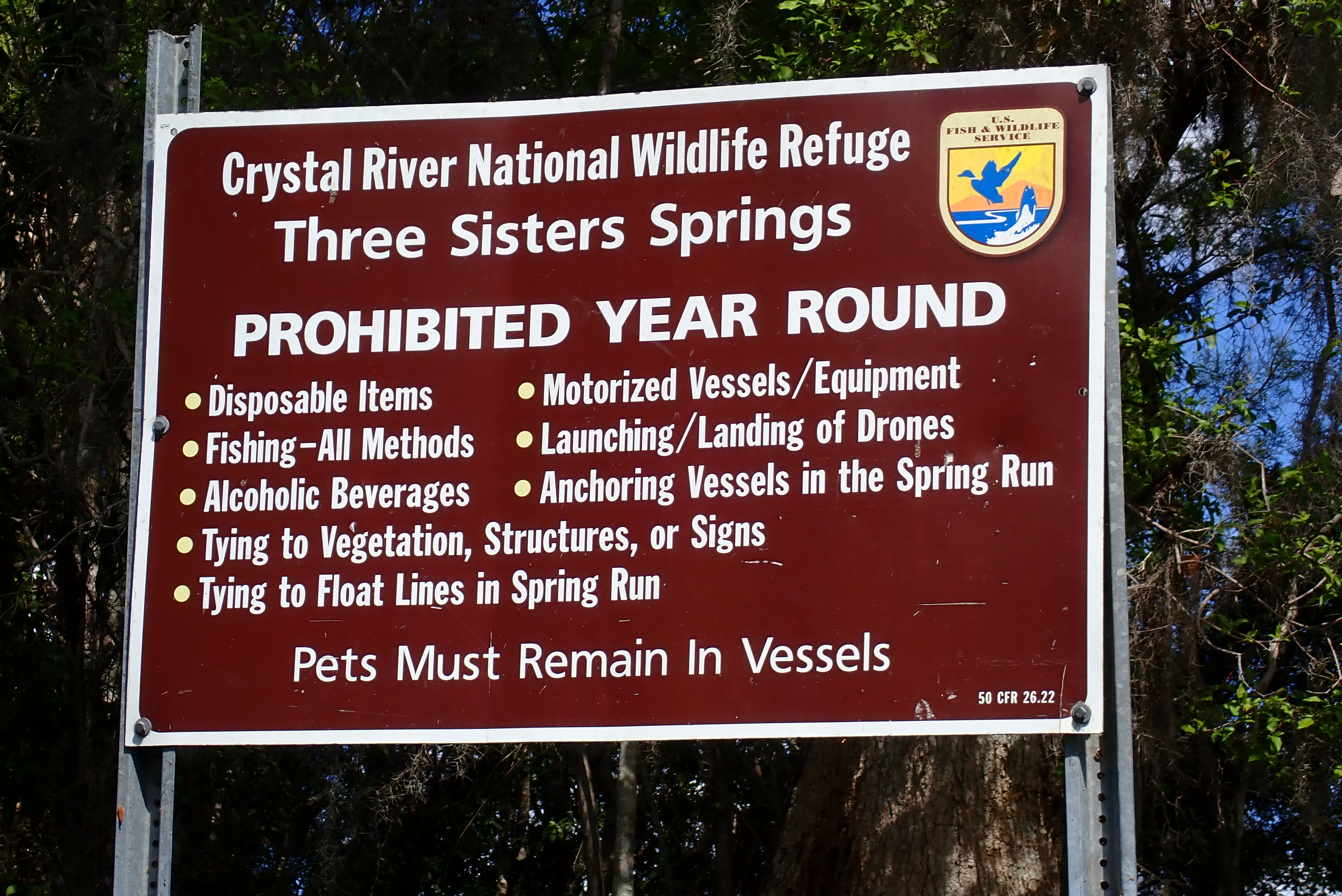
The area around Three Sisters springs was totally out of bounds to any boat, kayak etc. and there is an area swimmers can’t go over as well to give the manatee a resting area. There was a Water Sheriff in a kayak protecting the springs and working with the tour guides to enforce the protection.
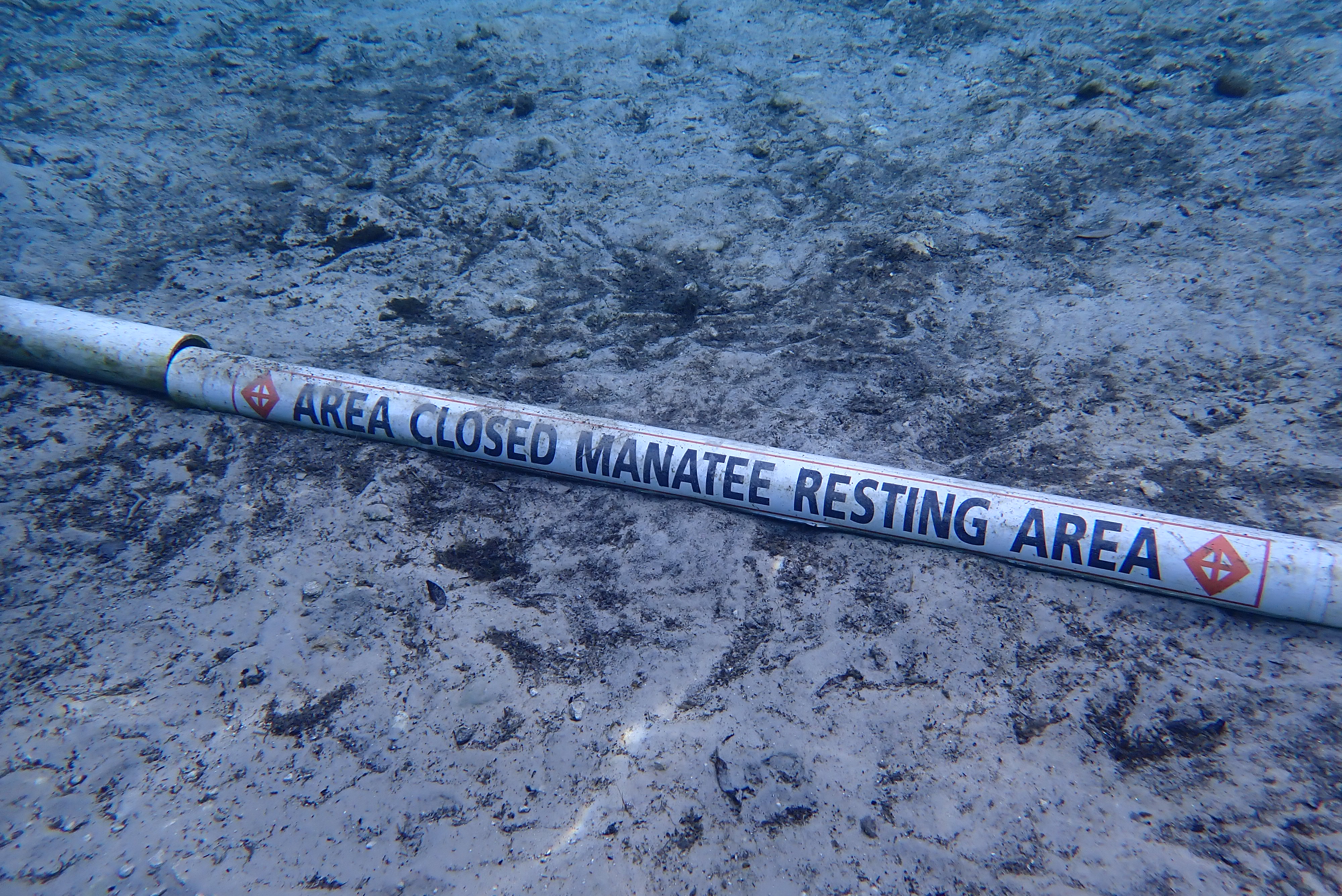
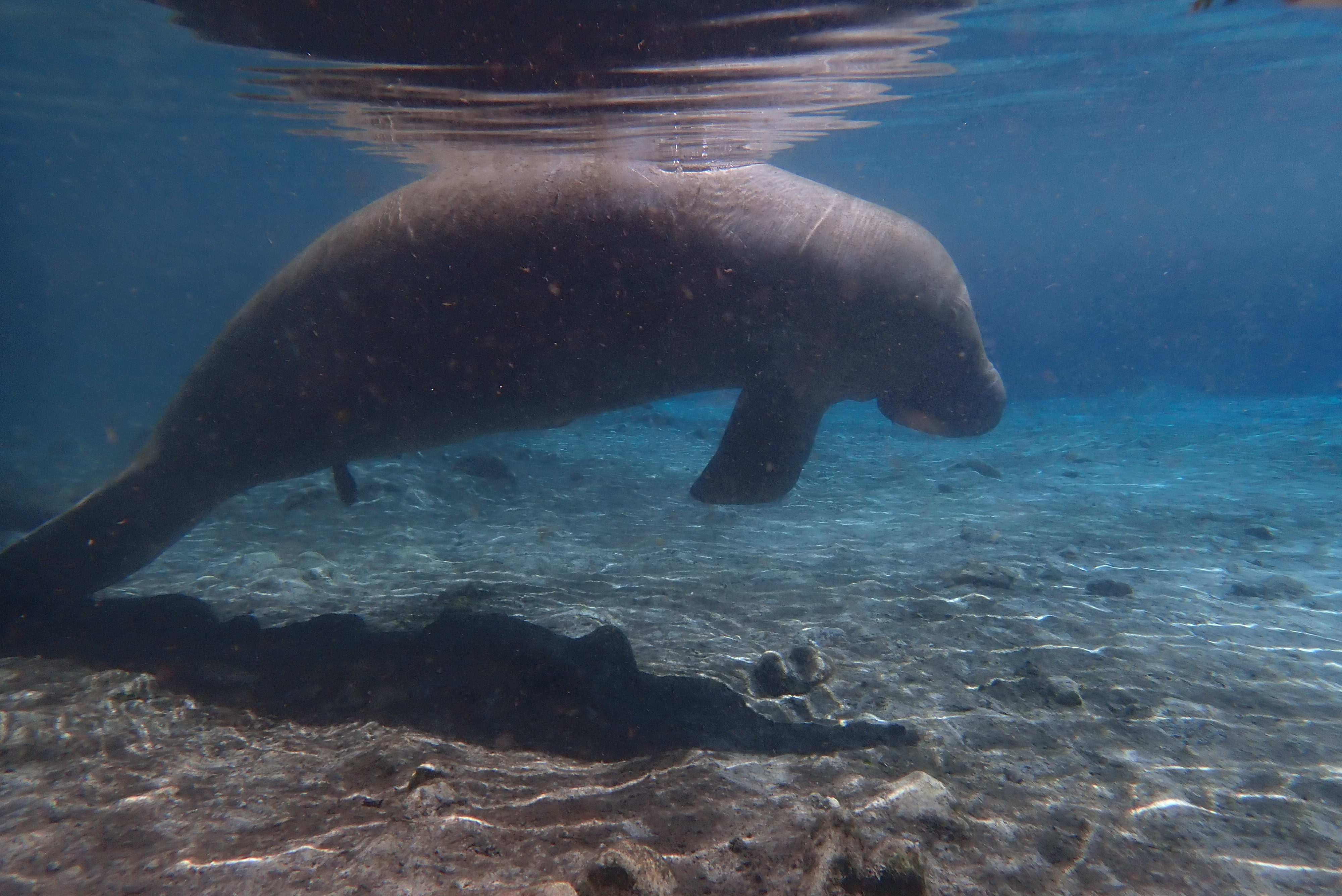
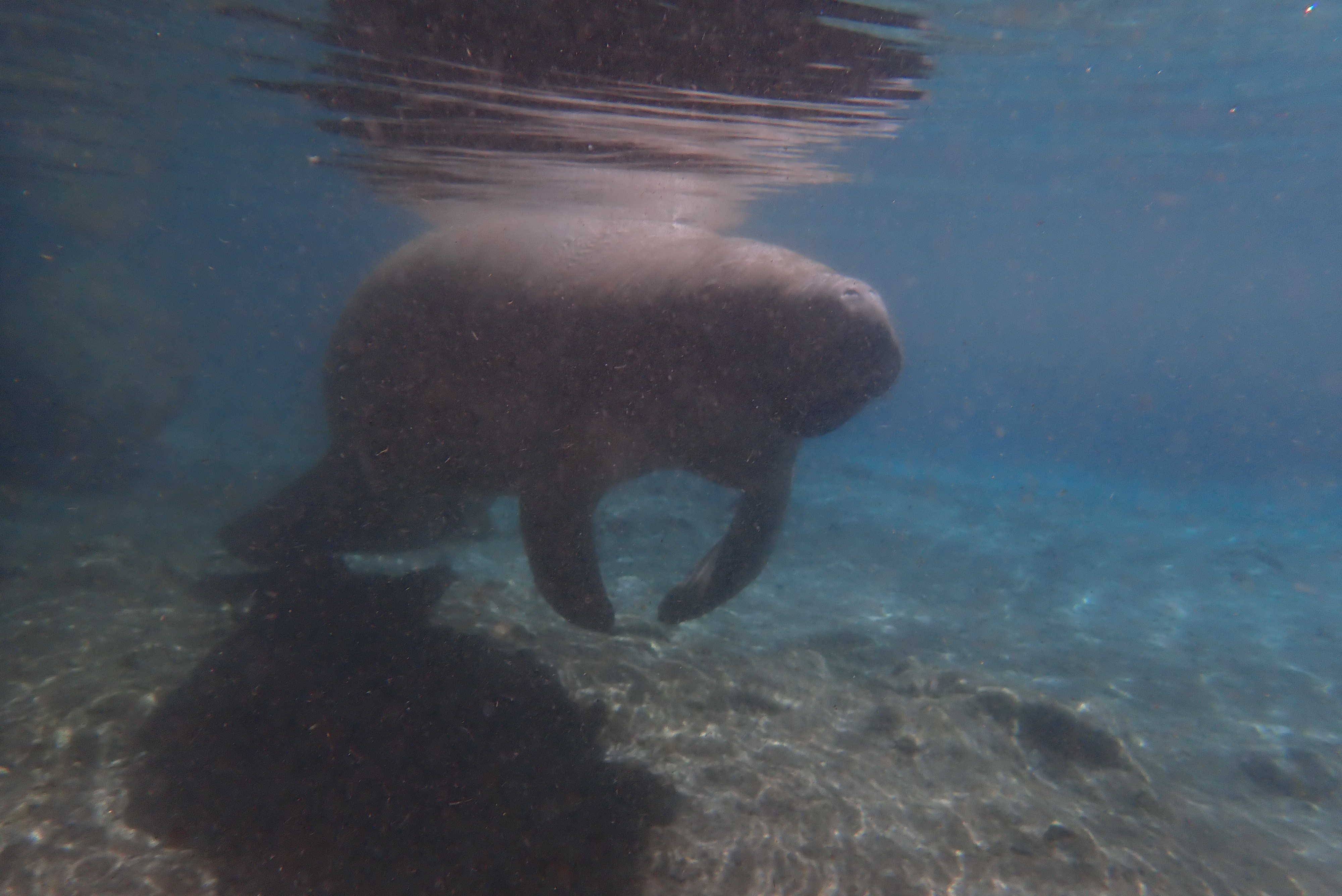
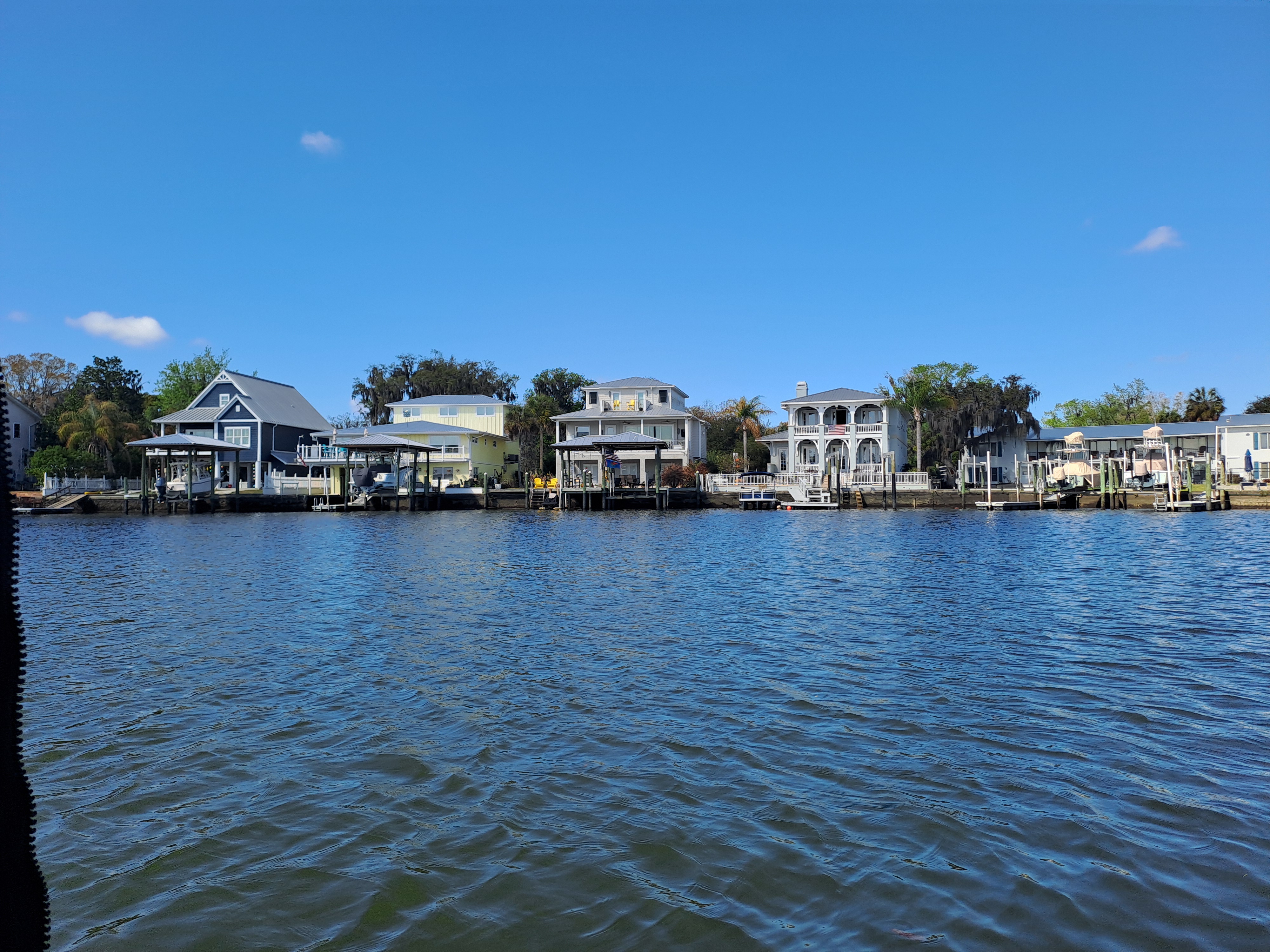
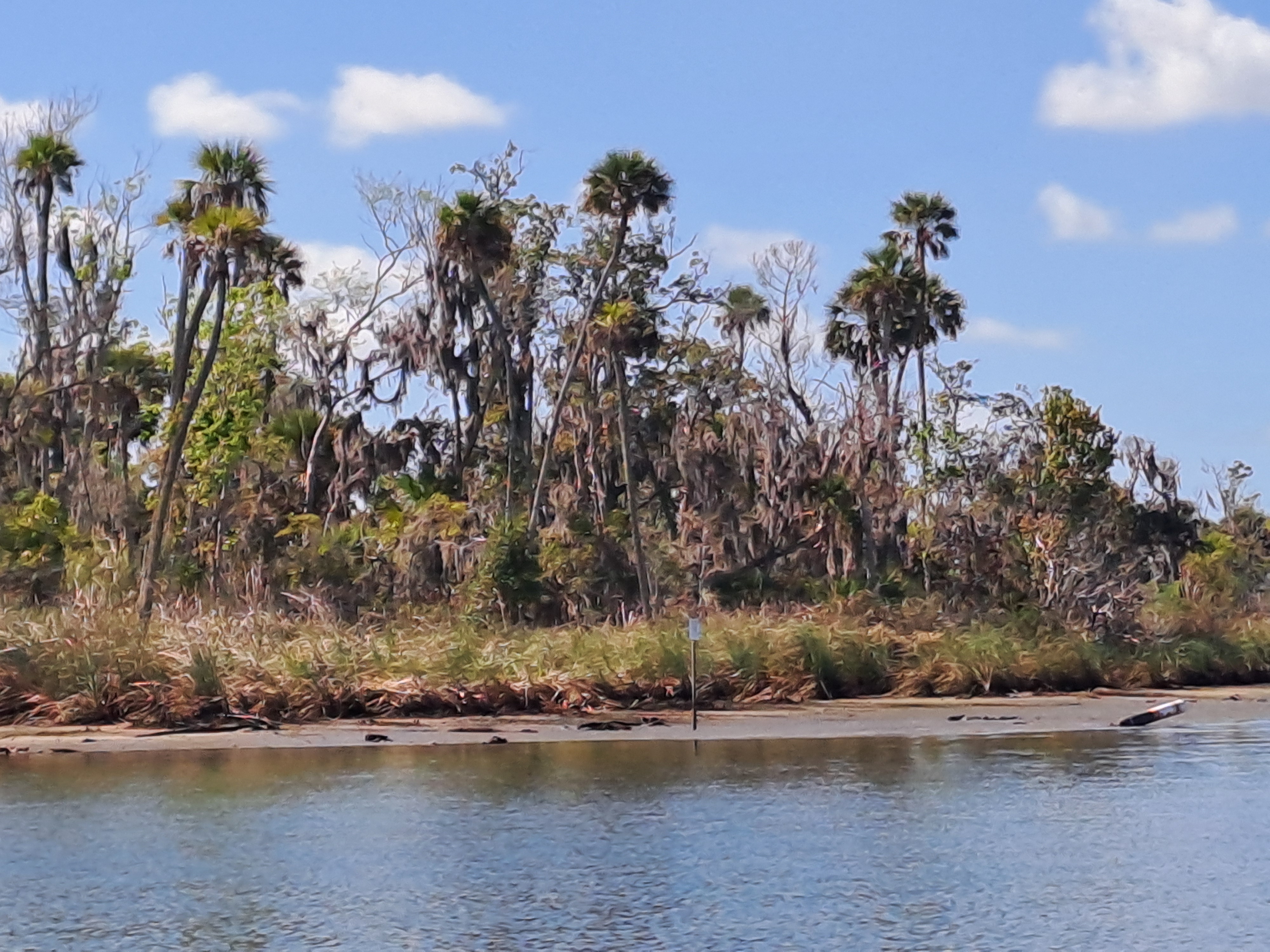
We also did a boat tour from the surface of the marina. Some of the properties there looked amazing but with just the boat outside topping $700,000 the cost of living there seemed a little steep. I also noticed that what might have been large conservatories in the UK were spaces screened against insects. Maybe summer isn’t so good with lotscof biting insects.
Also the water can rise by 10 feet flooding most properties another slight problem.

We went onto Myakka a lovely state park and campsite. We had some lovely park campsites, and this was no exception. In the course of a few days we had gone from heating on at night and -5 degrees to door and widows open, screens across, because it was so hot. This site was wonderful, right next to the toilets and great privacy.
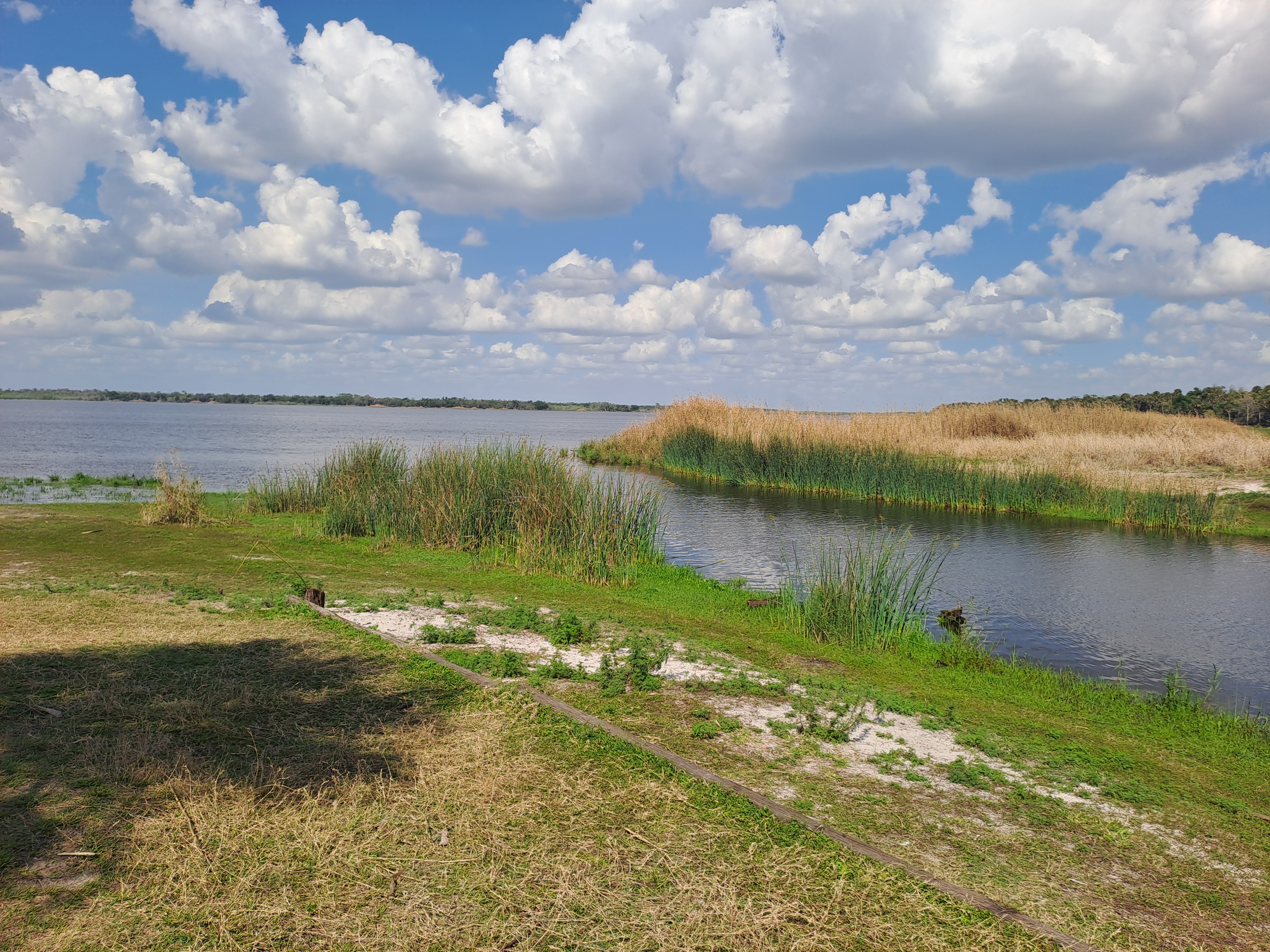
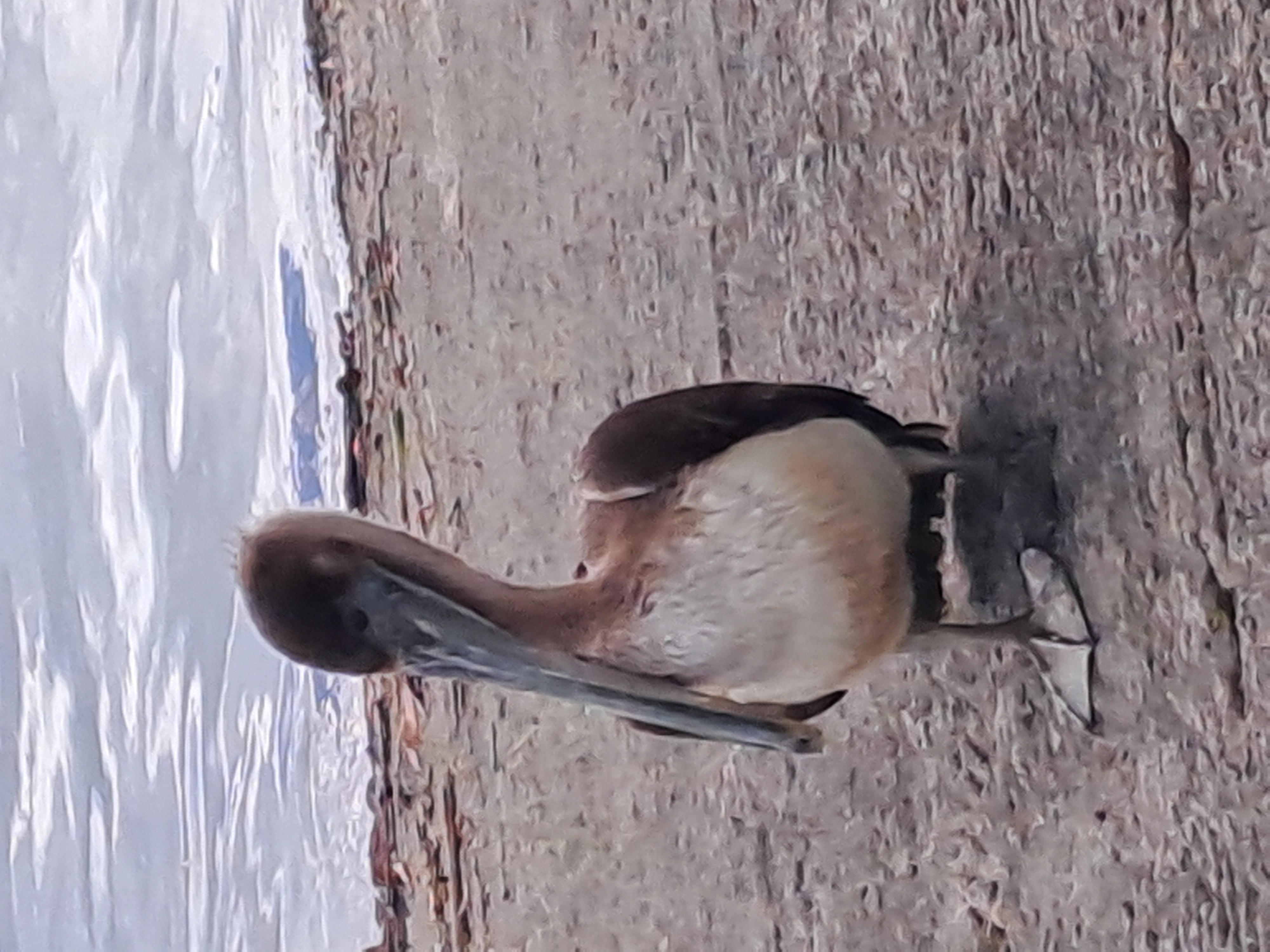
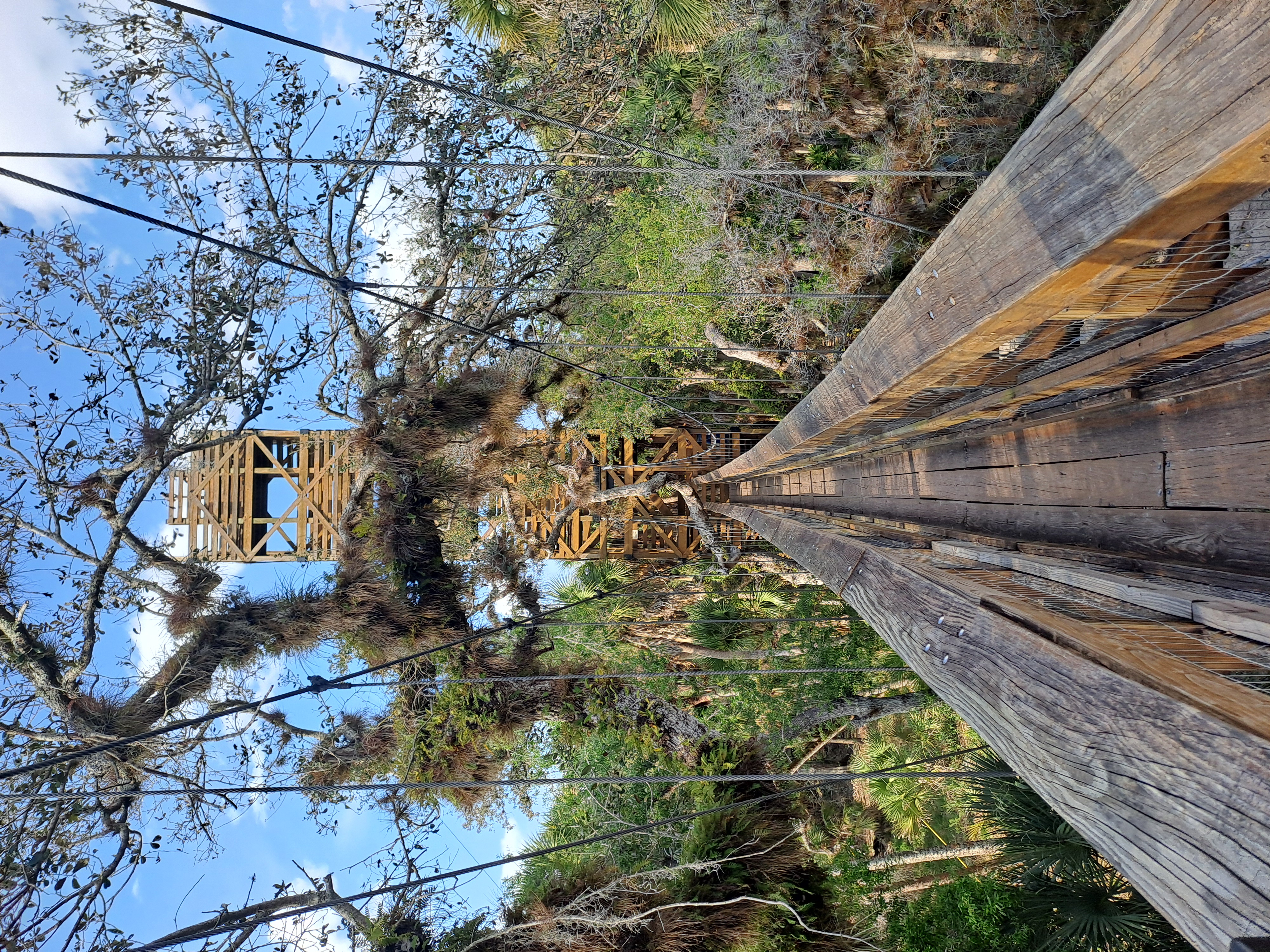
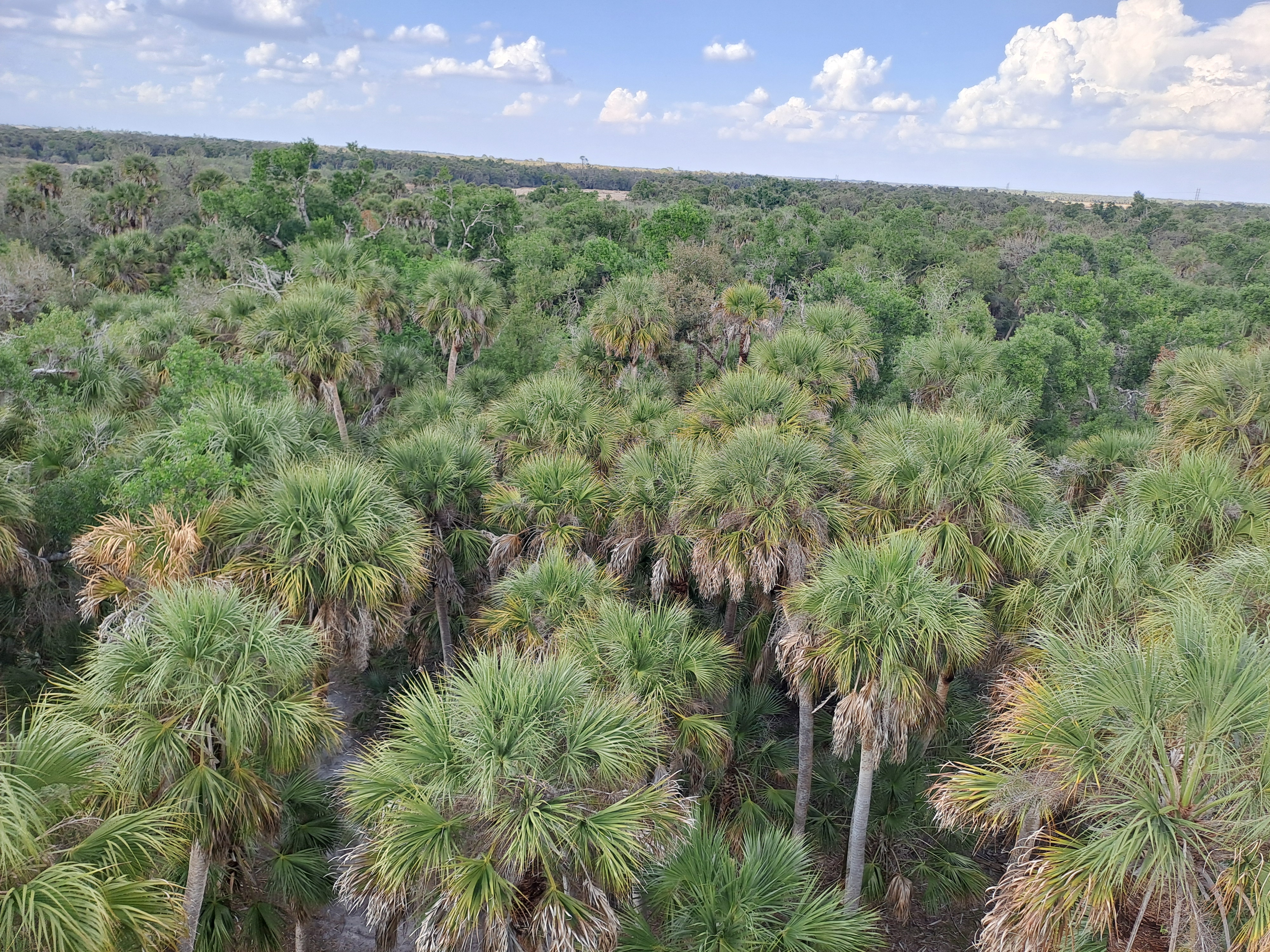
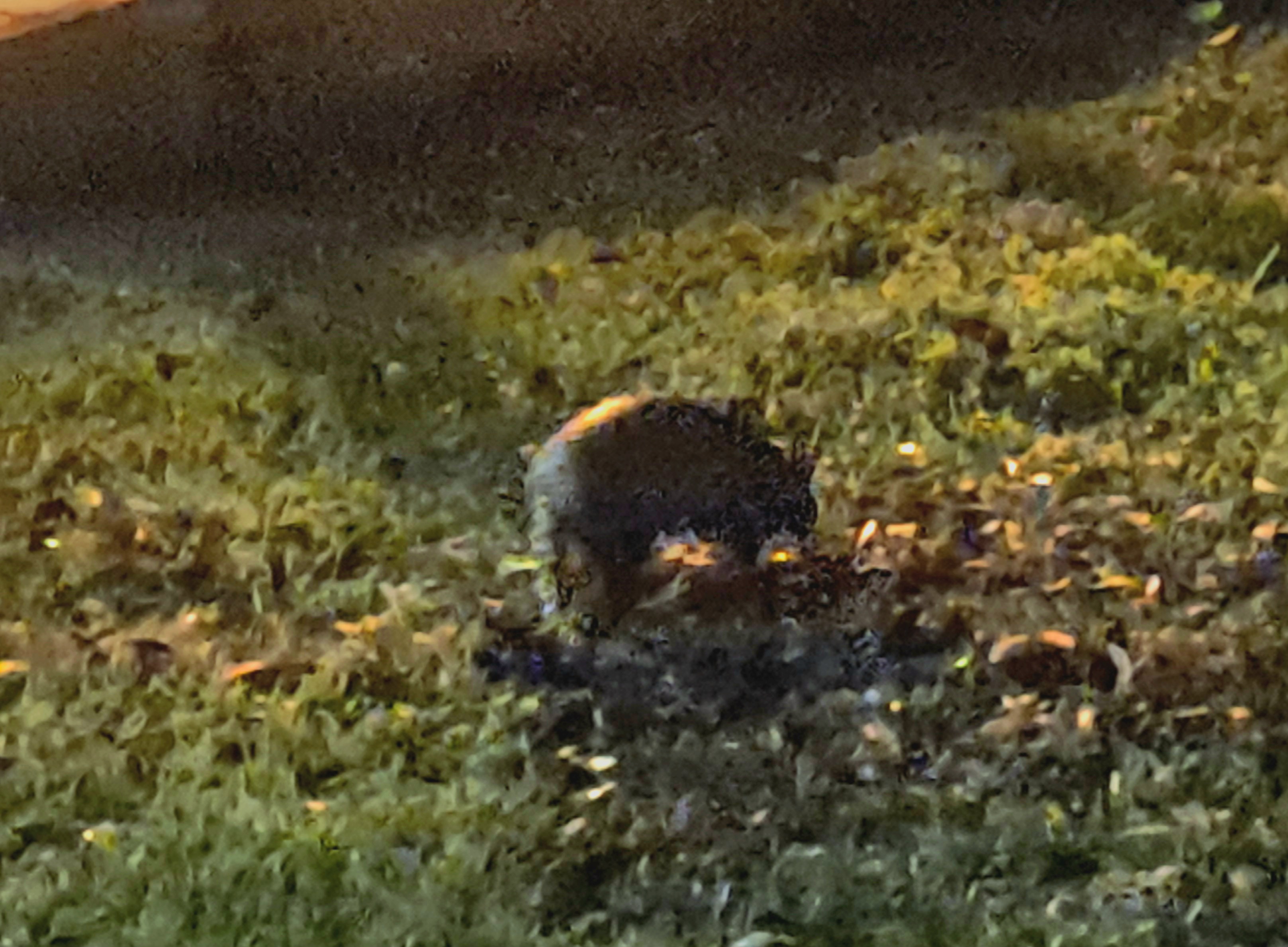
Before parking we explored the canopy walkway, and stopped for alligator photos. I even caught sight of an armadillo in the dark wandering around at night.
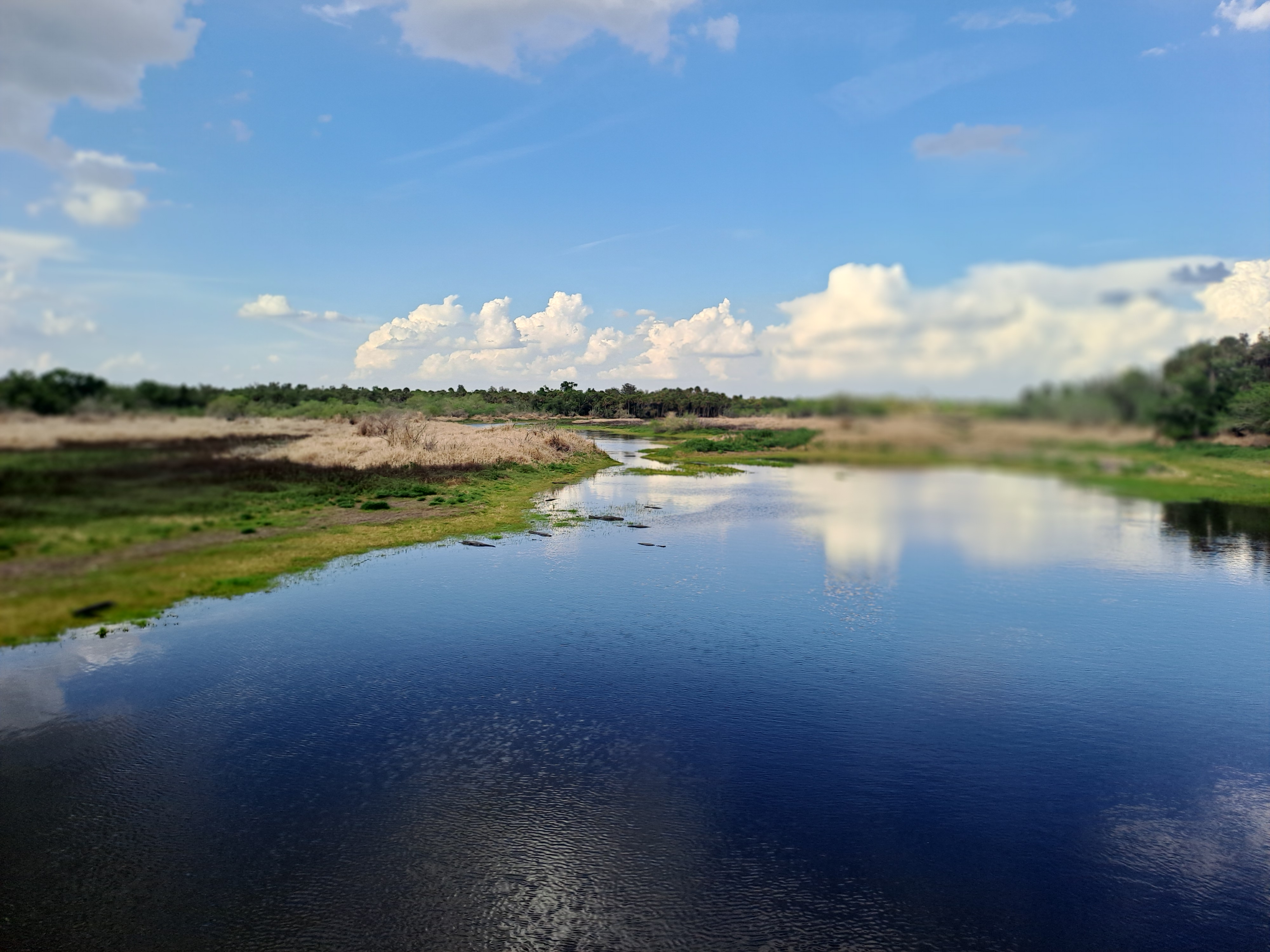
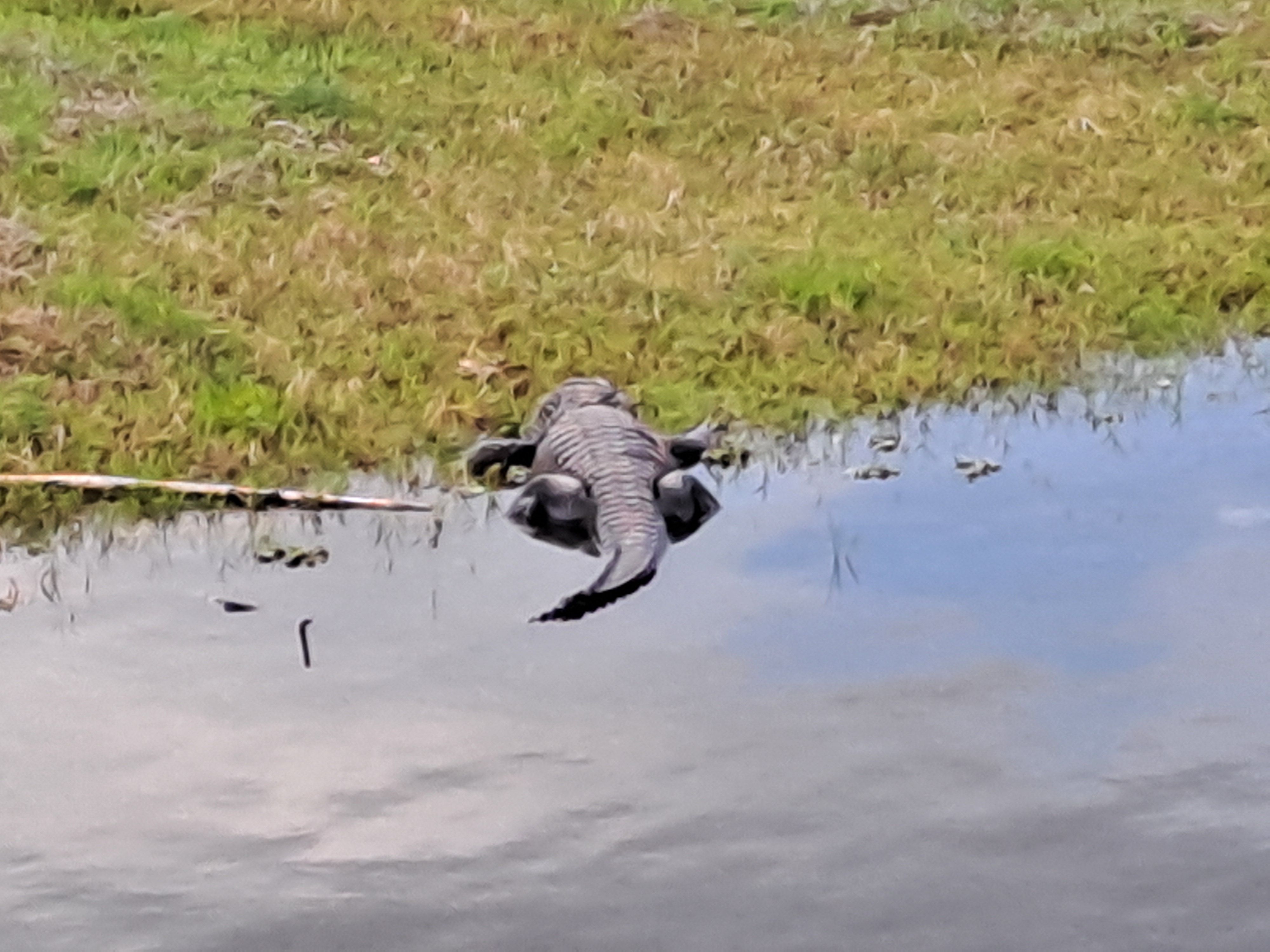
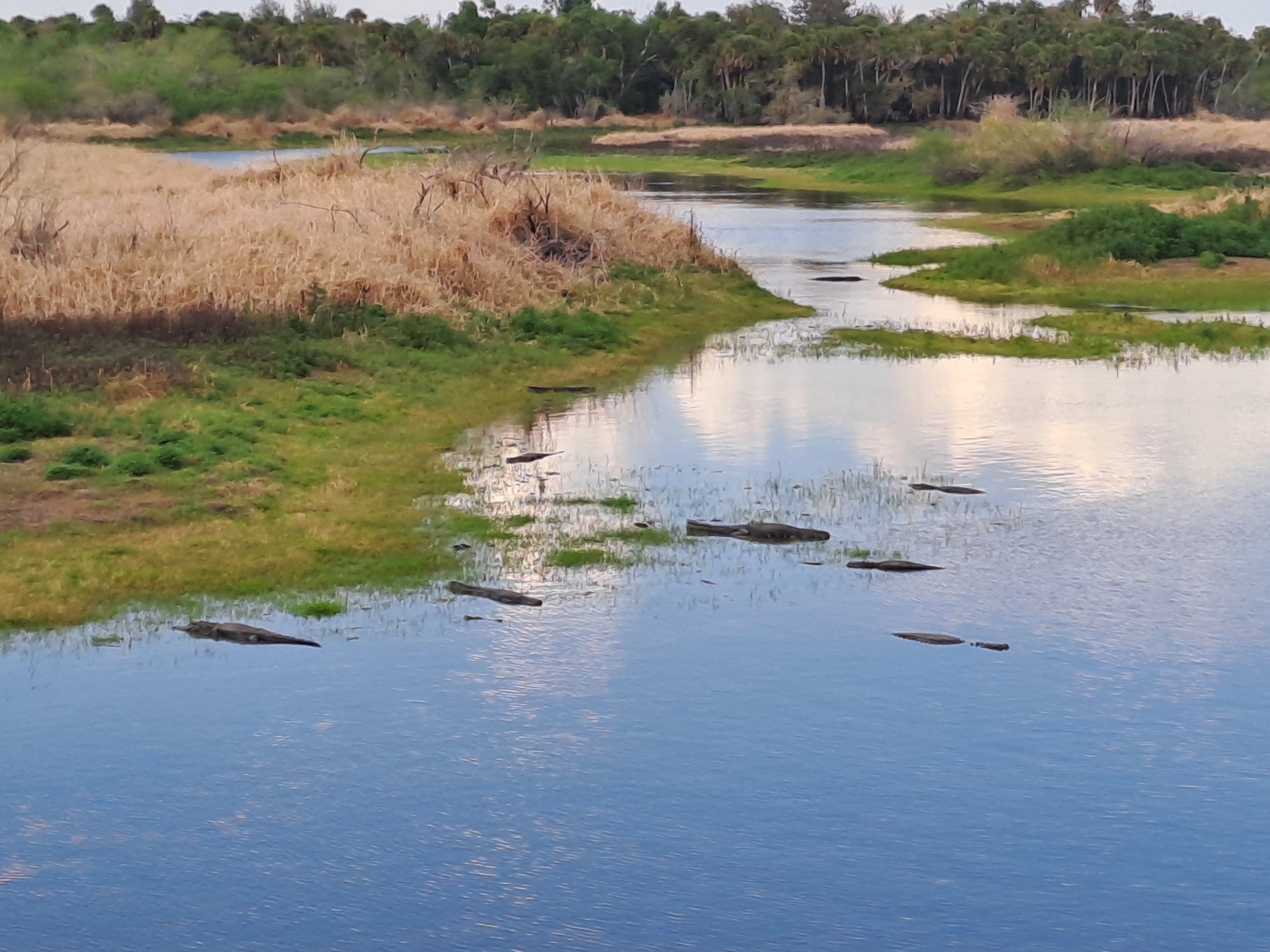
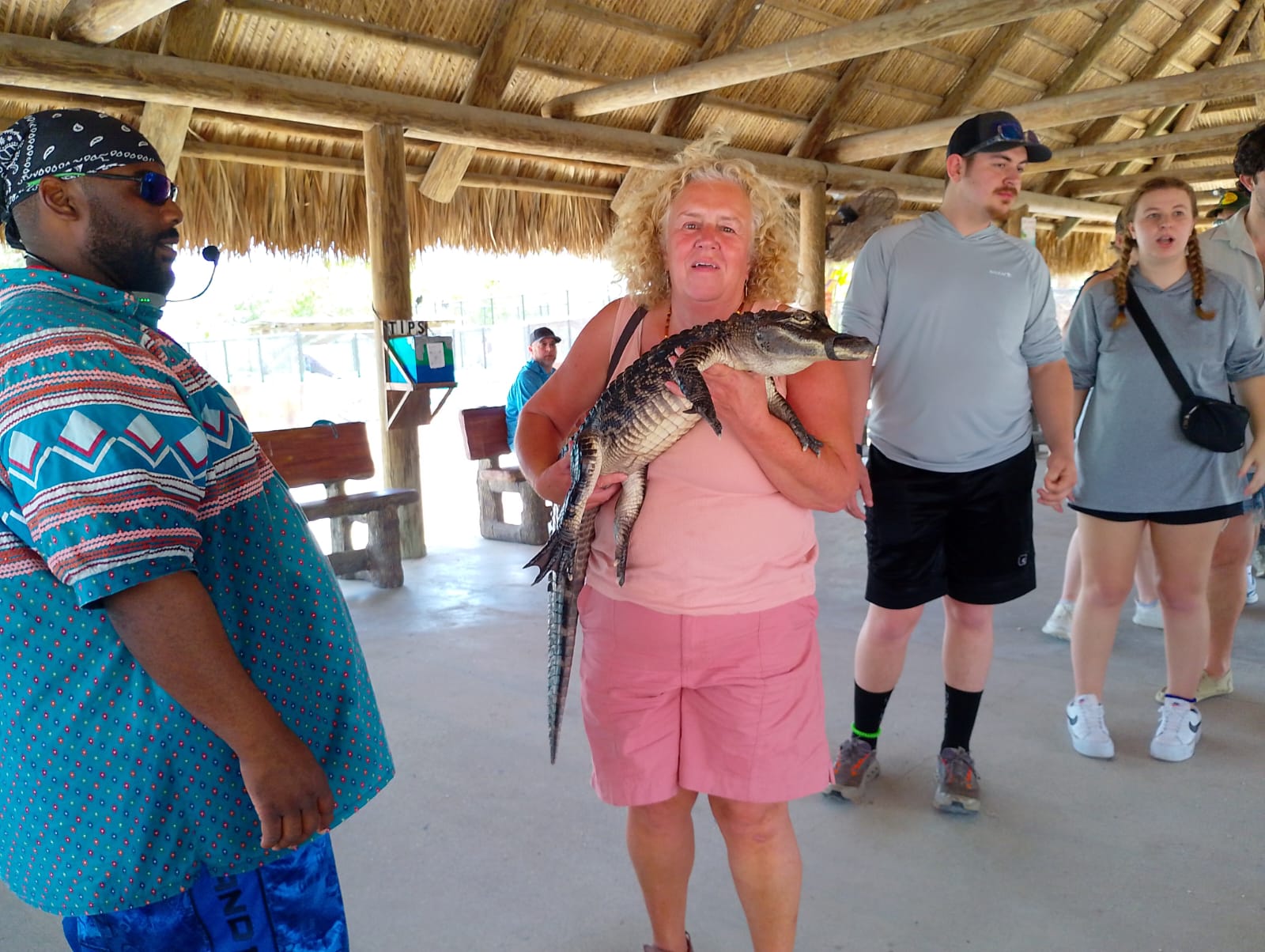
We stopped off briefly at an alligator park, mainly due to needing a break on the drive. We saw the alligator show, which seemed hard on both the alligator and the guide, who had already had a couple of bad bites.
He did say that the only people who survived in the Everglades were a couple of Native American tribes and his ancestors, slaves, living there out of necessity.
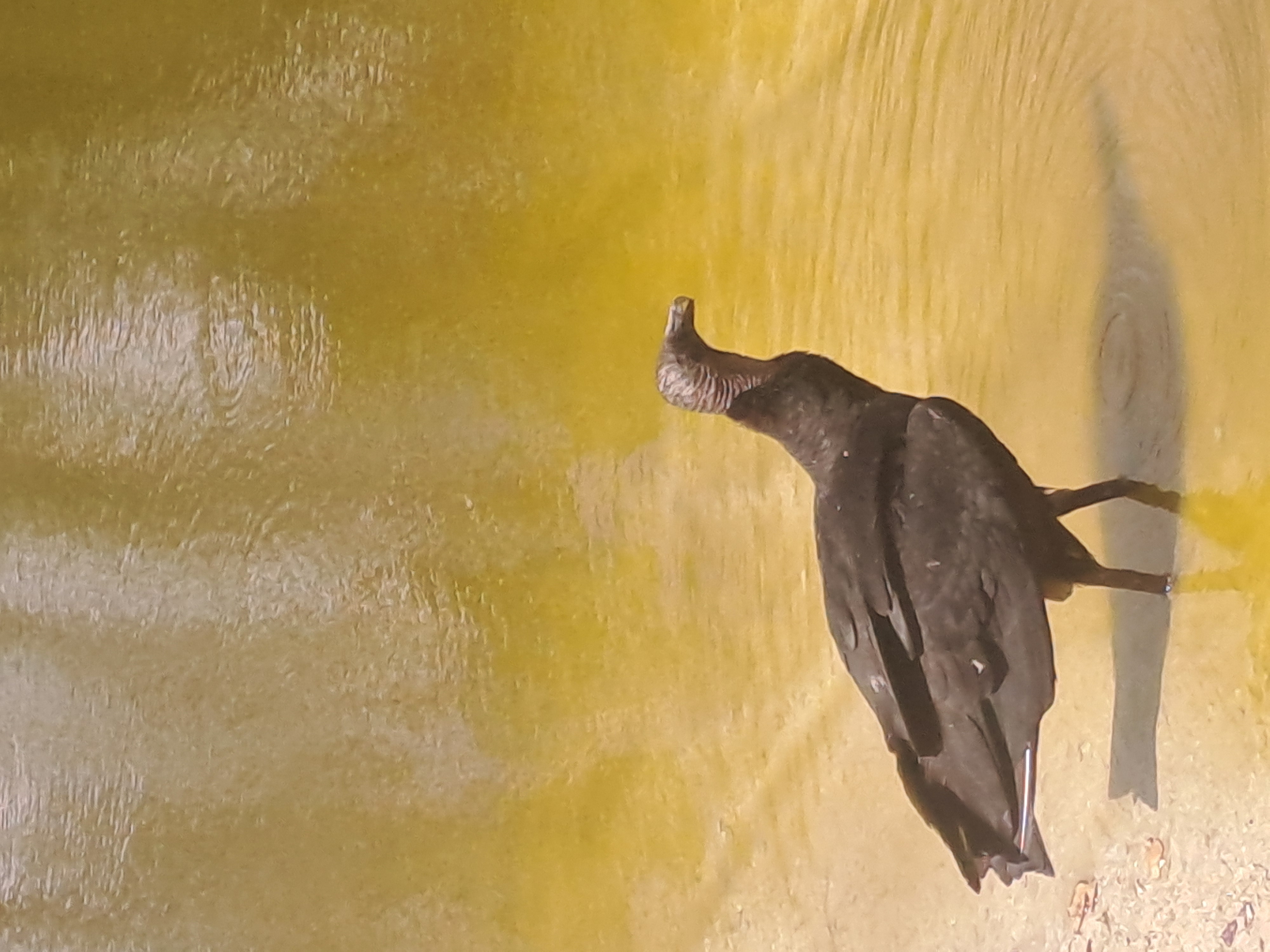
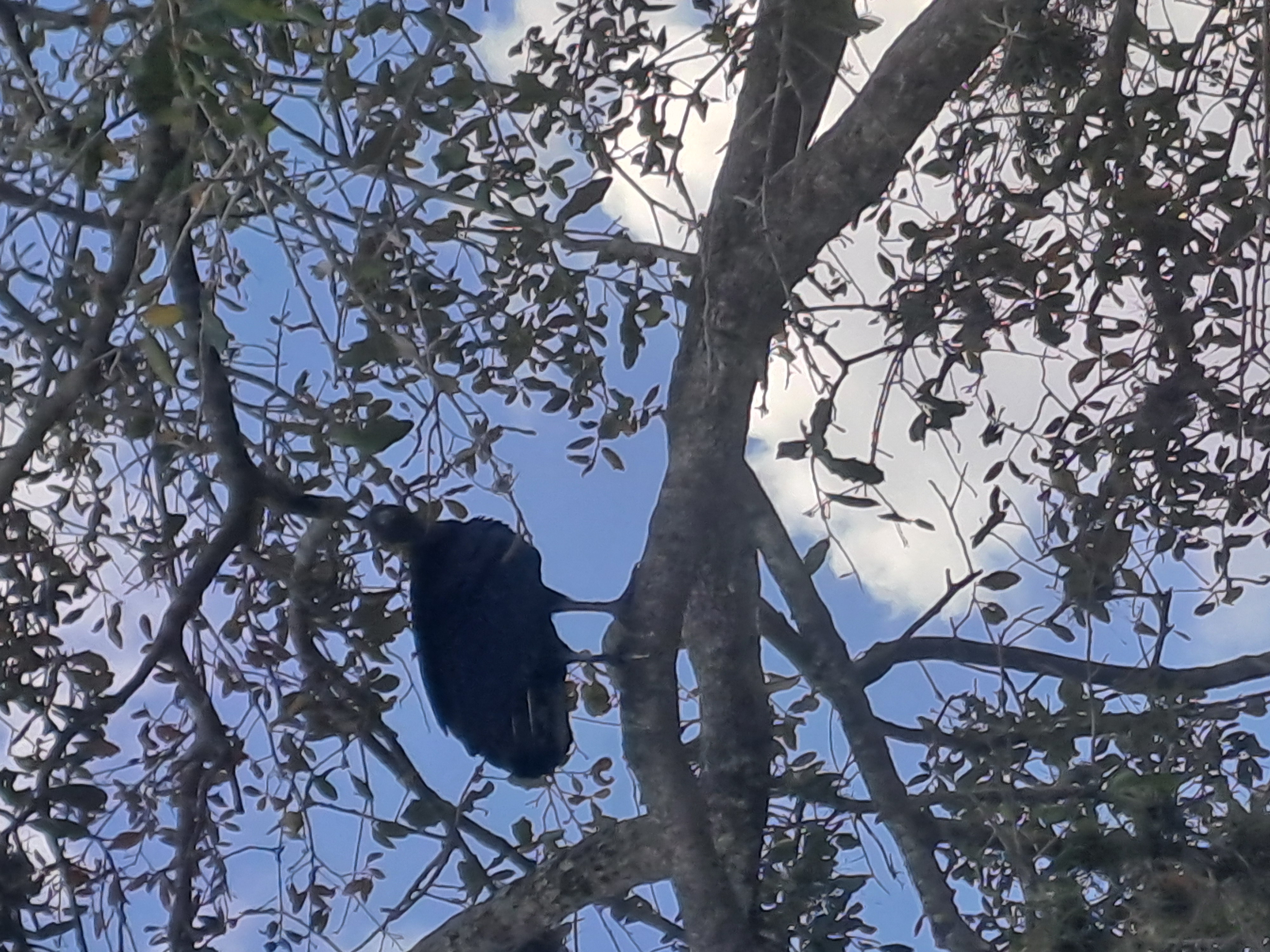
Here we started seeing vultures and seeing warnings about them damaging vehicles.
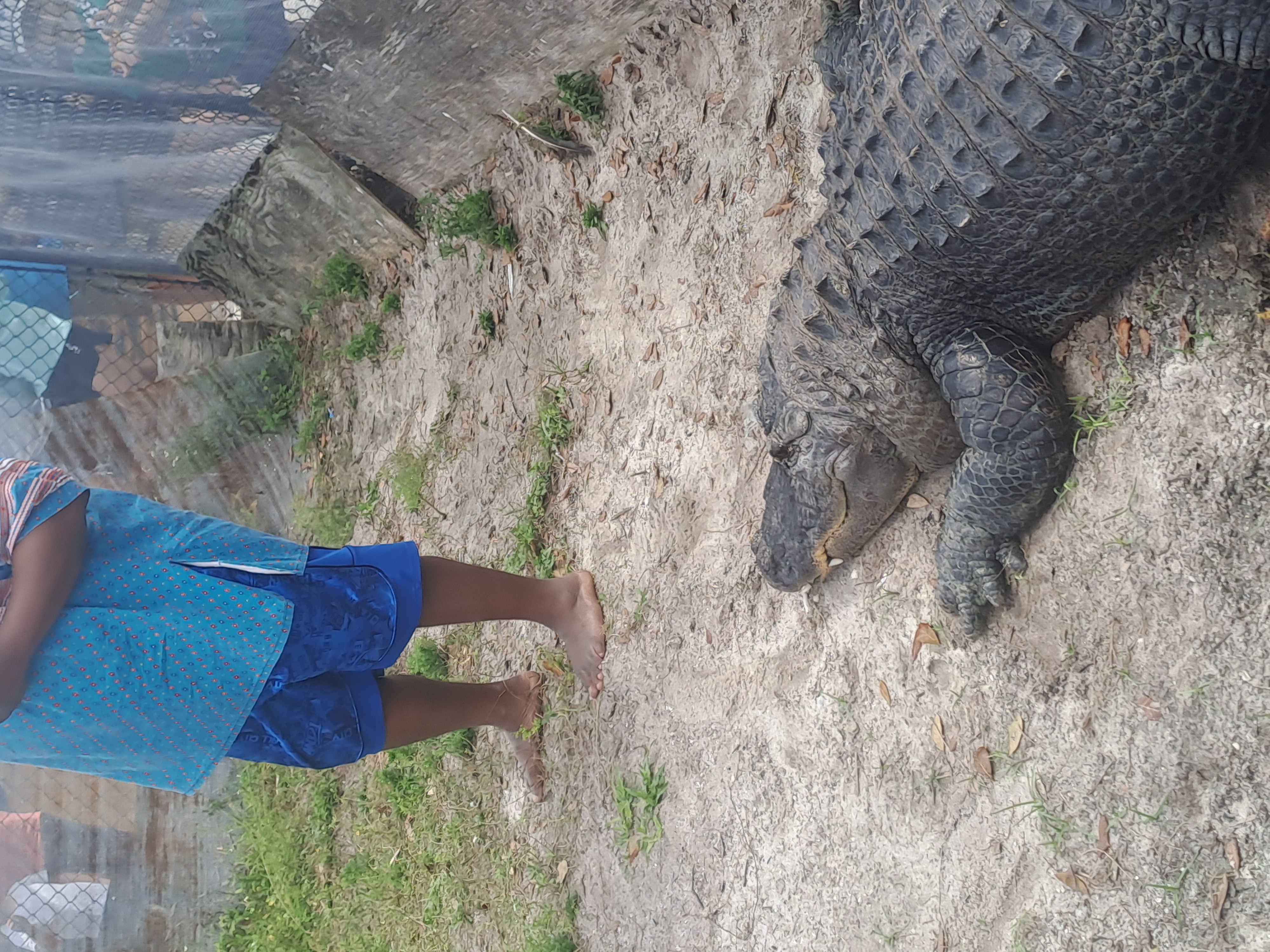
Of course I had to handle an alligator.
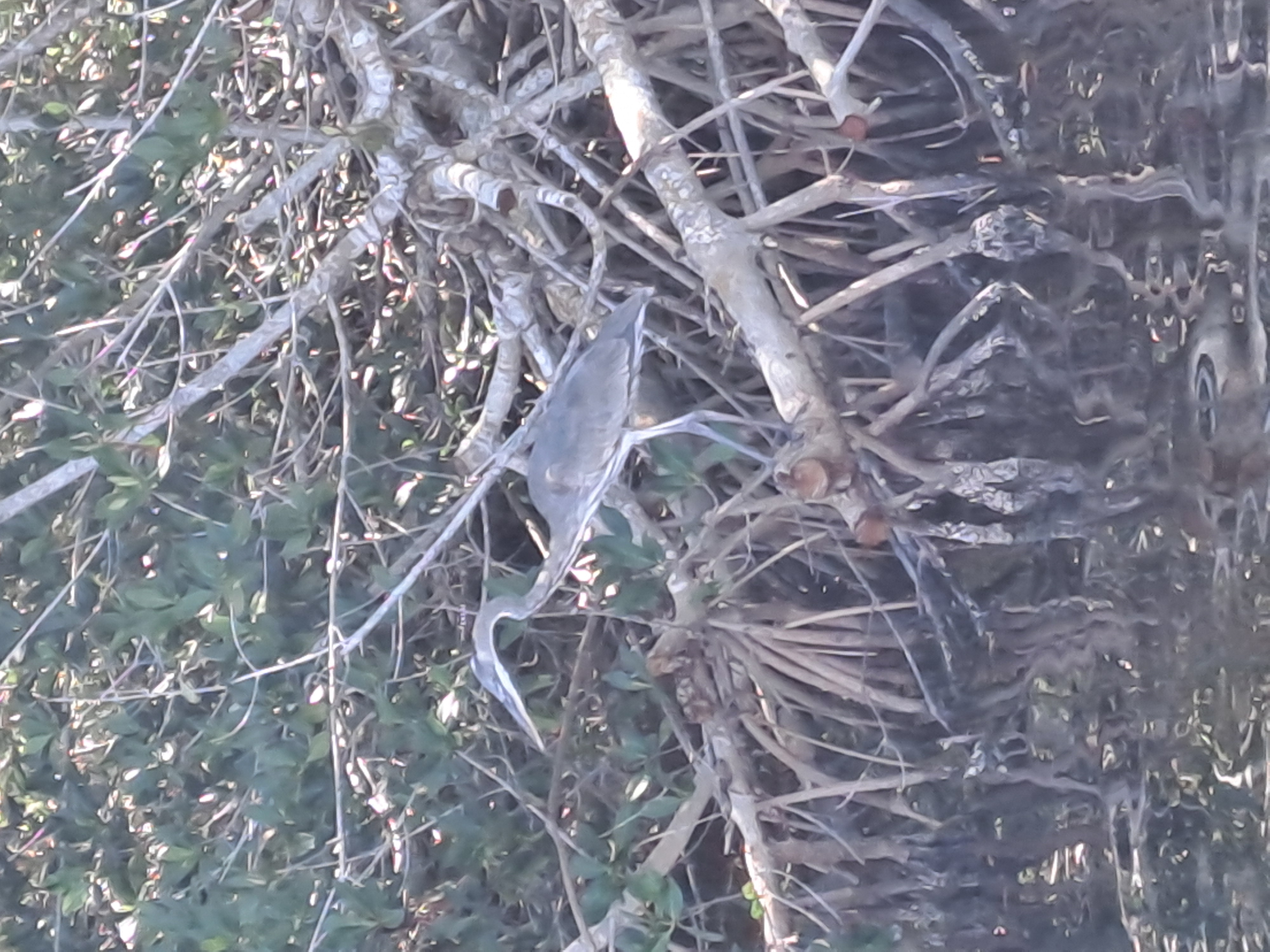
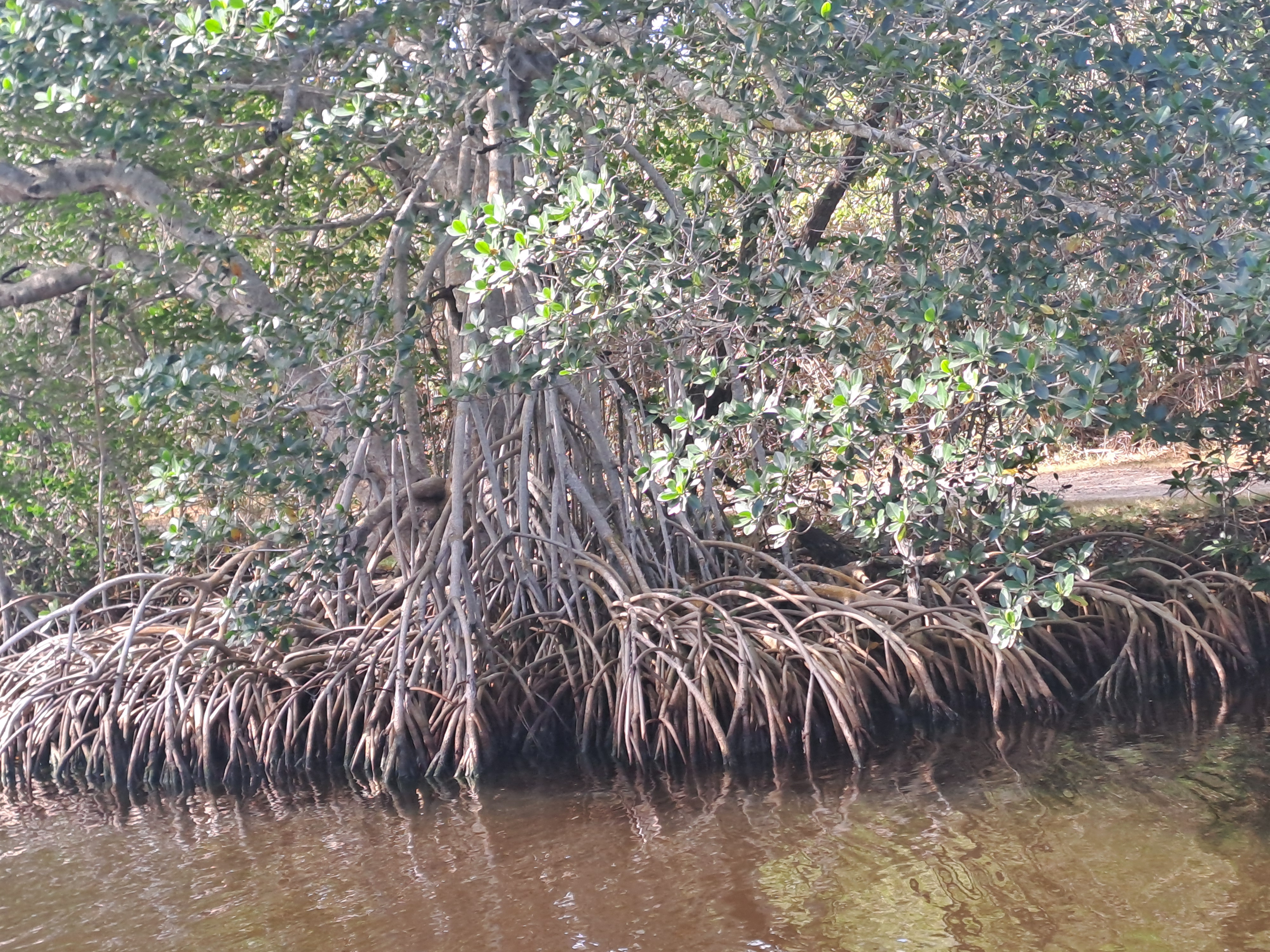
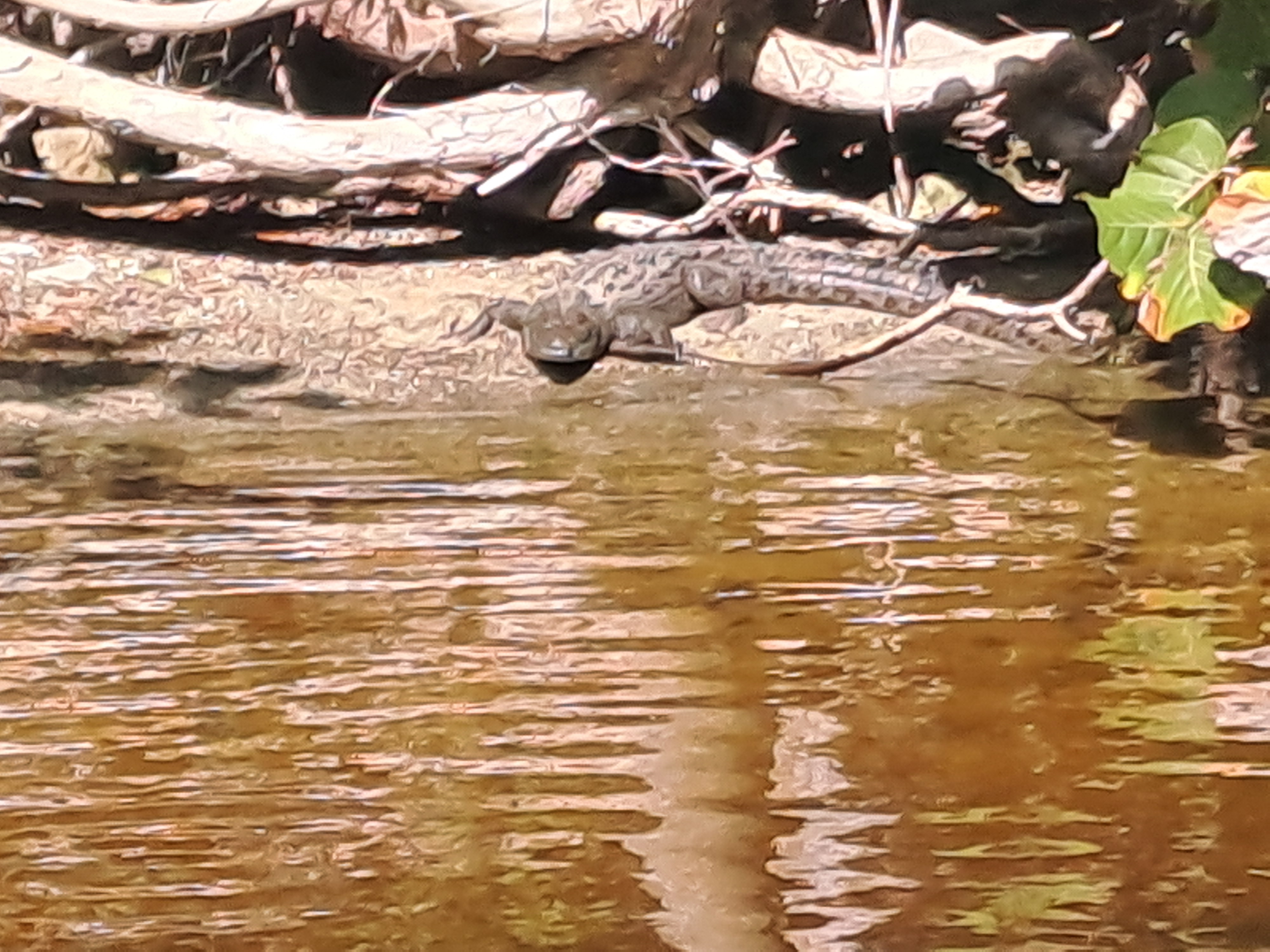
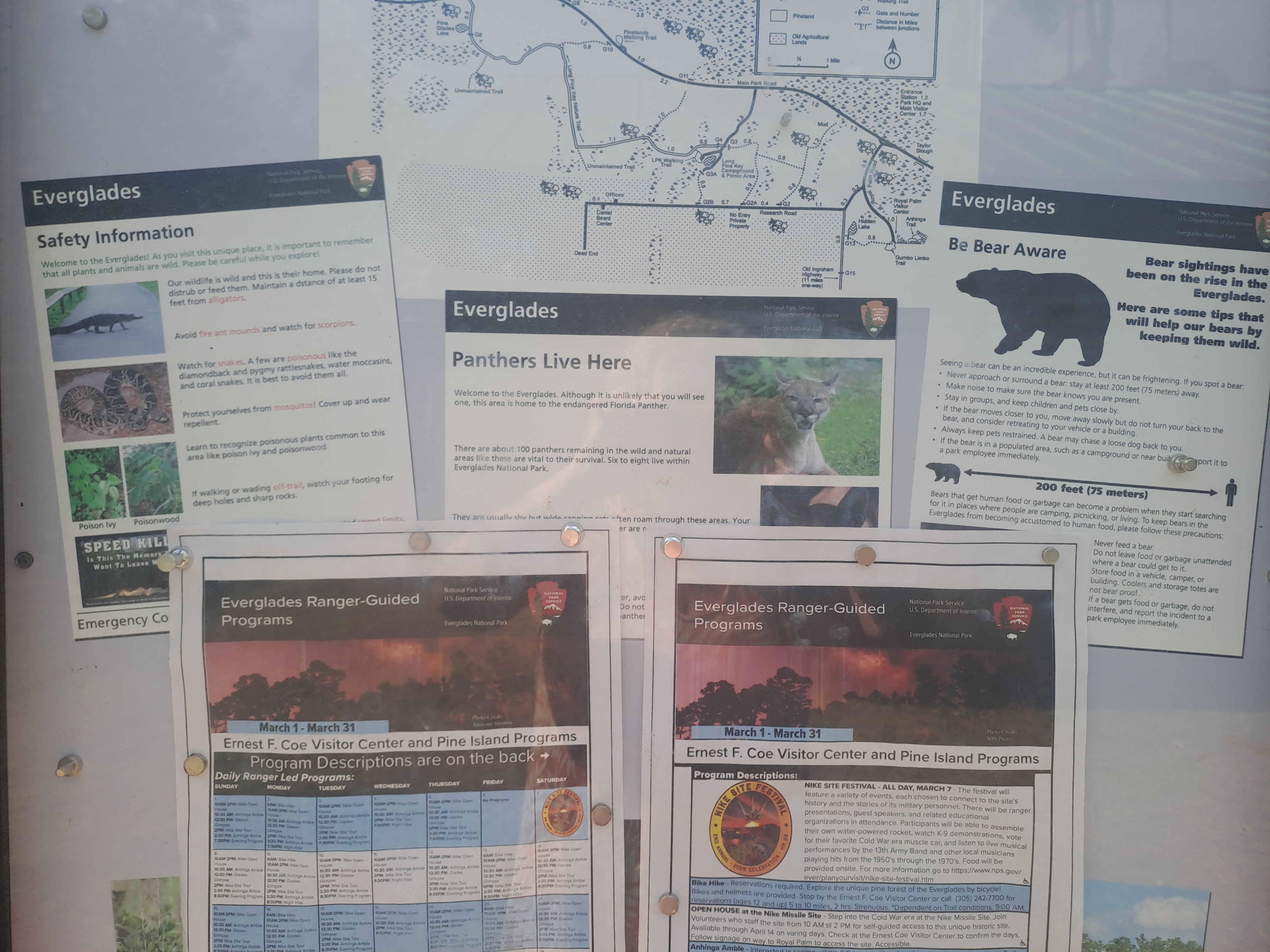
We camped at Everglades National Park which was fantastic with beautiful views of the night sky.. Here we saw a number of small camping vehicles. After months of coach size vehicles we saw car campers, tent campers and a whole load of custom made vehicles.
Entering the Everglades we got a picture of parks opinion on their president. Our pass was a resident pass, I questioned the price at the time and got told prices had changed that month and they hadn’t caught up. Here they wanted my ID which if course didn’t match up. The warden blamed every thing on the president changing the system in January and as we were camping, let us in. I’m guessing I was given the residents pass as a protest as everyone picked up on my accent as soon as I spoke.
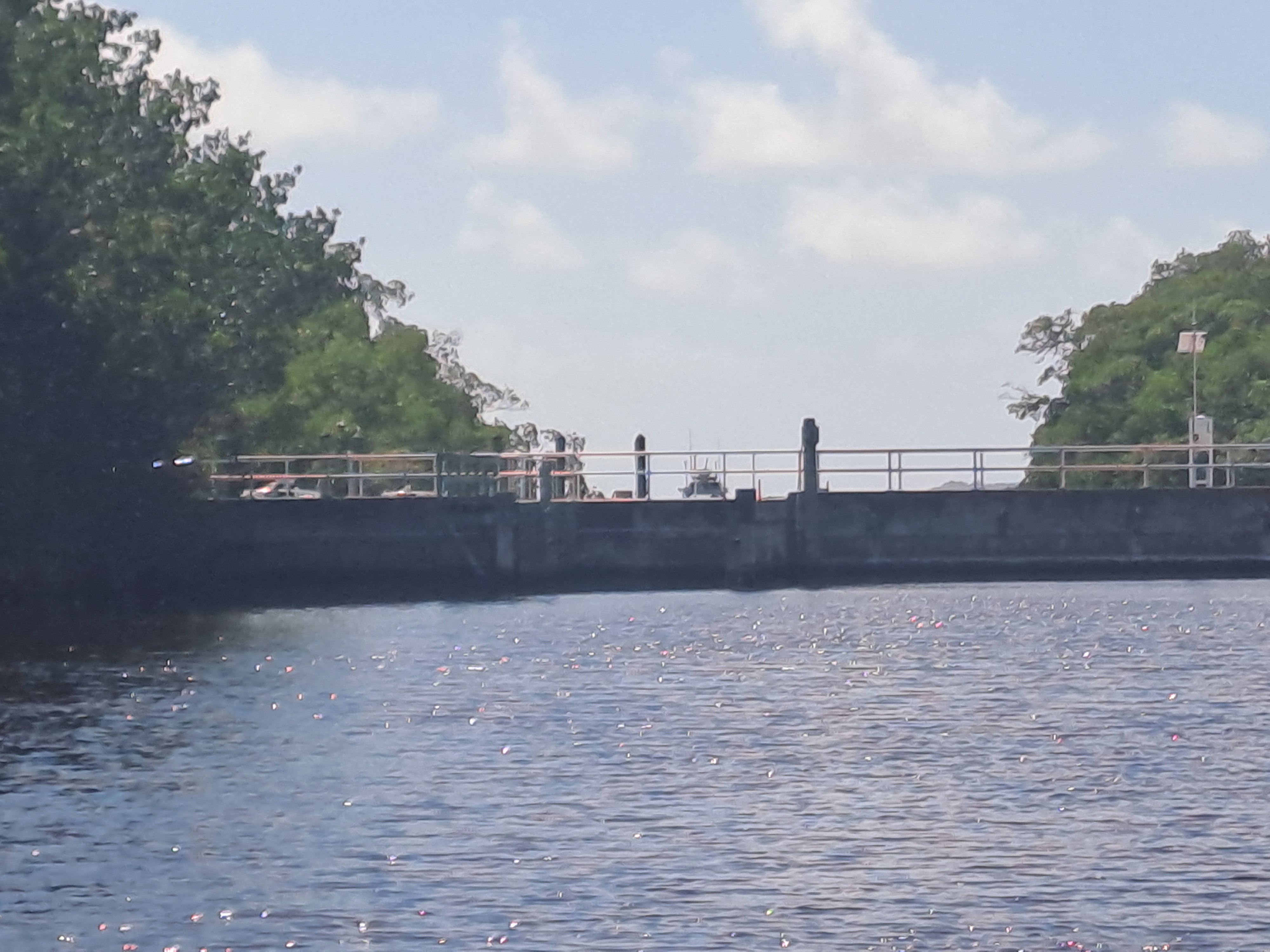
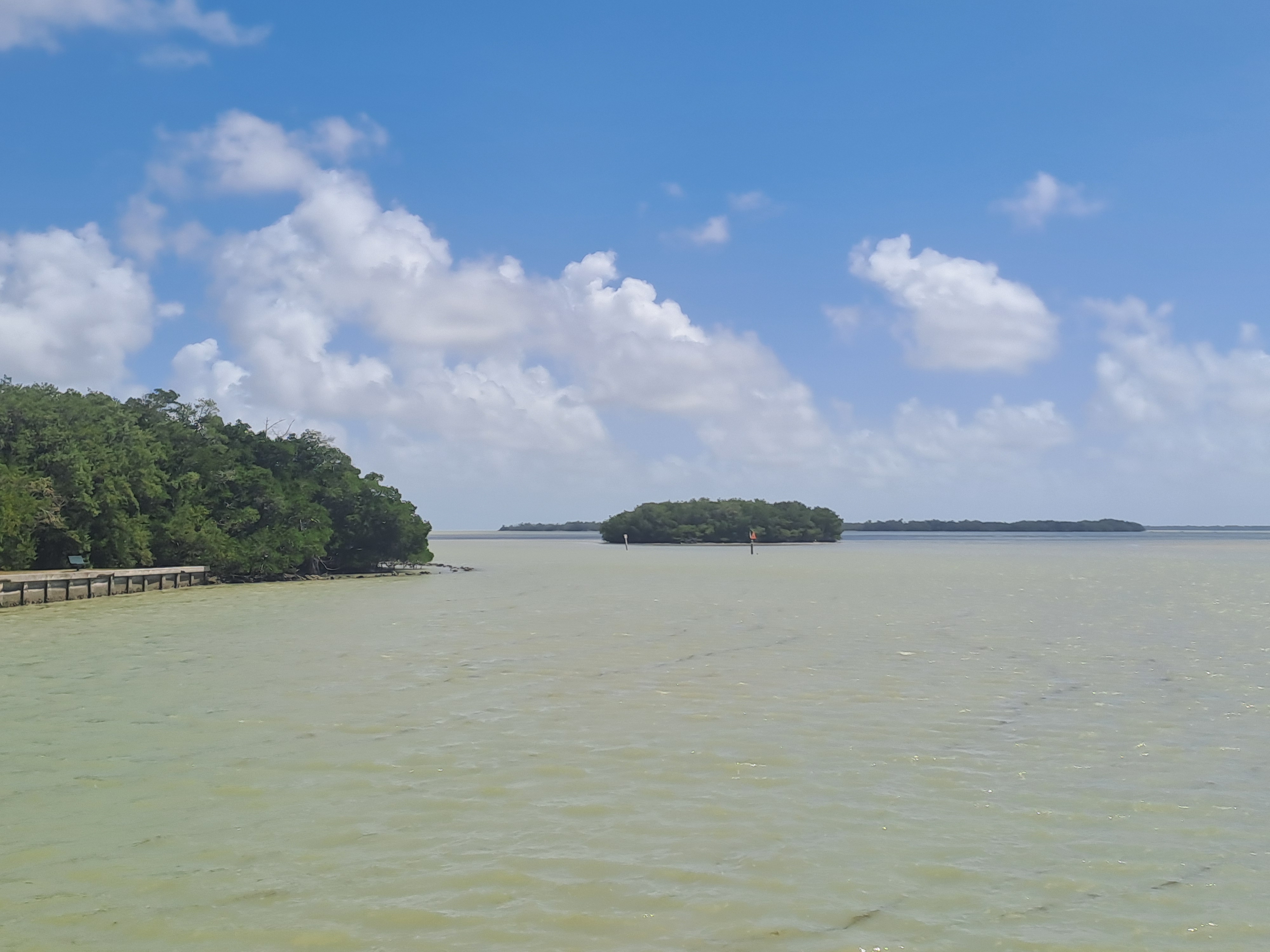
There used to be a natural barrier between the ocean and the Everglades. This was broken through to save a 60 mile trip around. However, this meant an influx of salt water that was detrimental to the local habitat. So the plug (below) was installed which keeps the environments as they should be.
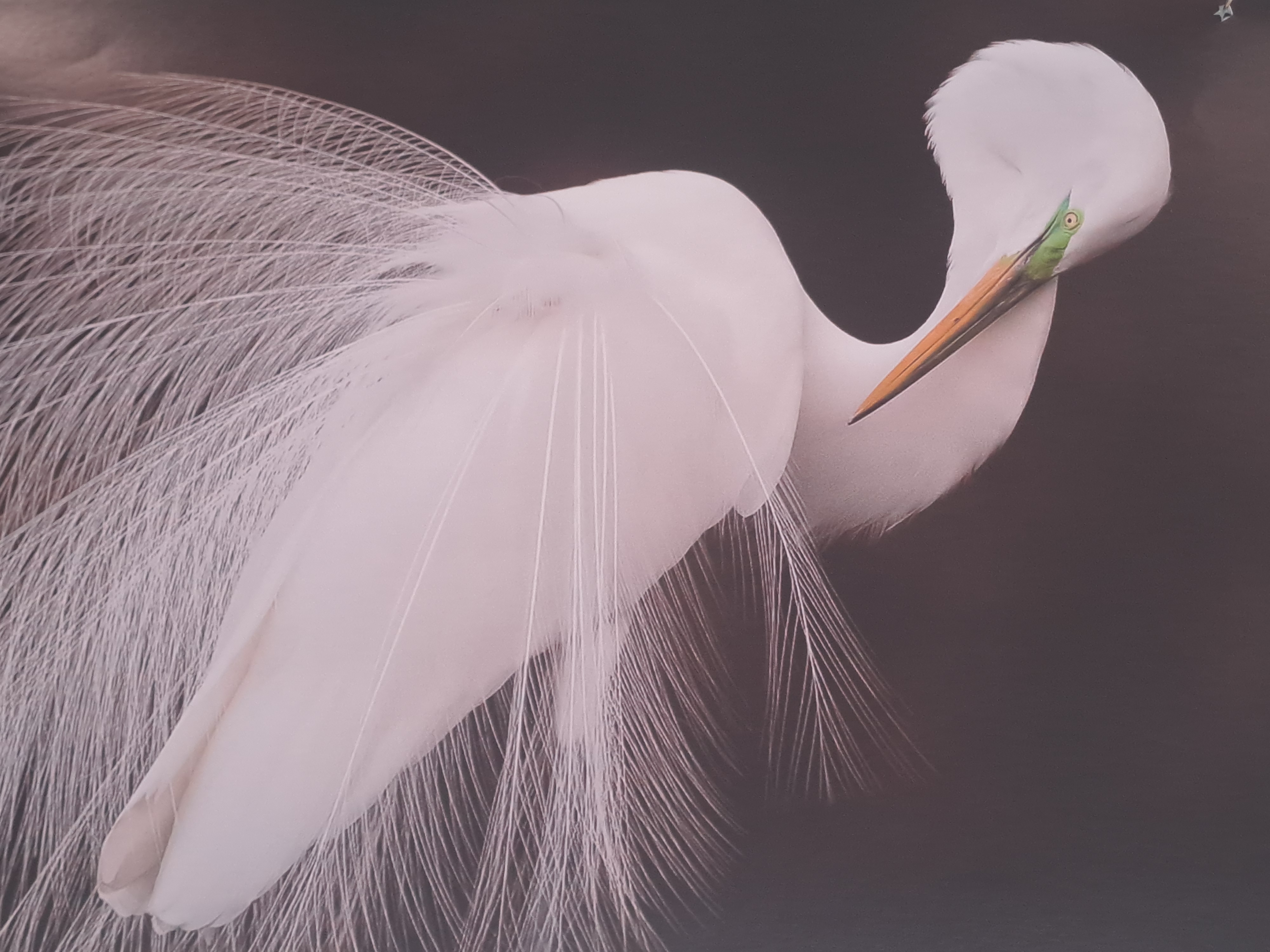
Bradley was hired by the Audubon Society to protect egrets, herons, and other wading birds from poachers seeking feathers for women’s fashion in the early 1900s. While patrolling near his home in Flamingo, Florida, Bradley confronted poachers, leading to a fatal shooting. The shooter was acquitted, but the case drew national attention to the need for bird protection laws. Known as one of Florida’s most enduring folk heroes, Bradley’s name is honoured through the Guy Bradley Visitor Centre at Flamingo, the Guy Bradley Trail in Everglades National Park, and a yearly national award. His death occurred decades before the Everglades National Park was established in 1947, but his work to protect the environment goes on.
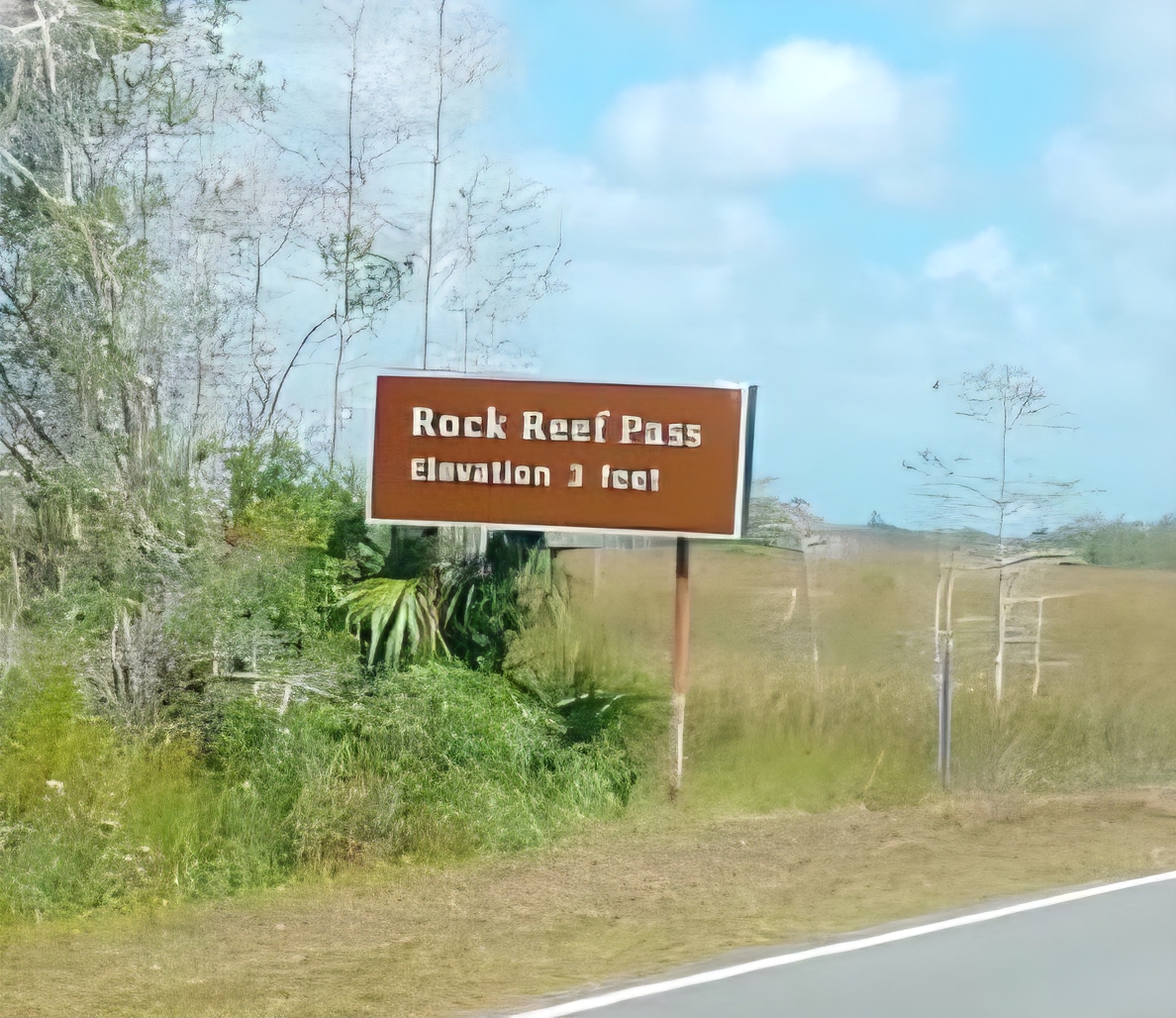
The notice below was slightly disconcerting late at night on my way back from the toilets. But i think they were all more scared of me than I was of them.

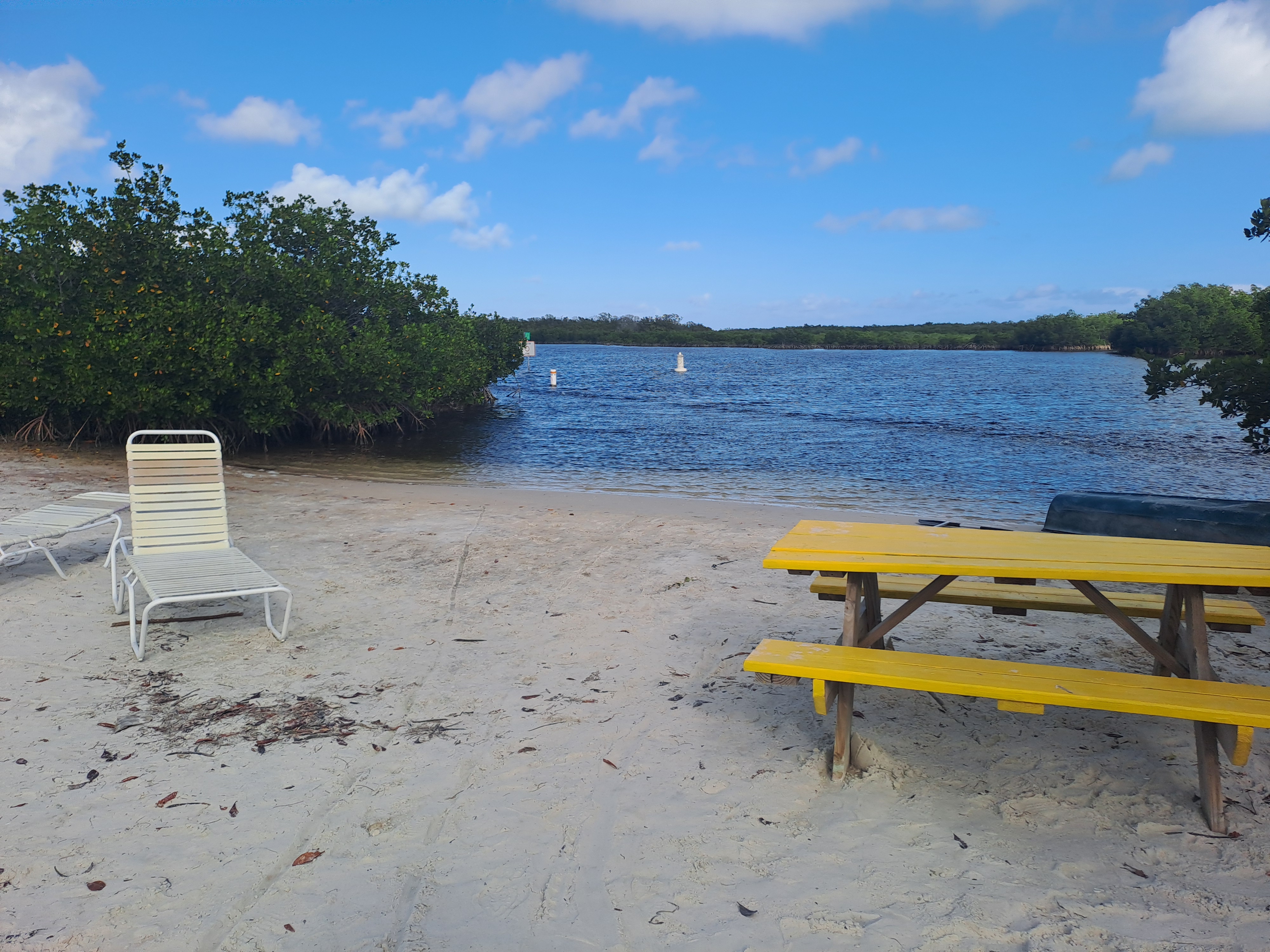
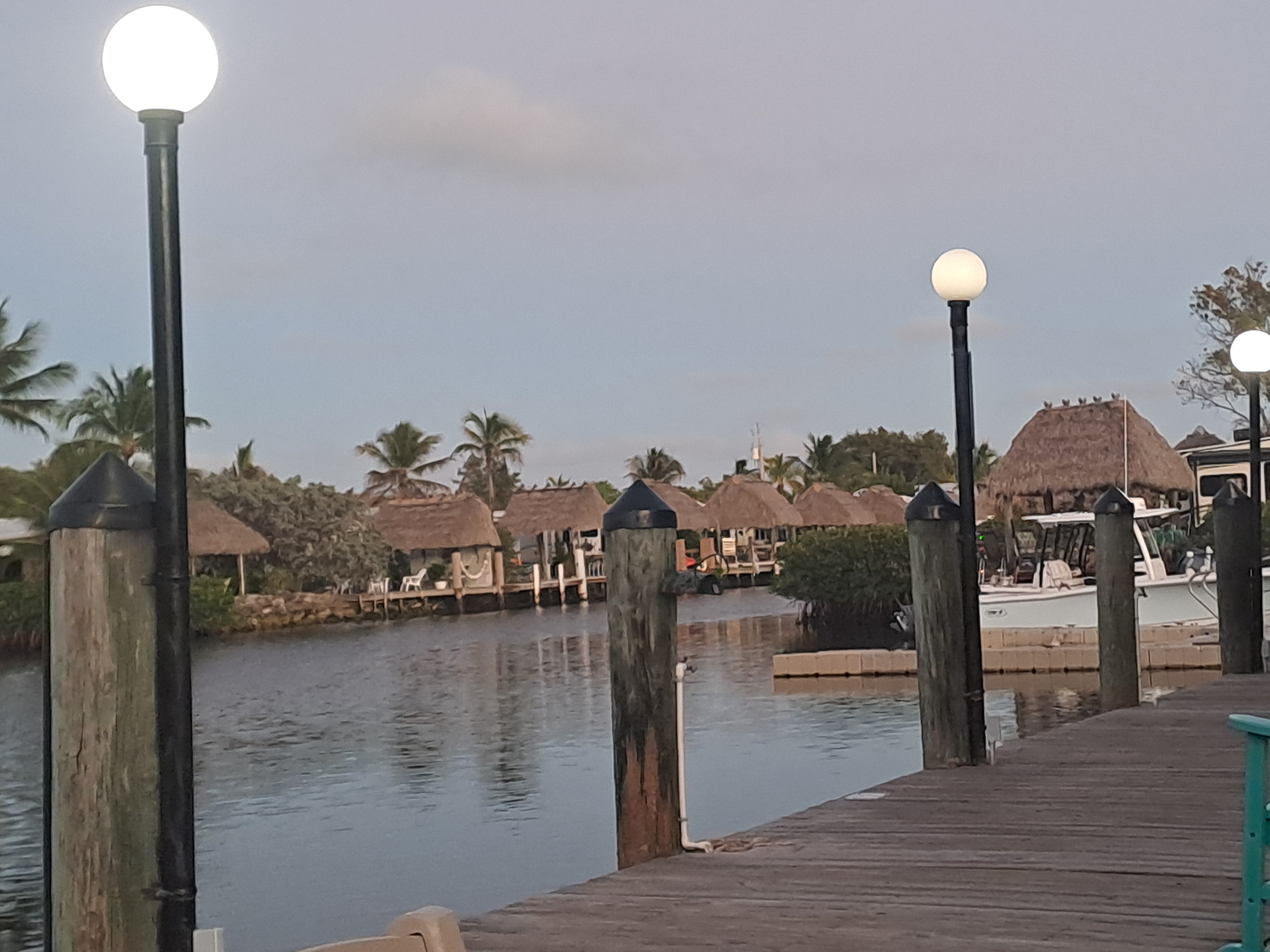
The Keys were so opposite to the Everglades. From the primitive to the opposite in an hour’s drive. We were staying at a site that had gradually become owner occupied. With camping sites being built up as homes. It was a strange mixture of open sites for camping, and sites converted to homes, either caravans with add ons or actual dwellings.
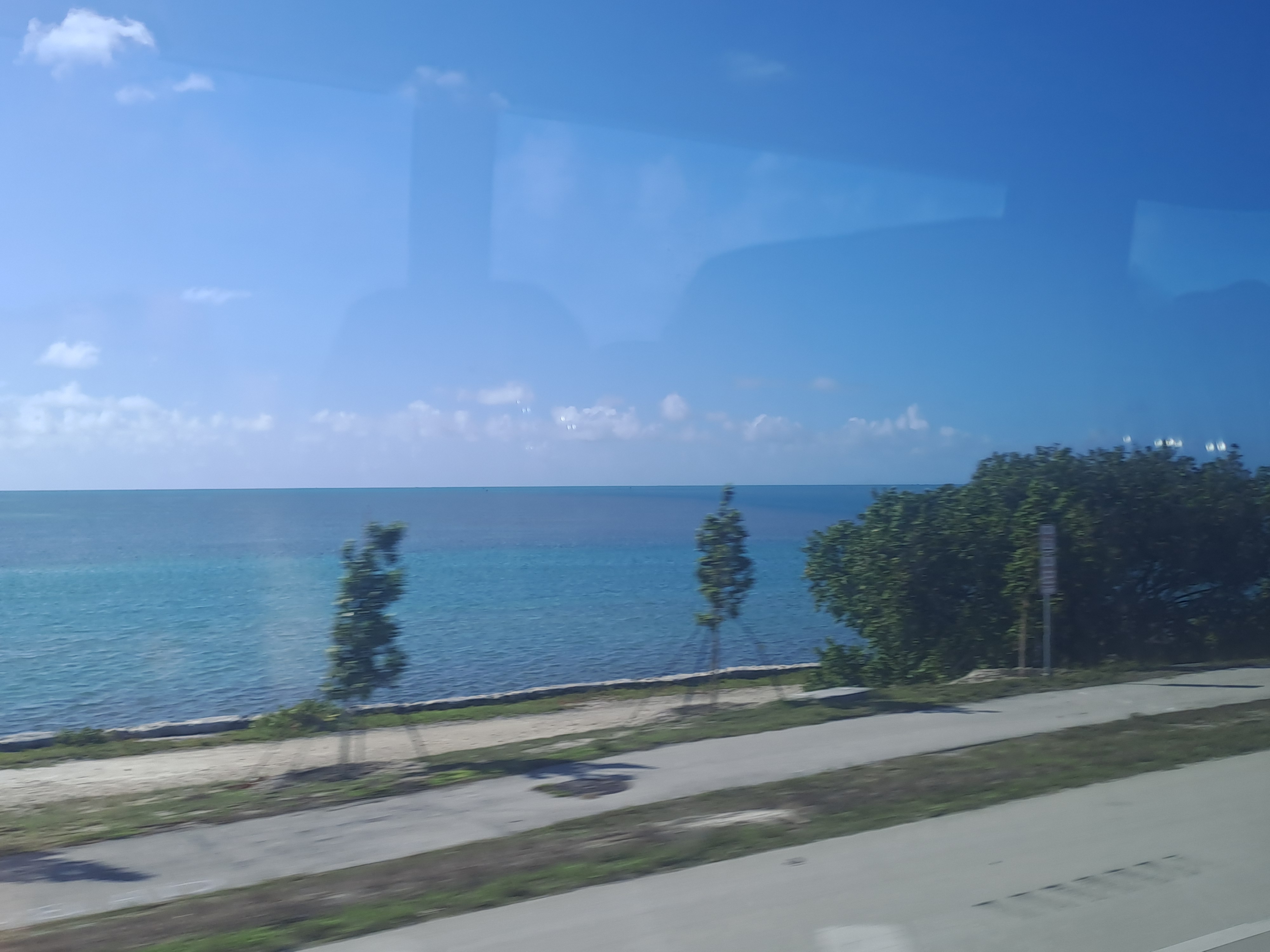
Having come down so far, we had to go all the way to Key West. We did it by Greyhound bus 98 miles along the Keys and the many long bridges joining all the small islands.
The Florida Keys are a tropical archipelago of coral and limestone islands stretching southwest from the Florida mainland, famous for their clear waters, coral reefs, and laid-back lifestyle, connected by the Overseas Highway (US-1). This chain of over 1,700 islands, with about 45 inhabited, extends from Key Largo to Key West, the southernmost point in the continental U.S., offering activities like boating, fishing, snorkeling, diving, and exploring unique history and nightlife.
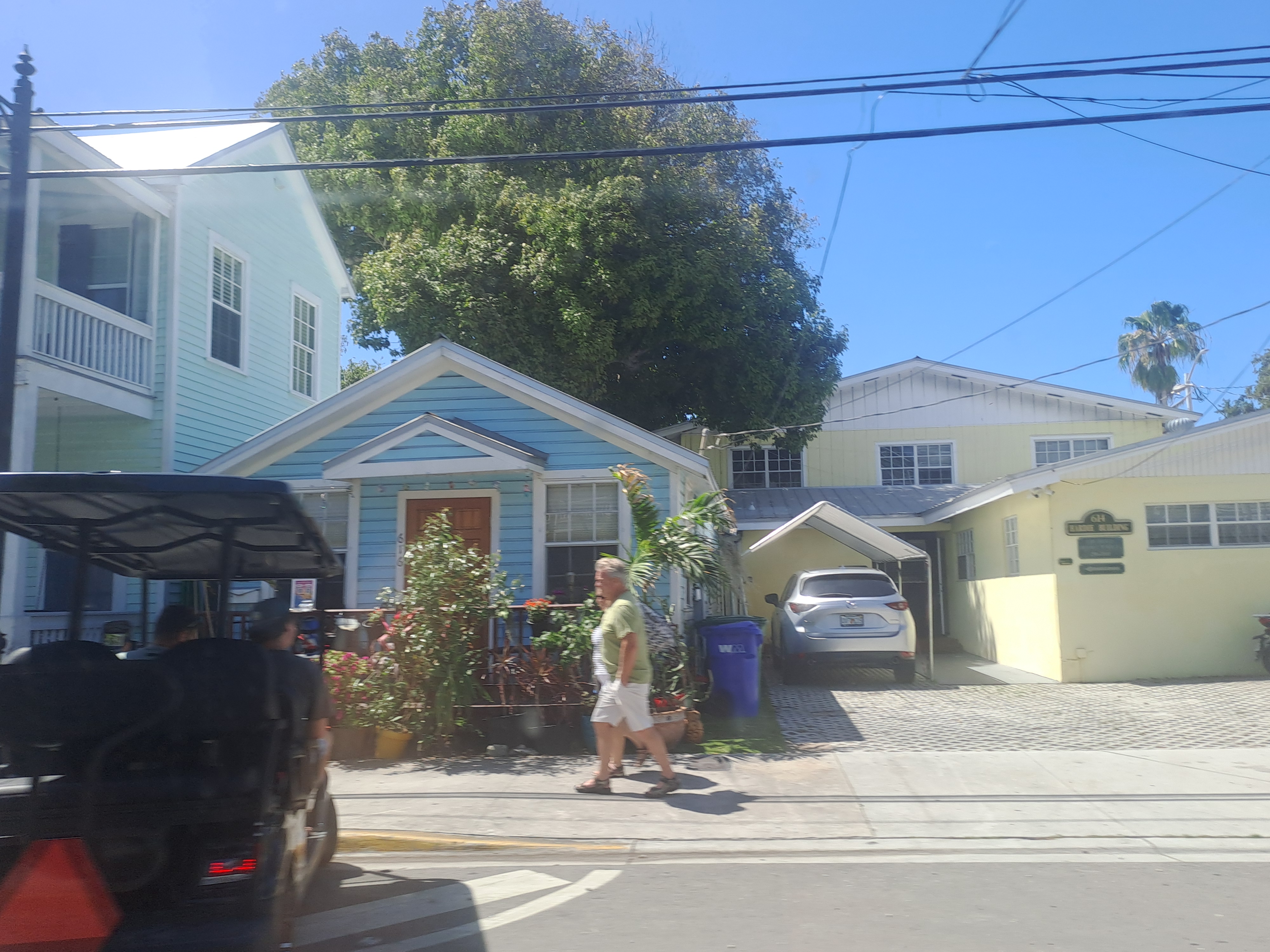
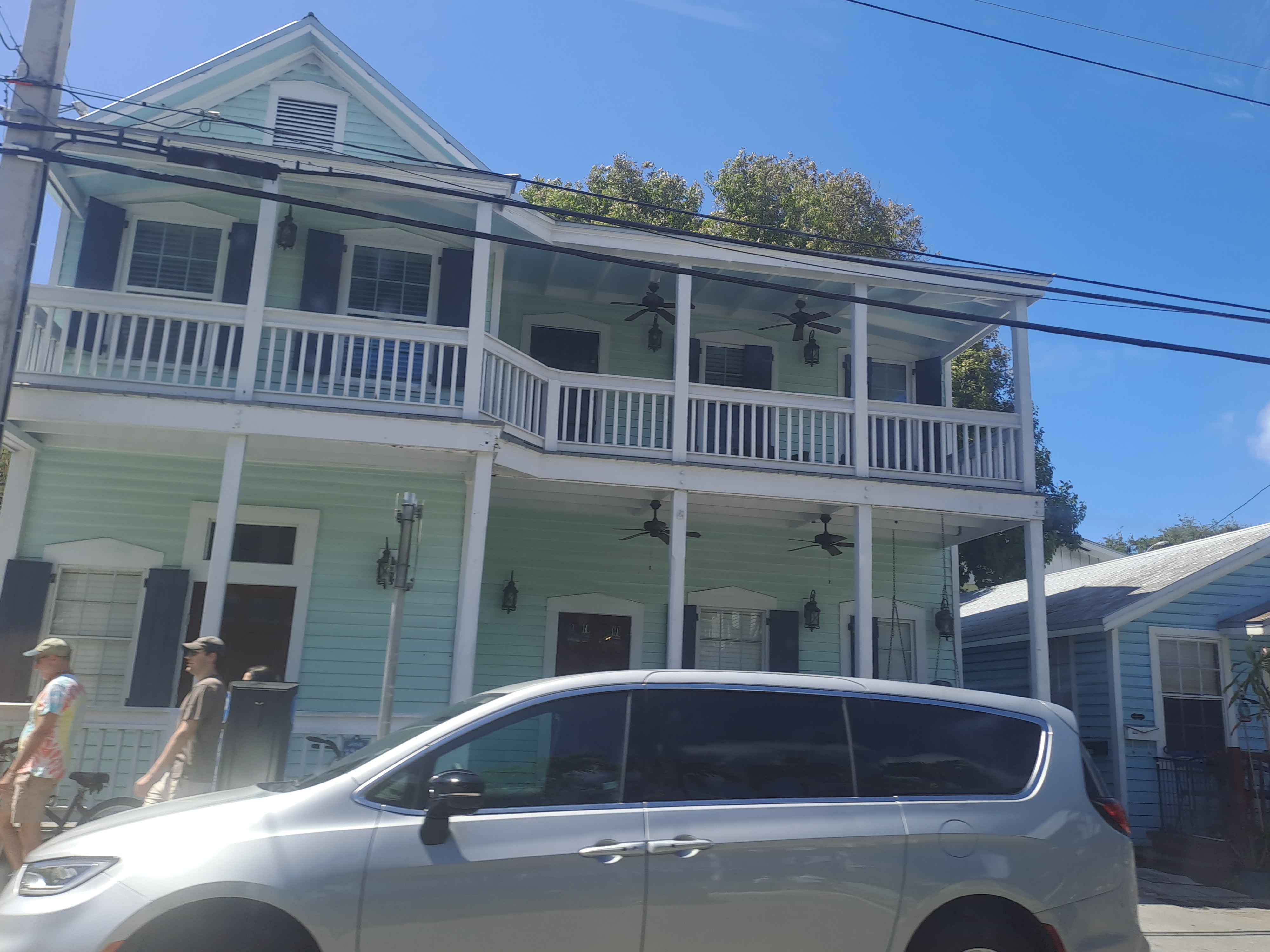
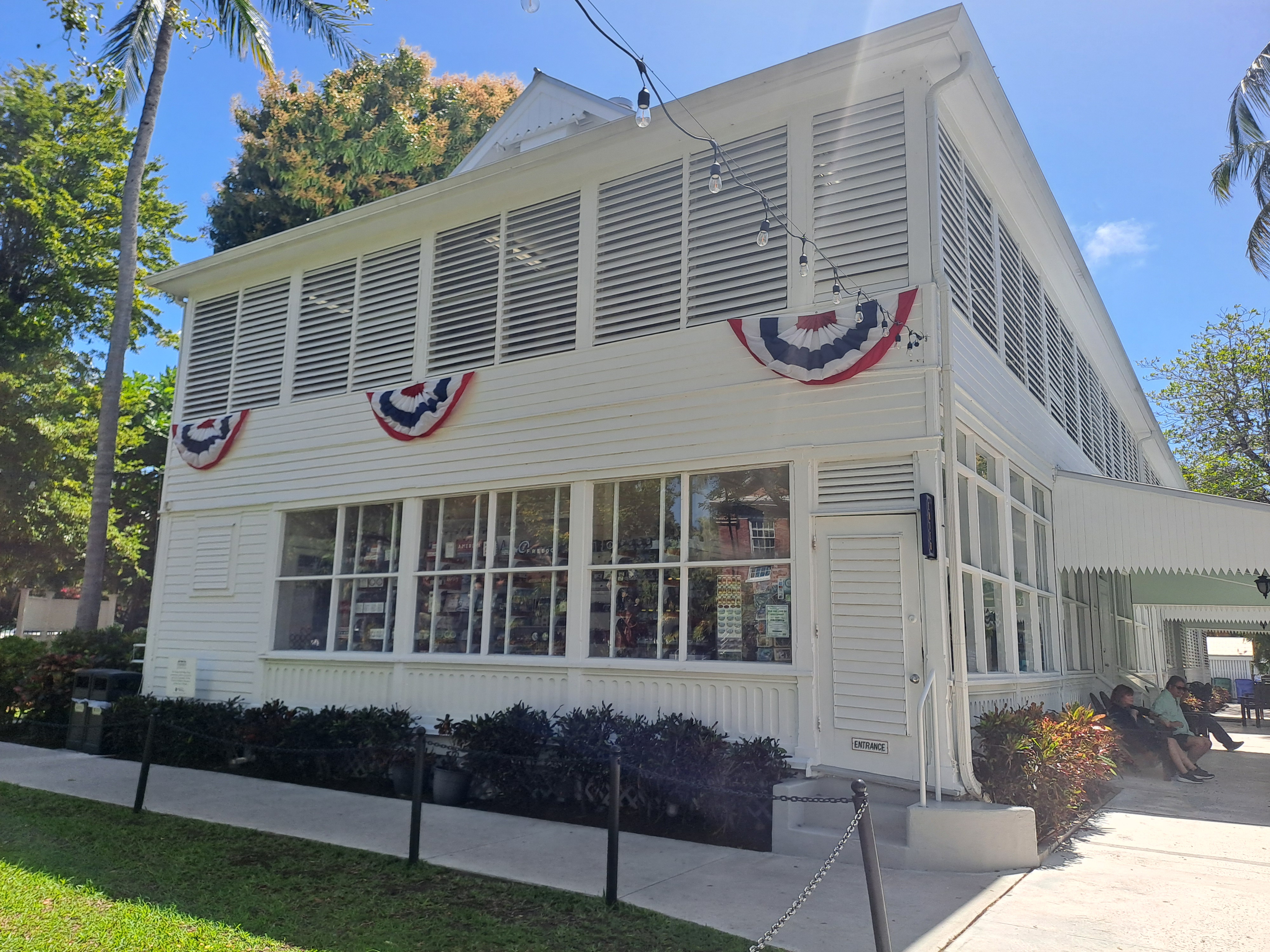
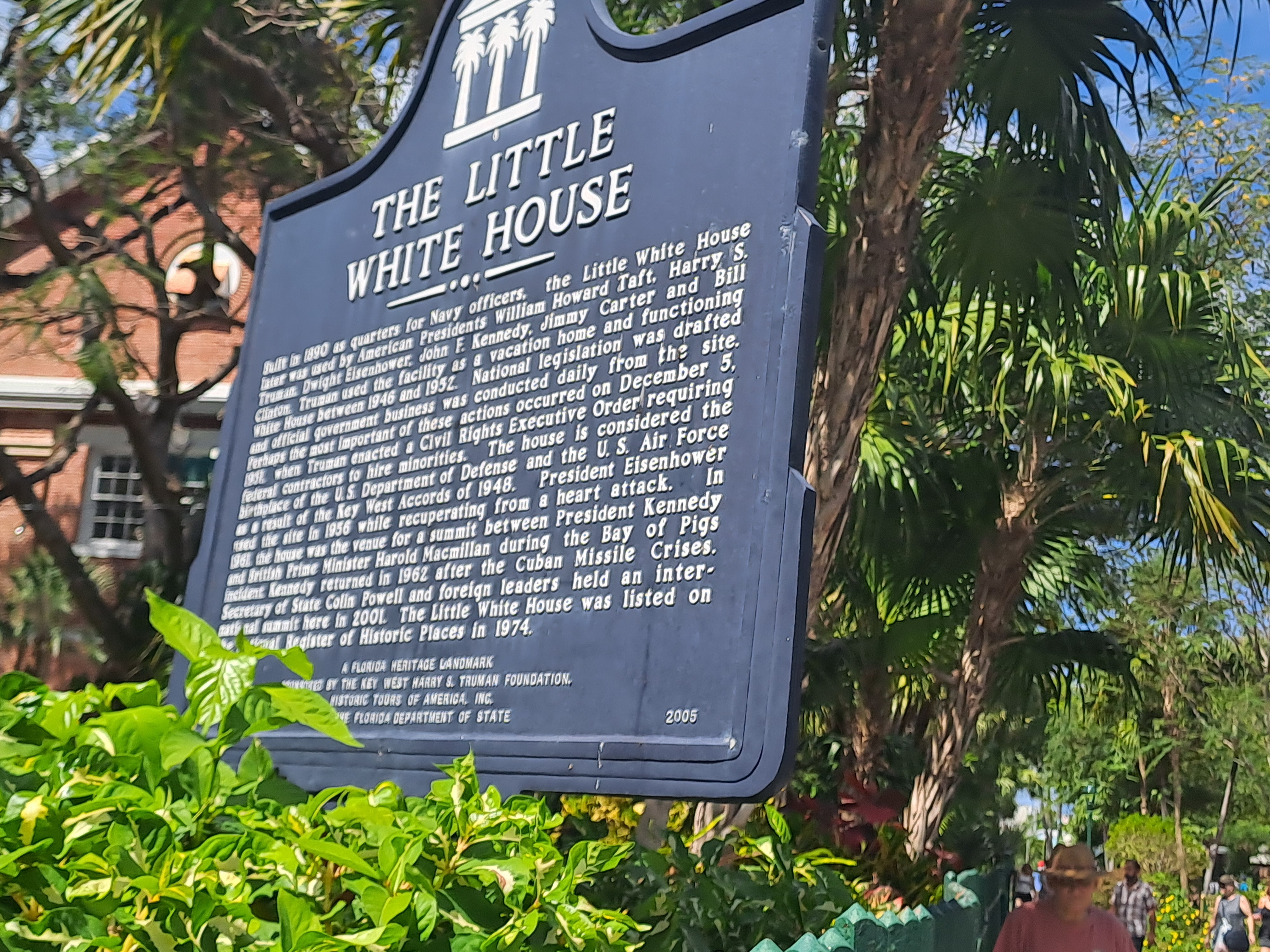
We had a very limited time in Key West so chose to see the Little Truman White House as our main objective. On the way in we started seeing the variety of buildings from the early shacks to the more modern buildings. The price of buildings has leapt up since the early days as it has become more desirable.
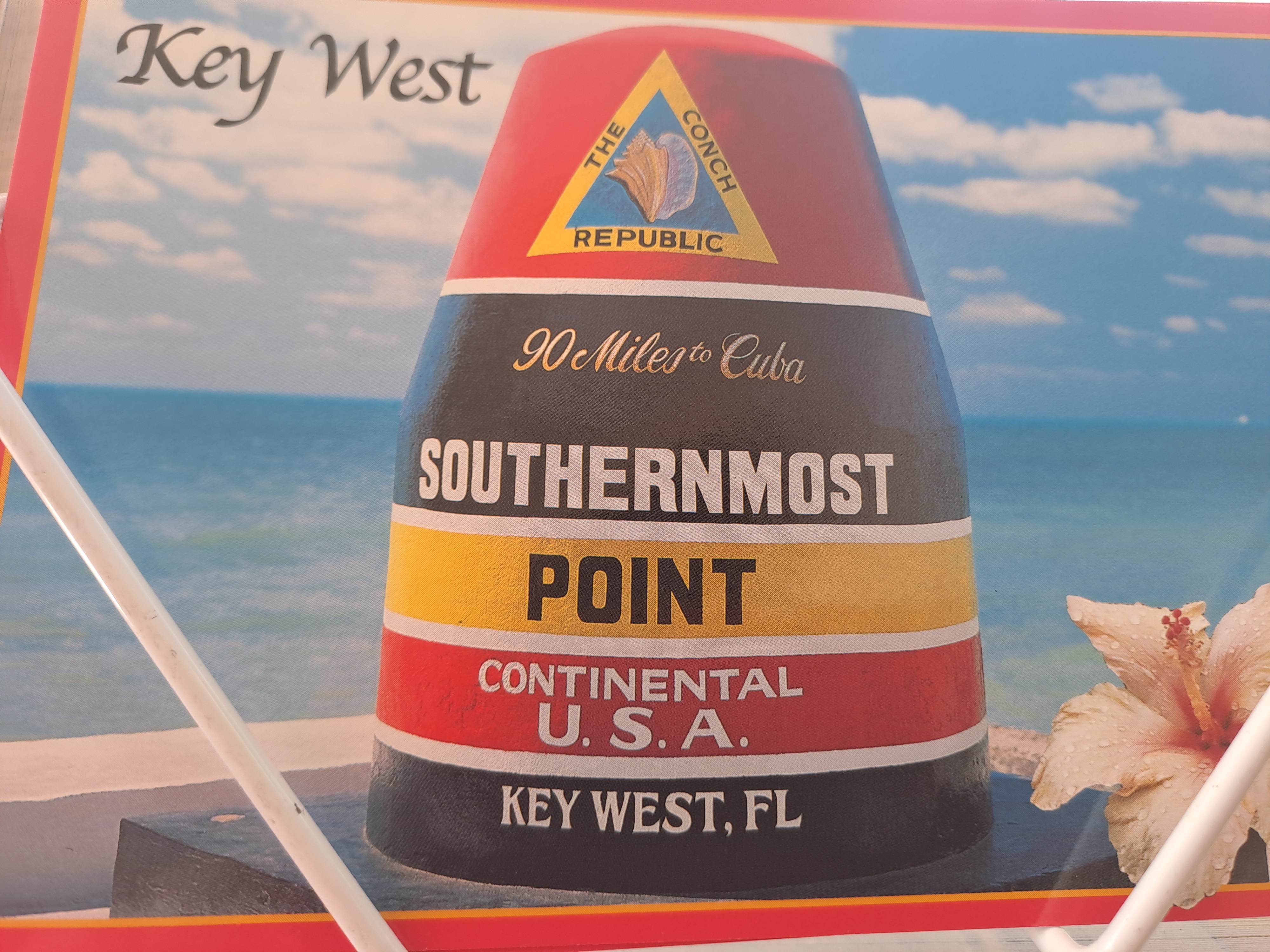
We had planned to visit the southern most point, but this was closed so I made do with a postcard
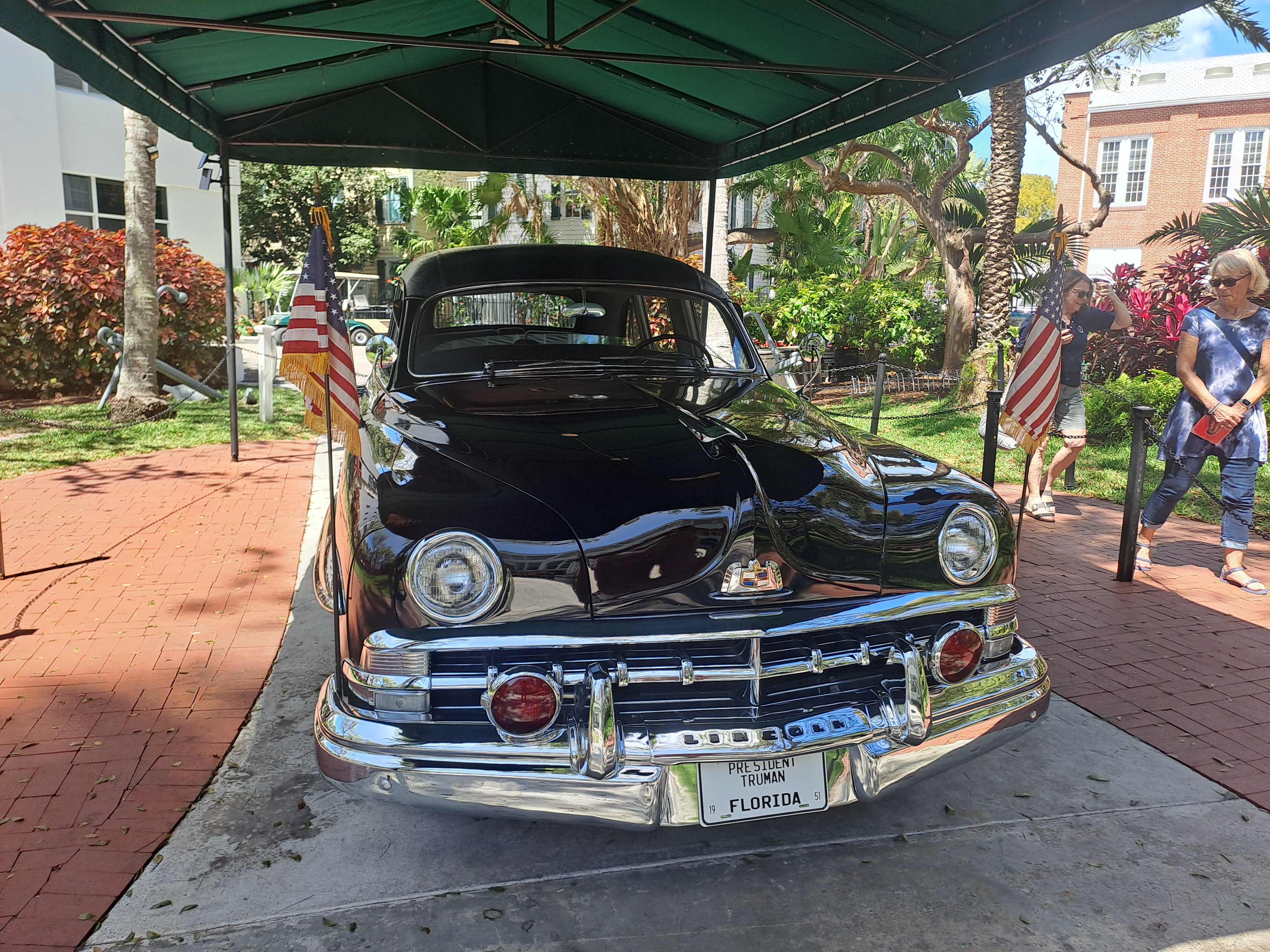
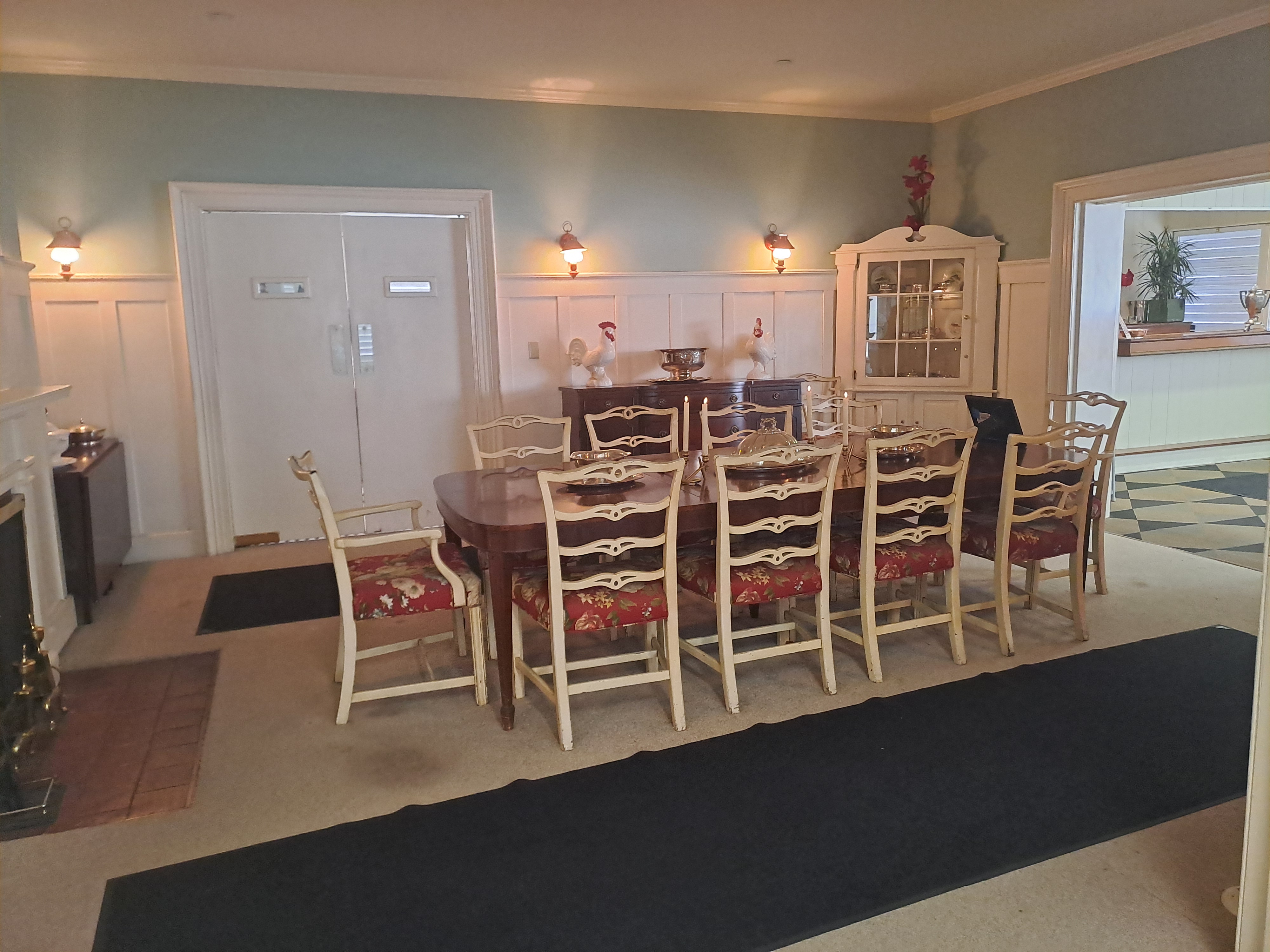
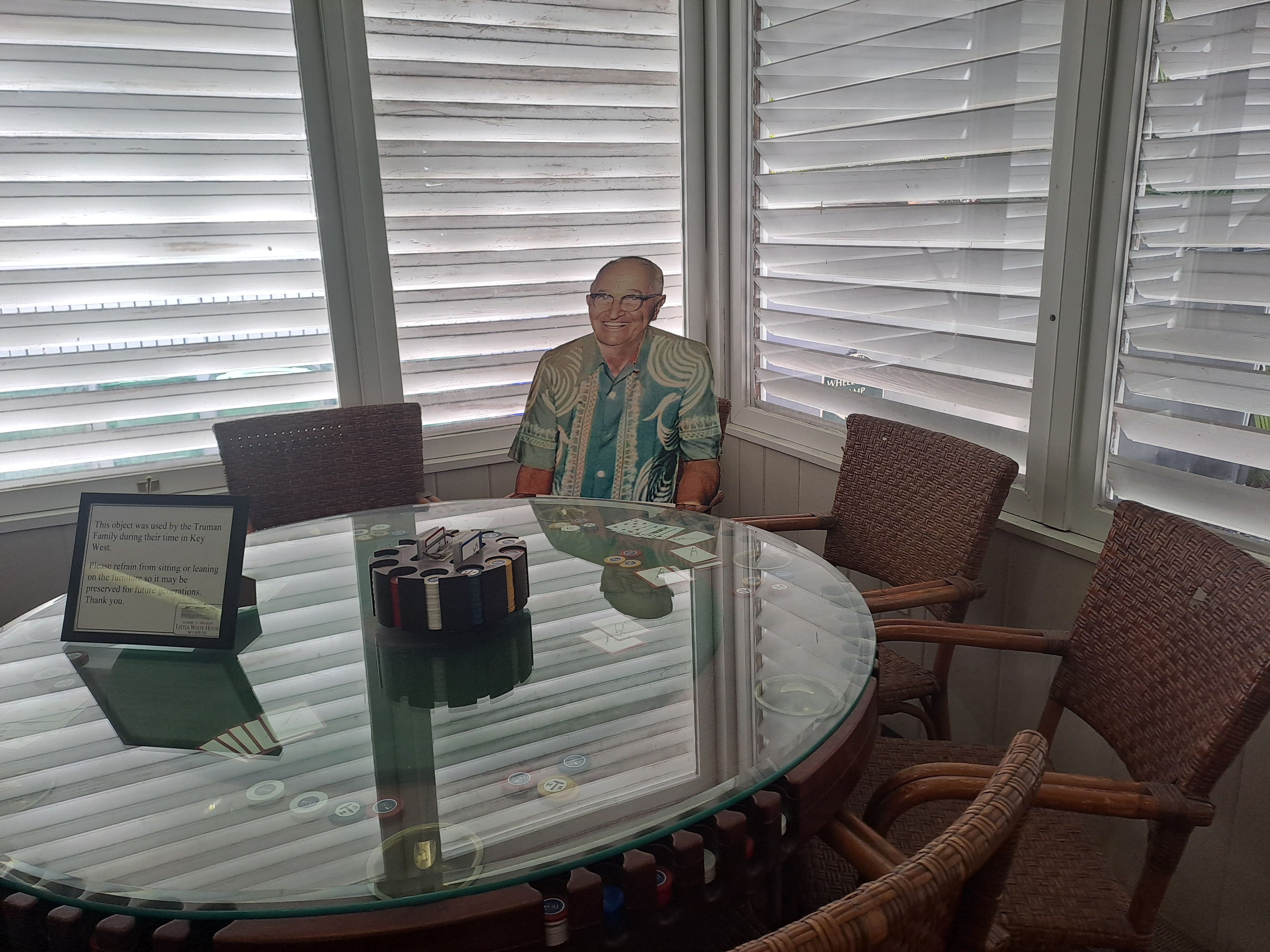
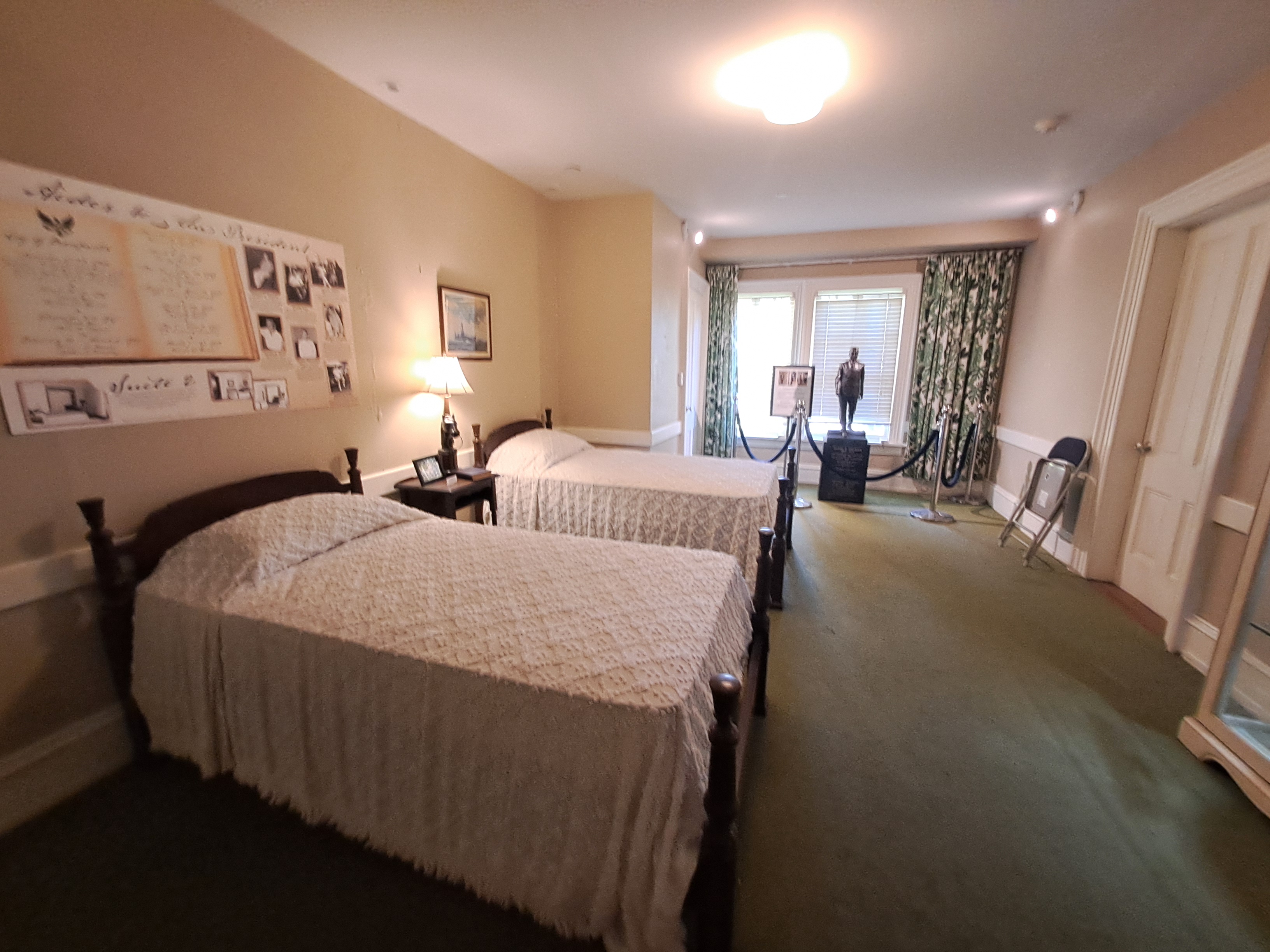
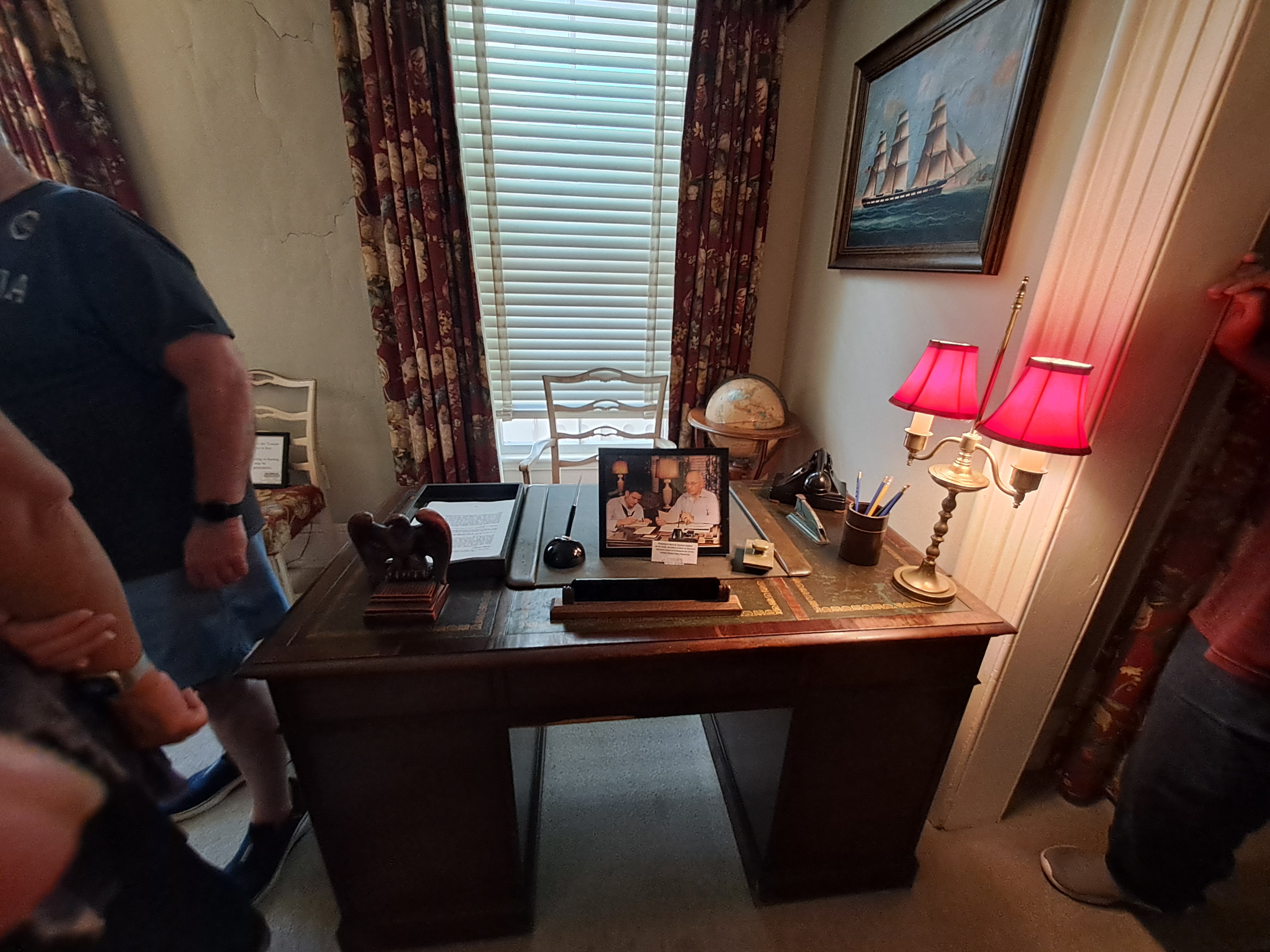
The Little White House was a tribute to a man and a time. The guide had obviously been a fan of President Truman all his life, slightly at odds to the current regime. Maybe that was why he referred to the Gulf of Mexico!
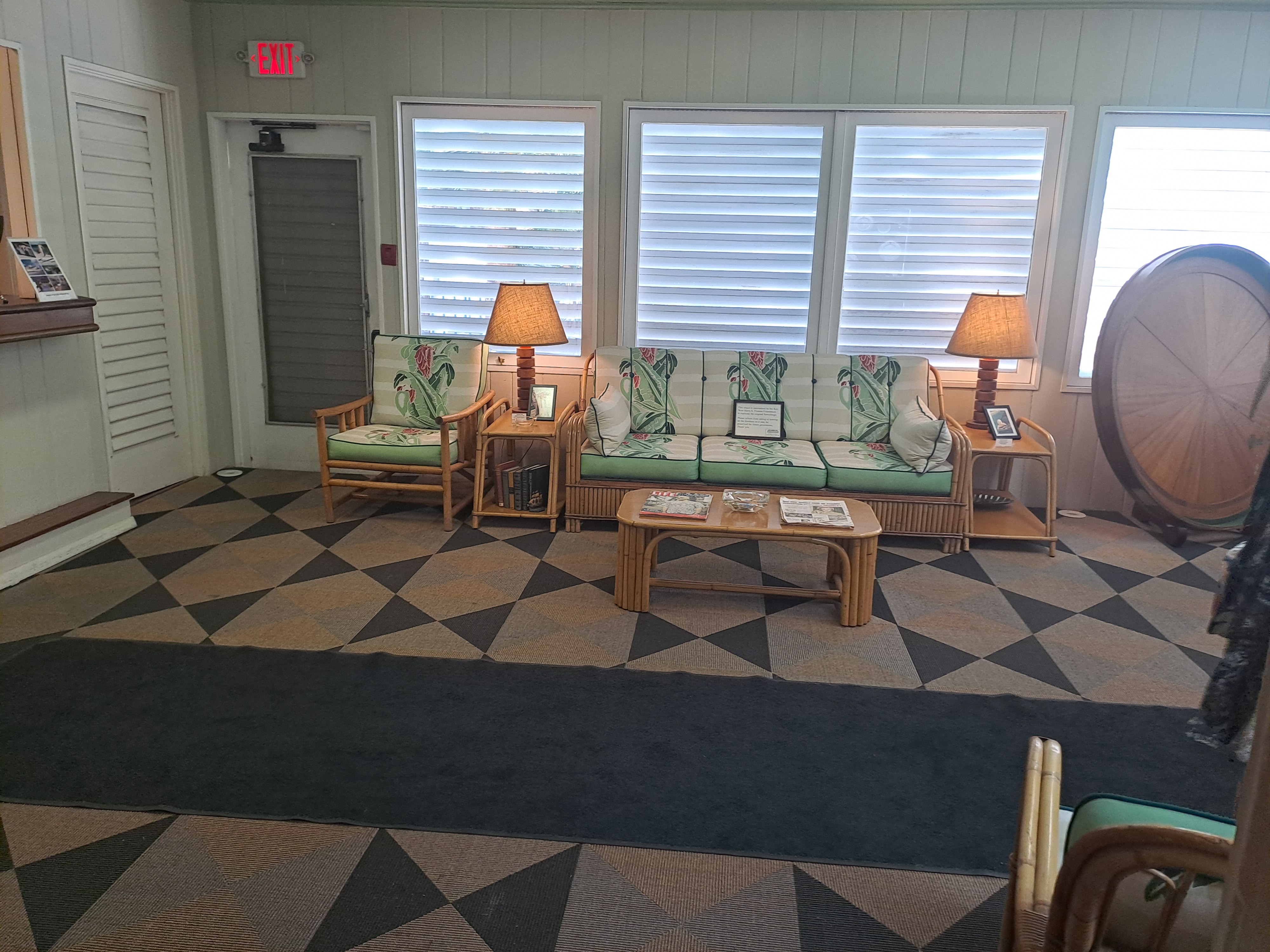
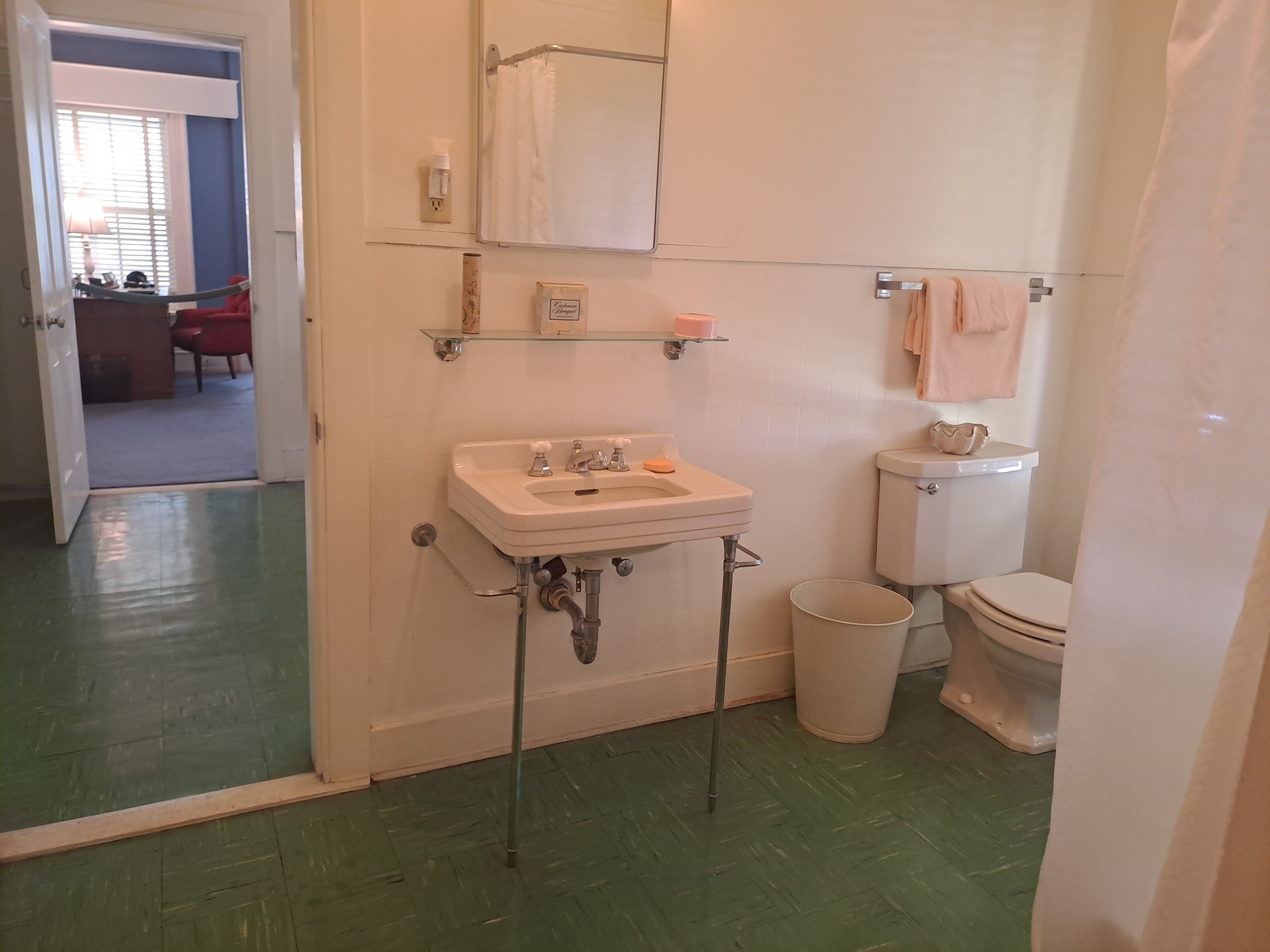
Truman was advised to move to warmer climes for his health, so Key West was picked for its navel base. The building was part of the base converted for his use. The standards in the 1950s were very different from today. What was lovingly converted to Truman’s residence is a far distance from today’s luxury.
The circular table was a special gift from the Navy. A poker table with built in storage for chips and a cover for decency as gambling was illegal.
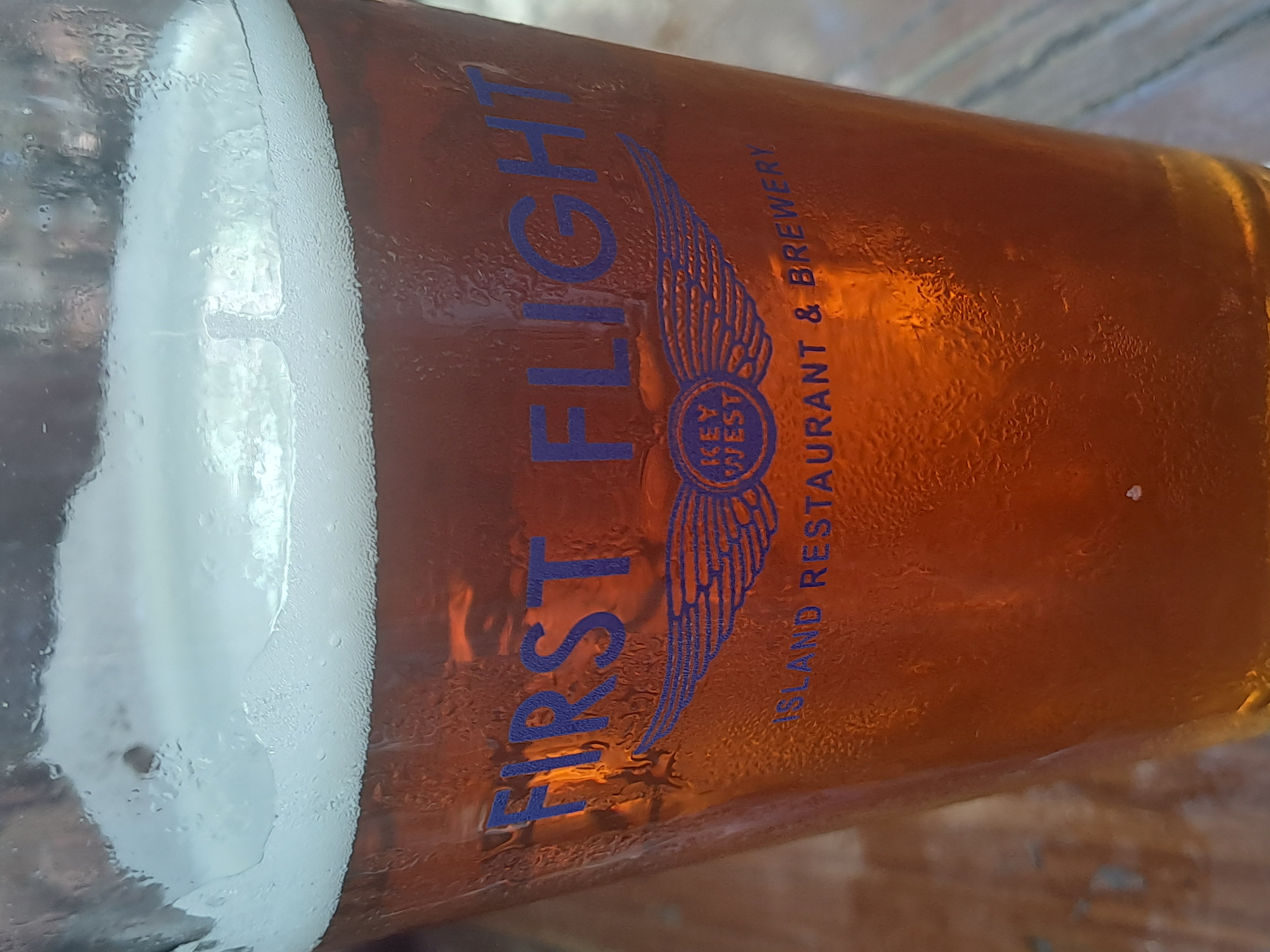
We had lunch at the First Flight restaurant, where tickets were sold for the first Pan American flight to Havana.
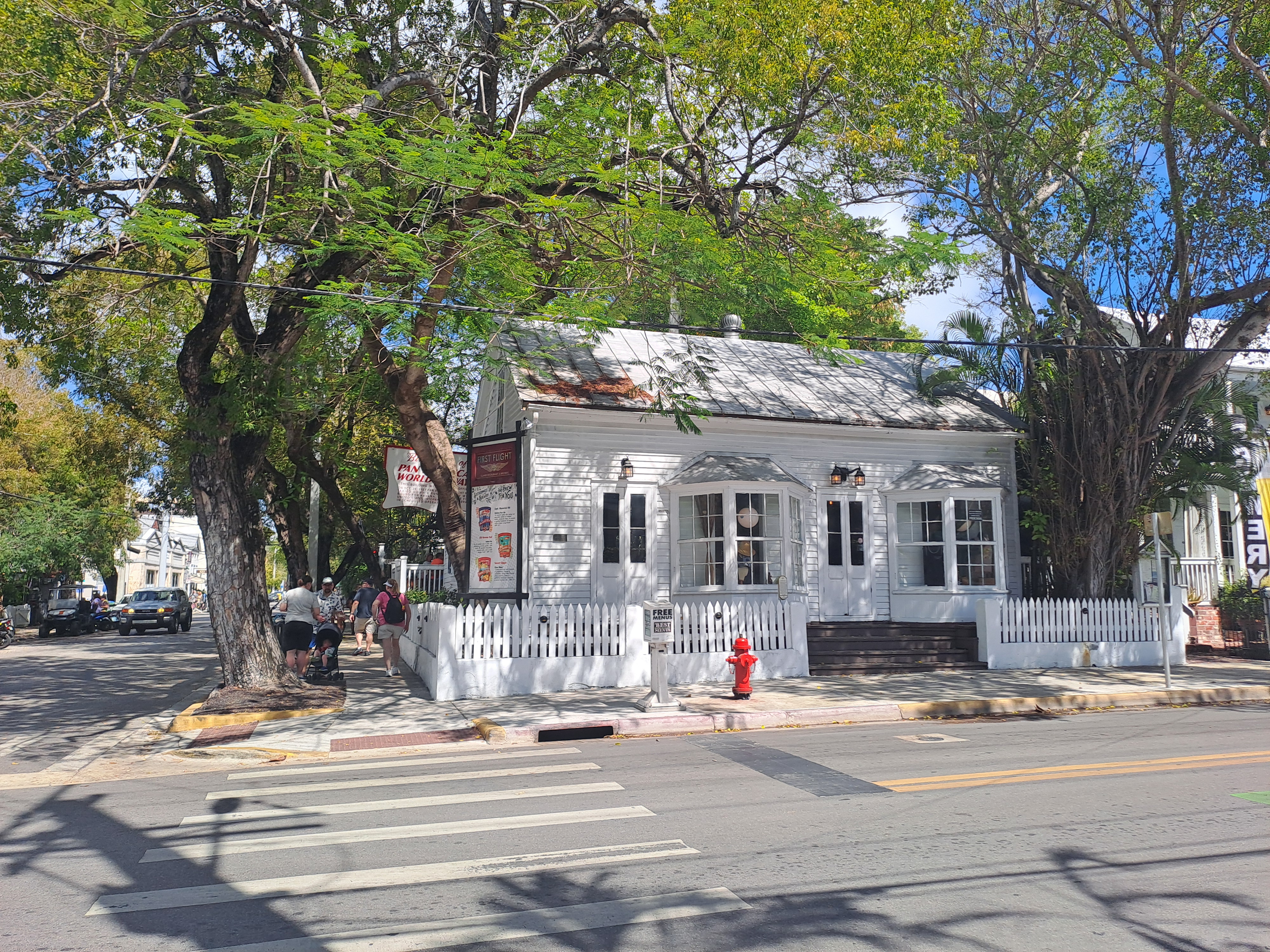
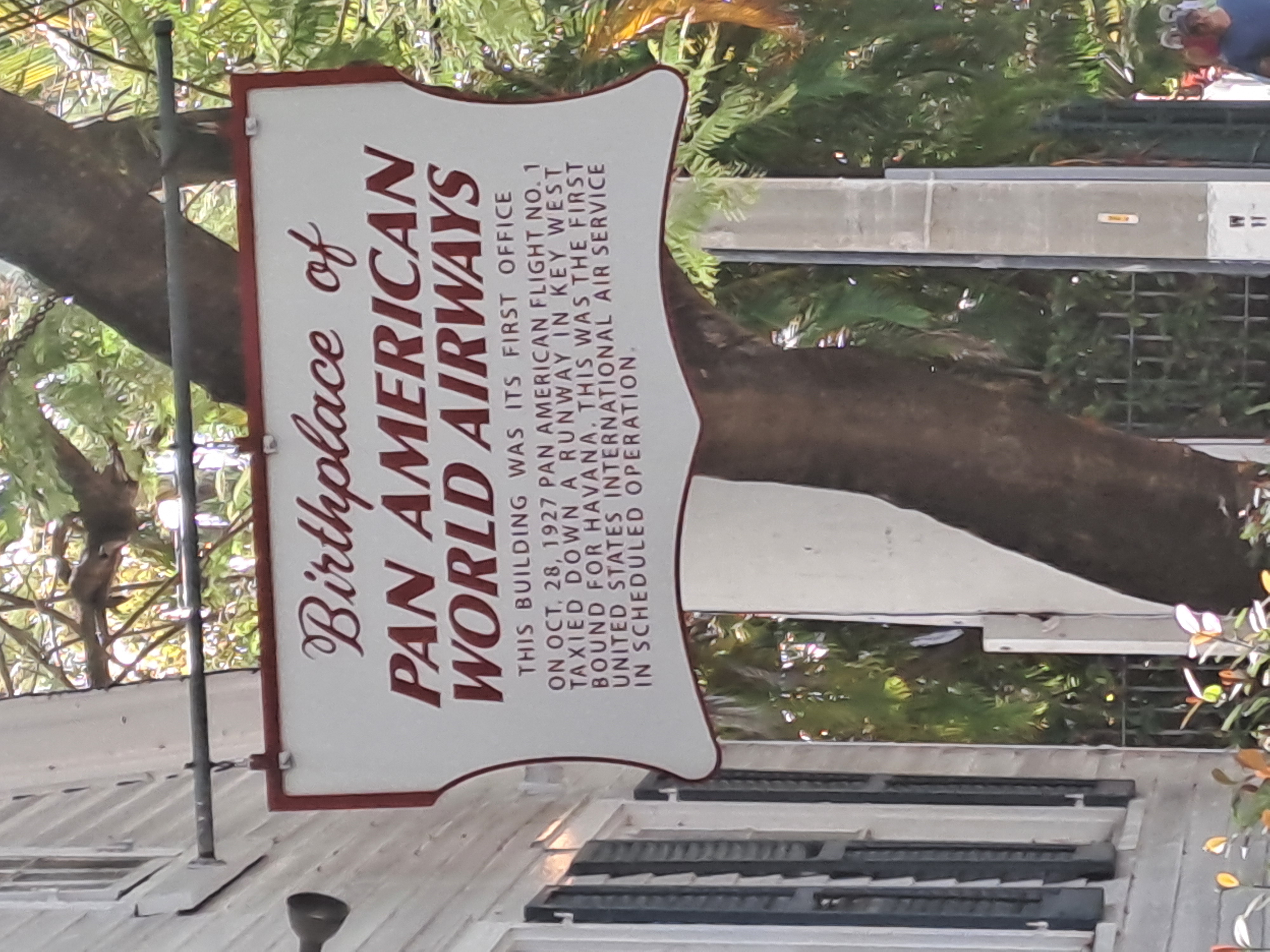
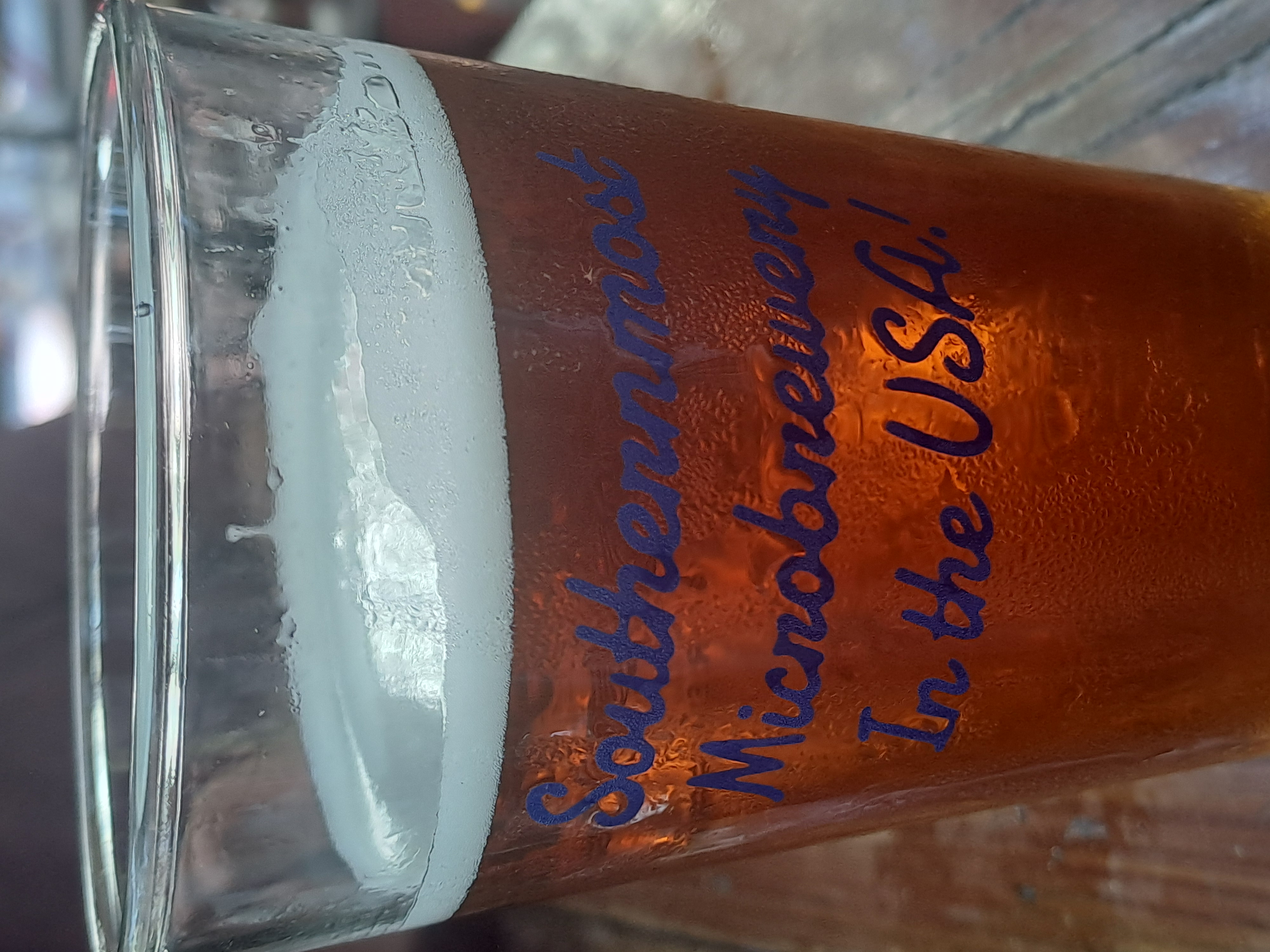
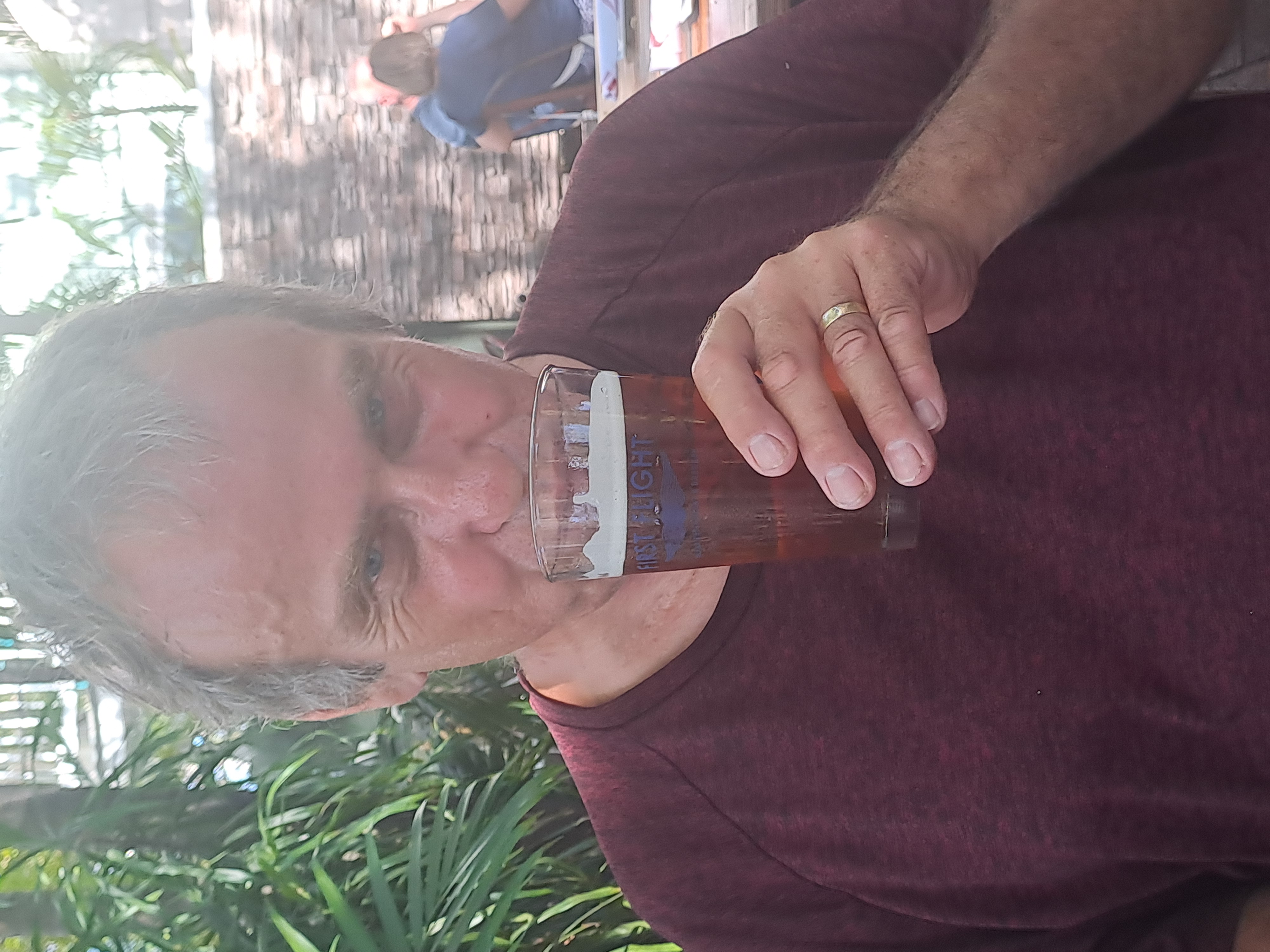
This was where Ashley sampled the beer from its micro brewery. The most southerly brewery in the USA.
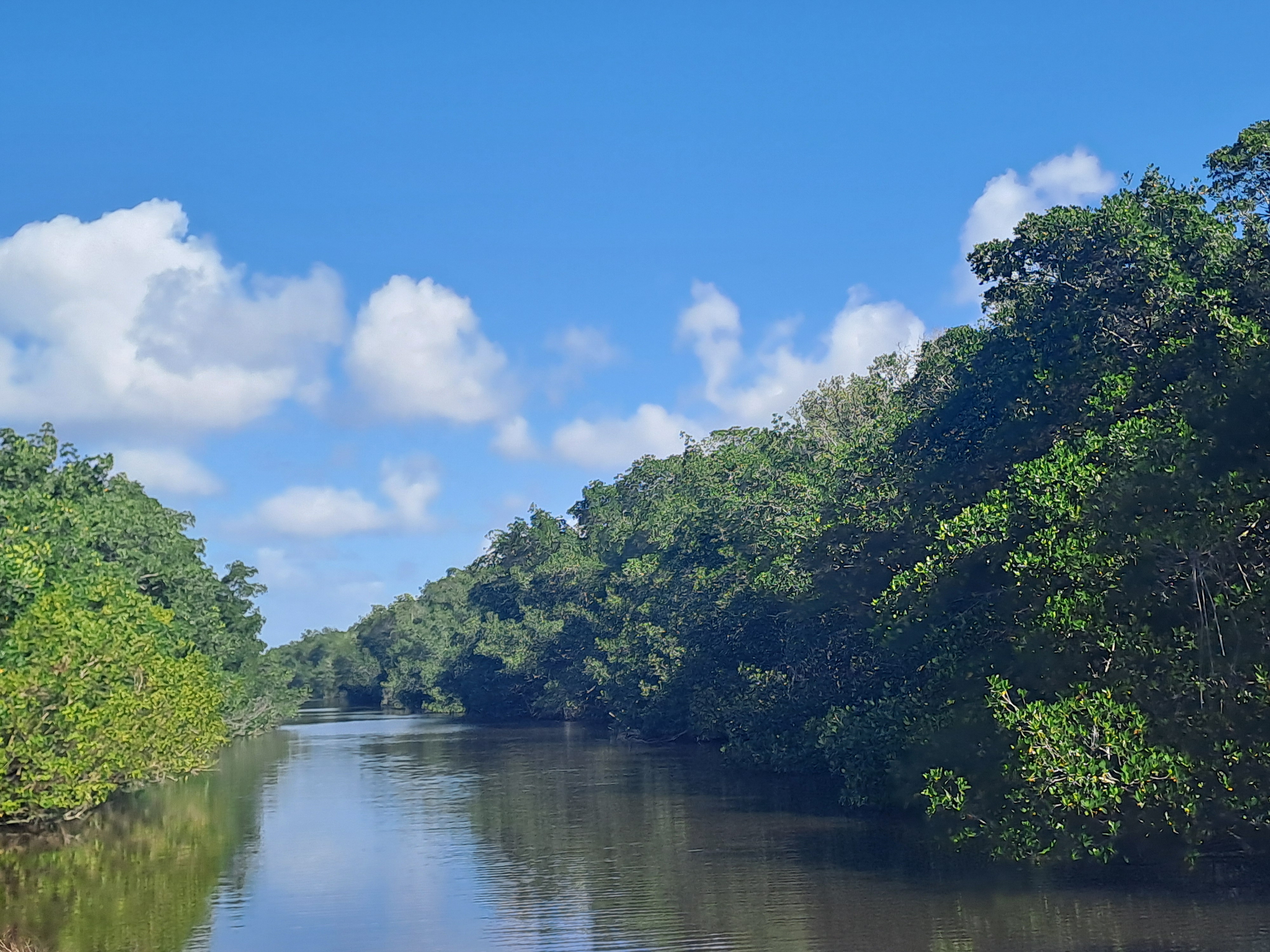
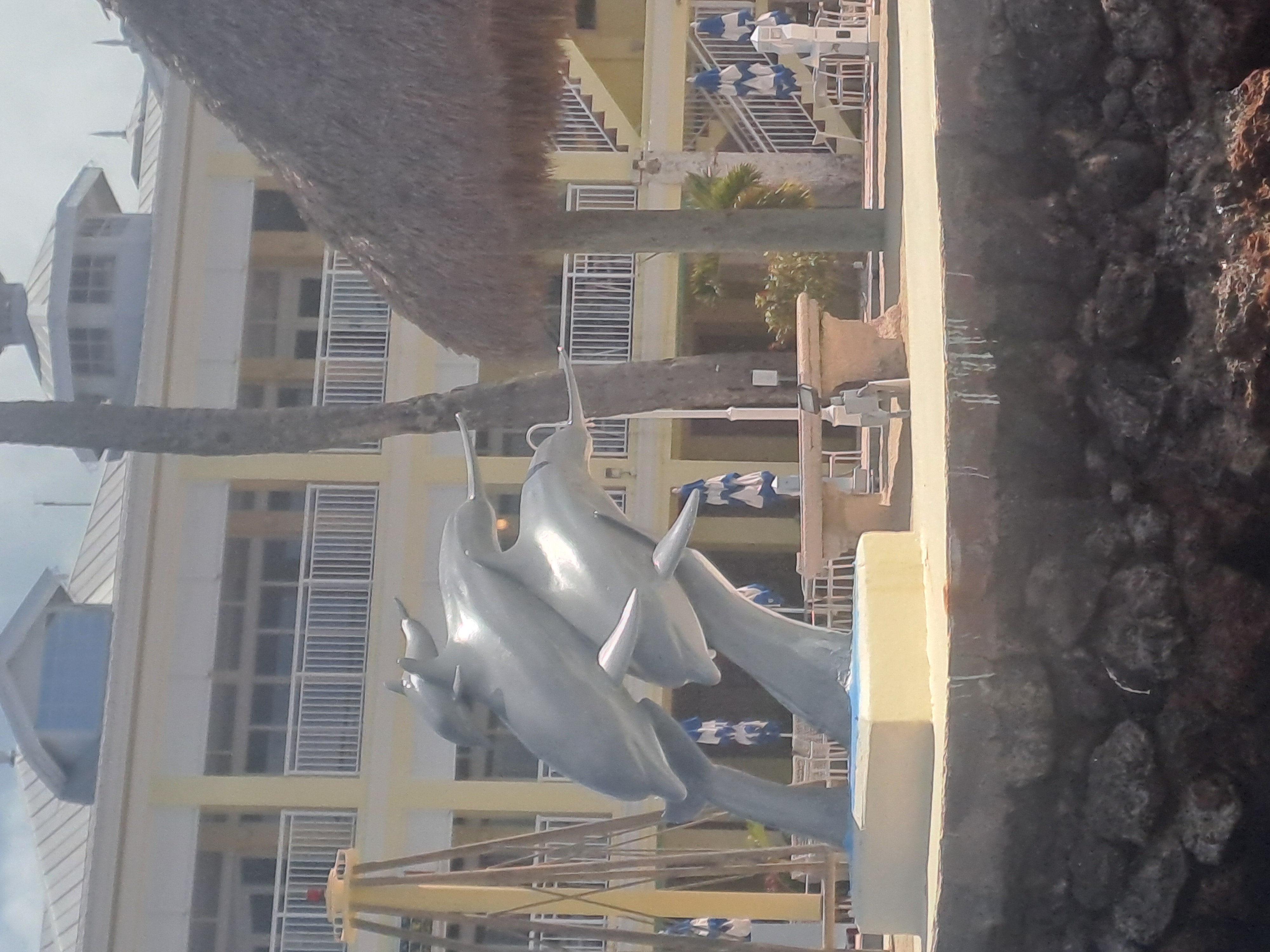
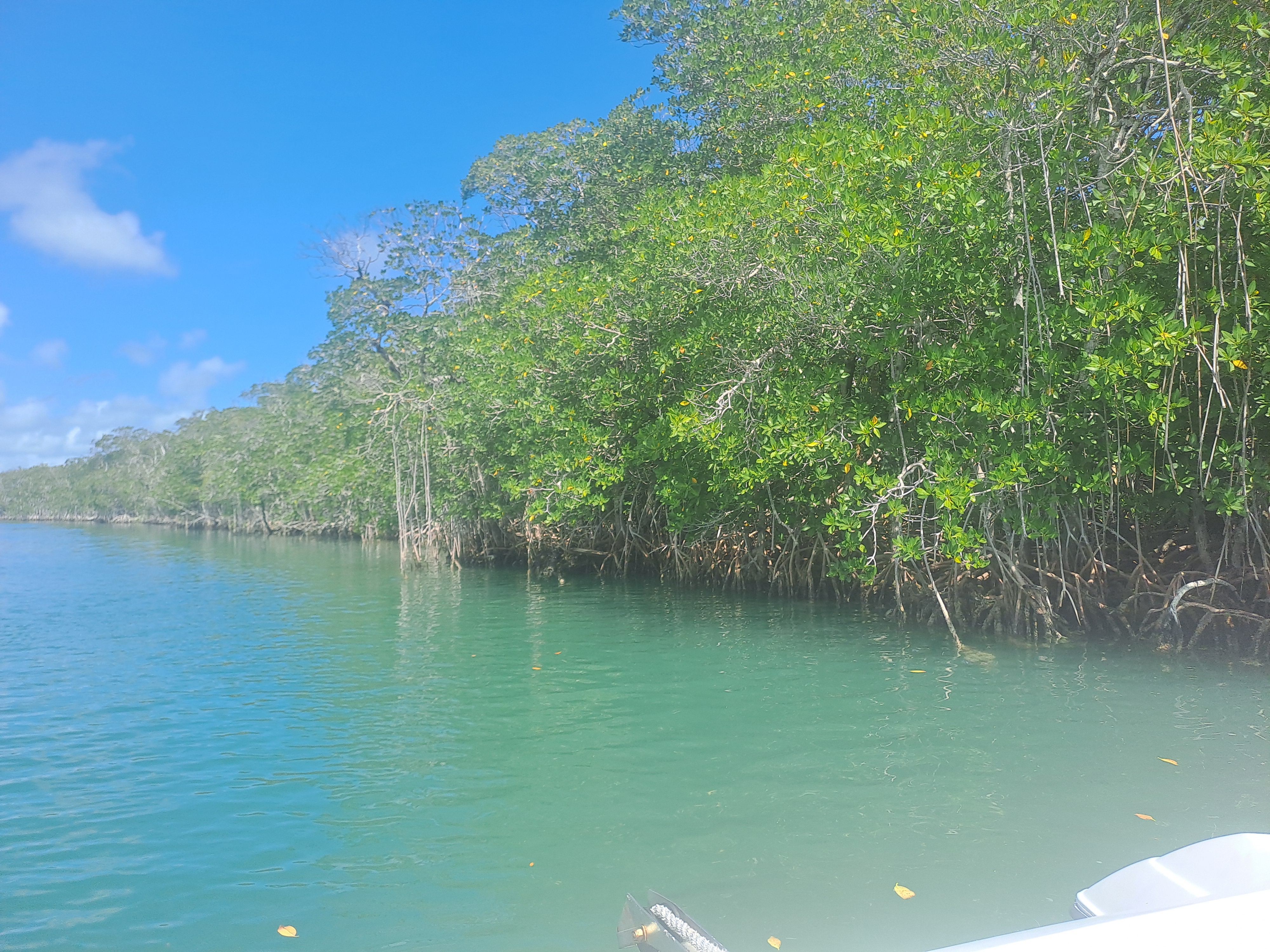
Back in Key Largo we went on a boat trip for our last day. We went through a labyrinth of mangrove’s to find a lake, where our guide found dolphins and did some curves around them to attract their attention. We then had the pleasure of watching them riding the bow wave from the boat and jumping. They were so close to us, it was a very special experience.
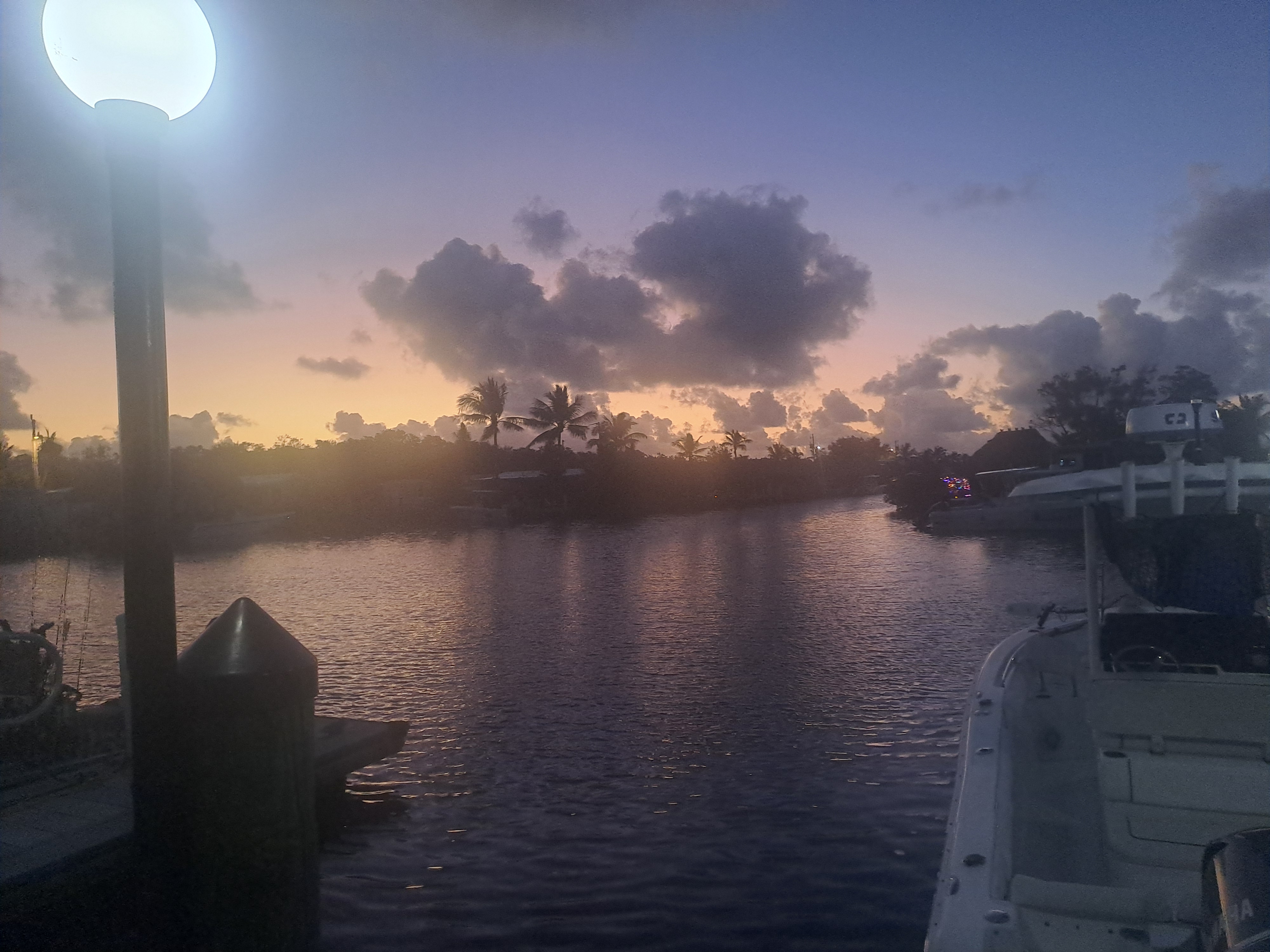
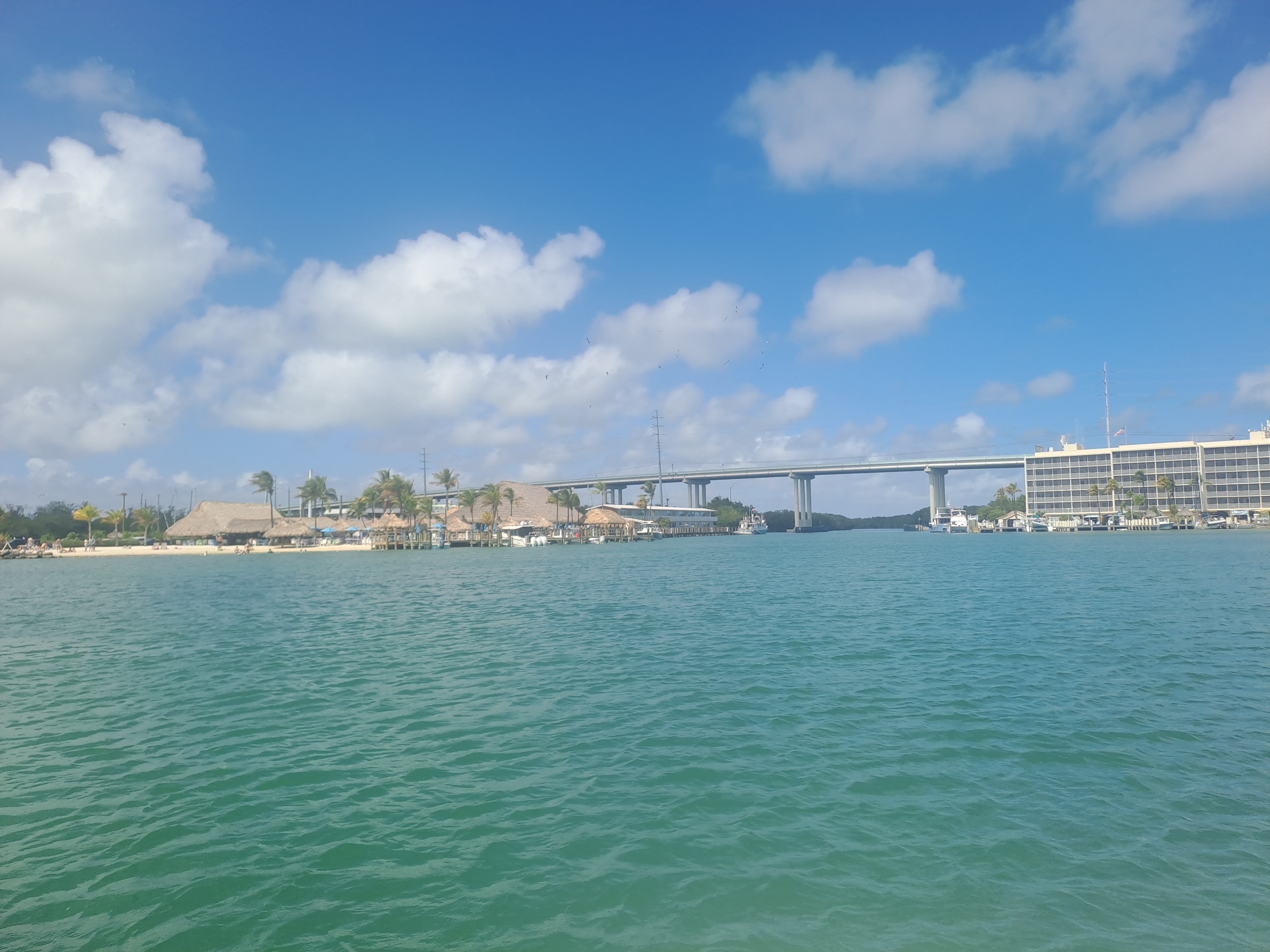

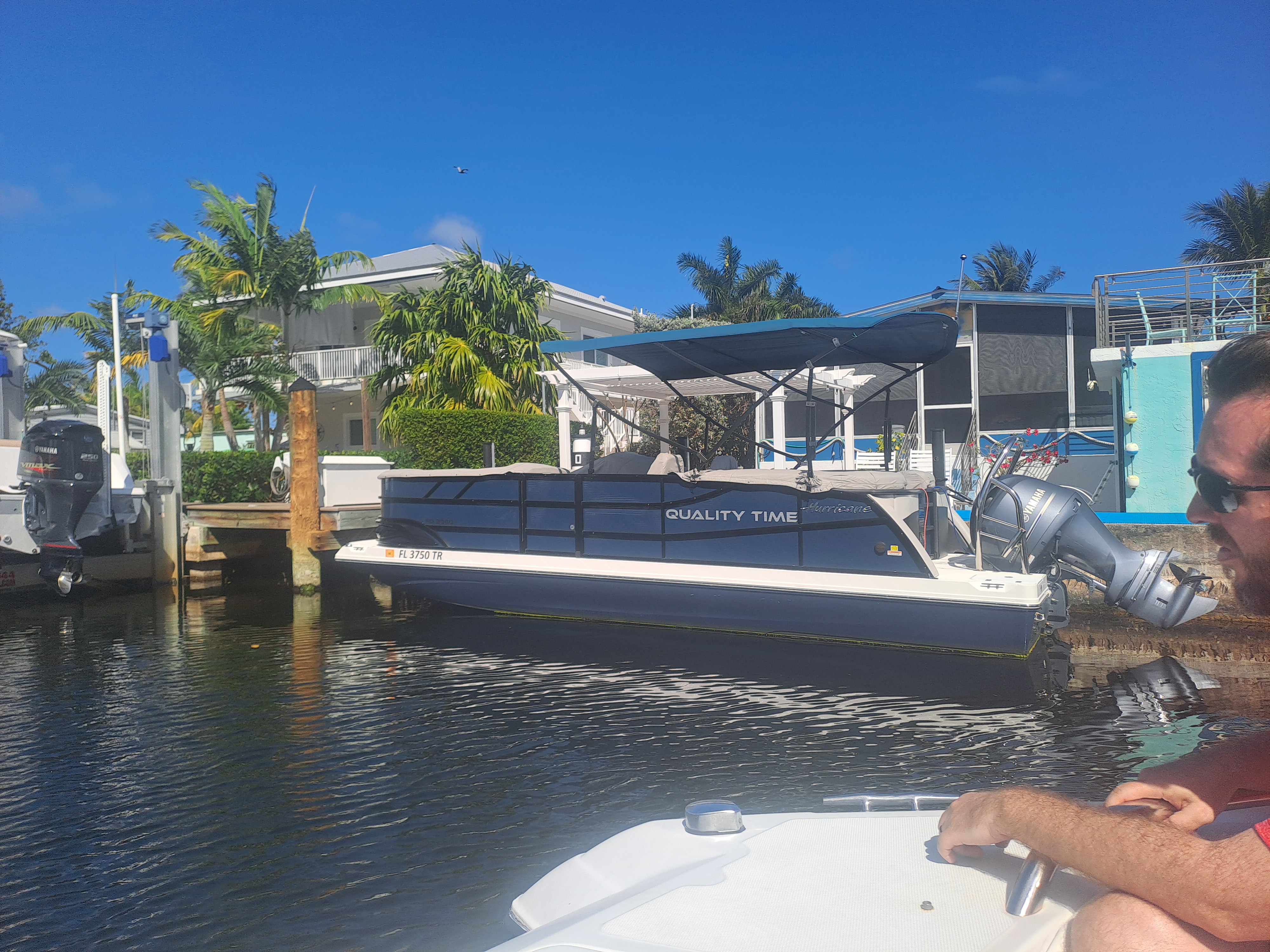
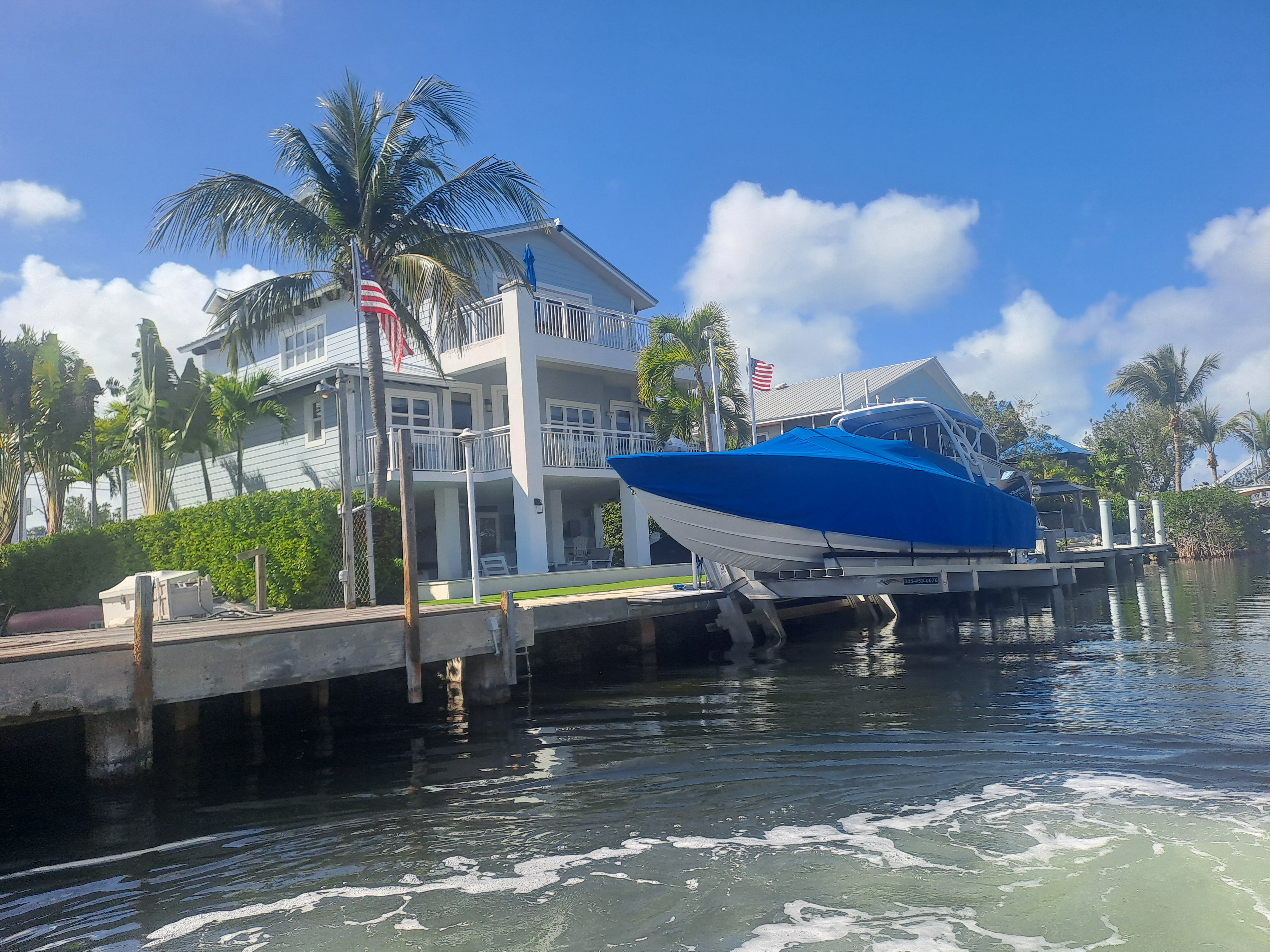
We headed back to Key Largo and through a maze of water channels, now looking for manatee, but also to see the collection of housing and boats. Again the buildings varied from shacks built when land was cheap to multi million dollar homes built more recently.
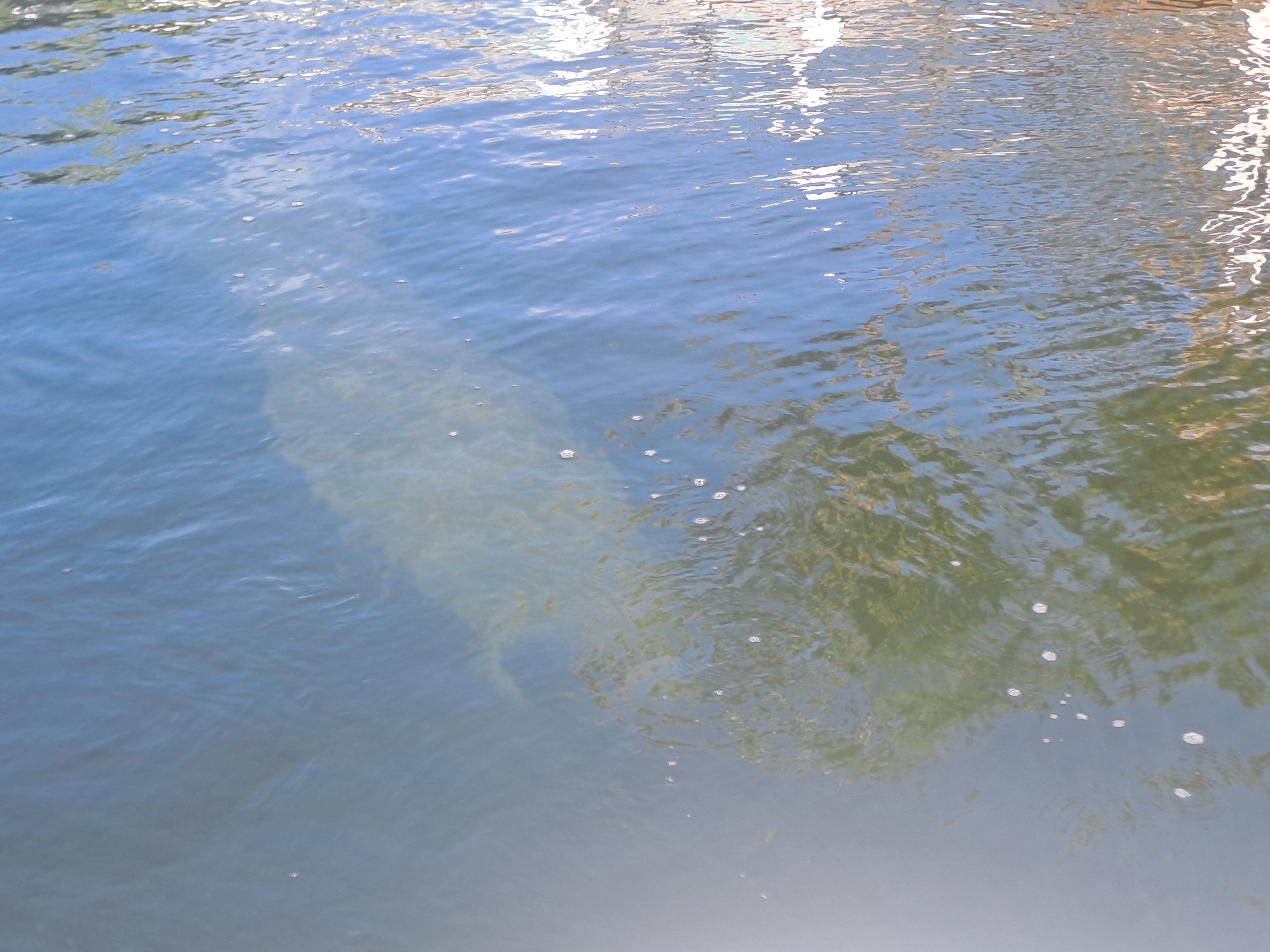
We did find one manatee not yet left for the ocean.
Sadly now almost at the end of our trip we headed back towards Orlando for our last tourist trips before flying back.
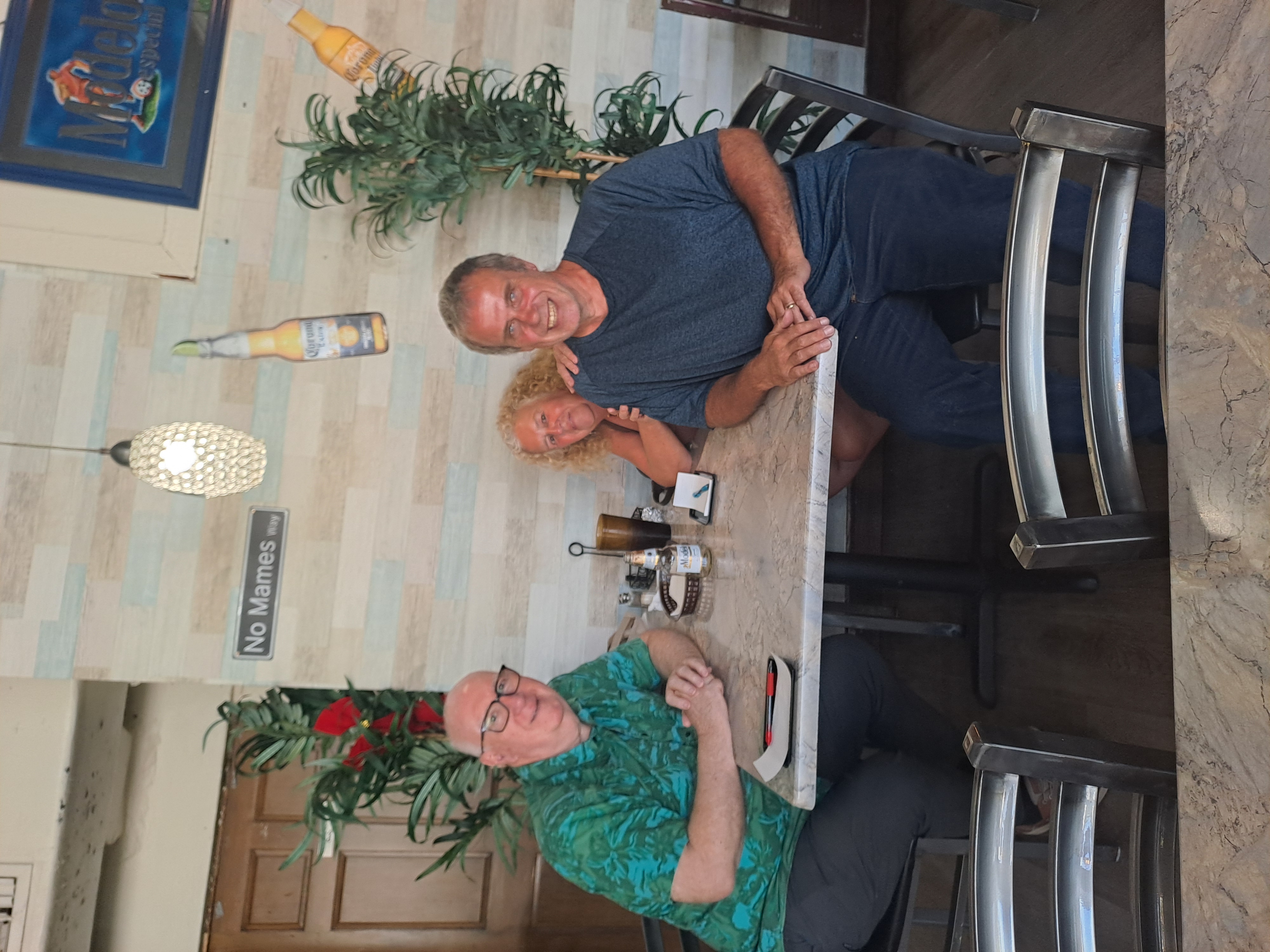
We stopped off along the route for lunch with Tom who’d joined us on the silk road. Over a delicious Mexican meal we caught up and found we were all flying out the same day. Tom off to Istanbul to do the first part of the journey that he’d missed last year. At that stage it was very much up in the air about if the tour would go through Iran. Although it really didn’t seem too good idea for an American to travel there. Later the trip diverted having gained special permission to travel through Azerbaijan (we weren’t able to this as land traffic across the border wasn’t permitted at the time)
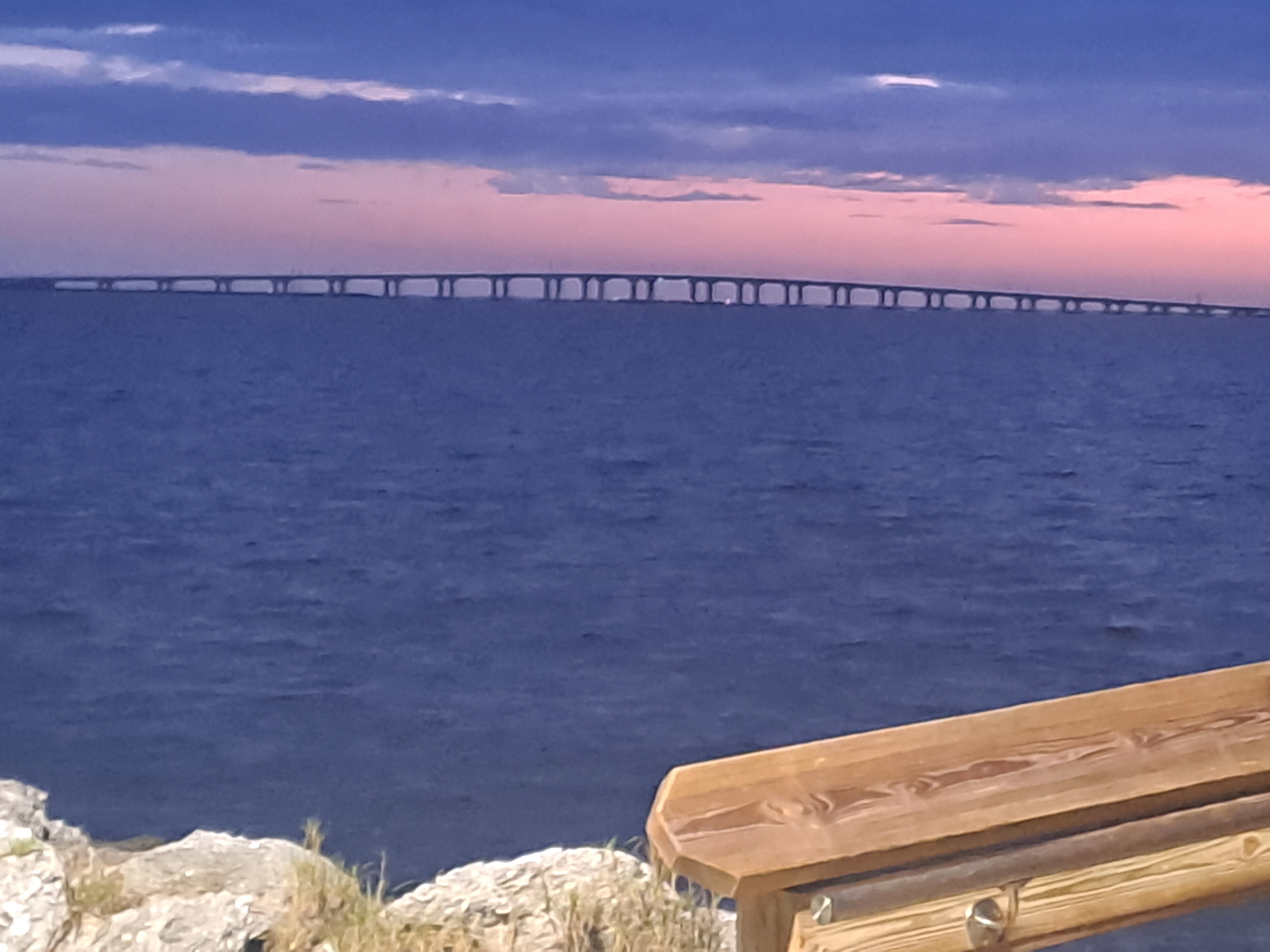
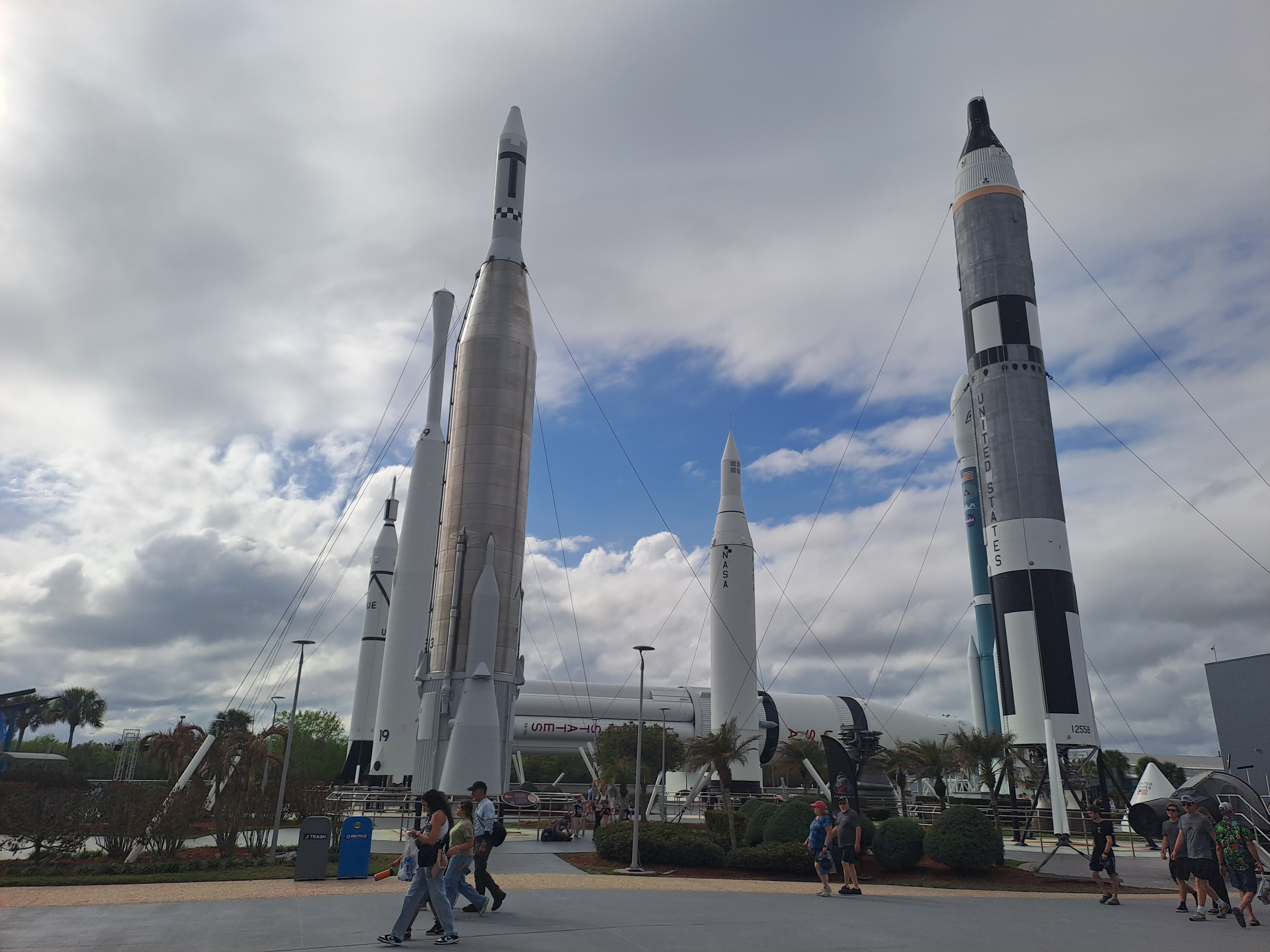
Our last campsite was opposite Merrit Island and the Kennedy Space Centre so I had an amazing day out there. So much to see! My taxi driver was a real space nerd, which was why he’d pick up the fare. I had a guide for the journey which was brilliant and we saw a rocket take off as we went over the bridge to the island.
We saw the largest single storey building in the world, where the rockets are put together, the space X complex
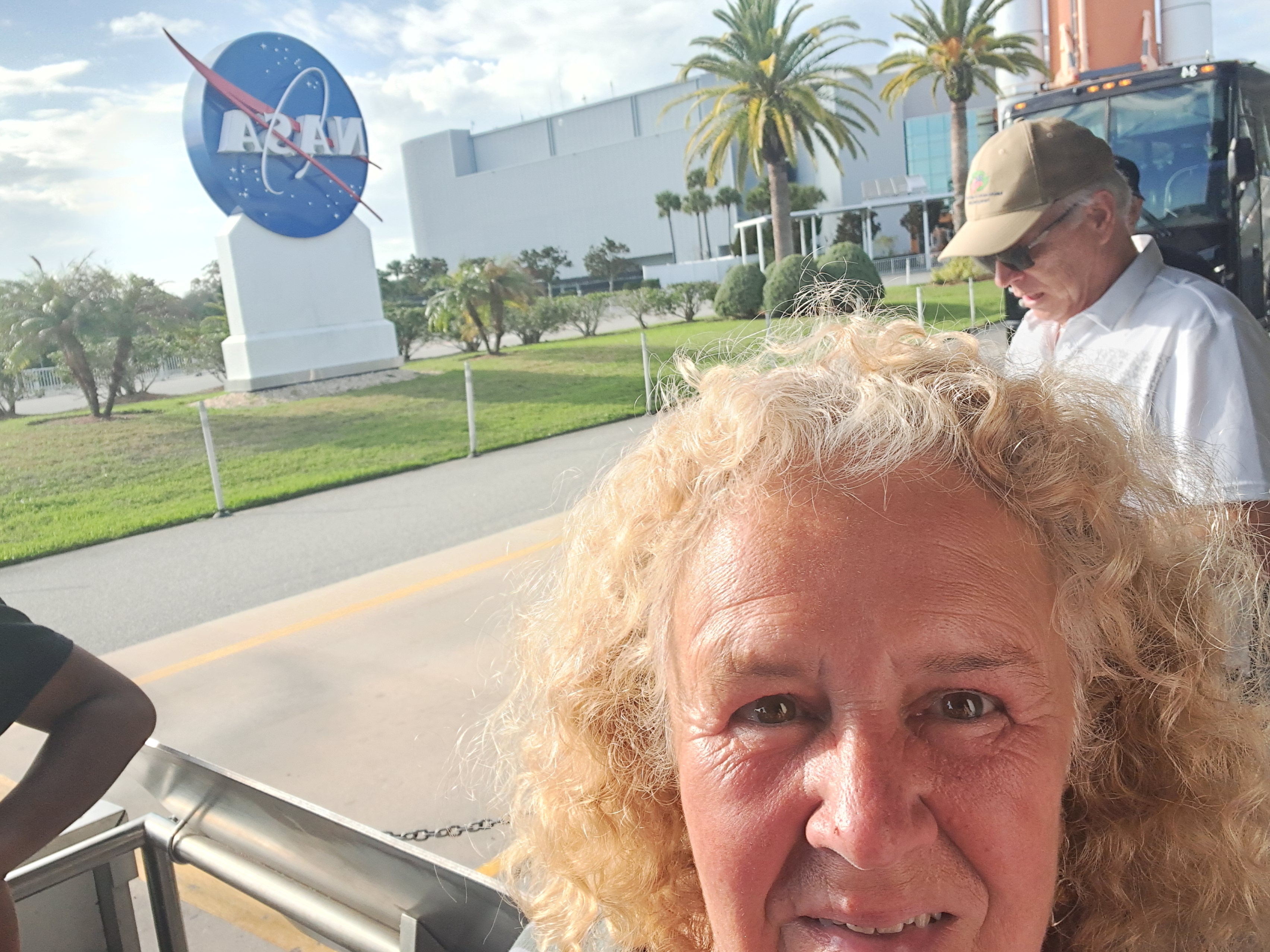
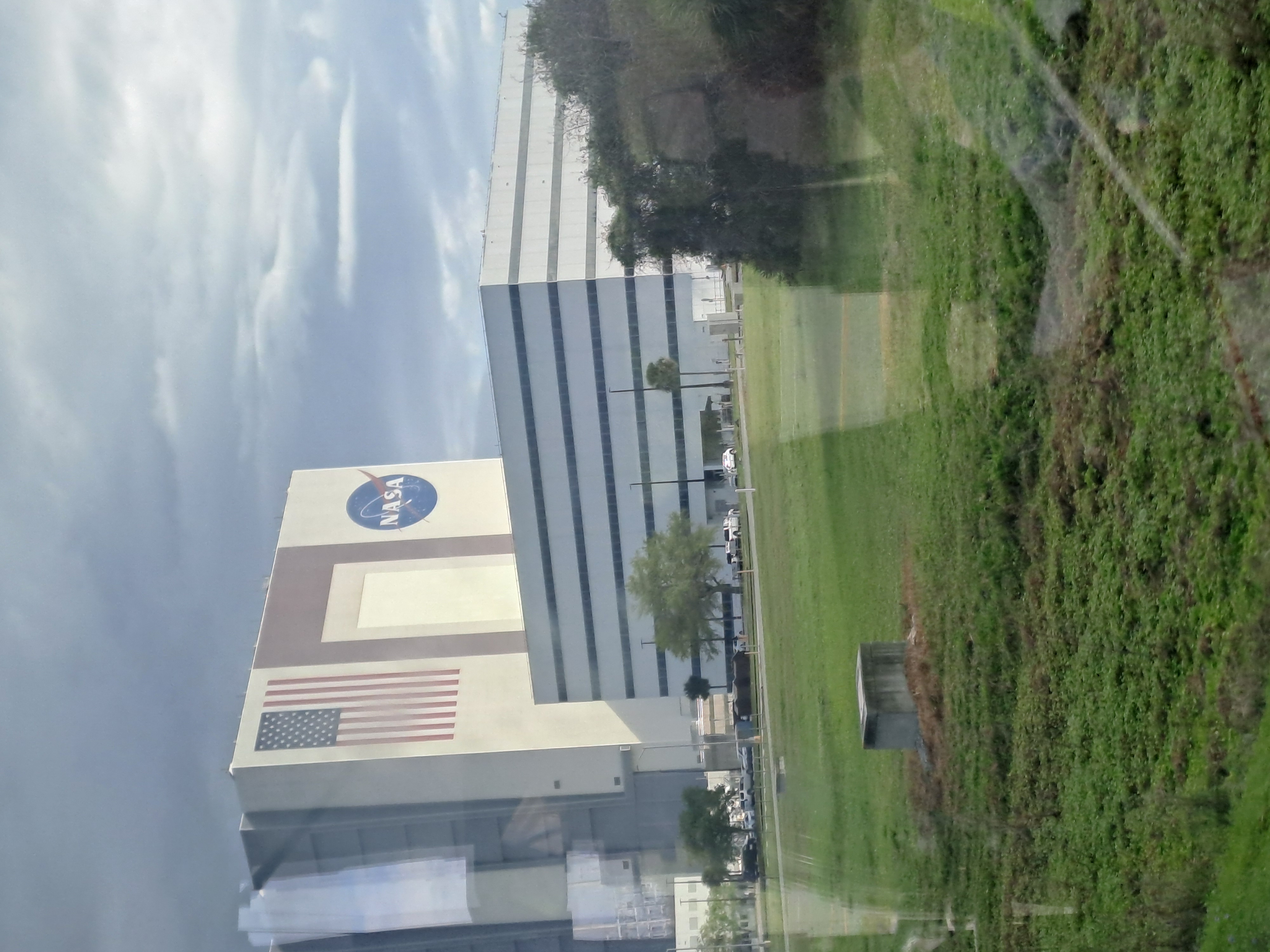
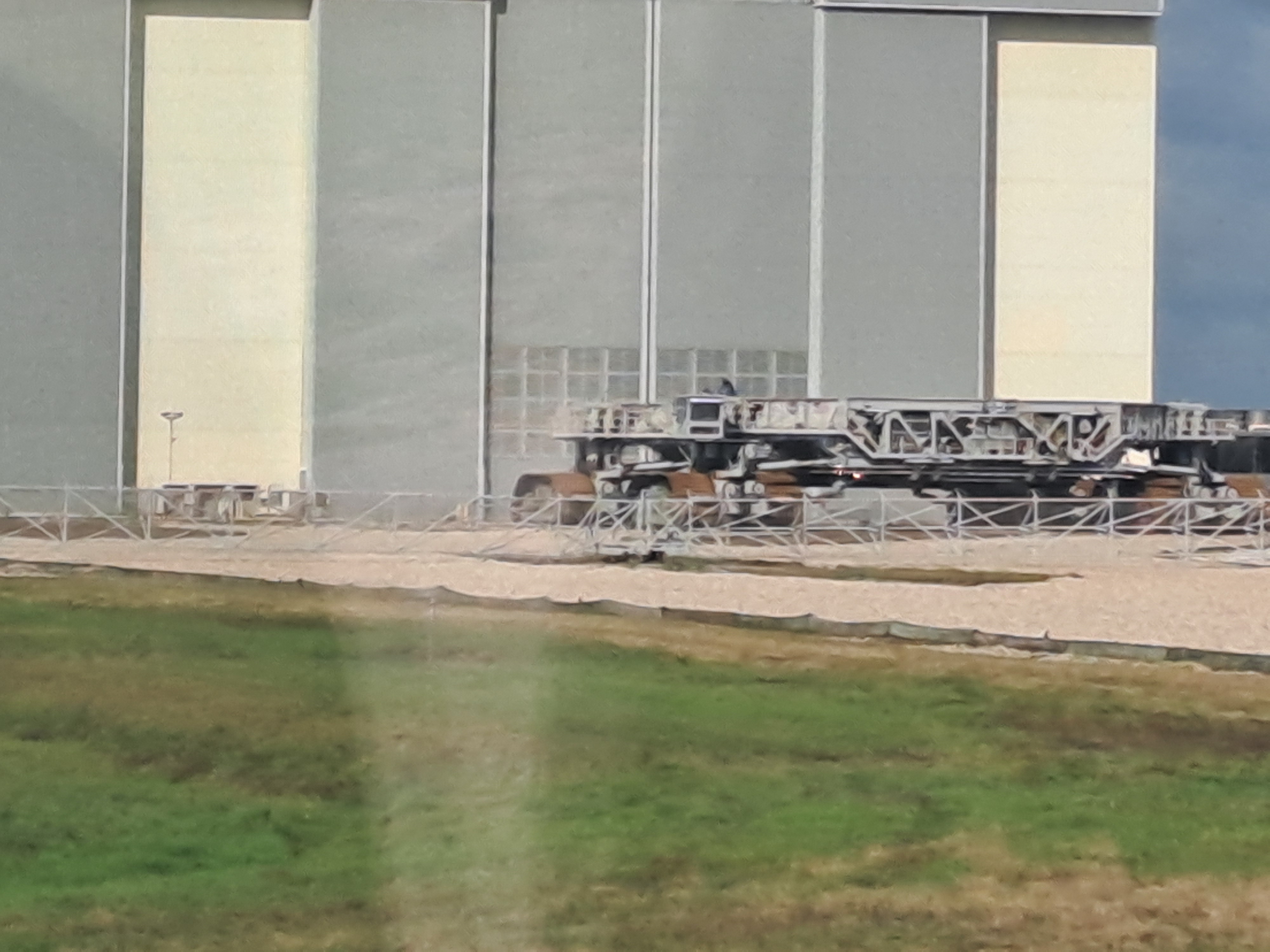
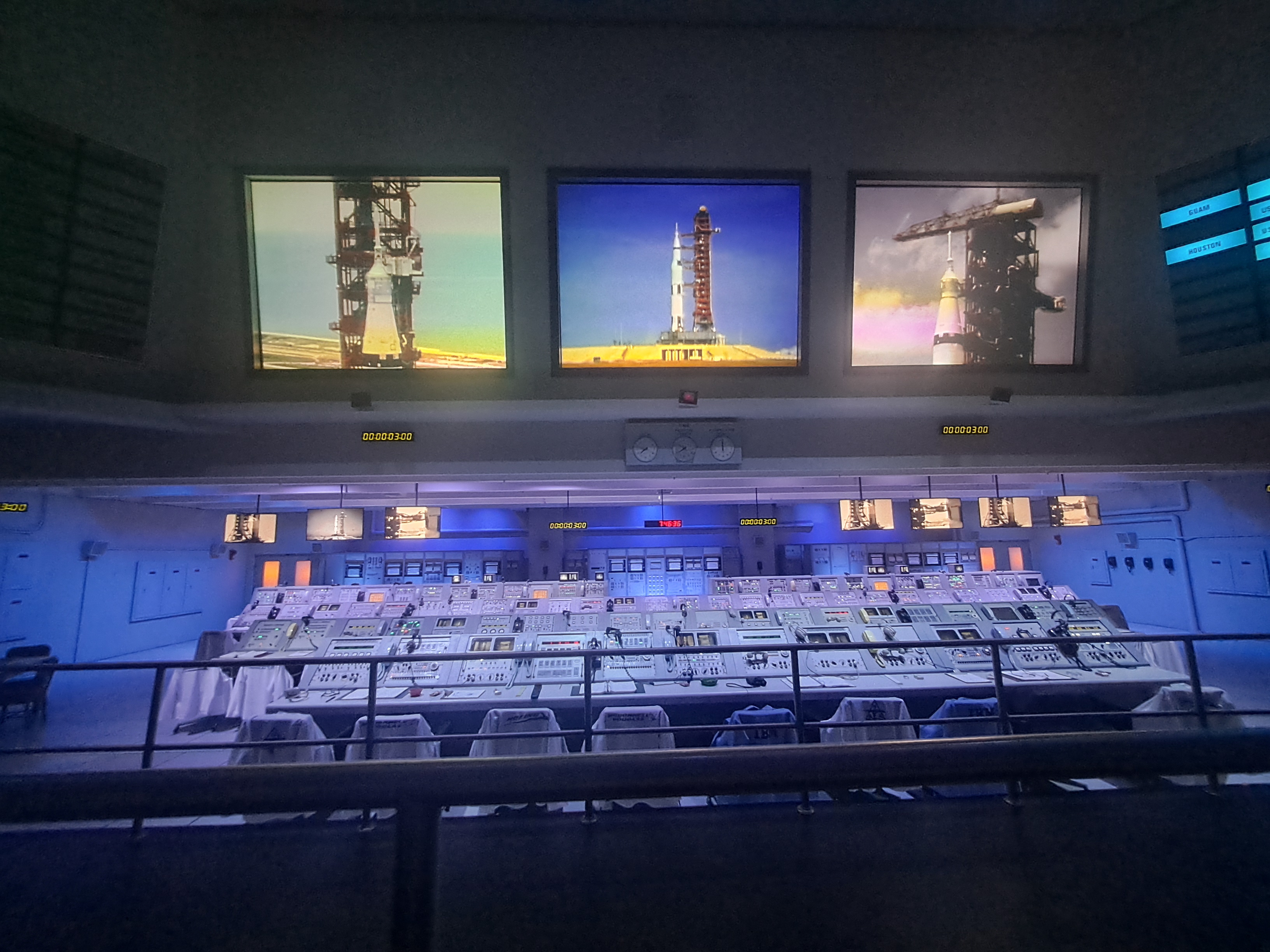
The crawler below takes the rocket to the launch pad. It travels at one mile per hour with its sophisticated load. We saw the control room for the launch and rockets and had a tour of part of the site. Like Houston the site is part wildlife sanctuary


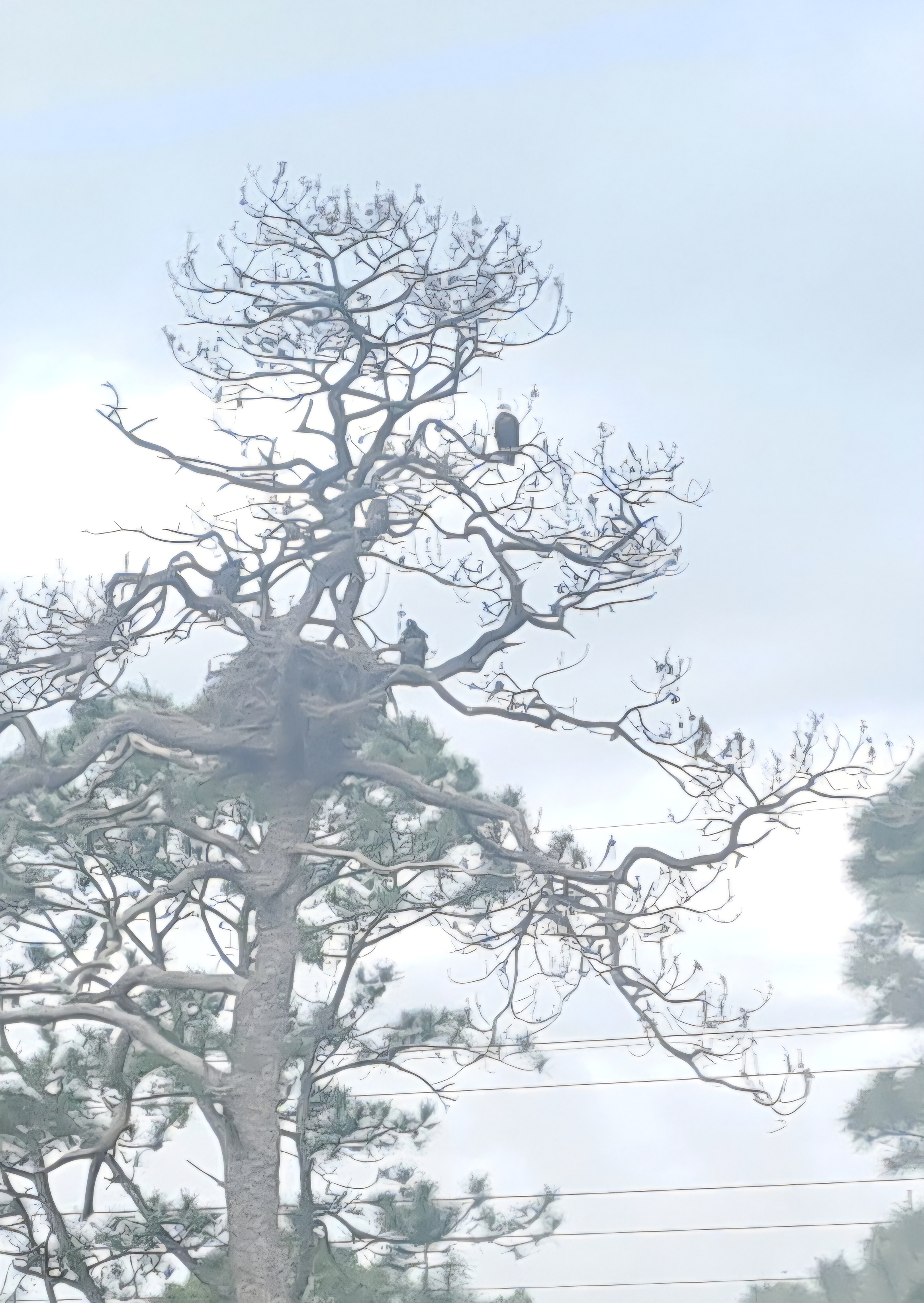
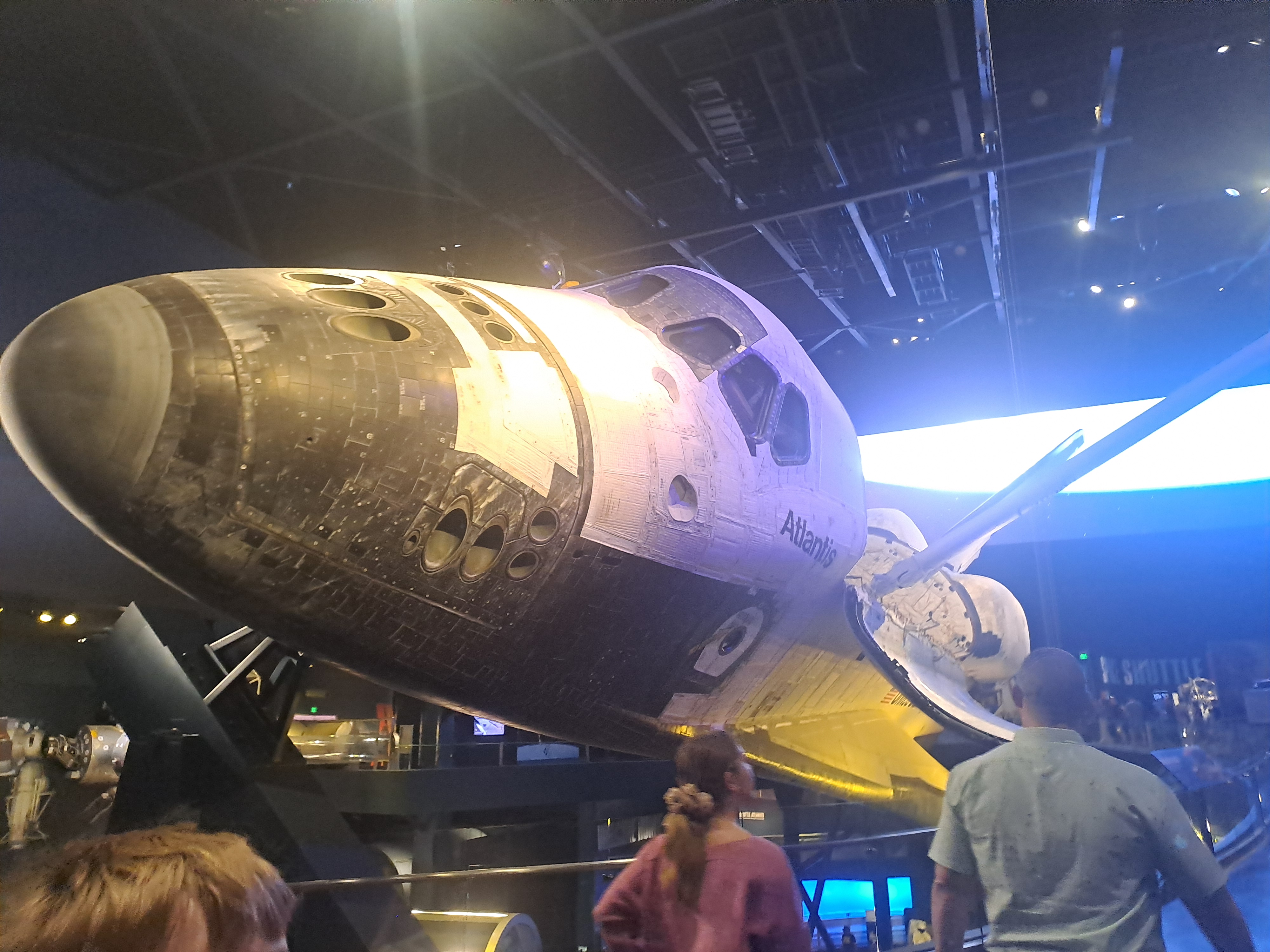
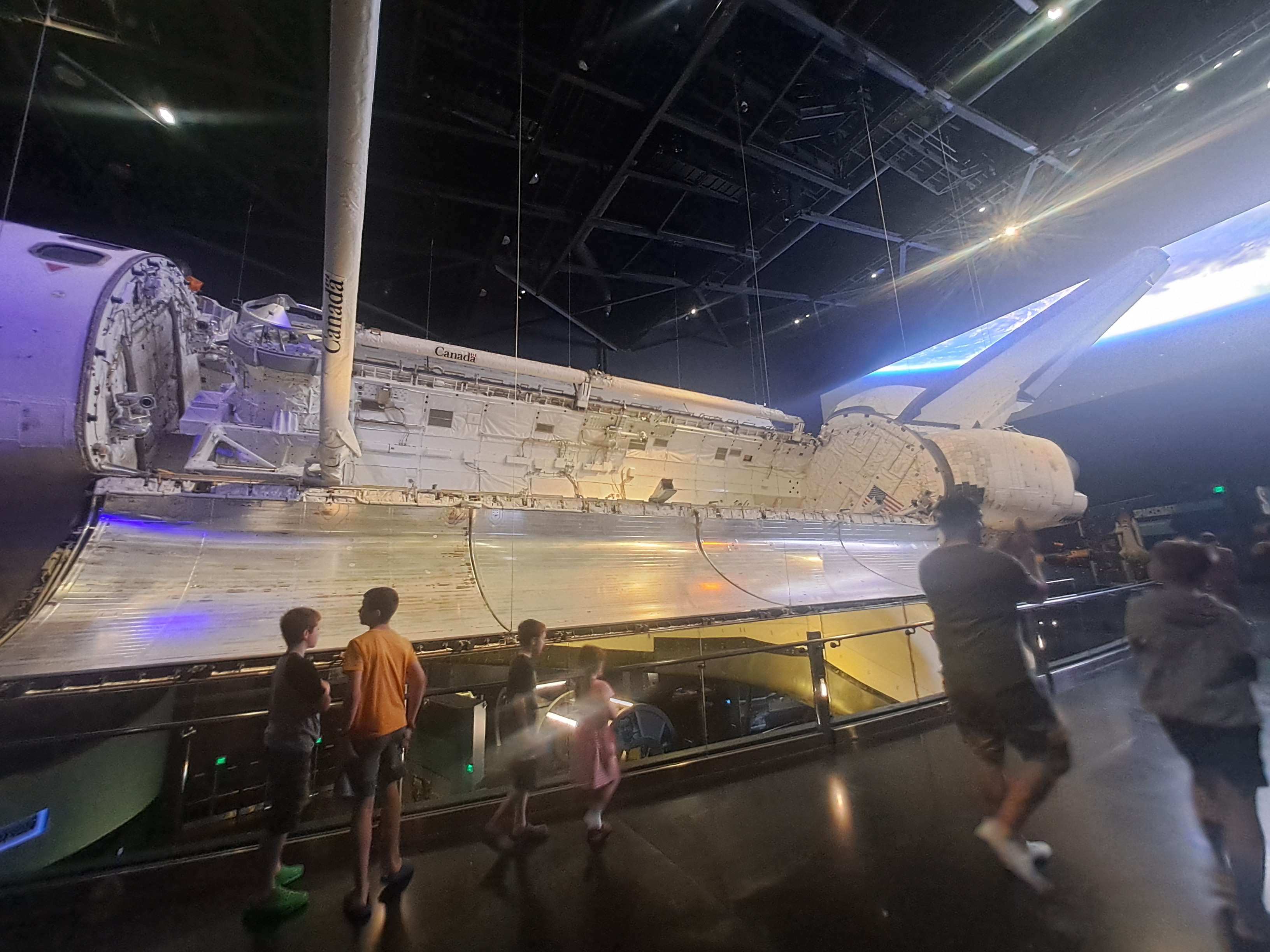
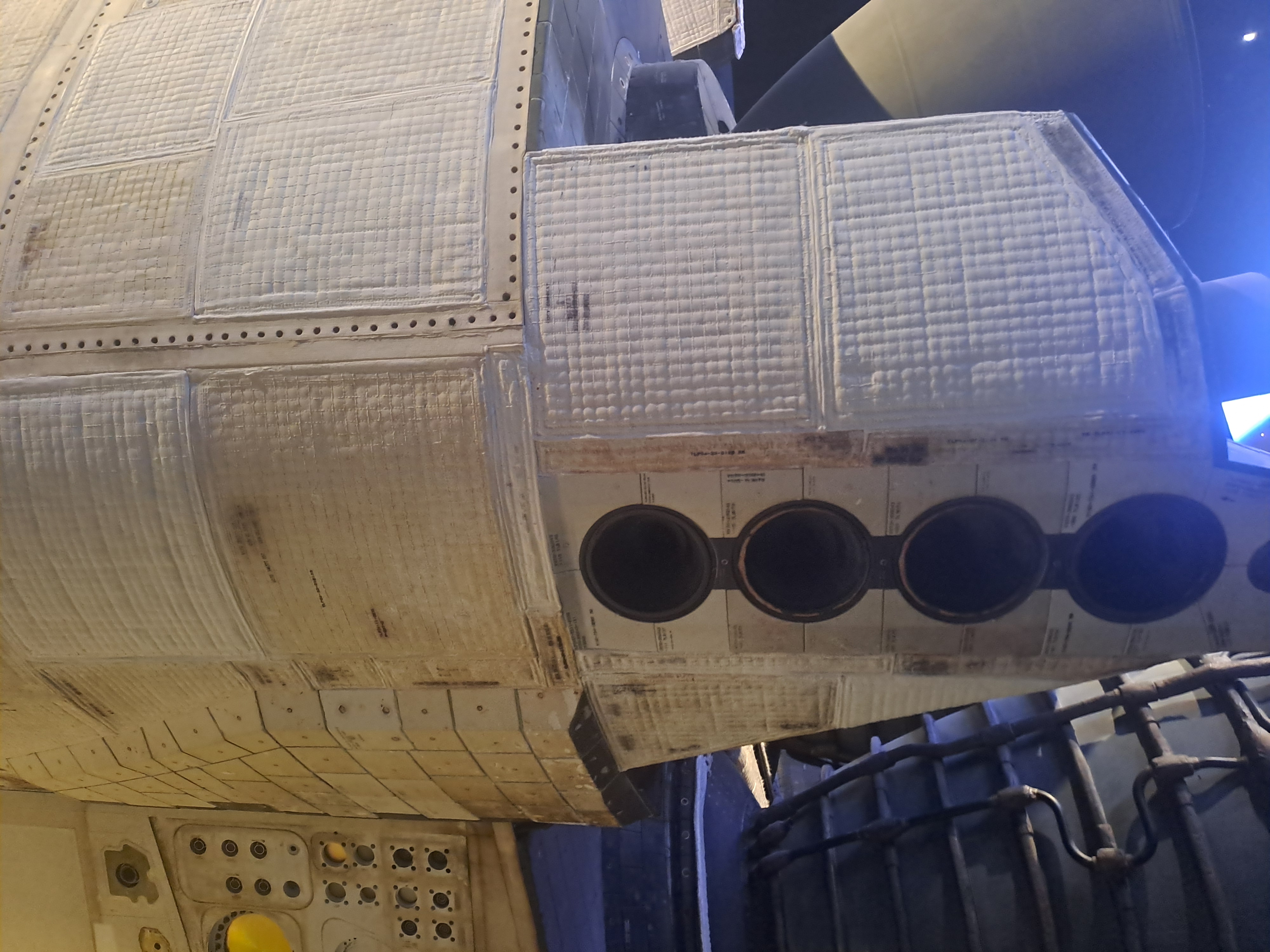
We had the local inhabitants pointed out to us. We got close look at the space shuttle and the material it was coated with for heat resistance.
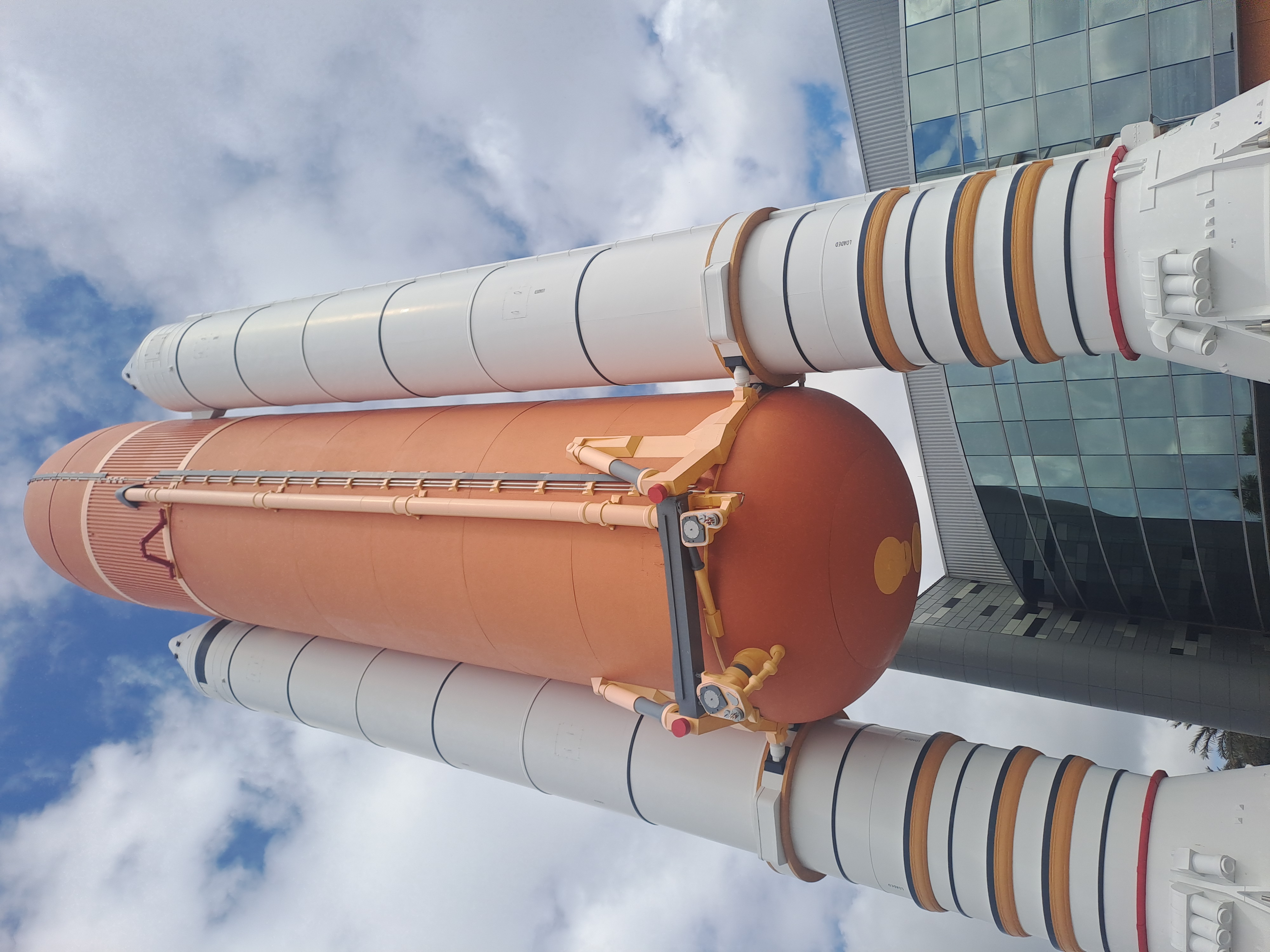
Here is the Artemis rocket

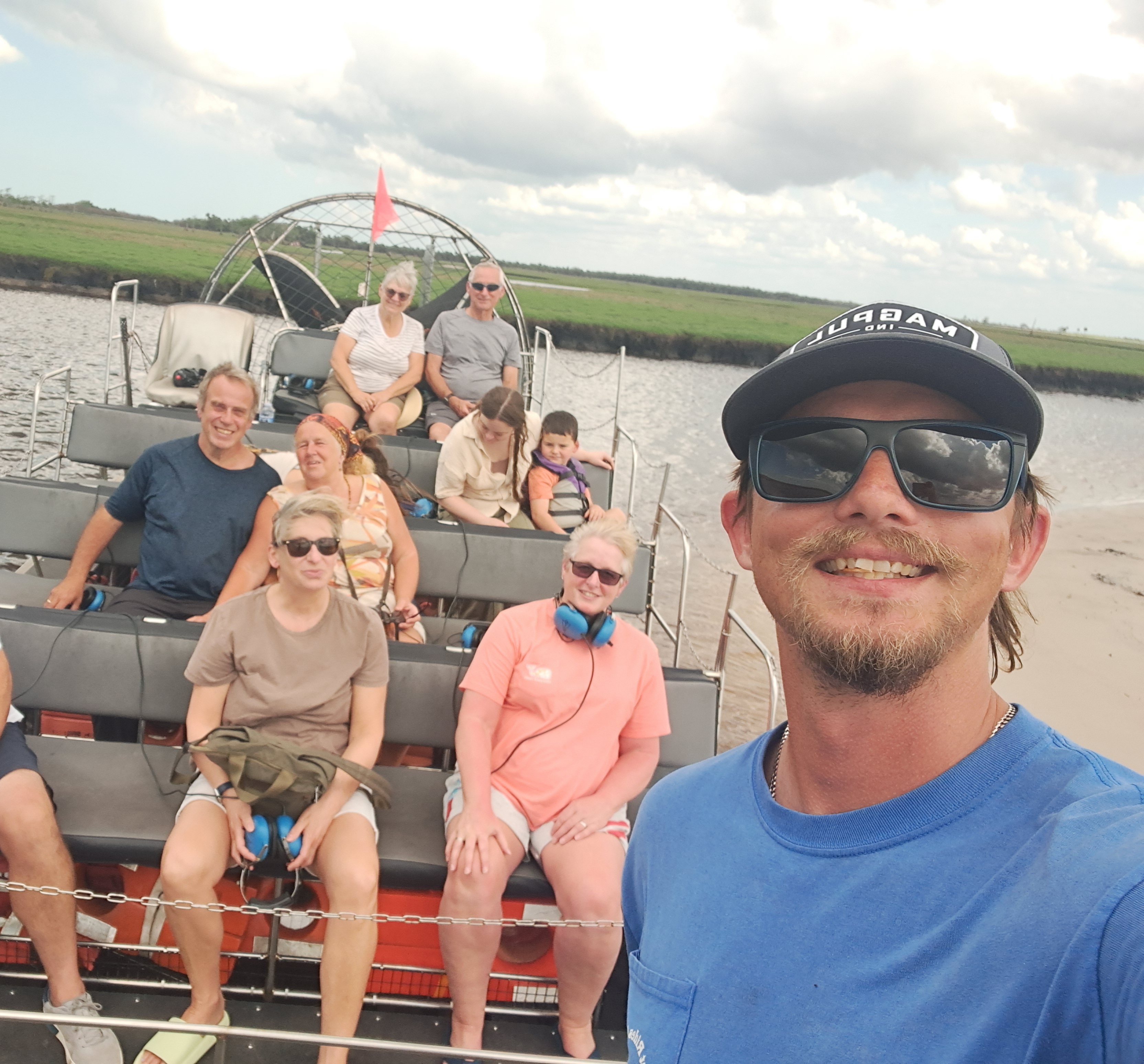
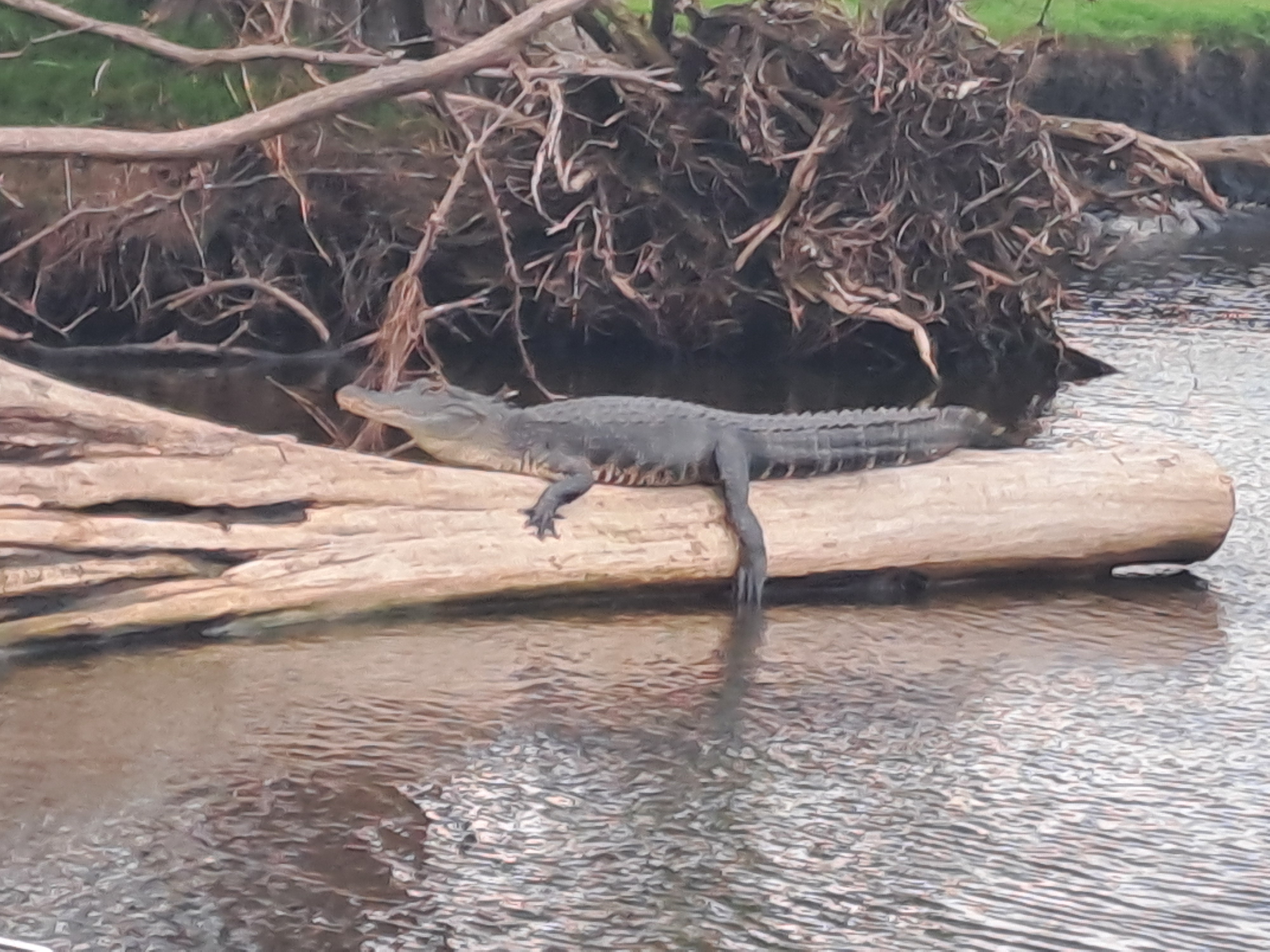
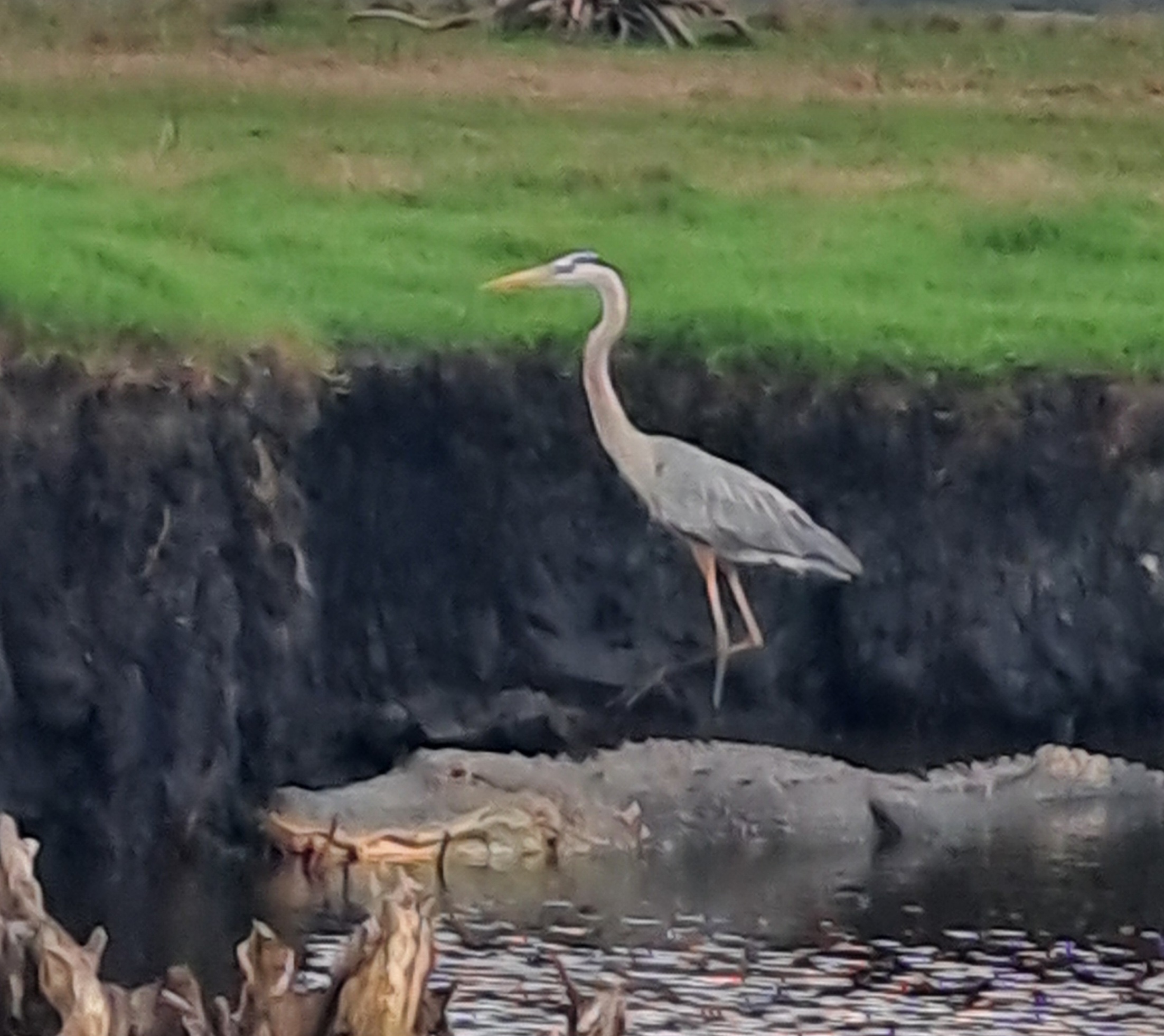
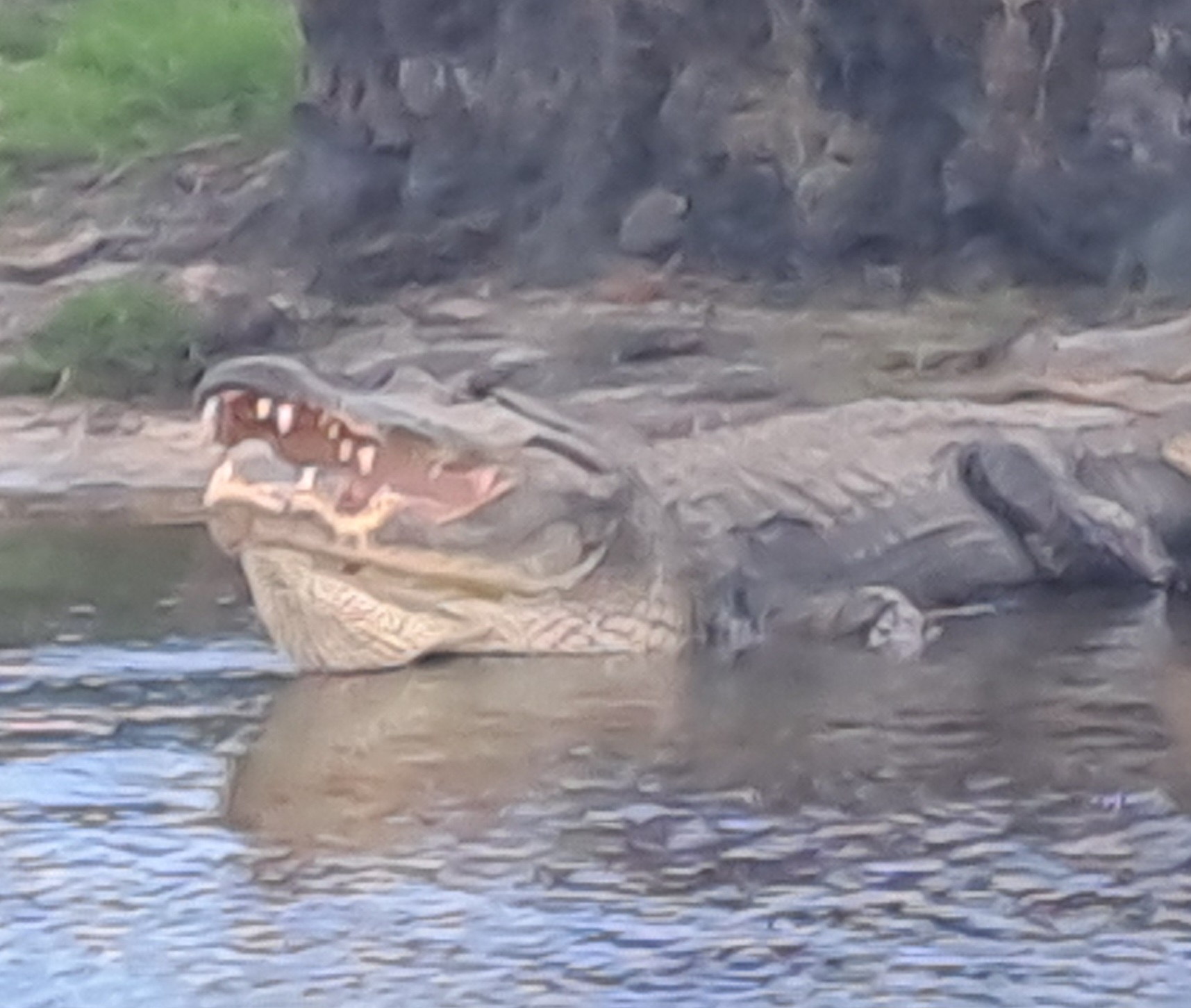
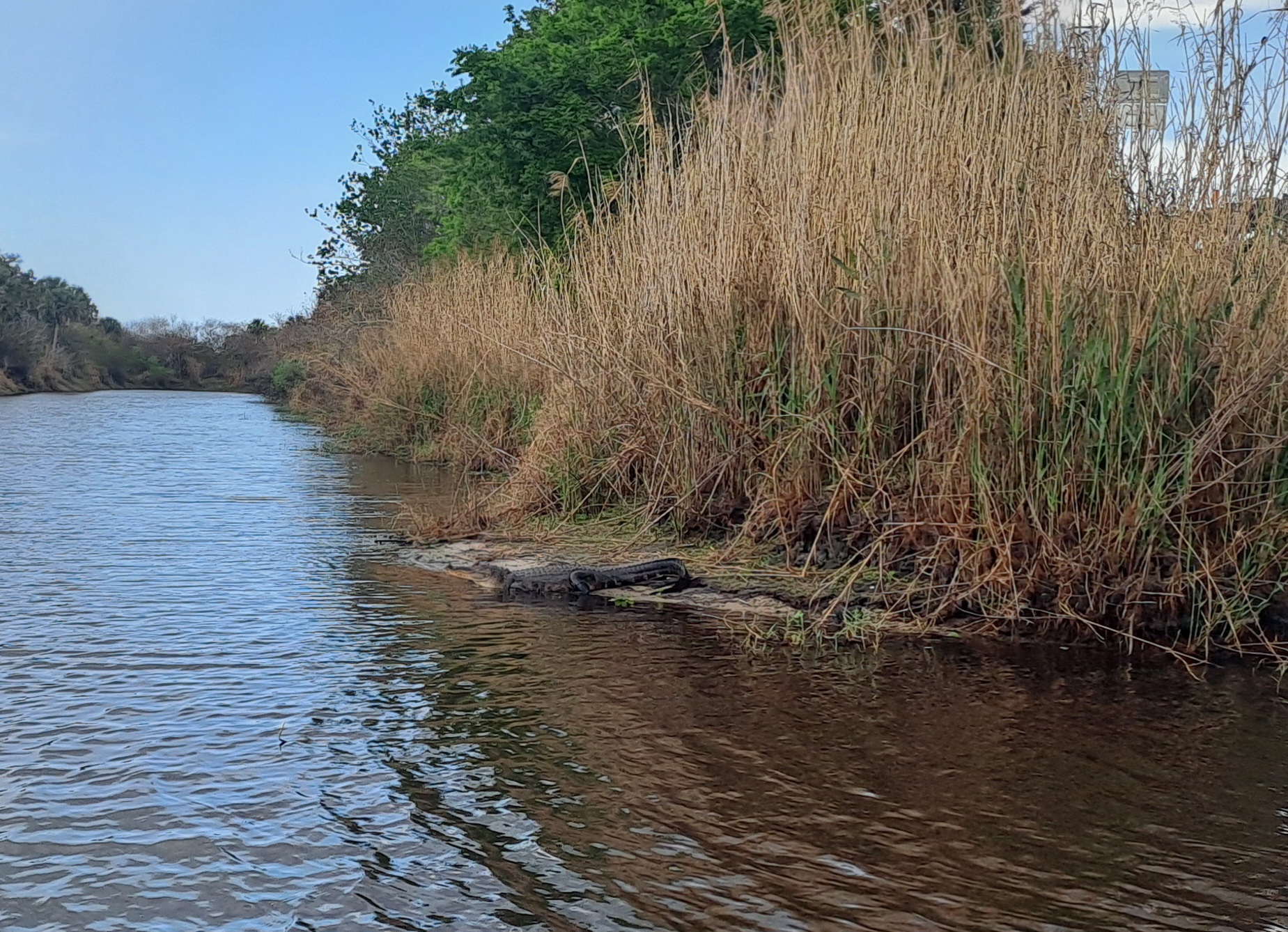
Our very last experience was an air boat ride. We’d seen them, but not been on one. We got to experience the wildlife, birds alligators and trees.
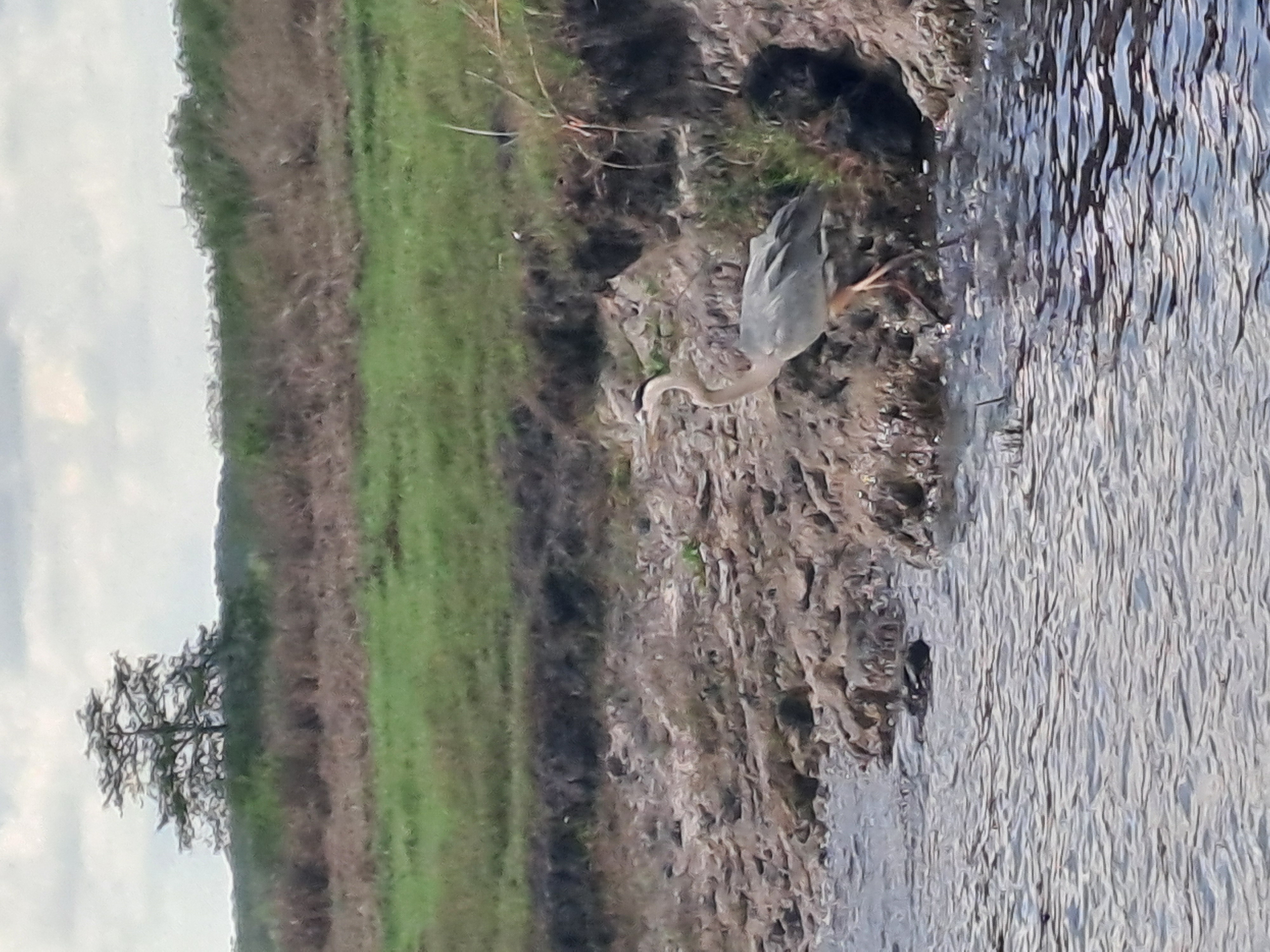
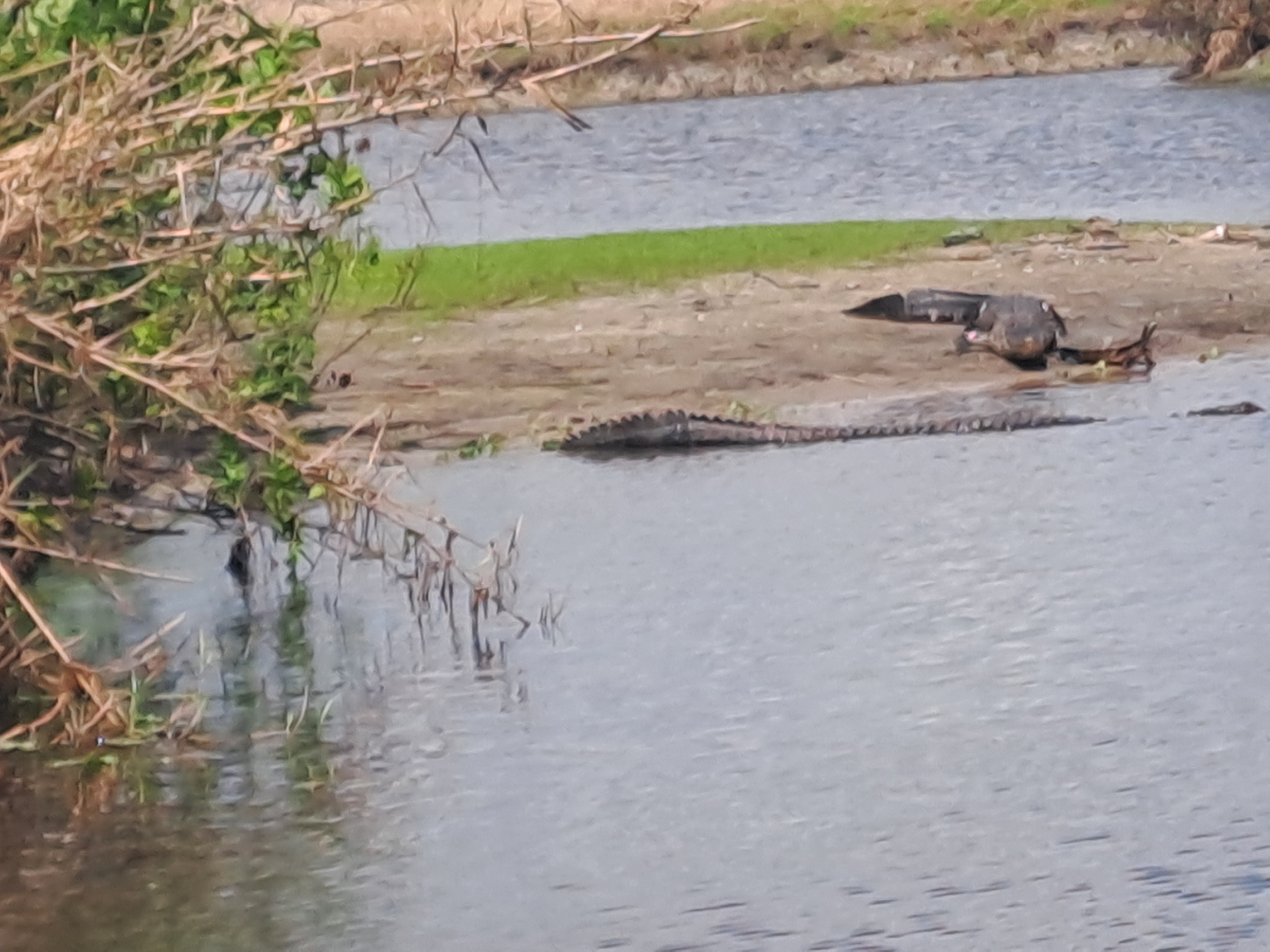
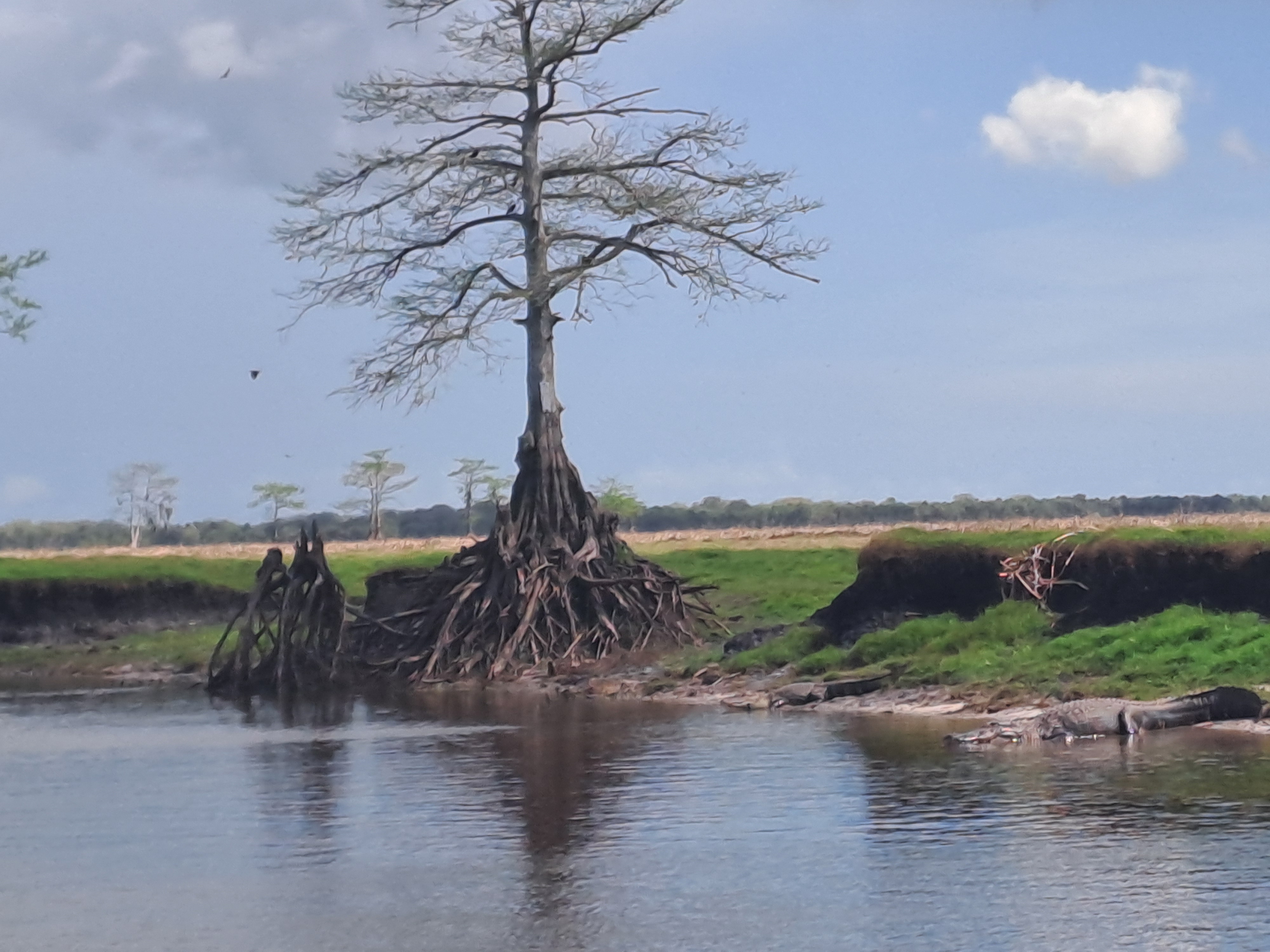
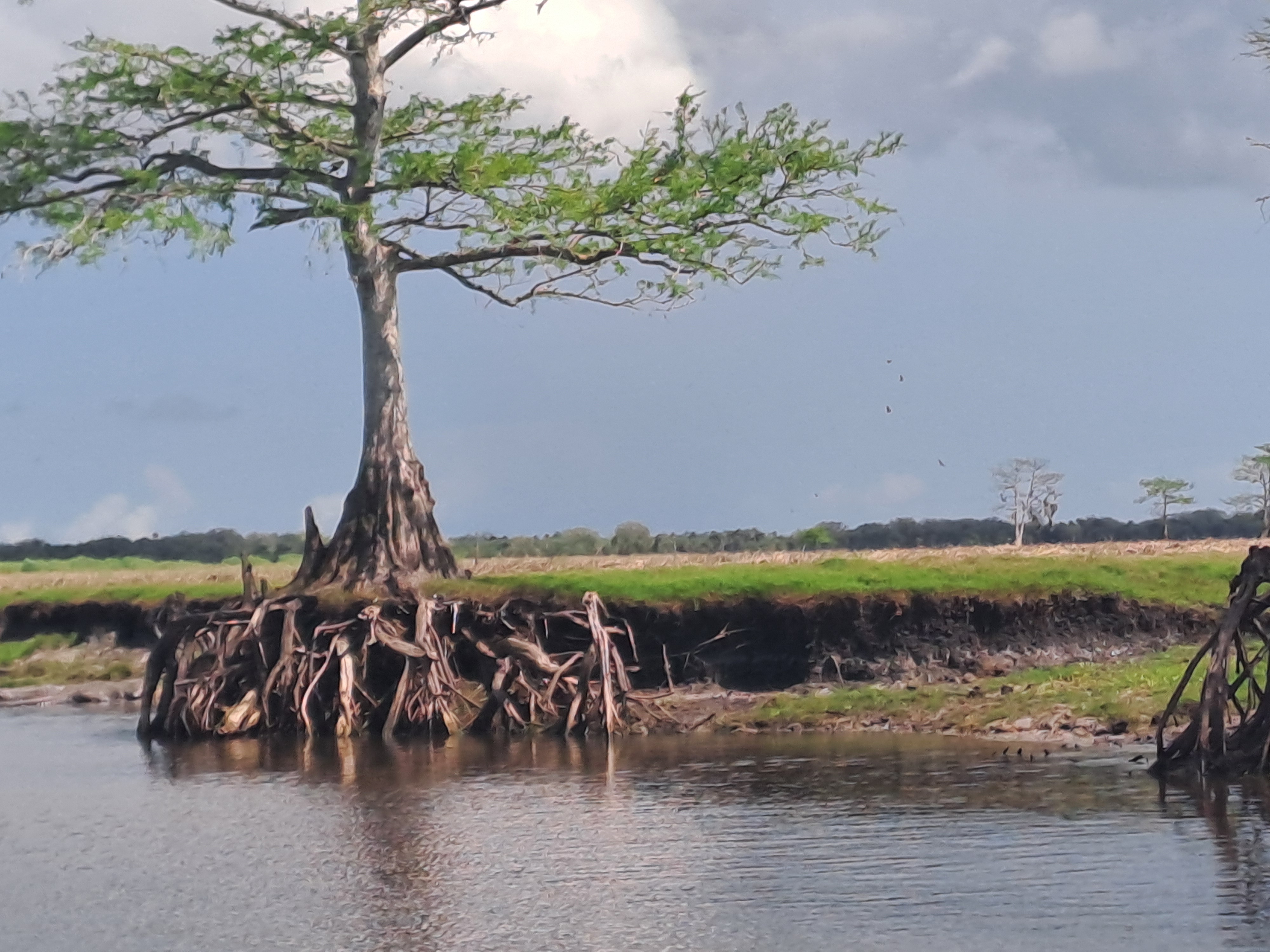
One little boy got very upset after our guide jokingly suggested a swim with the alligators. Not because of the suggestion, but when he realised he wasn’t going to swim!
All too soon our trip around the world was over and we caught our flight home.
A lovely lady joined us at the wine bar at the airport and insisted on buying us drinks “to apologise for the jerk running the country. ” A last memory to take away with us.